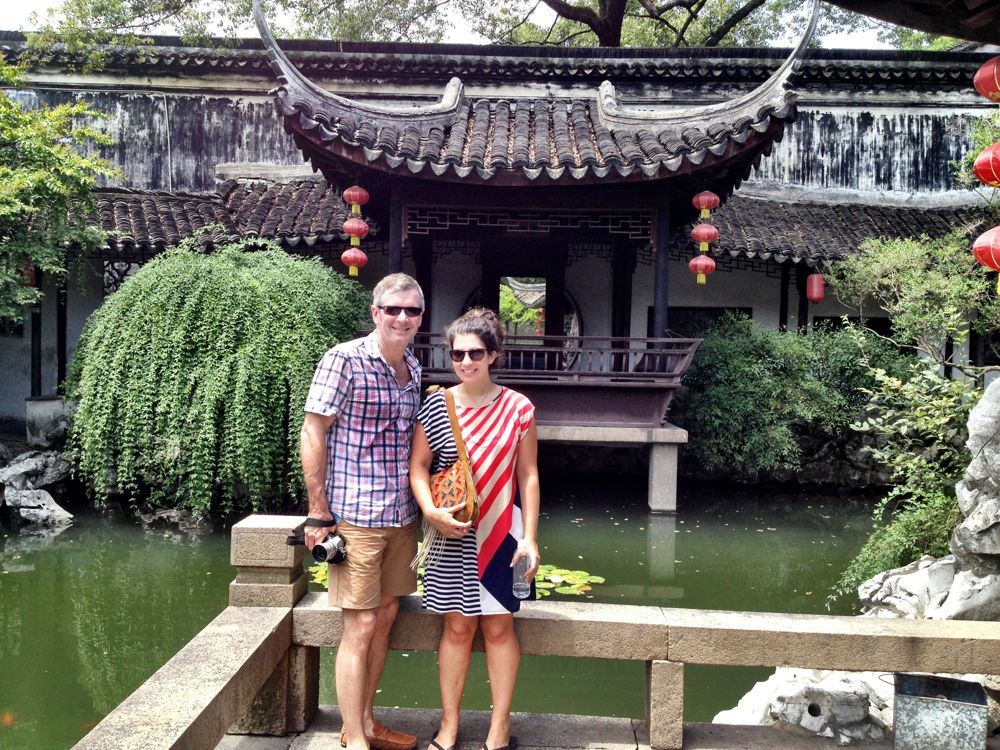
A Water Town! Sounds like a way to cool off in 40C..so we thought!
Still suffering from the Shanghai tummy trouble, we wisely opted not to take the train and then a bus to Tongli, chosen for it being more inaccessible and hopefully less full of tourists. Ross’s ingenuity secured us a local taxi for one quarter of the cost of taking a tour, so we set off with Jess at a civilized 9.30 am.
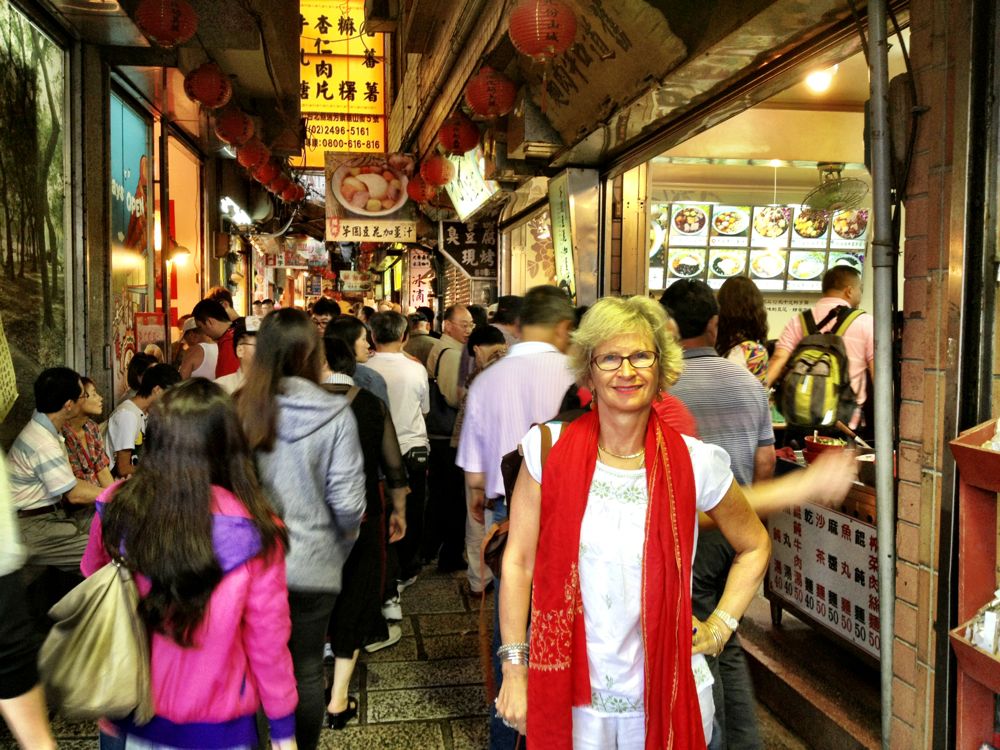
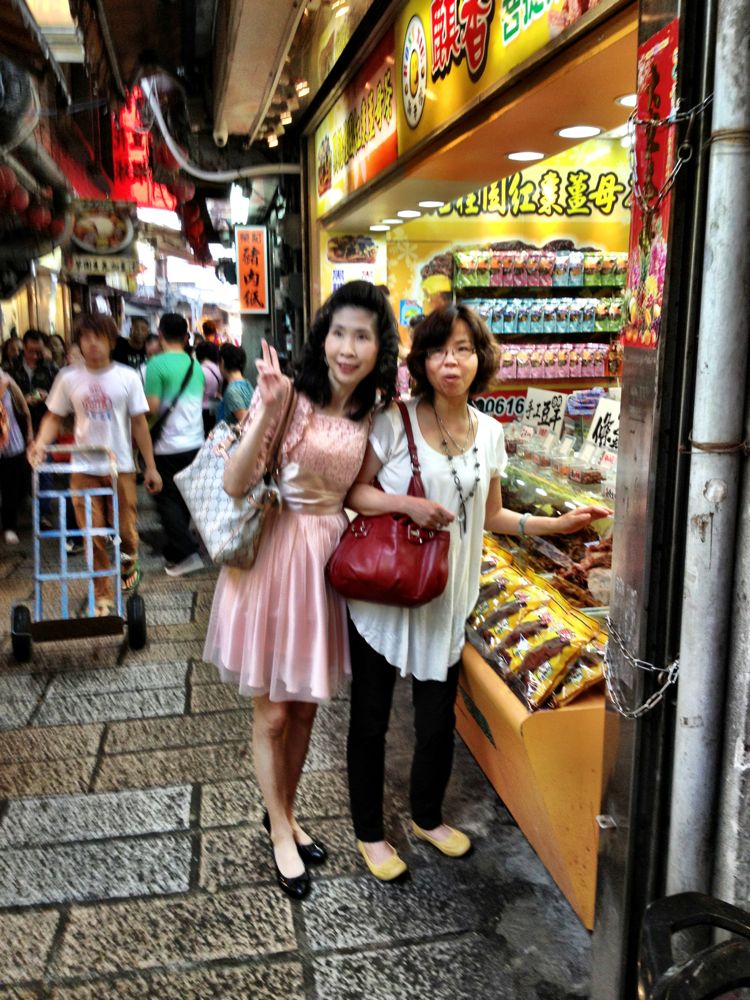
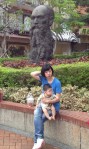
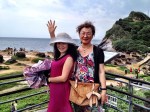
It’s too damn hot – 40C, but we pose like Chinese for our photo with the ubiquitous peace sign
Like us, she had never been outside Shanghai, and we were pleased to see open countryside, with paddy fields and fish farms lining the roads, interspersed with high-rise apartment blocks and luxury developments. Not surprising really as the Water Town area was where ‘due to charming environment and abundance, in ancient times, many noblemen and distinguished families built their private gardens…low bridges, running water and small villages has won its fame as Venice of the east. All these make your trip full of poetic and artistic imagination from the moment you arrive here.’
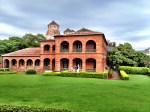
Jess and Ross in the Tusi Gardens
So said the local guide. And it was true. After queuing for a little shuttle, ‘driver having lunch, she come when finish’, we arrived in the walled town, which at first glance looked rather tourist tacky, lots of shops selling tat and rickshaw wallahs touting for business. But once you left the main streets and wound round the back, life here is probably much as it was a century or two ago – small little one/two storied stone houses with little courtyards, or small gardens. People lolling around inside in the heat, cooking smells lingering in the fetid air. A small breeze just about ruffles your hair on the numerous bridges that cross the canals.
Tusi Gardens
We enjoyed the formal coolness of the Tusi gardens, and made our first tourist purchase, an exquisite and intricate paper cutting of a pair of carp, in blue – bought from the artist.
Peek-a-boo
Whoa – thats some phallus!
A visit to the Chinese Sex Culture Museum is a must, especially as Jess’s friend Andrea had interviewed the owner for a news piece…in fact it is more culture than sex, although there are some magnificent phalluses on display. A Chinese boy sidled up to me as I was
And another….
admiring one. ‘You like?’ he whispered in my ear.
Another fine old mansion was host to a museum of Qing dynasty beds – all exotically carved teak, the Moon bed especially designed for ‘conjugal bliss’. Hmm, I’ll have one of those, says Ross.
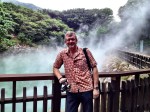
Ross is hot!
We made a bad error over lunch spot, but we were so hot. Literally drenched through from top to toe (yuk!) that, instead of continuing along the canal, where we later saw some waterside cafes complete with electric fans, we made our way to the main square where we found air con, a beer, and the most repellent greasy rancid dumplings I’ve ever seen, plus some lurid pumpkin buns…Jess stuck to the cucumber, Ross ate the dumplings, I drank the beer, no one ate the pumpkin!
East meets West – or Disney!
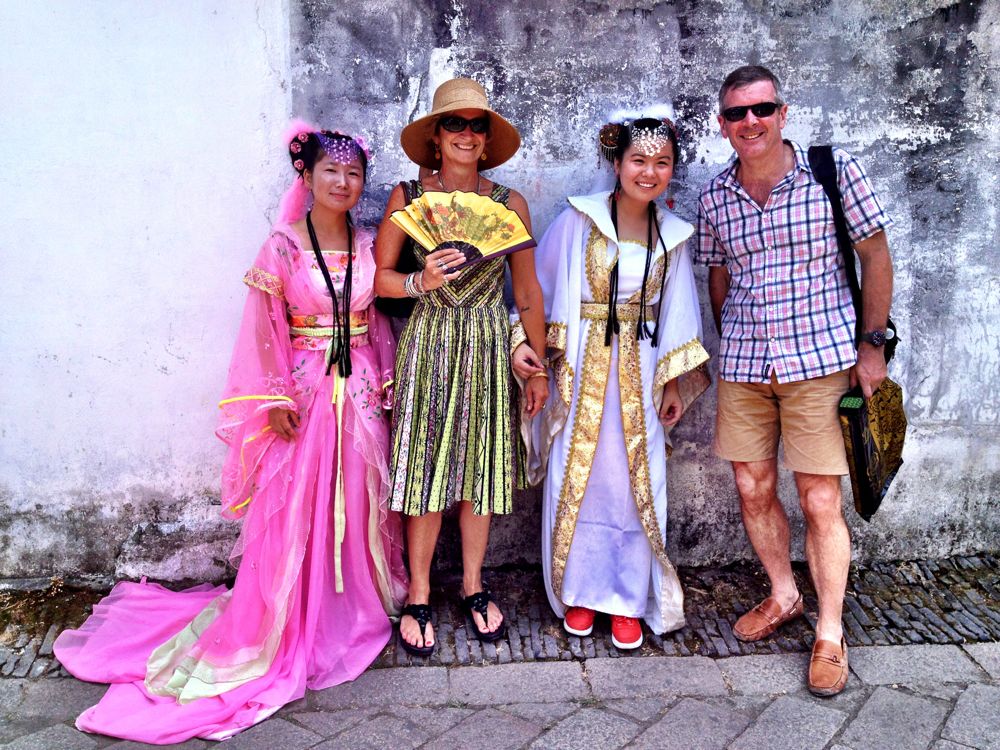
This girl had never met a foreigner before…
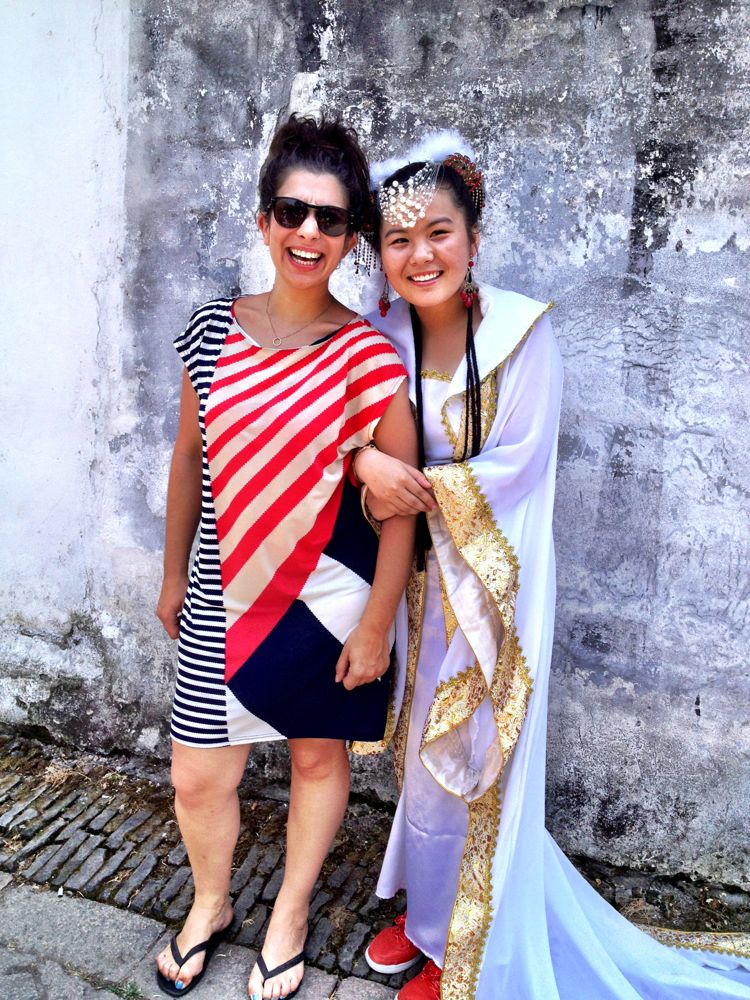
After lunch we met some gorgeous girls all dressed up in local Disney Princess outfits aka local traditional dress – hot synthetic gowns with long sleeves and frills, in garish colours, all having their photos taken. More than happy to be photographed by and with us – one girl told us she had never met any foreigners before; her friend spoke impressive English for a girl from the provinces. None of the pretty girls, posing for their friends, minded being photographed either. Ross is now building up quite a collection of Chinese beauties. I’ll have to watch him.
Jess and her new friend, who spoke passable English
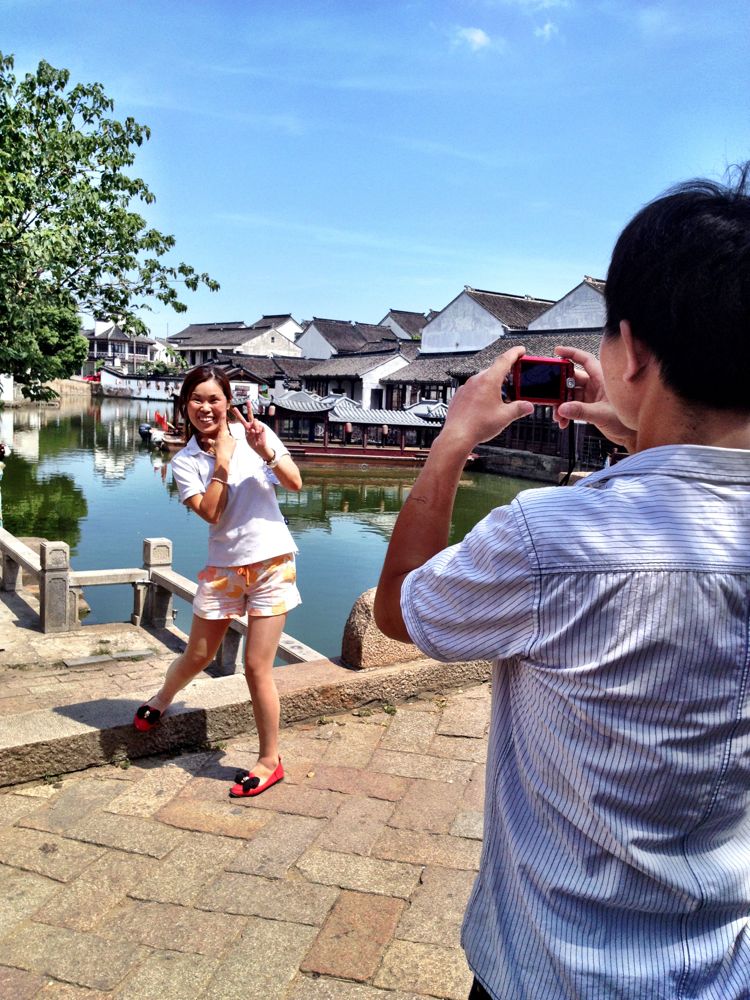
This couple were enjoying all sorts of strange poses
Cool it was not, but a fascinating day out. We saw only one other group of laowai (foreigners) the whole day; and it really wasn’t that crowded so our planning paid off. I rather like that the Chinese (and the Malaysians and the Singaporeans and the Indians) are all such inveterate tourists in their own countries. I suppose their lands are so vast and varied that it makes sense. Why go abroad if it’s all on your doorstep?
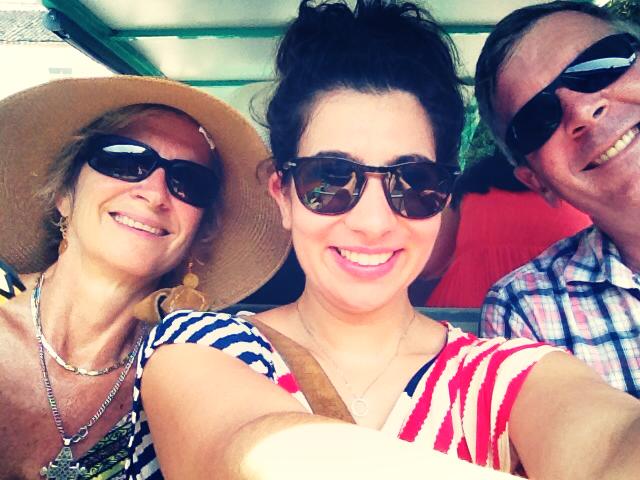
A Selfie of us all, true Chinese style! Love you jess!
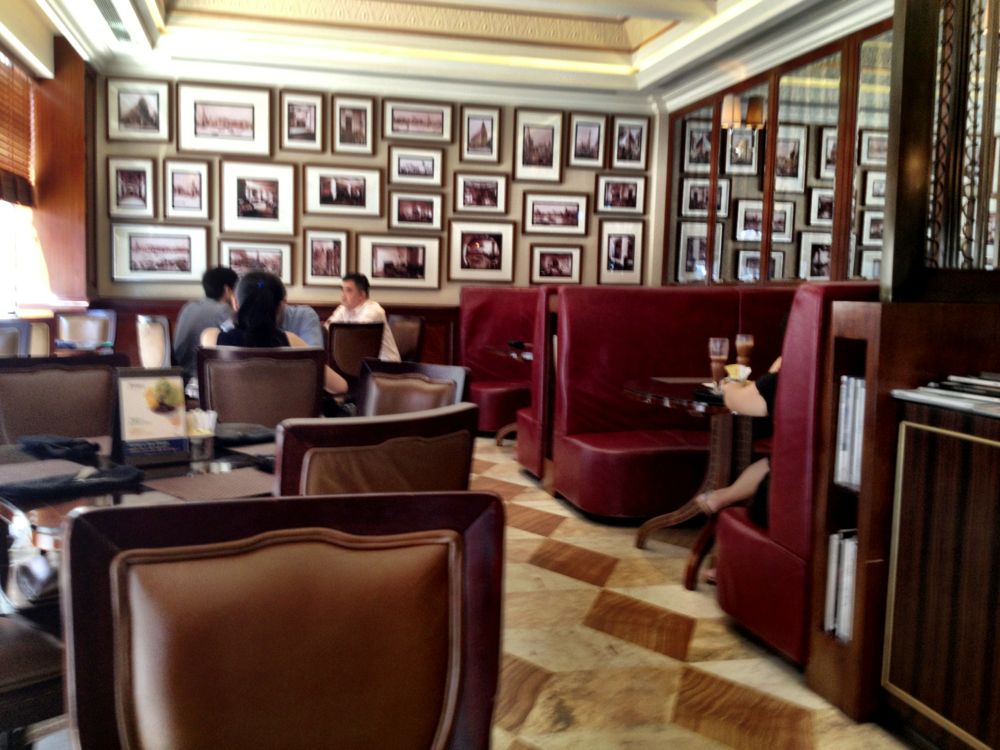
Who would turn down a week in Shanghai, staying in a suite in Le Meridien in the centre of town, with free cocktails in the Club Lounge every night? And almost all paid for by the company…the only snag, as accompanying spouse, is that you have to fend for yourself during the working day. And in Shanghai’s heatwave – each day registering between 38-40 C – that’s quite daunting. Especially when half way through you get food poisoning, rendering each expedition a major feat of planning.
A Selfie of us all, true Chinese style! Love you Jess!
Following my own guideline number one for a successful ownsome trip – go somewhere where you have a chum – here we were lucky to have Louise’s dear friend and neighbour from Clapton, Jess Lehmann, in Shanghai on a WPP scholarship and working for Ogilvy. Firmly ensconced in the French Concession, Jess has become an expert on Shanghai eateries and tips on how to make the most of it. Like having
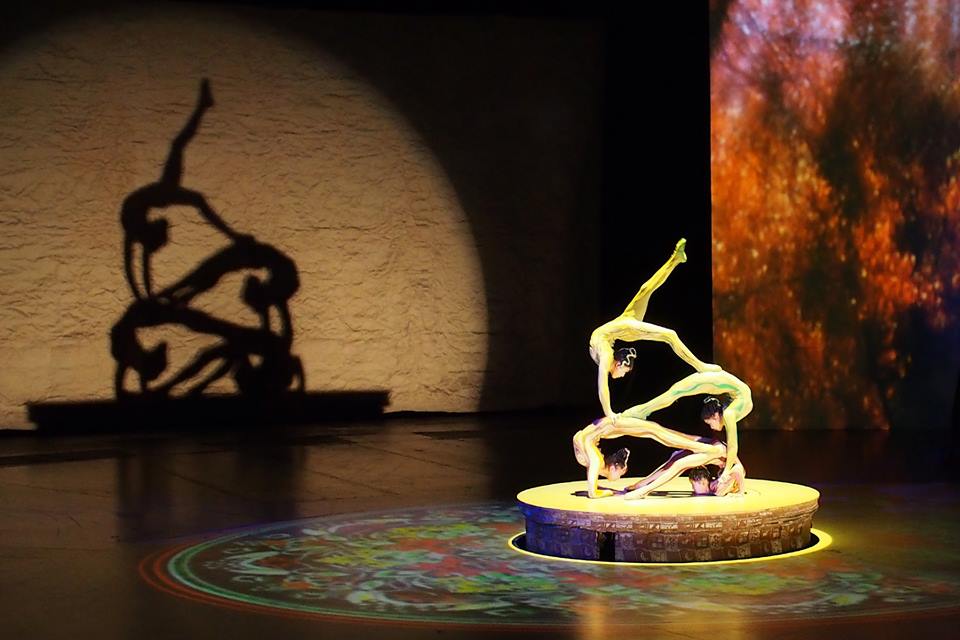
Amazing grace and agility on display
an after-work foot, neck and shoulder massage, which is de rigeur in Shanghai I learn. Or knowing which of the Acrobat shows we should go to; we went to Circusworld, (no animals, honest). It was truly spectacular but its staging clunky and low budget. And pretty unsafe, not many safety nets or wires in evidence, and seven motorbikes in a wall of death is pushing it! But the spontaneous joy of all the children was uplifting just as the noise in the theatre was unceasing.
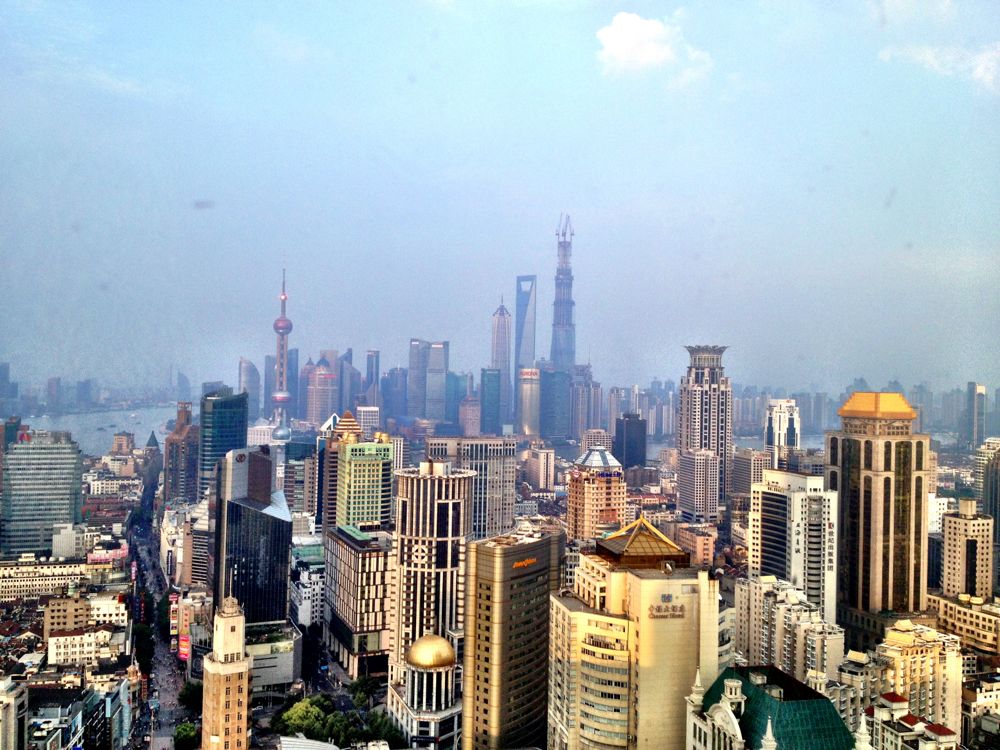
The extraordinary skyline on the Bund
Having had a grand reunion on the first night and a delicious meal (probably the best of the trip – but there will be a separate food blog so no more on food here), suitably primed and raring to go, on the first morning I foolishly set out to walk to the Bund, the famous promenade where all the finest merchant buildings of the early 1900s are found. Shanghai was a freeport and it attracted traders from all over Europe,
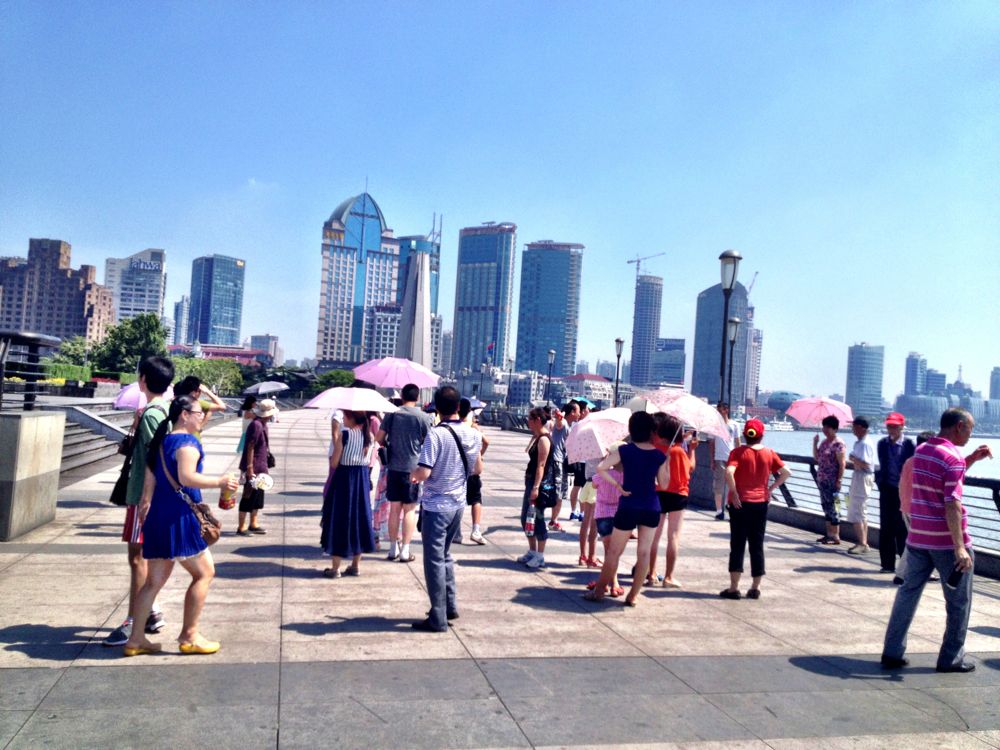
Chinese tourists taking the air…note umbrellas
and after the Russian Revolution there was an influx of rich Franco-Russian aristocrats and Jews; and again during the Second World War. Sadly all my efforts to see the synagogues and the Jewish museum were thwarted by lack of time, high walls and heat.
Victor’s art noveau cafe in the Peace Hotel
Sticking to guideline number two, have a clear plan, I had my Lonely Planet neighbourhood walks guide, so resolutely set out to follow the North Bund route, melting all the way despite the breeze, which turned my brolly inside-out (Chinese always shield themselves form the sun with a brolly, as I did, until I found a stall which sold straw hats and a fan!). A fine iced coffee in Victors, the art nouveau bar at the Peace Hotel set me to rights.
The mobile hat lady who saved my life
Rather deterred by this experience, I thought, aha, guideline number three now – take a tour! The afternoon therefore found me on a bus tour, with only me, the guide and a driver in a posh car. Despite some good ‘sights’, I soon discovered that in Shanghai the sole
Reclining Jade Buddha in Jade Buddha temple
purpose of a tour is to take you to places where you will be parted from your cash…so the Jade Buddha Temple (jade effigies); Confucian temple (tea, although the tea ceremony thrown in was delightful and I wavered and bought some fine ginseng oolong, chrysanthemum and jasmine teas,
Confucius Temple, a haven of tranquillity amidst the skyscrapers
where the flowers unfold – interestingly all teas can be topped up at least 7 times so they are good value!); silk factory (silk quilts and clothes); pearl factory (pearls) and so on!
The tea-lady – well it was a ceremony in fact, note unfolding jasmine blossom in foreground
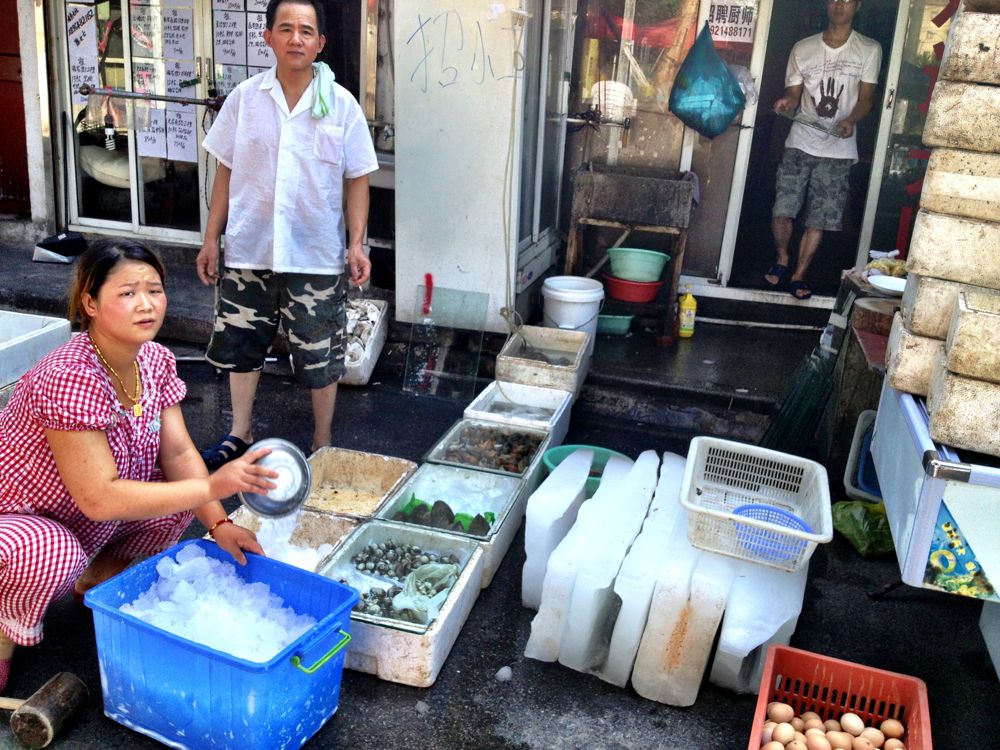
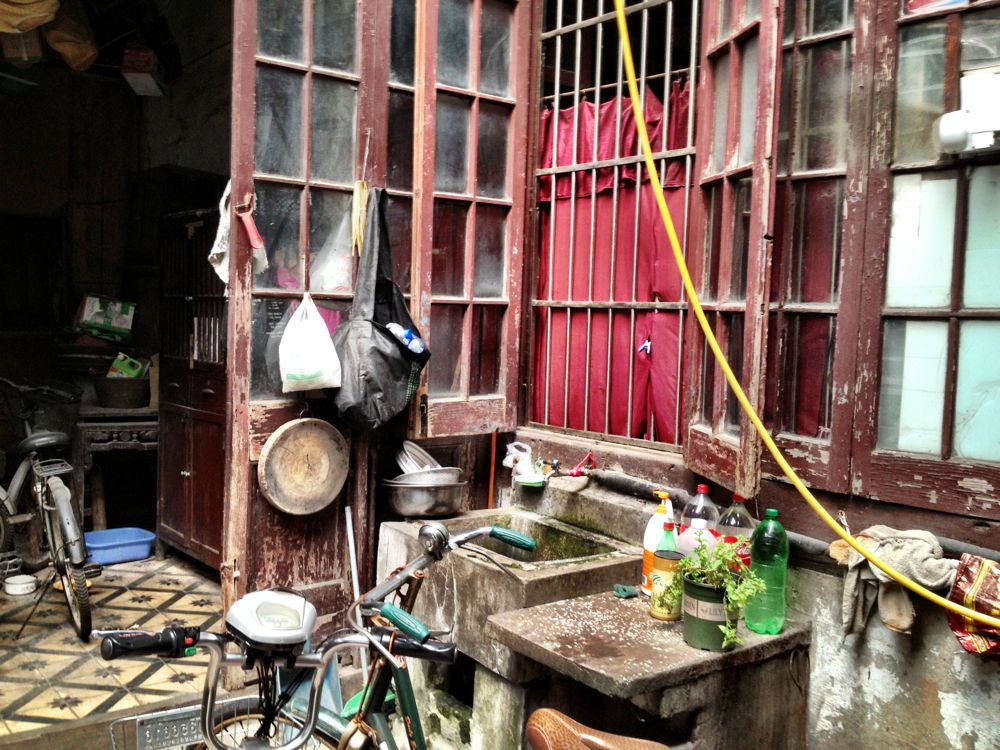
In between all this hard-sell, we managed to take in various points of interest; the French concession, the house where the first Communist Party Congress took place in 1921, and some streets in the old town, where the little stalls were preparing their snakes, bull frogs and all sorts of other indescribables for their fate. Most of these houses still have no running water or lavatories, and you can see slop buckets being carried to and fro or left out to dry, as I saw the following day on another old town wander. There are in fact very few old alleys left intact, but on our superb sidecar tour (a joint activity, and highly recommended!) Sammy from San Diego took us inside some of the shared tenements, where the tiling is pure early 20 century, there are communal washing and cooking facilities, and intricate
Preparing for the onslaught – or slaughter should I say
Snakes and bullfrogs at the ready….
Old house with shared washing facilities
and shared cooking facilities, note old furniture ad floor tiles
carving and old furniture is gathering dust and decaying quietly. Soon all these will go the way of the rest – knocked down for mega apartment blocks.
Rather jaded (haha) by this commercialism, I decided to spend the next couple of mornings wandering about by myself. Due to the heat, almost all of the normally crowded places like the YuYuan Gardens were practically deserted,
YuYuan Gardens
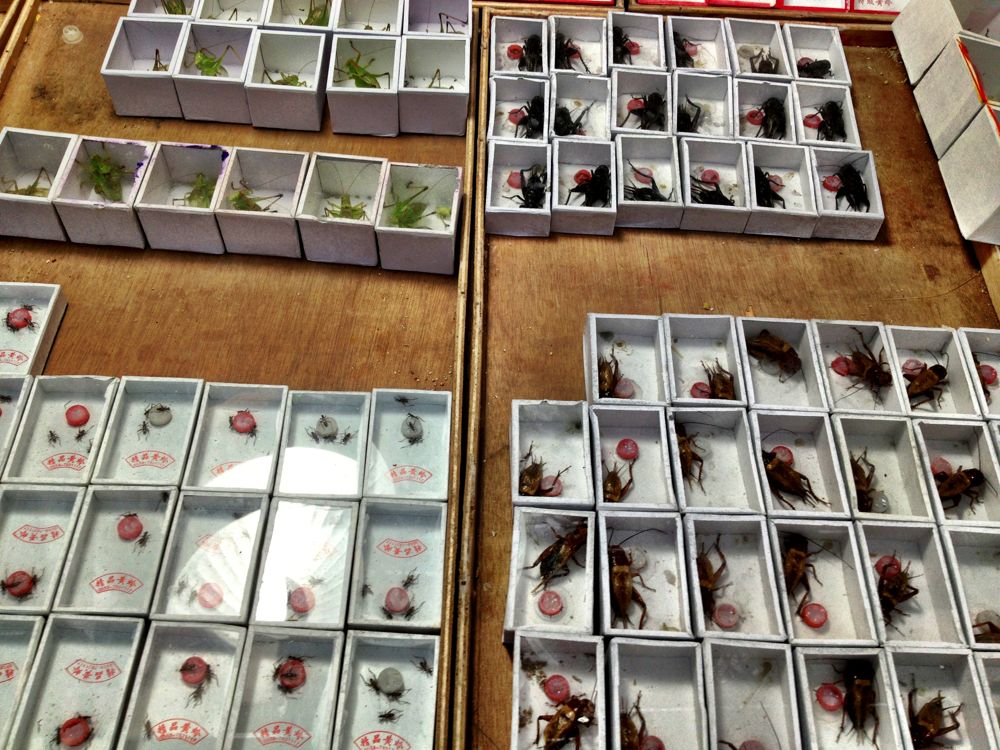
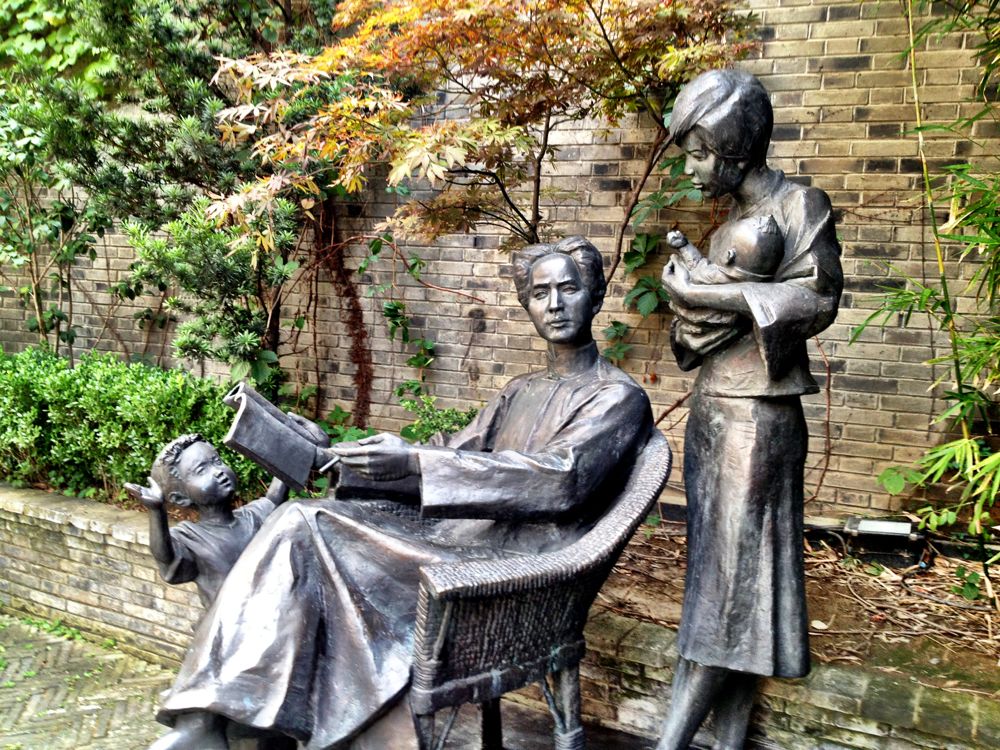
so I enjoyed ambling around, taking in the serene Chenxiangge nunnery; winding streets; food markets; the Bubbling Lanes; the house where Mao stayed when he first came to Shanghai in 1924 (fascinating photos); the Flower, Bird, Fish and Insect Market
The Chenxiangge Nunnery
(not for the faint-hearted, although these are all destined for pets, including cicadas,
Cicadas pre-packed to be played with by children – a sort of rattle, I suppose.
they are kept in very confined spaces; one hesitates to wonder what happens when they get past their sell-by date).
should you want to choose your cricket…these are alive!
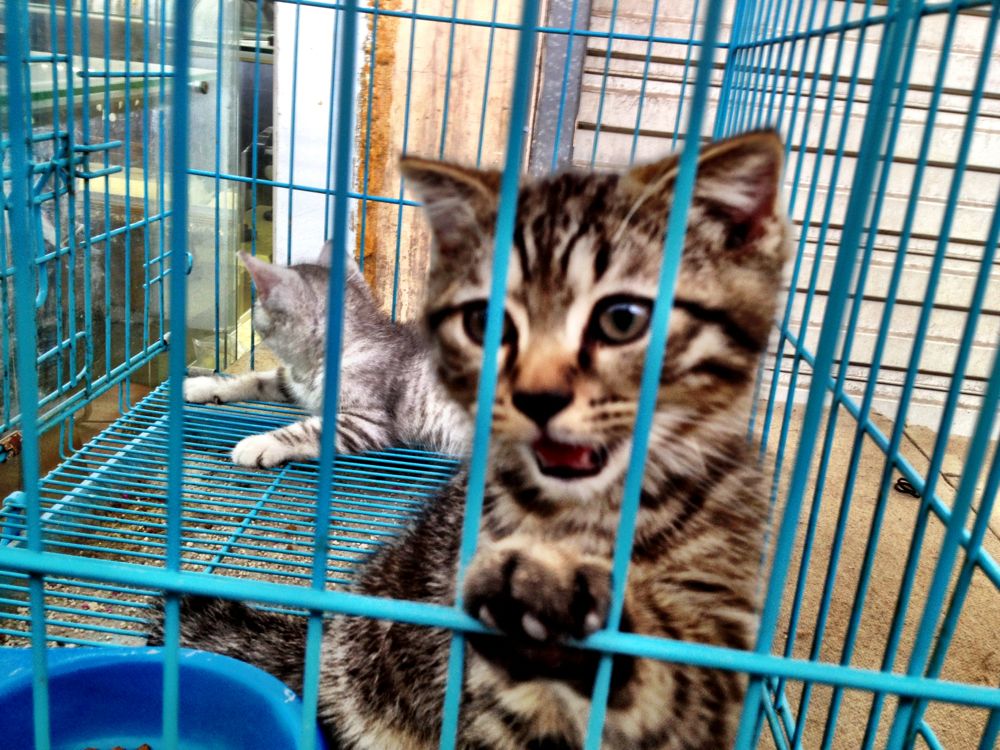
Gorgeous kitties in the market
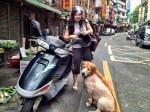
Talking of pets, dogs really are a fashion accessory here – not uncommon to see dogs with little shoes on, and men in particular mince around with tiny lap dogs on long leads – Chihuahuas, schnauzers, all shorn of body hair. Nothing can beat the pink-eared poodle that whizzed by me in her mistress’s motorcycle basket though.
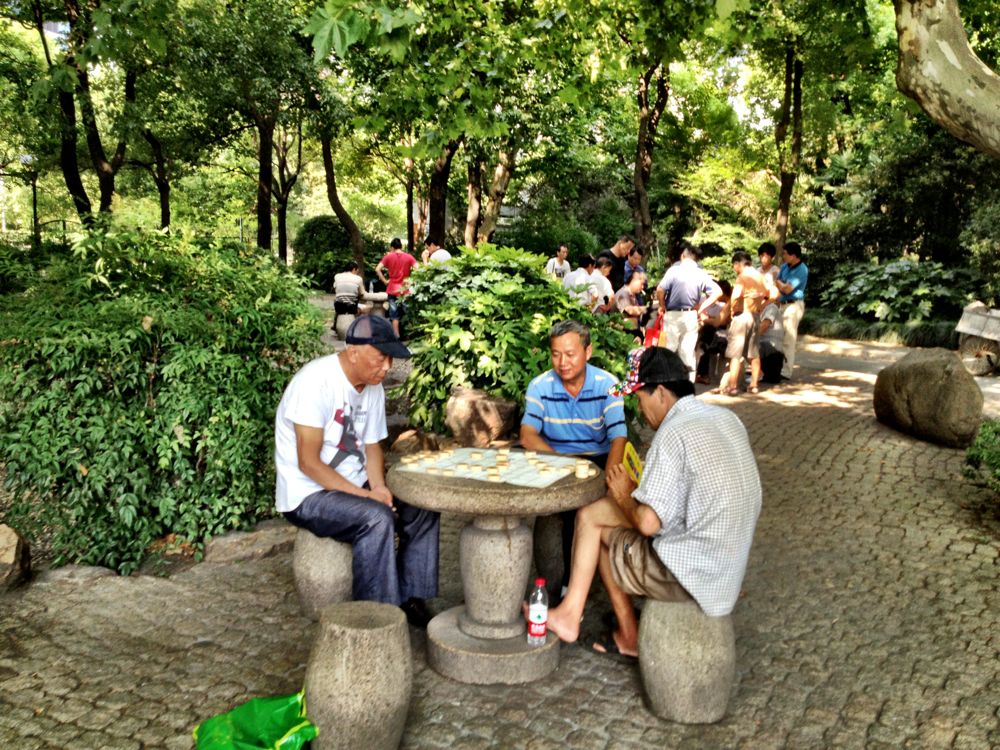
Gambling in the park…
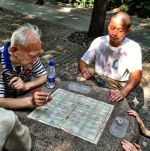
In the afternoons, more gentle local walks down the E Nanjing Rd, round the People’s Square, past the Park Hotel, watching young and old playing cards and Go, gambling furiously (illegal in China), taking in a strange exhibition celebrating 10 years of the Museum of Contemporary Art.
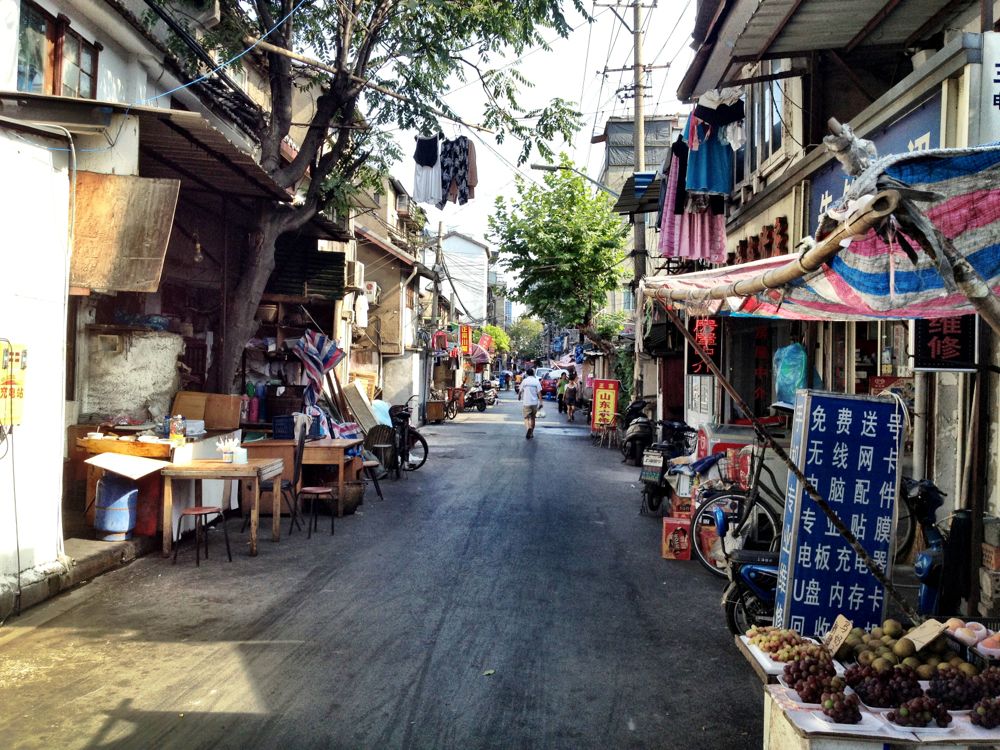
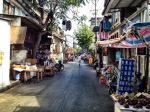
Typical street in Old Town
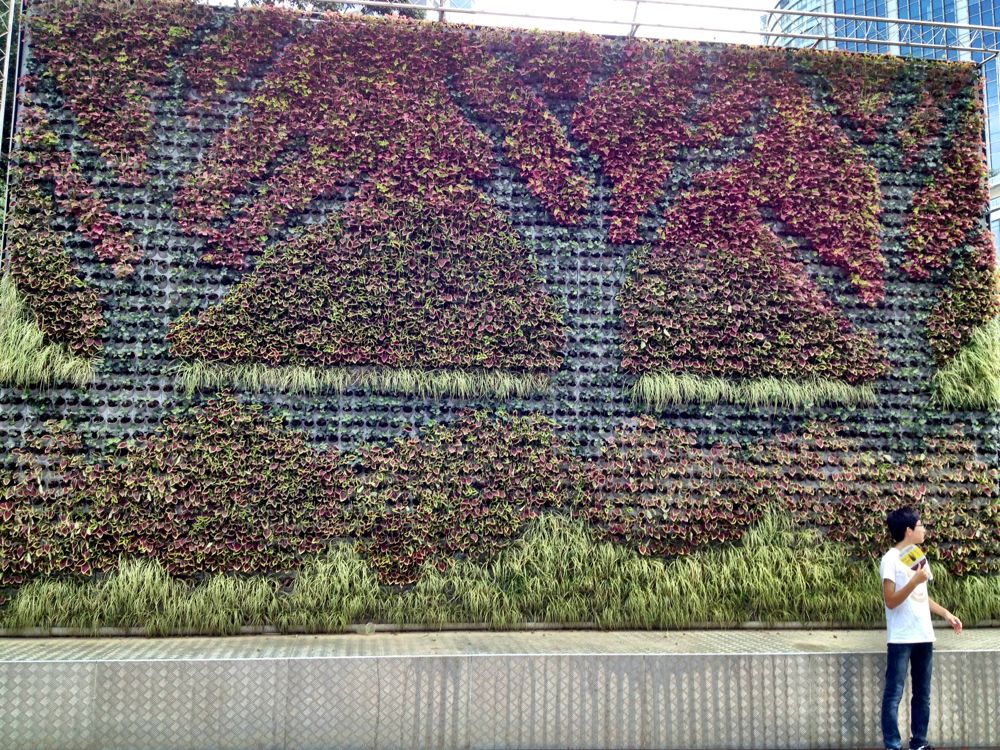
A vertical garden, very popular, in the Peolpe’s Square
Talking of Art, also visited the area known as M50, a hub of Shanghai art galleries. Apart from it being broiling and impossible to get a taxi back, it was a disappointing expedition. I know Chinese art is big ticket these days but, with one exception, Yang Xiaojian, I found it tacky in the extreme.
The Bubbling Well Lane, 1930s and very picturesque
So how easy is this to do by yourself? Well, it’s fine if you have a concierge or friend who can write down all your destinations on various pieces of paper (don’t muddle them up though, as I did at one point!); then the taxi driver takes you to where you think you are going. Often it bears no resemblance to where you believe you are headed, so quite a lot of ingenuity is involved to locate yourself as you are unceremoniously dumped on a busy pavement, somewhere…
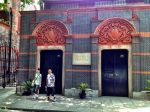
This was the start of my off-piste excursions….through an old archway, so enticing!
Can’t resist showing you a Tang horse
Then there’s the safety issue: having been told Bali was perfectly safe and was then promptly victim to an attempted mugging, I was slightly wary. But here there are so many people, it’s a safety in numbers feeling. The only time I felt slightly on guard was when I went off piste in the old town, pursuing exciting food stalls, and found myself in a down-at-heel area, surrounded by labourers and unsmiling bare-chested men, no women in sight. So I upped the pace and headed off in what I hoped was the right direction (it was!).
Bet you never knew about Tang camels?
At the weekend, Ross became free, so as well as our side-car tour, we visited the Shanghai Museum, tastefully arranged with riches galore – bronzes, porcelain and intricately carved jade. Not as much as in Taiwan – but then, as the Chinese will tell you, Chiang Kai-Shek stole the best
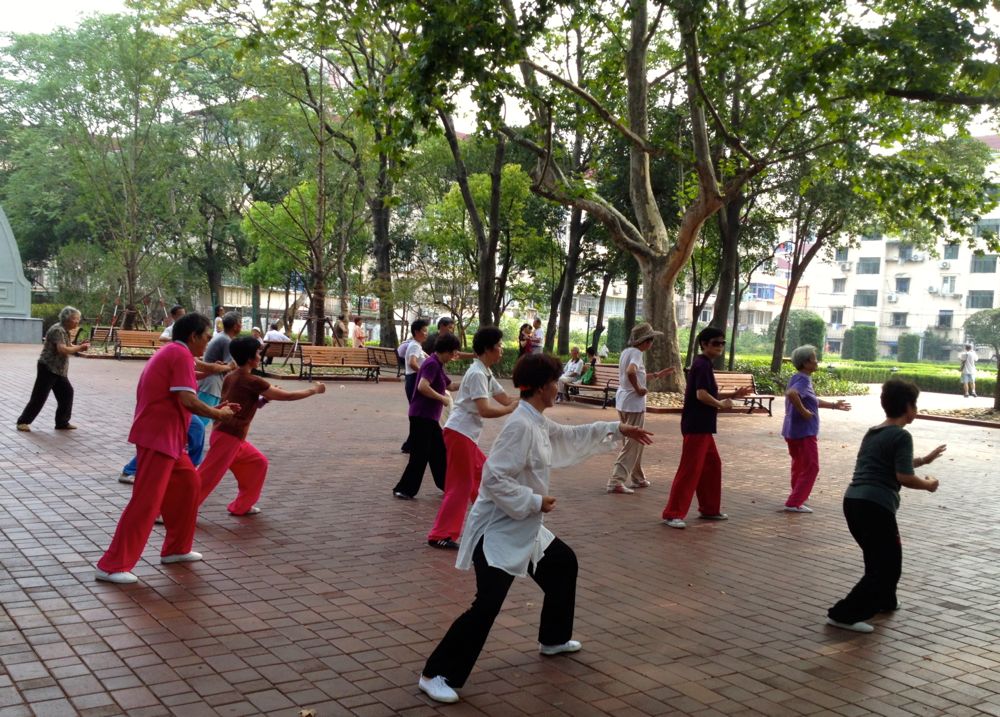
pieces! We also enjoyed an early morning trip to Zongshan Park to see the elderlies doing Tai Chi, despite the fact the place was a building site, so we decamped to the much more tranquil Jing’an Sculpture Park.
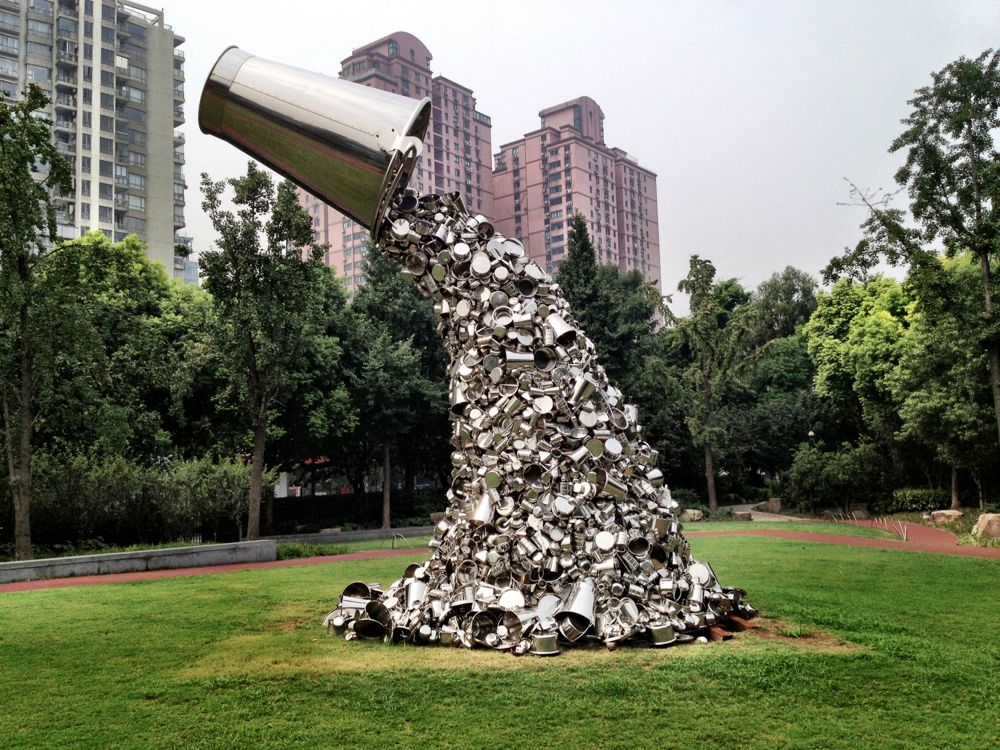
Jing’an Sculpture Park
It made me think about modern China, seeing so many old people enjoying Tai Chi, in contrast to the large numbers of mainly young people at the completely renovated Jing’an Temple – it was only rebuilt in the past 10 years, and in the Cultural Revolution was converted into a plastic factory before being burned down in 1972 – who were enjoying throwing coins into the vast cauldron, rather as you would at a slot machine.
The elderlies doing Tai Chi in Zongshan Park on a Saturday morning
Consider that in 2007 40% of Chinese people were under 40 years old; and 20% under 15 years of age; therefore half the country has grown up NOT KNOWING Mao (and the percentages will be higher now). Then remember that most middle-aged parents will not have been in a car or had access to a private phone until well into their 30s. Look around you in the heaving streets (Shanghai has 24 million inhabitants and is the largest city in China) and all you see is people glued to their tablets and androids; every sight you go to, click, clunk, whizz – the sound of camera phones (one woman I saw in the Shanghai museum was taking snaps of every single porcelain exhibit!) taking photos and selfies, fingers posed in the ubiquitous V sign. Jess tells me that digital companies are having to re-strategise how to make money from mobile technology as no one phones or sends texts anymore. Fascinating stuff.
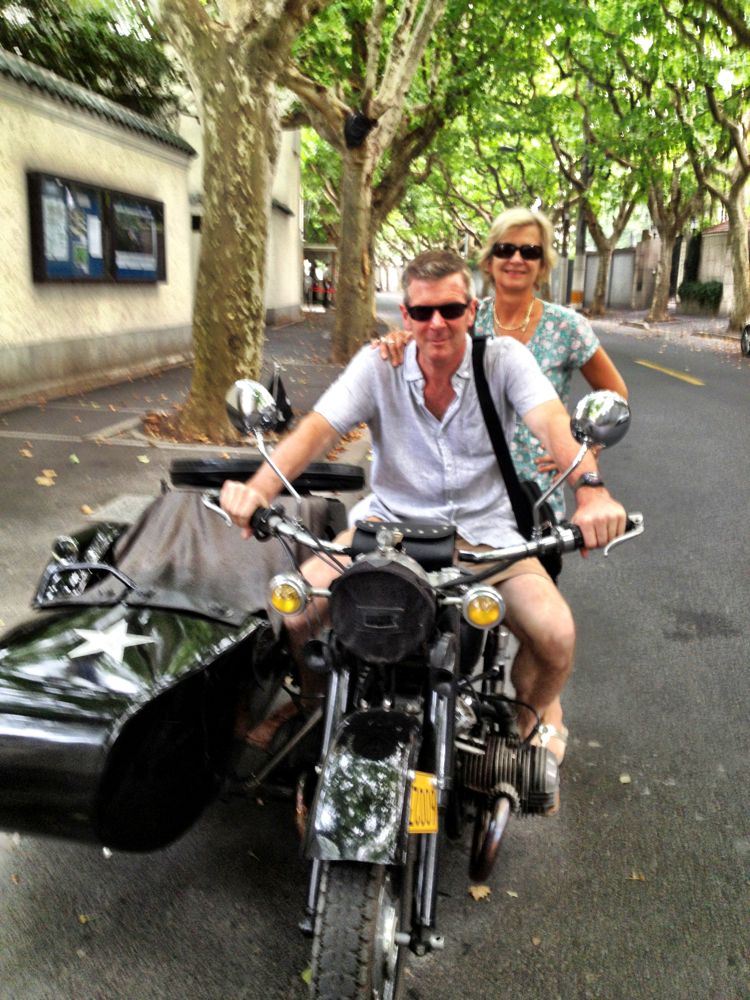
on the side-car in the French Concession
And now suddenly Buddhism and Confucius are back in fashion, having ‘disappeared’ during the height of the Revolution. It must be very confusing. Cynics say that adherence to these old customs can be expedient for business – certainly the monks were pocketing their red envelopes with alacrity at the cleansing ceremony we witnessed in the temple. I don’t think that’s what is meant however!
The Nine Nos, just to remind you this is an authoritarian state! (Don’t do this, Dont do that!)
The cleansing ceremony at the Jing’an Temple
Take the one-child policy, largely misconceived in the West (it appears more damage was done at a local level by over-zealous implementers than the policy actually set out) as there were always exceptions – for instance for the 54 minorities; now if two single children marry they are allowed to have more than one child.
There is, no doubt, a major concern about the aging population and the in-balance of men and women.
A slop bucket drying in the sun, a reminder of how everyone lived and some still do…but not for long I guess
Add to this the modern Chinese phenomenon of the Superwoman – she does not want to marry and have children, but wants to have a mega career and be super-rich and successful. It’s a big problem for the government, along with the Four Es, as Jeffrey Wasserstrom puts it: China has four main challenges – economy, environment, energy and endemic corruption and, in many ways, they are linked.
There is little doubt that on the surface China is booming, consumer goods are everywhere – no self-respecting Chinese middle class girl would buy a fake Louis Vuitton – and surfing the net is an addiction. However, there are restrictions on what you can access as I found when trying to write this blog – even with the hotel VPN which allowed us access to google and twitter,
Wells are still in use for washing water in some areas of the French Concessionwordpress crashed every single time.
wordpress crashed every single time. Yet there is a concern over the level of creativity compared to the other Asian tiger, India. While naturally entrepreneurial, recent history has rendered the Chinese very good at following orders and beavering away, but less so at taking the initiative. So which of these two will win out in the end remains to be seen.
Can’t have a blog about China without Mao making an appearance – this is at the house he stayed, in 1924
Experts say that China is – successfully it would appear – managing the expectations of the young by carefully balancing their economic aspirations with a modicum of control. For that reason it is unlikely that you will see a Chinese Spring or another Tiananmen Square in the near future.
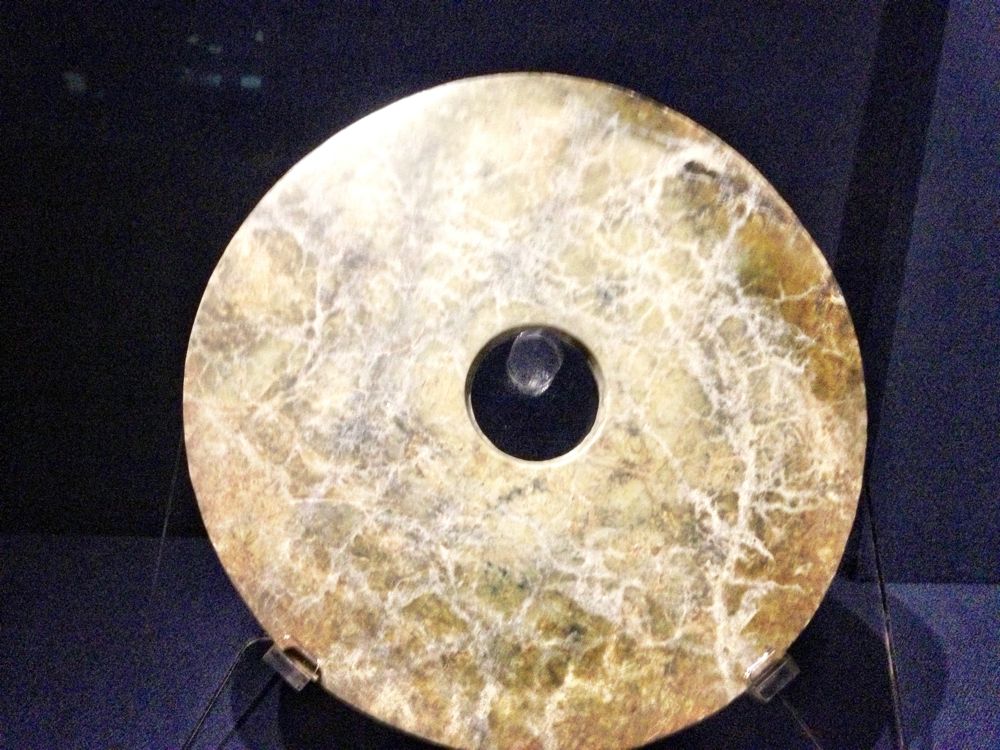
Exquisite jade funerary disc, between 10-12,000 BCE. Amazing
The next blogs will describe our outing to Tongli Water Town and all the food we ate.
Ancient carving in the old town houses
in the side car with Sammy
Jing’an Sculpture Park
Bronze pig
Bronze drinking urn
Pottery dog, very old
Bund at night
a serious game of Go
More gamblers in the park..
row upon row of porcelain bridfeeders
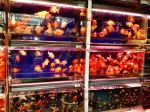
not forgetting the fishes
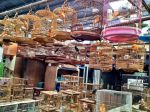
Cage upon cage of gold finches and other birds…
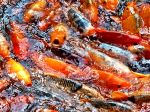
The roiling carp, greedy things
Man feeding HUGE carp in YuYuan Gardens
Typical street in Old Town
Confucius Temple
The house where the first Communist Congress met in 1921
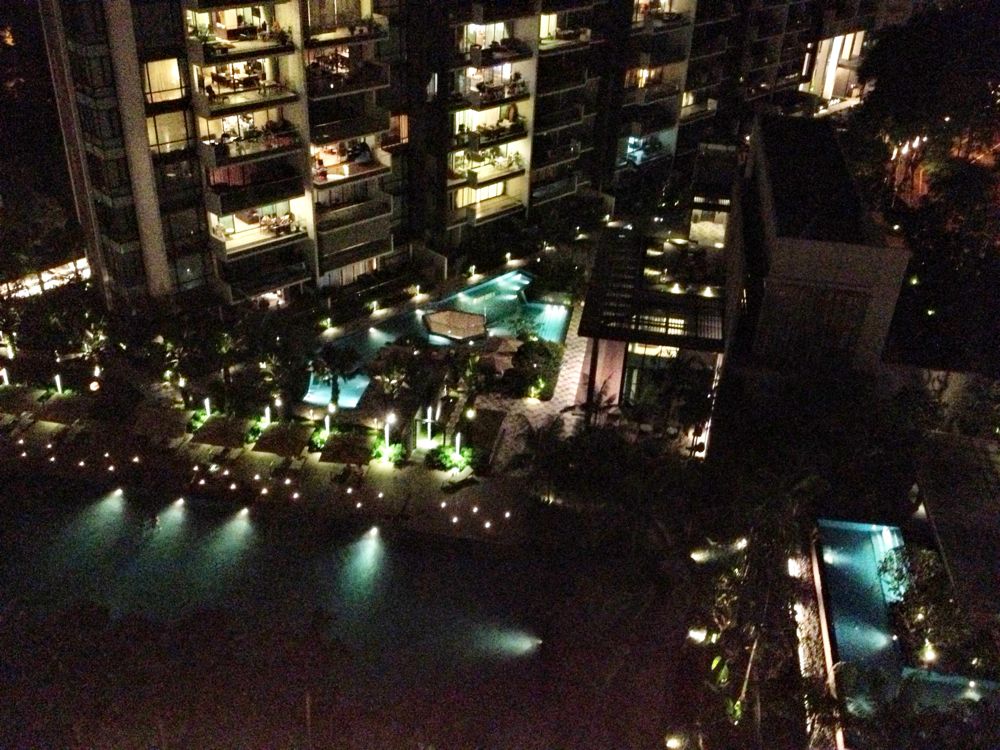
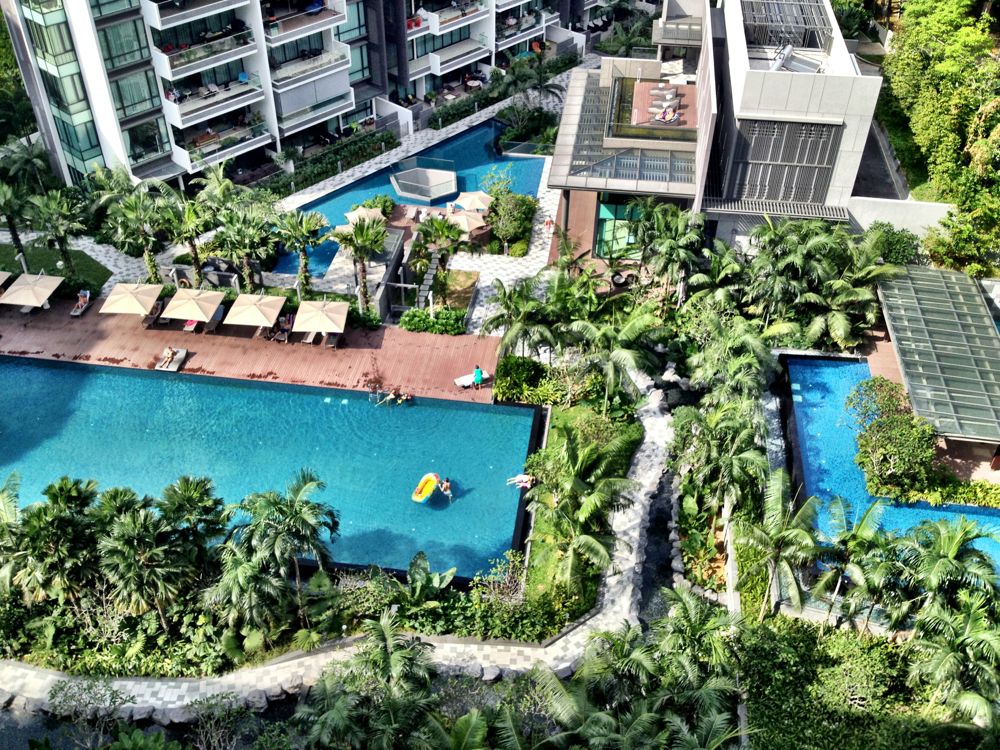
View from our balcony at night, overlooking the pool
Hello Singapore, goodbye 34th floor Great World City, and welcome to 11th floor in Holland Hill!
First thing we did after we got off the plane (one night in a hotel before the big move) was to rush off to Jumbo seafoods for some proper Chinese cooking. Calamari, BBQ tilapia and some delicious steamed kai lan (a kind of spring cabbage) with garlic. Too disoriented to take photos I’m afraid!
Next morning, bright and early – 8 am to be precise – found us outside the Ministry of Manpower to register for residency and work permits. We had no appointment, but were through in 15 minutes. Singapore never ceases to surprise at its efficiency, and politeness.
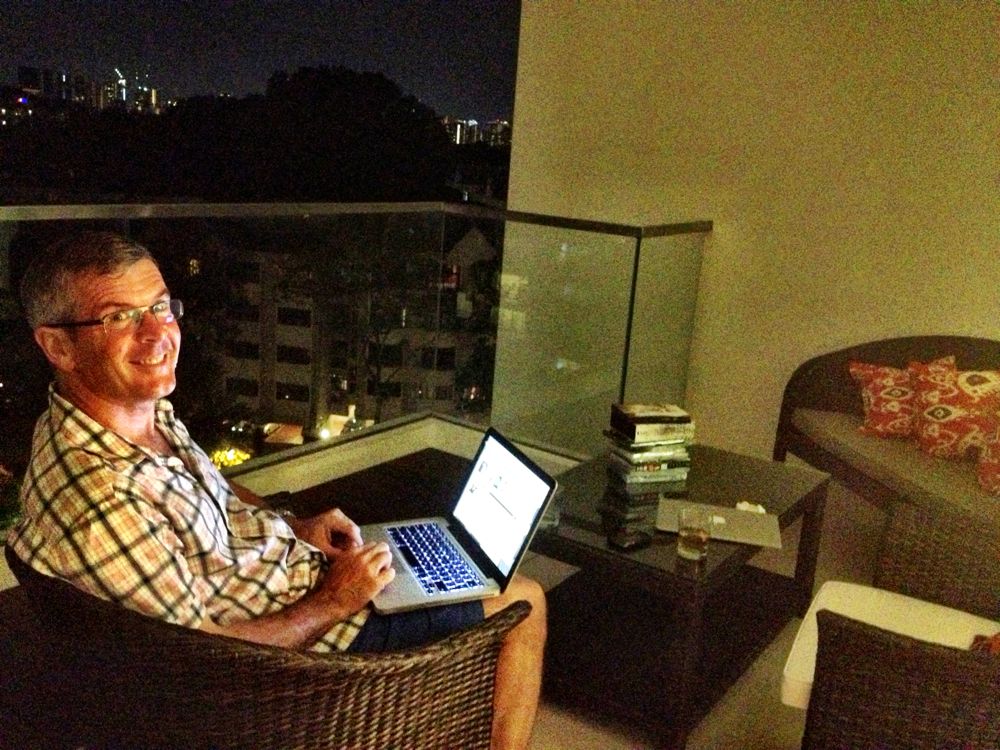
Ross enjoying wi fi on the first night
Then off to Parivs apartments to meet Glenn our relocation manager and – ta-da – we enter our new abode. Much better than I remembered, marble floors and white walls throughout and devoid of other people’s ghastly furniture.
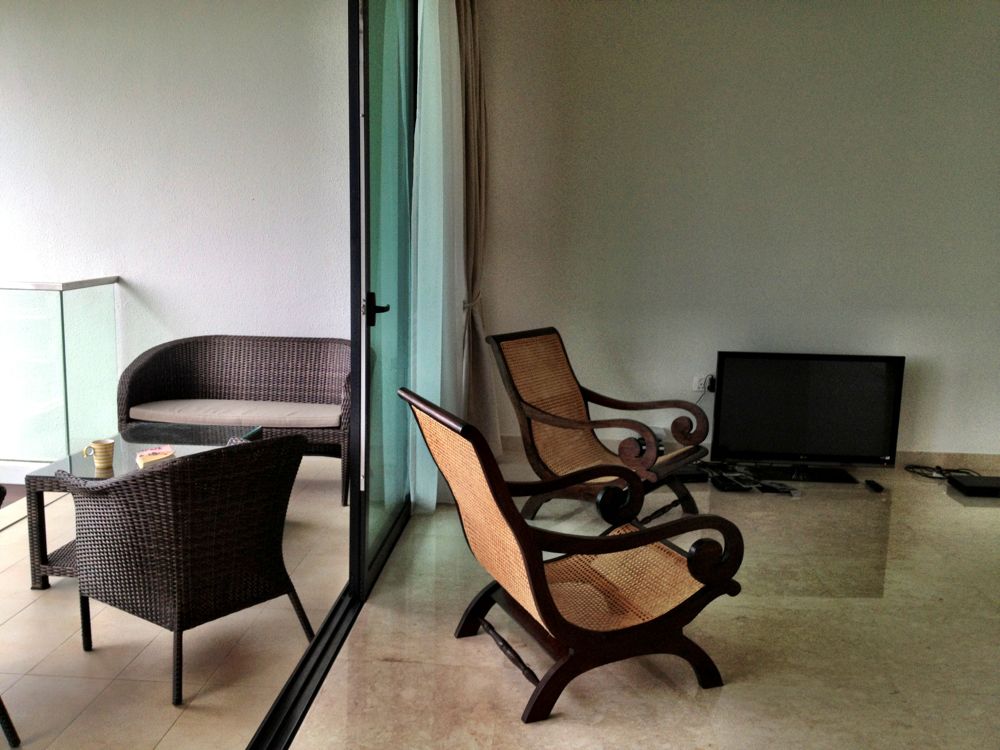
our Burmese chairs, on the marble floors
Within minutes the air-freight has arrived (bedding, hoover and iron – domestic goddesses never travel without, don’t you know – and of course desk-top computer, TV, and dvd player). Quickly followed by the cable man who installs wi fi etc in a trice; the IKEA delivery of two beds – but heavens – we have no water, electricity or gas, and the stuff we left in Singapore has not arrived either, plates, kives, forks and glasses…so Ross has to zoom down to nearby store for lunch and cold beers! After lunch the electricity and water are switched on at precisely 2 pm as requested, and my two lovely Burmese chairs arrive, followed by the balcony furniture. Only the Gas Man cometh not till Friday…so luckily no way I can cook until then!
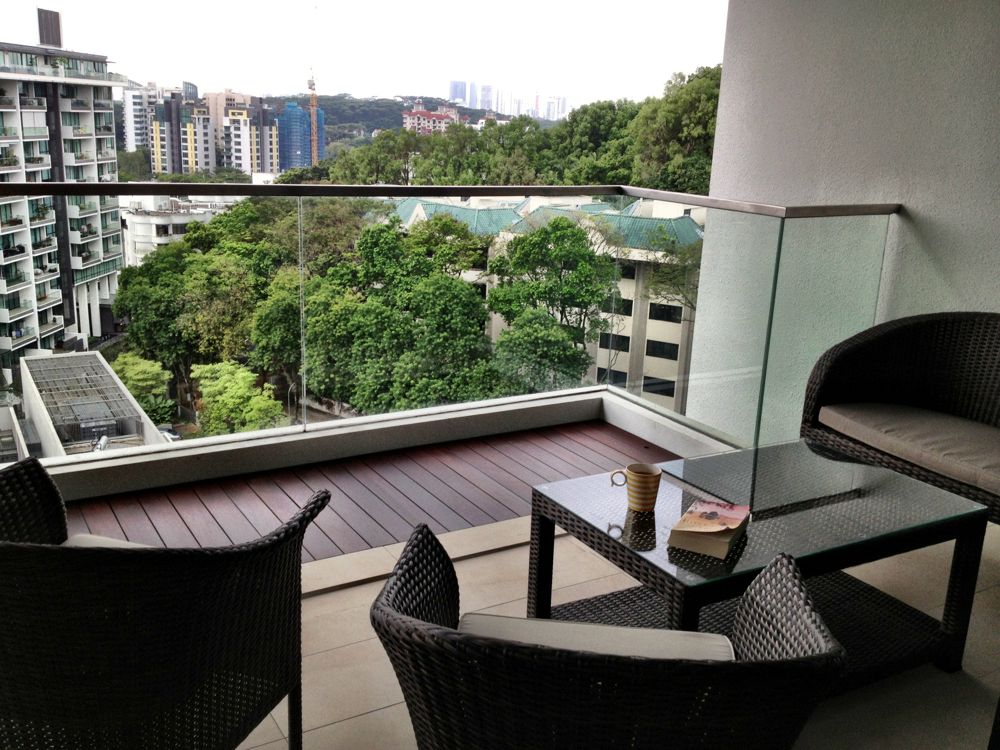
View from balcony
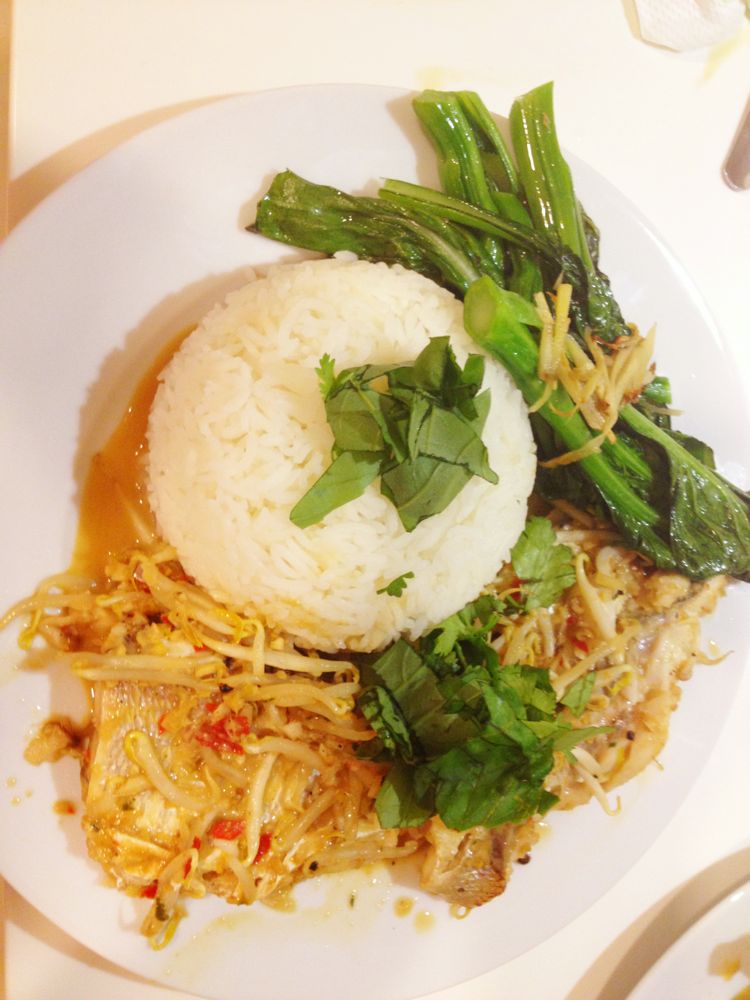
In fact the gas was the only low point of this care-free move. Man came at appointed hour on Friday, stayed all of 7 minutes, turned everything on, showed me how to switch it off when we go away. Come evening and first gourmet meal ready to go in the wok – Thai red fish curry (paste hand-made of course), with Chinese broccoli – and no gas!
the first meal – Thai red curry – once the gas man had re-installed the meter
Several phone calls to afore-mentioned Glenn and two gas men arrive within 15 minutes! Can you believe that in between the man turning us on, another man had come and taken our meter away altogether. Wah!
But all is not lost, these two lovely men have one in their van, it is duly fitted and we are eating by 9.30. It really is efficient here, even when there’s a glitch
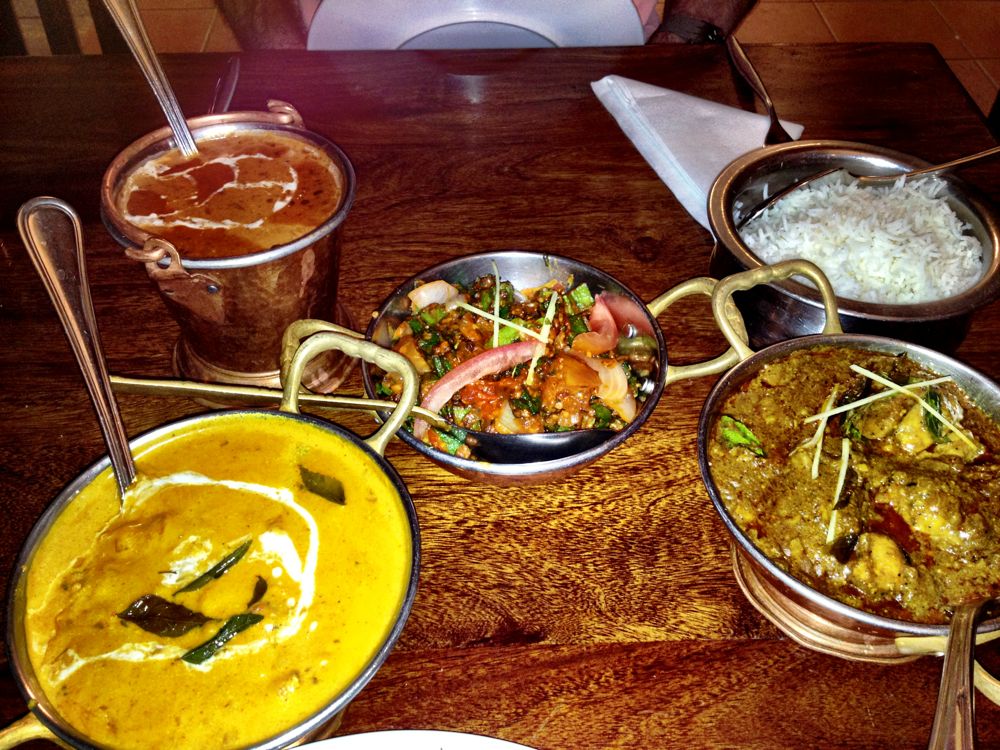
Kinara curry – yum!
Off to sample the victuals in Holland Village, first night a rather mediocre meal in Crystal Jade (Cantonese, rather than Shanghai, so no noodles or dumplings), but the second night a really delicious curry at Kinara – house special chicken, Kerala fish curry, okra and black dhal.
Please admire the gorgeous Ikat cushions bought in local shop sale, not forgetting the colour coordination
Meanwhile Ross has been back at work and I have been exploring the local shops – bought some fine new cushions, some lovely Egyptian cotton sheets (all the ones I bought did not fit as Ross bought beds larger than instructed!).
No move is complete without the mandatory trip to IKEA and we fill the numerous gaps left in my meagre transportation of goods from England – which of course are yet to arrive – guest duvet (bed now too big!), laundry baskets, loo brushes, rubbish bins, lamps – bedside and living room – etc etc. It was really not too bad; as it’s open till 11pm I think people don’t all come at once.
Obligatory rice cooker!
Our balcony is stinking hot in the middle of the day, so Saturday finds us back in Great World City buying a floor fan (sorry English people, they are abundant here, can I get one for you?); a printer/scanner as I have found someone in London to transcribe my mother’s letters, which I plan to edit into book form; and a must-have for here – a rice cooker!
Pools – all four – as seen from balcony; the landscaping is fab too
Meanwhile the new lap pool is 60 m long and I have started my daily 1 km workout, pre-ceded by the gym. Ross – who for those who haven’t picked up on this – has become addicted to swimming and has started lessons with a local TI (Total Immersion) teacher. Whatever keeps him happy – although he looks ridiculous ploughing up the pool in his swimming snorkel.
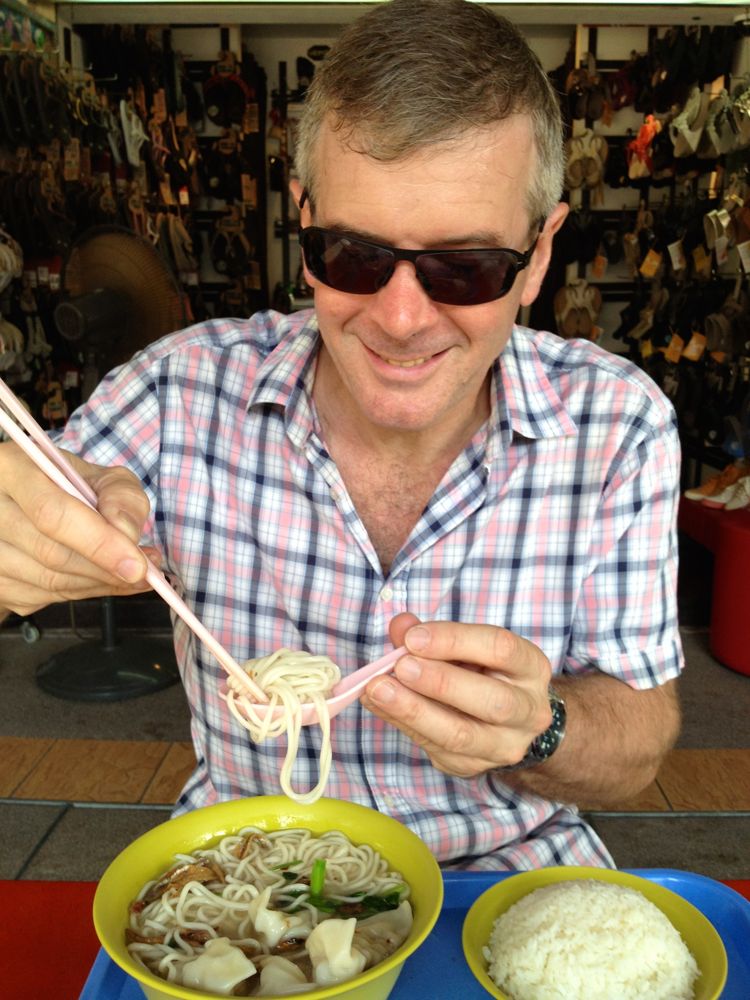
Ross enjoying a noodle soup at local Food Court on Saturday
And tomorrow we are off to Shanghai, me for a week, Ross for a bit longer. Louise’s dear friend Jess lives there so we are looking forward to a more local experience of the sights, and some gastronomic adventures.
forgot to bring any bedroom chairs, so we have bought a Yo Yo
Looking out over the lake at Garsington Opera, Wormsley
Arrived back in Singapore today ready to move into our new apartment tomorrow, and to get our work and residency permits. All a bit grown up. Waiting to re-connect with delicious Chinese food (ie dinner!) provides a little space to look back on the whirl of the past few weeks.
Proud mother Fi, with chorister Hugo
After my lovely few days in the Lake District, we sampled the high life. Fist a vist to Jesus College, Cambridge, where friend Fi’s son Hugo was singing the Monteverdi Vespers. I never went to Jesus when up at Cambridge, but it brought back the memories all right – the best days of our lives, of course, especially as some of the other guests were fellow students…35 years on! Magical singing followed by a delicious dinner in the Jesus Hall. Very convivial.
The gardens at Garsington
Then Opera! Thanks to the glorious English summer we had some stupendous outings to Garsington and Glyndebourne with friends. Sipping champagne by the Lake at Garsington, or on the lawn at Glyndebourne, dining al fresco or in the Glyndebourne restaurant, we felt very privileged. Oh and the music was quite good too!
The glorious new gardens at Garsington Wormsley – with Clare Cooper and Ross
Peonies at Garsington
with Bill and Janie Critchley overlooking the famous Wormsley Cricket pitch
with Jane Hindley at Gyndebourne
with old friend and founder of Wasafiri magazine, Susheila Nasta at Exeter College, Oxford before Caine Dinner
Can’t resist this photo of Trevor looking so grumpy, and he’s with me! What more could a man want?-
With Andy Hodge and Clare Cooper at Henley Regatta
While I had a busy day of meetings (yes I do sometimes work!), Ross mananged to squeeze in a trip to Henley regatta and lunch with Olympic Gold-medal winner, Andy Hodge. Then for me a trip to Oxford and more Fellows’ Gardens for the Caine Prize dinner in the Bodleian Library. Always a time when I see old friends from my African literature days; Ben Okri gave a moving tribute to Chinua Achebe, who died a few weeks ago, and whom I represented at the Booker Prize when he was shortlisted. Those were the days, my friend… In between, a Patron’s Evening at Art First (www.artfirst.co.uk) to launch Natural History, a charming exhibition comprising 28 artists working across a wide range of mixed media and disciplines providing a thoughtful reflection of man’s interaction with the environment. Catch it at 21 Eastcastle Street , London W1.
Marie, Dot and Abby at the Bench/outside the Marathon Kebab House, being filmed
A couple of visits too: one by a film crew, making a documentary on drugs for BBC3/Education, who wanted to talk about ketamine and Louise: we met up with some of her friends by the bench and reminisced. The film is due out in September.
My American half-sister Bonnie paid her annual visit; we also put flowers on the bench, and sat in our garden, which is looking the best ever, especially since we laid a new lawn. Pity we won’t be around to enjoy it!
Bonnie and I at the Bench
The beautiful roses that Felcity Kendal gave us when Louise died – what better place to put such a tribute?
And to end off, the film premiere of friend Iain Softley’s latest film, Trap for Cinderella (ready my review on http://www.vickyatthemovies.net), followed by our proper 30th wedding anniversary celebrations, first, at Petrus – menu gourmand with wine for every course – courtesy best man John Pooler, best maid Fi, and partners;
the girls at Petrus – Hilary, Fi and me…
and secondly with a collection of our oldest friends and some of son Tommy’s, in our garden, where I tried out my newly acquired oriental culinary skills in combination with more British ones…
Bar-tender Tommy serving the drinks…
Wild salmon and all sorts of salads made by me with a little help from my friends!
Vietnamese beef, expertly seared by Tommy
Tommy and girl-friend Olivia
Gosh I feel homesick already…but it’s Shanghai next week.
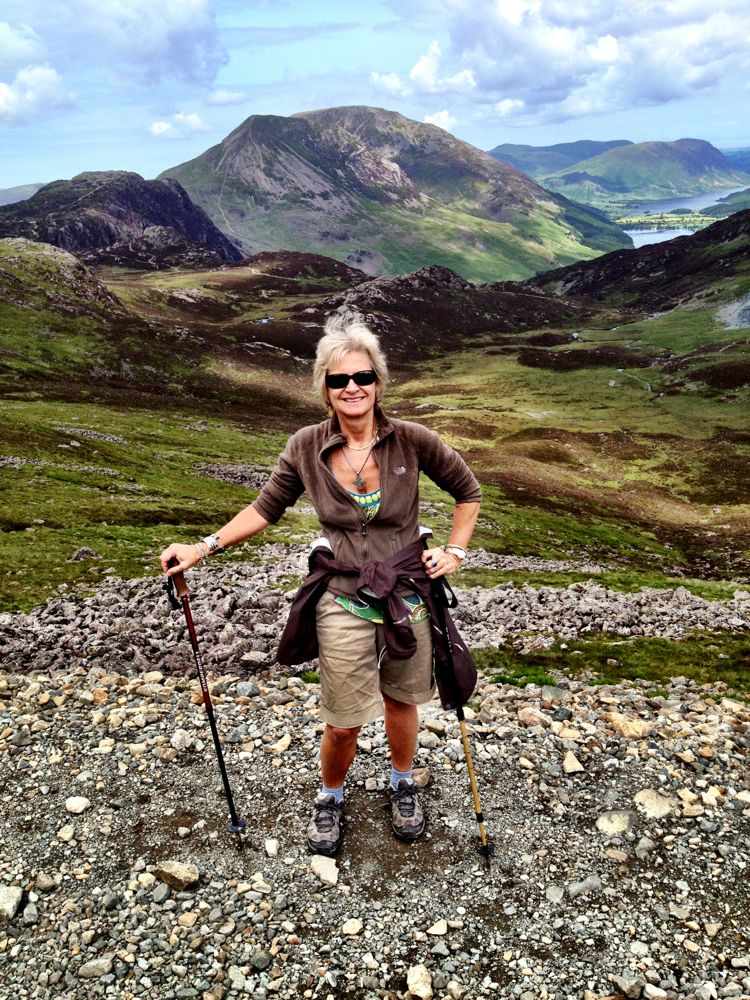
It’s hard to remember that only two days ago I was standing on top of Great Gable in bright sunshine admiring the Lakeland vistas from one of its highest peaks.
As I sit here on a grizzly June afternoon on the train from Durham to Kings Cross I try to recall the past two weeks of my return to the green green grass of home.
Parkhill Road, new lawn and cornus in full bloom
Leaving Singapore to return to England for a four-week foray has been fun – meeting old friends and family for lunches and suppers; celebrating our 30th wedding anniversary; doing the first cut on our newly laid lawn; the first balmy al fresco supper – on Midsummer’s Day, the anniversary of Louise’s memorial, so always a special day, and one of her favourites. I show off my Tom Yum Goong to Son and friends. Also doing the not so fun – deciding what to take to Singapore for the next few years, what to leave, fighting with John Lewis deliveries and directing the packing.
The Tom Yum Goong special on Midsummer’s day
A little mental titivation at Cambridge University in between, with old chum Fi, to hear Professor David Spiegelhalter, speak engagingly and fascinatingly on hazard ratios (he is a statistician!) and its effect on us: encouraging that as a woman I am going to live longer than men, less so that my life chances decrease by 9% per annum between the ages of 25 and 80, but on the positive side, its only the first 20 minutes of exercise that do any good, the next 40 are a waste of time…phew!
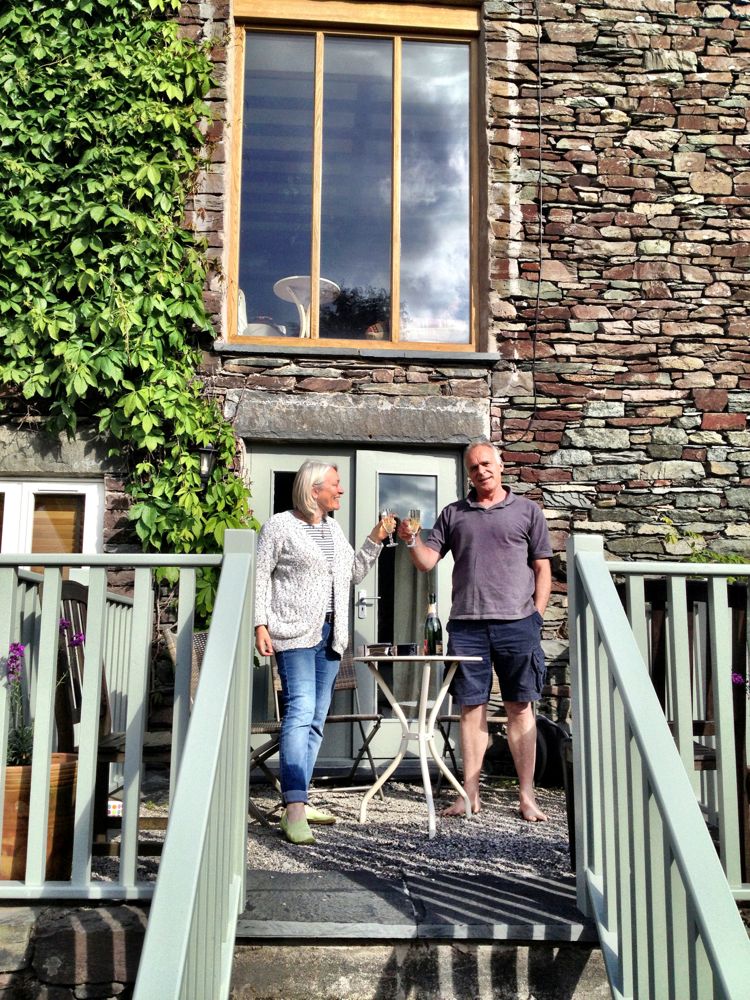
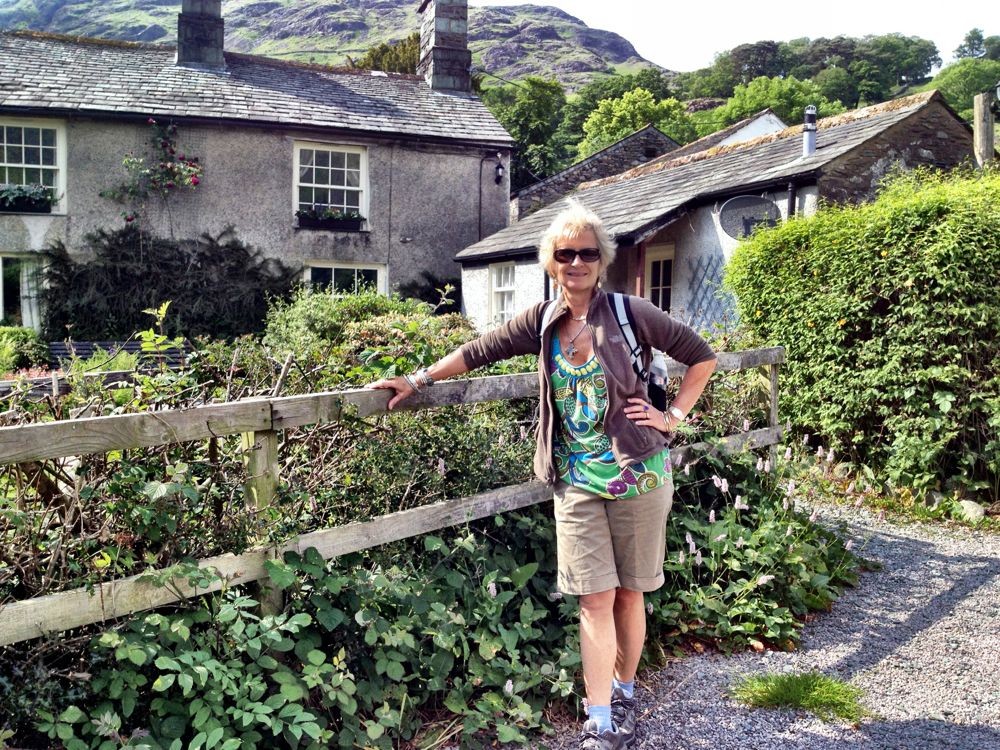
Glen View cottage in Grasmere
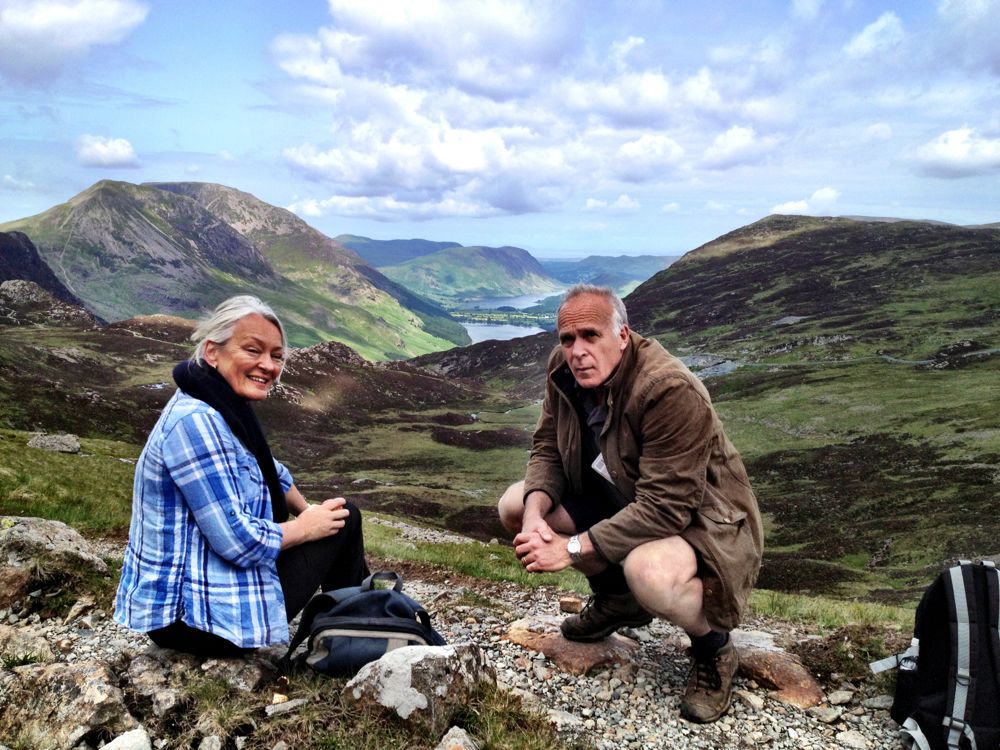
And so to continue on my very English odyssey by way of several days in the Lake District. Dear friends John and Hilary Pooler have pretty cottage in Grasmere (Glen View can be booked via http://www.lakelovers.co.uk/) and are local experts. We had two great days walking in fine weather – a Great Gable circuit, starting at Honister Pass and ending at Seatoller; and then the Helm Crag circuit, descending via Far Easedale; and two more normal Lakeland days, meandering about at lower levels in the on/off drizzle.
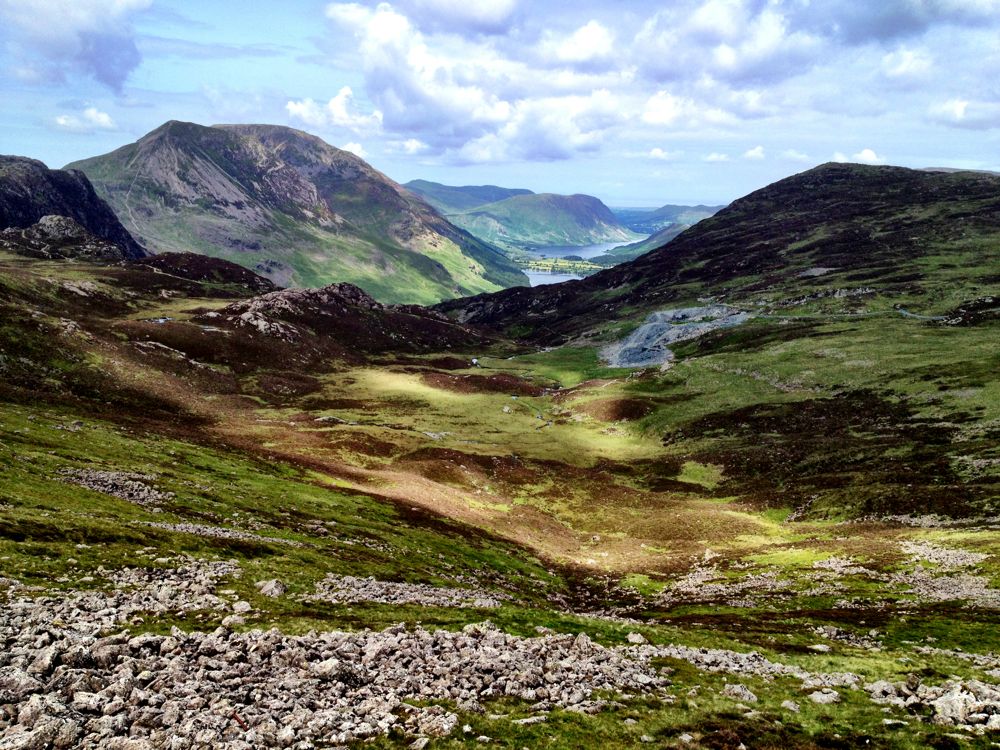
en route to Great Gable overlooking Buttermere
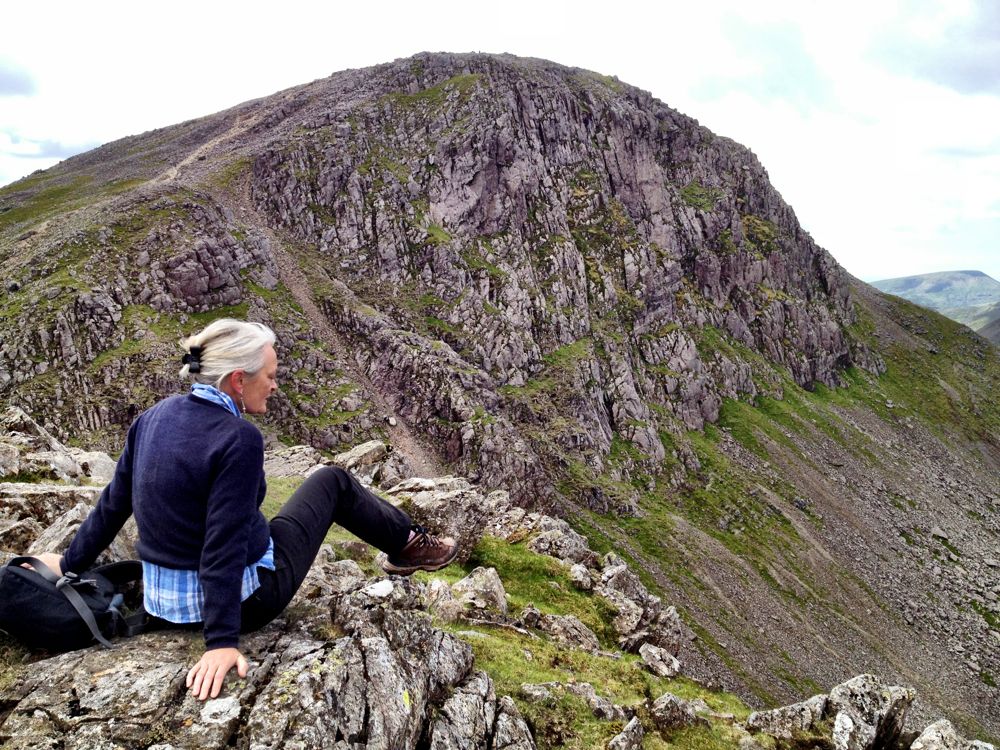
Hilary atop Green Gable looking across to Great Gable
In another life, when I worked for Heinemann Educational Books (1979 -1993), our founder and my mentor, the old man of Lakes Alan Hill, used to organise an annual, what would now be called ‘teambuilding’, trip to Borrowdale, where Heinemann owned a share in Seatoller House, a charming B&B. The Lake District Trip, as it was known, was a great leveller, with 30 plus of us at all stages of fitness and fatness chugging up and down dale and hill in the day, and repairing to hostelries of an evening (always the same rotation: the Bridge at the Scafell Hotel, the Fishes in Buttermere, and the final night party at Alan’s Rossthwaite house); finishing by playing charades and parlour games – squeak piggy squeak and wink murder were favourites.
Steep descent via Aaron’s Slack to Styehead Tarn- now a much better path than in the 1980s
Great Gable from Honister Pass brought so many memories flooding back: Alan and I leading the slow group – re-named on two occasions as the ’pregnant cripples’ to reflect our respective statuses; banana and honey sandwiches, crisps and Just Juice forming the perfect picnic; baking hot days and stripping off to undies to swim in the tarns and pools – such as Sour Milk Gill; the time our new and reviled MD dropped a pack of condoms out of his wallet (he never recovered form the ignominy); sharing a double bed in the ‘family room’ at Seatoller House with female colleagues. These were indeed the times of our lives.
Self outside Seatoller House
Thinking of Alan, long since dead, reminded me of the times I used to take him round Africa to help decide on company strategy. So eccentric was he that he packed two identical suitcases – lest one got lost! He was renowned for always wanting to change his room, wherever he stayed and for being professorially absent-minded. On every departure I had to check to see what he had forgotten – shirts, underpants and his medications – always at least one – and scoop them up! He loved to regale people of our adventures (and we had many) – always embroidering the tale to make it funnier.
On top of the shoulder leading from Helm’s Crag
The Lakes also reminded me of family holidays with our son, then aged three, rampaging up the fells and our beloved Louise, in a back pack. And later, with the Pooler family again, the children in their teens, girls rock climbing, boys desperately trying to follow the World Cup in Japan, even resorting to taking a portable TV up the fells.
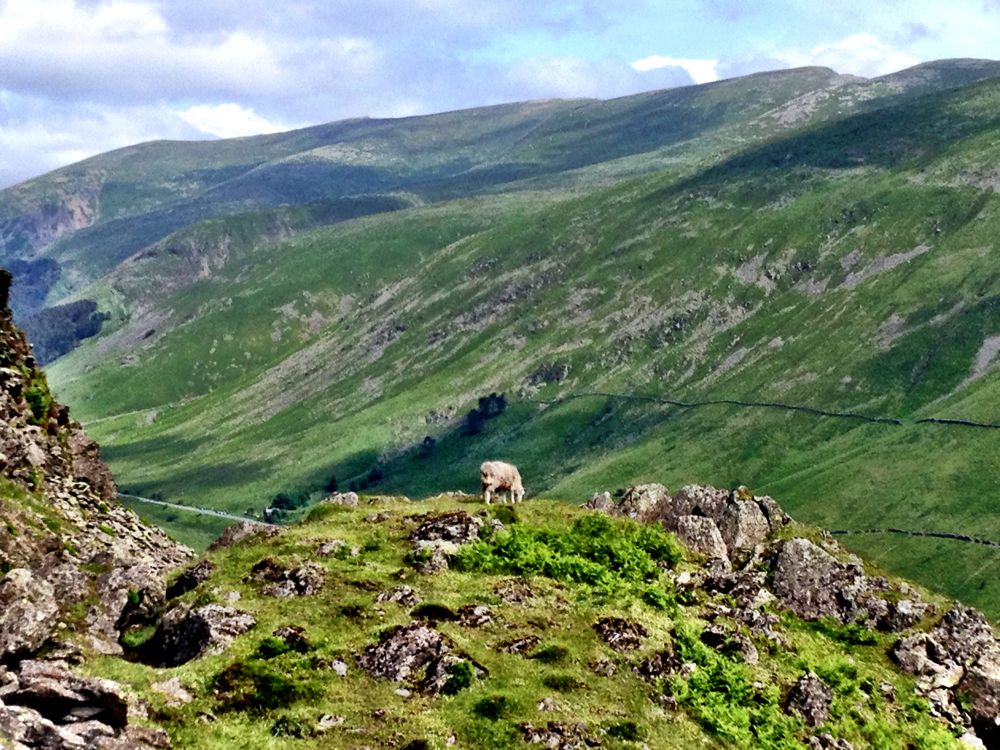
A solitary sheep…
Happy memories of happy times. Tinged with sadness.
Looking towards Buttermere
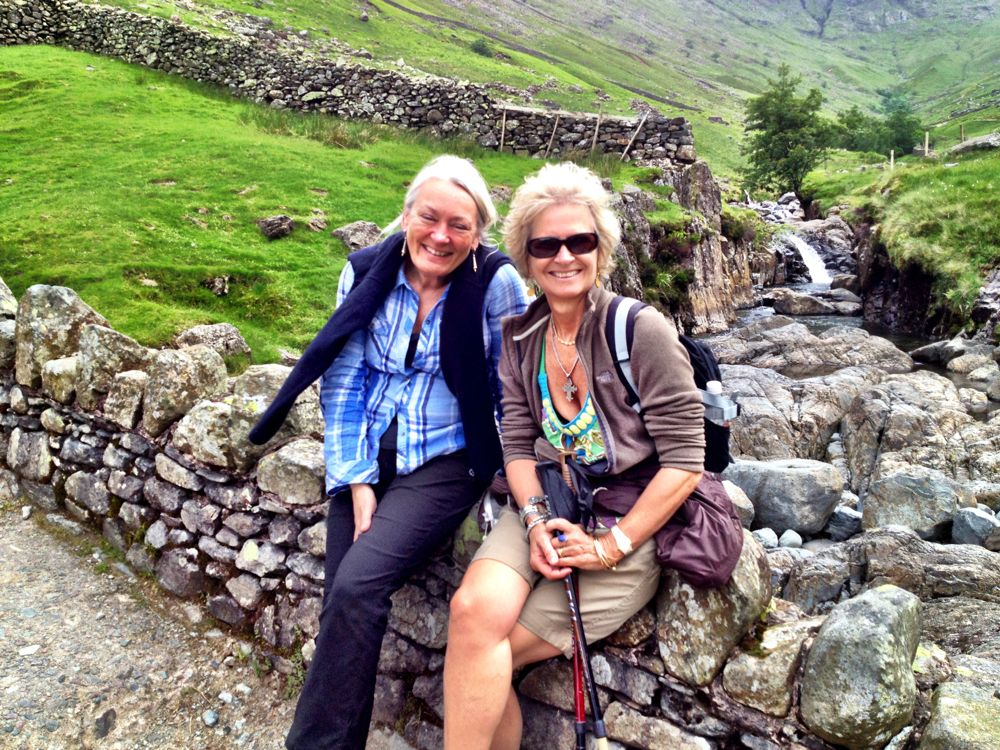
It’s all about friendship…
Grasmere meadows – fields of cloth of gold
Looking towards Grasmere
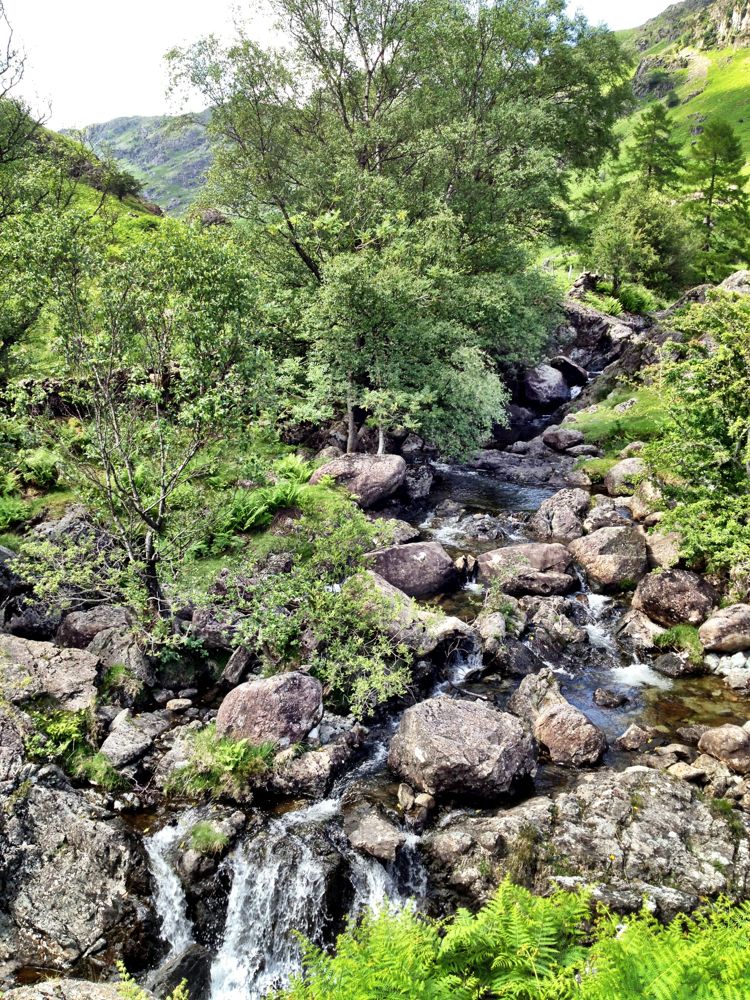
A babbling brook – I come from haunt of coot and tern
Discovered a new route to Europe – via Helsinki. In fact there is a scant one-and-half hour connection compared to the new routing by Emirates and Qantas via Dubai where one is marooned for more than FIVE hours, waiting for a connection. Never been that far north before – was rather appalled to see huge pints of lager and shots being consumed at 6.30 am! And the lingo is strange….but all very efficient and I arrived in Geneva a l’heure.
Europe has been enjoying its one–week heat wave and the views from cousin Christine and Diego’s garden of Mont Blanc and the Alps in the haze, foreground of bright blue iris and magnolias reminded me of just how gorgeous Switzerland is in the summer.
Boys will be boys -Ross with two of his Swiss chums, host Tim (centre) and Peter
A grand reunion of Swiss friends at Tim and Annie’s BBQ, which coincidentally was also their 27th wedding anniversary. Our 30th is next week! How time flies…
Not a very good pic of my tubs in progress, rockery built in August
Then up to Champery to check up on our apartment last seen knee-deep in snow. Now the rockery we built last year is bedded in, the wild geranium, alchemilla and the domestic sedum, aubrietia and ajuga are flowering; our Montana has died again, but the three other clematis I transplanted from our Geneva terrace have all sprouted and one is even in flower – a darling little macropetala. I added to the jollity by planting up my summer tubs – but I wonder sadly who will be there to enjoy them?
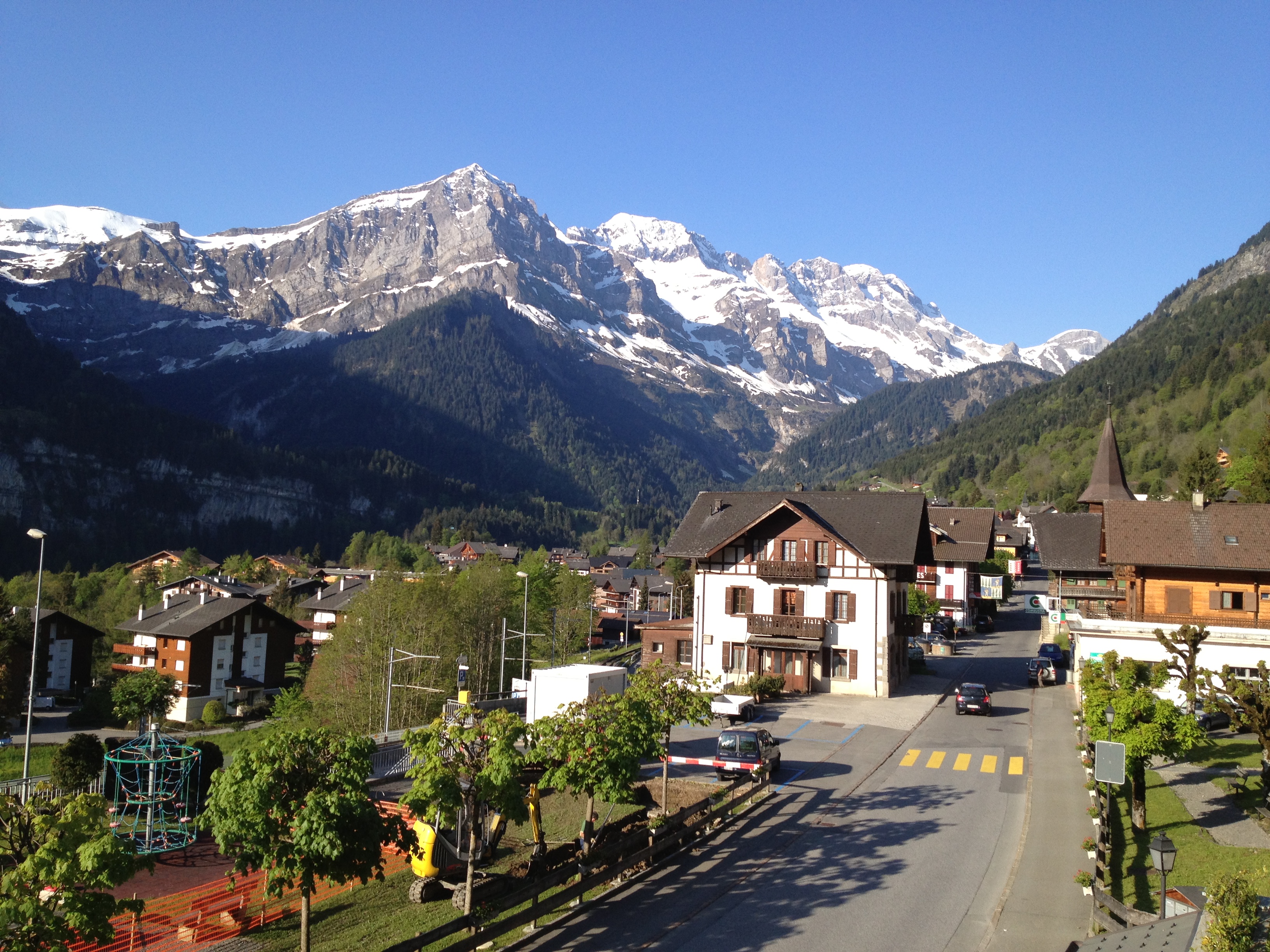
Champery High st, with the Dents Blanches in the background
In my few days in the mountains we enjoy some great food – what a change from noodles, seafood, lemongrass and chilli – new season asparagus and cafe gourmand; and manage a walk below the snow-line and by the river which, as in the rest of Europe, is flowing fast and furious. The meadows are full of wild flowers.
Wild flowers in the meadow
First asparagus of the season
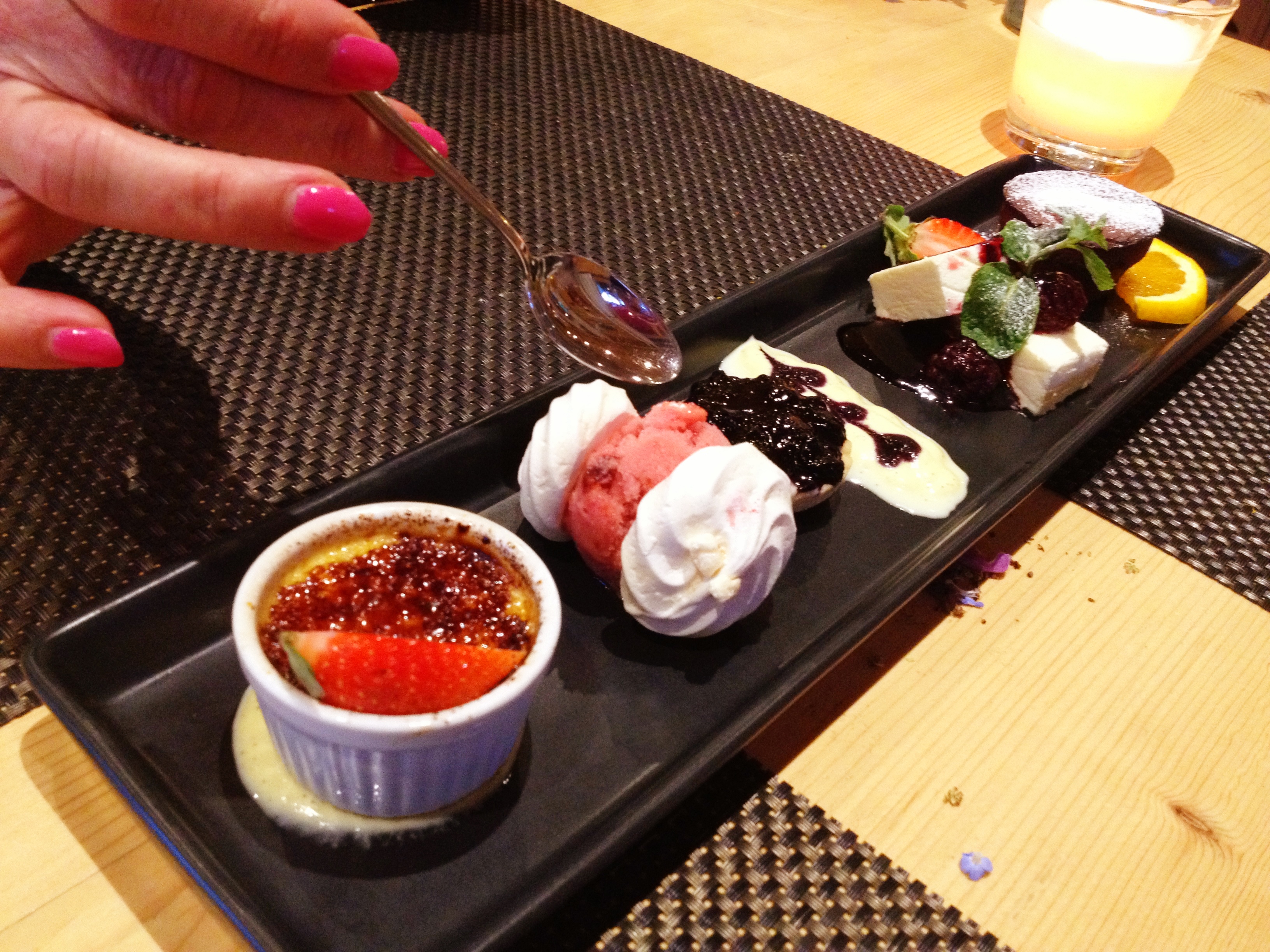
Delicious Cafe Gourmand at the Auberge du Grand Paradis
Walking by the gushing mountain streams
Great drama however in opening the post, which has been waiting 3 months for us! We have been cut off by the cable company – so no internet or phone…neither the company, the bank nor Ross is taking the blame. All I know is its not MY fault. I am livid! It’s costing me £10 per day in data roaming!
Worse than that, numerous letters from the tax authorities as Ross’s former employer (who shall remain nameless though they don’t deserve it) has not paid his tax as promised…there is even one from the police saying: Report immediately to the station; if you don’t, WE KNOW WHERE YOU LIVE! In French of course….on asking our local Aubergistes if this is a vain threat, Juliet says ‘Oh no, they come in the night and remove your car plates, so you have to go to them and get them back’. As I write this, sitting here, four hours to go until I leave for fair England, I am full of trepidation.
Oh God, there’s the doorbell… it’s Madame la Poste…with a registered letter. Ross is on the phone as I open the door. Should I sign for it? Pointing to the addressee: ‘C’est n’est pas moi‘ . She looks at me strangely and I have to admit it is ‘mon mari‘. So I sign, open it and find it is a recall for our Hyundai, some problem or other. I feel extraordinarily relieved its a simple case of mechanics and not a prison cell!
Early morning and the Dents are mysteriously silhouetted
Food glorious food! Singaporeans come to Taiwan just to eat, and having spent a week there, I understand why! And it’s not only visitors who love to eat – it’s the locals too – every day there were hundreds of Taiwanese queuing for afternoon tea in our hotel, renowned for its tea-time spread, not tea as we know it by the way; and the breakfast buffet mirrored that. Delicate, slim, bejewelled and perfectly-groomed business ladies, piled their plates high course after course. One morning this tiny woman put away 6 slices of papaya, a mound of deep fried fish, a pile of beef and green vegetables, then topped it all with some french pancakes, swathed in syrup…A kinder person than I said perhaps that was her meal for the day!
How to cram so much taste into a blog is a challenge, so here goes….
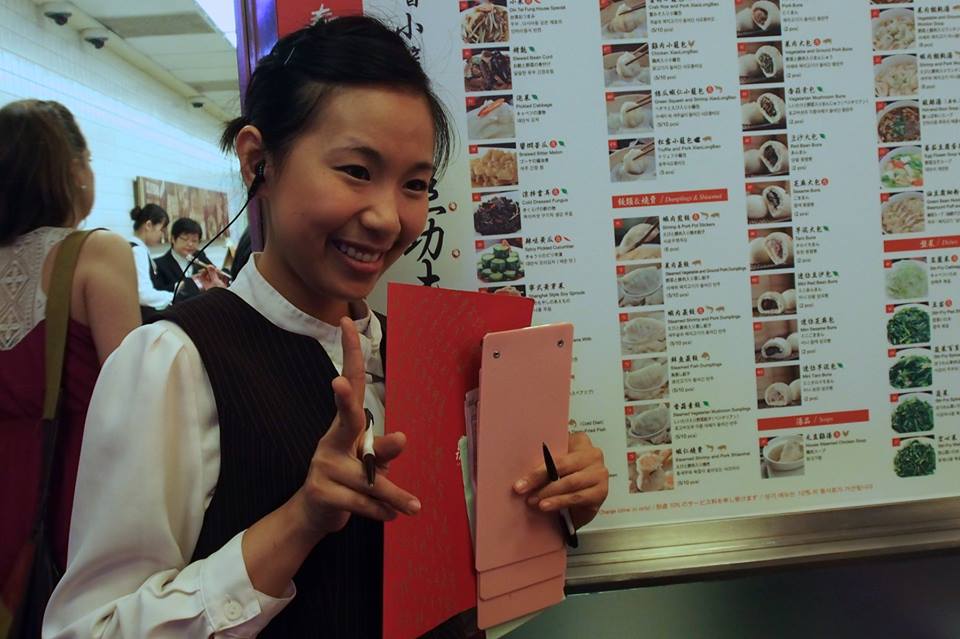
First stop was Din Tai Fung’s original Taipei restaurant which has set the benchmark for all its outposts including in Singapore. We were welcomed by a gorgeous girl, who advised on our (poor), choices, steering us to the favourites, Xiaolongbao, or pork dumplings. Despite the formica table tops and the 1950s original decor, we had a fine feast. A great welcome to Taipei.
The next-door restaurant, Kaochi, recommended by the hotel, was much less good, despite the benefit of numbers, expert local advice and fluent Mandarin, as we went with Ross’s team from Novartis. It was the only time in Taipei that we had poor service, with rather un-charming waiting staff and indifferent food – the big seafood stew/steam boat was insipid and the deep fried prawns decidedly soggy. The drunken chicken, a local specialty, was cold and rather disgusting. Oh well…
Looks good at Kaochi, but…
Another recommendation by the hotel was far more successful: rather exhausted by a long day out, we asked for a local seafood restaurant and were directed round the corner (next to the Welcome hotel if anyone tries to find it) to a family restaurant where we had a fragrantly flavoured steamed pomfret with a squid, and a mushroom and basil stir-fry – the squid was crispy and smoky and the mushrooms dried and pungent. We noticed, as the other customers left, they all had ‘carry-outs’ – and not left-overs. Inquiry revealed this restaurant specialised in selling bags of dried anchovies, which I found on sale later in Chiufen. Another local delicacy, obviously.
steamed pomfret
stir-fried squid with mushrooms and basil
But venturing out on our own, whether to Tamshui where, although we didn’t eat (having had an indifferent self-service lunch at the Ju Ming museum), we came and saw the locals enjoying a grand day out.
the century eggs…
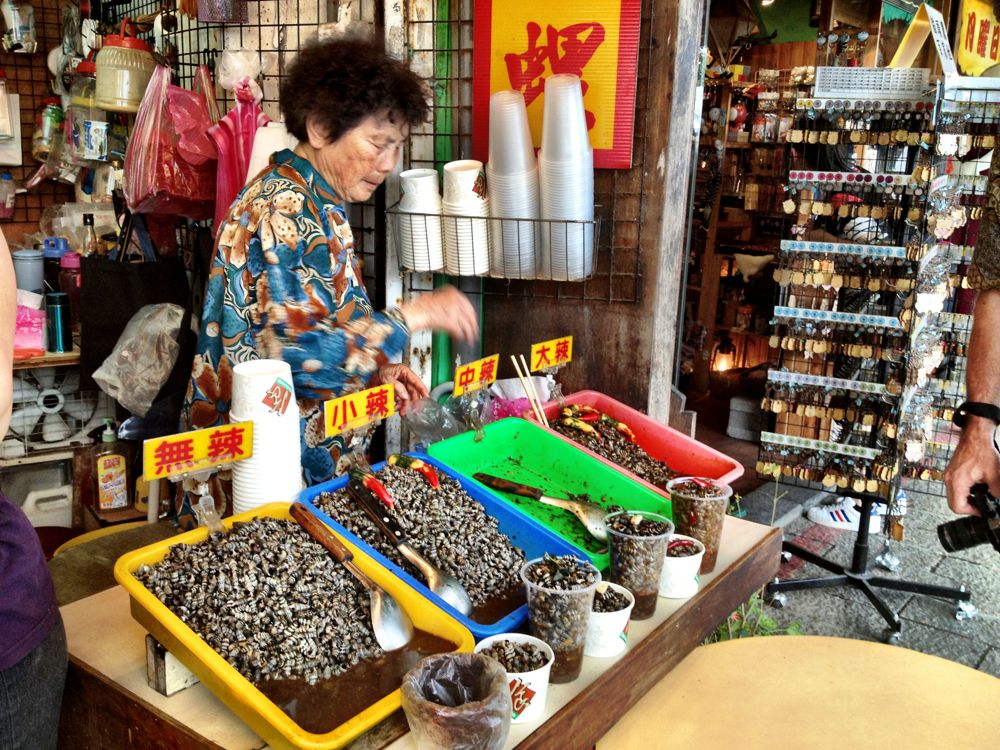
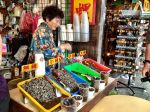
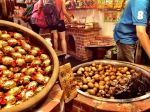
The local specialities are the century eggs, seen here, and some rather disgusting looking snails, being bought by the cup.
Taiwanese Molly Malone…
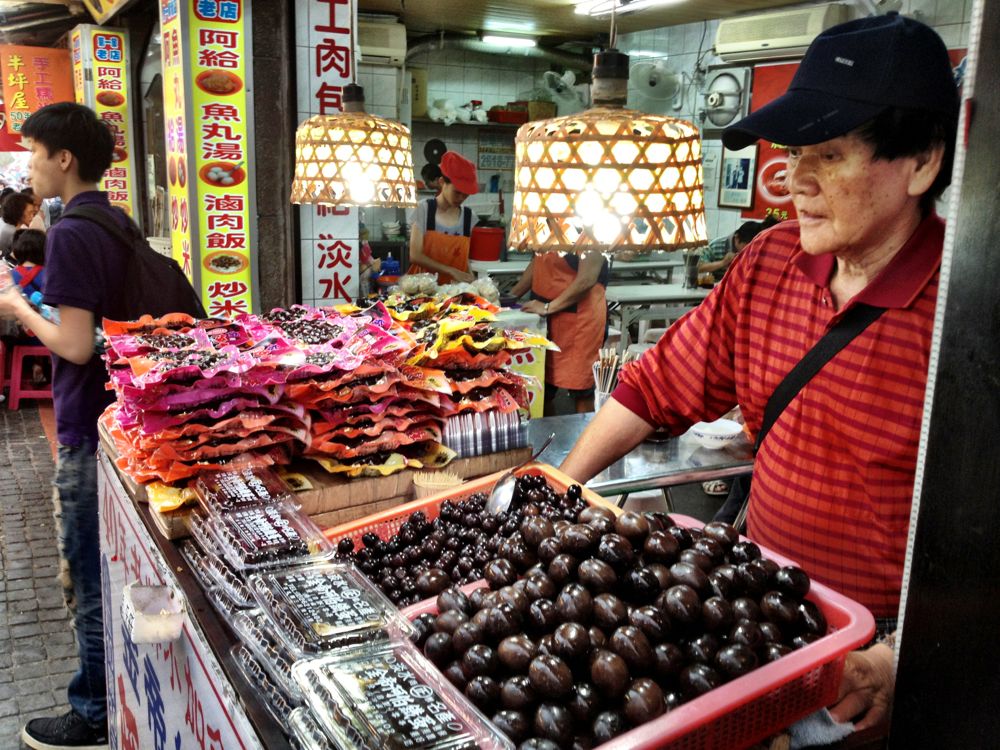
The Taiwanese have a very sweet tooth, and here we found a stall selling a wide variety of nougat in all sorts of hues. It felt like a feast day, but I guess Sunday is always like this, crowded streets and families all enjoying themselves.
Nougat ahoy!
Taiwan is of course renowned for its Night Markets and street food. One rainy evening we ventured out by MRT, Taiwan’s super-efficient metro system, to visit Shihlin, the most famous night market of all. Our colleagues were surprised we were going there to EAT; they had gone simply for a post-prandial shop, but as shopping is generally low on my agenda (although I did come away with a US$5 Longchamp rip-off, which is almost perfect), it was the food we were most interested in.
The safe BBQ stall, pork wrapped around broccoli and squid, all cut up and placed in a bag with chilli sauce
Bowled over by the garish amounts of junk on display – shop upon shop of cheap clothing, shoes and bags – we finally found the food stalls. Untrue to say it was a tantalising array as we were nauseated by the most terrible smell, which we worried was of fat rancid from over-use, so were stuck (after one misadventure, a greasy deep-fried egg in batter thing that Ross ate) to BBQ squid and pork, and a safer-looking pork bun. we later found out that the smell was stinky tofu ‘tasted better than it smells’. Ha!
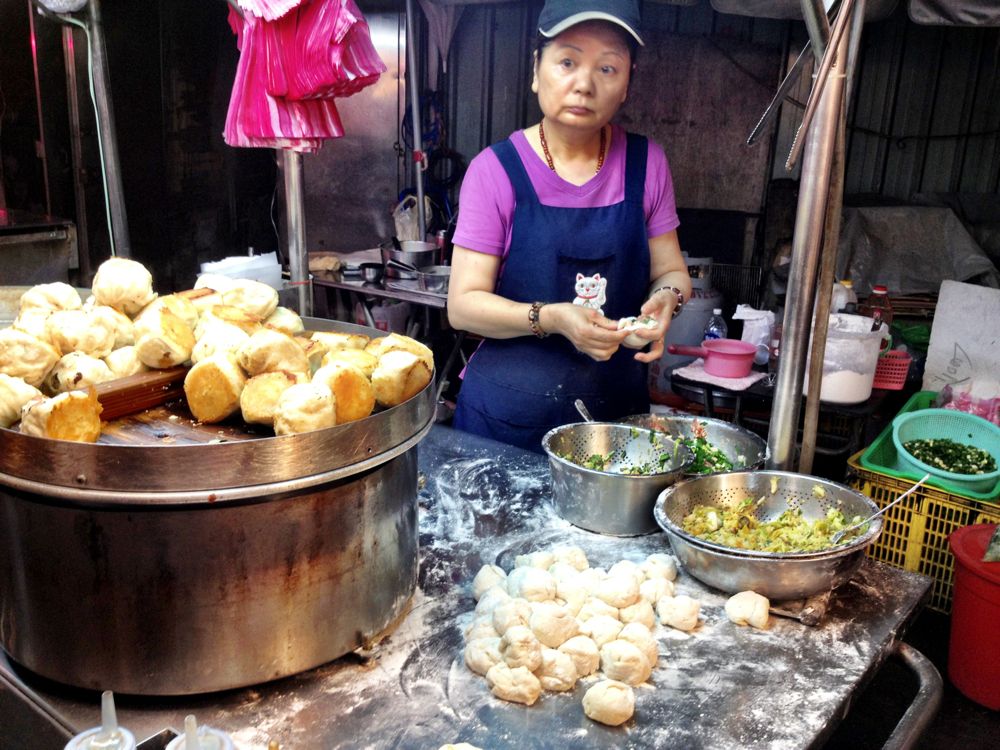
The safe pork bun stall – here we see her making them. Delicious!
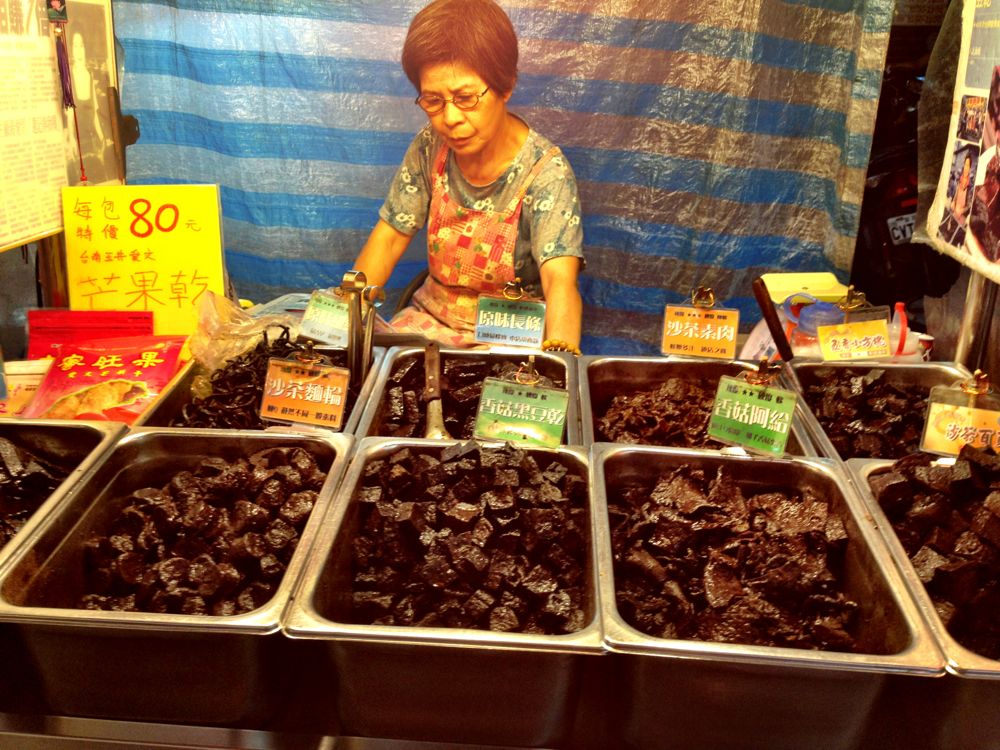
And of course, as in any Chinese food market there are what I call the unmentionables, which we always steer clear of. If you dont recognise it, dont eat it.
This is the largest assortment of innards I have seen for a while
Another favourite place for local delicacies is the Chiufen ‘old’ street market; to some extent this is a tourist area, served by hundreds of buses containing visitors from the PRC,
raw pork buns on sale
but like the Taiwanese, they love buying the sweetmeats that are made here, especially the pineapple cake. I bought some oolong tea at a fraction of the price I saw later at the airport
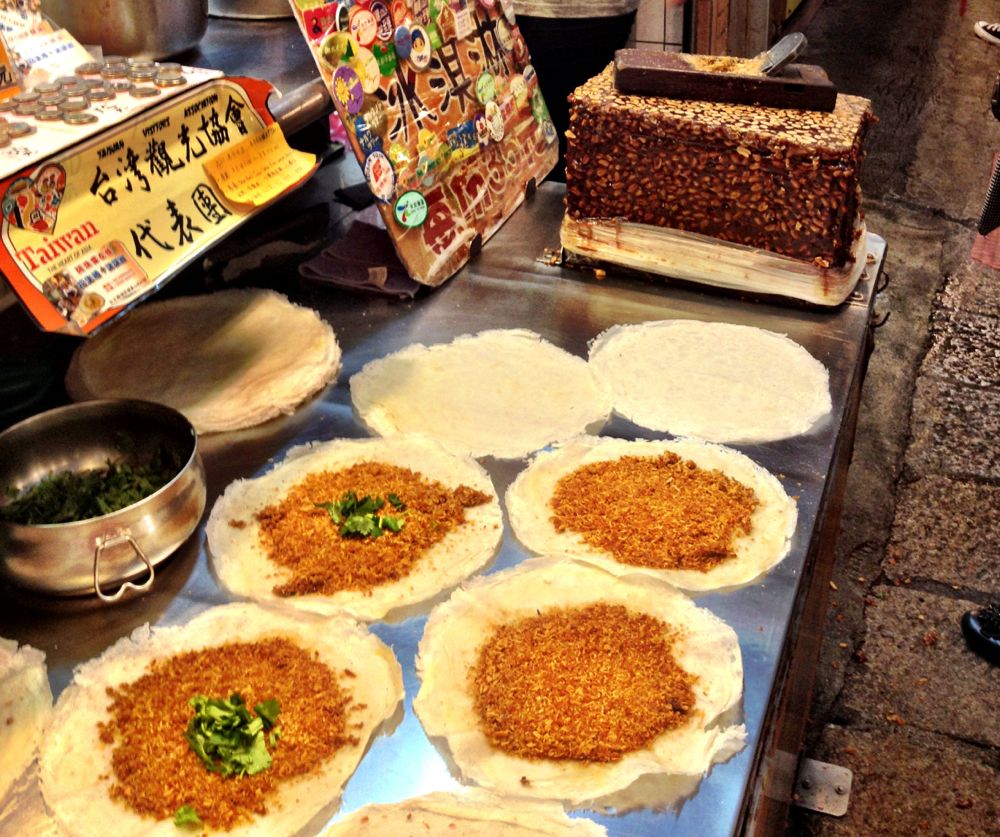
peanut brittle is shaved and put into crispy pancakes
Specialities here included yam, taro and sweet potato dumplings with red bean sauce (not for me as I don’t have a sweet tooth) and row upon row of raw pork buns which people buy to take home. I was hungry but could not find anything I recognised so missed lunch!
Taro, yam and sweet potato dumplings
I know its unadventurous, but do remember I was a vegetarian for a long time and remain squeamish, especially in Chinese cultures where organic and animal-friendly rearing are unknown phrases. Shark fin is ubiquitous here, as are tanks full of the most enormous groupers, lobsters, crabs and even octopus.
Taipei 101 grand dining room
So from the cheap to the the lavish – a banquet at Taipei 101. The second tallest building in the world – and the tallest before the Burj al Arab – we simply had to go. The only way to avoid the massive queues to get to the top is to have meal, admittedly at NT$ 1960, excluding wine, not the cheapest, but US$50 for a 9 course feast is not that bad frankly, and all in a art deco dining room, resplendent with Wedgwood and Noritake chinaware, chandeliers and an 86th floor view.
View from Taipei 101
Annoyingly the menu came on an iPad which even the waitress, complete with mask – always a bit off-putting as not only could we not read the menu but we couldn’t understand a word she said – could not work, so we took the easy option and plumped for the set menu.
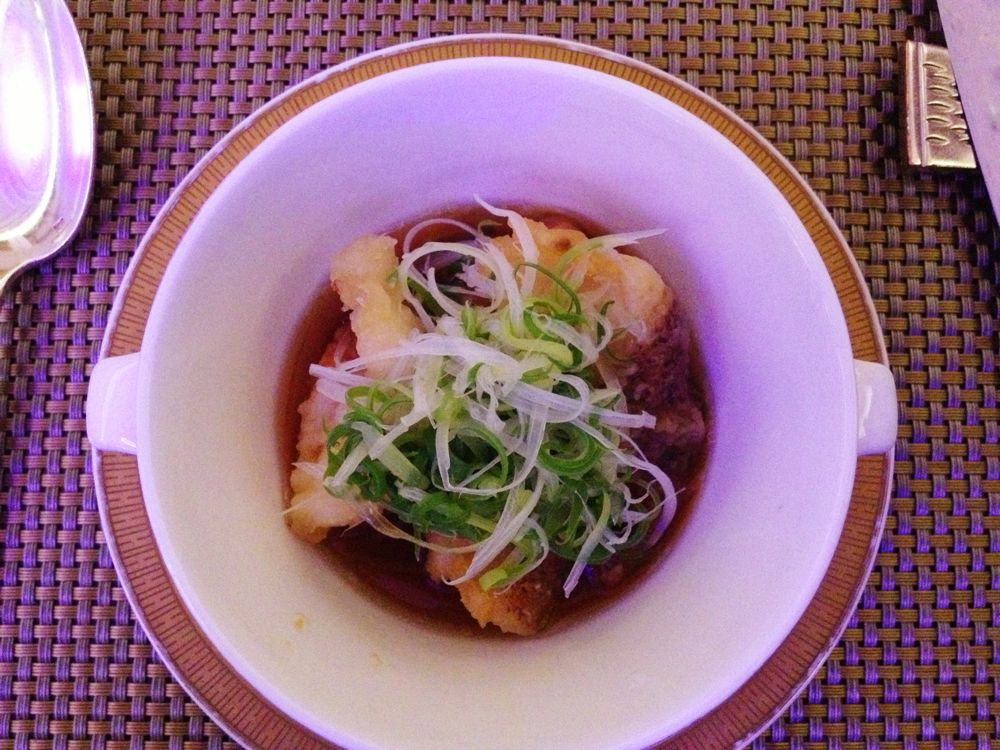
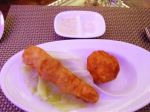
Grouper at 101
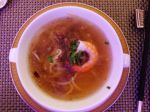
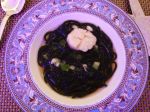
Scallop with seaweed noodles
It may not have been exactly what I would have chosen, but it was all good and worth every penny for the ambiance.
Replete after 9 courses and a bottle of La Postalle sauv blanc – well-priced for the record
But perhaps the highlights of our trip were dining with Ross’s colleagues – not only for the camaraderie, but also for their expertise. On the last evening to celebrate the end of the job, we were taken to Taipei’s ‘in’ place, Ding Wang Spicy Hotpot.
Ross and Jennifer watching the expert adding to the hot pot
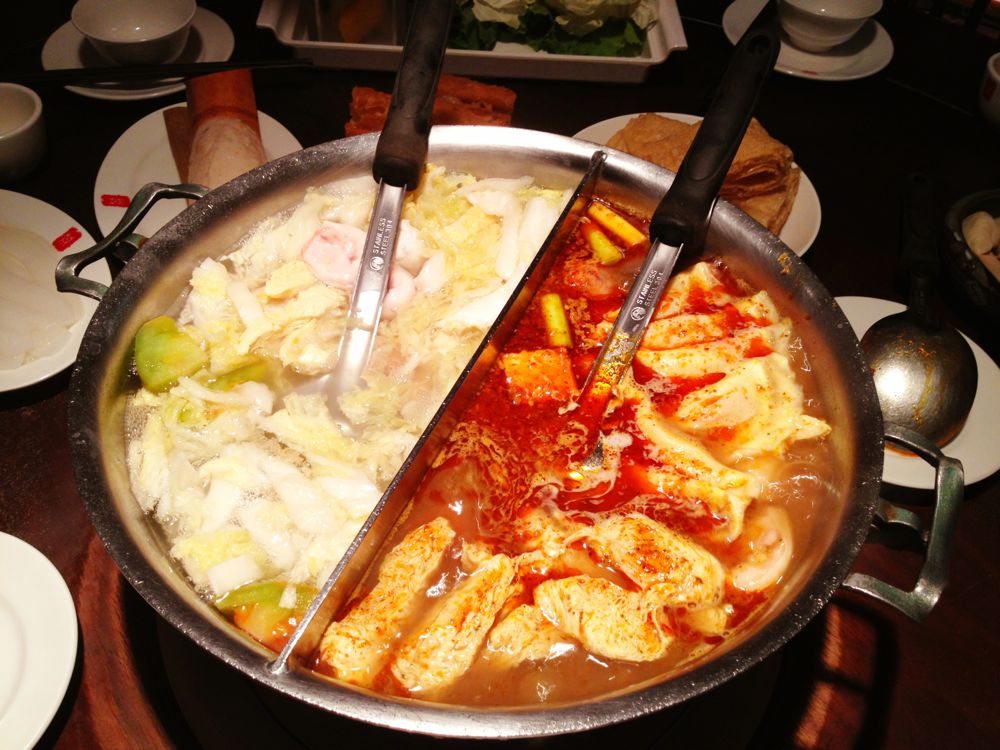
Here you can have a shared seafood/veg broth and a meat one, spicy, robustly flavoured with duck’s blood – and yes I did try that (rather like liver in fact); you then choose your added ingredients, ranging from tofu and bean curd, to scallops, abalone, calamari, crab and fish balls, slices of meat and so on, finishing off with some fresh veg at the end.
Ding Wang hot pot
The principle is the same as for fondue. It was delicious, although I do prefer the more fragrant Cambodian variety – lemon grass, fresh herbs, mint and lime leaves as predominant flavours in oriental cooking.
making the crispy bread – rather like a tandoor
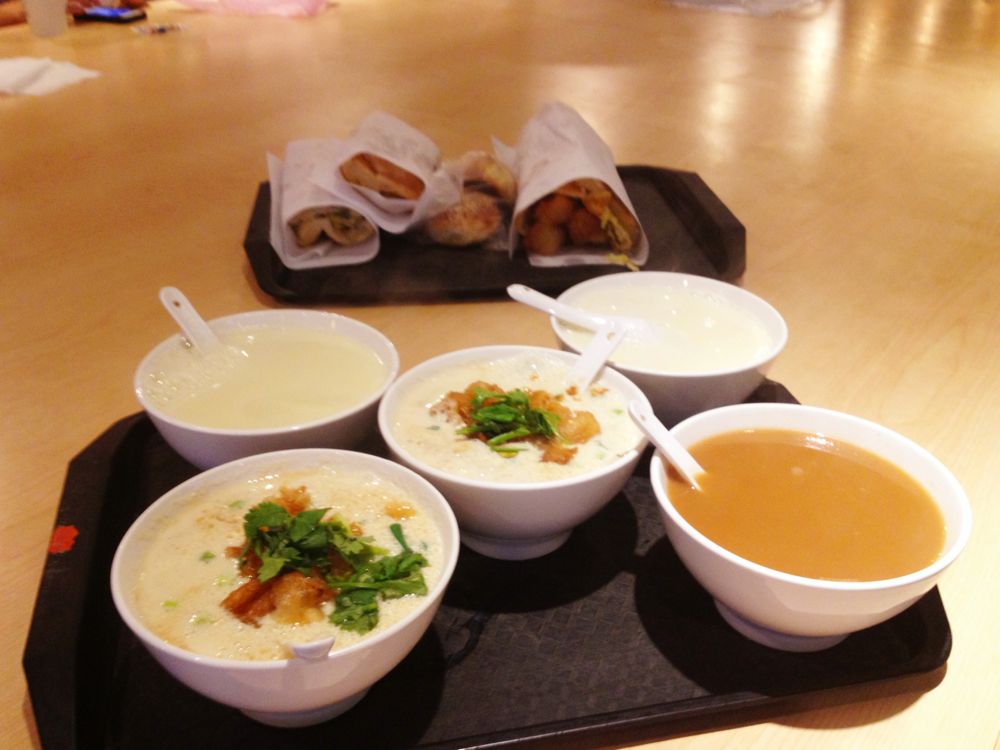
The last breakfast was just round the corner, Ku Hang, up some stairs and typically Taiwanese. Great bowls of sweet soya bean milk (rather like baby rice, so not very nice!) and a salty bean curd porridge, with crispy soya bean (better), but best were the delicious home-made crispy rolls, some with onions, some halved with fried eggs plopped in the middle, and egg pancakes.
Breakfast Taipei style
Normally queues snake out the door but today (we were good and early) we only had to queue for a few minutes.
A fine end to a gastronomic journey.
Ross with Sean (left) and Han Wei (right)
the gorgeous waitresses, Alice and Penny
more unmentionables
gossiping while making pork buns
century eggs, raw and wrapped
dried anchovies at Chiufen
fruit stall at Shihlin
more unmentionables at Shihlin
101 – can’t remember what this was, nice celadon bowl though!
big boletus mushrooms being grilled at Chiufen, by a big lady!
Being accompanying spouse this week meant I had a lot of time on my hands. Undaunted by my previous solo forays, I booked a couple of tours to while away the time in between reading and cataloguing my mother’s letters (by the way we have reached 1957, and I am born to much excitement after 11 years of marriage).
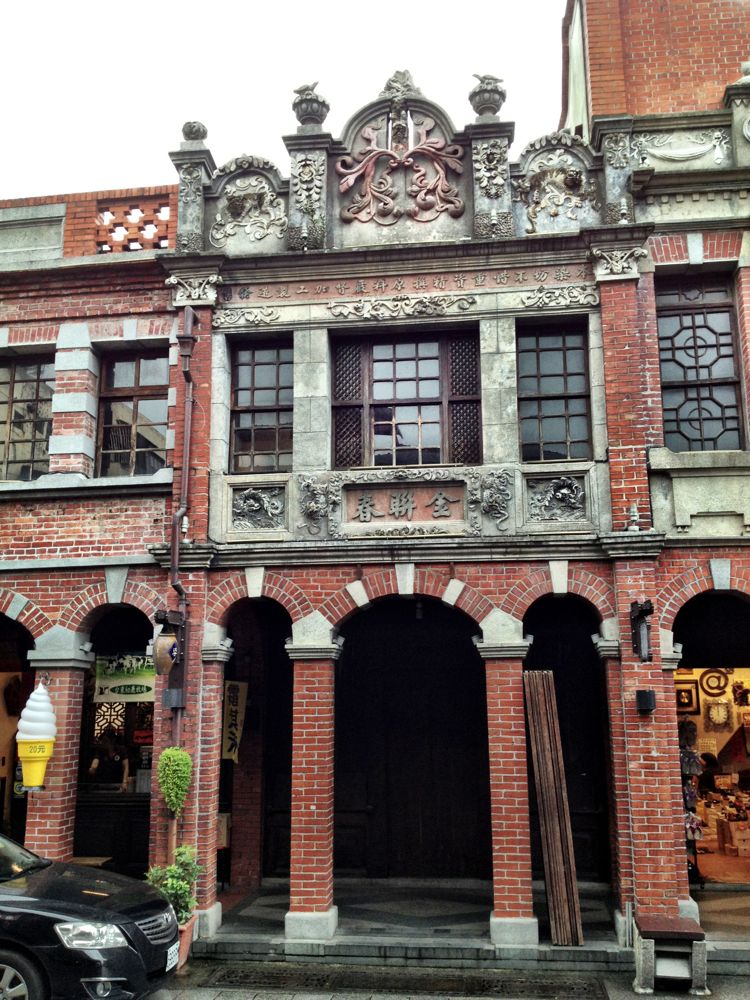
turn of 19 century house, Sanhsia
I hit gold on the first outing, and had W all to myself. W, who in the temple as we were looking at our Zodiac signs – being 55, I was a pig, asked, ‘Am I 46 or 58?’ ‘Oh 46,’said I gallantly. ‘Heh heh,’ he chortles ‘ 58, dye my hair yesterday’. Such a character, and 12th generation Taiwanese.
Sitting beside him in the front seat I was privileged to learn much about Taiwan, its people and its politics. How the KMT, despite winning the last election (by a slim margin) is very disliked – the President only has 13% popularity rating – and they only got in because many businessmen with interests in China told their workers to vote KMT, whose mantra is ‘One China’. The fiercely independent original Taiwanese do not want to become a province of China – this is after all how they feel the world considers them, as they are not recognised in the UN.
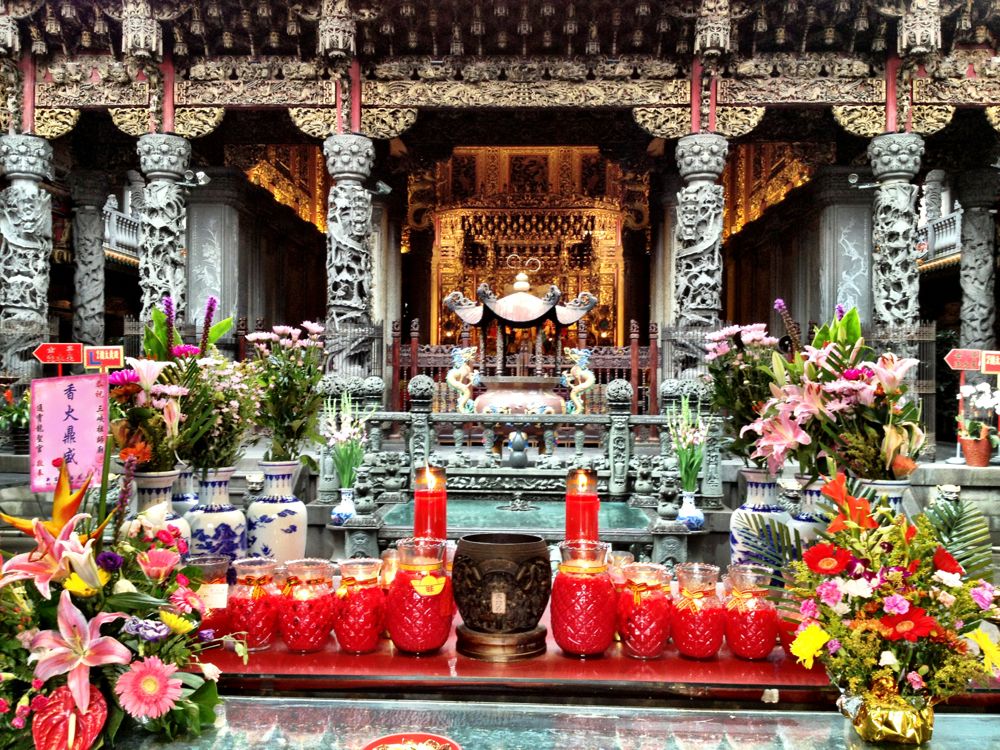
Sanhsia Tsushih Temple
The current trouble with the Philippines has exacerbated this sense of isolation – Aquino is treating them as an unimportant scion of the greater power, hence the Taiwanese aggression: ‘We should fight them, we have armies and weapons’, says W. After the war many – doctors and teachers especially – went to Japan rather than live under the KMT yoke.
As part of this One China campaign, the government opened up travel to Taiwan two years ago – every day 6000 Chinese come in by plane. The Taiwanese fear this is another means of the PRC trying to control their economy.
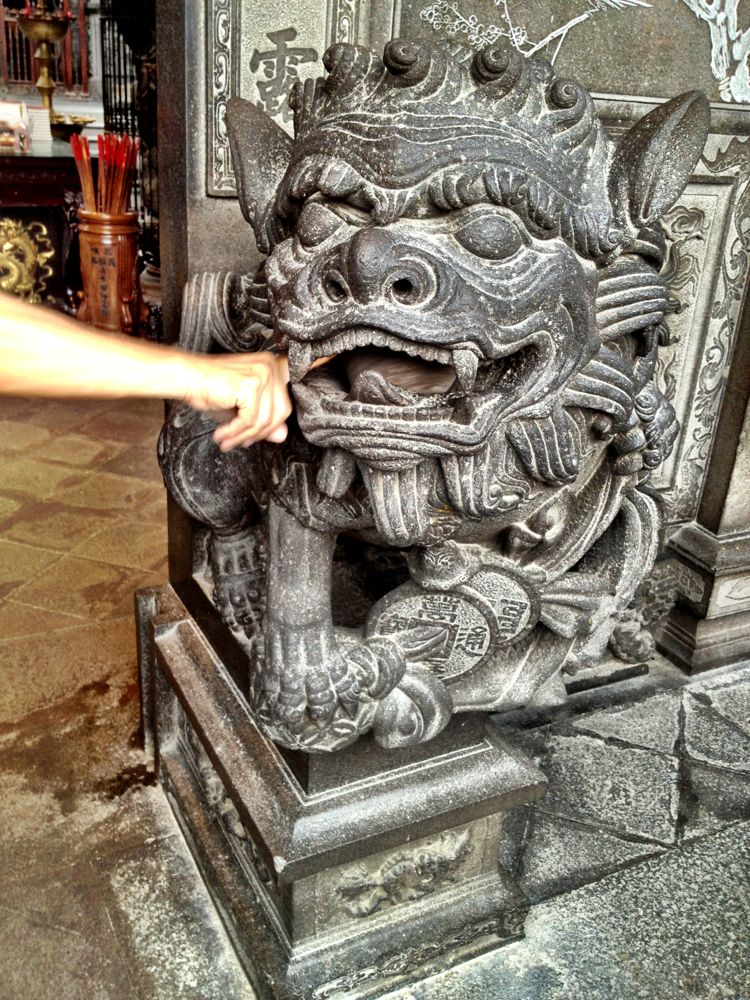
Carved temple guardian – even ball in his mouth is from one piece of stone
Apart from the Chinese en masse having few manners – as I had noticed already, see Taiwan part 1 – some of the tour operators have also upset the locals by not paying their bills, so it’s a cash only basis now! Another great injustice, in Taiwanese eyes, is the $30,000 per month paid to Chinese students to study here. This does seem outrageous, as Taiwanese students get nothing
Our objective was Sanhsia, home to an old Ming dynasty Taoist temple, made from elaborately carved stone and camphor wood, and one of the last remaining ‘old’ streets in Taiwan, now cleaned up and kitted out for tourists, but uncharacteristically tastefully so. W told me a lovely story about an Afro-American woman, who worked in a restaurant in the US, and who had a regular Taiwanese customer, to whom she always gave extra large servings. Eventually he asked her why she did this. ‘Oh, when I visited Taiwan and all the temples I was thrilled to find it is the only place in the world where the Gods are Black.’ ‘And it’s true’, exclaimed W ‘they are Black, but only because all the incense has made them so!’
The yellow paint is where the gold will go later
Next stop a porcelain factory and showroom, where I meet the artists who decorate the vases with elaborate designs, including in gold imported from Germany, and learn about the various firings that result in the high quality ware that is on display. Inspired by the National Palace museum exhibits, I am thrilled to find some modern day celadon ware and buy a teapot and matching cups.
The master-craftsman: 30 years
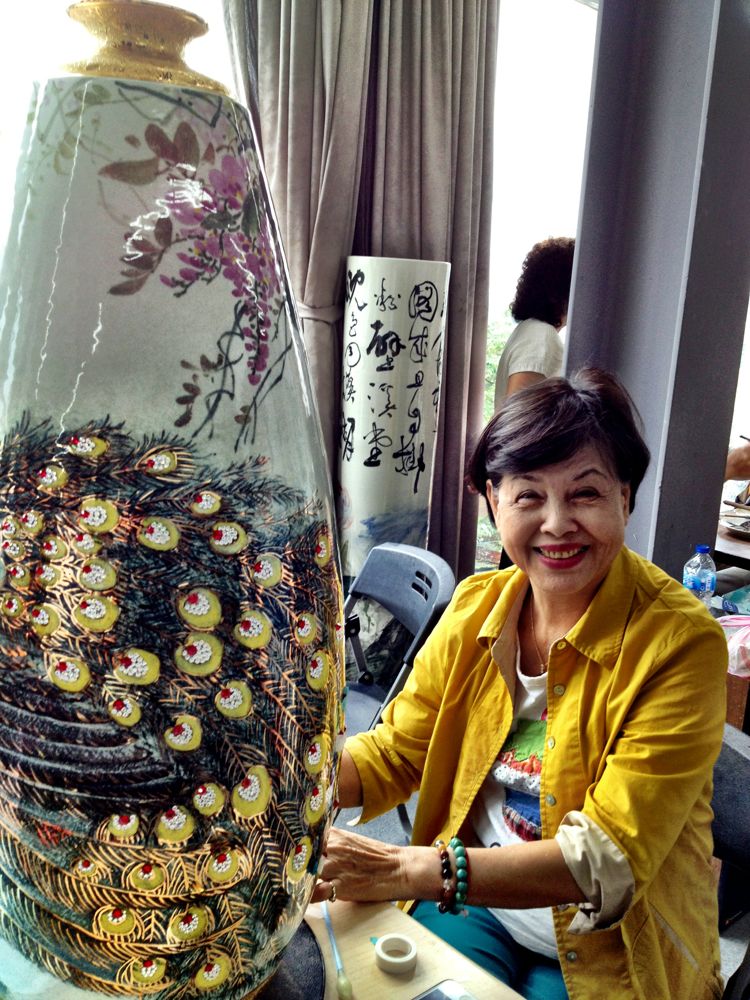
The factory charmingly has a workshop for folk to come and paint their own designs on china, and I meet an engaging 80 year-old who is sticking gold and diamante sequins on to her intricately painted peacock vase.
The 80 year-old, with her gorgeous vase
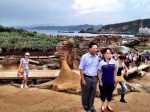
My tour group by the Nanya rock formations…
My second tour to the Chiufen Gold Mining Village was interesting in other ways. This time, ironically, I was part of a Chinese tour, although Danny also spoke English and gave briefings for my benefit. Five ladies, two from Singapore, three from PRC and a gay guy: but I worked out that these were more up-market visitors than the normal busloads we meet, as there were no flags or megaphones, and they also spoke a little English.
in the ‘old’ street at Chiufen
Our route took us to more wretched rock formations, where I was photographed by some ladies from Tamshui, who told me I was ‘beautiful’ – well, that made up for the ‘attraction’, and a couple of uninteresting stops, until we wound up to the old gold-mining village, which boasts a mile-long ‘old’ street, not unlike the Shilin Night Market we had visited the night before, complete with food stalls – contents ranging from disgusting innards to delicious-looking pastries, and other local delicacies, purveyors of leather and clothes, and a more up-market variety of shop selling oolong tea and nicely wrapped sweetmeats.
Hundres of tourists mill around in Chiufen
Ladies pose in front of sweetmeat stall
Yet again, besieged by hundreds of visitors and many, many tour buses navigating the winding U bends in an alarming manner, horns blaring at poor unsuspecting walkers like me!
In between my tours, I went to the gym which was full of elderly gentlemen exercising, including one old boy who beat his chest in order to emit loud belches! Perhaps it was him I witnessed the next day hawking and spitting in the pool, or perhaps he was the one practicing his putting poolside!
Emperor eggs – as they are and ‘gift-wrapped’!
One thing is certain – and I asked all the chaps in our group, the Taiwanese women are among the most beautiful in the Far East. Many of them are tall and willowy, with long legs, often clad only in the shortest of skirts or hot pants. Paleness is a sign of great beauty here, so many of them have milky-white complexions and are beautifully coiffed and made-up. Sorry, no photos!
In between my adventures I deigned to go out with Ross – to the Shilin Night Market, Taipei 101 and to various eateries, all to be revealed in next blog, for foodies!
People seem to love it here – whether it’s due to the charming people or delicious food I am not sure. Interestingly I was told that, like China, where there are still one-child restrictions, some professional families in Taiwan CHOOSE not to have children as they are so career minded. Not unlike the new breed of Superwoman in Singapore, who choose to remain single. I must investigate all of this further – for another time.
School kids saying Hi! THe ubiquitous ‘peace’ sign
Arriving in Taipei in a drizzle only added to its aura of greyness. Even when the sun shines (and it hasn’t much so far) it appears slightly dingy and down-at-heel. Many of the houses and apartments are tiled, once white, now grimy and dirty. But the people are wonderfully friendly, welcoming and smiling, even if they dont speak much English. As a Taiwanese colleague says, ‘in Taiwan, its not about what’s on the outside, but what’s on the inside’. A big contrast with Singapore’s perfunctory and controlled politeness and pristine buildings.
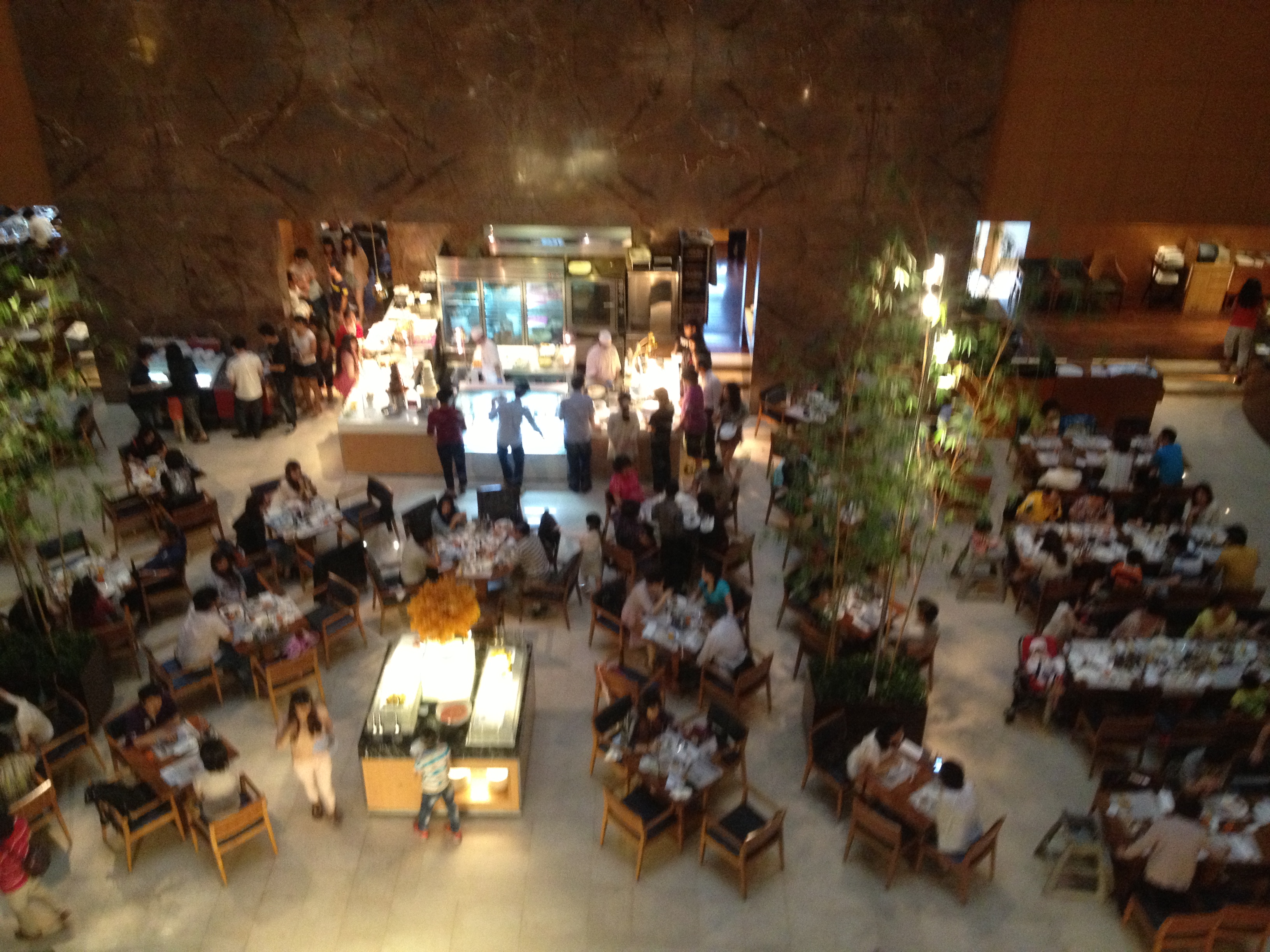
the Sheraton buffet area where people queue for tea
Had to pack an awful lot into the weekend. Up early (not early enough as it transpired!) to visit the National Palace Museum, which contains treasures from China which were transported around the mainland by various rulers from the Ming and Qing dynasties to prevent them falling into enemy hands; then back to Nanjing to escape the Japanese invasions, before finally being sent to Taiwan in 1948 for safekeeping from the advancing communists. But the invaders from the mainland are back in force, to see what Taiwan has ‘plundered’ from their heritage and also, we were told, to see ‘how the other half live’. It was almost impossible to see the exquisite ancient jade, porcelain and intricate ivory carving for the hordes of tour groups, each led by a flag-waving Führer, complete with megaphone linked to all members of his/her respective groups. What a cacophony of sound, what pushing and shoving, what trampled toes, what lack of apology! WAH!
It’s my 100th birthday and all this is for ME!
The weekend Jade market, Taipei
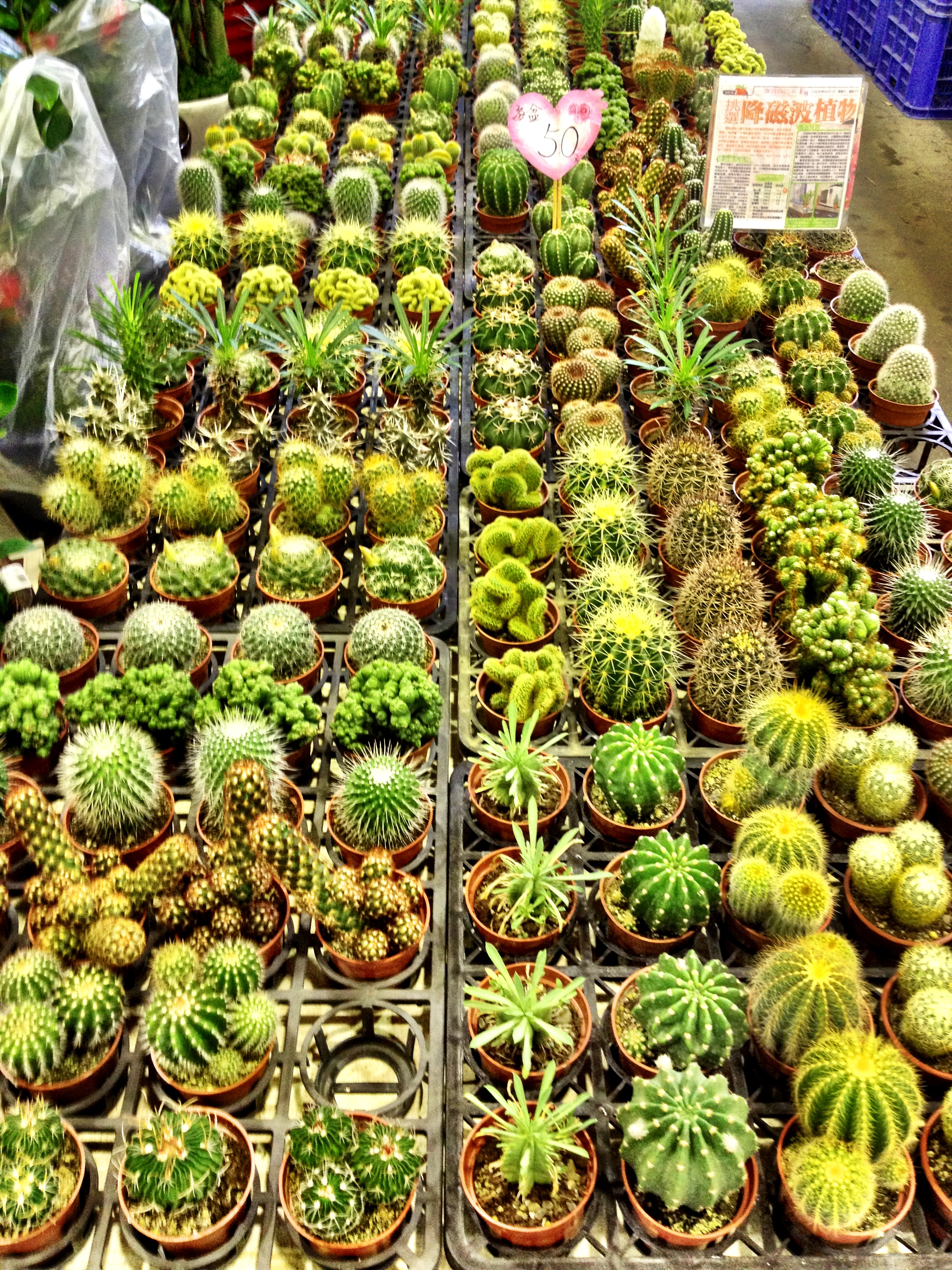
And this was the pattern for the whole weekend: whether in the Holiday Jade and Flower Markets – this time Taiwanese enjoying their two favourite hobbies – collecting jade and buying plants;
Cactii at the holiday flower market,
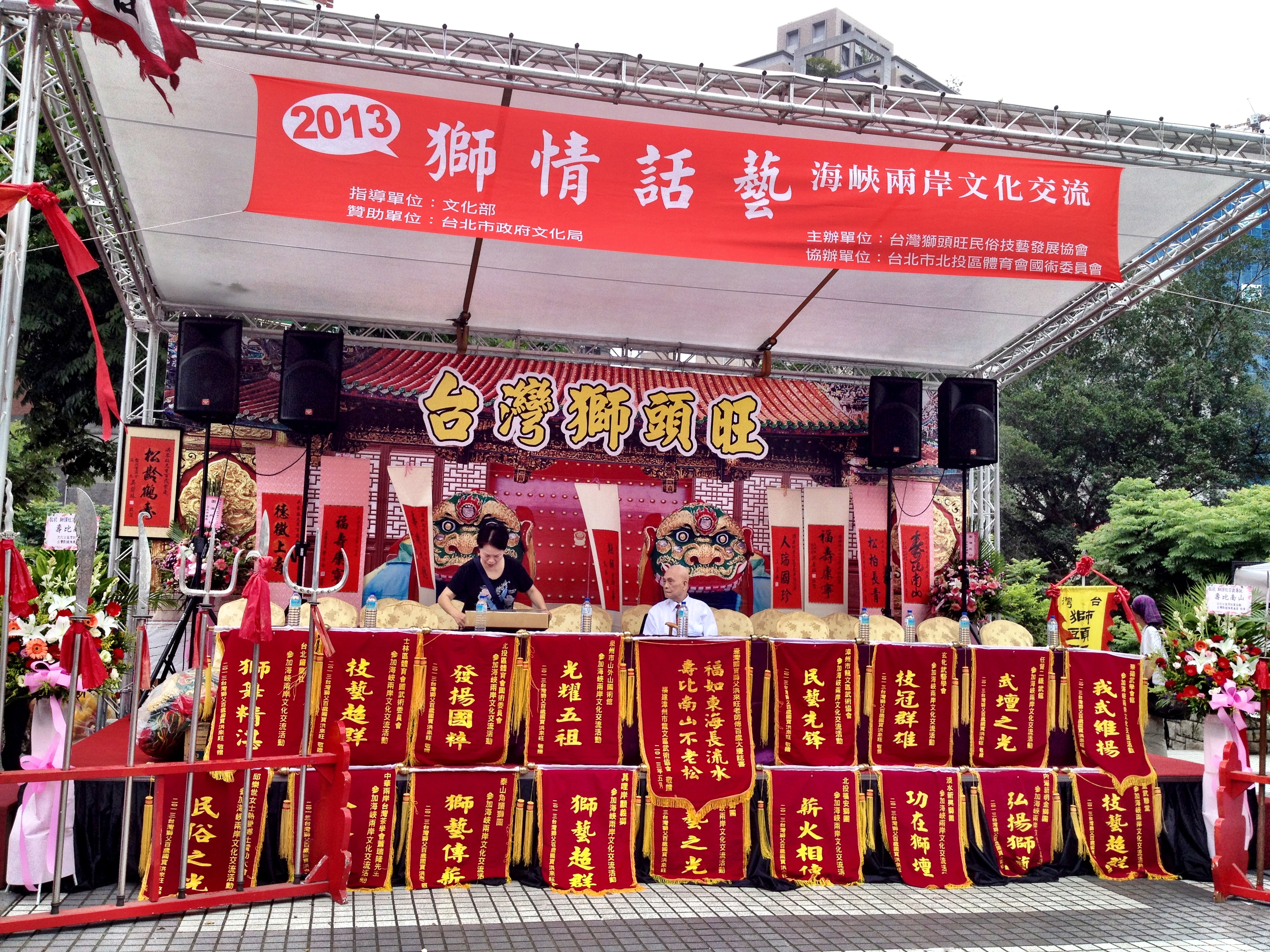
or visiting the hot springs via the crowded yet cool MRT, emerging into the baking hot and steamy Xin Beitou suburb, where the best show in town was the 100th birthday celebrations of a local man, complete with dragon dancing,
The dragon’s mouth!
kung fu demos and and speeches (we didn’t hang around for those as we were expiring from heat and lack of food).
Another strange crowd phenomenon in Taipei is the daily queue at the Sheraton for ‘afternoon tea’. Hundreds – yes hundreds – of people snake through the main hotel lobby (this is the busiest hotel I have ever stayed in, throngs of people, like a railway station) in order to partake of the daily buffet tea; a real aspirational activity here.
Not as strange as the Japanese businessmen’s whisky drinking ceremony we witnessed the other night: bottles of Chivas Regal lined up, waiter pours over ice, then adds distilled water with the finesse of a Japanese geisha, and gives it all a swizzle. Stranger still was the abrupt end to the evening when all the men bowed and departed, leaving untouched whisky on table! Vat a vikid vaste as my Czech grandma would have said. I digress..
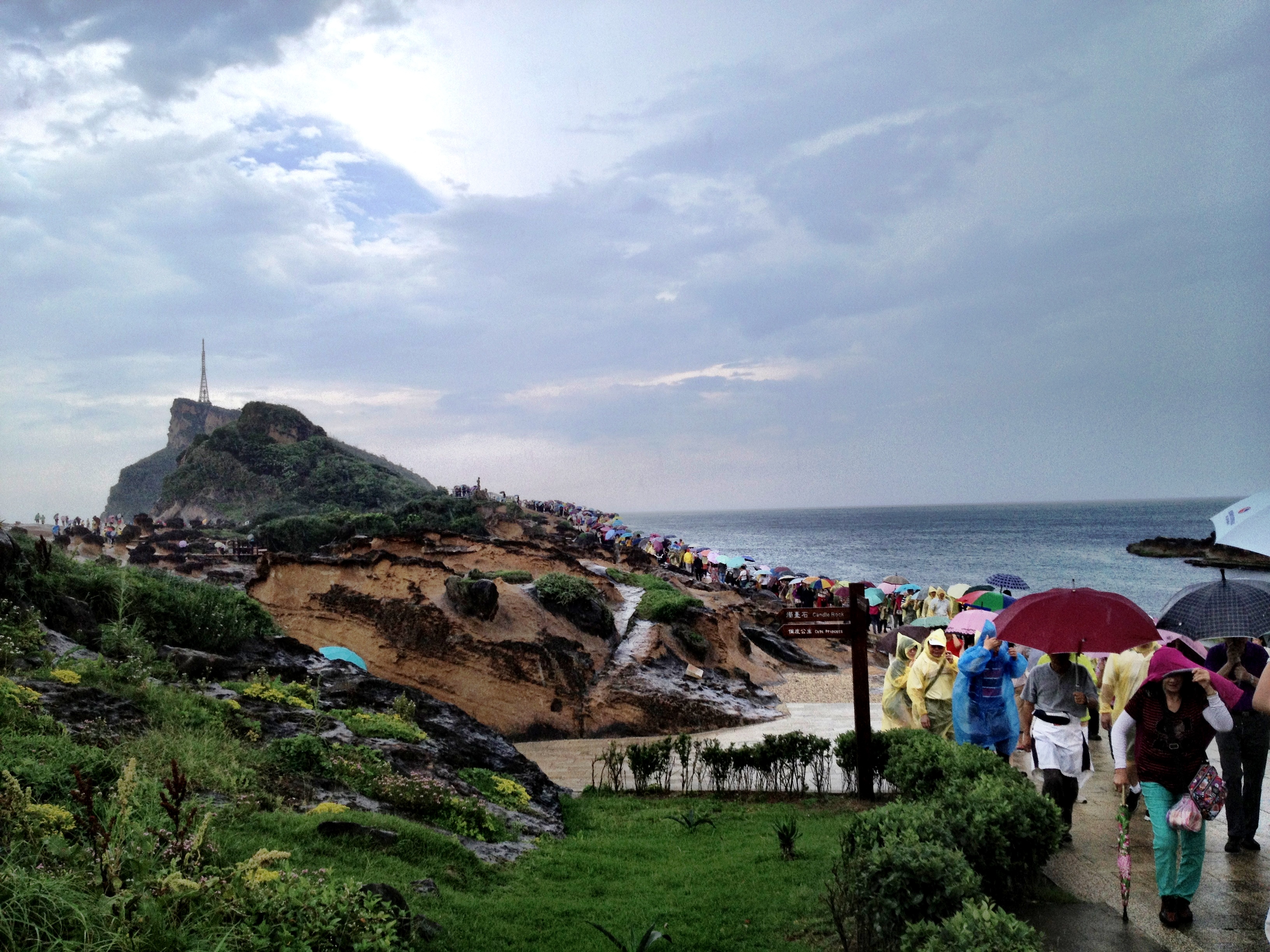
And on Sunday, yet more crowds as we went with 50 other tour buses (90% of tourists in Taiwan come from the PRC) to visit the Yehliu Geopark, a collection of unusual but not scintillating rock formations regarded as a great national monument by the PRC tourists. We arrived in the middle of a thunderstorm and it was a sea of umbrellas as afar as the eye could see;
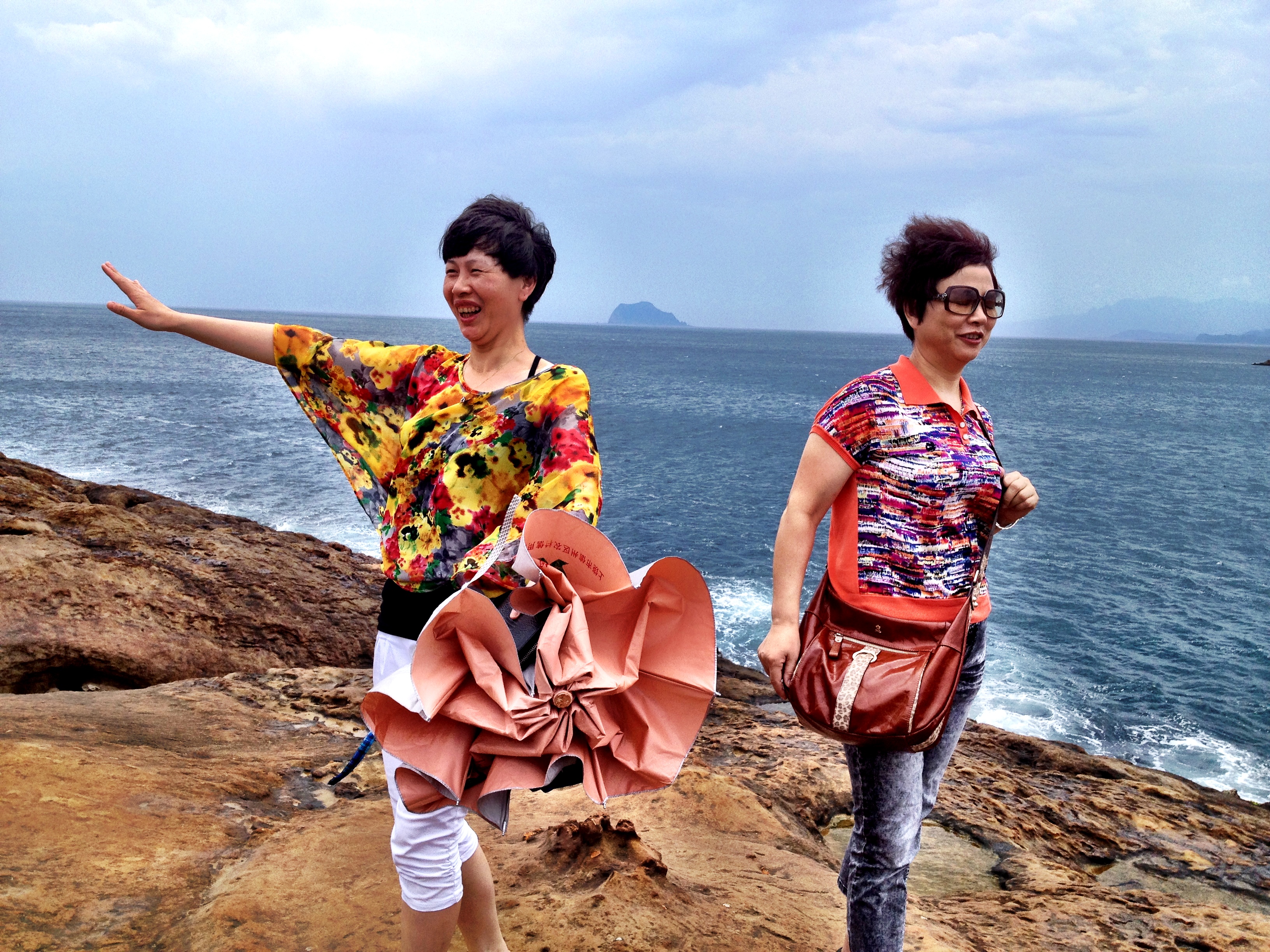
Lovely ladies at Yehliu
nothing deters the mainland tourist! or us Brits for that matter…
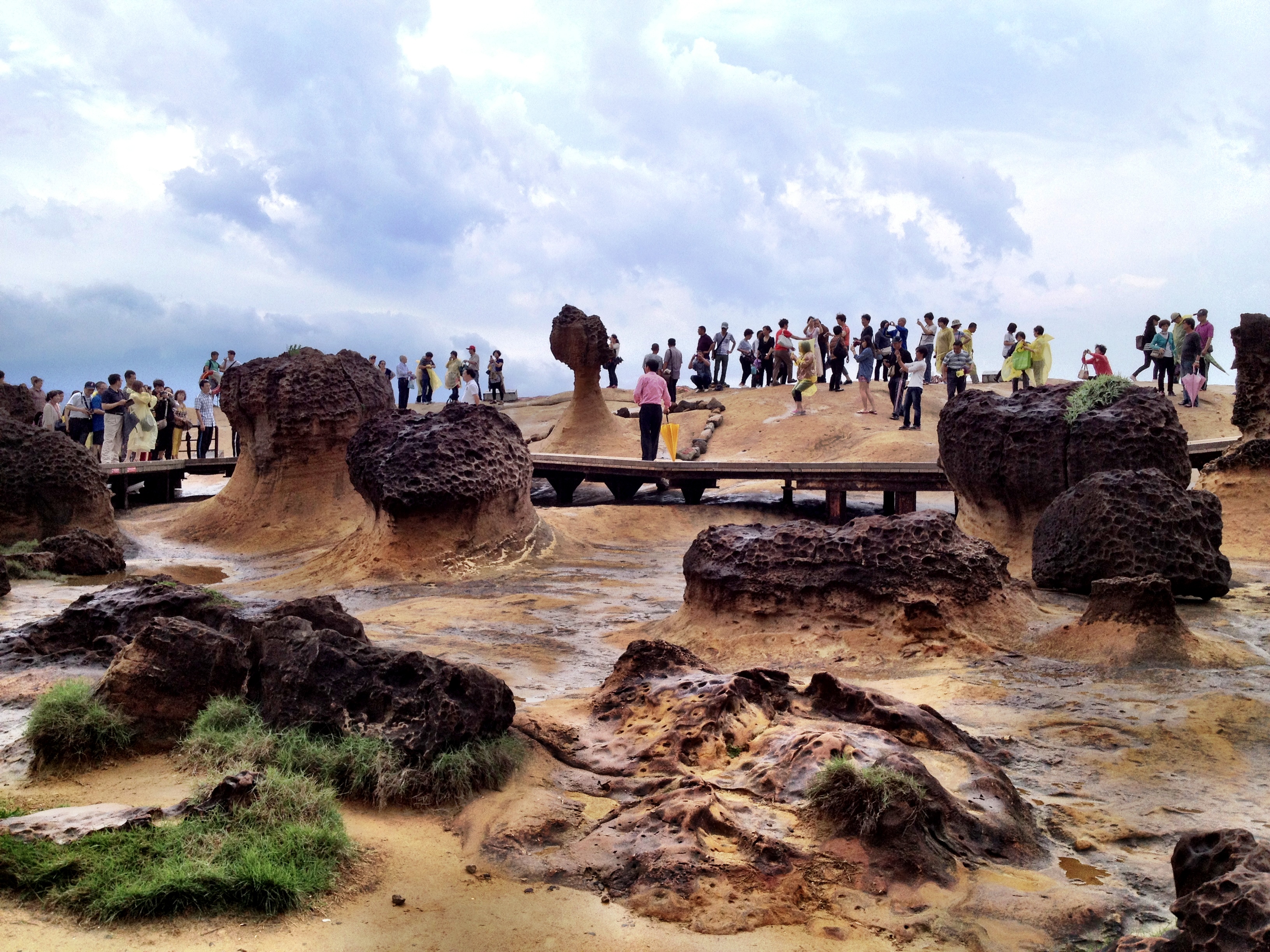
The ‘attractions’ are individually named after prosaic everyday objects – BBQ chicken drumstick; fairy shoe; ice cream rock; candle rock; pineapple rock and so on.
Hordes of PRC visitors at Yehliu geopark, the Queens head centre-stage
Umbrellas as far as the eye can see
So it was with relief that we were transported to the Ju Ming Museum by our tour guide – supposedly English-speaking but only on the subject of tennis, as he was a pro when he wasn’t driving us. Our tour therefore had a magical mystery element as the booking confirmation was all in Chinese and we had to deduce where we were going by consulting the map. Just as we arrived somewhere we would be told where we were!
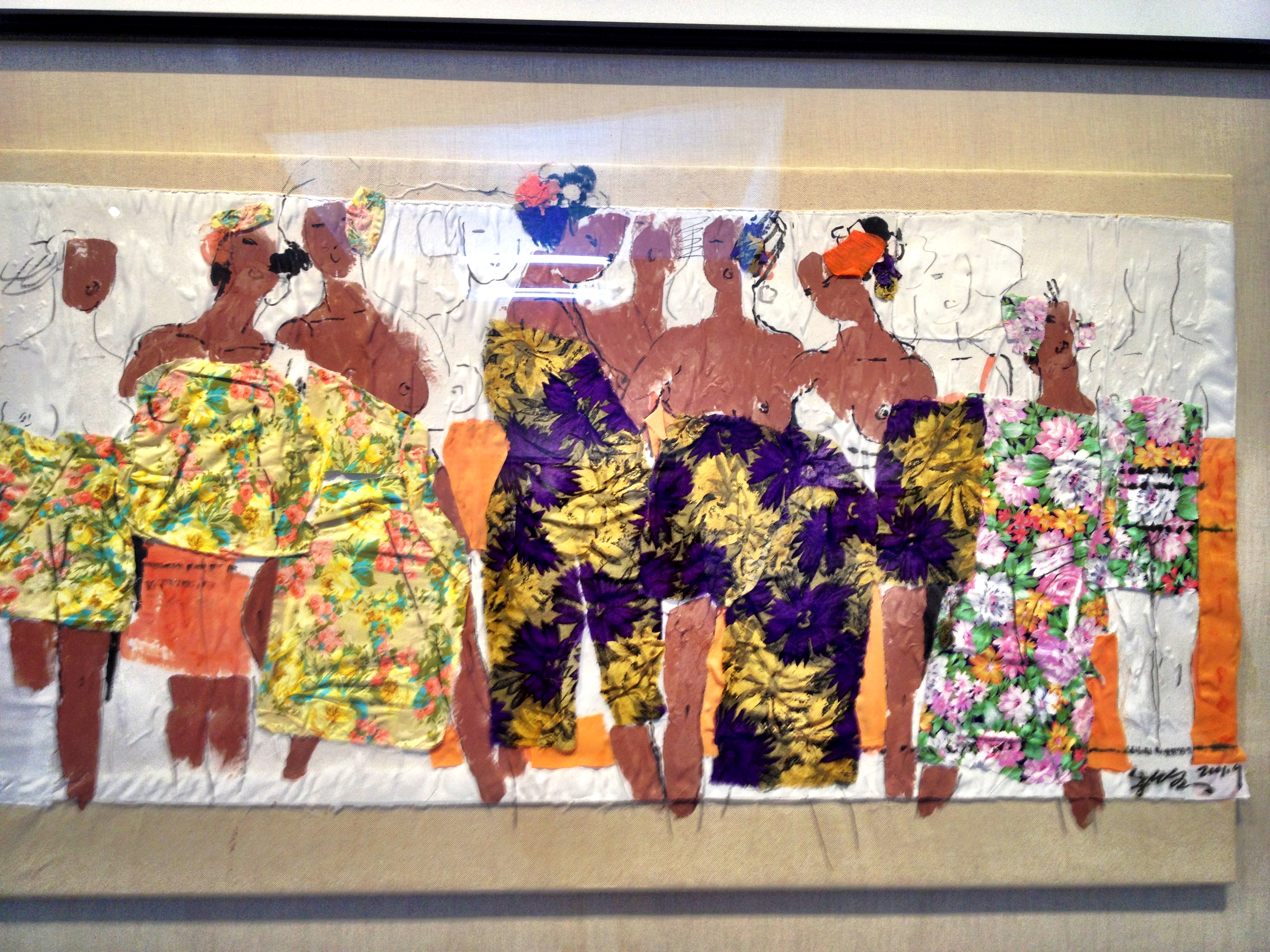
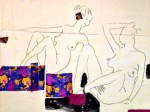
Ju Ming collage, part of Rippling Roaming Emanating exhibit
‘Two and half hours’, he gesticulated, showing us a watch. Dismayed as it seemed a long time, we were soon delighted and absorbed by this homage to Taiwan’s foremost artist whose pieces de resistance, you might say, are life-size figures cast in bronze from a polystyrene sculpture, mainly military in form – armies in battalions, fighter pilots and navies
Ju Ming is Taiwan’s foremost artist, whose speciality is life style bronzes made from polystyrene sculptures
(to celebrate Taiwan’s escape from Communism perhaps?) but also reflecting Tai Chi, what he calls the ‘Living World’ plus some marvellous sandstone sculptures, metal installations, from figures to a vast ship complete with navy in attendance. His collage paintings reminded me of Louise’s work for the London College of Fashion. How she would have loved it. How I wish she could…
Ju Ming is Taiwan’s foremost artist, whose speciality is life style bronzes made from polystyrene sculptures
By Fugui lighthouse, northern tip of Taiwan
The best thing was that it was almost empty, completely devoid of tour buses, probably because it was up a very steep and windy road.
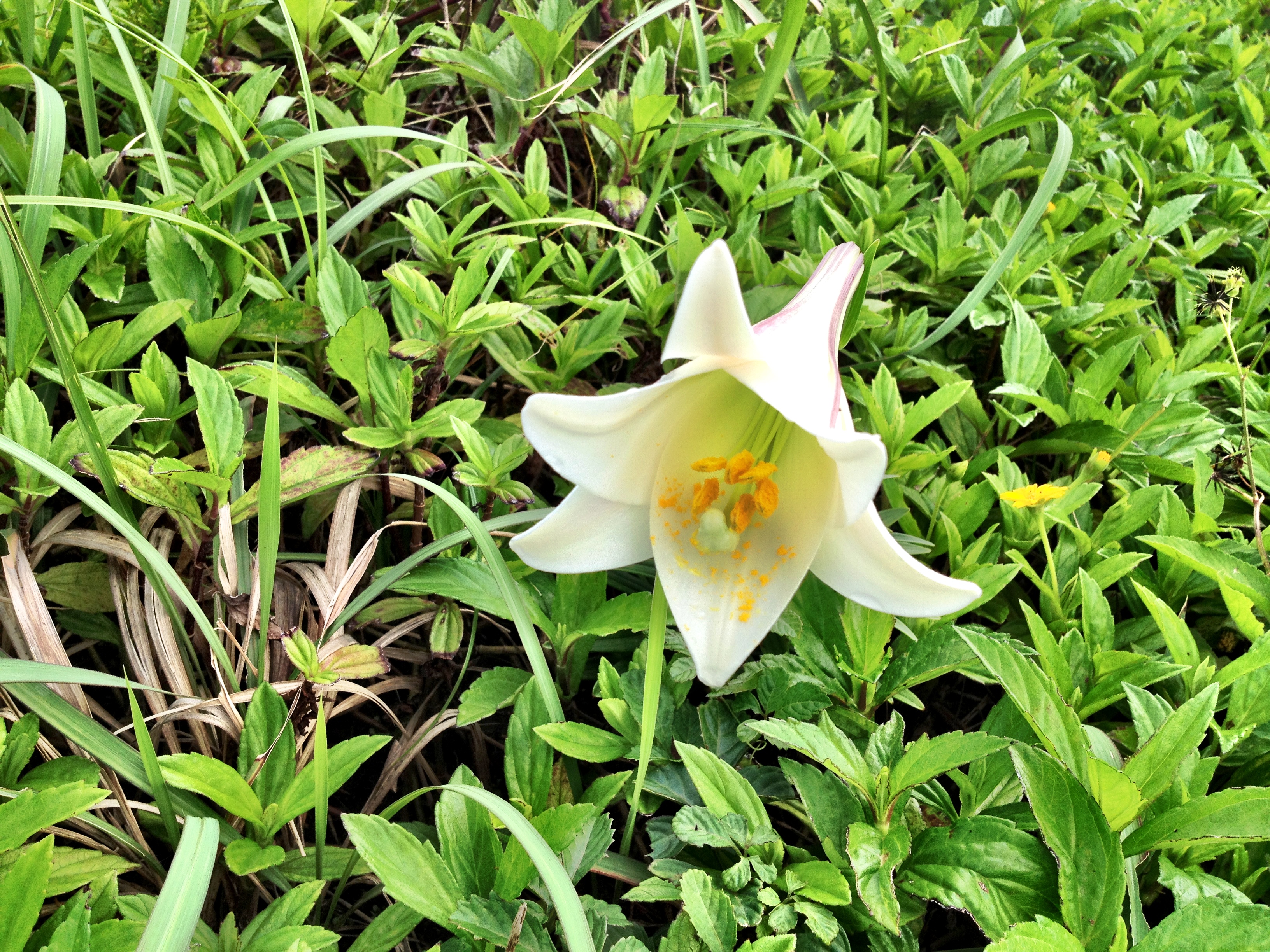
From there to the northern tip of Taiwan and a windy wander round to the Fugui Point lighthouse, where I was surprised to find wild lilies growing.
Wild Lily
And then to my great surprise and delight, we visited Tamsui, where I had in fact wanted to go on the weekend but had been over-ruled! Easily reachable by MRT, it was in fact simpler to be driven there, and we very much enjoyed visiting the ancient Portuguese Santo Domingo Fort, which changed hands variously along with Taiwanese fortunes, between Dutch, Japanese and British; and the handsome nineteenth-century British consulate, complete with original furniture.
But best of all we loved promenading together with most of Taipei taking their Sunday sea-side outing, watching the food being served fast and furious, the families enjoying ice creams, the proud dog-owners with their handbag pooches (very ‘in’ at the moment) and even larger varieties such as this extraordinary beast – is it a lion we wondered? Everybody laughing, good humoured, but bustling!
Lion or dog?
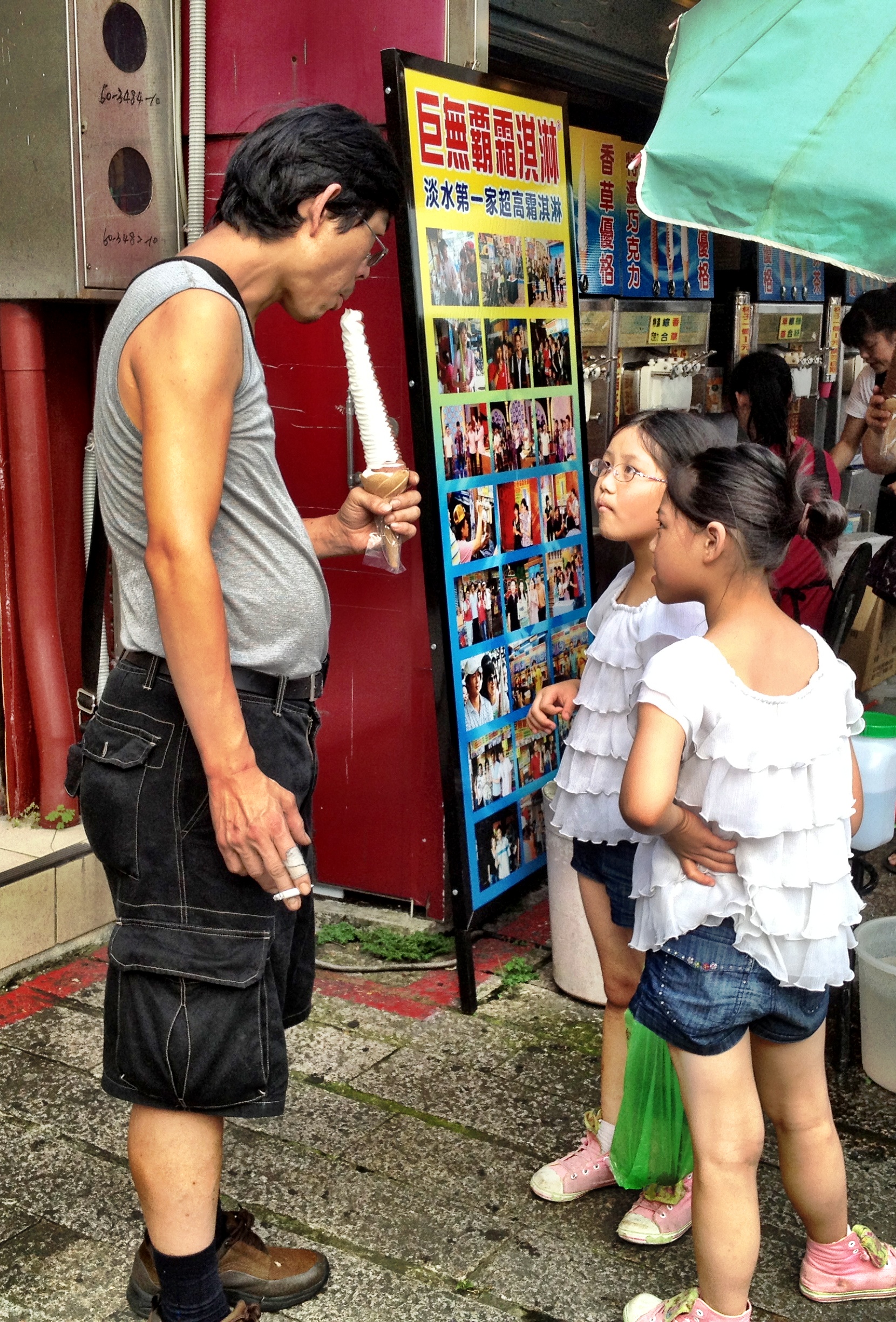
Why has Dad got the ice cream?
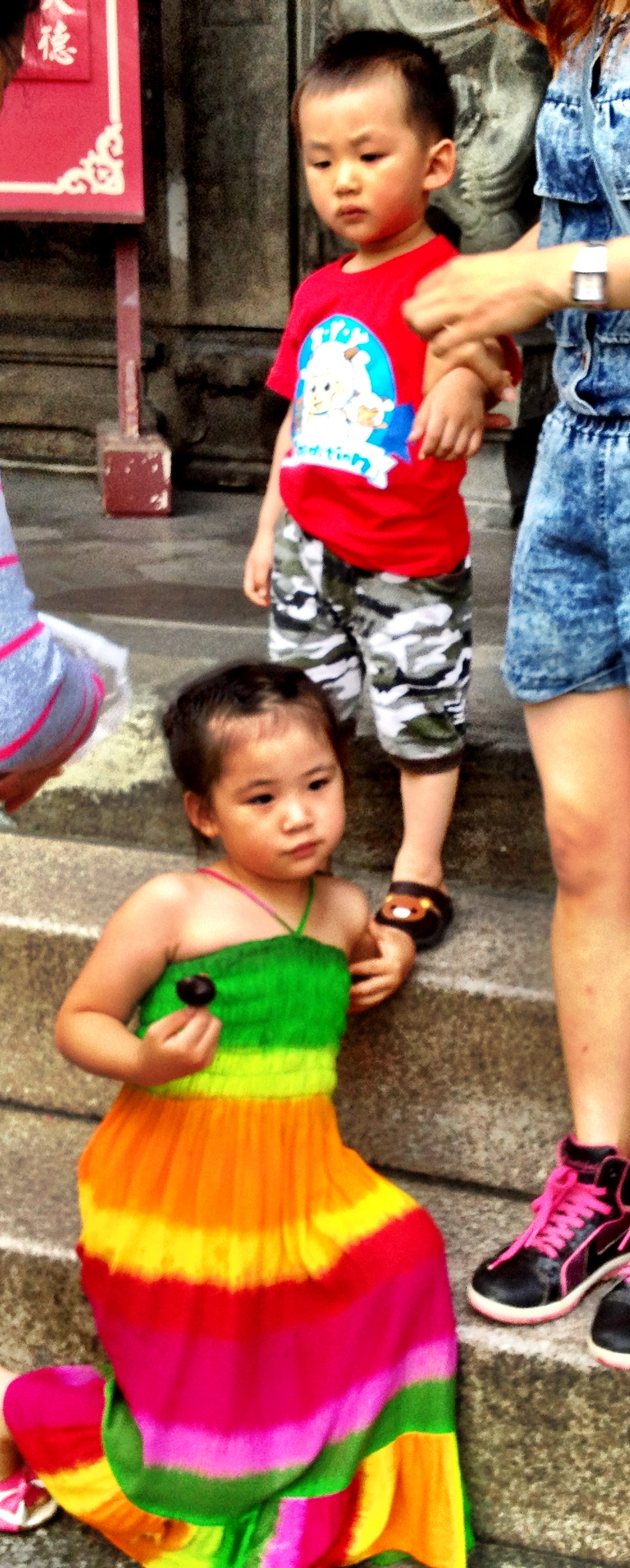
Sitting on the temple steps
Hip couple strolling in Tamsui – check those heels!
You may have noticed, no mention of the culinary delights (and very yummy food here!) – that deserves a blog all on its own, and will come at the end of our stay!
Madonna underneath statue to George Mackay, Canadian architect who built most of 10 century Tamsui and whose buildings remain to this day
Typical street food stall
Lion dog again!
Temple gates
sweet corn seller
The river at Tamsui
British Consulate, Tamsui
Ju Ming is Taiwan’s foremost artist, whose speciality is life style bronzes made from polystyrene sculptures
Detail of huge Ju Ming sculpture
in the Navy
Ju Ming is Taiwan’s foremost artist, whose speciality is life style bronzes made from polystyrene sculptures
Joining up! Taiwan
Steel sculpture
Sandstone sculpture
Sandstone sculpture
Teacher and pupil at Ju Ming museum
Sandstone sculpture
Ju Ming collage
Ju Ming collage
Ju Ming collage
Ross with the Queen’s Head (Nefertiti?) at Yehliu geopark
My three visitors on the bum-boat – Marina Bay Sands hotel in background
Arrived back from Mumbai to very welcome news that two of Louise’s school-friends, Kim and Charlie Sachs and their friend Sarah Johnstone would be coming to Singapore en route to Vietnam for a few days.
our tiny second bedroom, home to three girls… (mattress on floor only comes out at night!)
Of course they must stay, even though our tiny serviced apartment only has a minute spare bedroom.
When they arrived we also met up with another London friend, Andy (our age!), and had a delicious Chinese meal – after several pink gins, as taught by Mumbai friend Cindy (half/half soda and tonic water with the gin and bitters).
with Charlie and Kim on the bum-boat tour (had a had cut after I saw this!)
The second morning we walked down Robertson and Clarke Quays to pick up the bum-boat to do the river tour of Singapore; grey day and windy….wah, my hair!
Old shop houses in Little india
Then off to Little India, where I had never been. Going from the real thing to the Singapore version was a great disappointment: firstly there seemed to be more Buddhist than Hindu temples, and more shops Chinese than Indian, apart from right at the end when I discovered the food market (by the MRT station.) Now I know where to get fresh curry leaves, alphonse mangoes and baby aubergines.
Lovely leopard (?) outside a Buddhist temple in Little India
Nevertheless we had a good lunch – a thali for me, and veggie lentils for the girls – and enjoyed the 24/7 hypermarket full of tat. Interestingly we followed the Lonely Planet foot tour and, now, checking some names in the Footprint guide, it seems we missed out on a whole load of more authentic stuff. Will have to re-visit.
So while the girls were doing their own thing – a chum of theirs’ is in town for Singapore fashion week, a hunky male model, and I have sworn not to share some of their photos but can attest that Singapore is not quite so sterile as one might be led to believe judging from the evidence – and Ross was over the border in Malaysia, I went out with Andy for a yummy Chinese in the Goodwood Park hotel; Peking duck as it should be. Andy particularly liked our gorgeous waitress!
Peking duck – hand-rolled pancakes, thank you – using only crispy skin. The meat is fried up with rice and spring onions
A vist to Singapore is not complete without an outing to our new ‘home from home’ – the Tanglin Club, where I took the girls for drinks and dinner – to see how the other half live. We had a lively discussion with one of the ‘old-timers’ about the glass ceiling and the need to give parents tax breaks to stay at home. ‘All children should be brought up by at least one parent – being brought up by a nanny is a great disadvantage.’ ‘Do you have children?’ I asked innocently – for dear reader, this was a woman speaking. I only found out later that David Cameron has being banging on about this – so it was neither original nor enlightened thinking! Small society can addle the brain.
So goodbye to the girls and to Singapore – we venture to Taipei tomorrow for a week.