

The karst landscape on the Nam Ou river
In the second part of our journey we travel from Nong Khiaw to Luang Prabang, via Nam Tha and the ‘Green triangle’ of the hill tribes. Continue reading

The karst landscape on the Nam Ou river
In the second part of our journey we travel from Nong Khiaw to Luang Prabang, via Nam Tha and the ‘Green triangle’ of the hill tribes. Continue reading
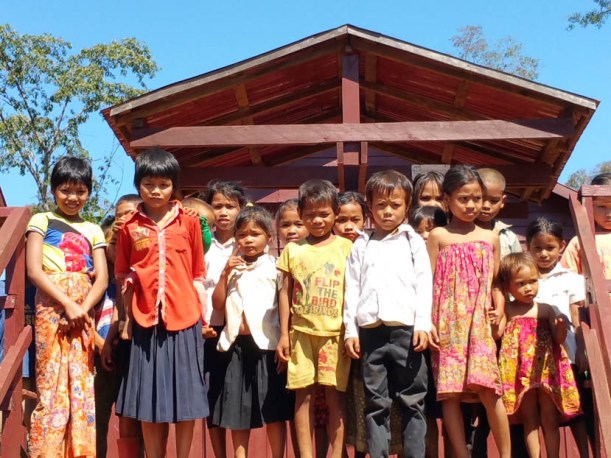
Welcome committee at Blai
The second part of our journey will take us to Banlung, the hub for the 23 Ratanakiri schools and where the UWS journey began. Maxine and John have gone on to Siem Reap, so we are now five. It’s a 3 hour drive from Siem Pang to Banlung, and after an hour or so on the pitted murram the road returns to tarmac, and the scenery changes from scrub to row upon row of rubber plantations – the ecocide that has destroyed the rainforest and scarred the landscape forever. In between are cassava plants which leaches the soil so it’s all in all a no win situation for the future. Continue reading
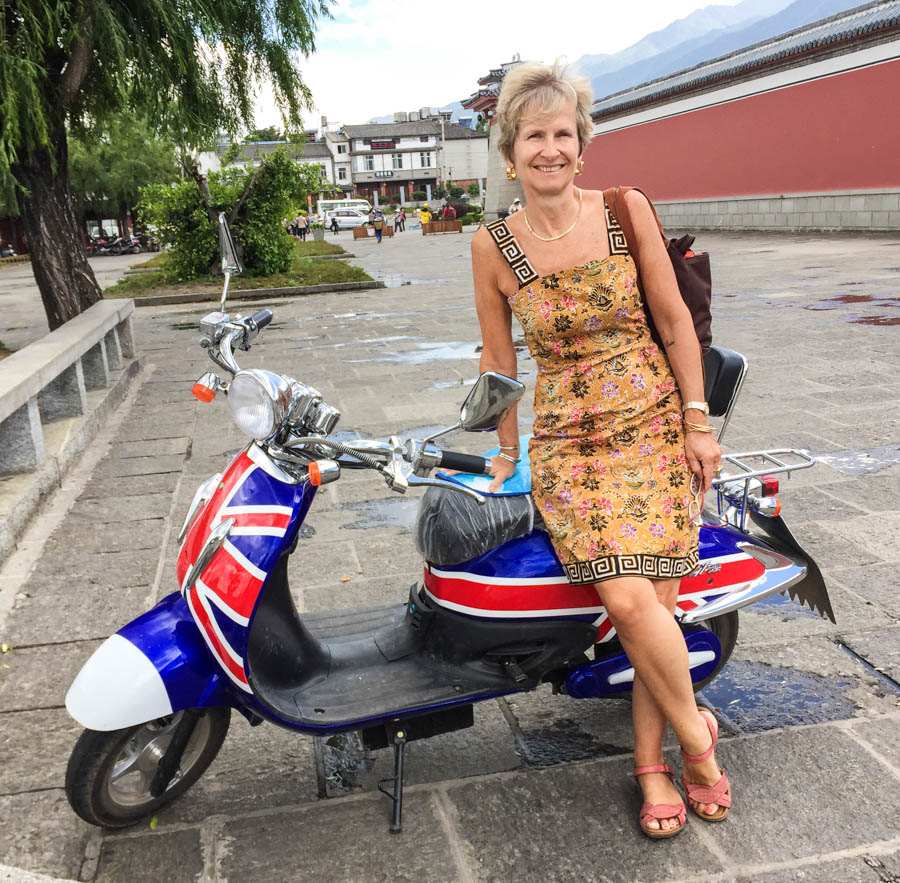
Union Jack scooter in Dali: better than a horse these days!
So here we are on our long-anticipated jaunt to Yunnan in SW China. We will be following the ancient Tea Horse Road from the pu-er tea growing areas in the south-east of the state right up to Shangri-La on the Tibetan border; Yunnan’s other neighbours are Myanmar, Laos, and Vietnam. Continue reading
 ‘I won’t ski if the conditions are bad,’ I promise my well-meaning friends who, anxious about my continuing whiplash, are disapproving of my Easter holiday plans. This is easy in the first three days as the mist clings to the valley and the rain seems never-ending. The boys (husband, son and friend) are all gung-ho and of course sally forth daily, although a lot of time is spent in mountain restaurants. Continue reading

It’s just a perfect day…Mt Yotei in the background
‘It’s the worst season for 12 years: no decent powder since December.’ Not what European snow refugees want to hear of Niseko, Japan, the powder Mecca of the world!
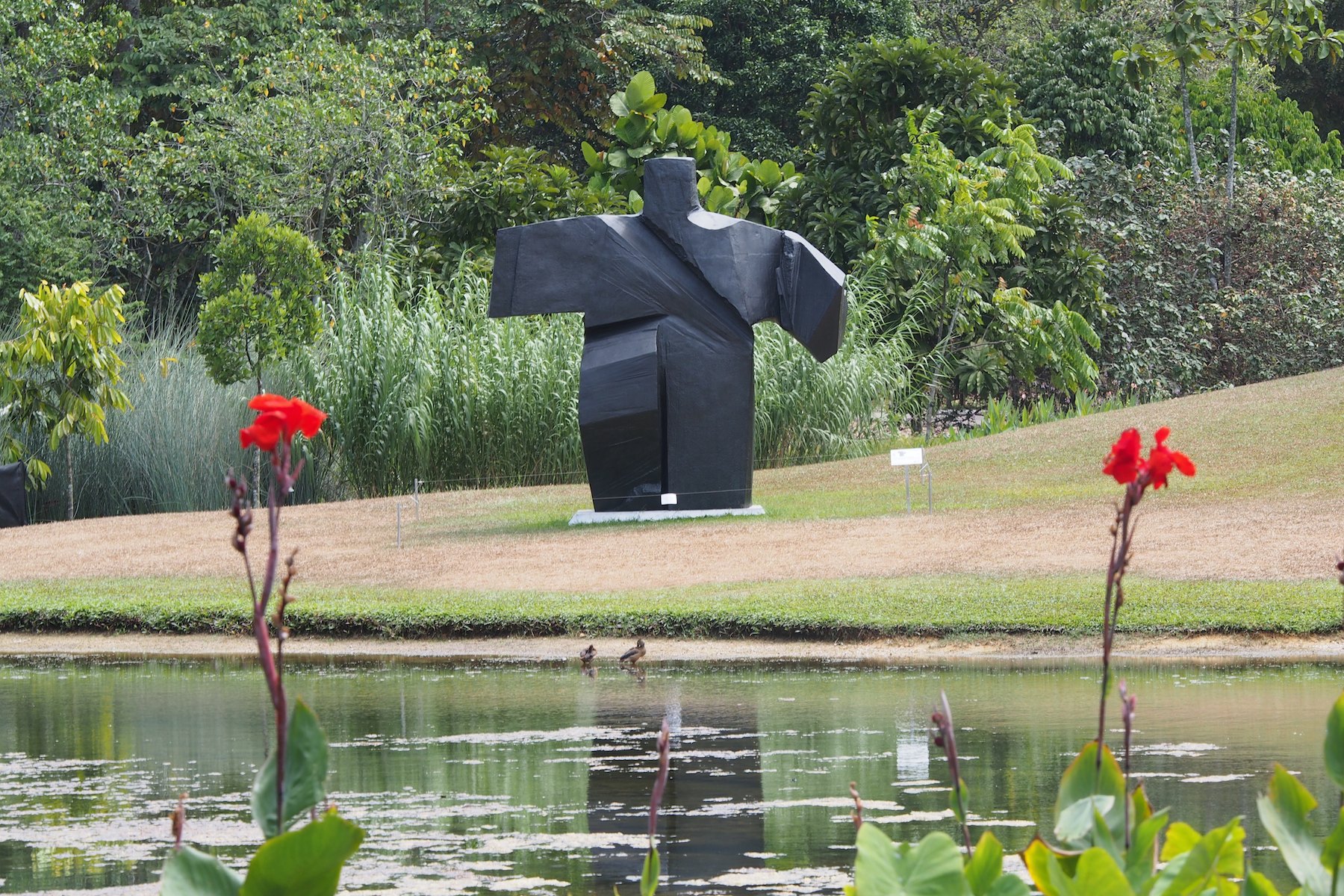
Ju Ming sculpture in the Botanic garden
The change of pace has been noticeable. Whisked away from London in some style on BA ( a windfall trip first class), I find Singapore surprisingly cool and pleasant. There’s a stiff breeze on our 11th floor balcony, and my plants are swishing and swooshing while the sunbirds chirp a merry greeting several times a day. The orchids have sprouted great long flower stems and I can admire them as I sit on my chaise longue, reading my friend Sarah Helm’s harrowing story of Ravensbruck death camp, If This Is A Woman. At times I weep from the gratuitous cruelty of this untold story. Continue reading
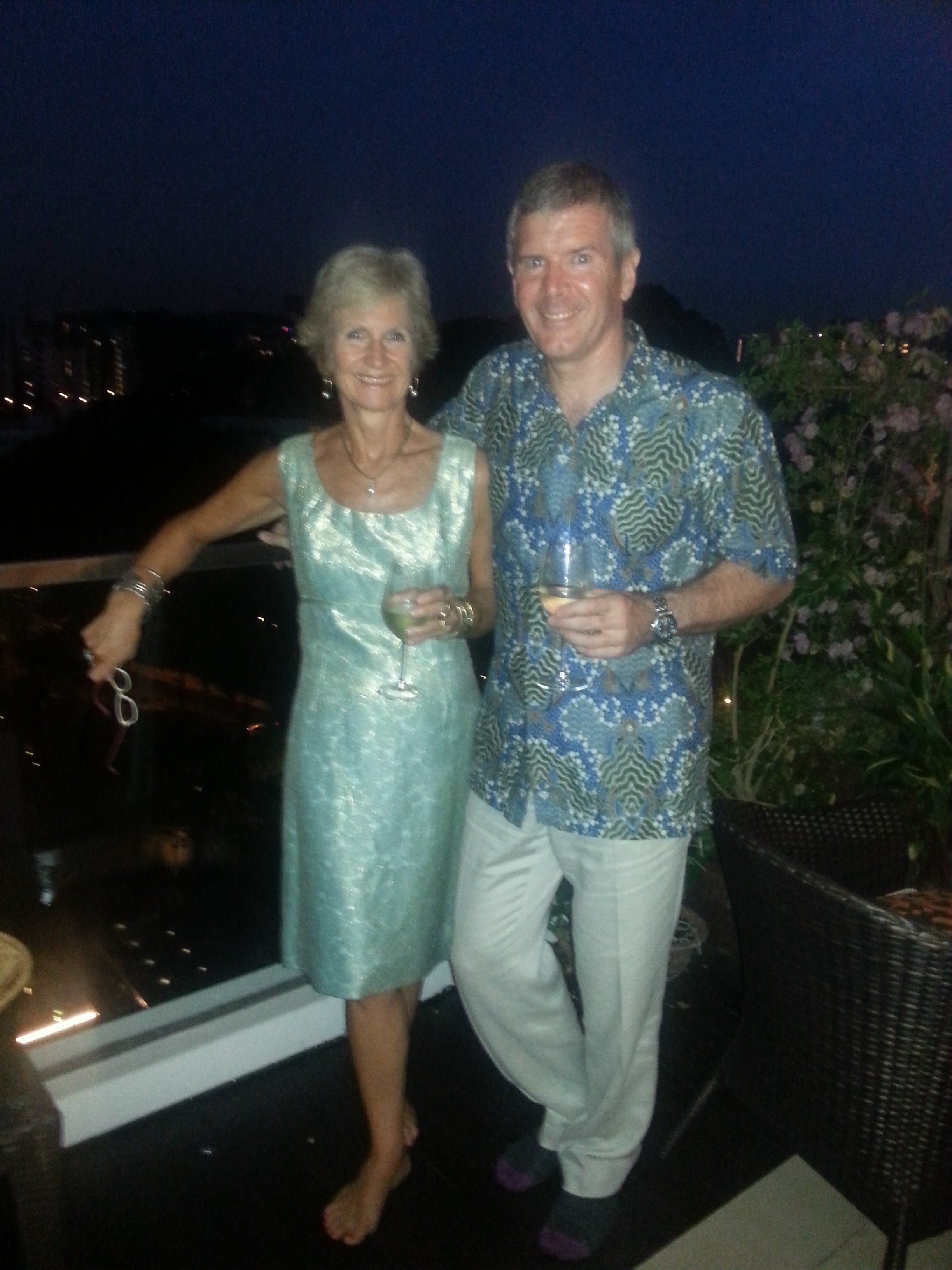
The birthday couple! November
On Monday 15 December I had my check up with the Prof. I had flown in the day before and had spent the day with Tommy, first at the Bench, with a late birthday tribute to Louise (always in our thoughts), and then in the pub with some of Louise’s friends watching the football. Consequently felt not only anxious about Monday’s appointment but also rather hung-over! Continue reading
 We spend our last few days in Myanmar on the magnificent Ngapali beach. We are right up one end, staying in the Bayview Hotel, supposedly a boutique hotel, but like the majority the hotels on this beach it caters for mass tourism, with nice rooms all cheek by jowl, on a small plot. Worst of all, it suffers from sunbed–towels-at-dawn syndrome, trade-mark of the German tourist, the majority of the guests here. Continue reading

The classic shot – fishermen at Inle Lake
Inle Lake is home to the unique one-legged rowers and a tourist destination like Bagan. It’s a peaceful sight, watching the fishermen cast their nets deftly, one leg wrapped round a pole. The water is calm, the air fresh but broken by the sound of the two stroke engines in full throttle as boat loads of people speed up and down – monks and school children, ladies sporting umbrellas to keep the sun off, vendors carrying their tomatoes and other crops to market and, of course, the ubiquitous tourists. Strangely we see similar birds that are common to Southern Africa, like fork-tailed drongos and squacco herons! Continue reading

Pagodas at dawn
And so we arrive at Bagan, the centre of tourism in Myanmar, for this is Pagoda Central. From the 11 – 13th centuries, Bagan was a huge city dedicated by its various rulers to Theravada Buddhism, which was celebrated by the building of over 13,000 pagodas, monasteries and stupas. Amazingly, 2200 survive today, despite the sacking of the city by Kublai Khan – he of the stately pleasure dome – and innumerable earthquakes, natural erosion and decay. Continue reading

 vickygoestravelling