
We have never been to Zimbabwe in the ‘green season’. This year there have been exceptional rains so we are really looking forward to our visits to Gonarezhou and then Mana Pools.
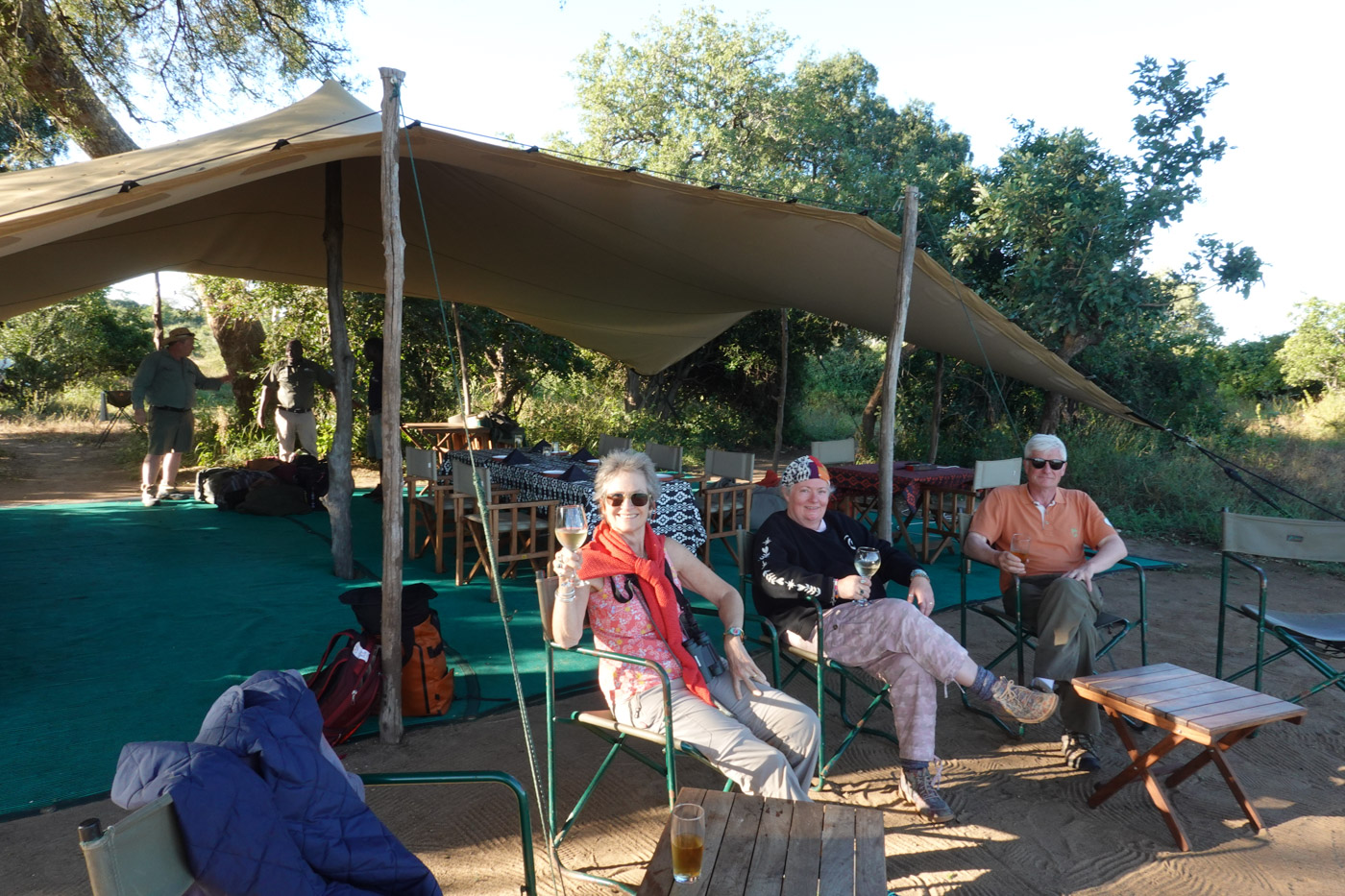
We’re down to four for Gonaz due to illness but we are lucky to have exclusive use of our two camps. As we bump down on the runway we see our guide Sean Hind waiting for us. Soon bags are stowed and we set off for the first camp, Mahove Bush Camp. What should be a four-hour trip takes well over six, as Cindy is a keen birder (Guy prefers the bigger variety – planes and dashes into airport hangers at every opportunity). As is Sean. We are prepared not to see many animals but concentrate on birds.
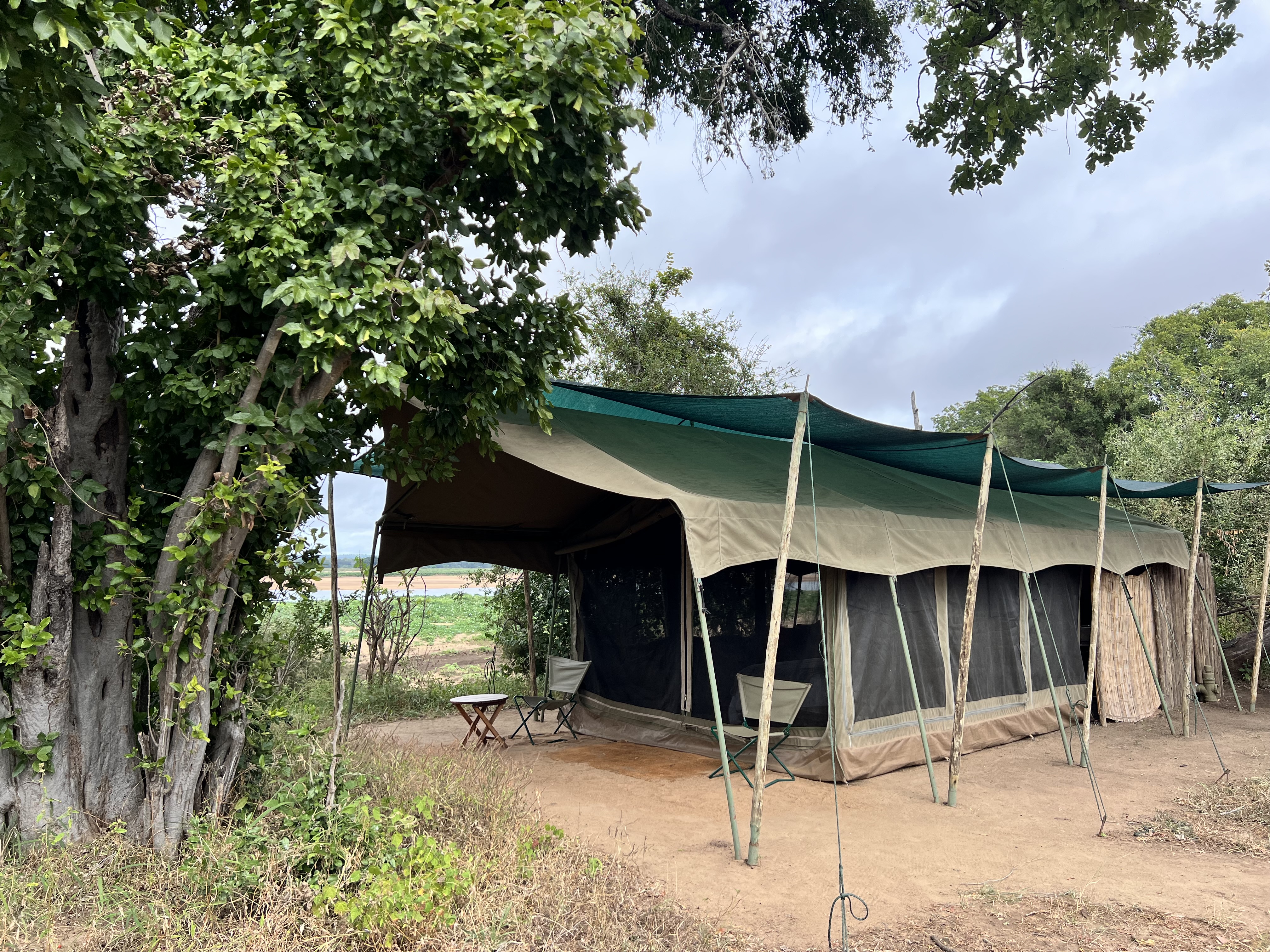
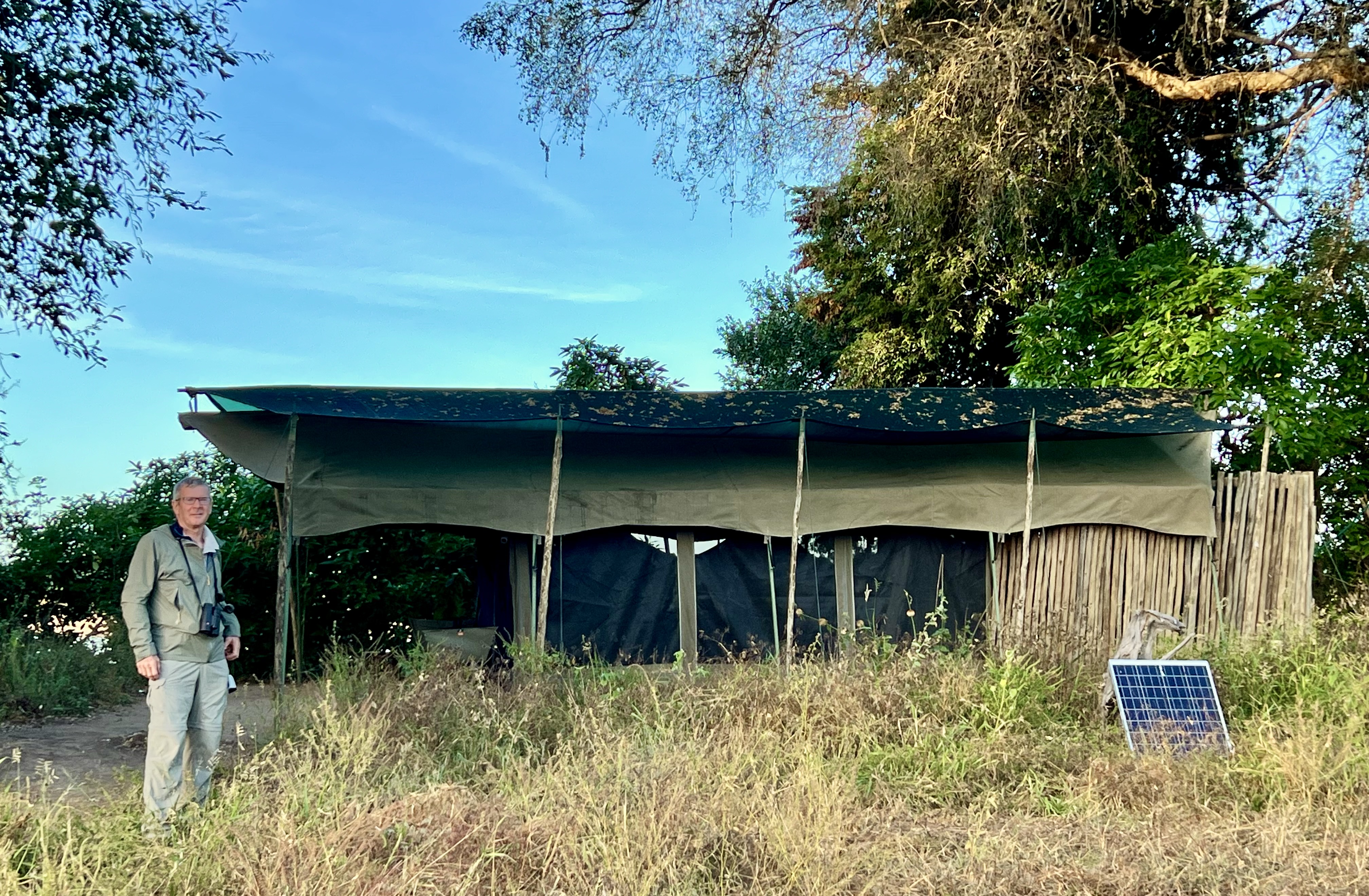
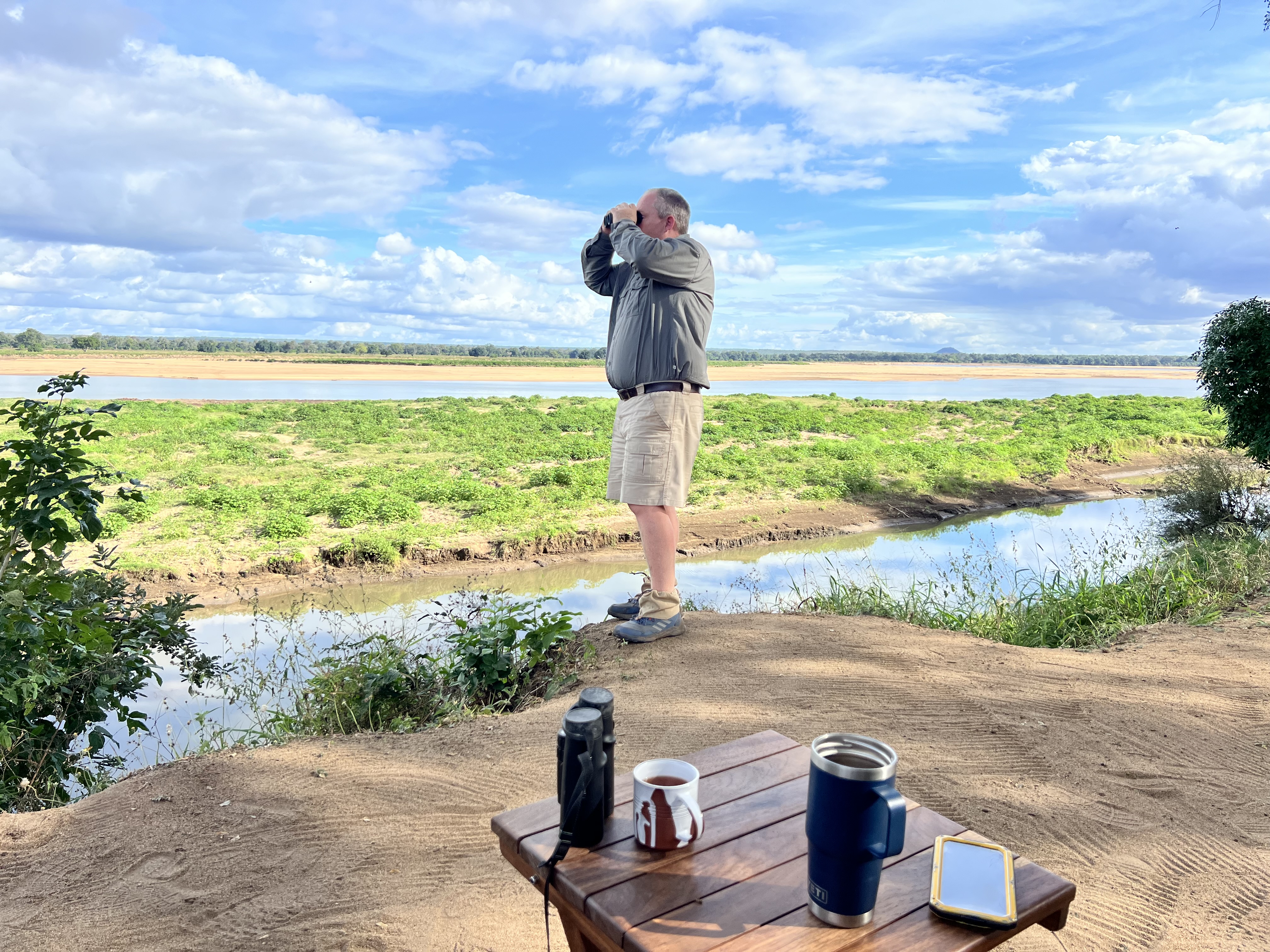
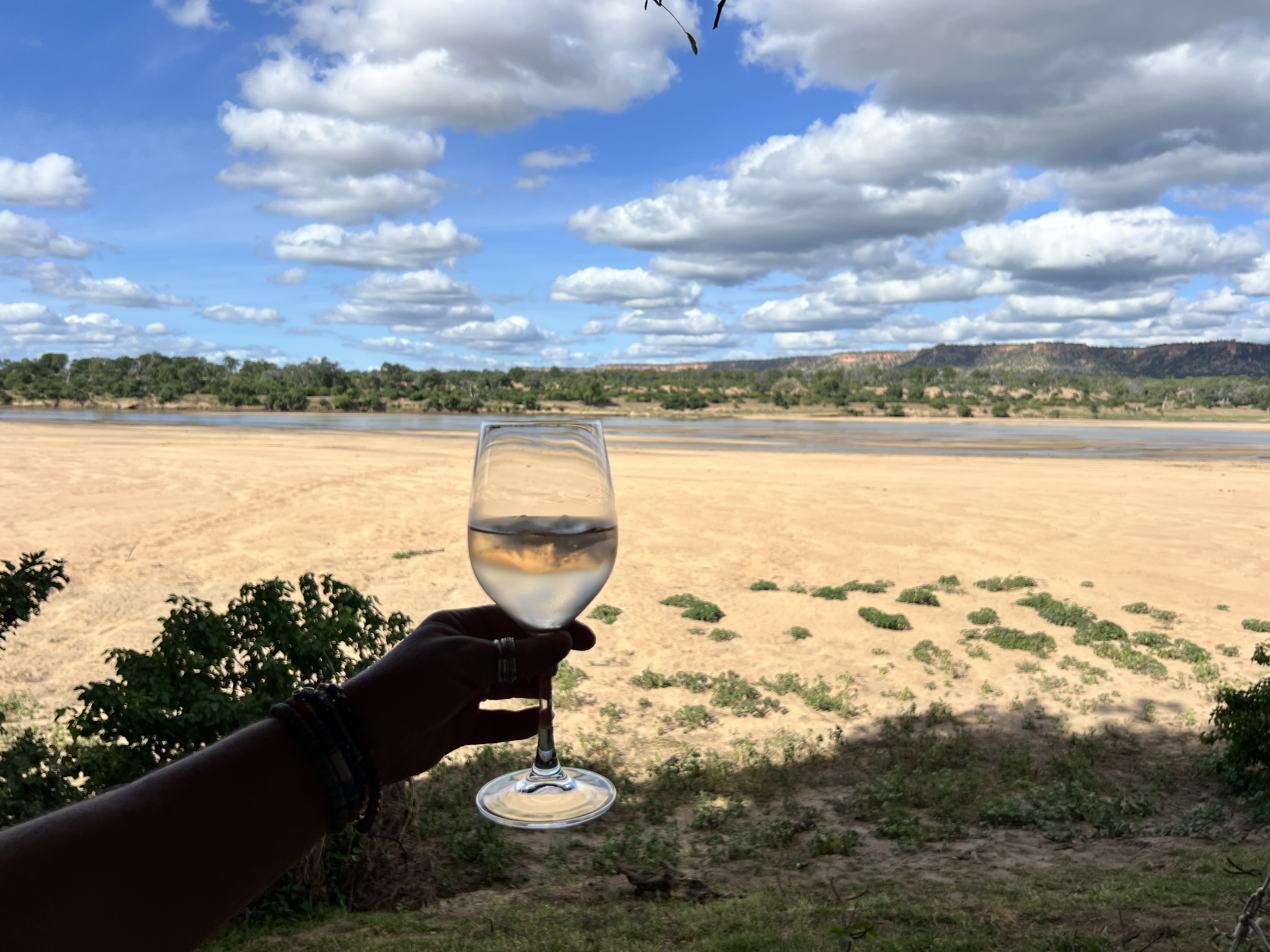
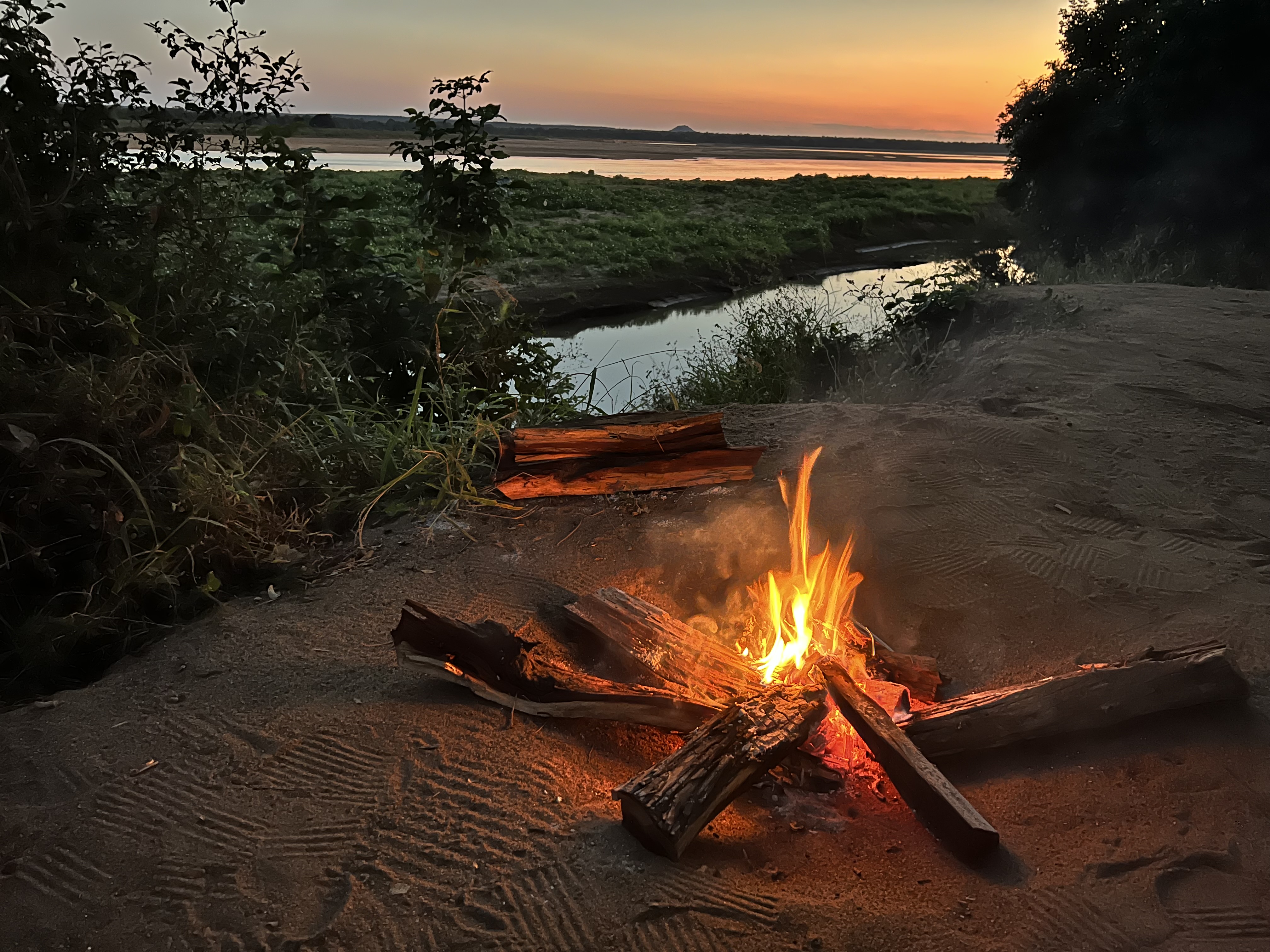
Mahove Bush Camp – Sean doing his birding!
How wrong we are! We nail The Big Five in two days! We also spot the Small Five: antlion, leopard tortoise, elephant shrew, buffalo weaver, rhino beetle. Below are four of the five – we didn’t manage to get photos of the leopards!
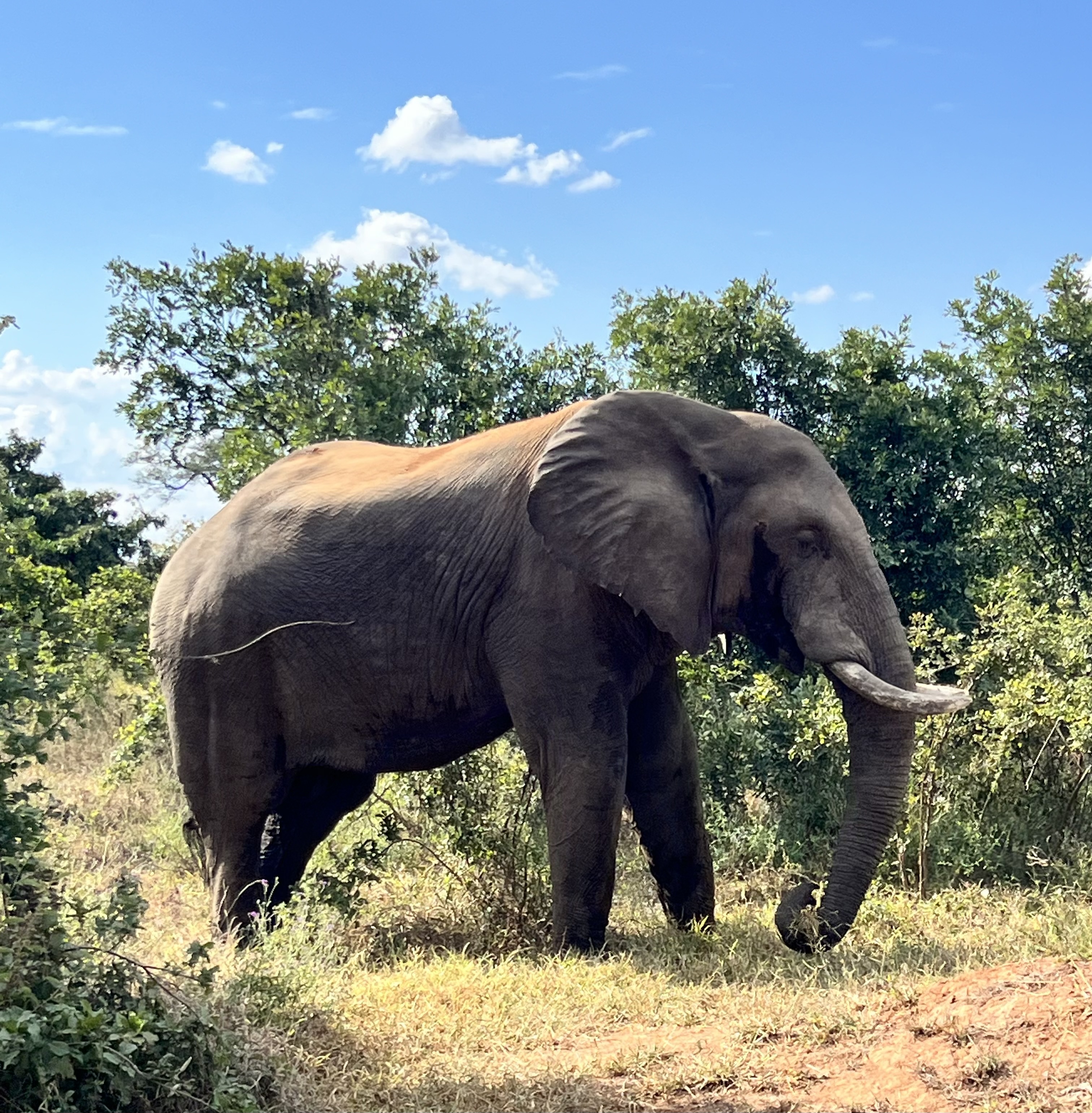
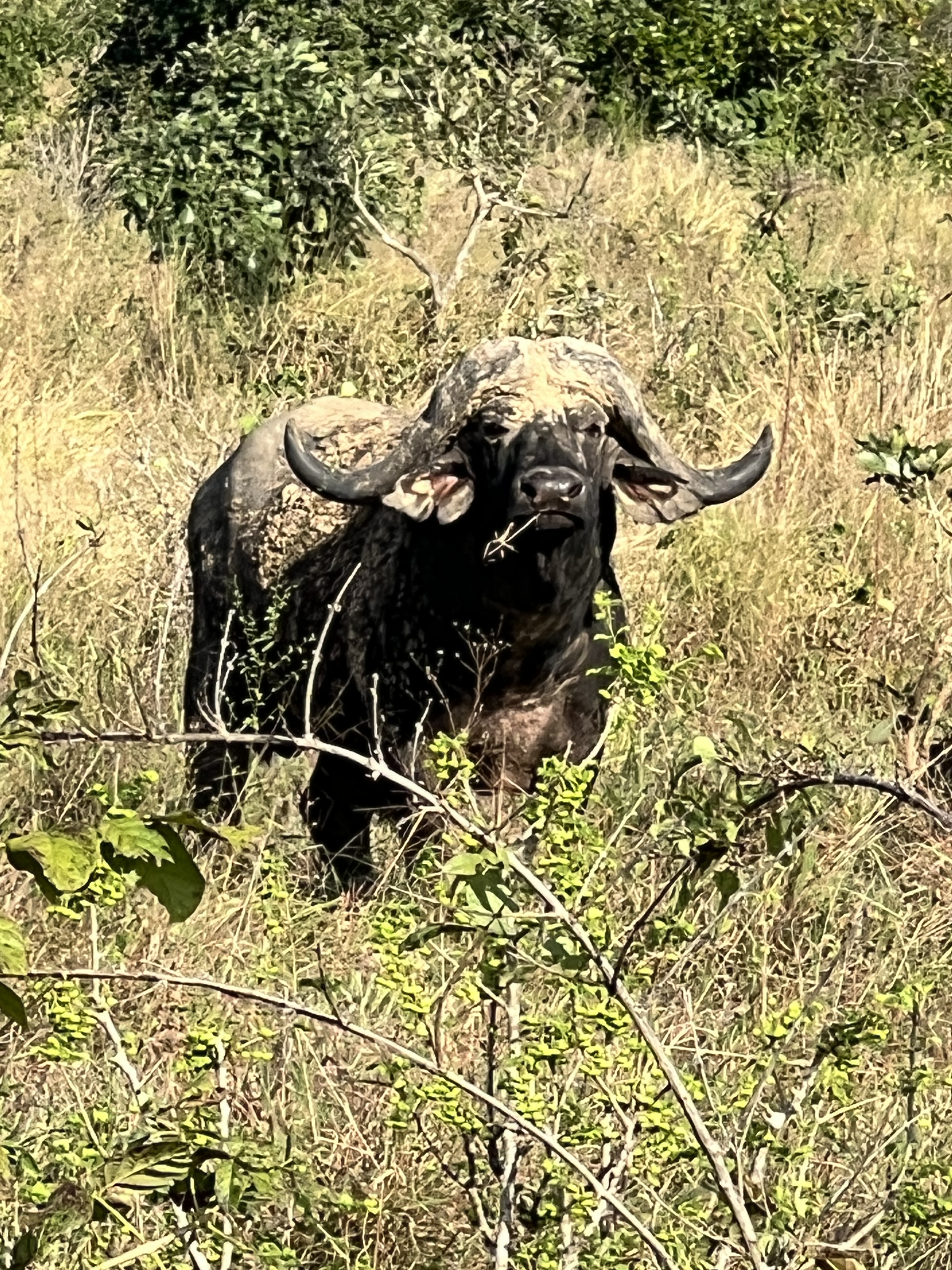
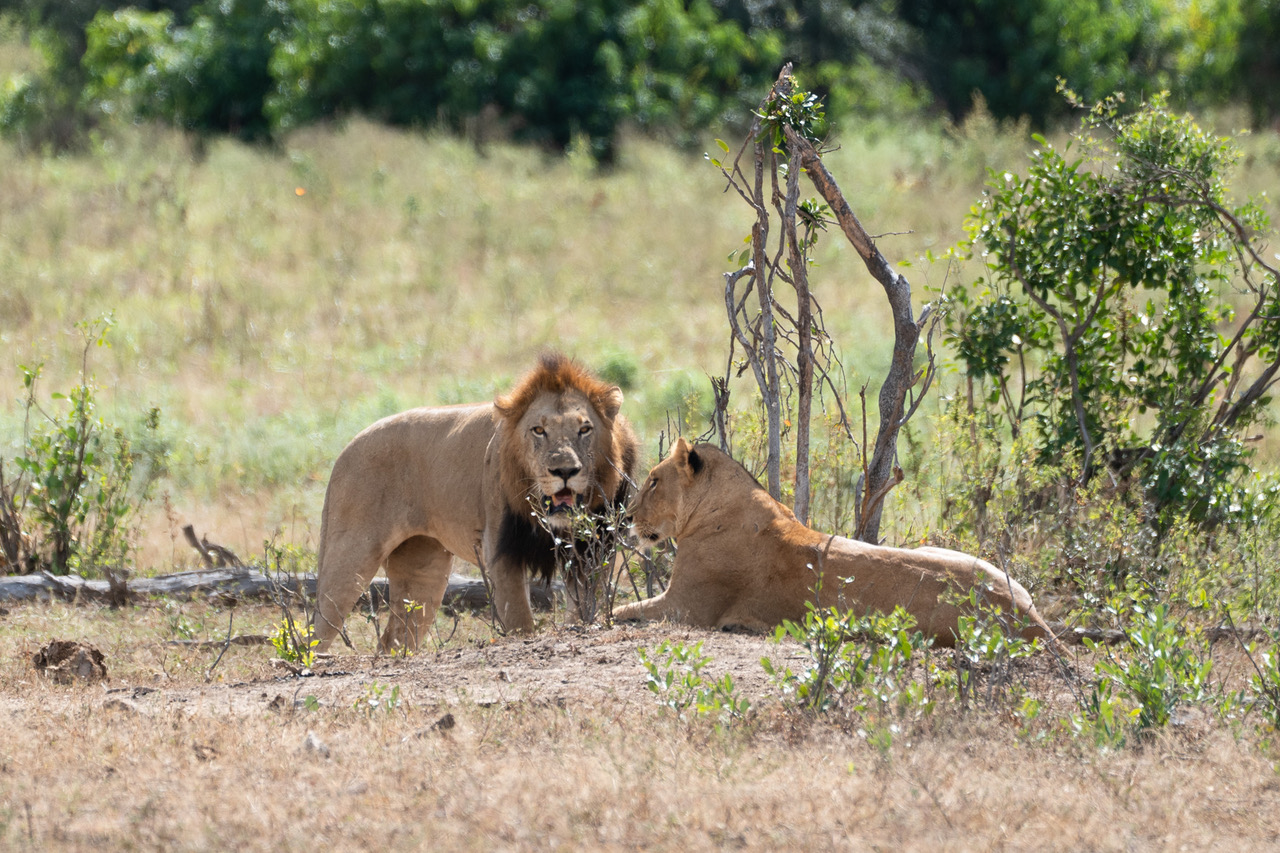
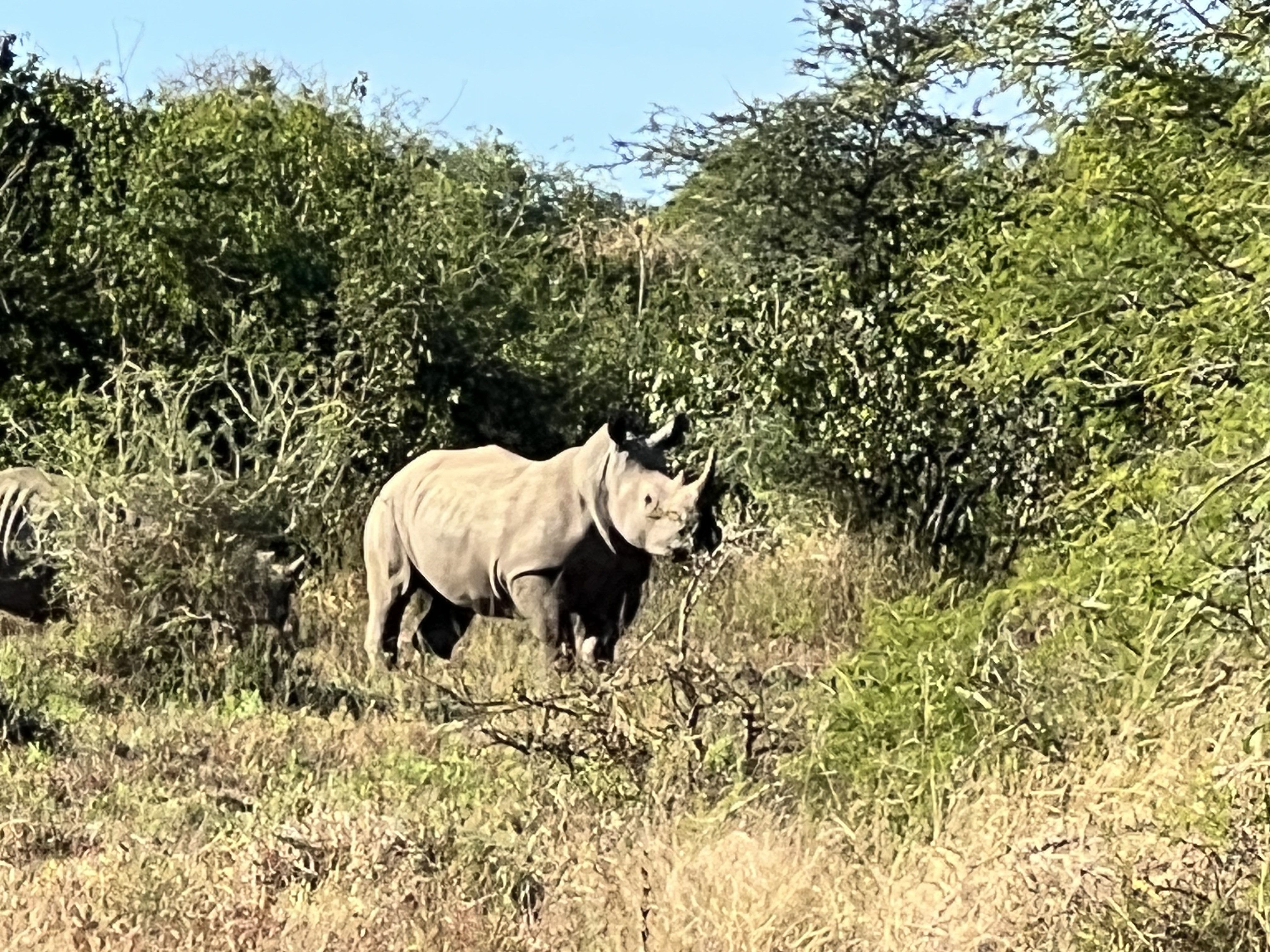
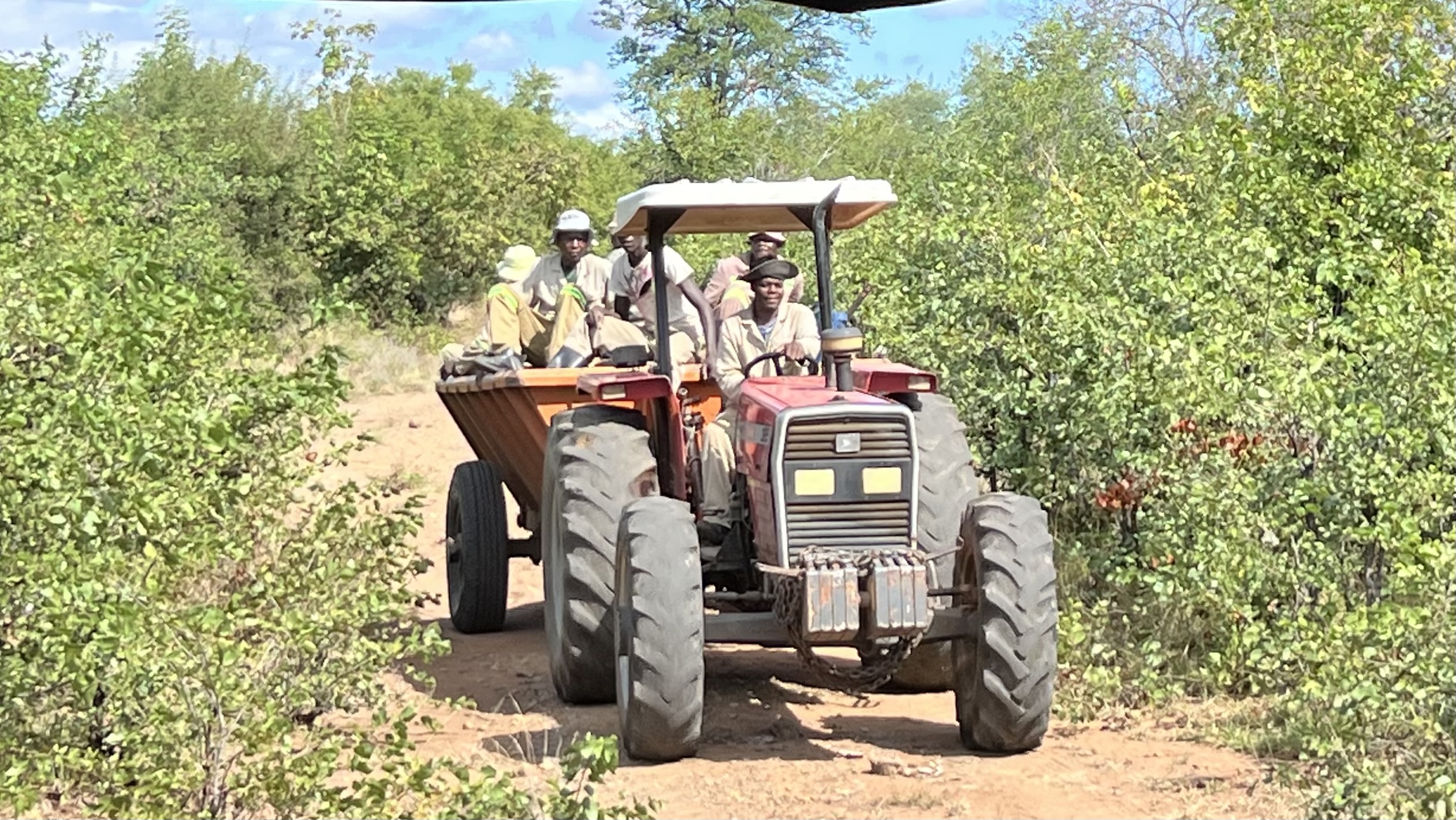
Contrary to popular belief Gonarezhou does not mean place of the elephants, but in Shangaan, the local language, translates as the stuffed elephant’s tusk, where magic ingredients were stowed. It is leased by the Frankfurt Zoological Society and is immaculately run – tented camps are pristine, whether self-catering or staffed like ours, roads are upgraded and bridges mended. Unlike in Mana. We come across several road gangs, 50 strong, men and women, and graders and bulldozers. The supervisor prefers to watch from an anthill.
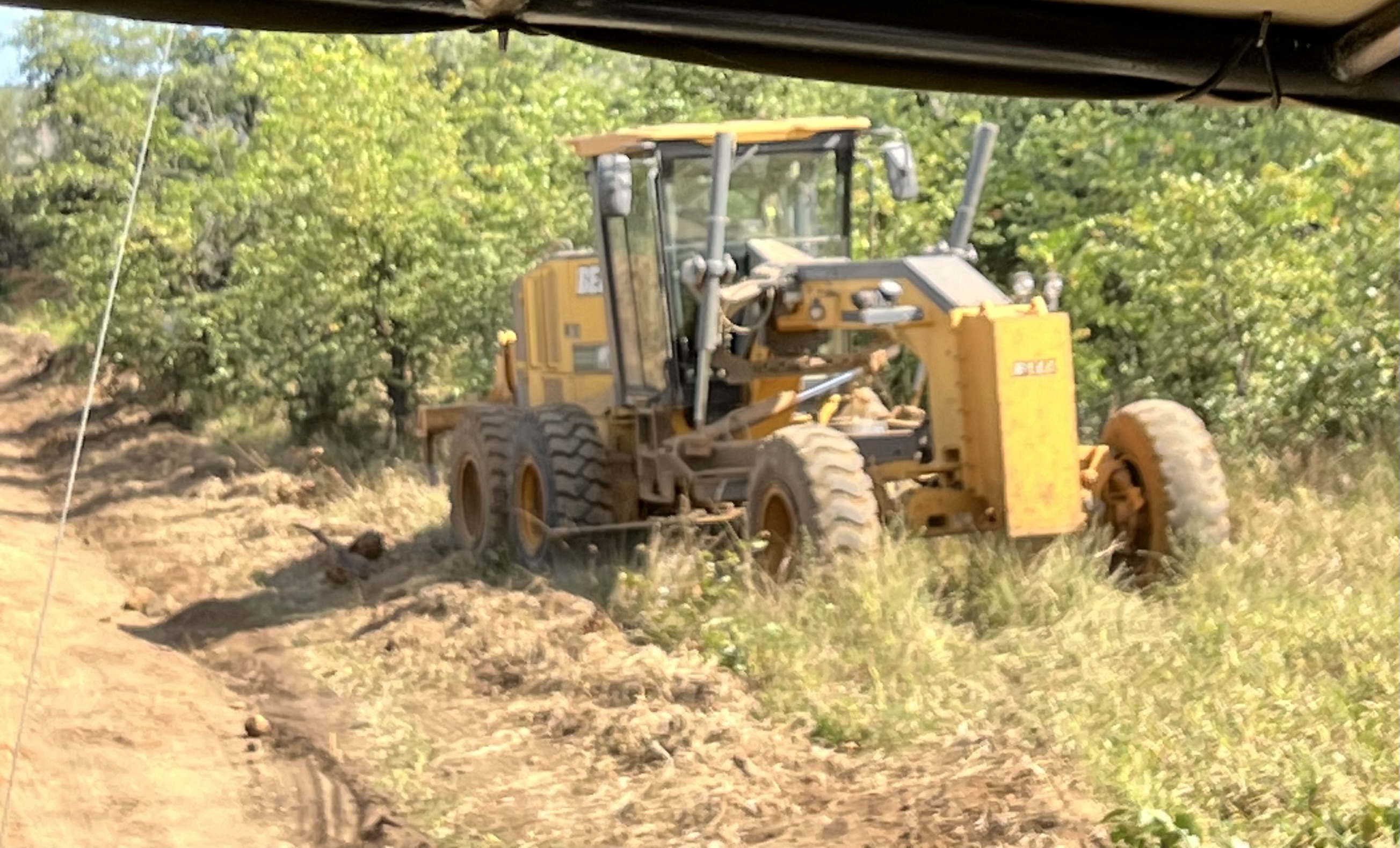
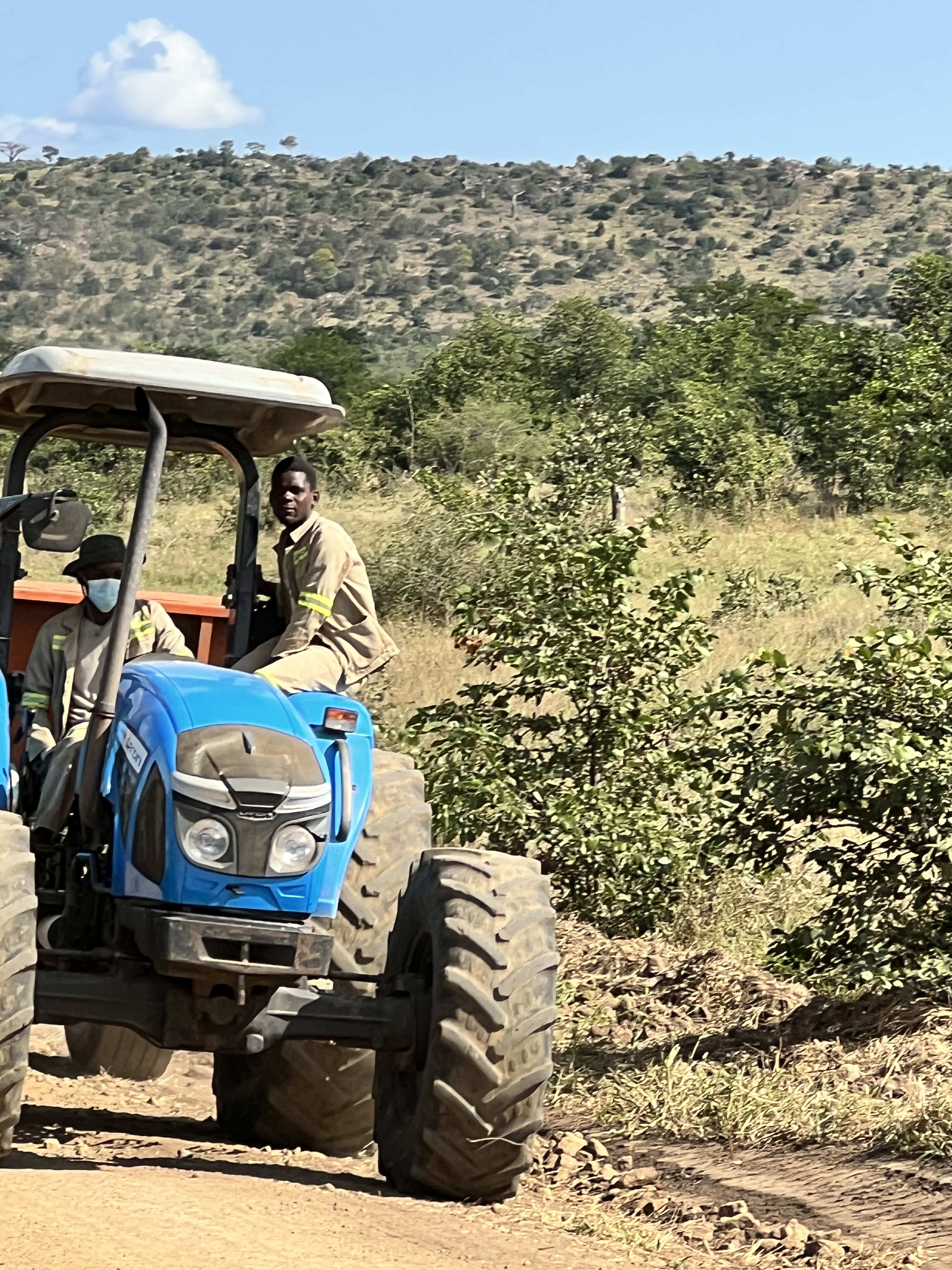
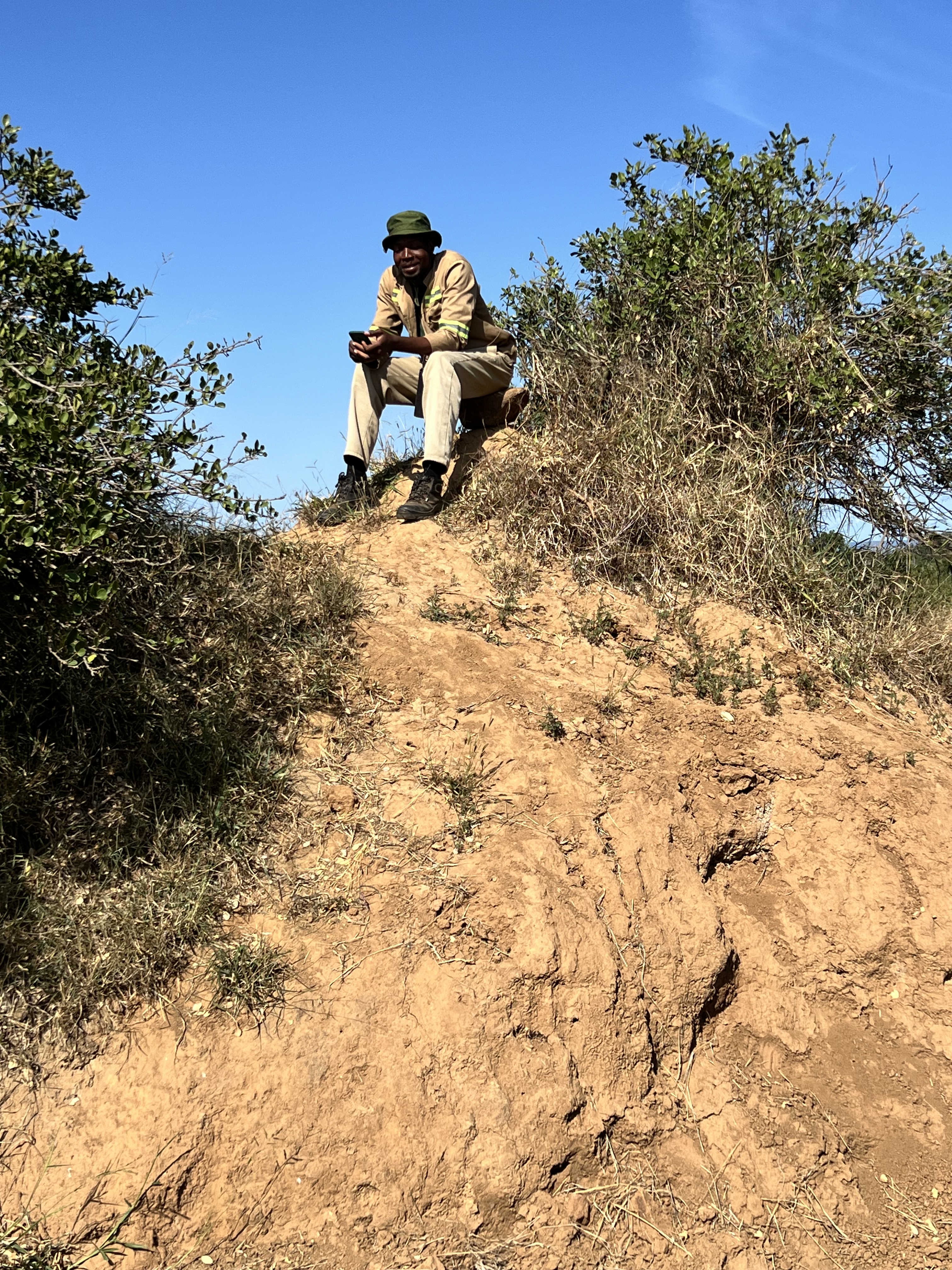
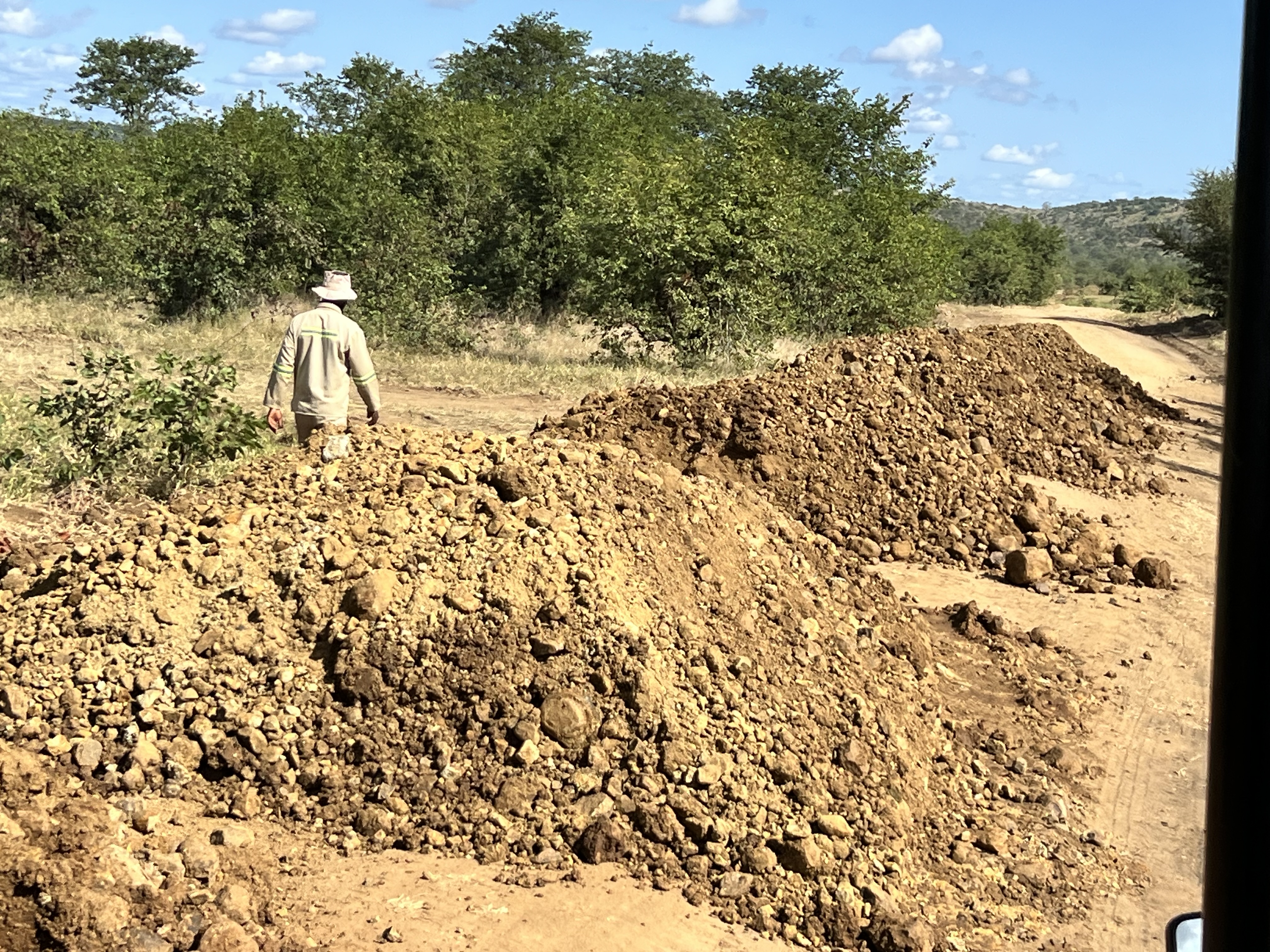
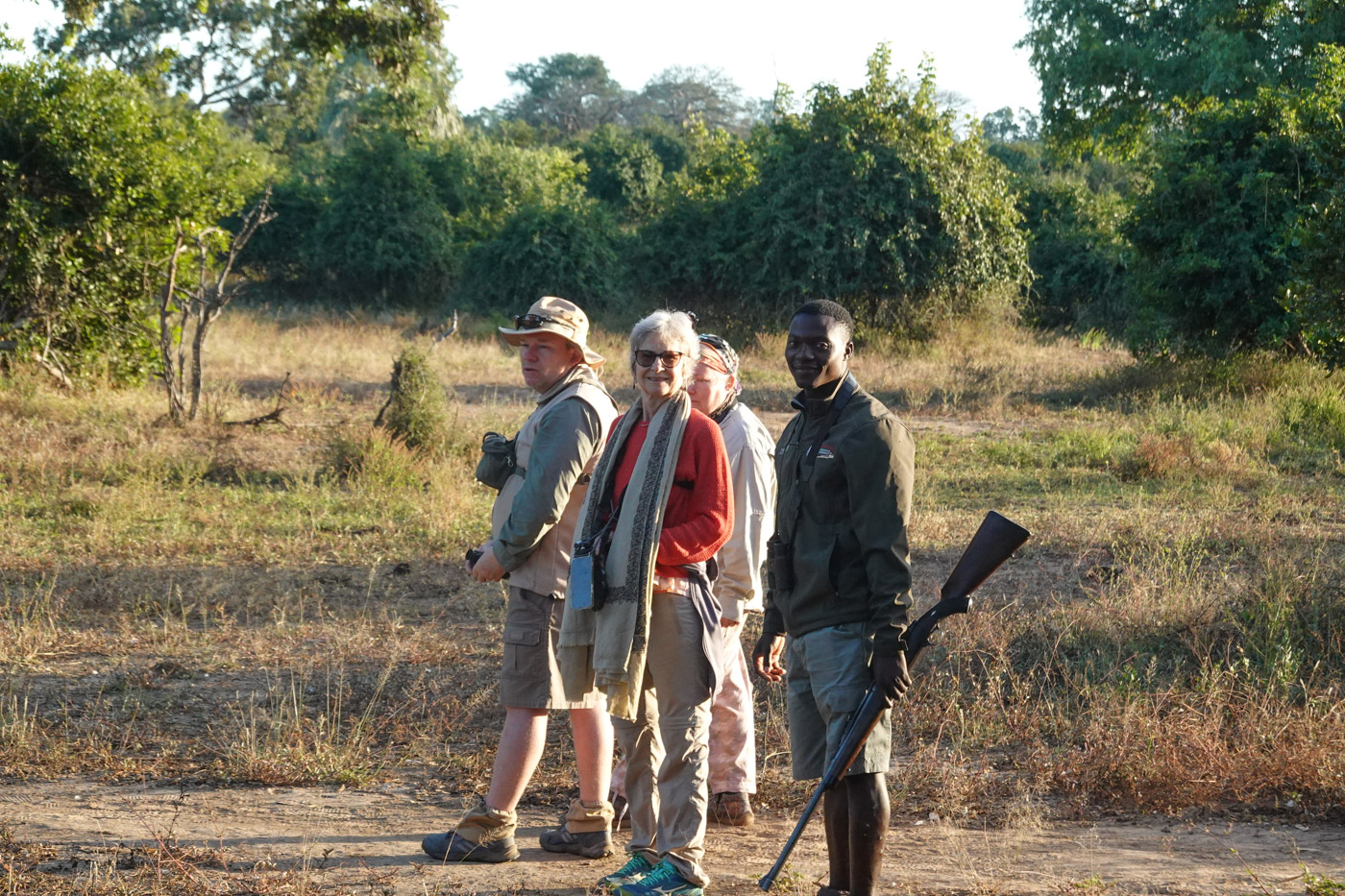
We are met by our Shangaan guide for the next eight days, Polite. He is the source of much wisdom and local lore. We watch the sun go down after a delicious dinner and marvel at how lucky we are to be away from all comms and in the middle of nowhere.
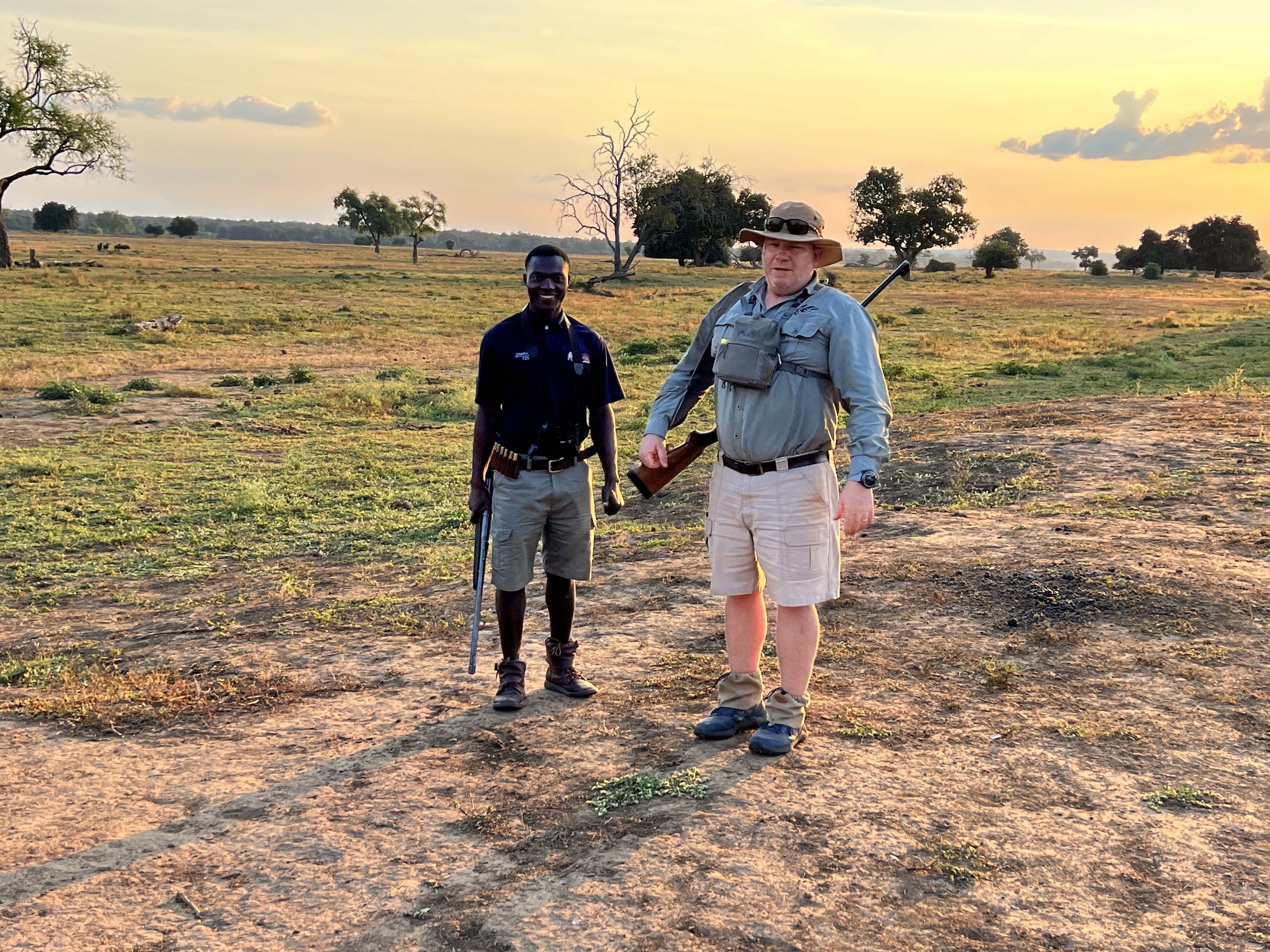
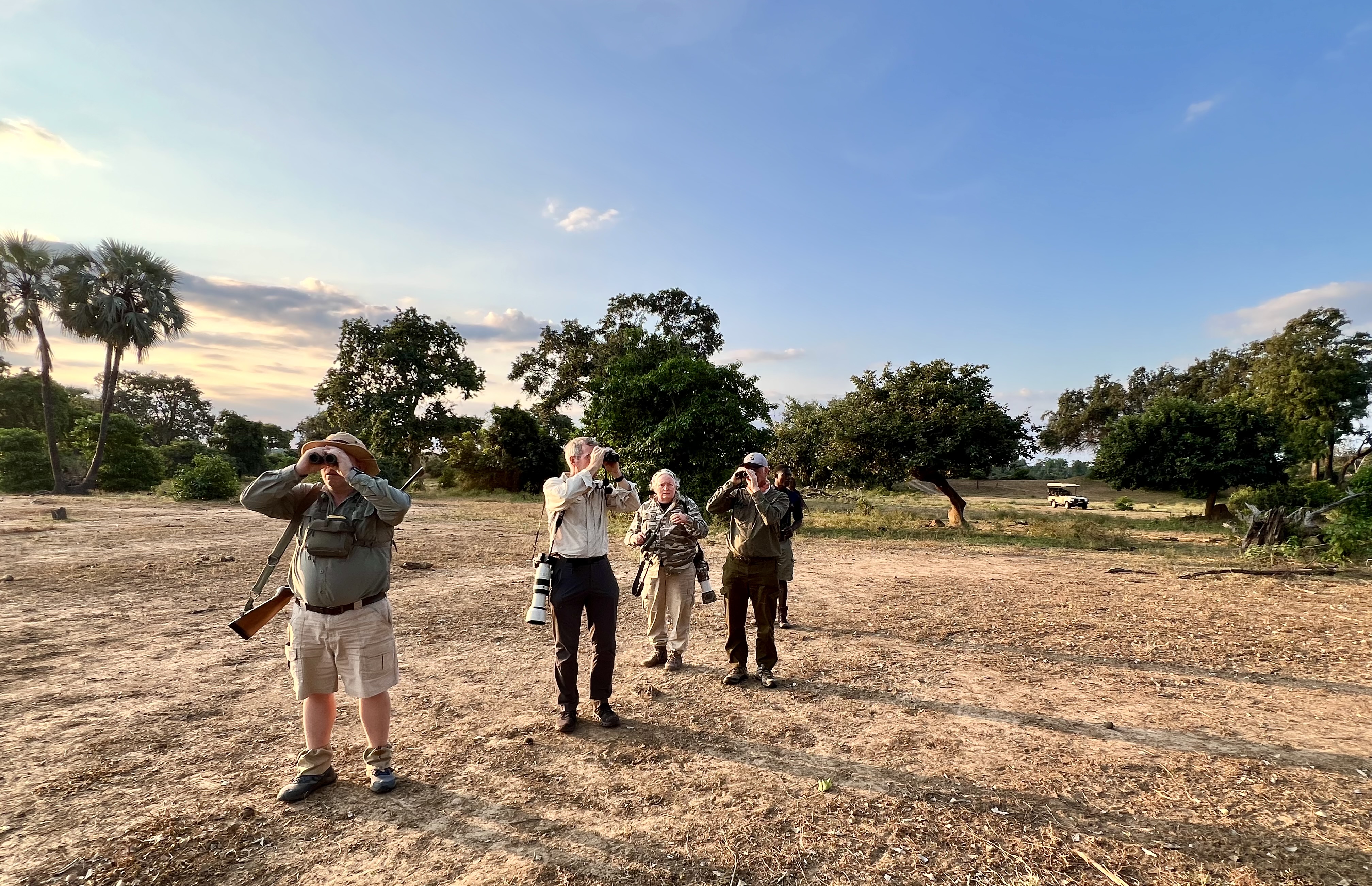
Looking for mating lions
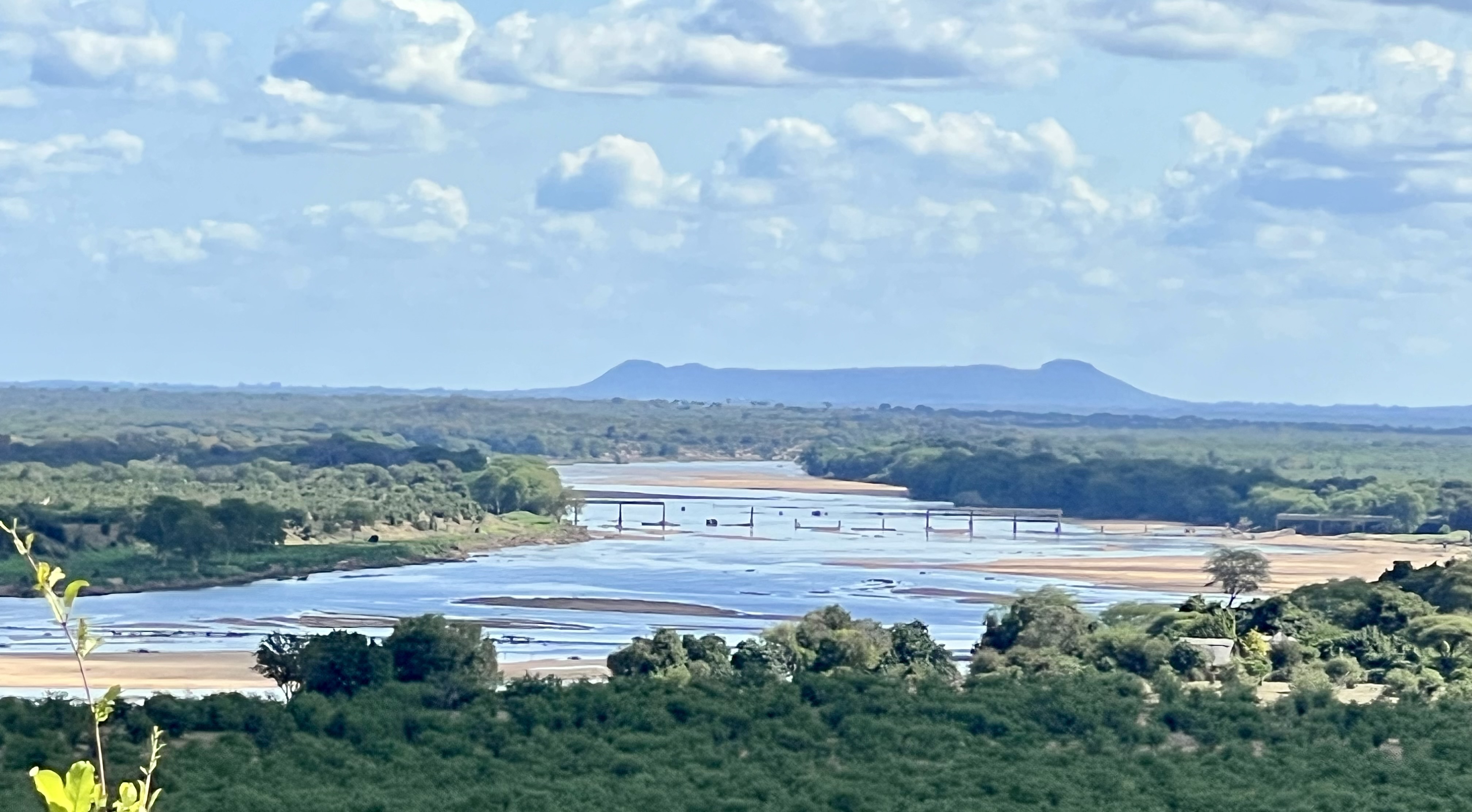
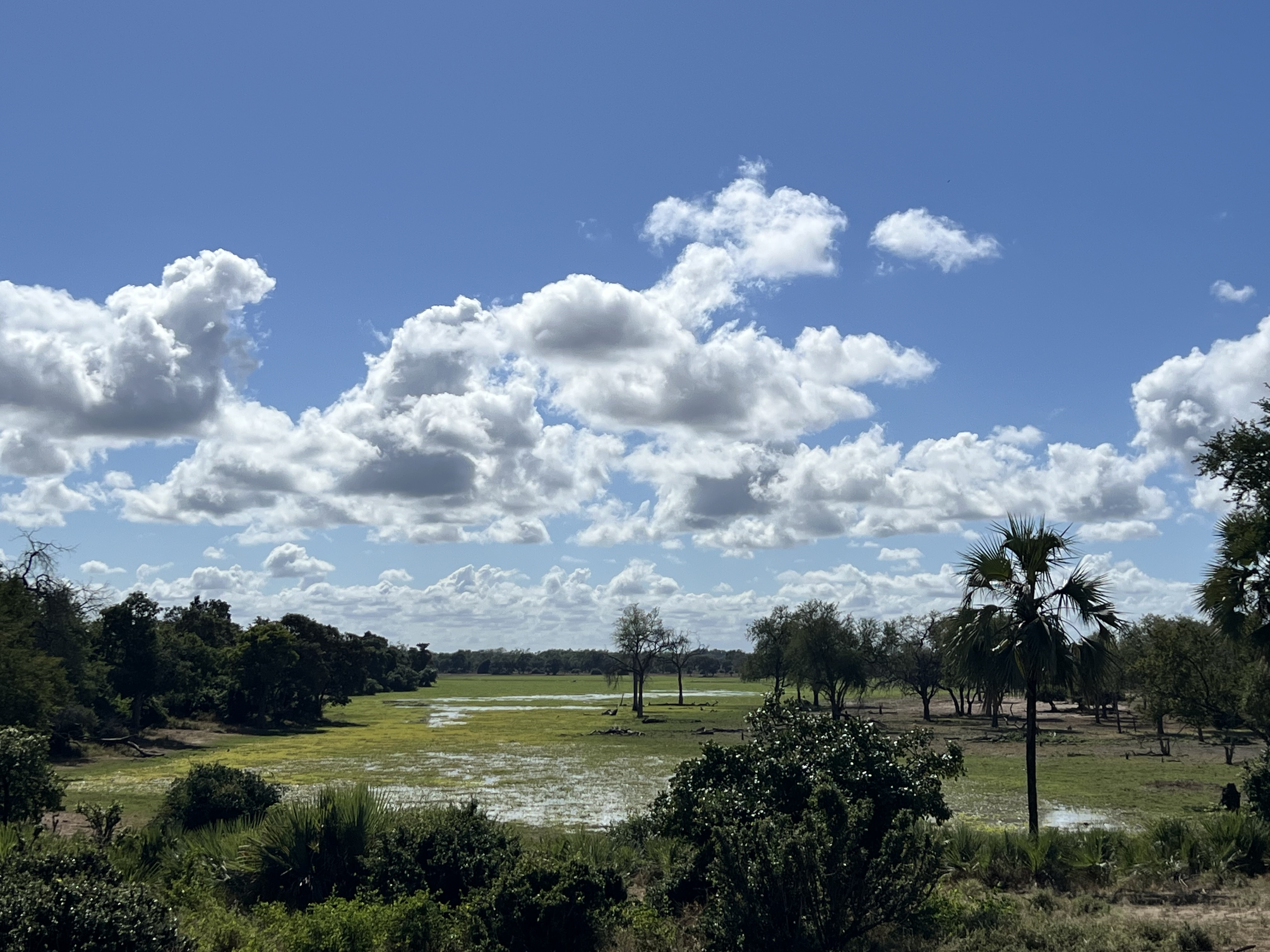
It’s cold at night and in the early morning so I wear six layers. Our first expedition is to the Tembawahata pan (below), an enormous piece of water which, last time we were here, had been reduced to a mud slurry with dying hippos due to the drought. Now it is full to the brim ad teeming with birds, elephants and eland, plus the ubiquitous impala, all coming down to drink.
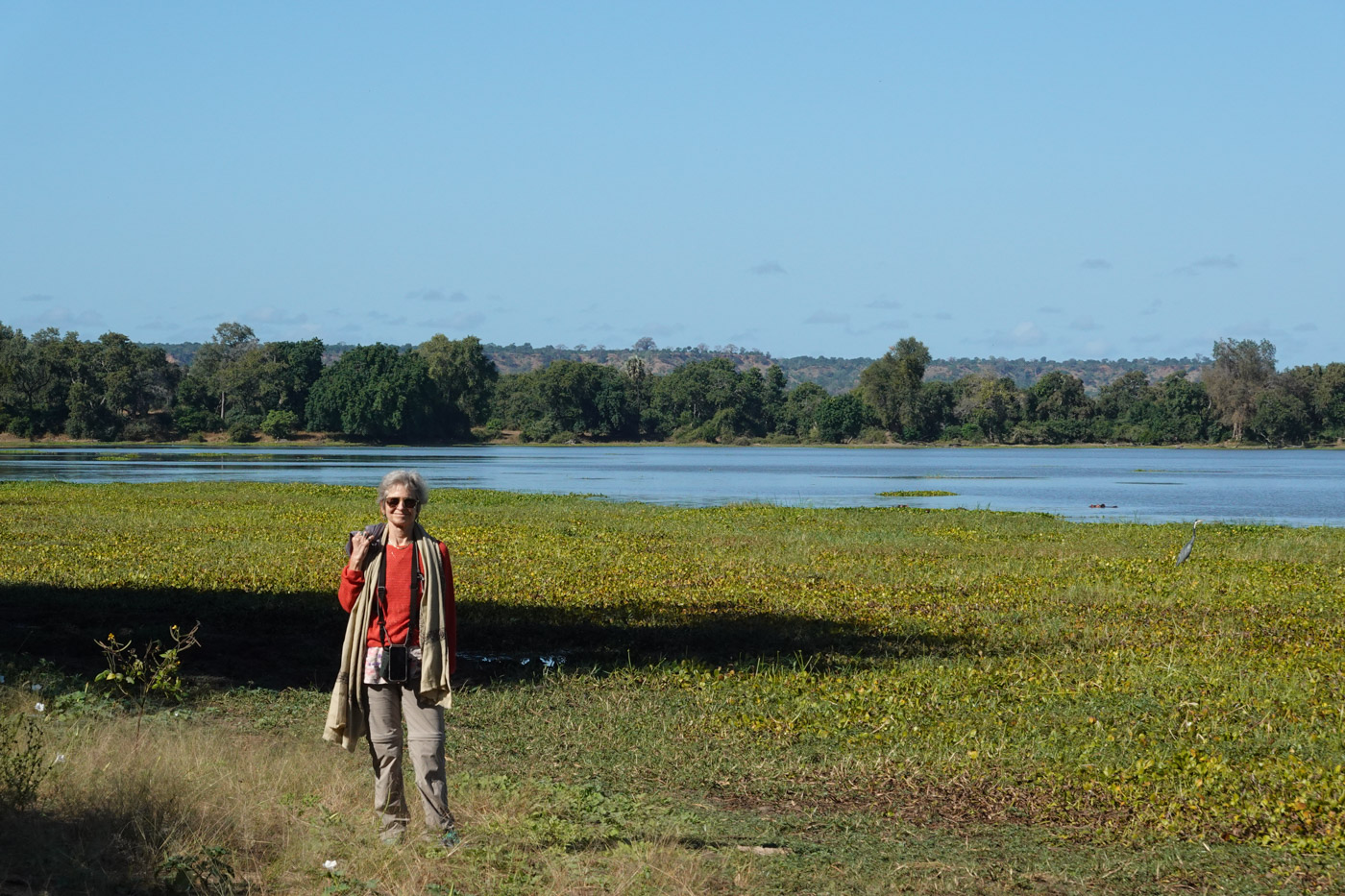
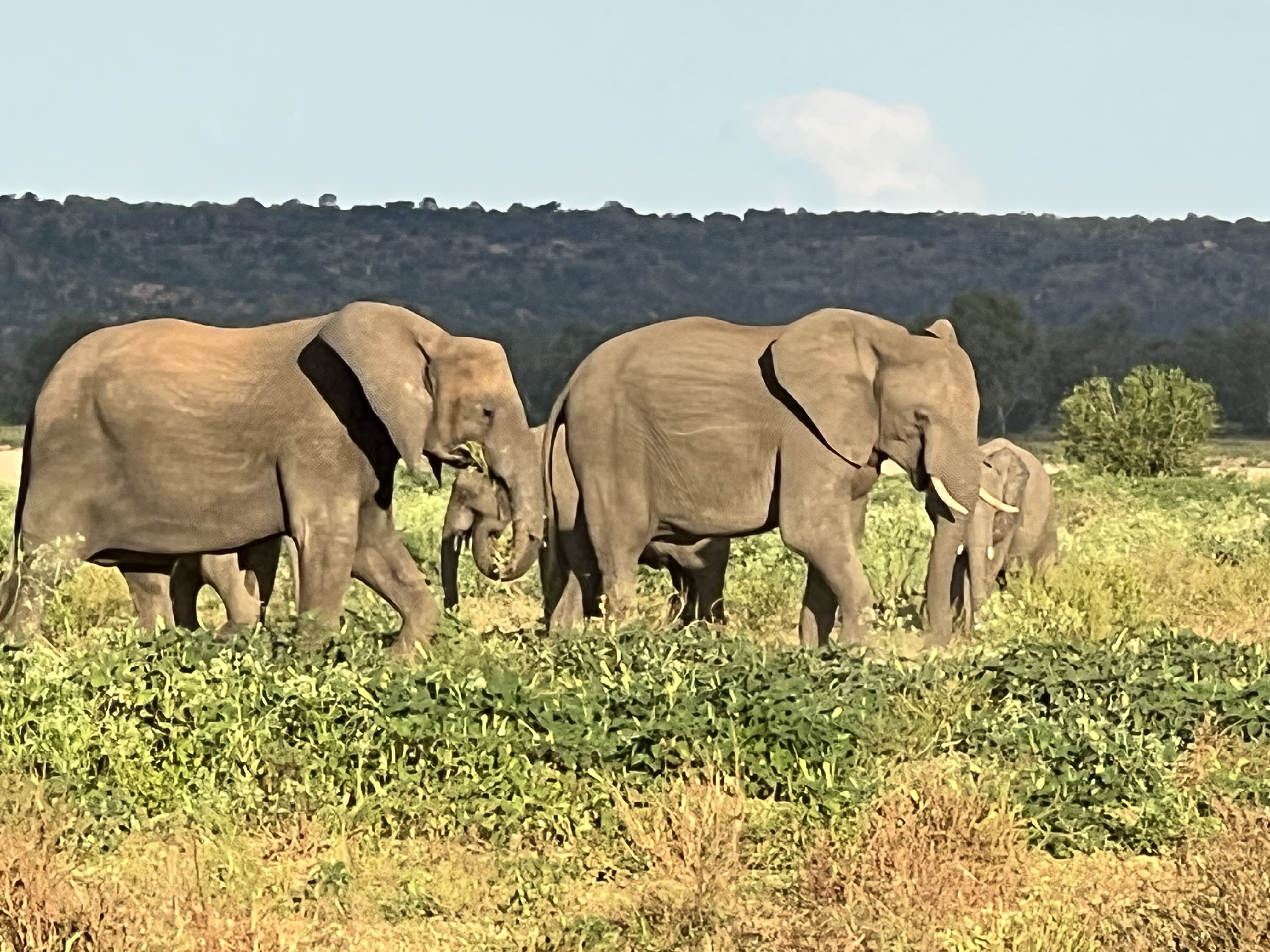
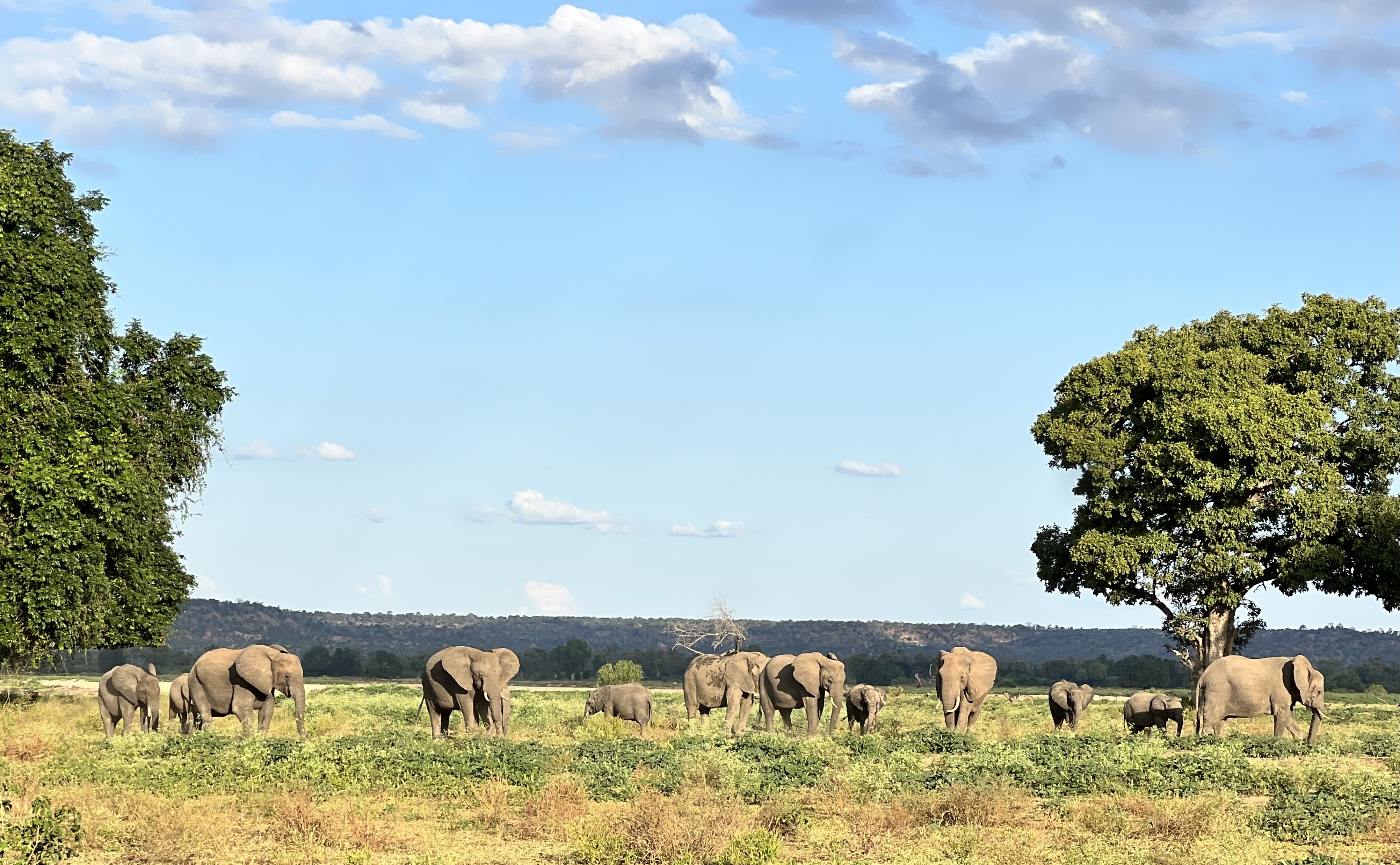
On the way back we have a terrifying encounter with the notorious Gonaz elephant cows. Rounding a corner there is a large herd mums and babies, about 16 strong, in the road coming back from the pan. Sean stops the car and reverses to give them time. A lot of trumpeting and feint charging, so we reverse some more. Then it goes eerily quiet. So we think. But from my high perch in the back, I can hear and see a faint rustle my left and I realise the old cow (in both senses) is skirting round to the side and shout out, go go go! Sean revs up and guns the engine and we go as fast as the rutted road allows. Phew, but as I look round I see her coming after us, full speed. trumpeting loudly. So we escape, but we are all a bit rattled, especially Cindy who has some bad elephant memories from Gonaz! ‘Bitches Bitches’ becomes the catch-all for elephant cows for the rest of the trip!
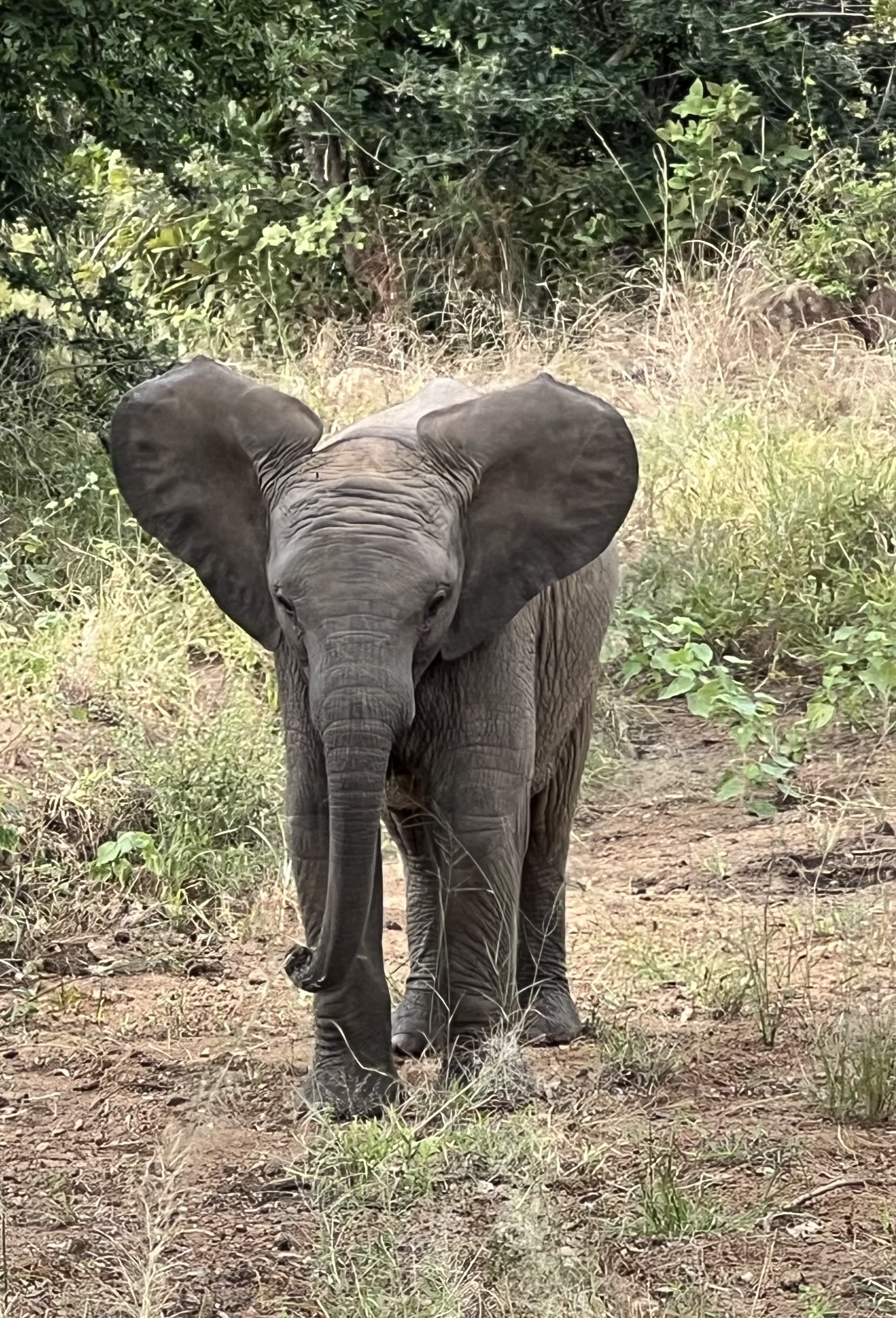
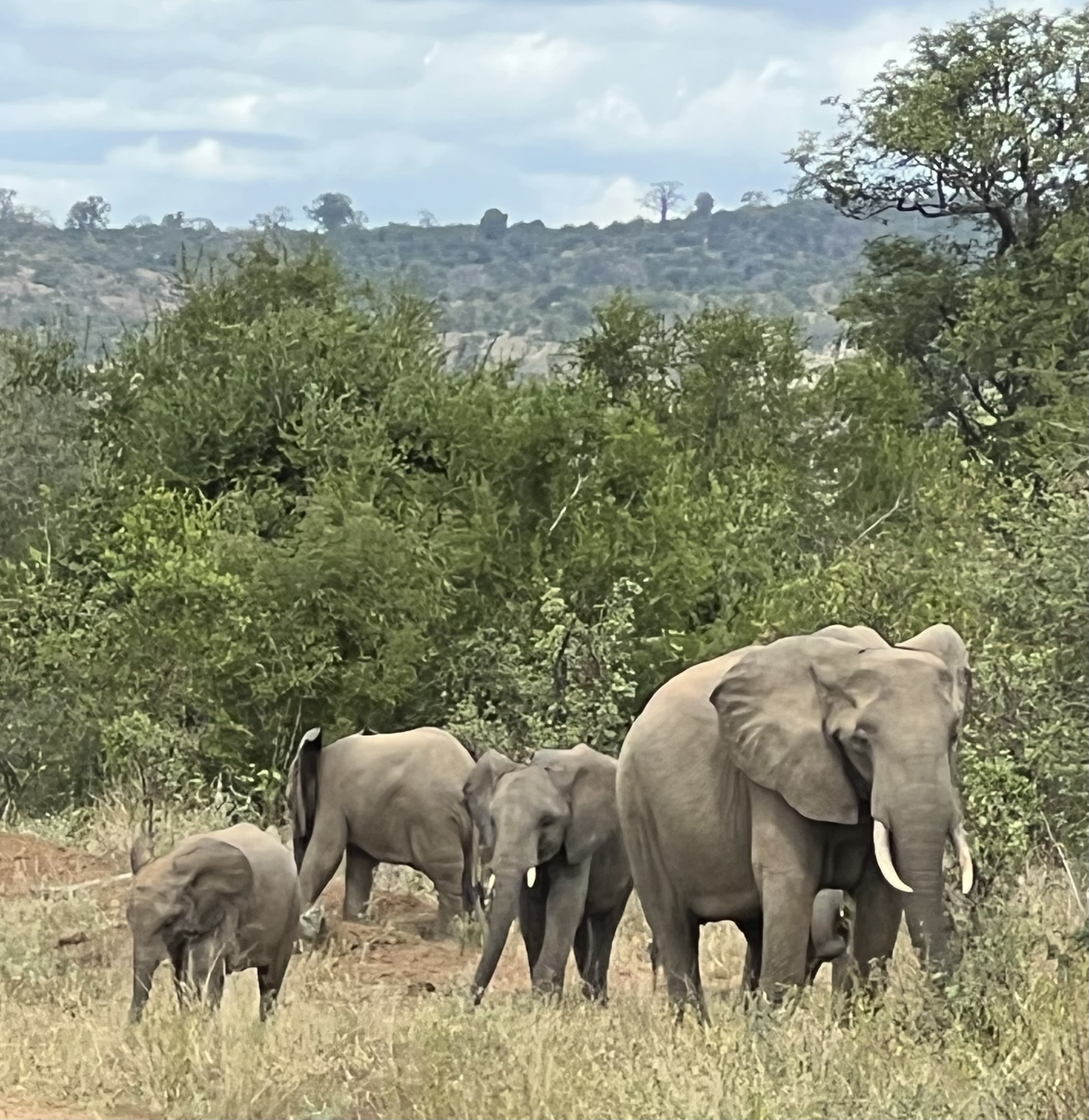
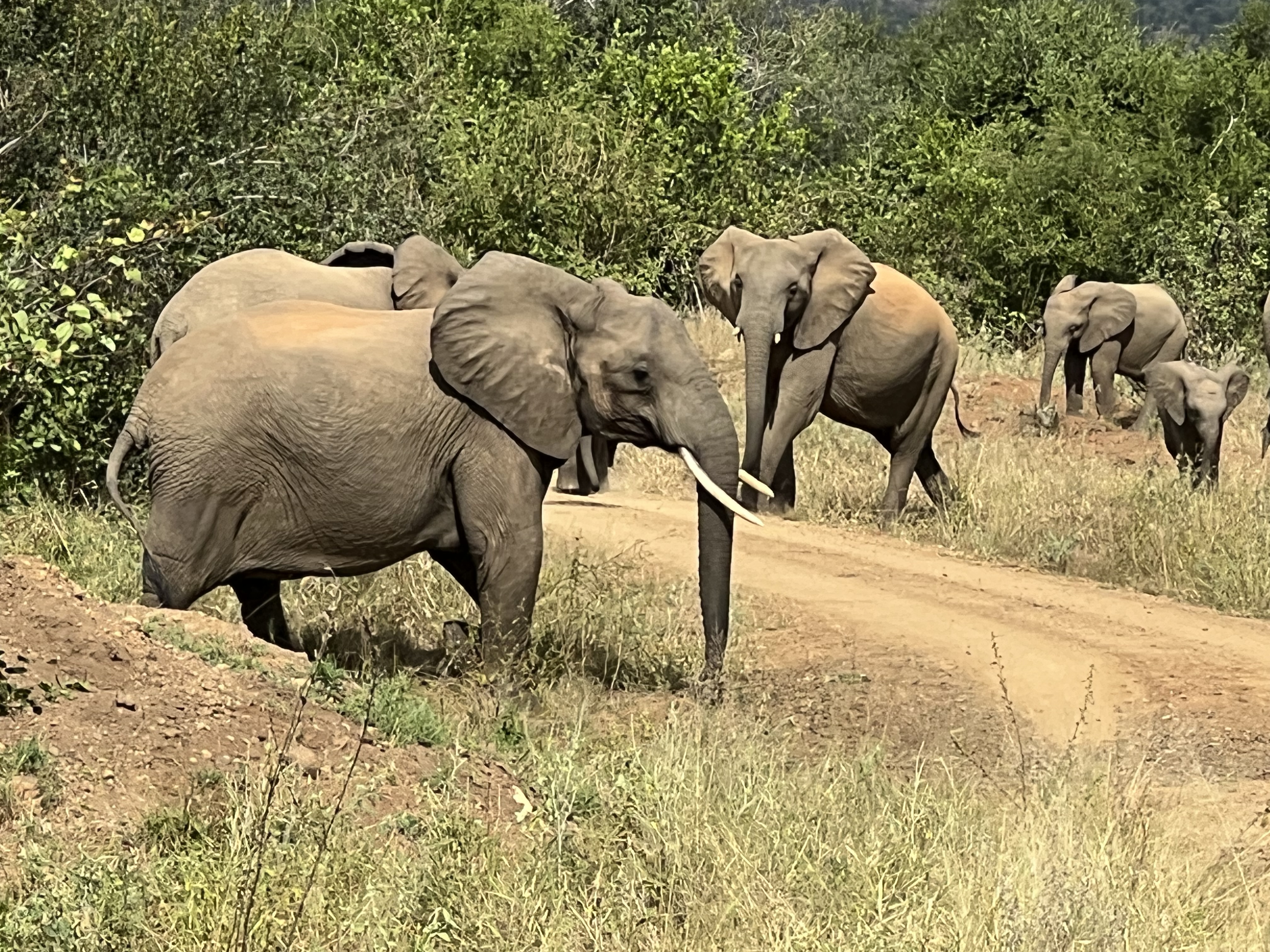
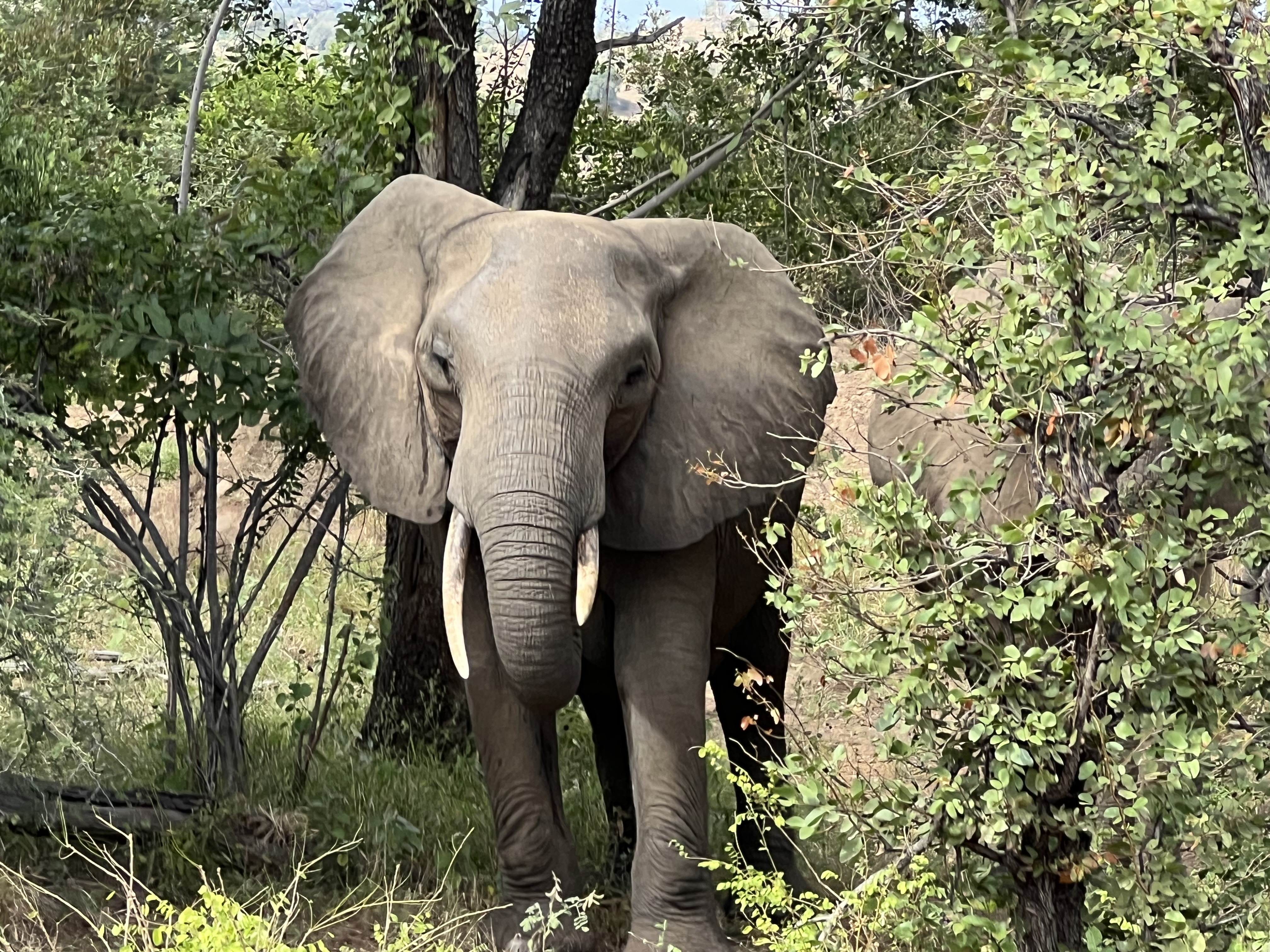
Bitches Bitches and other family
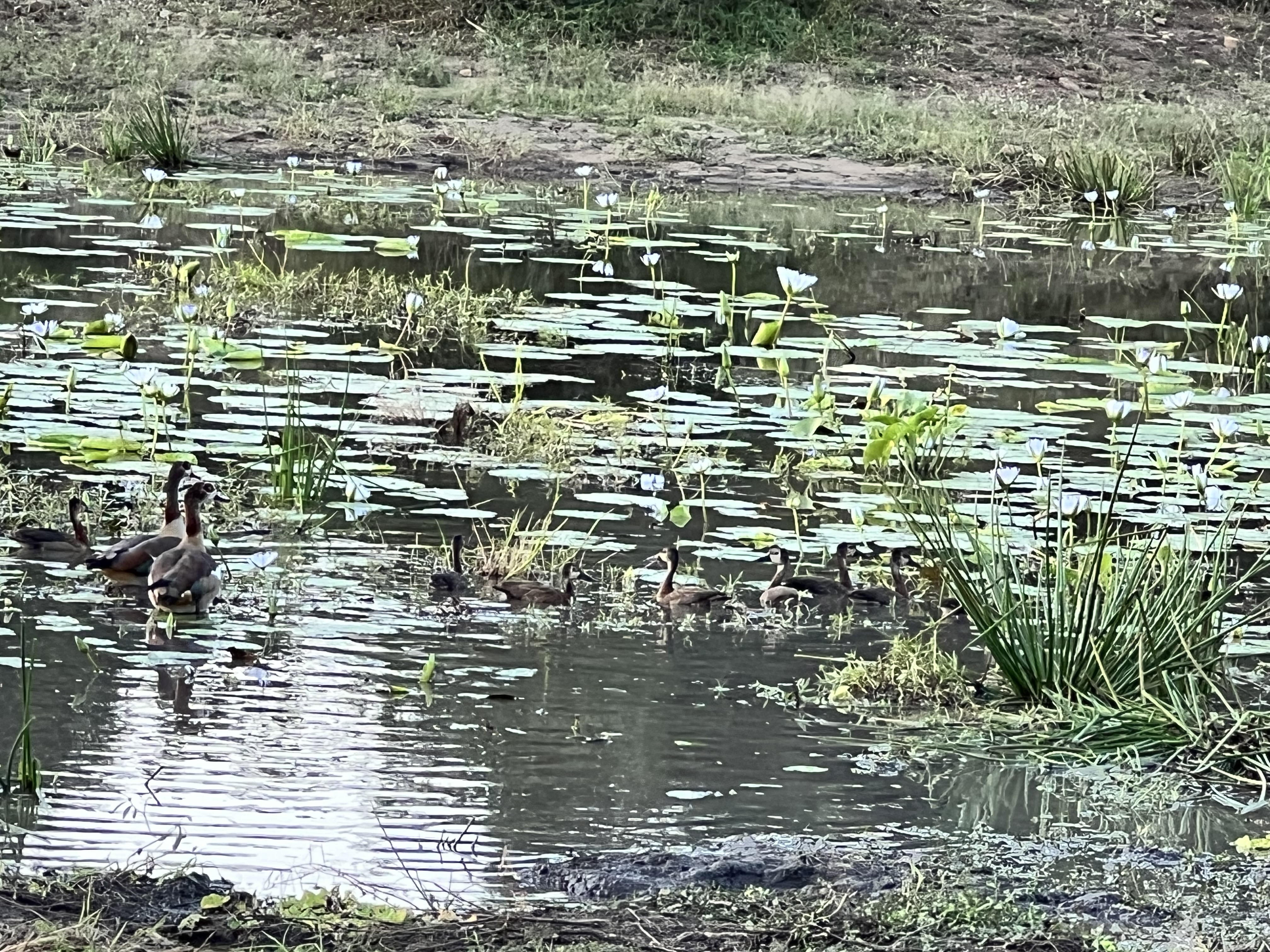
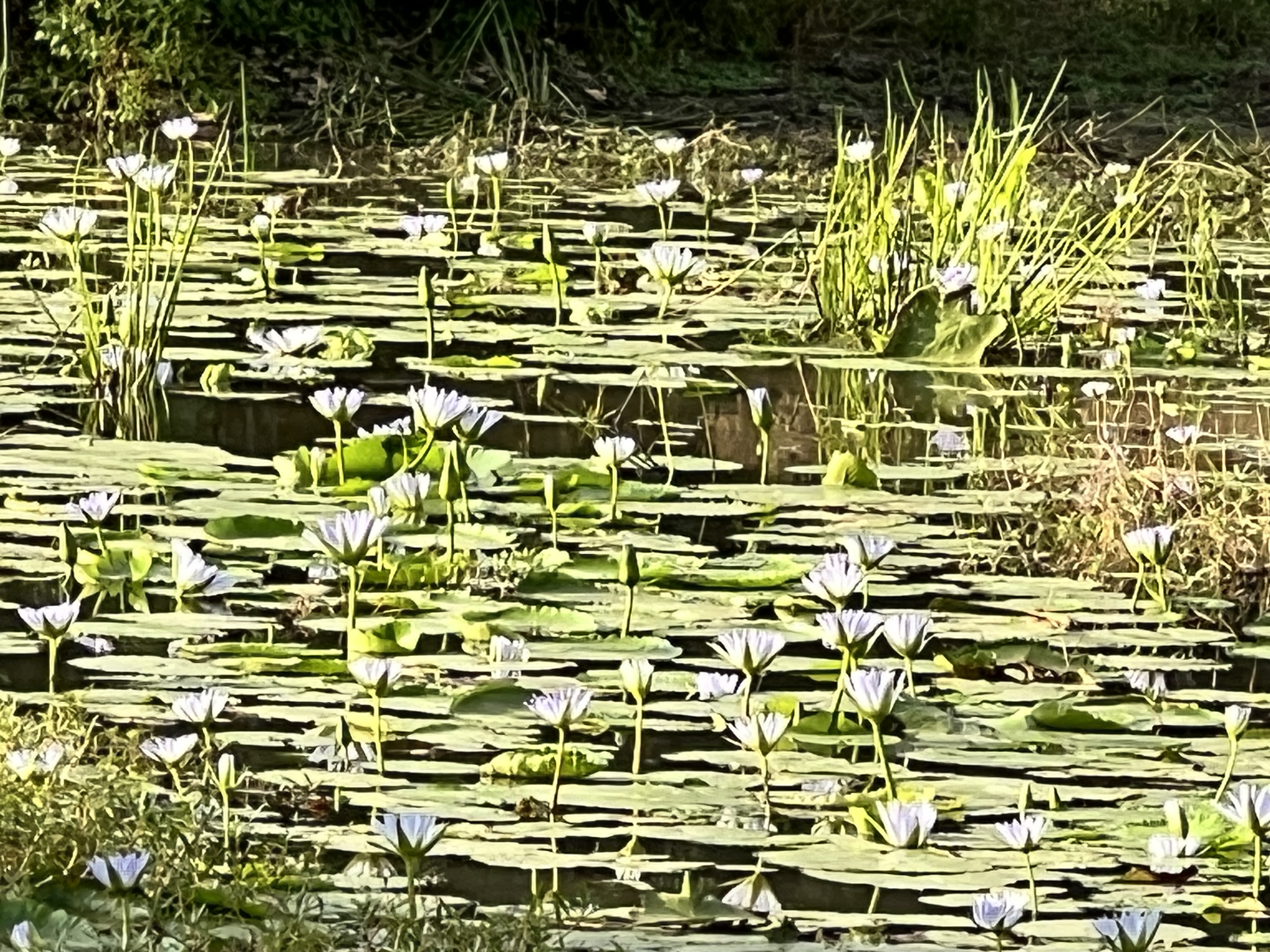
Back in the camp we decide to do some sedate birdwatching around the pans at the back – full of water lilies, terrapins, white-faced whistling ducks and chicks, spurwing and Egyptian geese and a Jacana dad, protecting his young. Jacana ladies are polyamorous, leaving dad to bring up the babies! Go girls! On the Runde we spot some severely endangered skimmers which is thrilling.
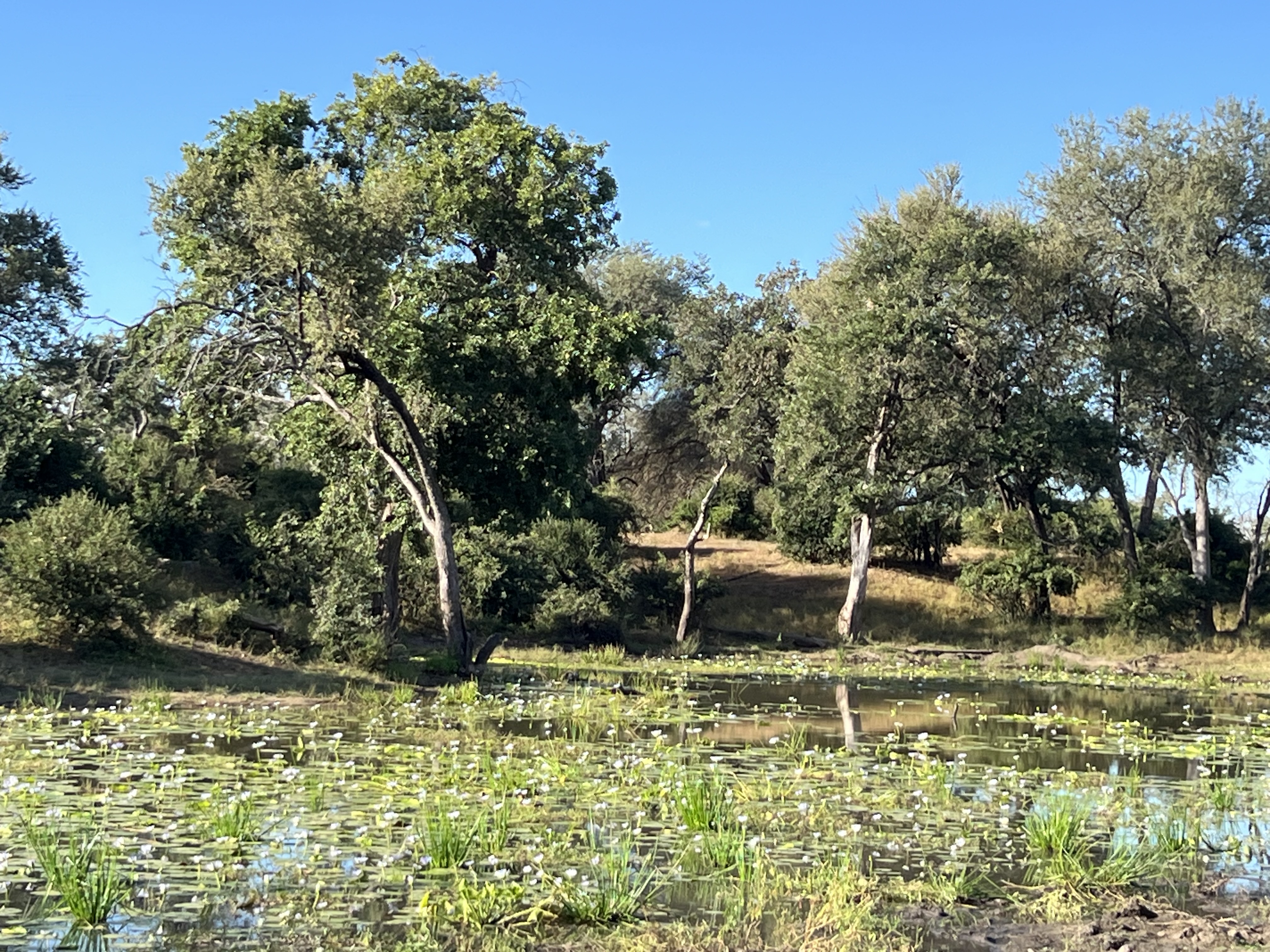
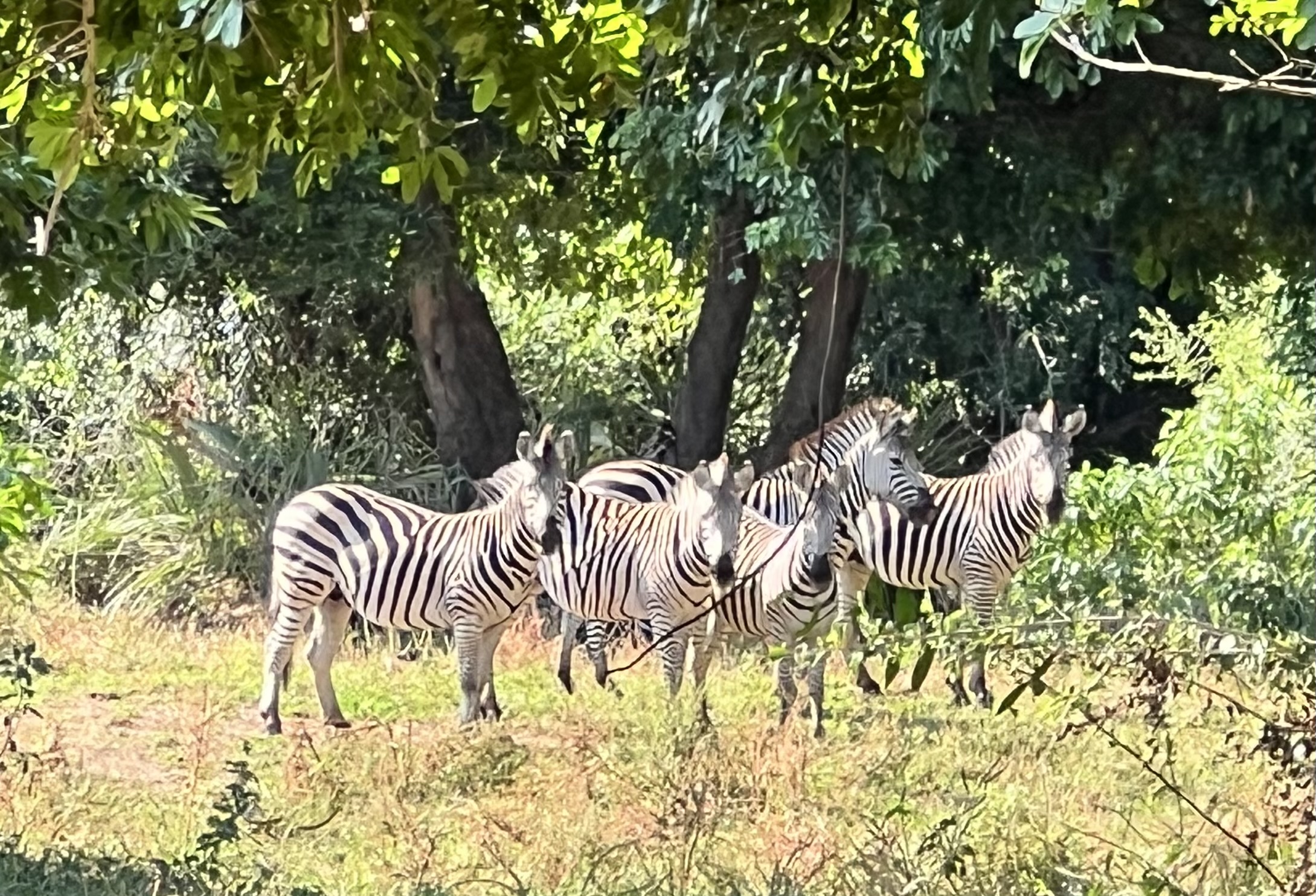
The causeways are all closed because of flood water, but we do not feel restricted in our game viewing. The flood plain is thronged with impala, zebra and other plains game including the elusive giraffe – not forgetting the elephants who we now give a wide berth – bitches! bitches! lurk in thick bushes waiting for us it seems. It is said that they have been so traumatised by poaching that the matriarchs are passing down revenge attacks on tourists to their young, as a game – rather like the orca behaviour in the Straights of Gibraltar. A pair of mating lions are near the camp, and we find them but thy are exhausted and desultory in the evening light.
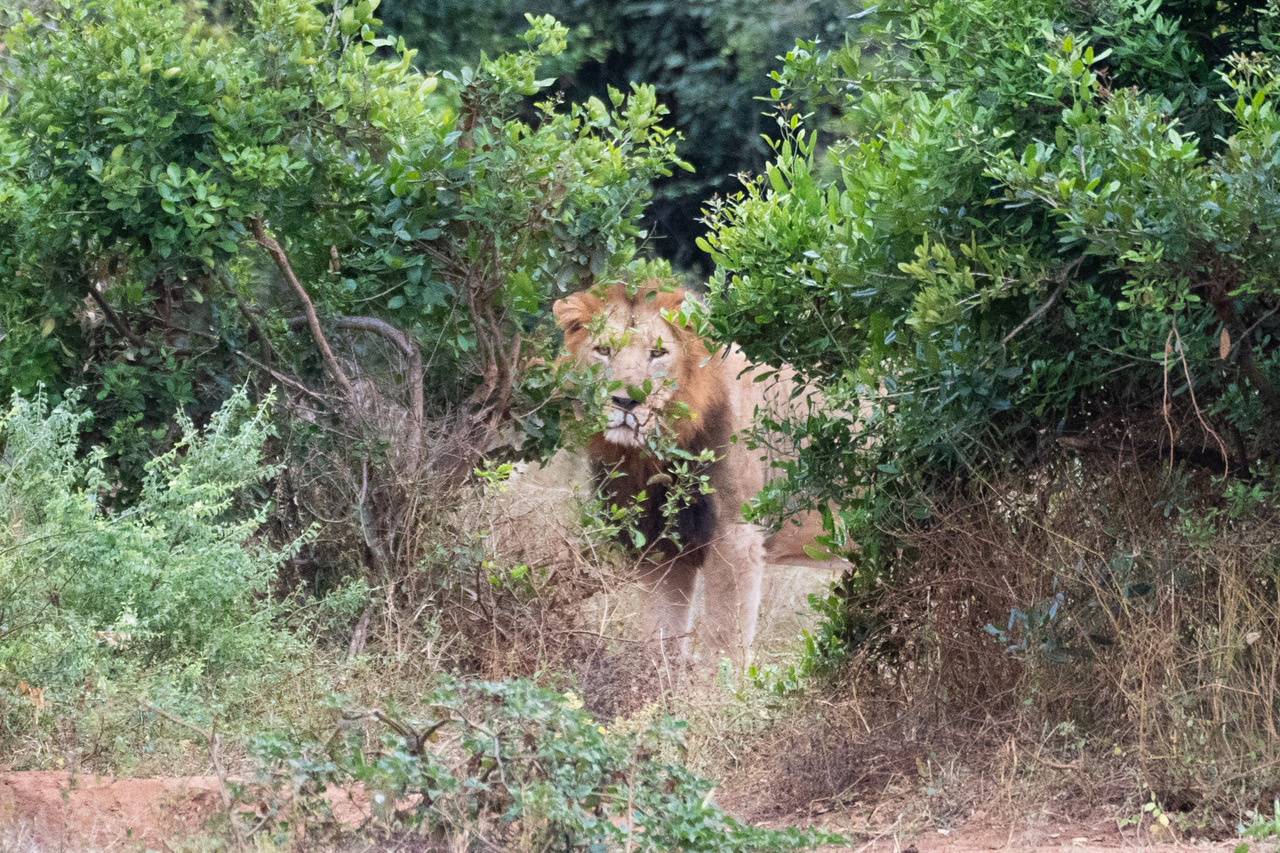
Lions call most nights, once right outside the tent. So we decide to try and find the noisy male. We set off in a soft drizzle, not over-hopeful, but Sean hears impala barking and we follow quietly. Suddenly there he is! A fine beast in his prime who turns tail and saunters into the into bush, where he turns and gazes at us for several minutes before slinking off. We walk parallel and glimpse him, hiding under a bush, and then he’s gone. Tracking a lion on foot is an extraordinary experience.
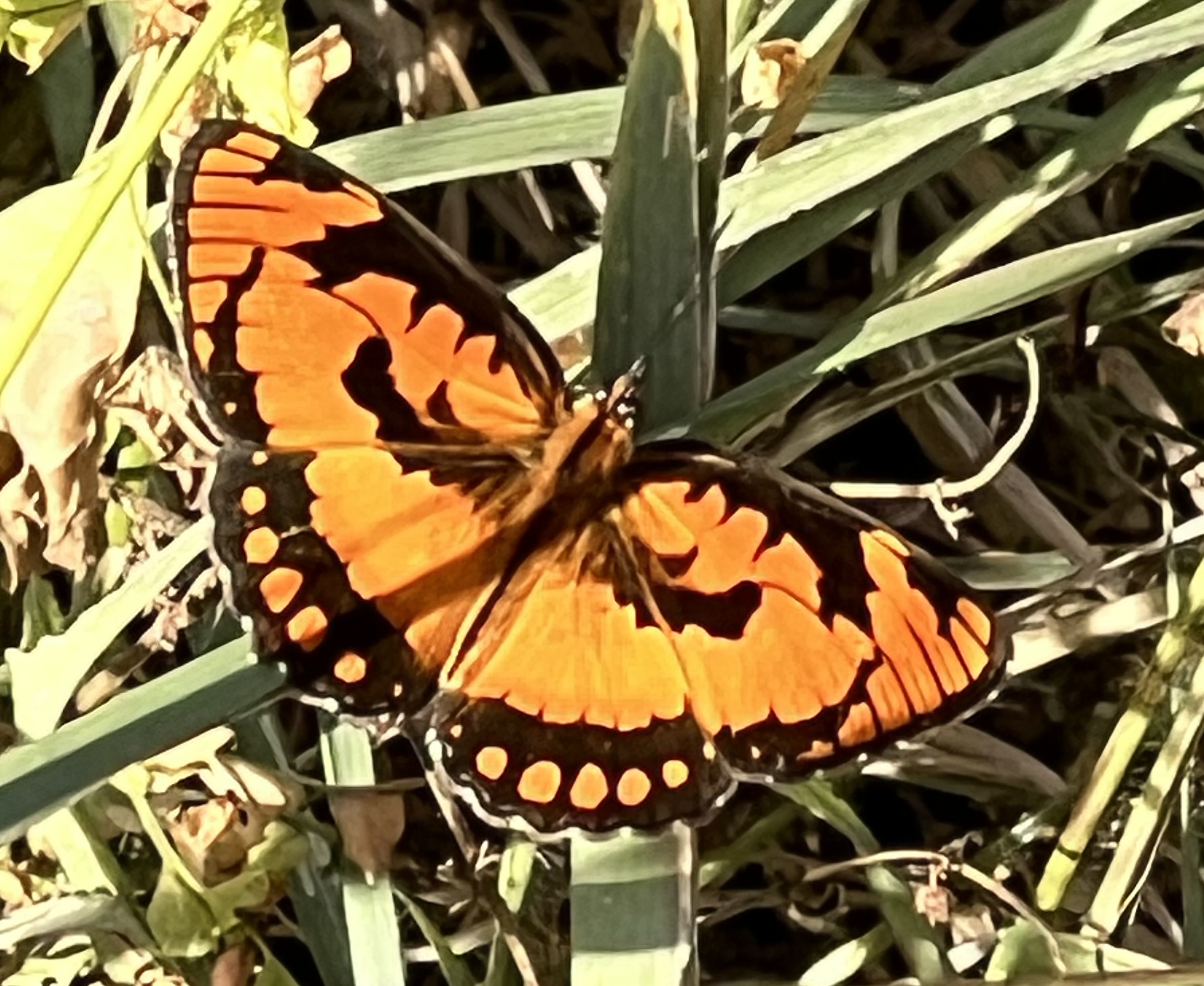
Continuing the loop, two Verreux Eagle Owls fly out of a tree, and then it pours and we shelter under a mahogany surrounded by baboon-poo! Smelly indeed, but no other choice. The baobabs and and butterflies are fabulous down here, clouds of white flutterers everywhere – below a monarch butterfly.
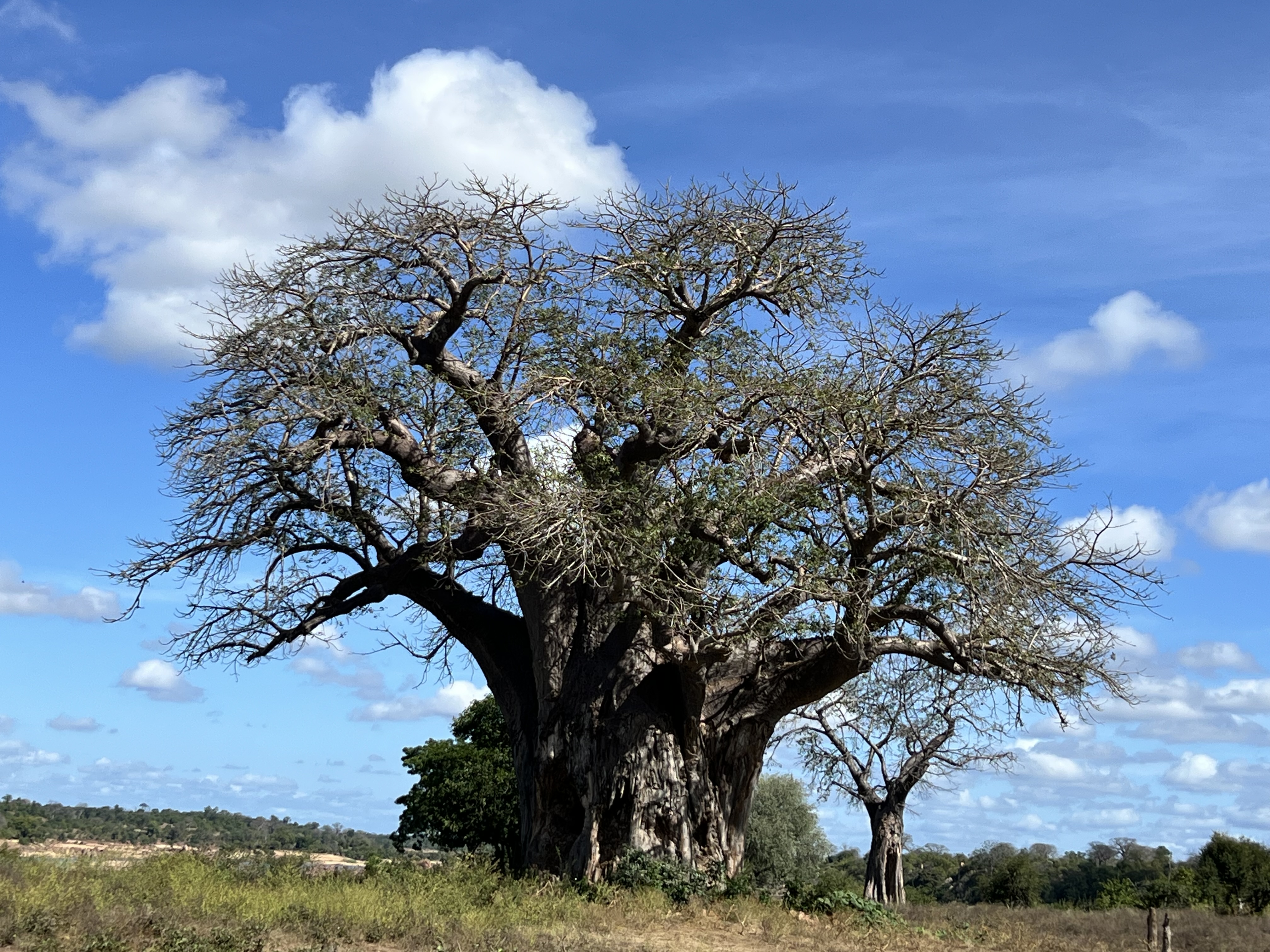
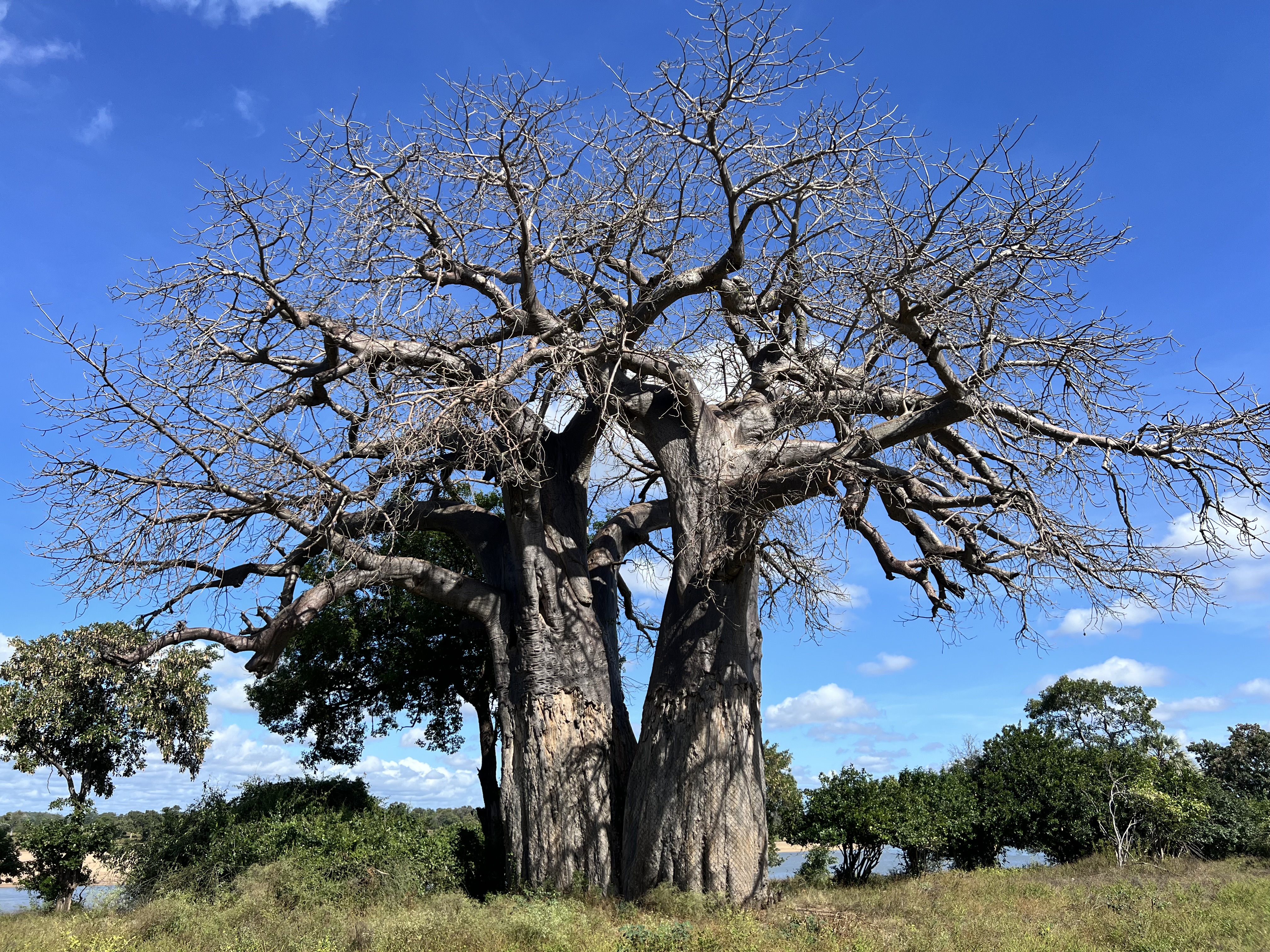
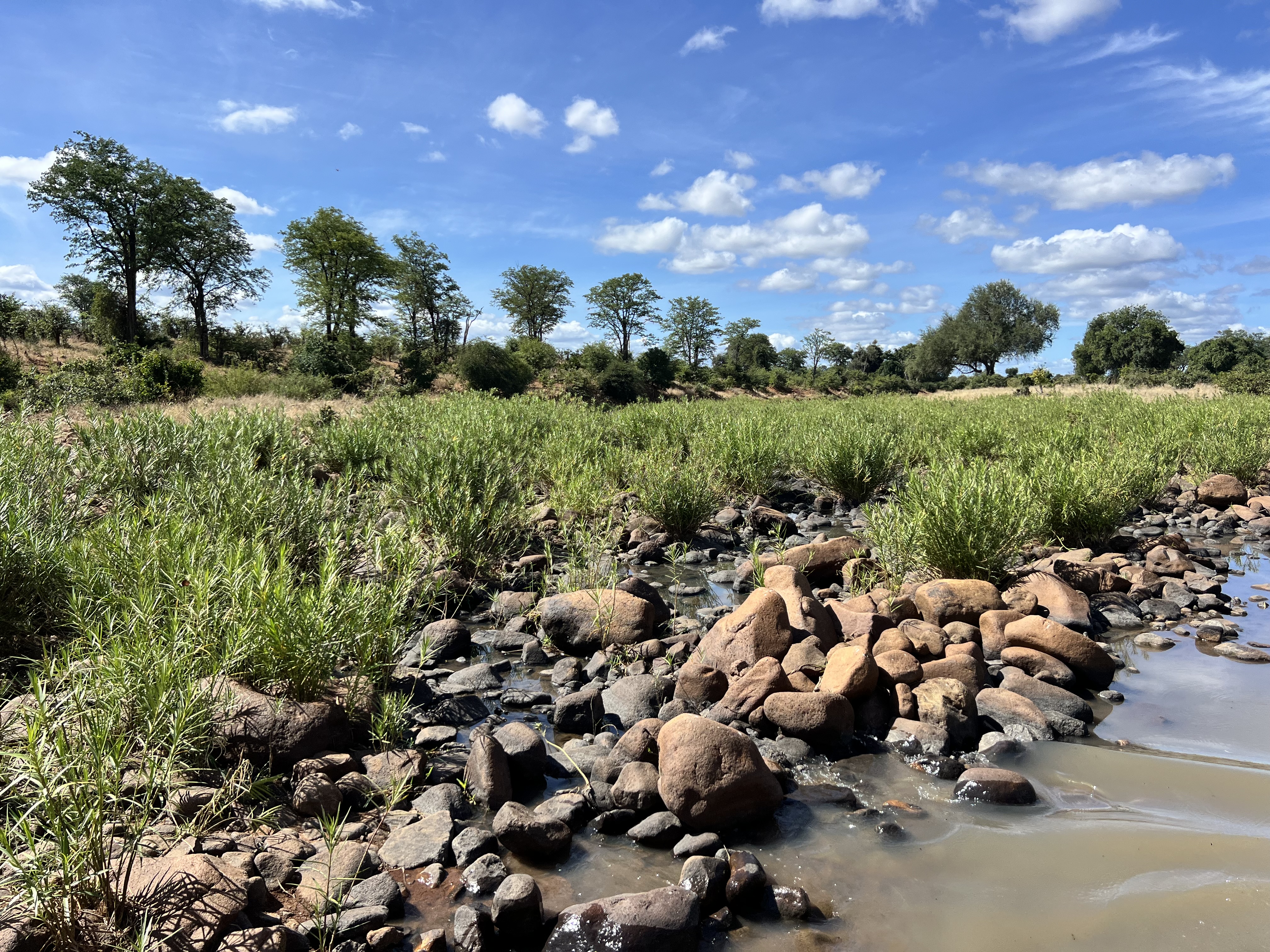
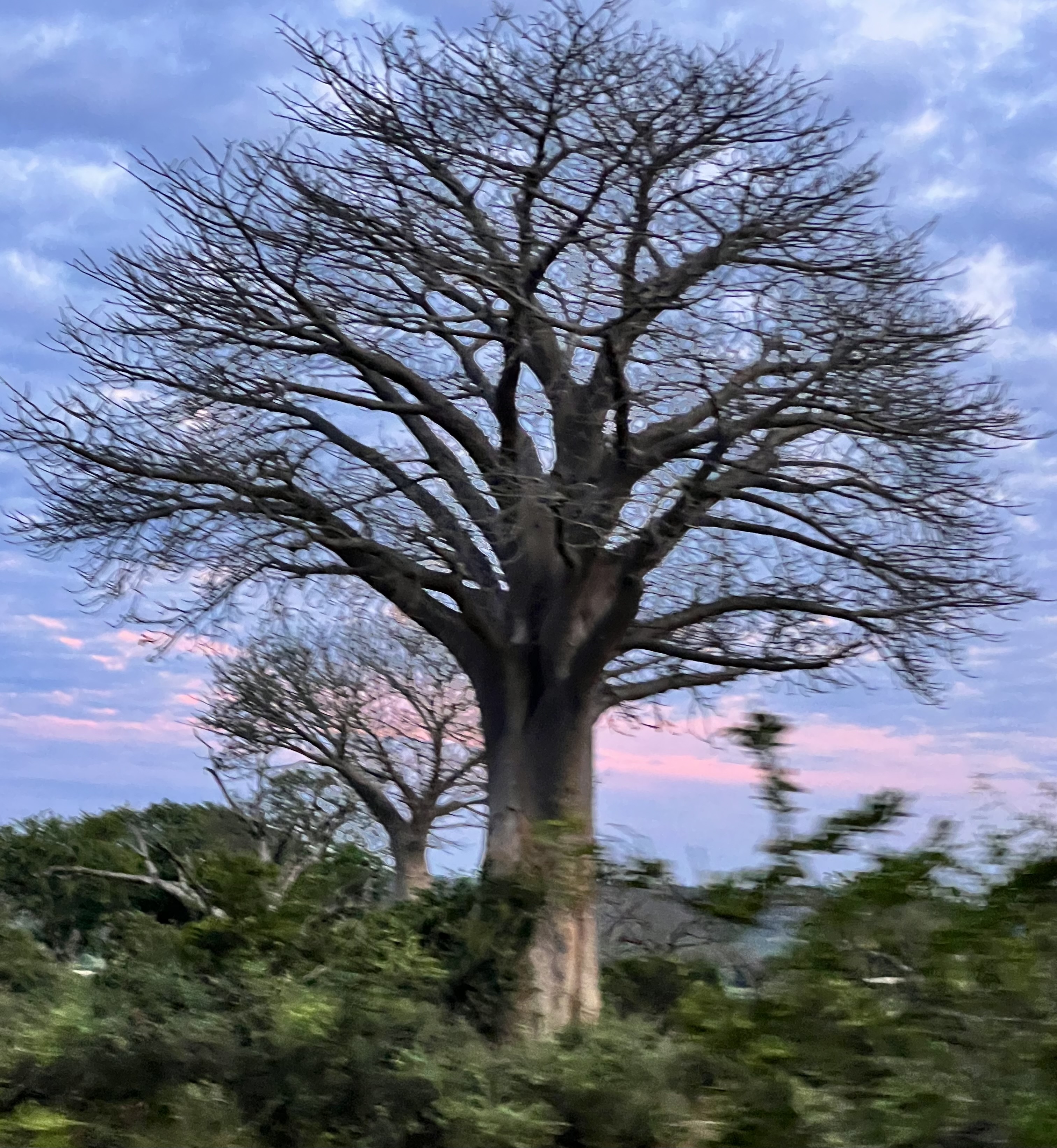
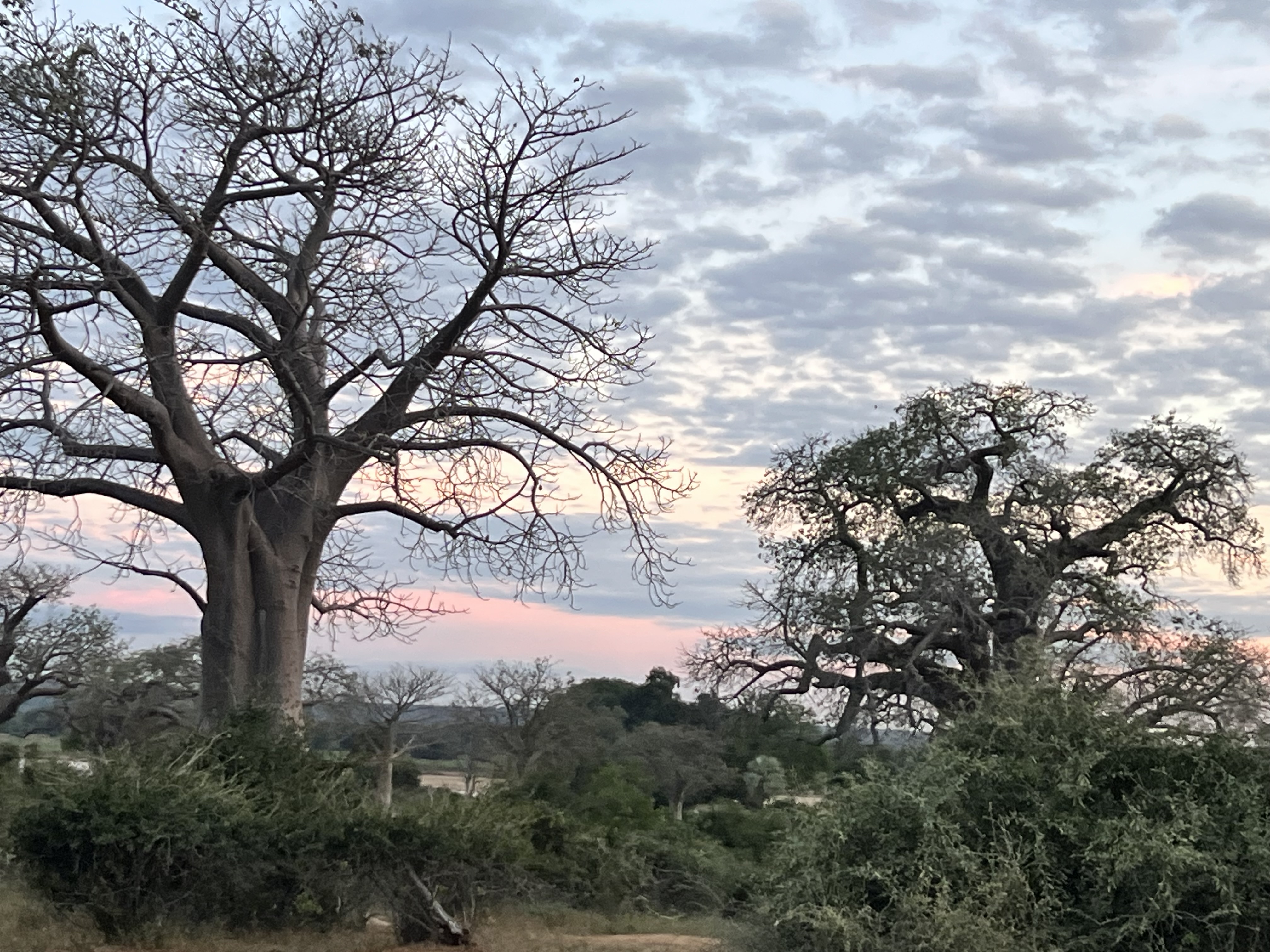
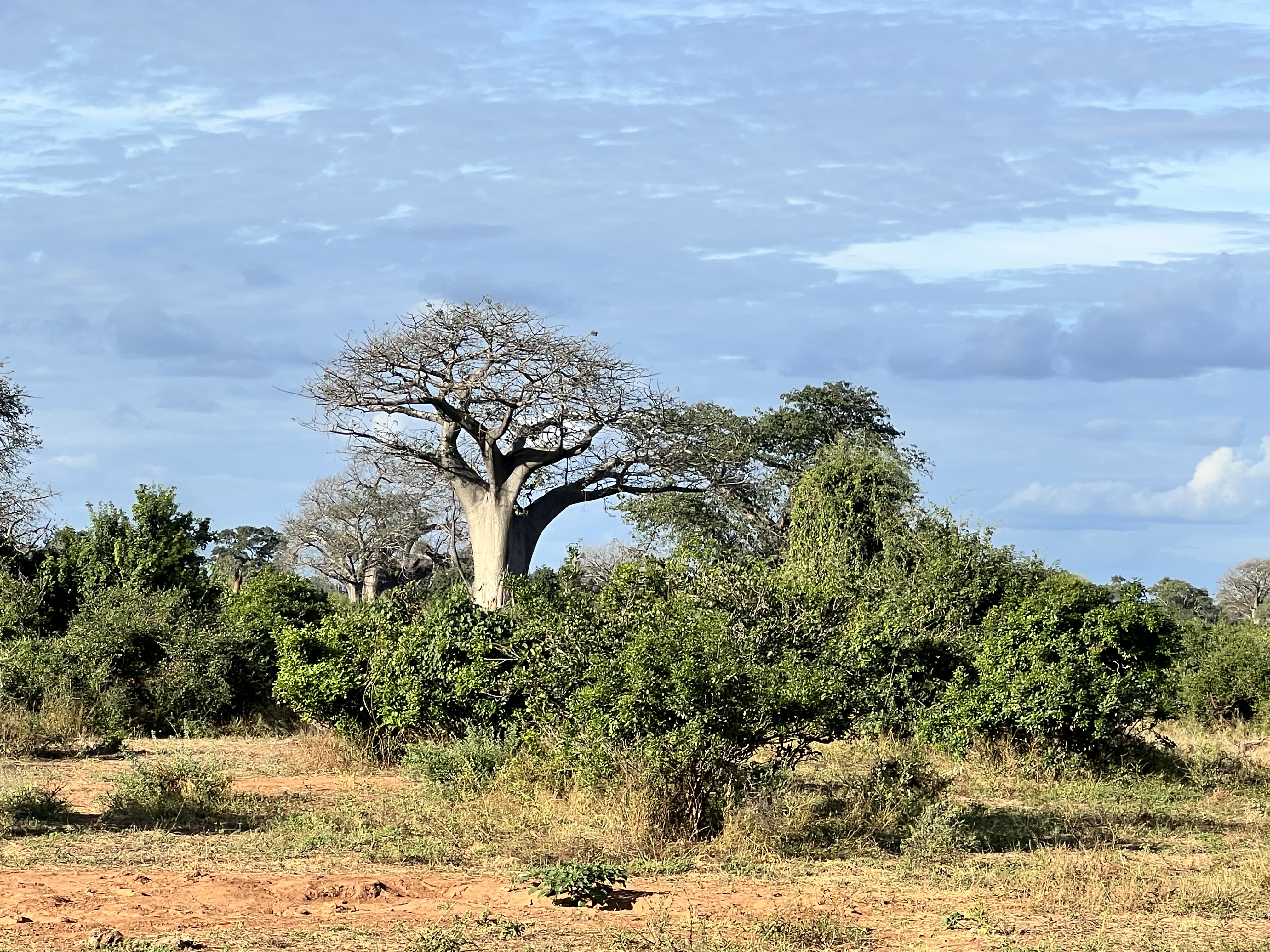
The baobabs around Mahove and the Runde/Save confluence are maginifcent.
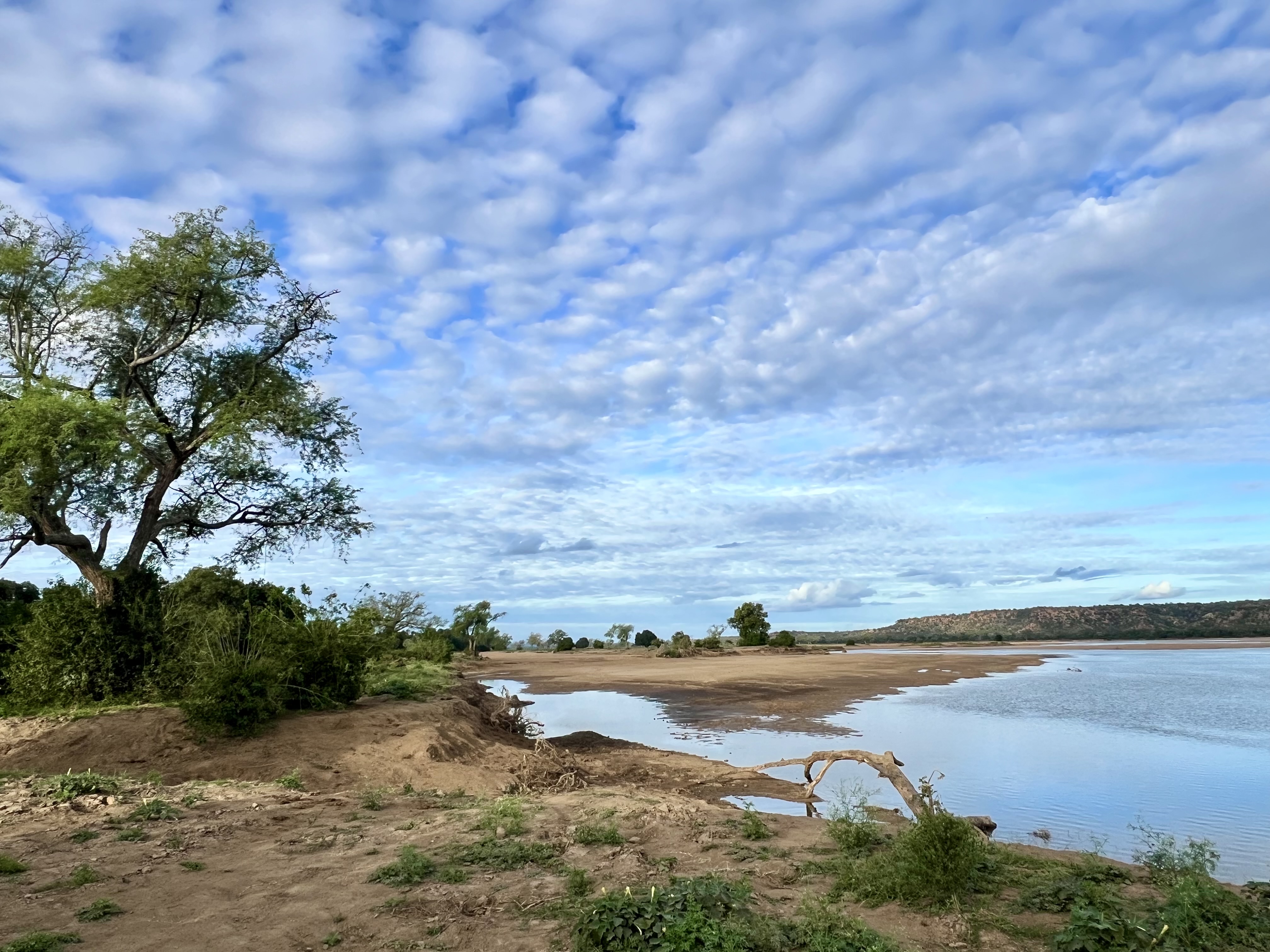
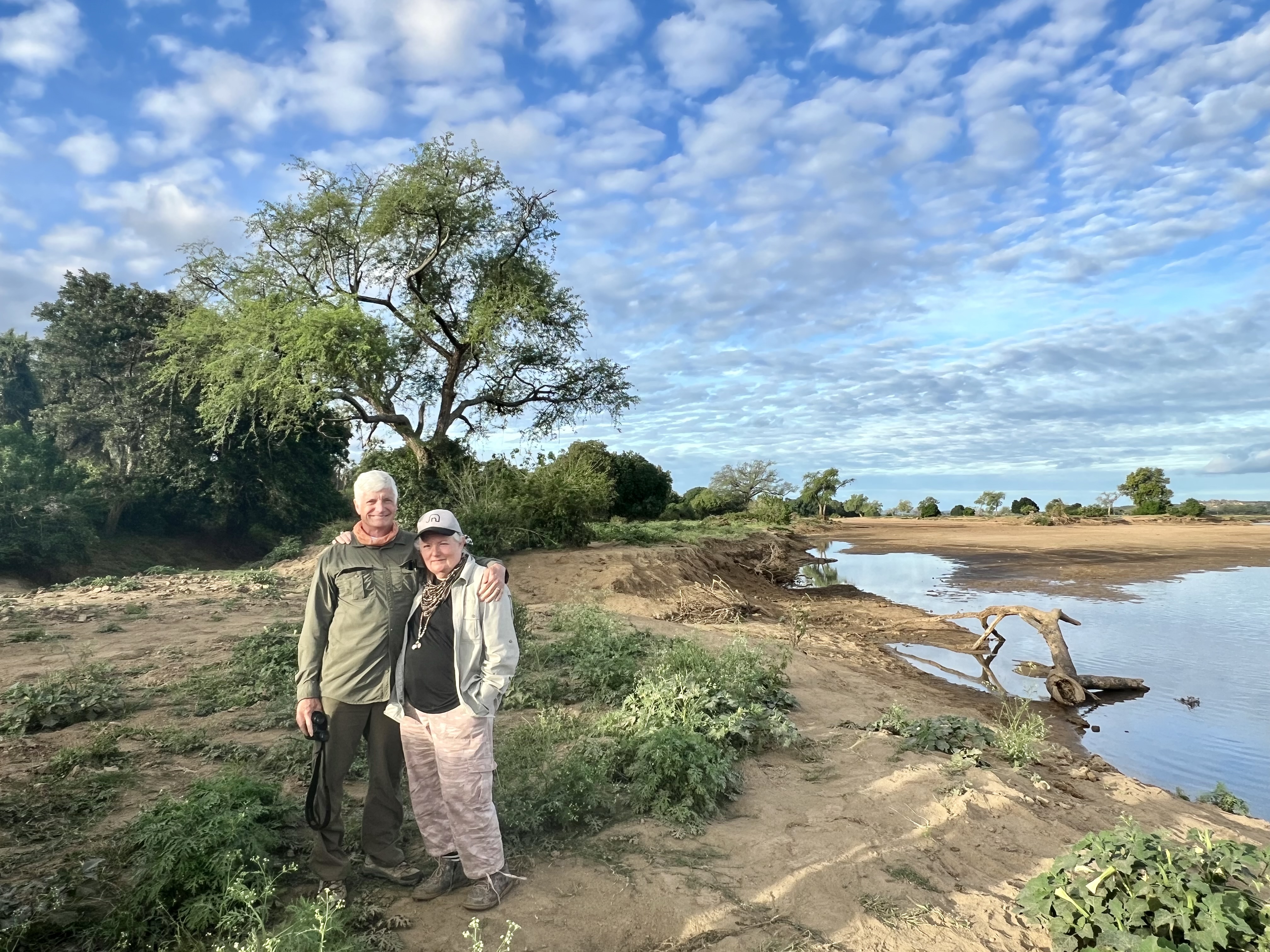
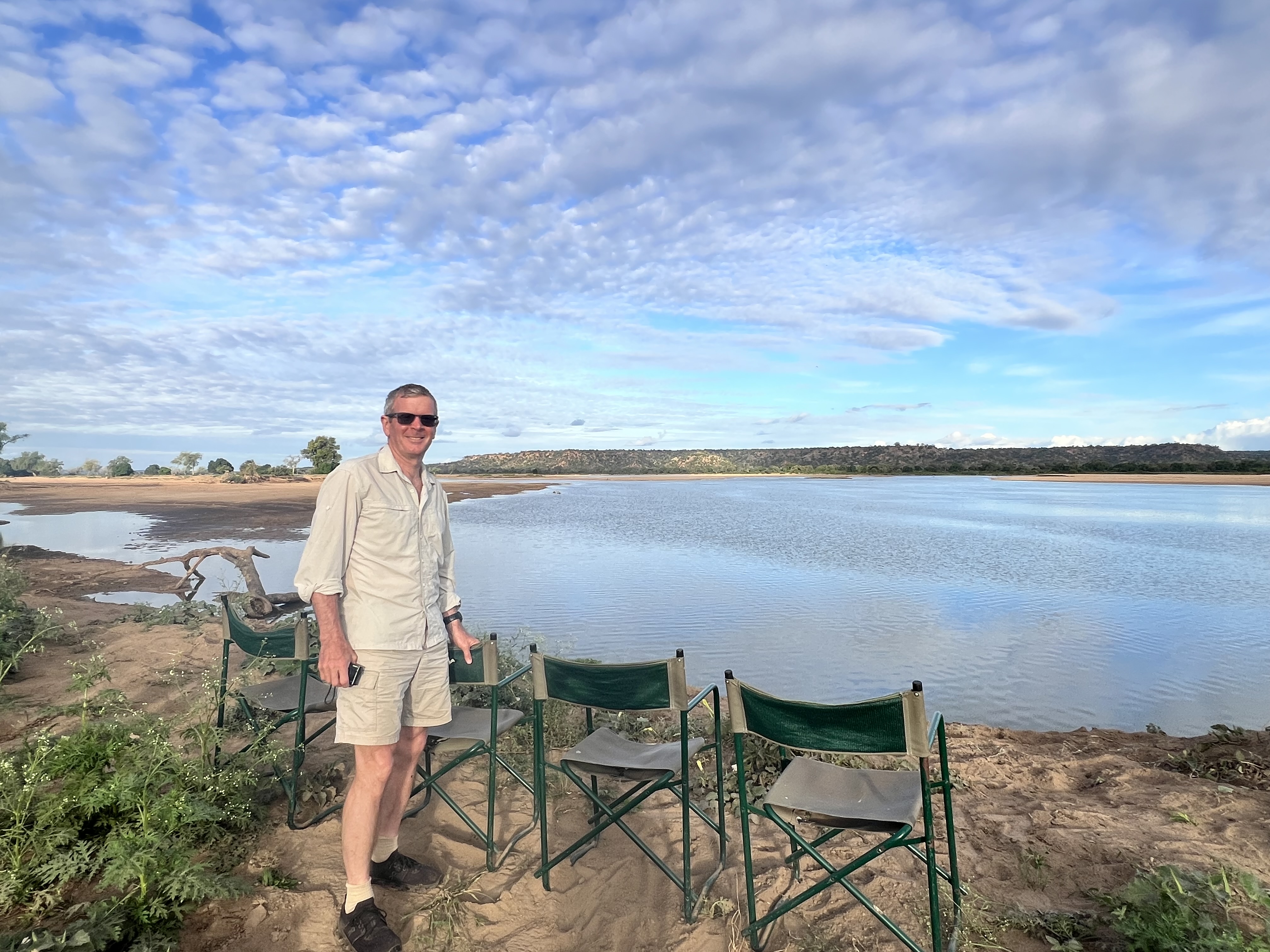
The confluence of the Runde/Save rivers
After four nights we leave for Chilojo Bush Camp. It’s another long drive. Rounding a corner, Sean’s car is by side of road. Our hearts miss a beat. Has it broken down? There’s Polite, standing smiling. False alarm. It’s a pride of lions that he found and came back to show us where they were. Wasn’t sure we’d find the arrow he’d left for us! They are fast asleep, legs akimbo. Six of them including two young males.
In the afternoon, we revisit them, but they remain comatose.
On the way back, we meet two lots of scary elephants herds in the gloaming. Won’t budge. We wait and wait. Then make a dash when we hope they are clear. Round the corner they are waiting for us and trumpet loudly, trunks in air, ears flapping. We can’t tell where mother and baby are as it is dark and trees /bushes everywhere. Take the risk and push forward quietly. Luckily they are ambling off. By now completely dark and completely terrifying. We make it back. Dear Polite sits next to Cindy to protect her.
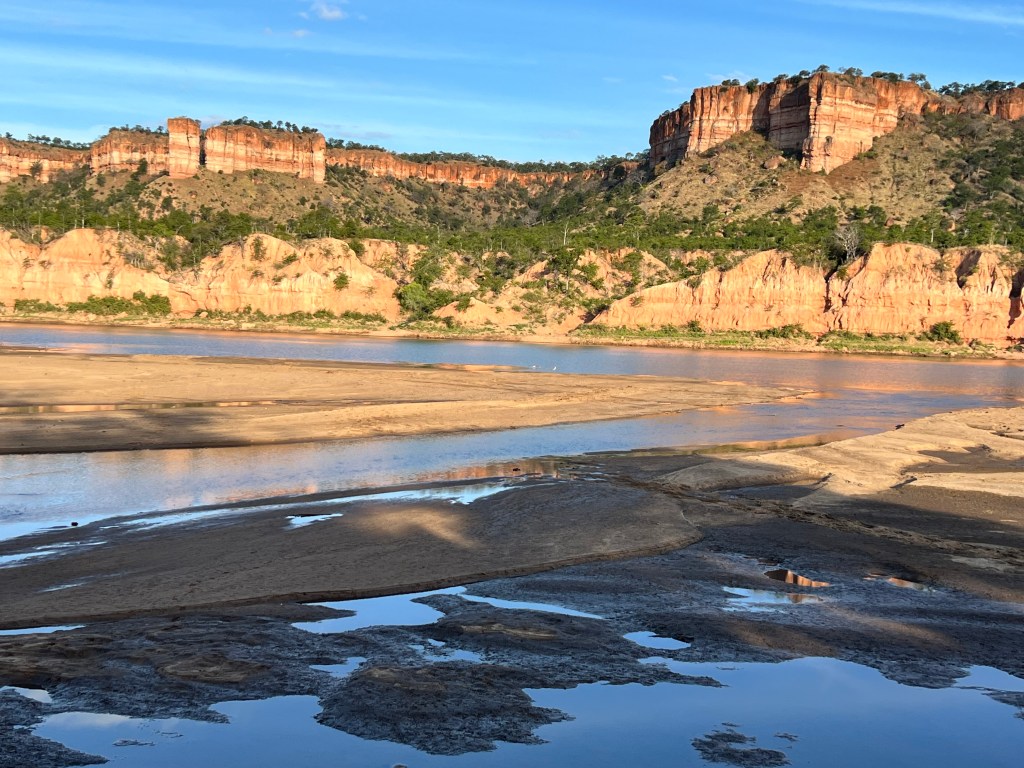
Our tent is a good 300 m from main camp, isolated and under a big wild mango tree. Last time it didn’t feel scary but now after all these elephant excitements we shall see. Broken branches bear witness to it being a route to the river – but despite some precautionary strandings we survive the four nights unmolested.
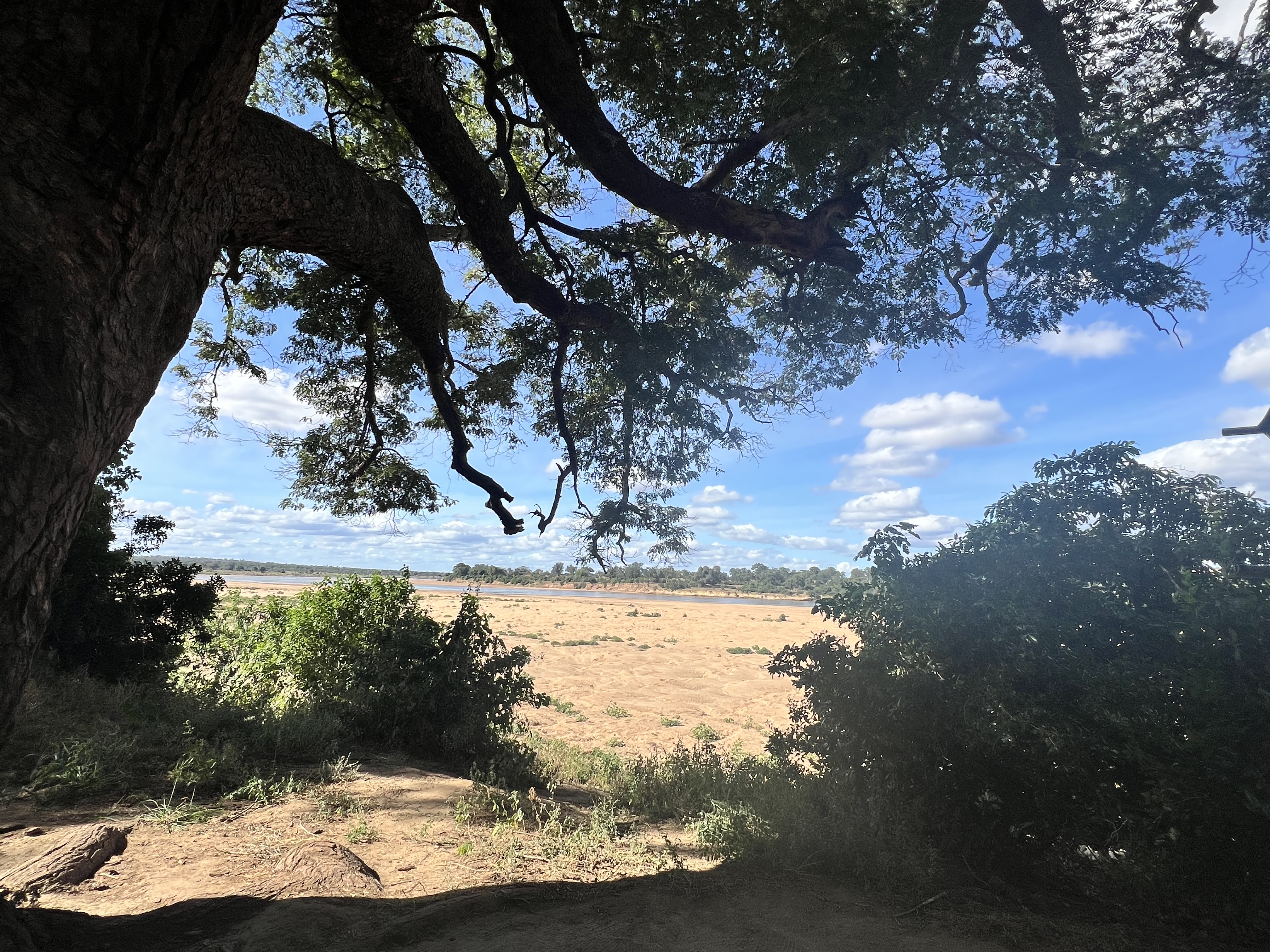
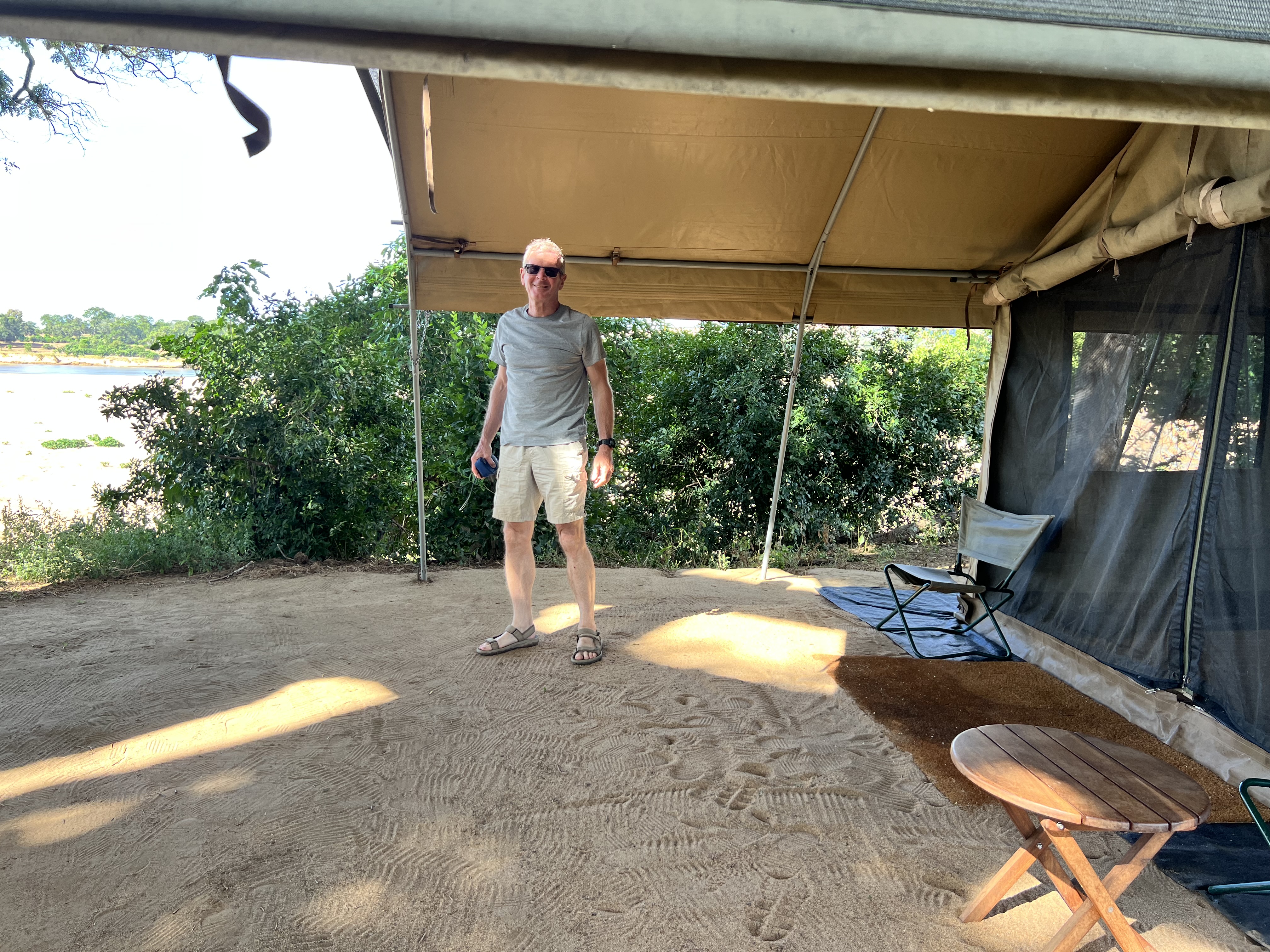
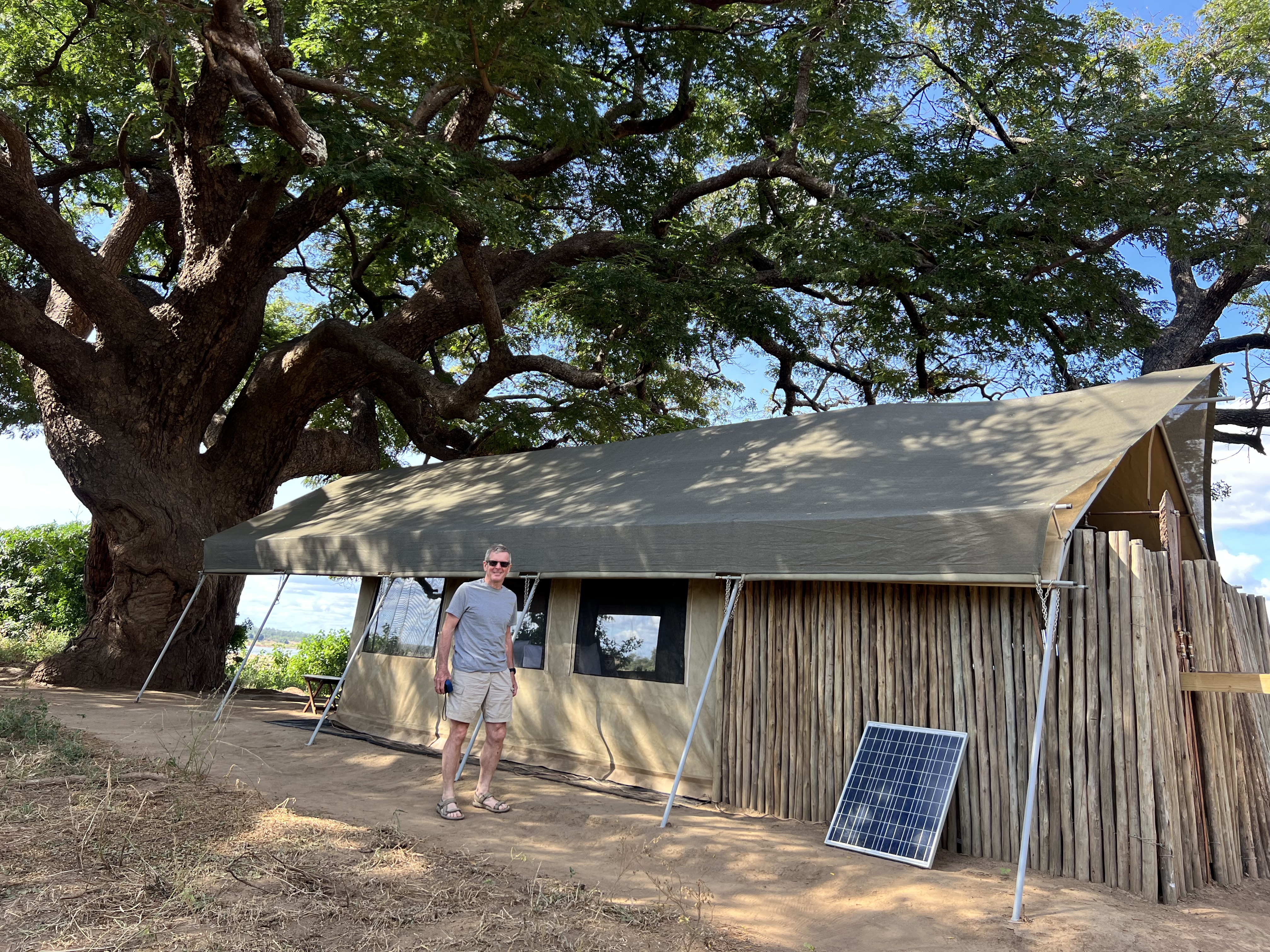
View from our tent over the Runde. Note solar power
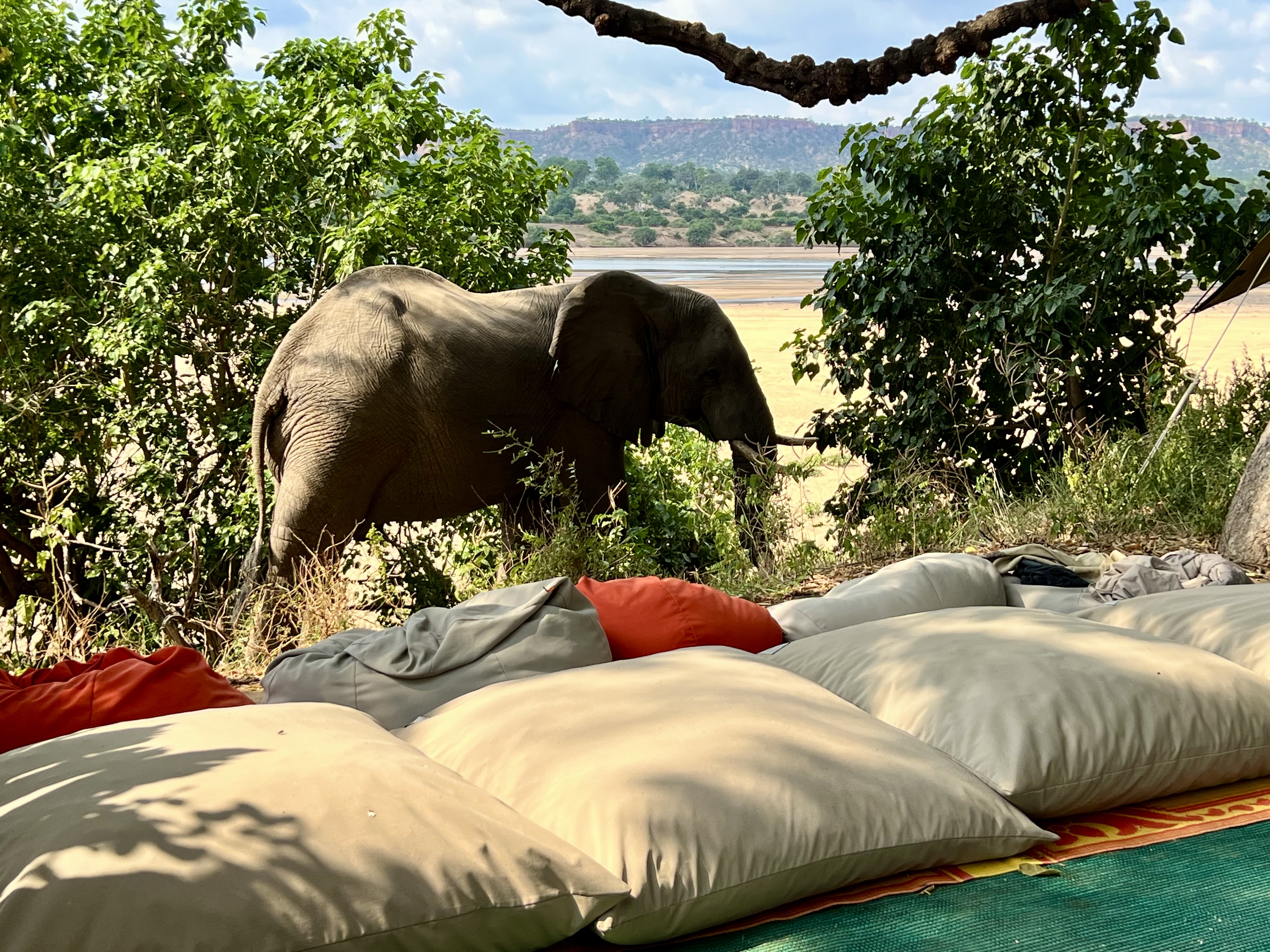
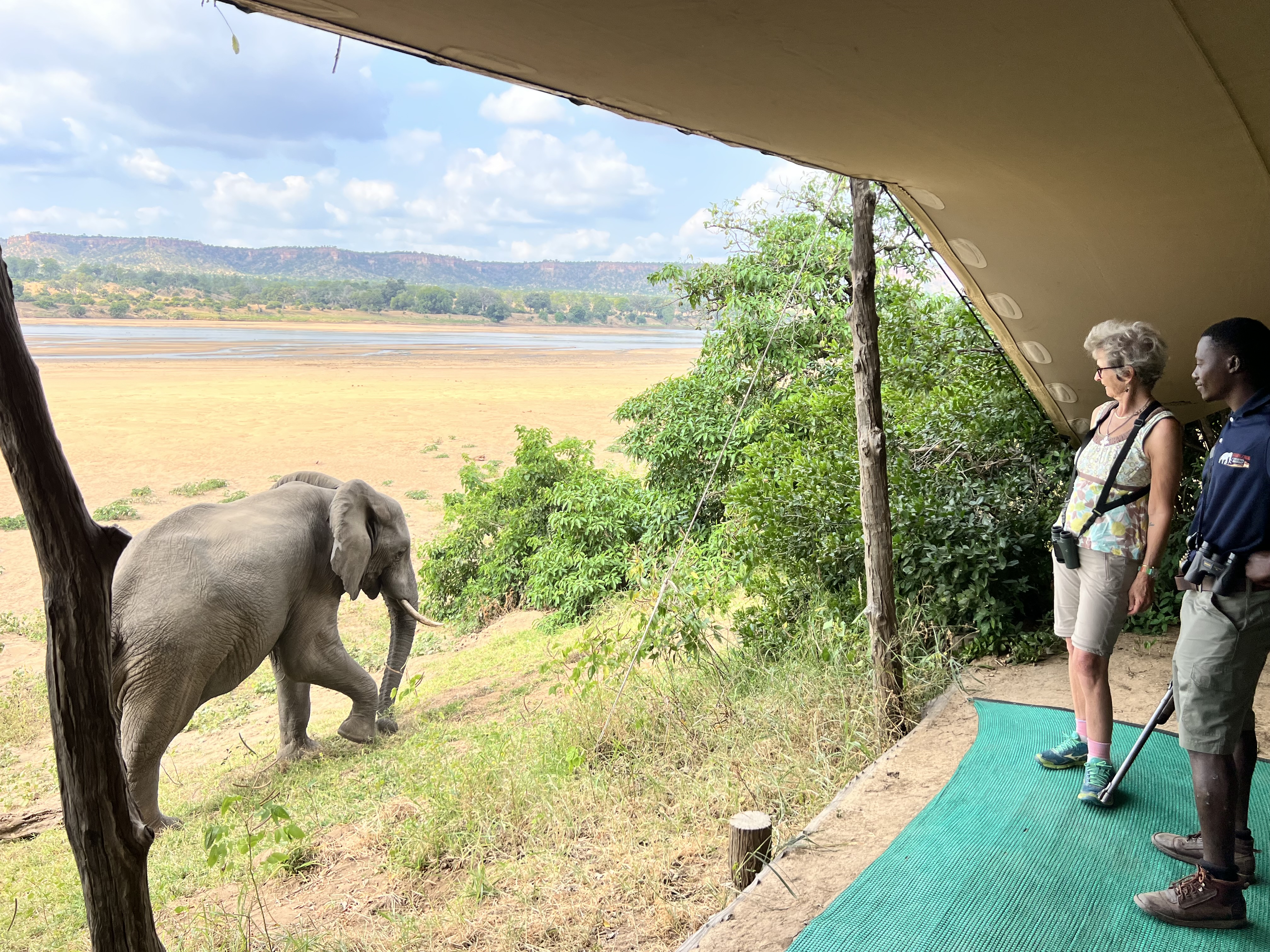
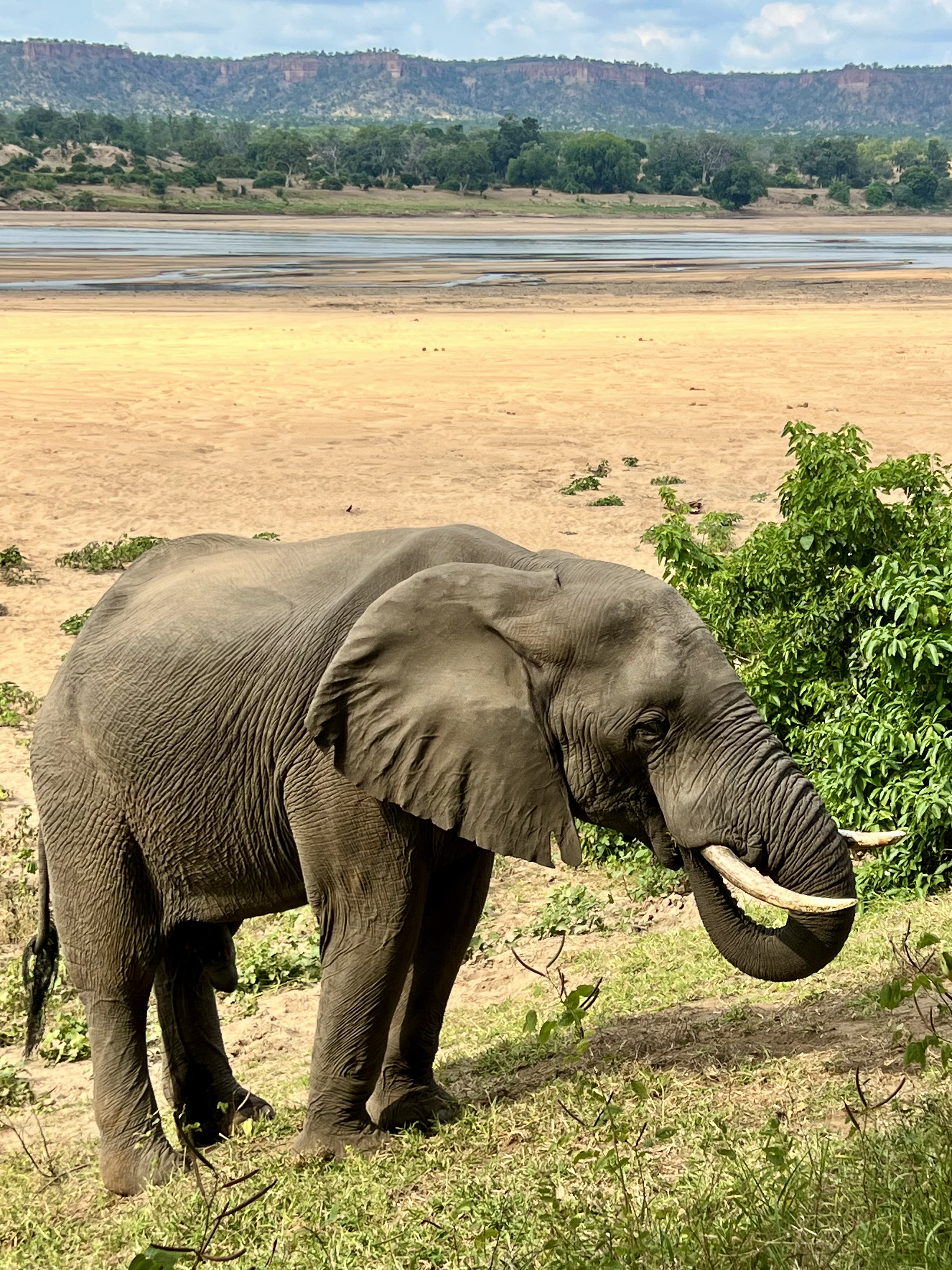
There is a resident elephant bull, the Area Manager, who delights in being in the way when we need to get from A to B, and then has us spell-bound while he munches his way during our lunch!
One morning, the beginning of The Great Day, we set off to find rhino. Just out of camp, two hyena have just taken killed a male impala – we are alerted by his companions’ alarm calling and looking anxious. They are ripping it limb from limb, faces and chests smeared with fresh bright red blood. The younger one is frightened of us and slinks away.
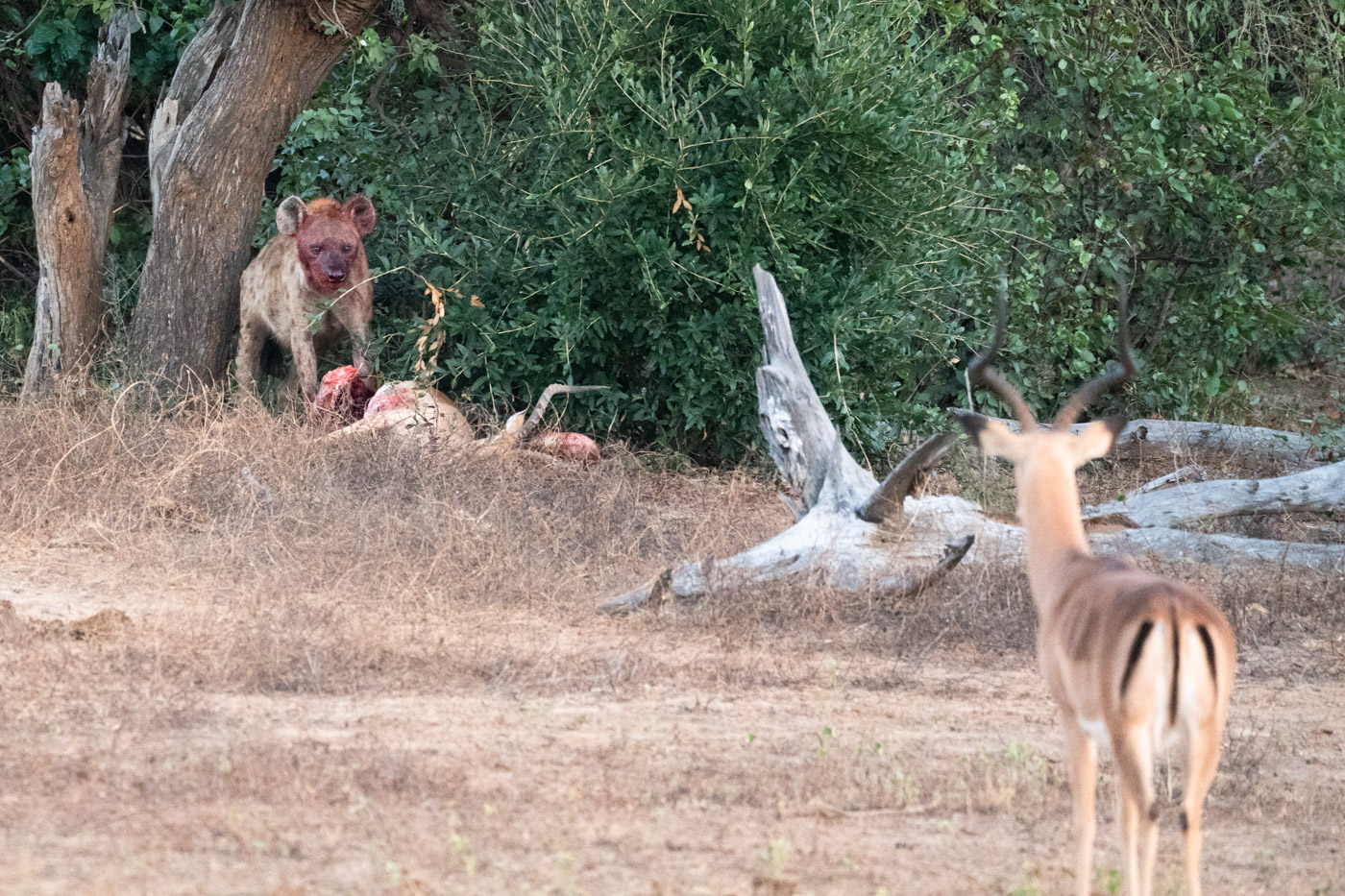
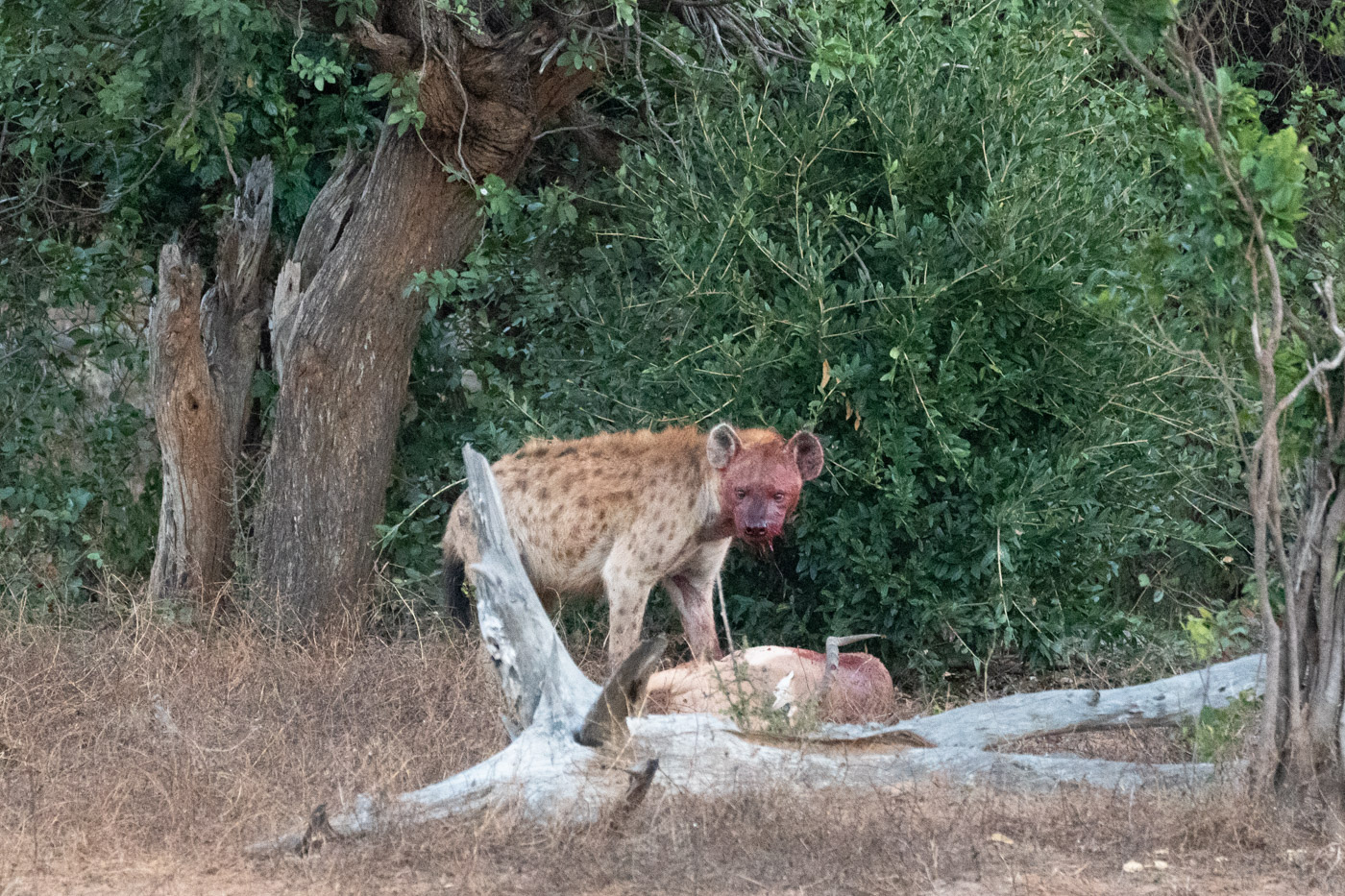
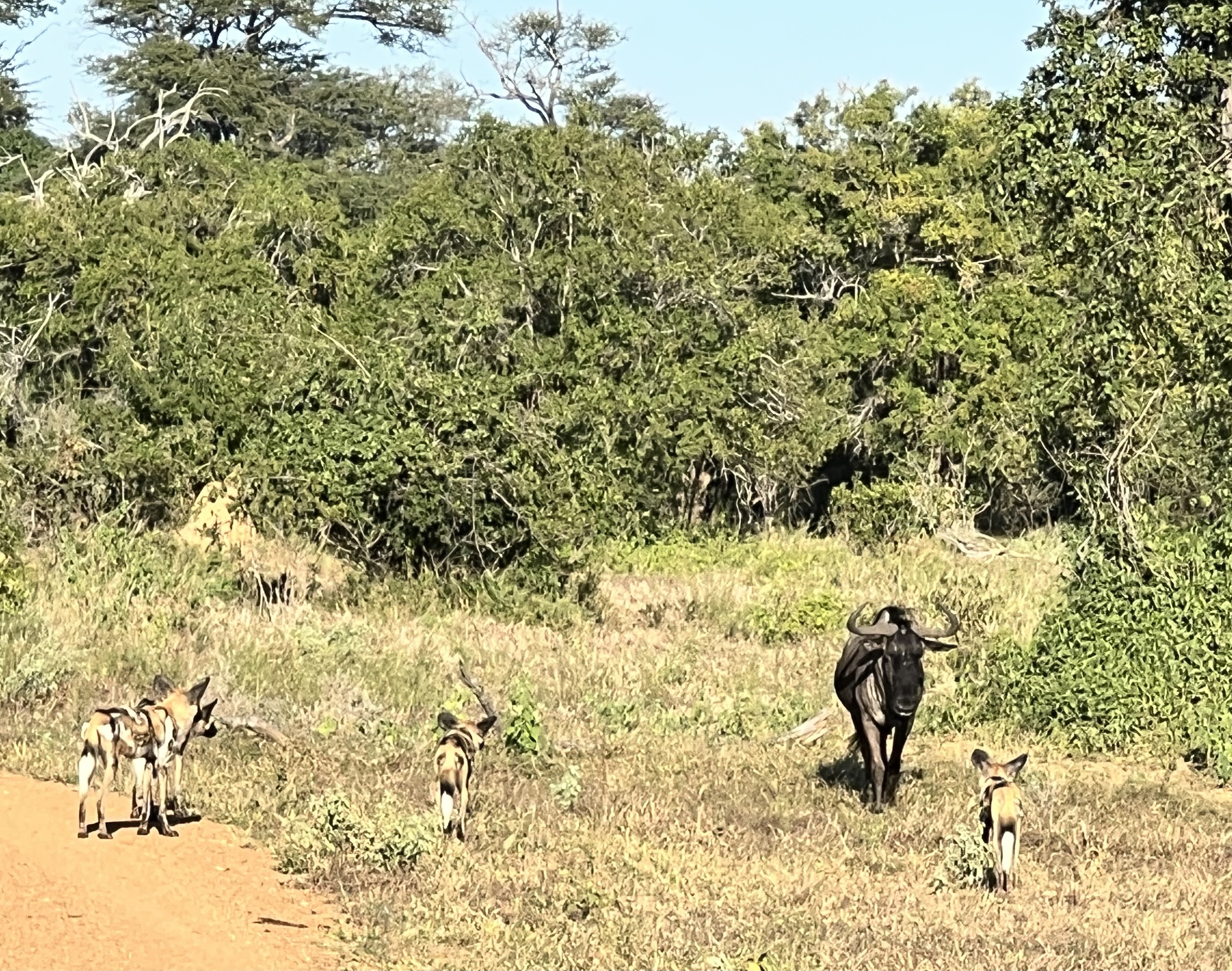
On we go to the rhino reserve, a fenced-off area home to 30-odd black and some 30 white rhino, the latter have only just been relocated. We round the bend and there is a wild dog – it can’t be on its own! The others are lying just off-road, resting before they starting socialising for the hunt. They are a handsome pack with the alpha female having striking white marbling, which she has passed on to several of her pups, now young adults.
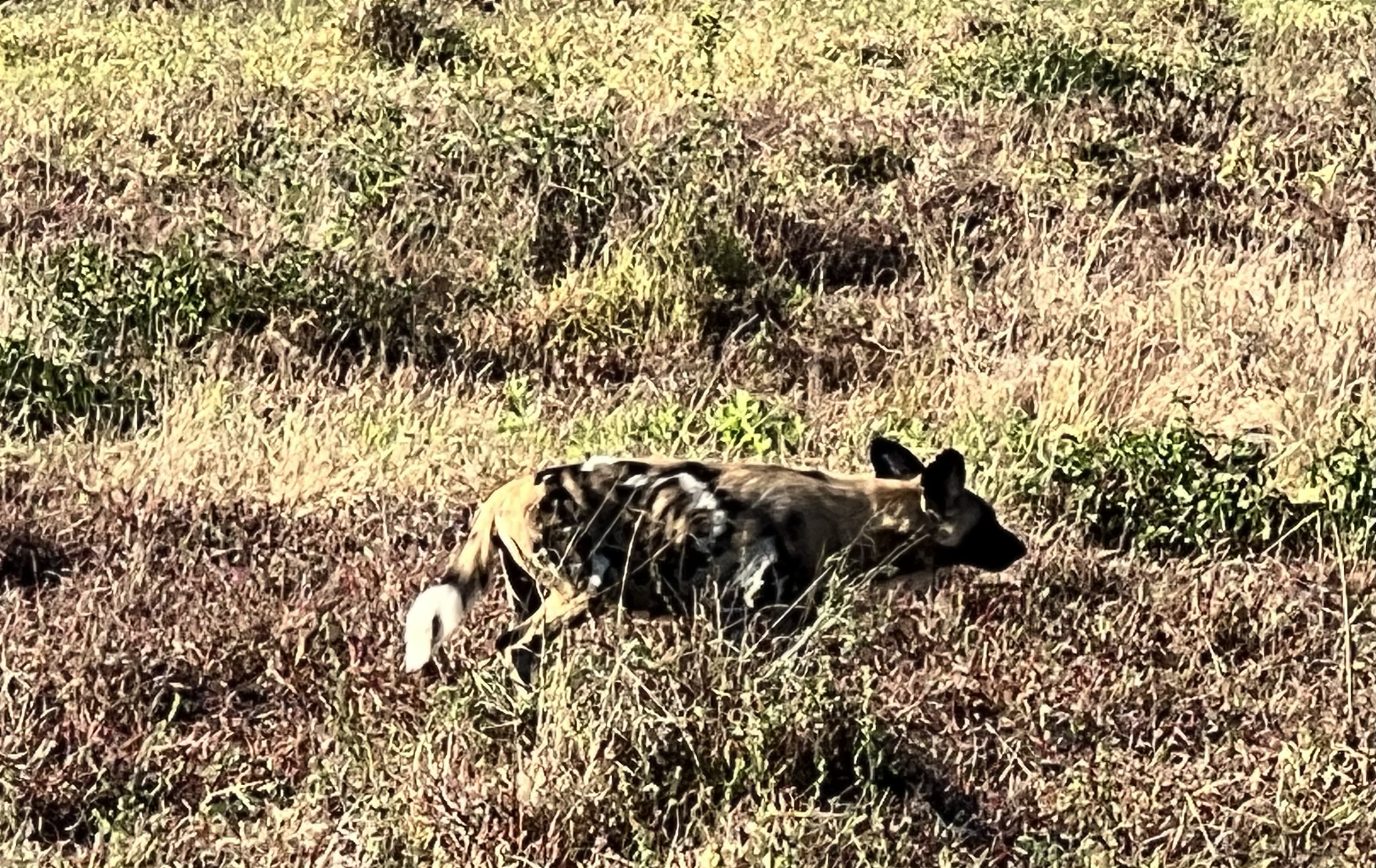
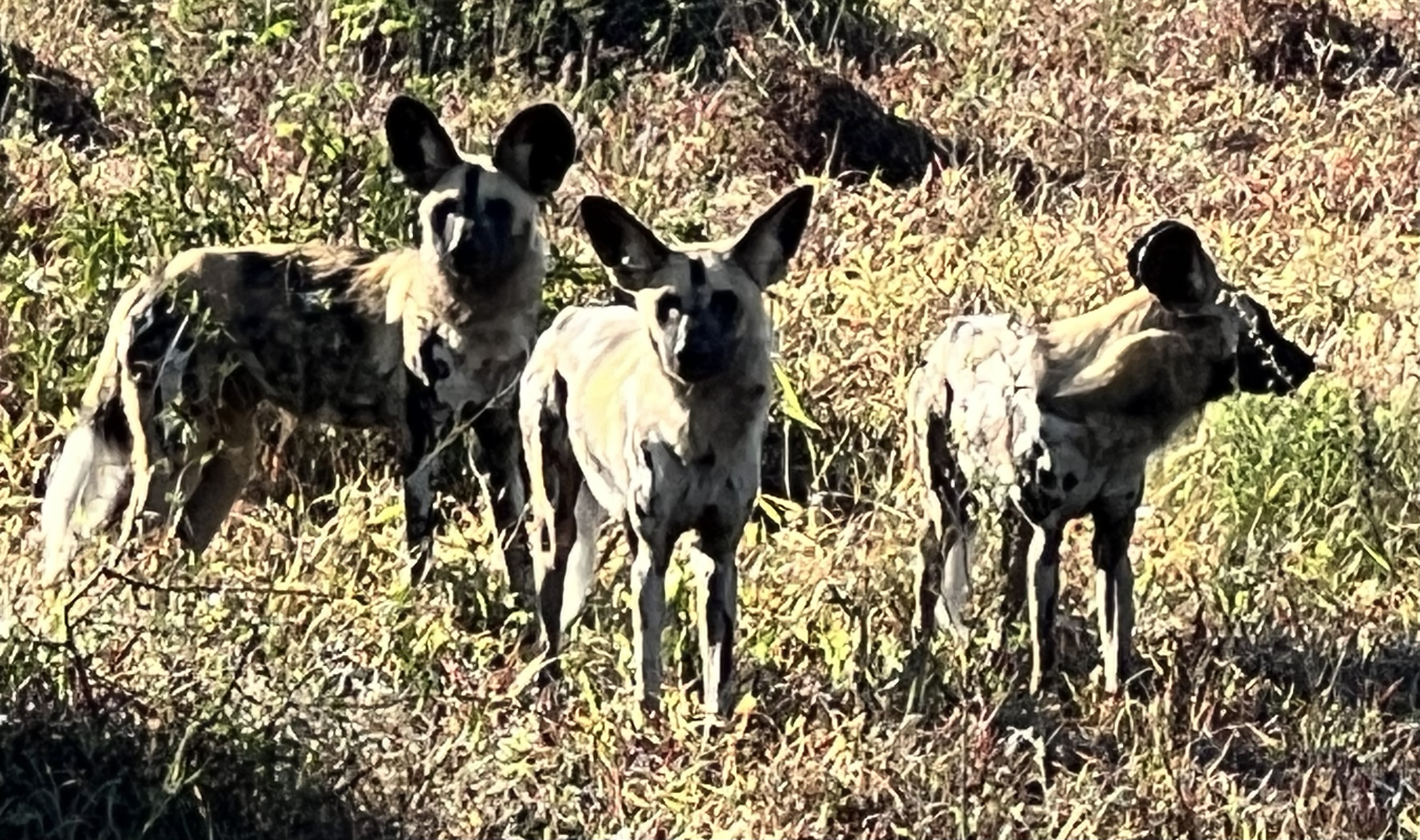
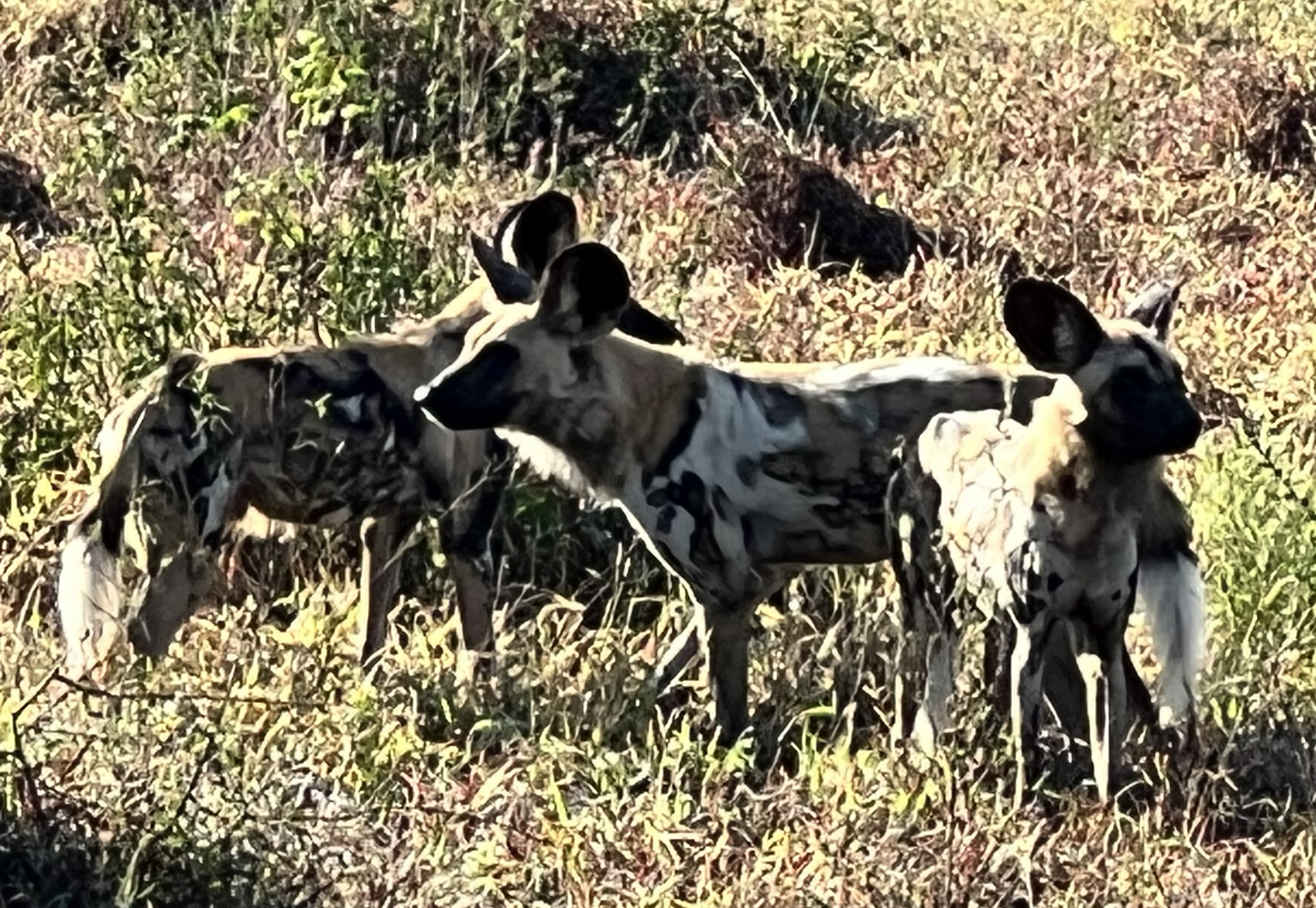
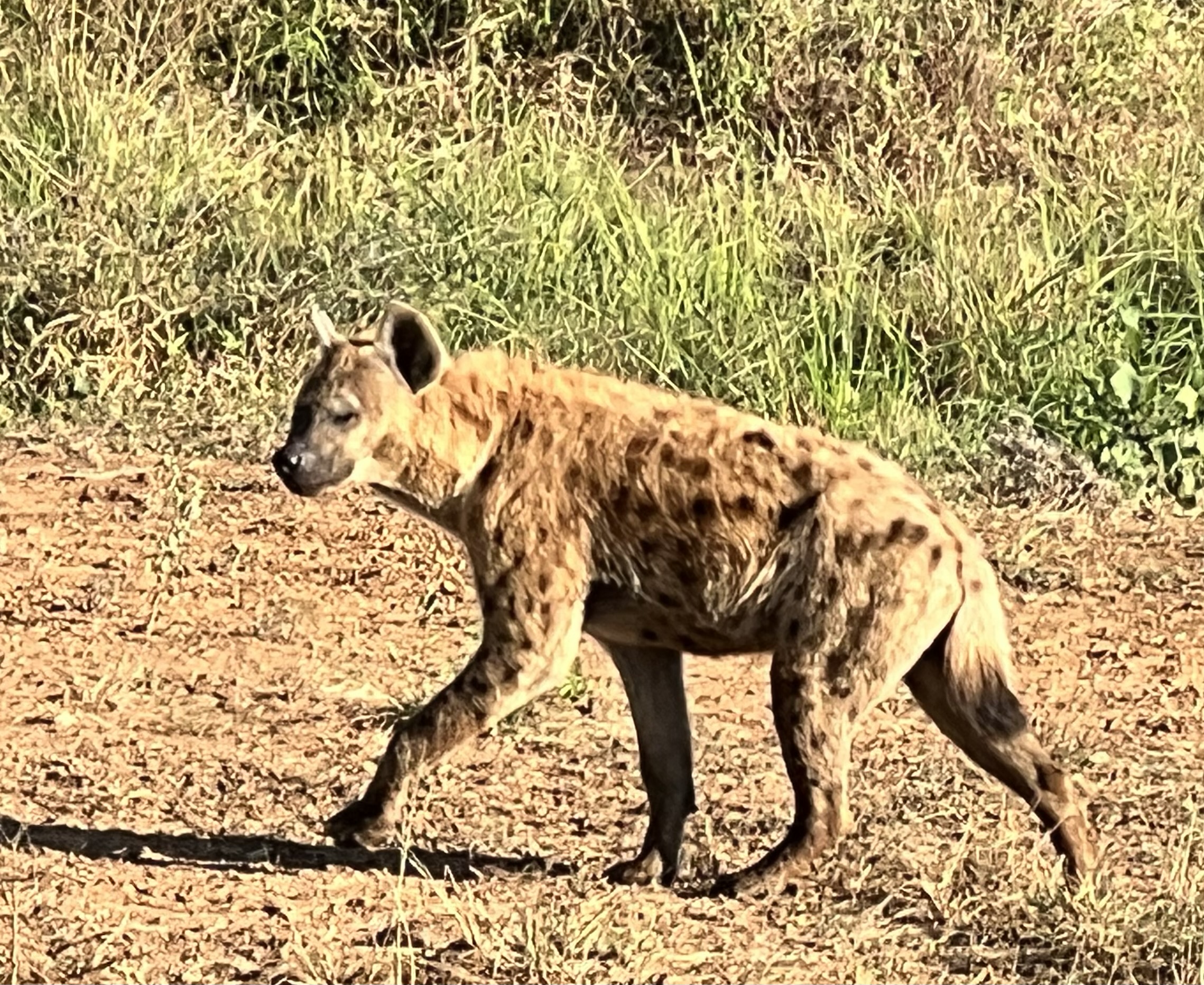
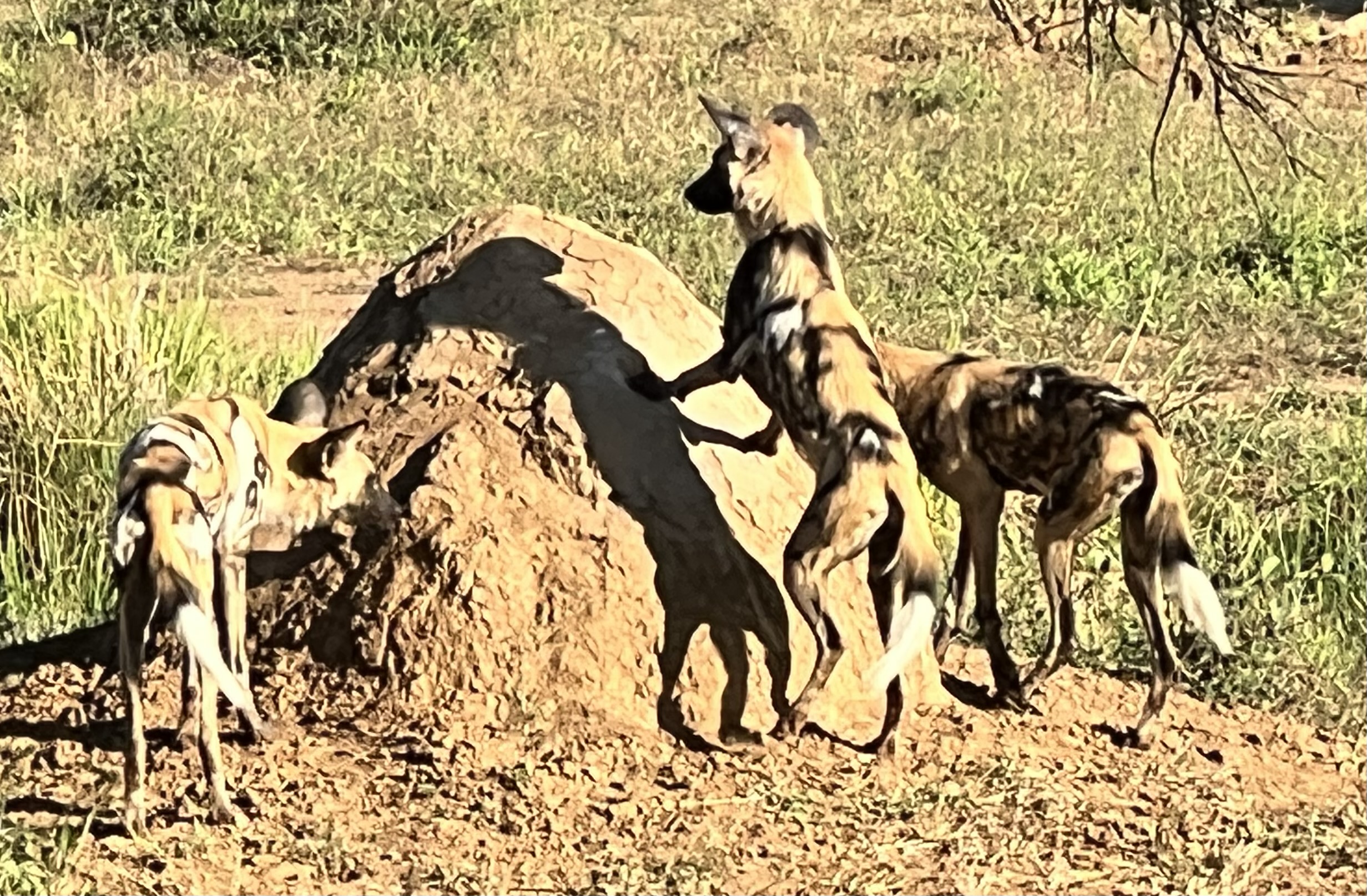
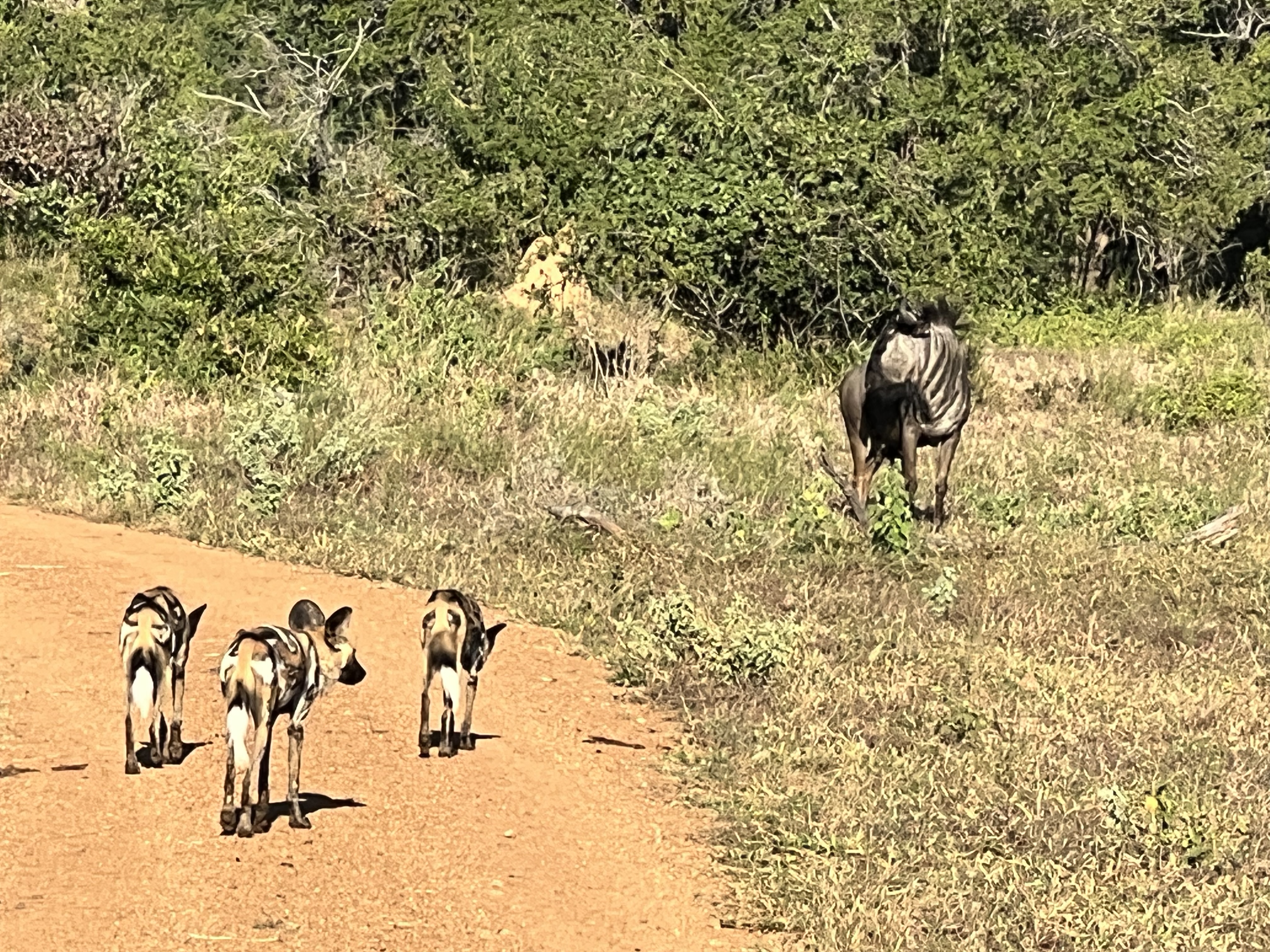
Two hyena are lying with them, which we find unusual, as they are sworn enemies. And of course once they are about to hunt, the dogs chase them out, yipping and nipping at their heels, before tackling a lone wildebeest who is saved by the cavalry – his herd who charge the dogs down. Remarkable.
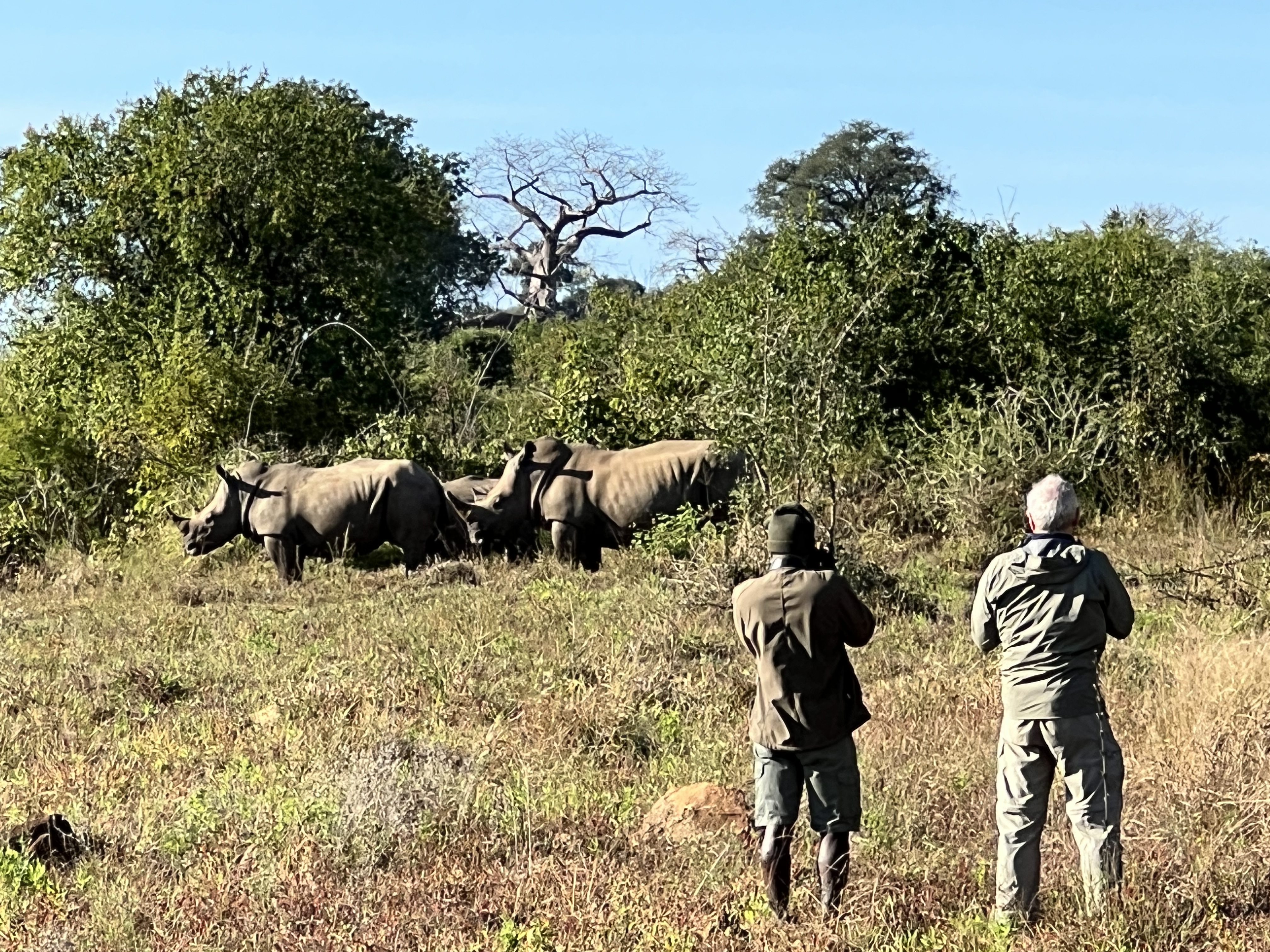
A few minutes later, rounding a corner, Sean spots three white rhinos (four in fact as we discover later). Polite is overjoyed (‘I could spend two hours here, rhinos are my favourite’ – he has tracked them for five years as a ranger). He leads Ross and me up stealthily to get a close up view. We are down wind and they can’t see, so although they know something isn’t quite right, they can’t tell what!
The other great excitement is seeing FOUR leopards – well, we see three but Cindy sees four. The first on the way in and the third and fourth sightings as follows.
One night, after showering and en route to main tent, there is a cacophony of blood-curdling babon shouting. Convinced a leopard has got a baboon, Polite dashes to get Brighton, the camp manager, who grabs the spotlight. Sean is in his shower we realise later as we abandon him in the excitement. A little away along the track we find a Baboon carcass, rictus grin, but no leopard. A rustle on the right and that’s where we think she is. Turn around and shut down the engine. The two in front are whispering, Cindy is coughing but we sit it out for 20 plus minutes. Suddenly Brighton shines the spotlight and there she is, baboon in mouth. She looks at us. We look at her. She shakes her head and she is gone.
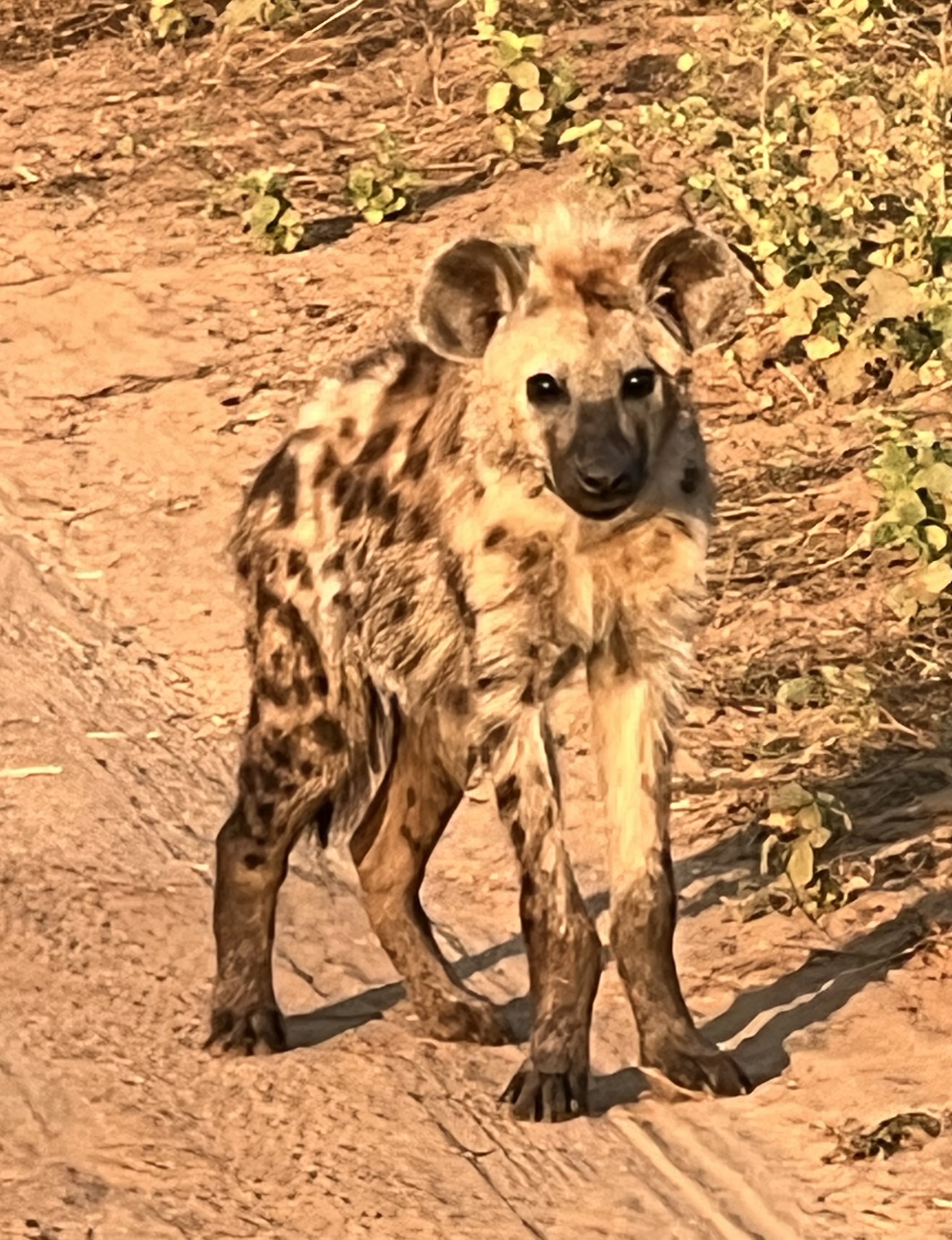
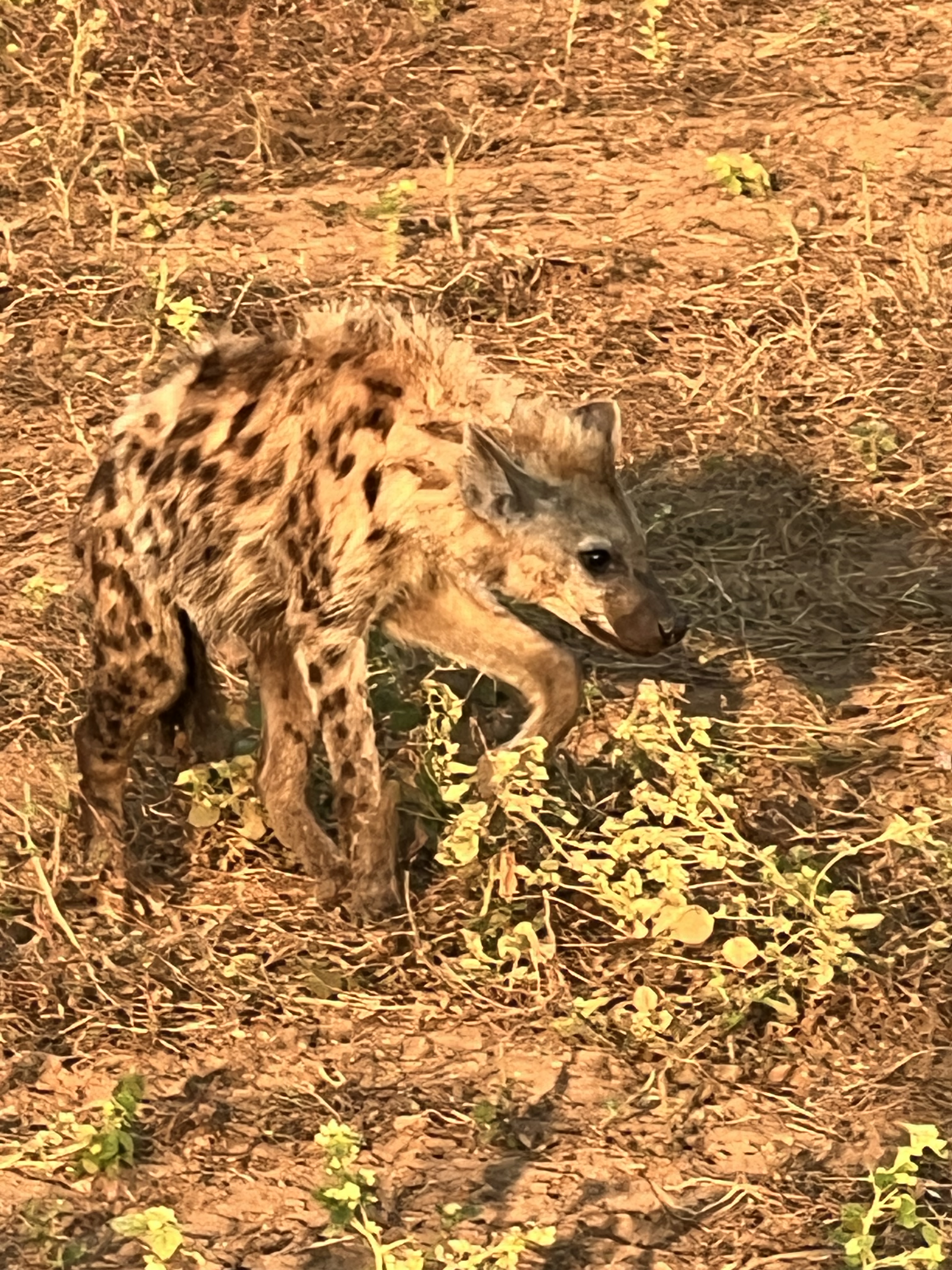
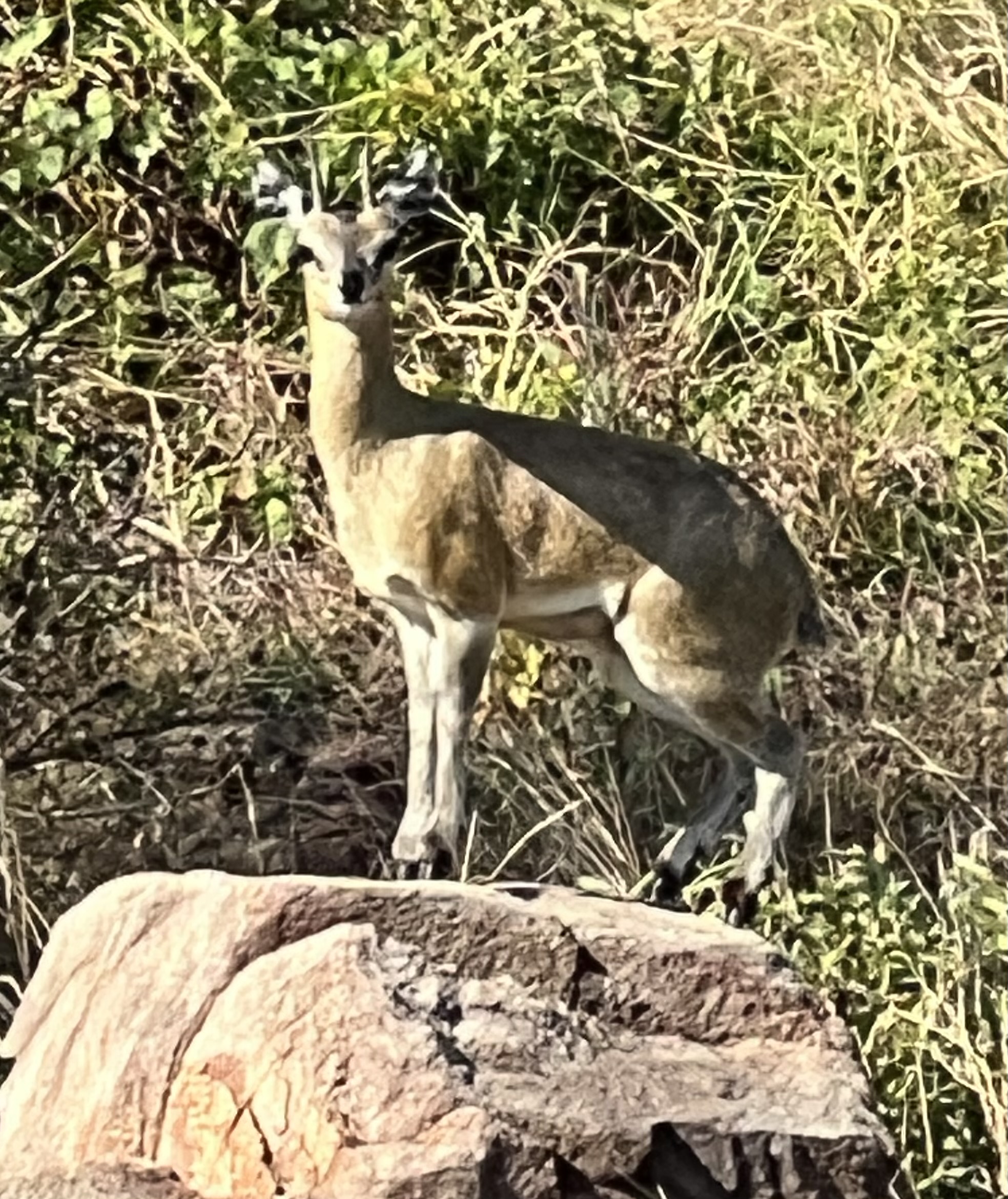
Baby hyenas can be cute! and a klipspringer
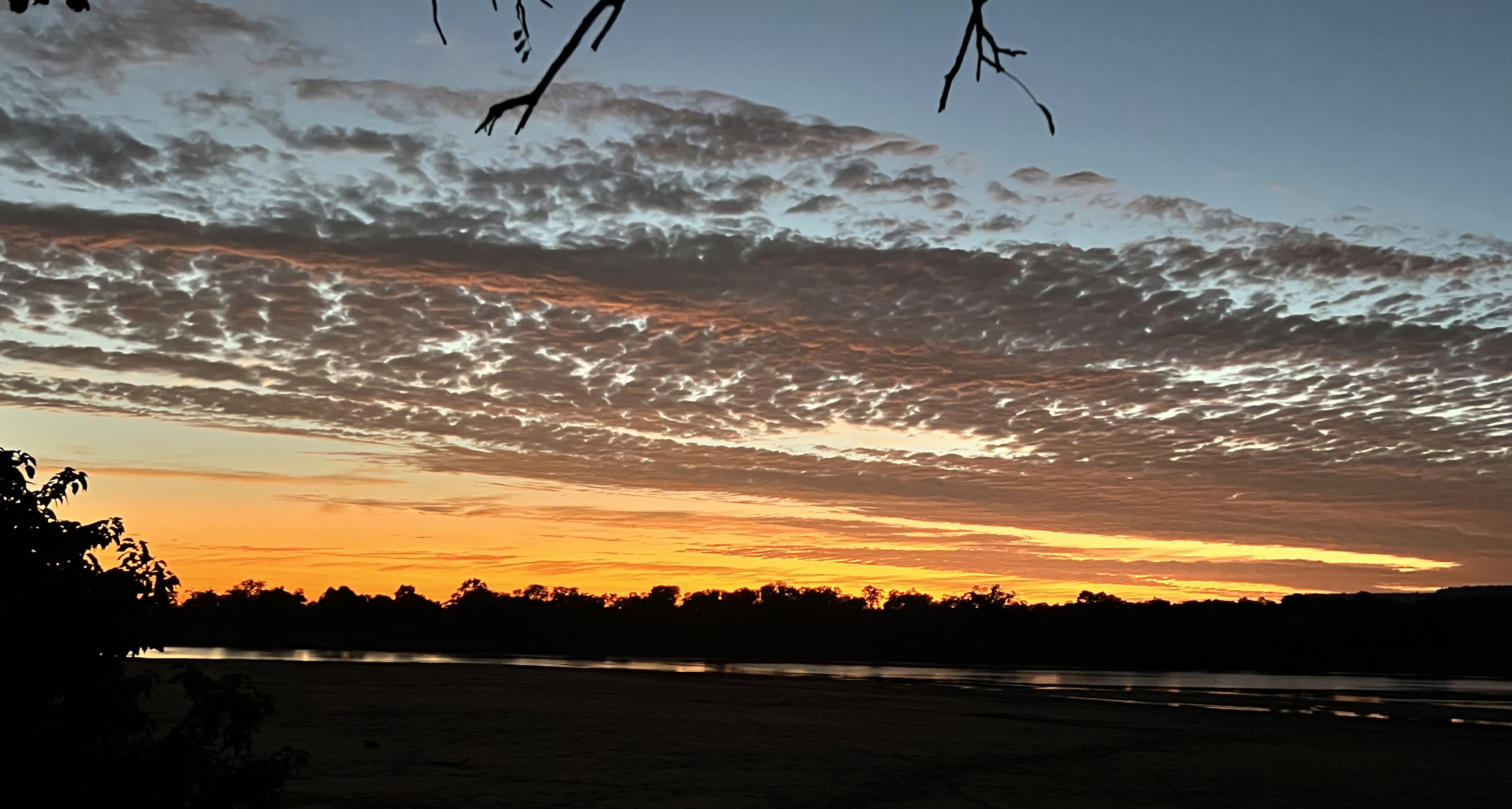
It’s Cindy’s 14th wedding anniversary and we’re drinking sundowners on the river bed. Polite is telling us his stories and near-death experiences as a game ranger, from being charged by a dagga boy (old bull) buffalo; almost being trampled by an elephant as he slept, blissfully unaware; stroking a spitting cobra; being charged by a back rhino; he also tells us about the legendary poacher, Shadrak, who operated out of a hollowed out baobab and is a local hero. As Shangaan lands were confiscated and villagers displaced, there is a strong revenge element to poaching, he tells us.
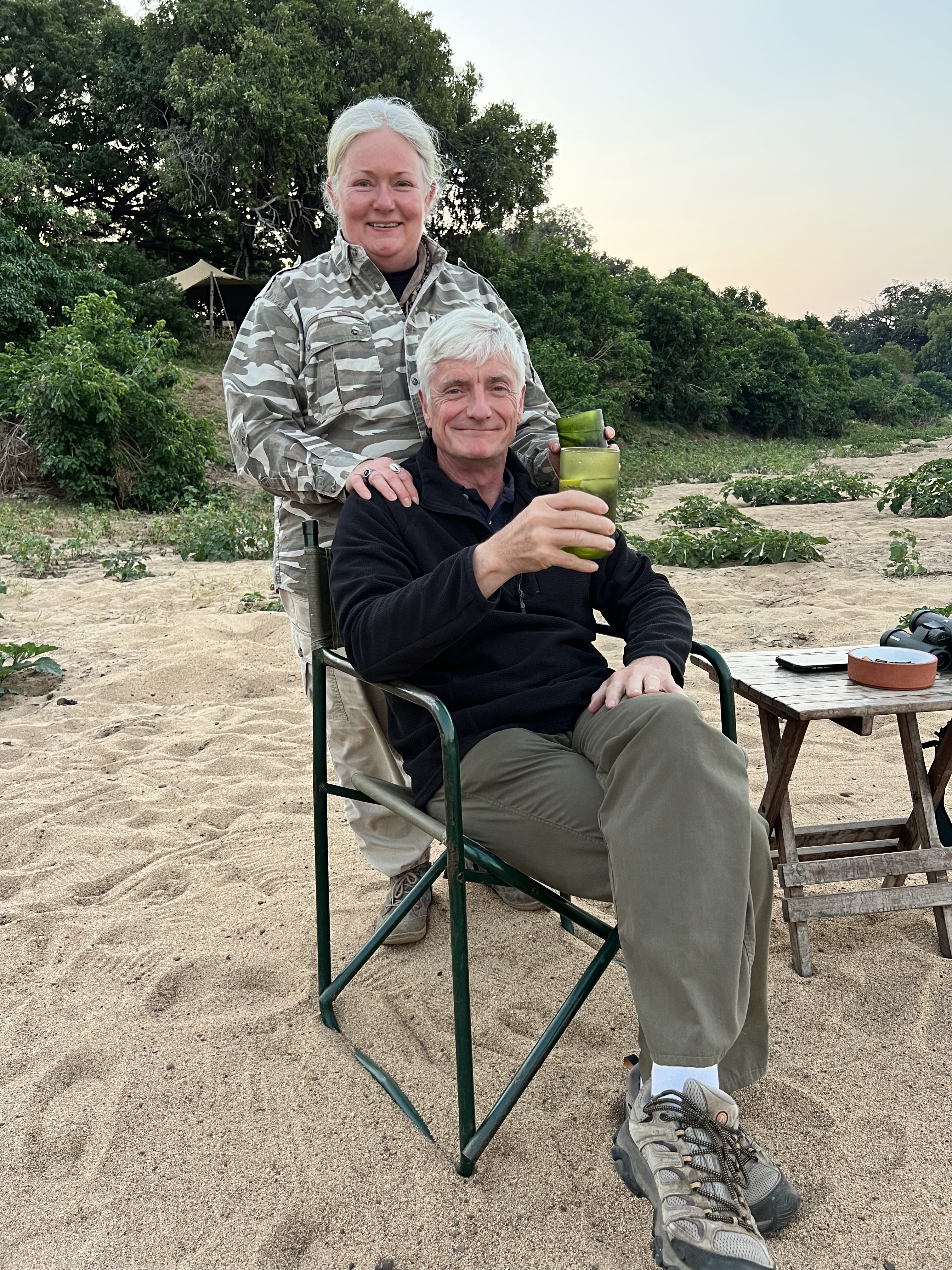
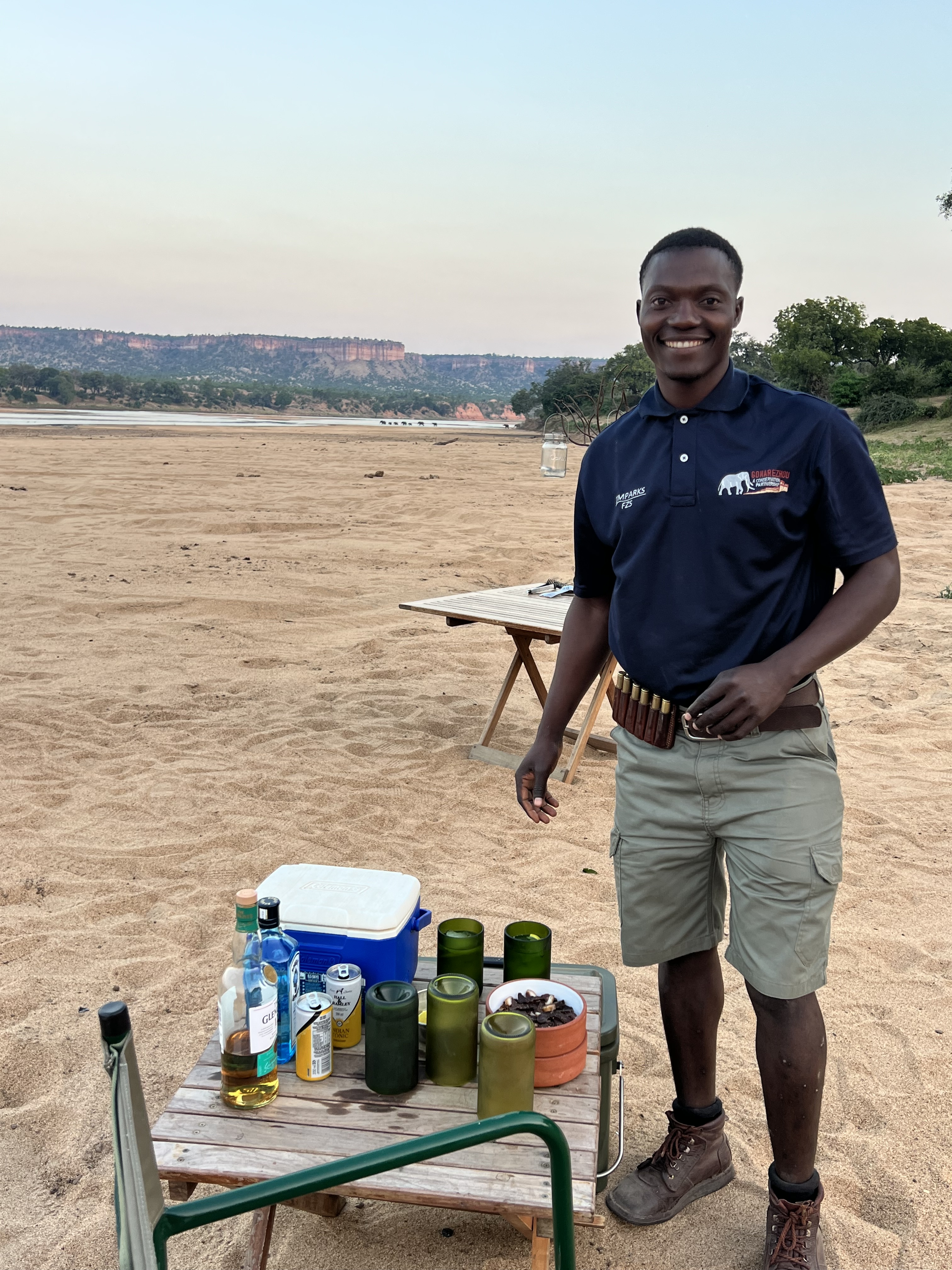
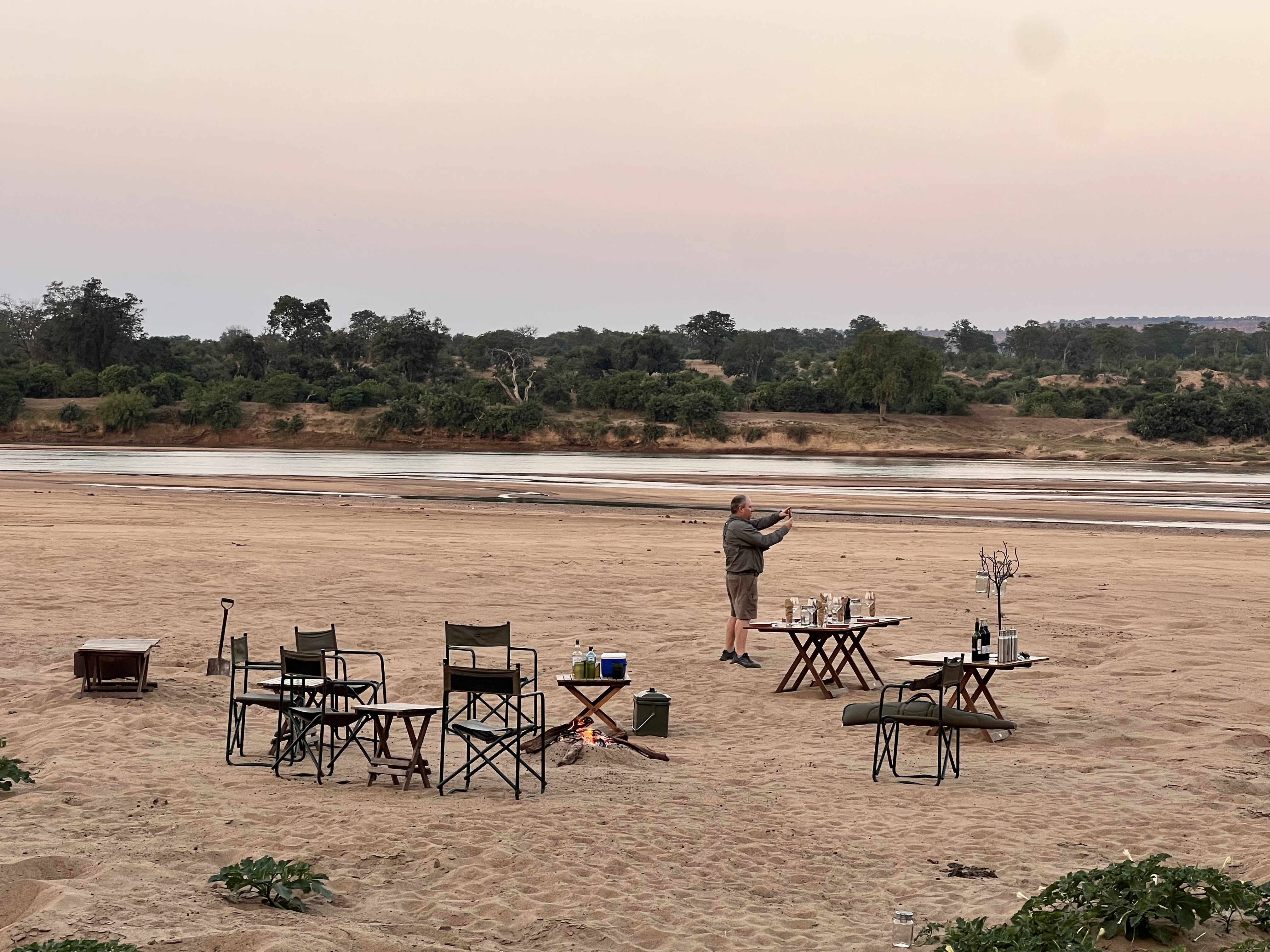
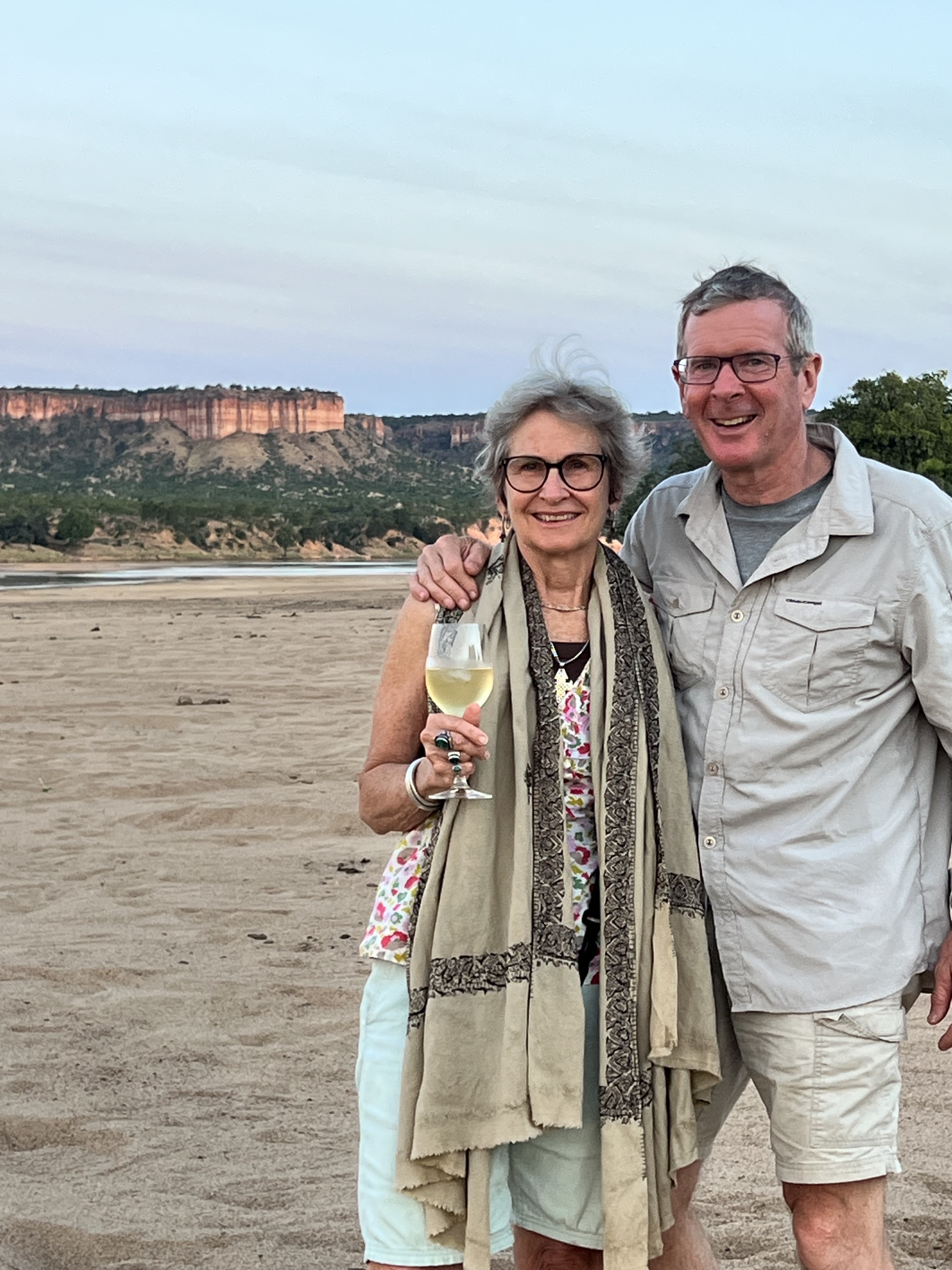
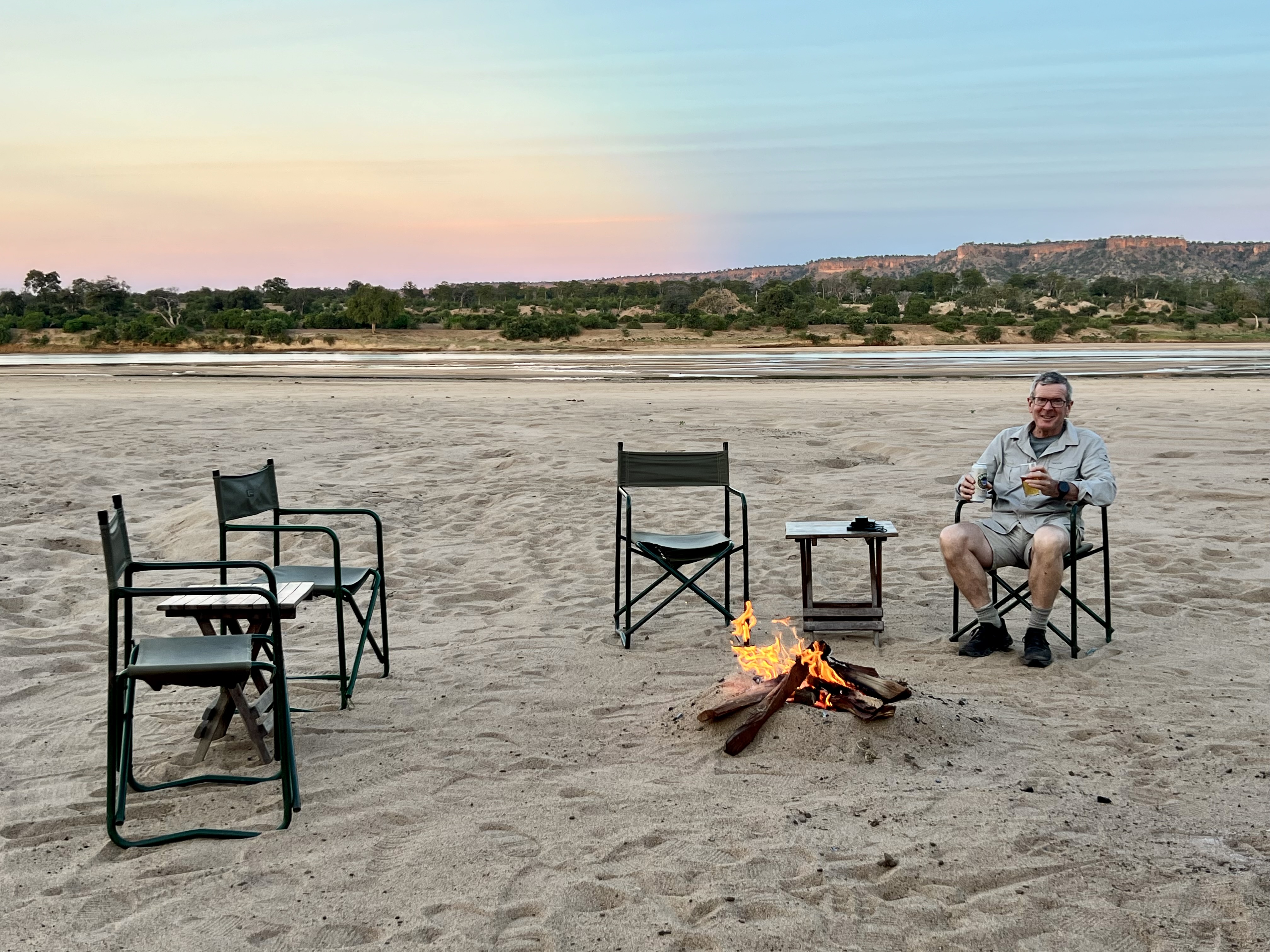
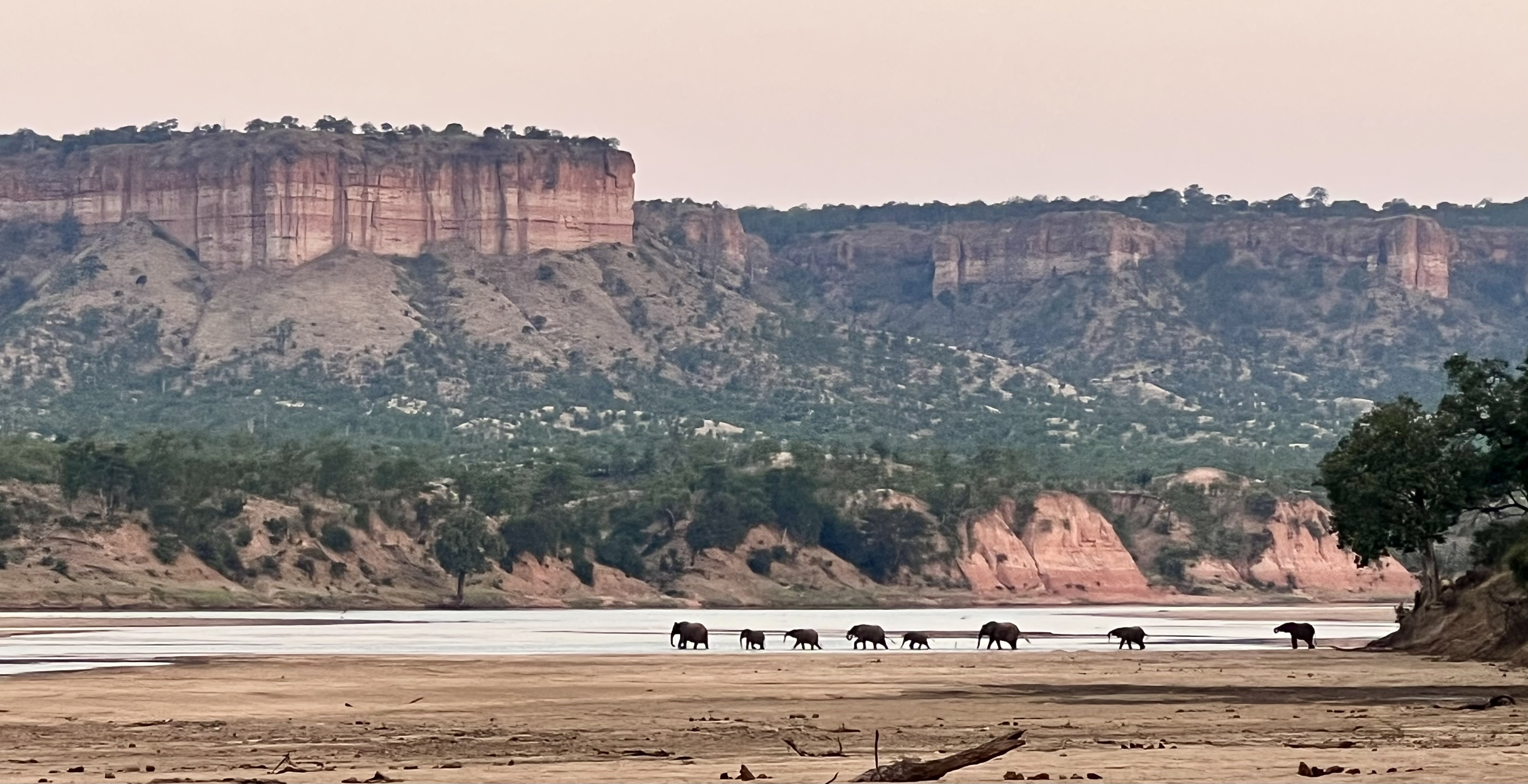
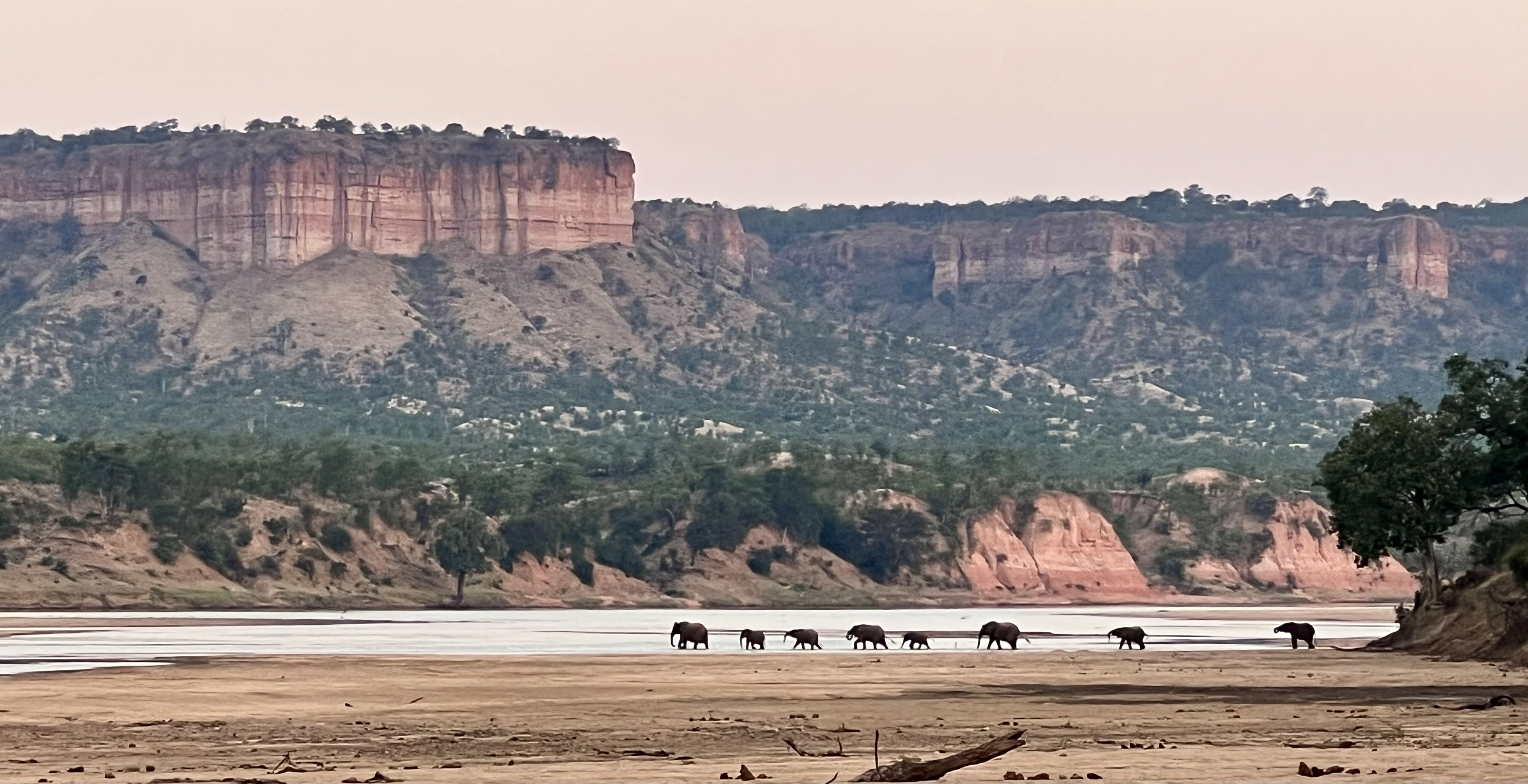
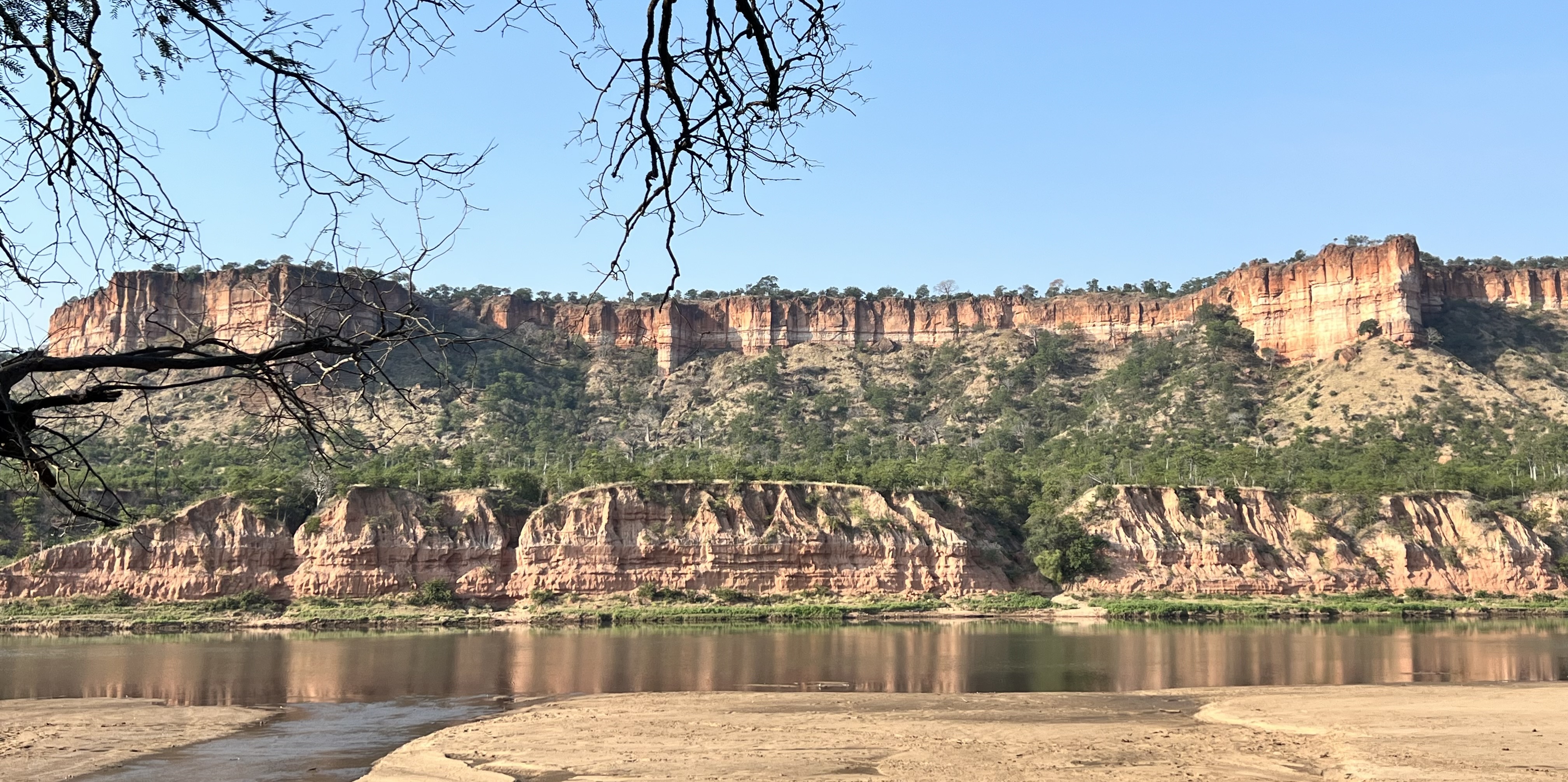
In the distance, 19 elephants cross the river. Against the spectacular background of the Chilojo cliffs, ochre-red in the evening light.
We are discussing the premier league standings and why people support various clubs: Polite is an avid Man Utd supporter because someone gave him a strip as a child. Suddenly Cindy asks what has green eyes in the dark, we shine a torch and there is a leopard! The torch light reveals its shape – sitting up like a cat. We watch it until she slinks away. Is it the same one as last night? The impalas are barking as we go to our tents. There is an elephant outside the tent as I write this. Munching and breathing heavily.
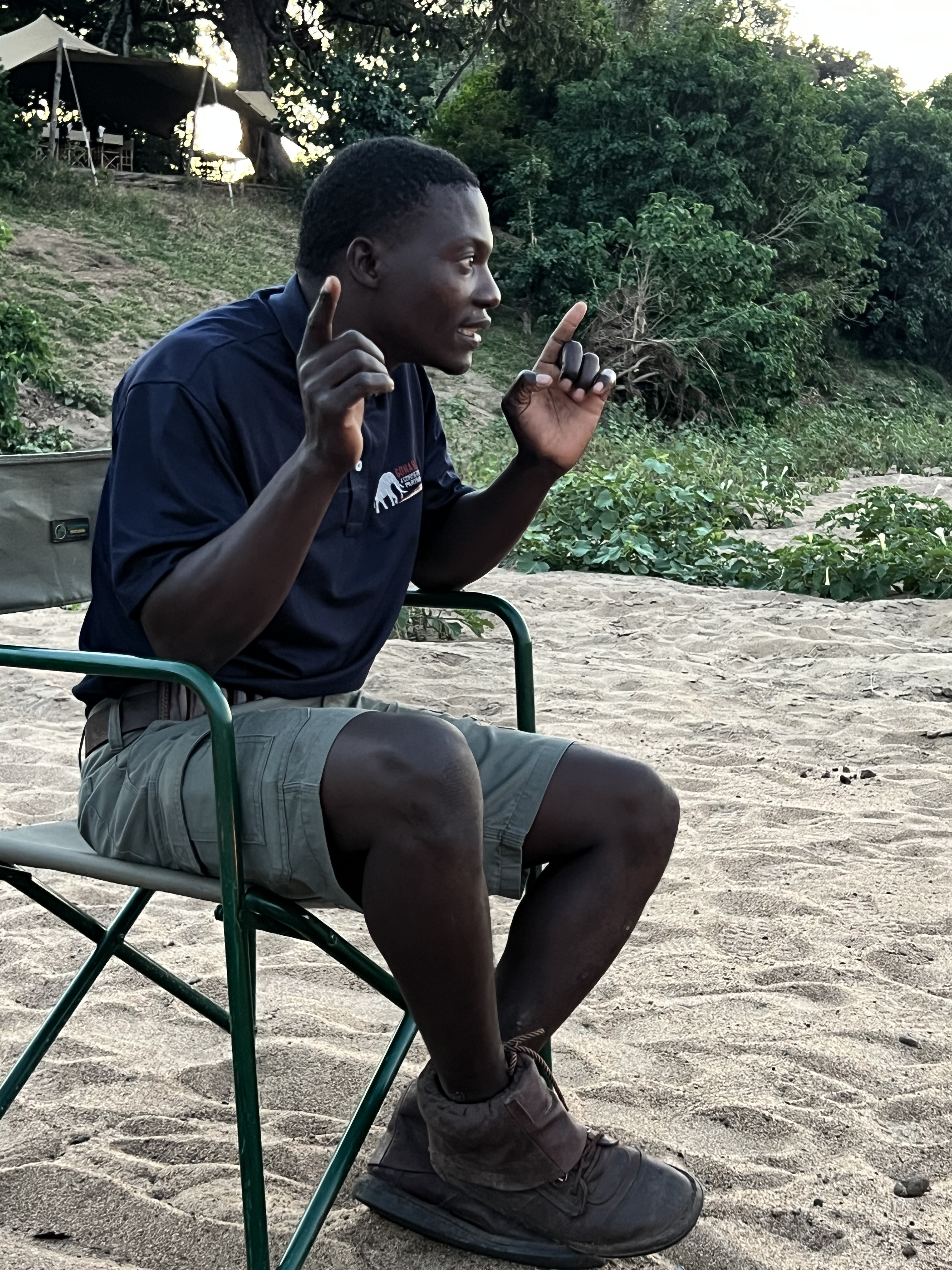
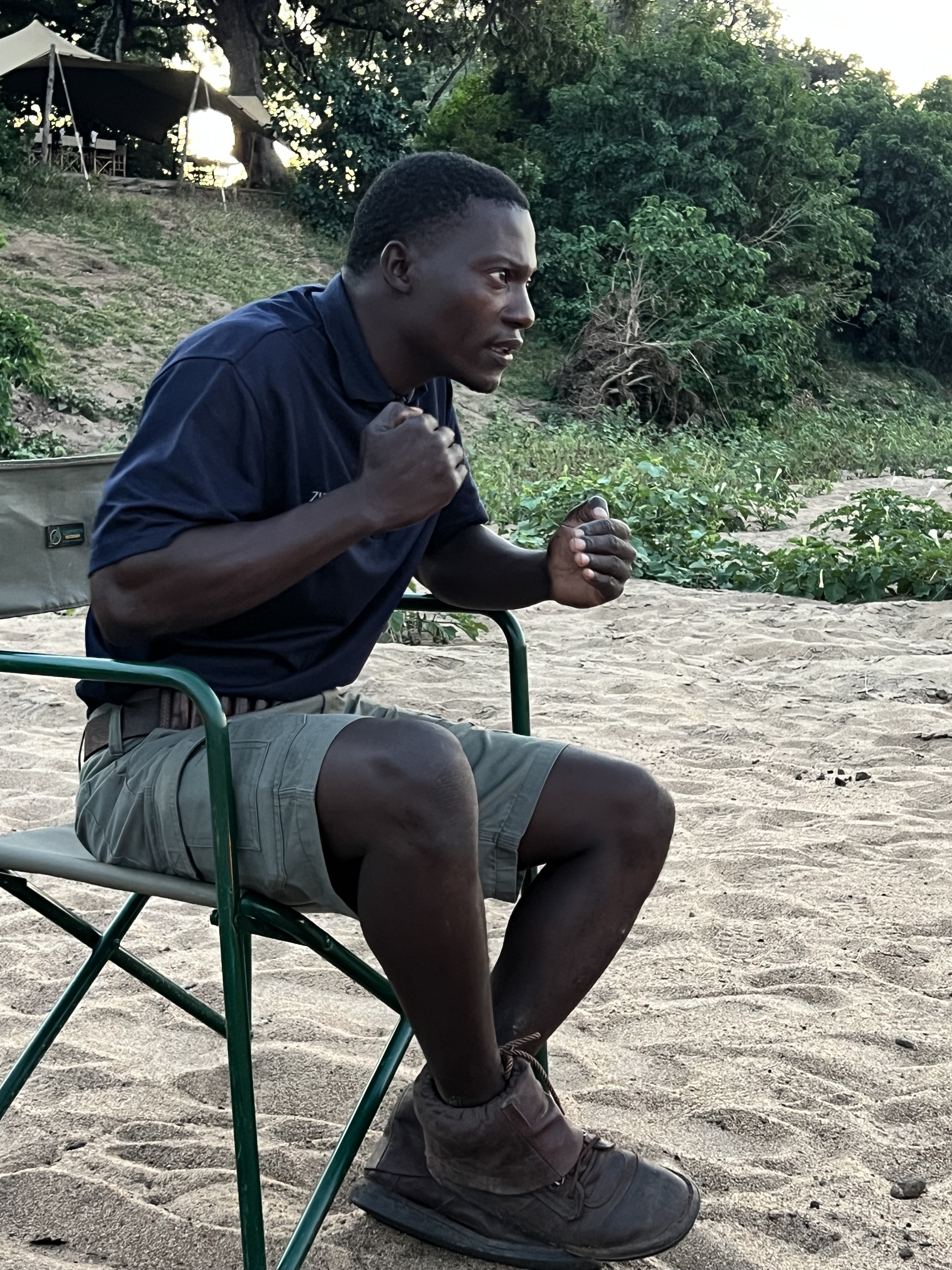
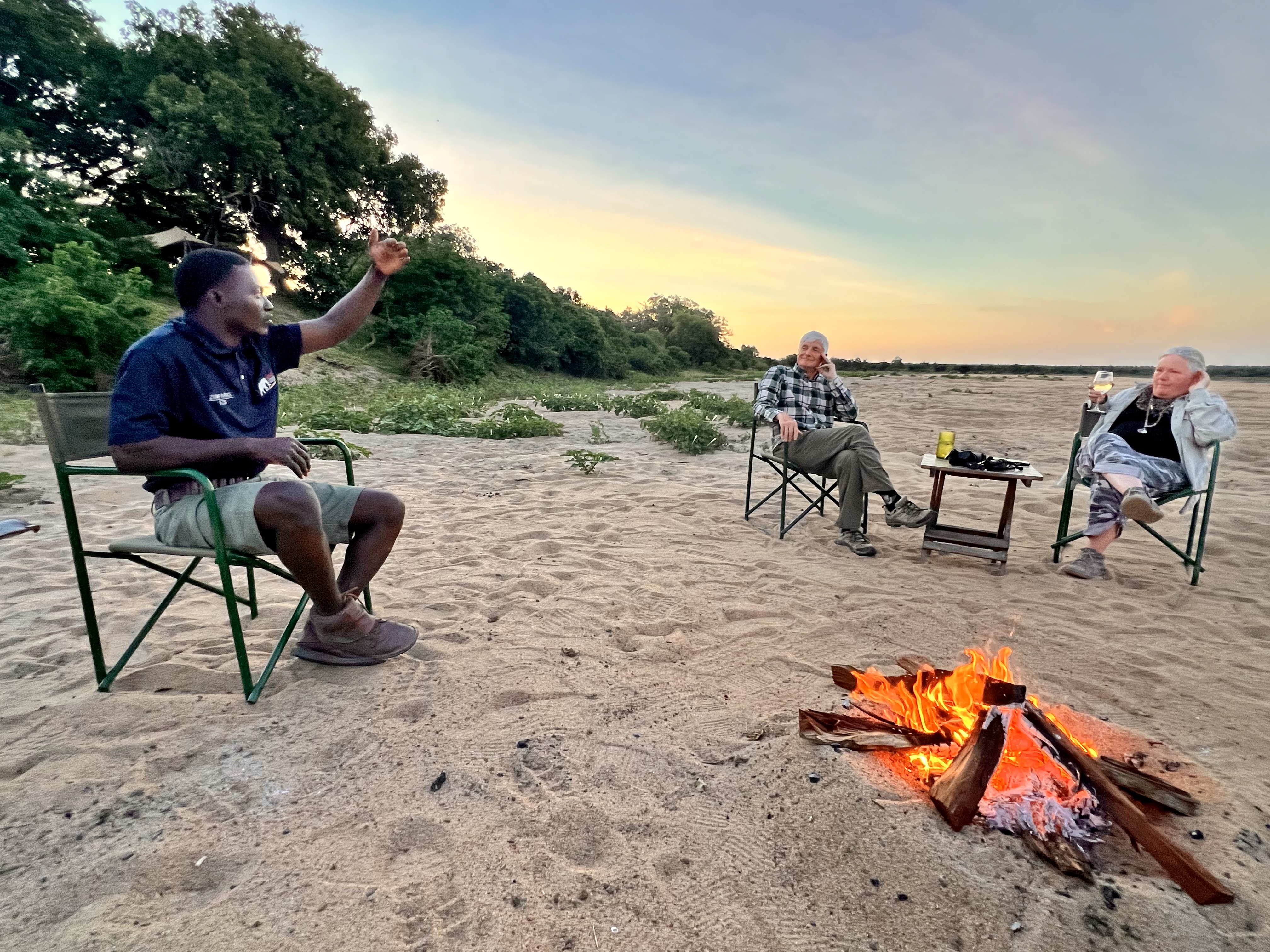
Fireside tales
A big day our ends with us having lunch on the Broken Bridge – it is the border between tribal and park land, and the vegetation is markedly different – thick bush on tribal land side and mown down grass in the park.
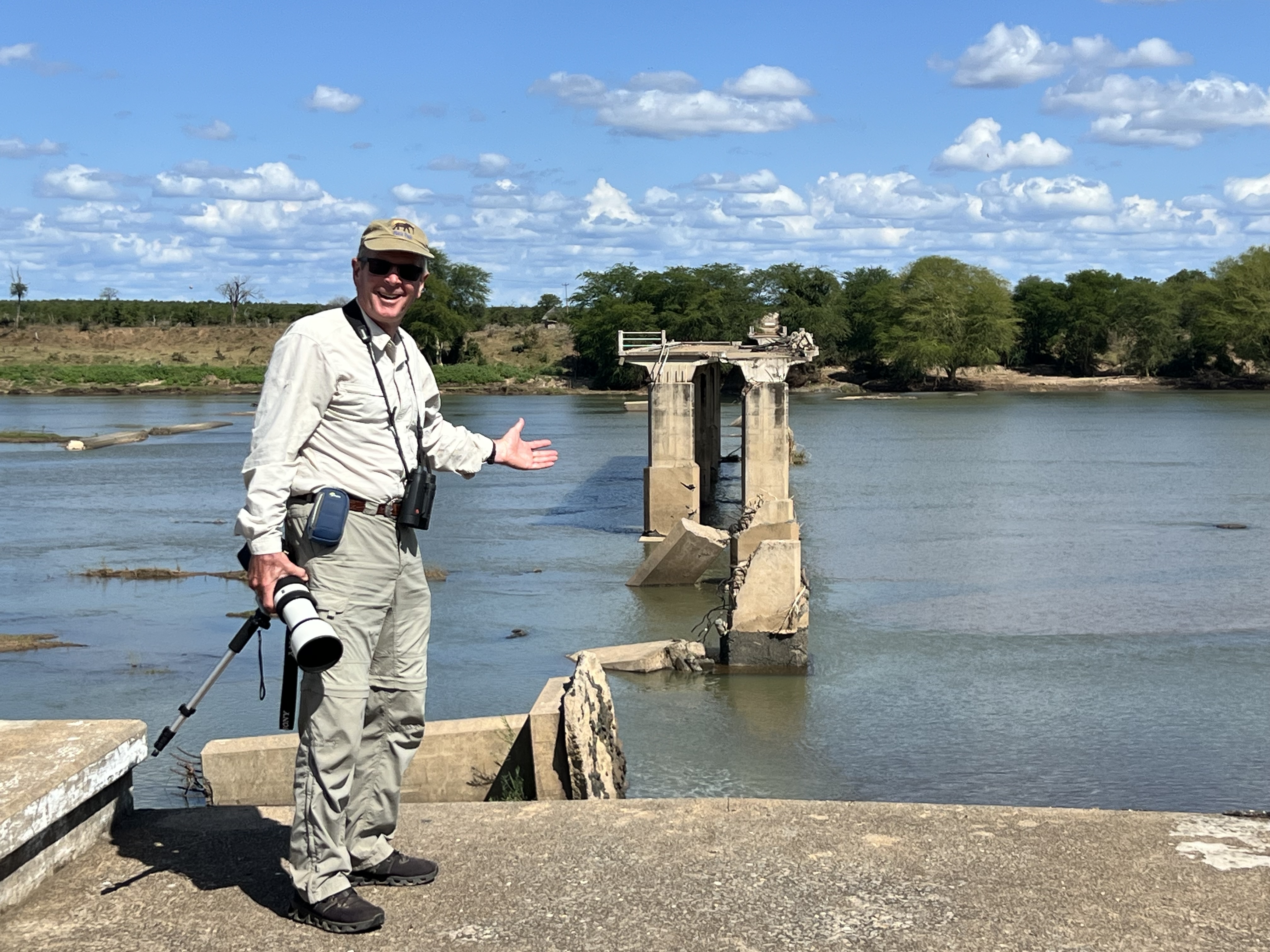
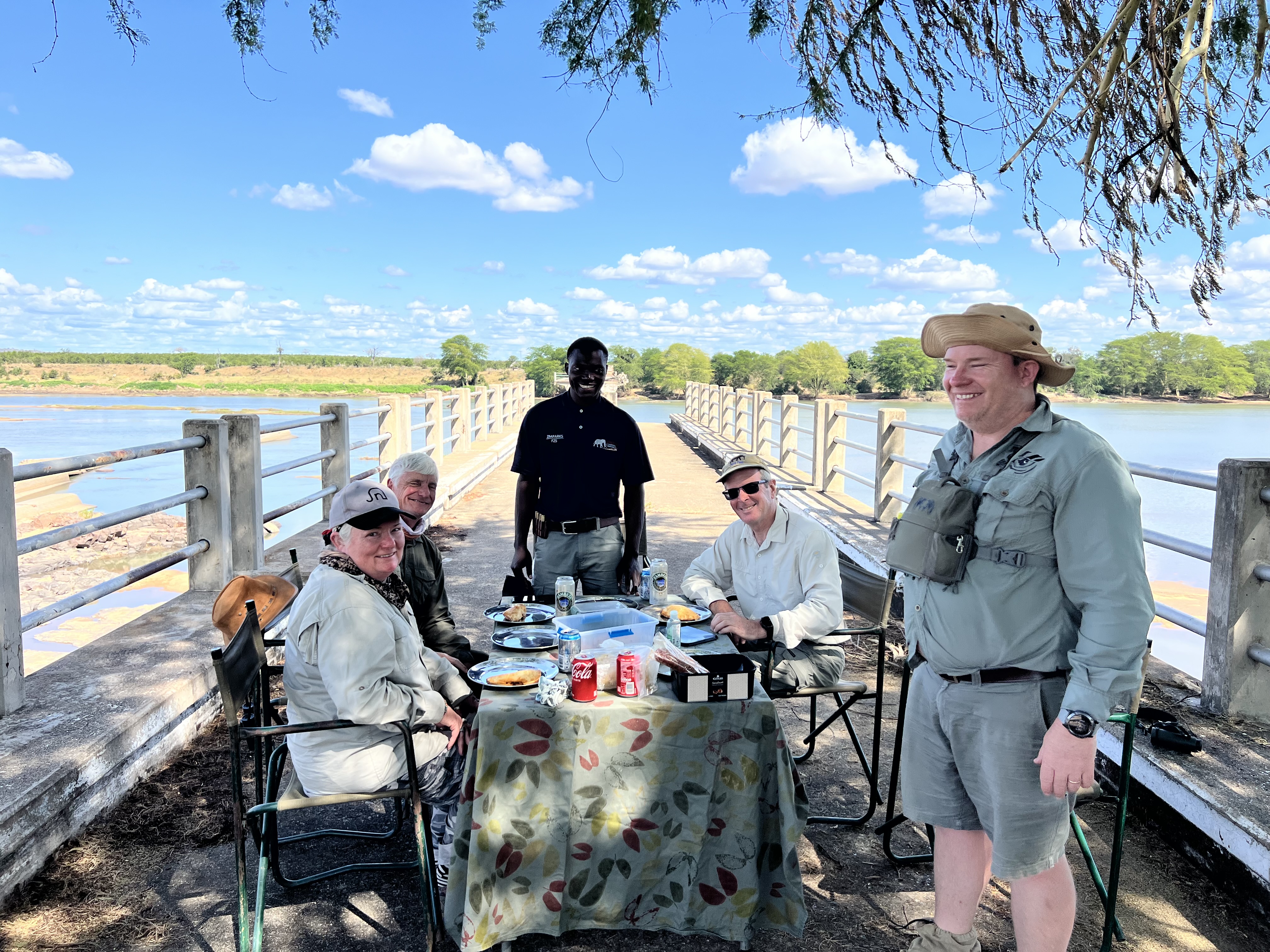
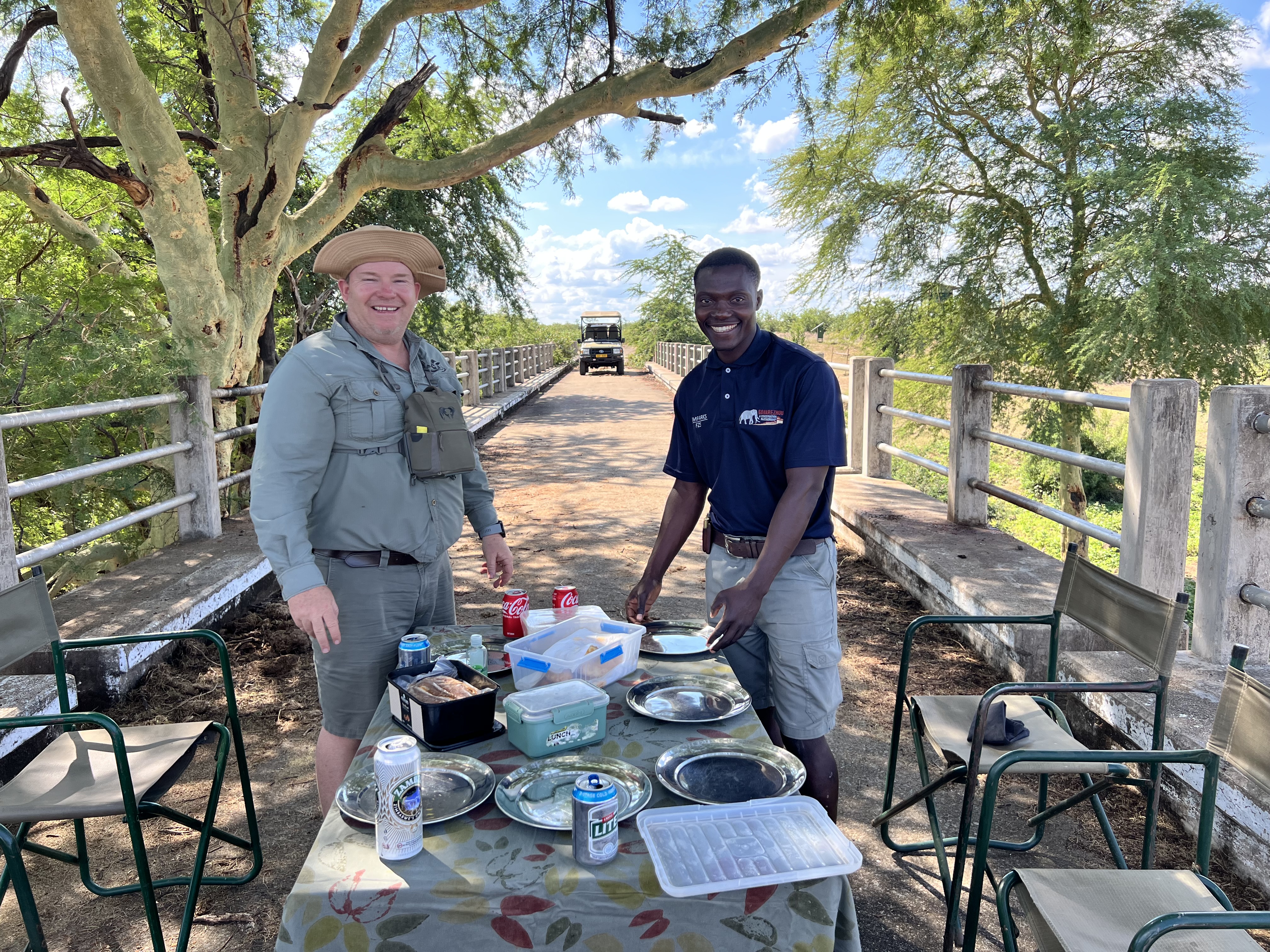
And so our eight days come to an end. But there is one more excitement on the way to the airport: a tree has fallen across the road and phhht – a puncture! Sean is amazing and changes the tyre in 10 minutes.
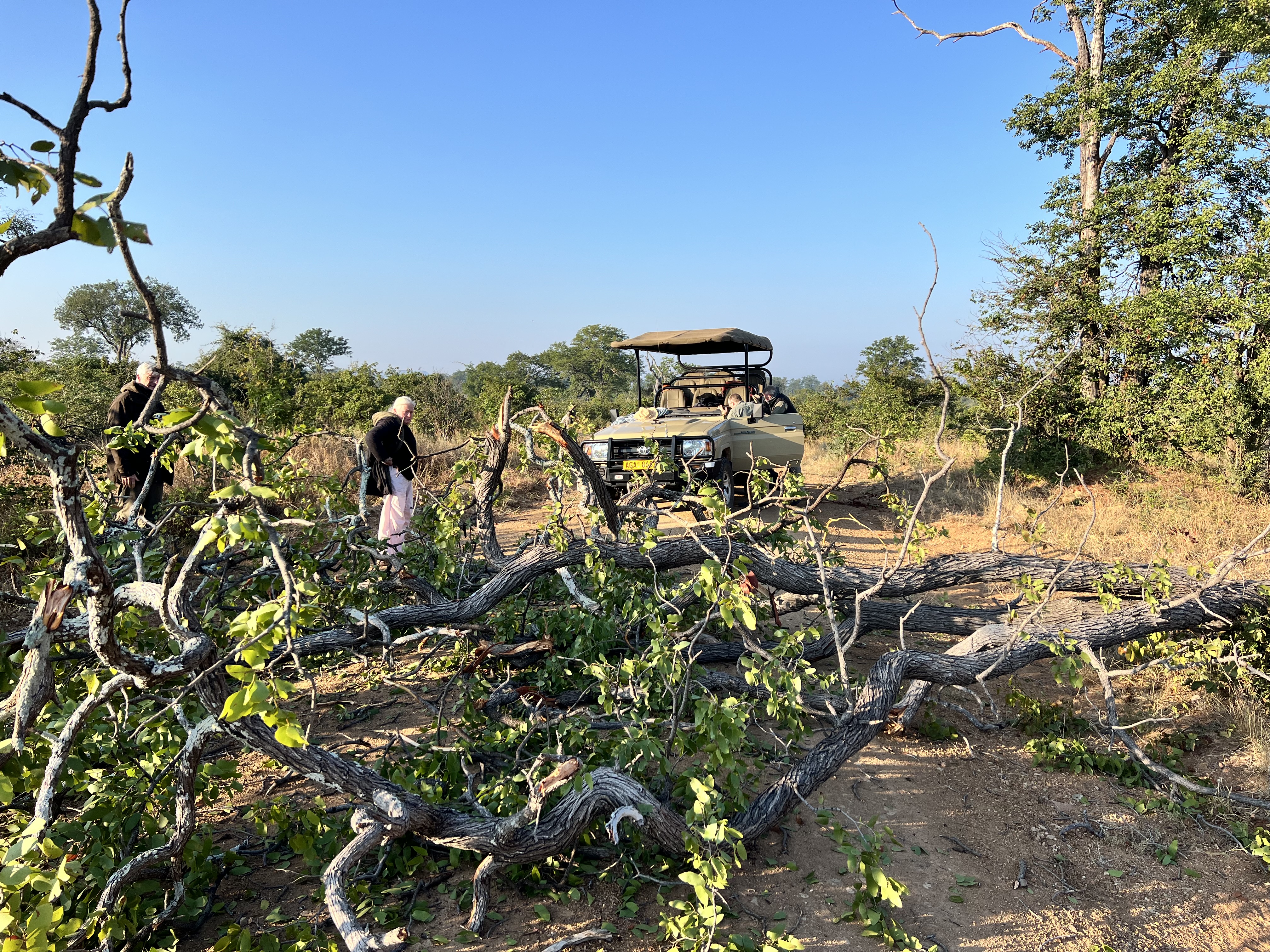
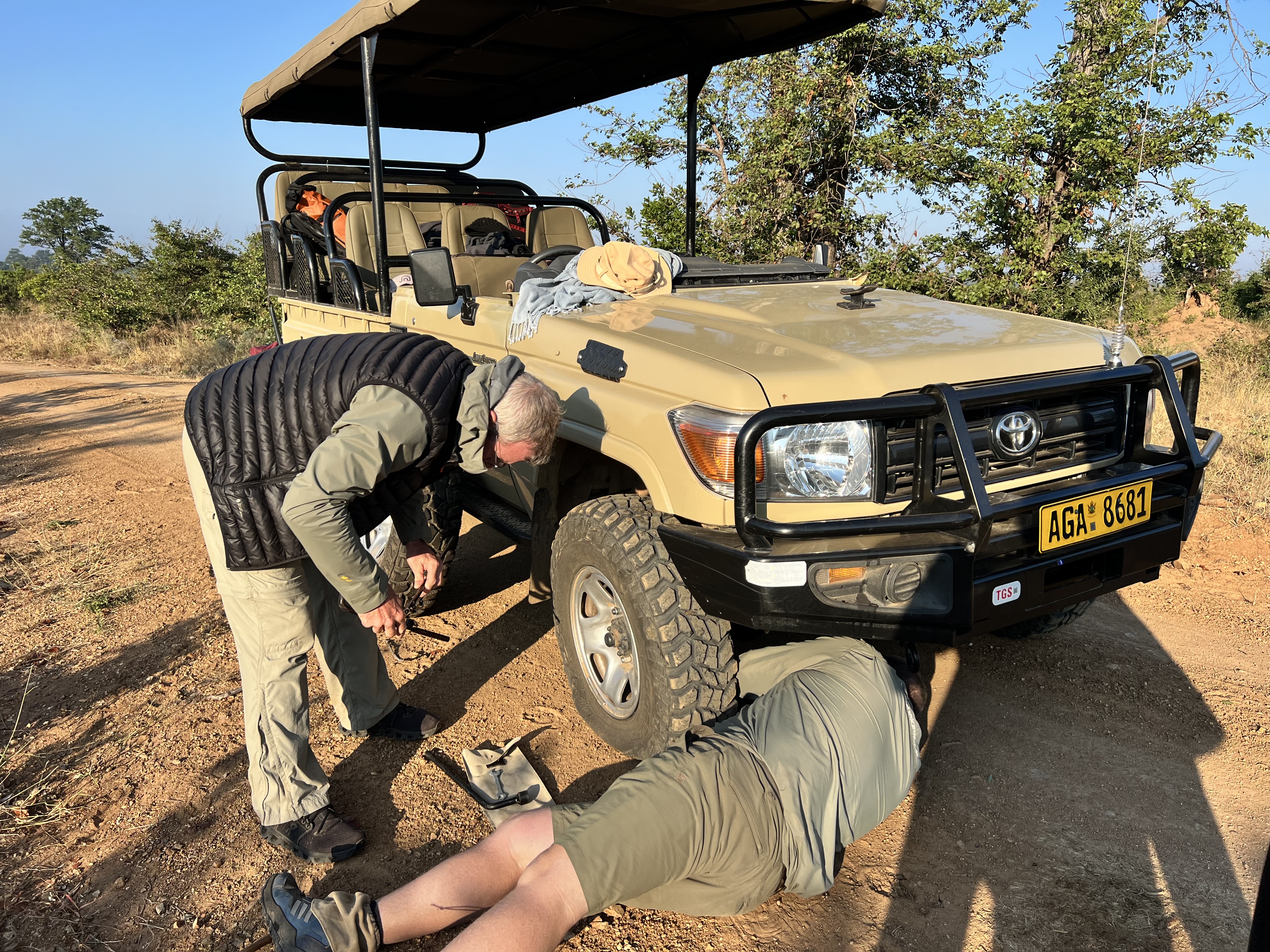
And then to cap it all, driving down escarpment, sharp-eyed Cindy shouts stop! Unbelievable sighting of two lionesses in the far distance sitting up – even Sean had not spotted them!
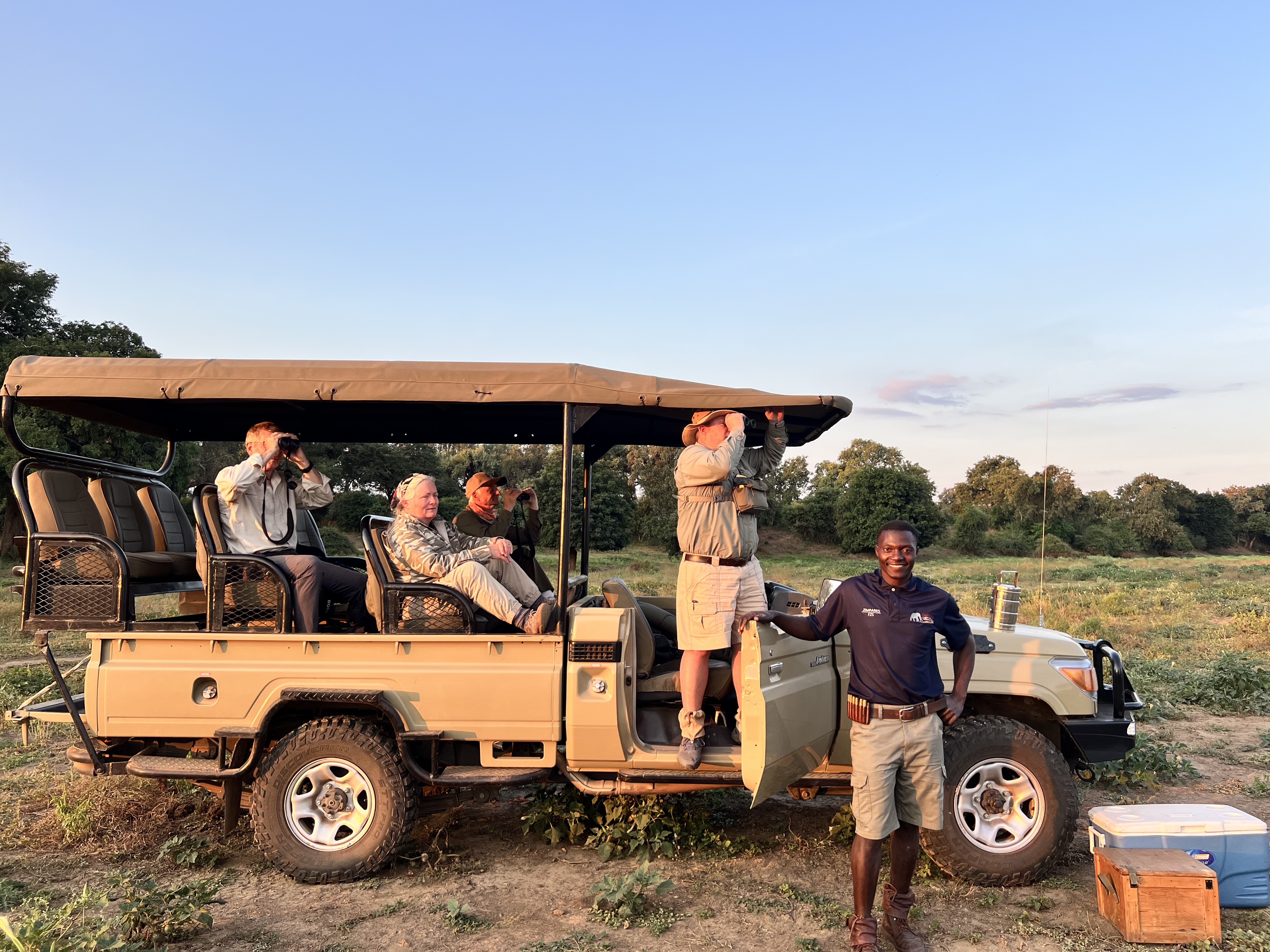
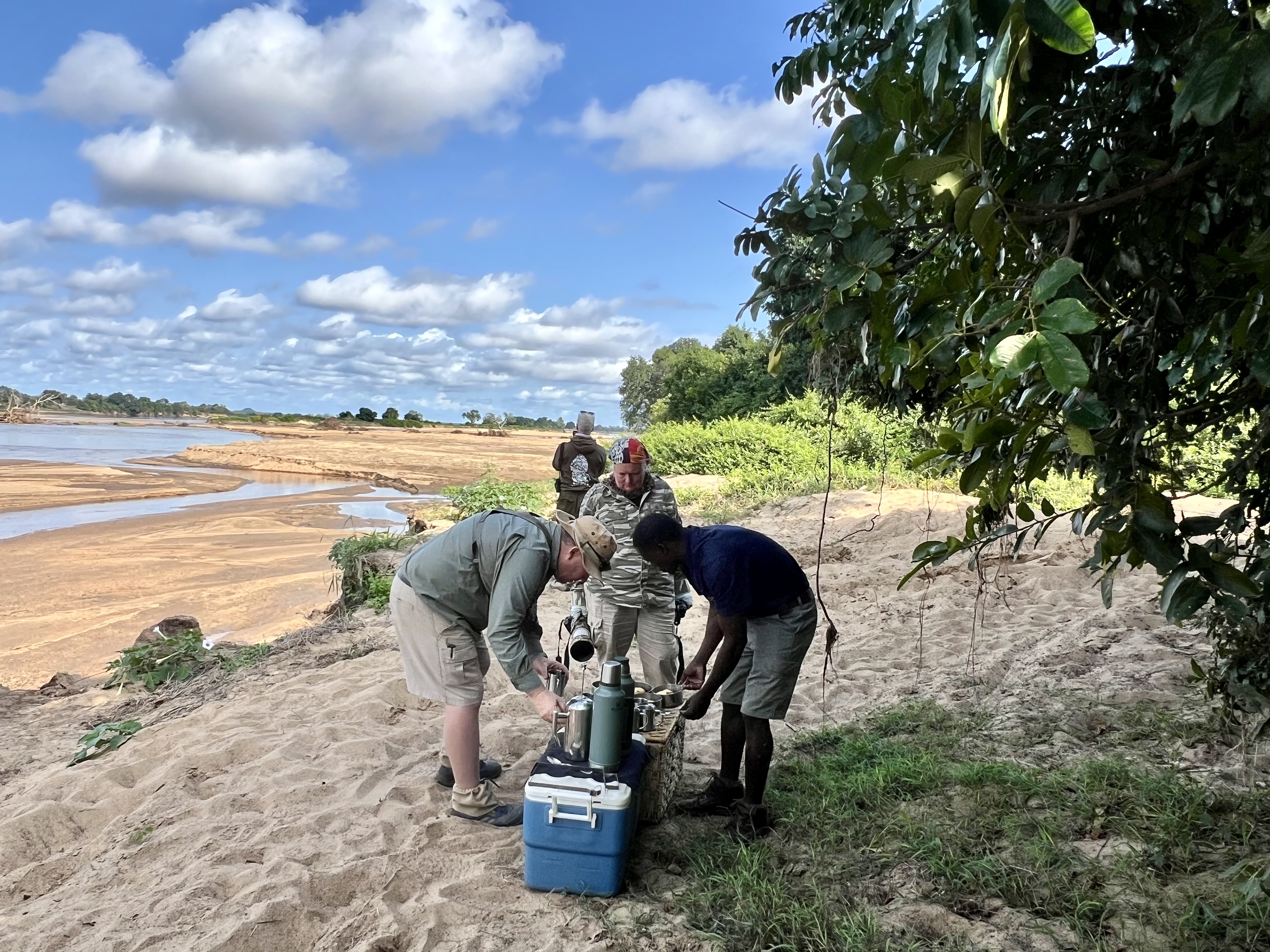
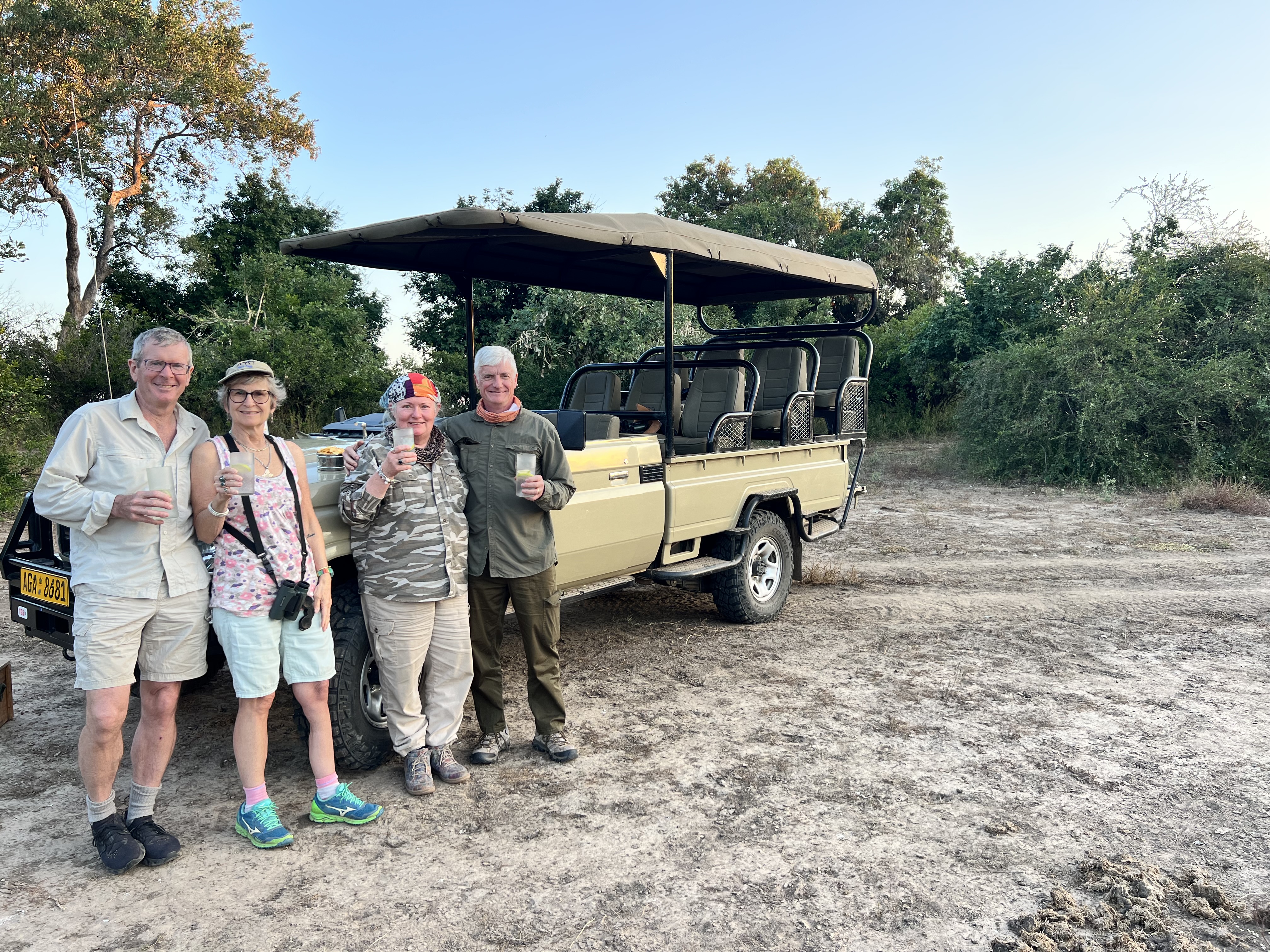
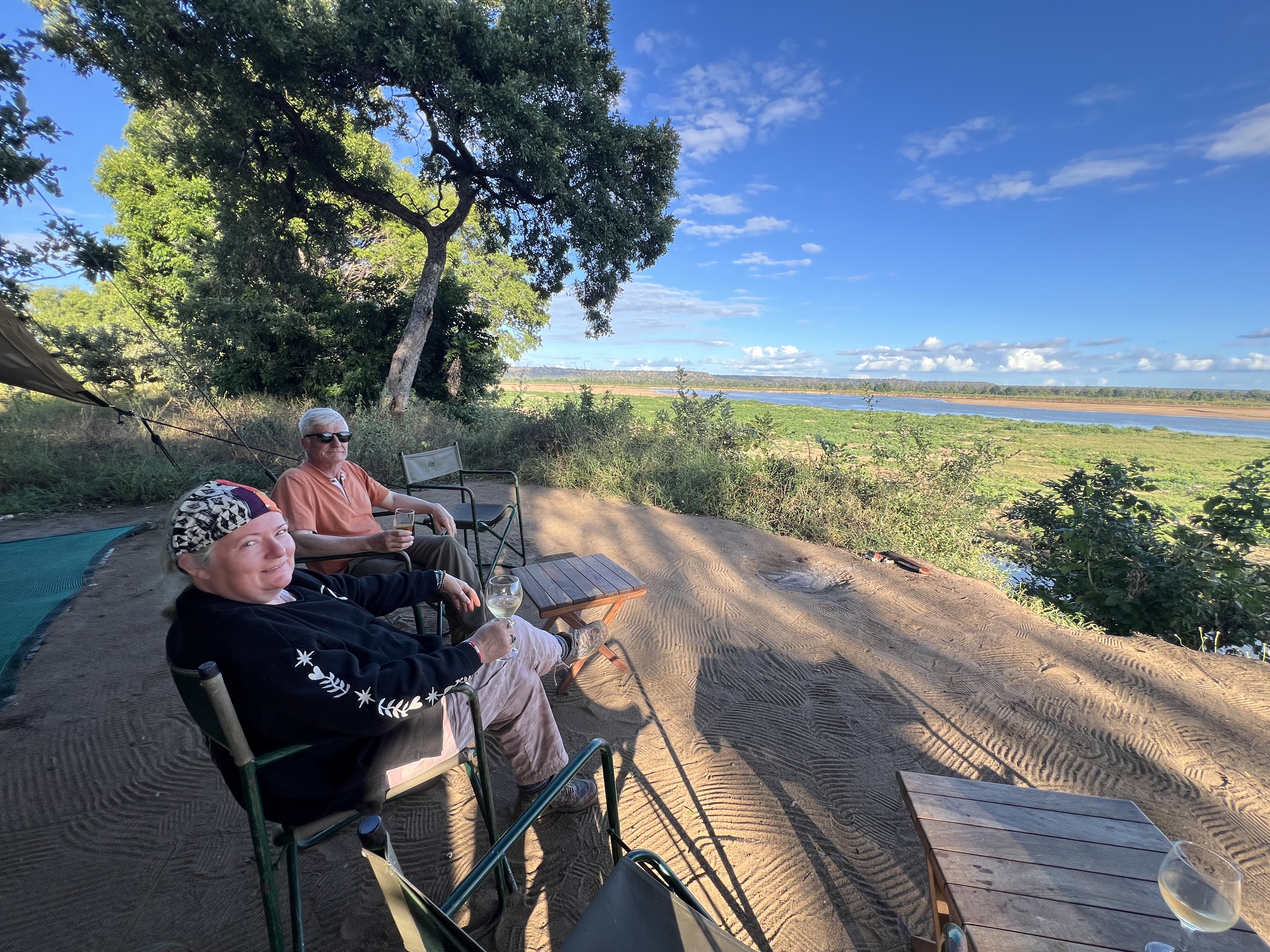
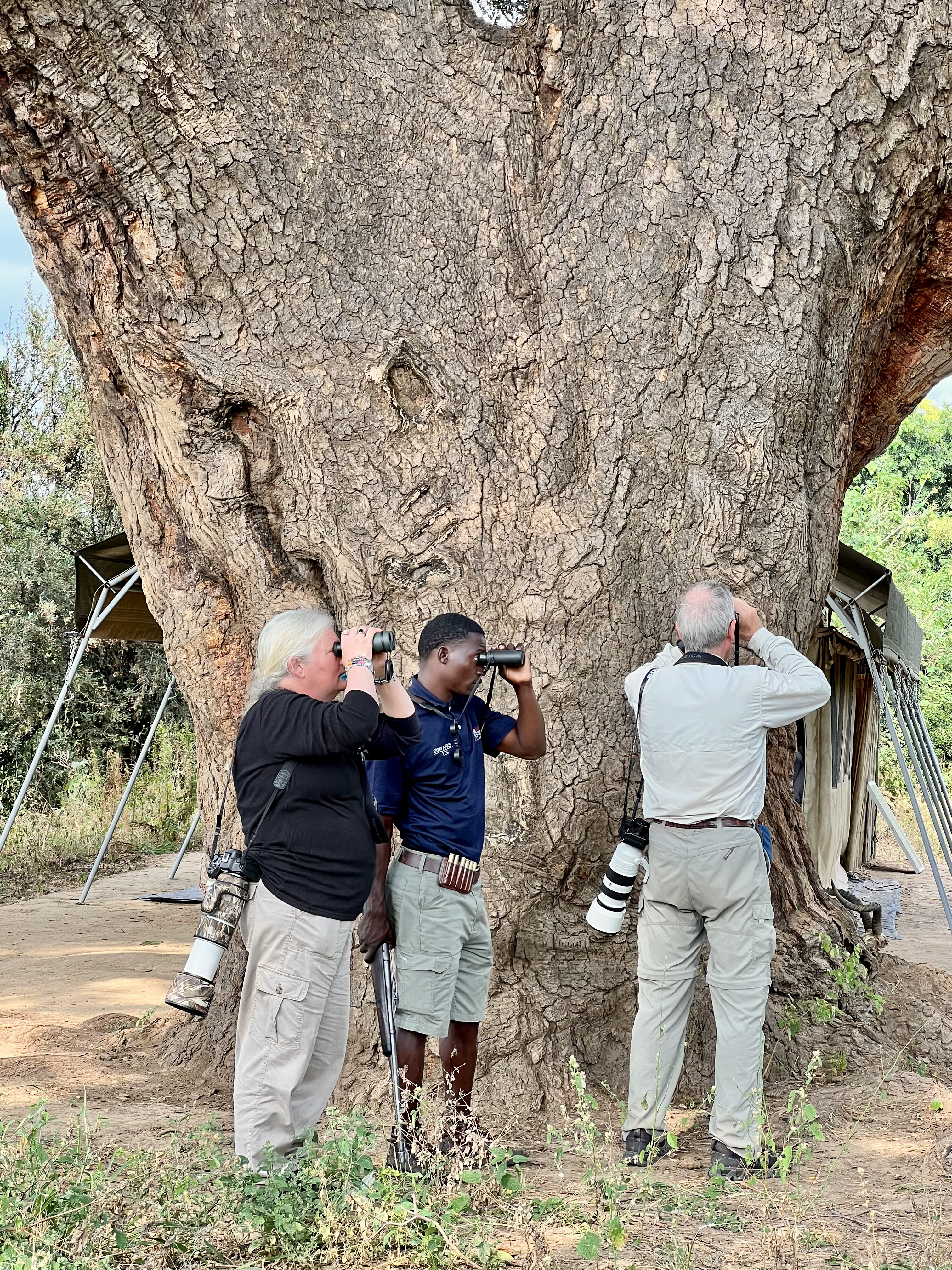
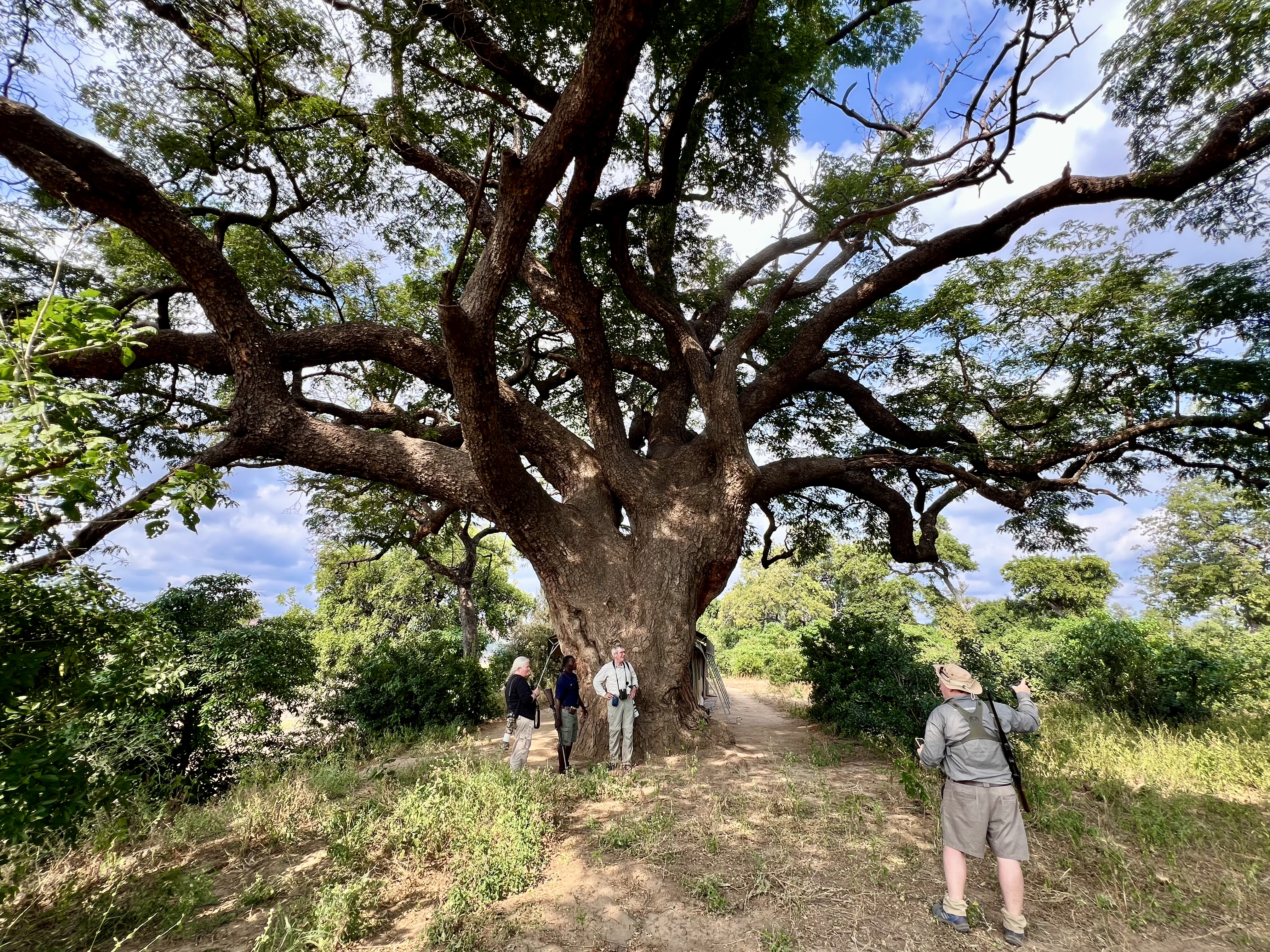
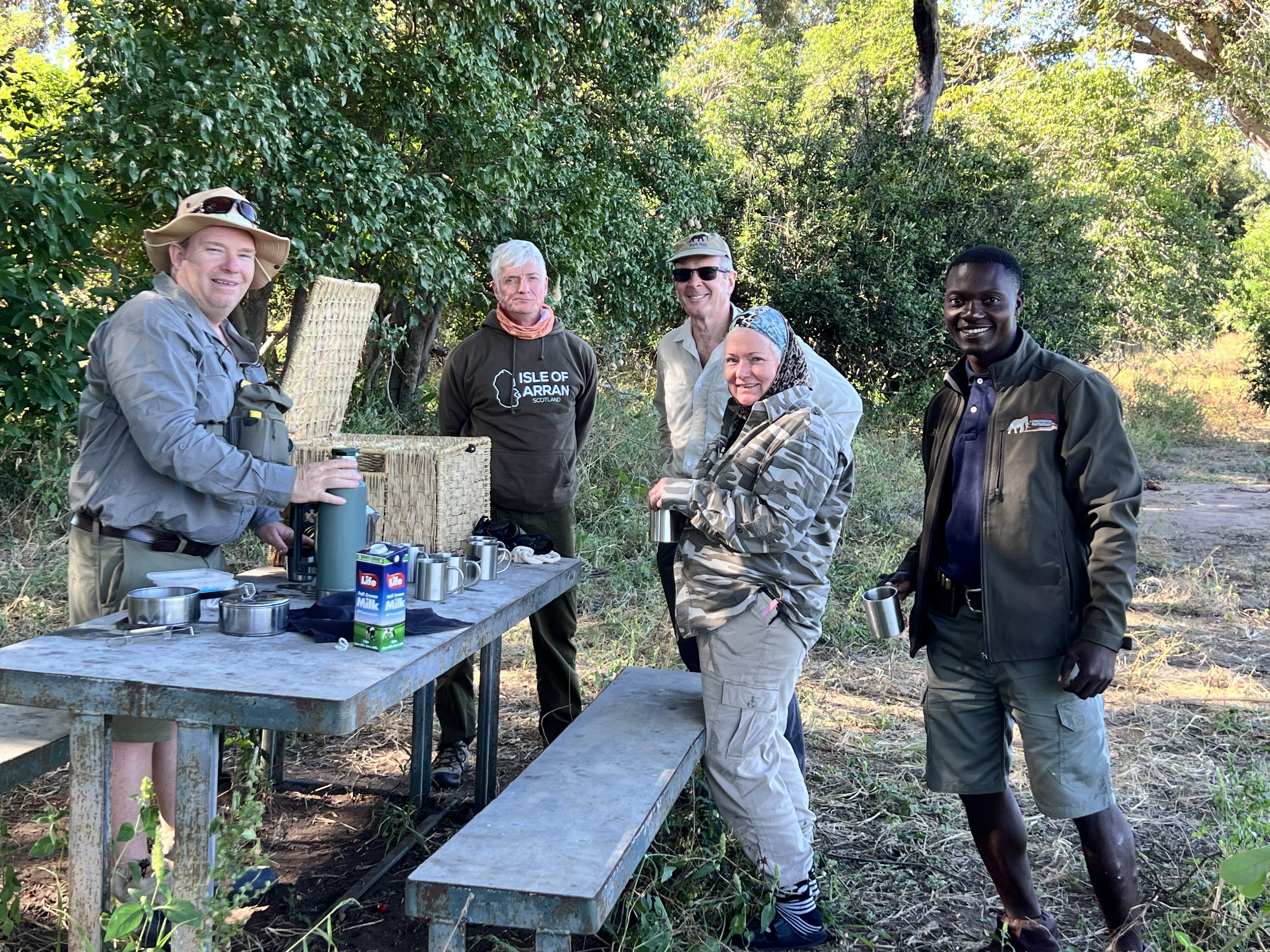
A typical day – looking for birds and lovely tea stops
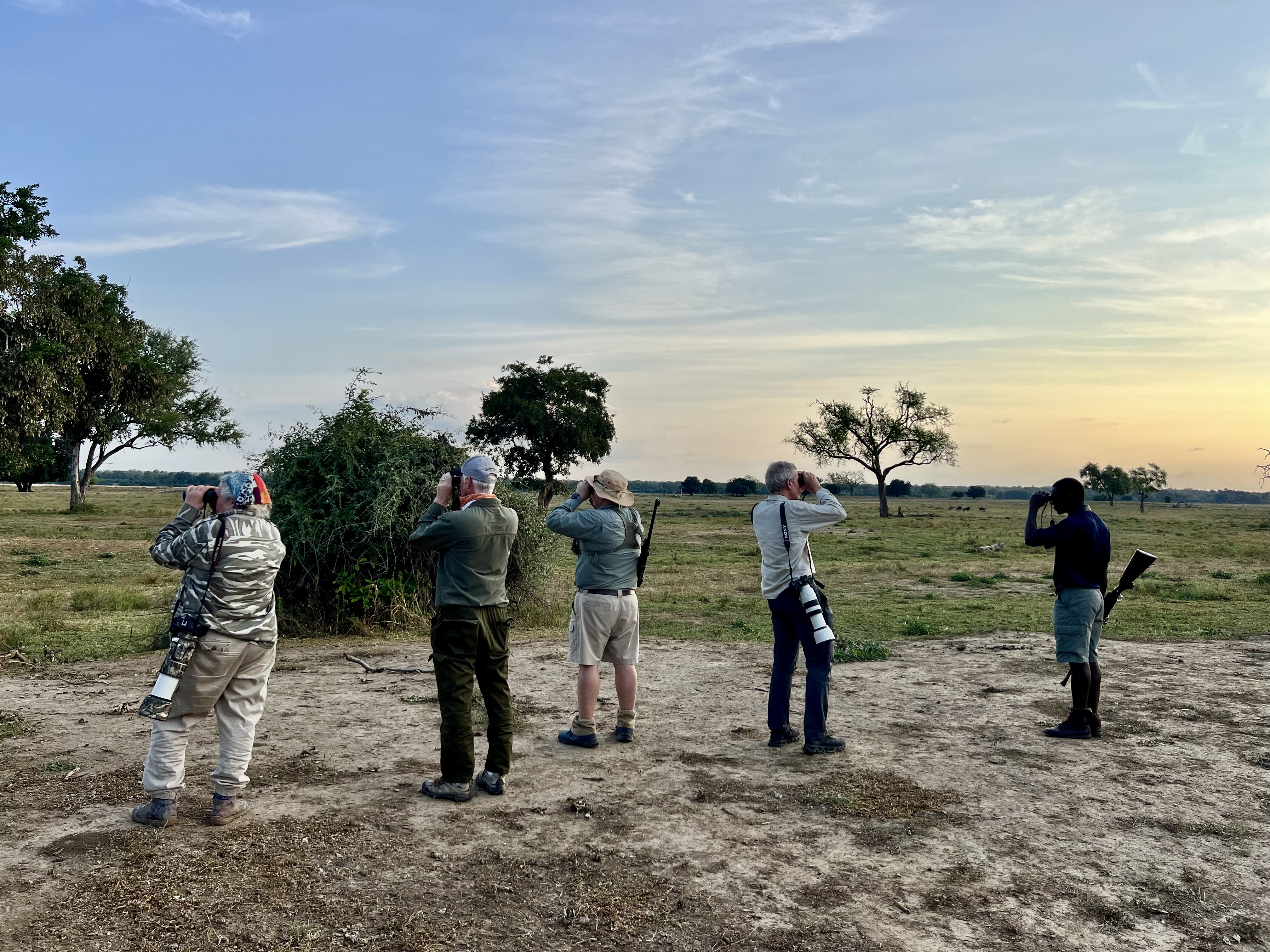
Thanks to the combination of Sean – who is a fantastic birder – and Cindy, we capture 146 birds in 8 days. As it’s the wet season the migratory birds have flown so it’s an achievement. A wonderful trip to start the detoxing and chilling process that we so dearly need.
Next stop, Harare and Mana Pools – again!
Thanks to Ross for the photos of the hyenas, (not the pup, that’s an iphone!) lions and me (catch his write up here); to Cindy for organising us, to Polite for living up to his name, and to Sean Hind who runs an expert guiding service safarisicansee

 vickygoestravelling
June 6, 2026 at 3:44 pm
👍👍👏👏🙏🏻🙏🏻Michael Moller+41766910135Skype: mollerm1michaelmoller@runbox.com
June 6, 2026 at 4:06 pm
Mana blog next. You were much missed!