


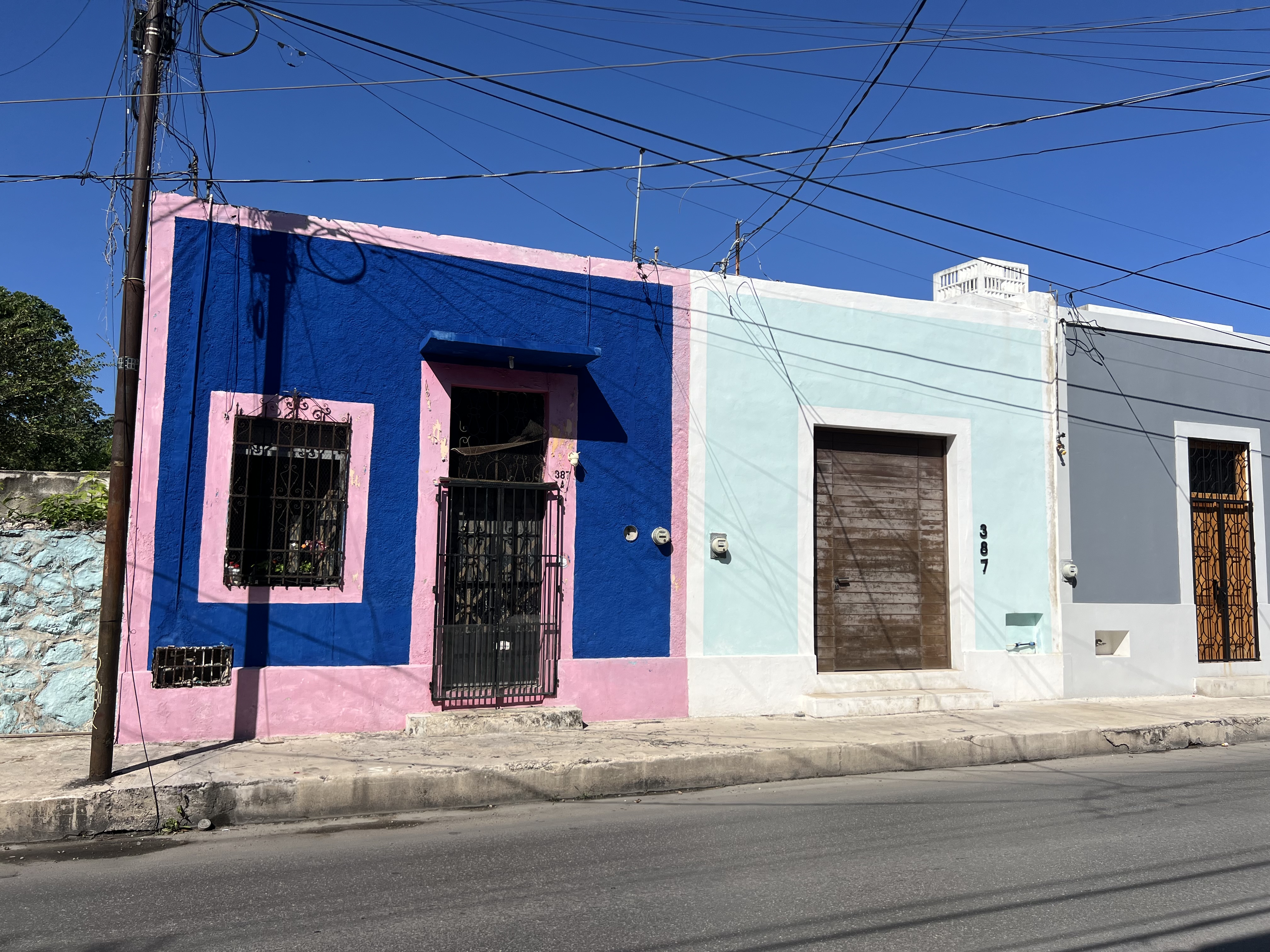
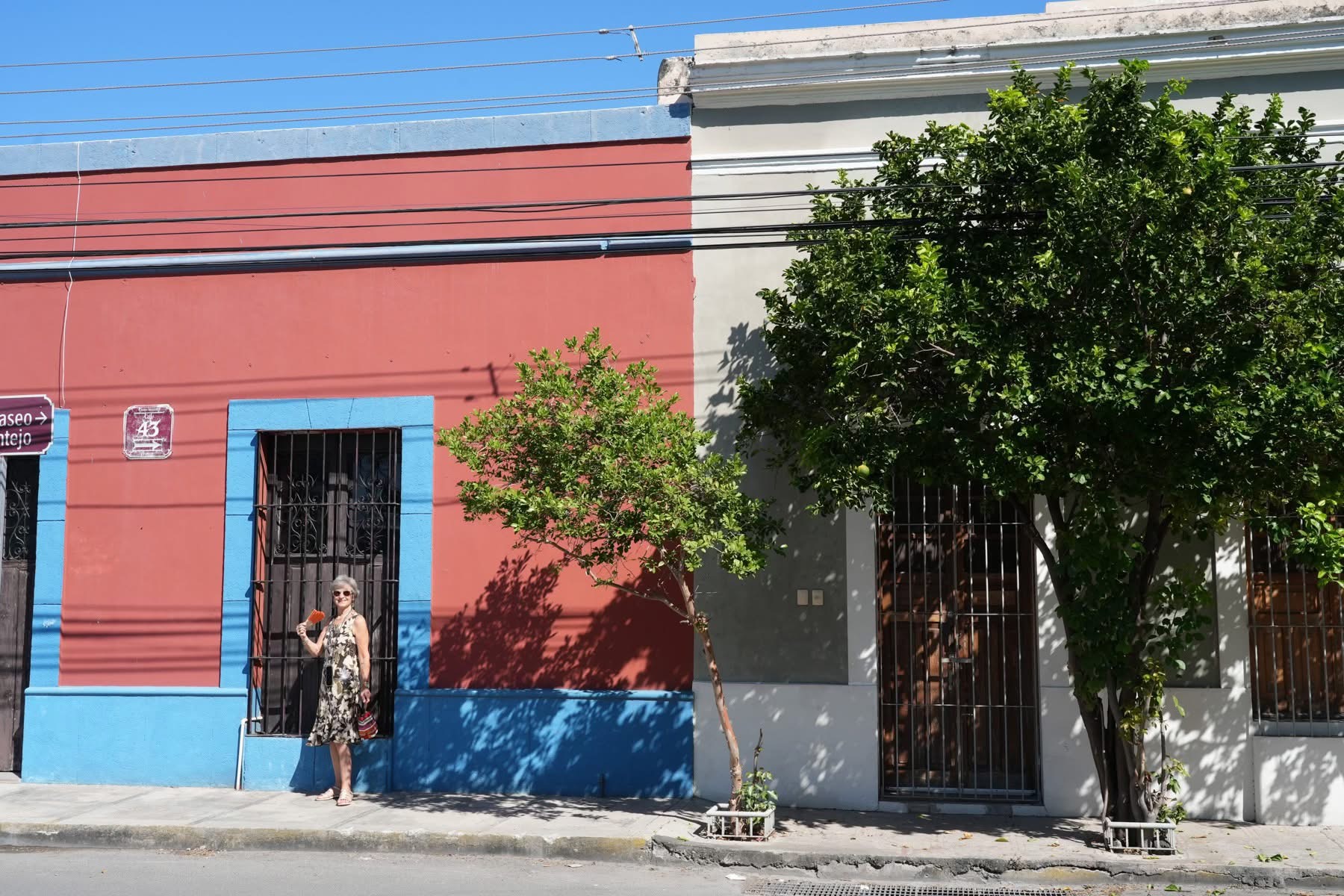
We arrive in Merida after a pain-free drive on near empty roads thorugh central Yucatan. Finding our home for the next week is not as challenging as it might have been before sat nav: Merida is laid out on a grid system and the streets seem to have alternate one-way systems. We can already see that this low-rise city with its colourful buildings is going to fun!



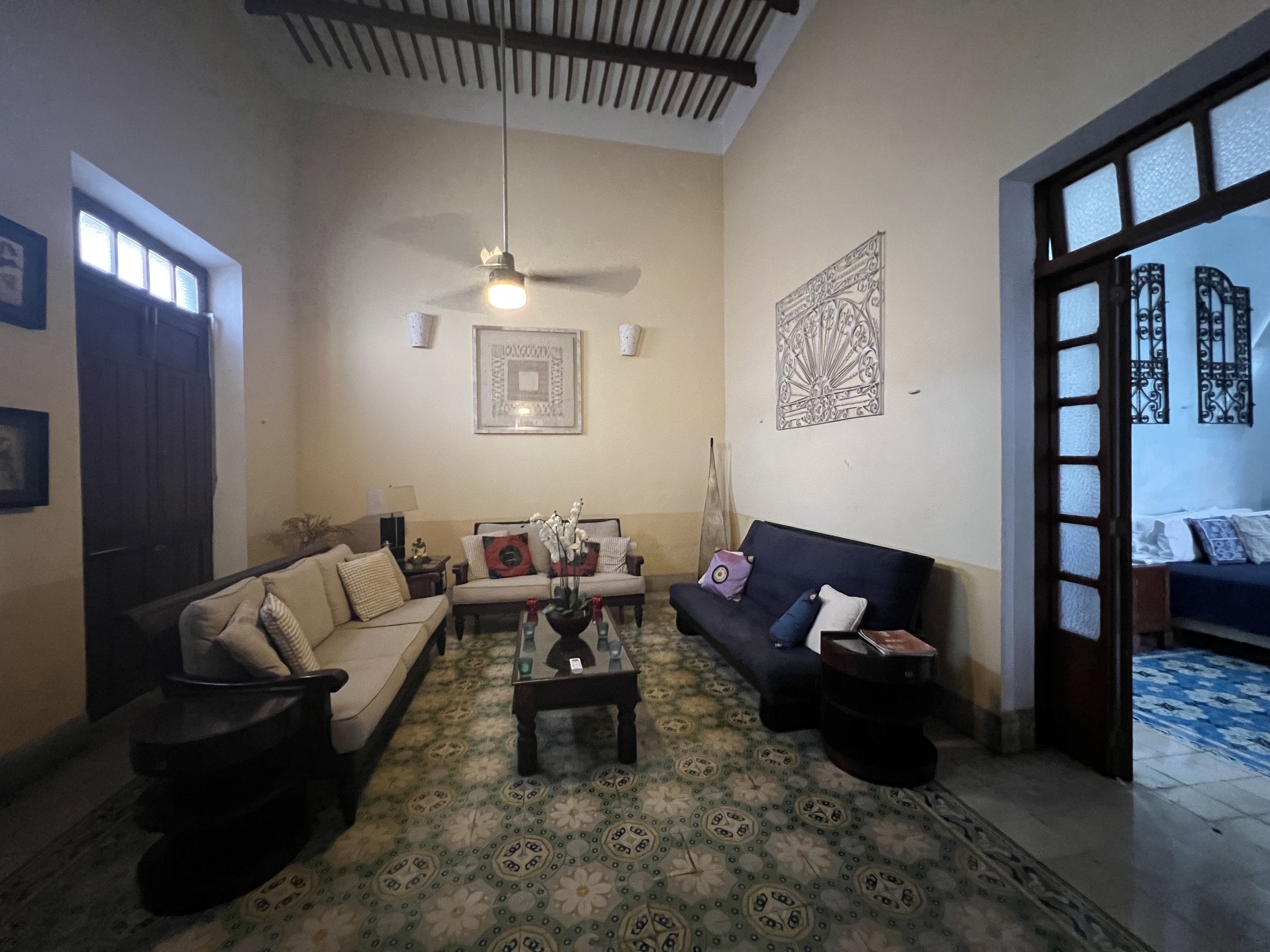
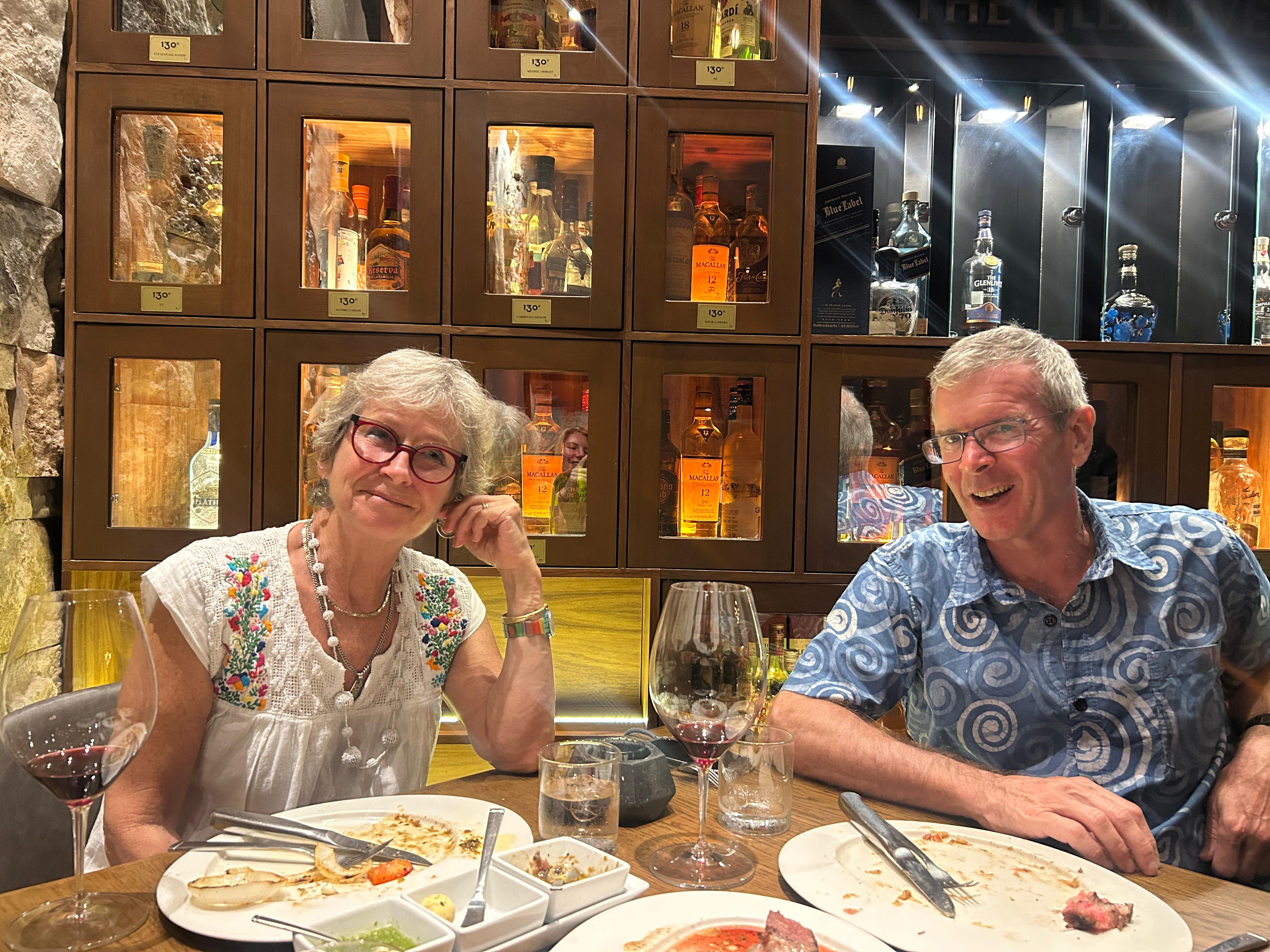
We are met at the Casa de los Mosaicos by the caretaker’s son, Jesus, and shown around this charming villa. It has been lovingly restored while retaining many original features – high ceilings and of course, the mosaic floor tiles, after which it is named. As is to be our pattern, we wash and brush up and go out for cocktails and supper to a nearby hostelry. You are never far from a good mixologist or meal in Merida.


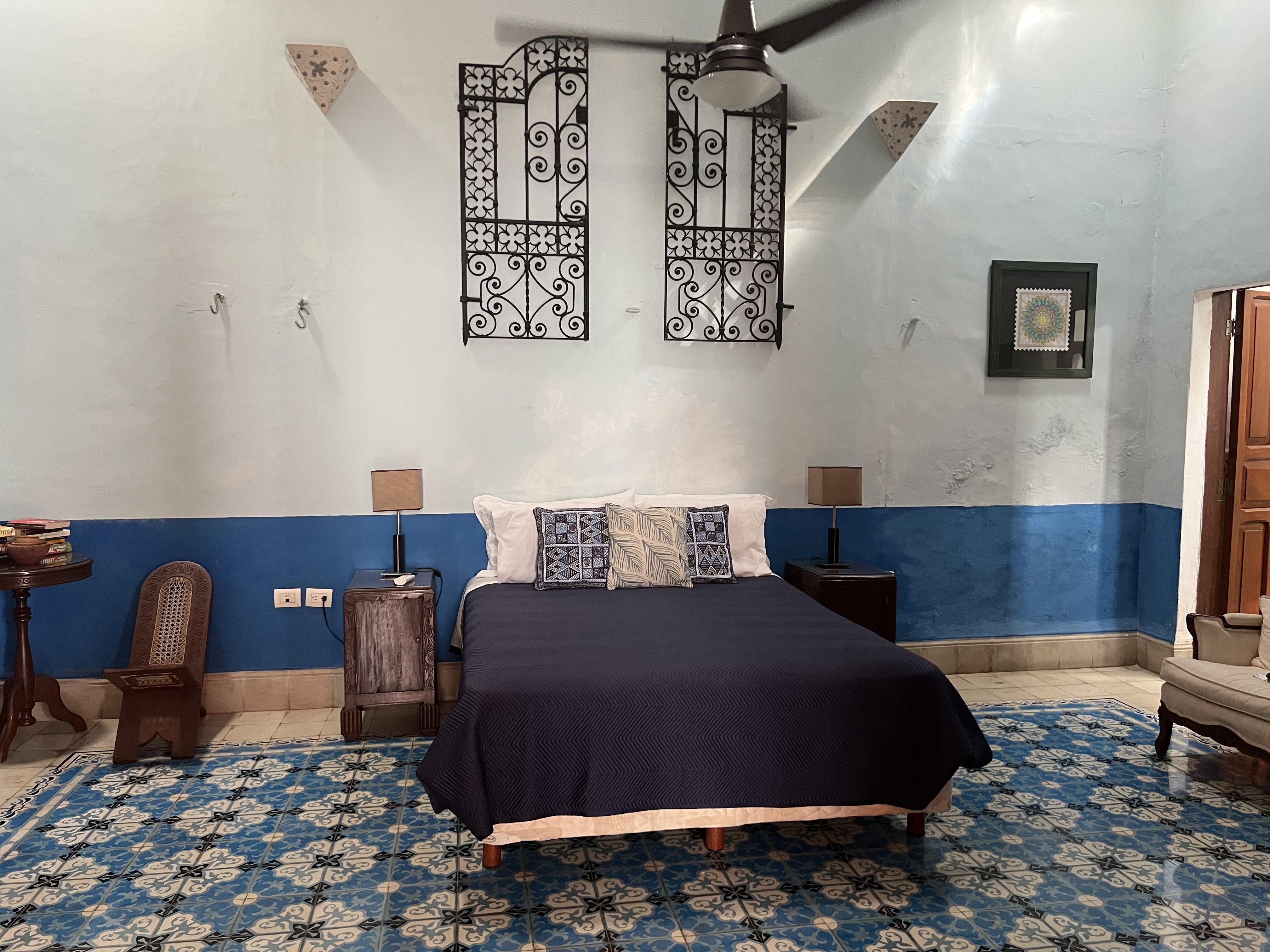
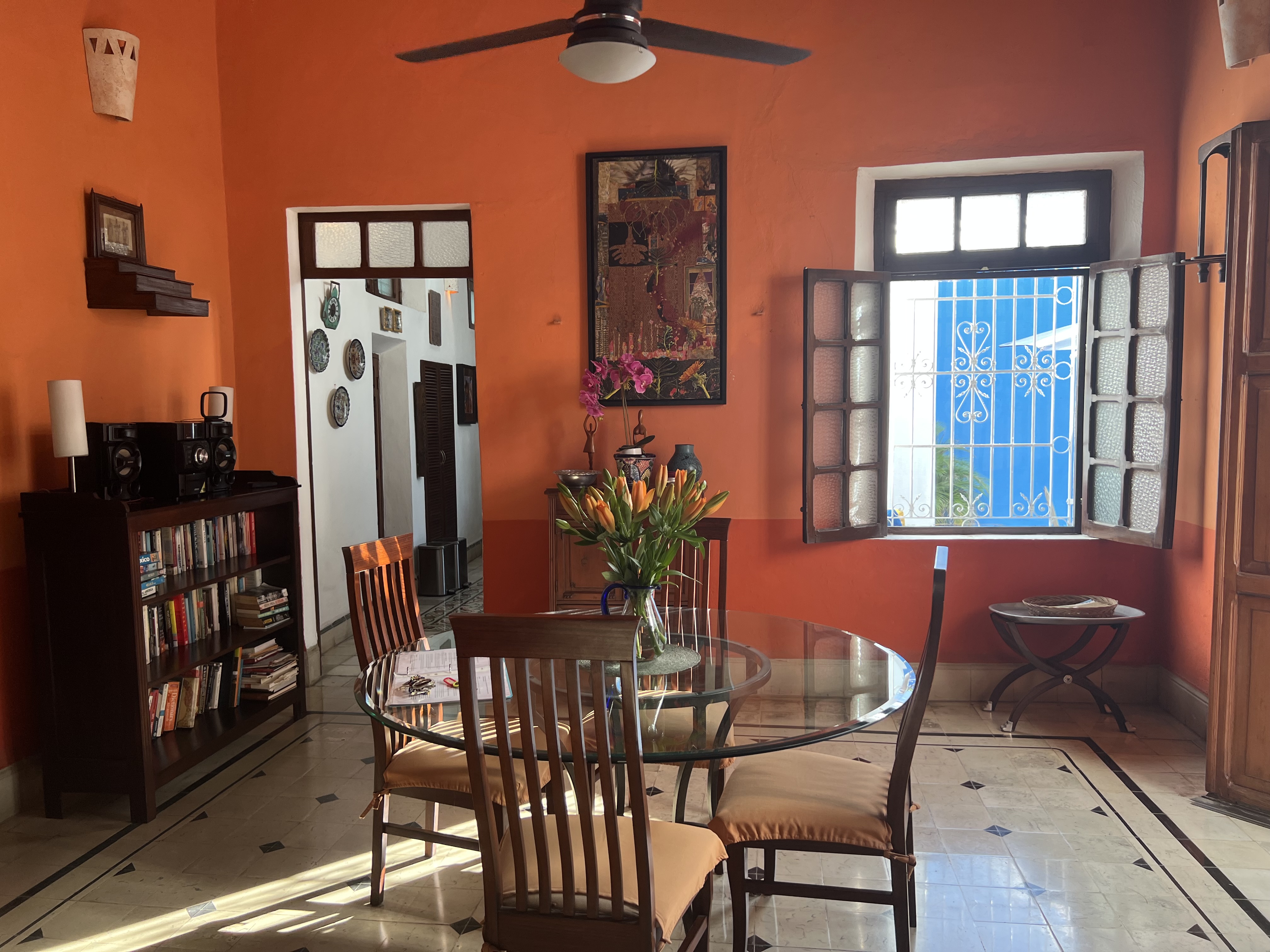
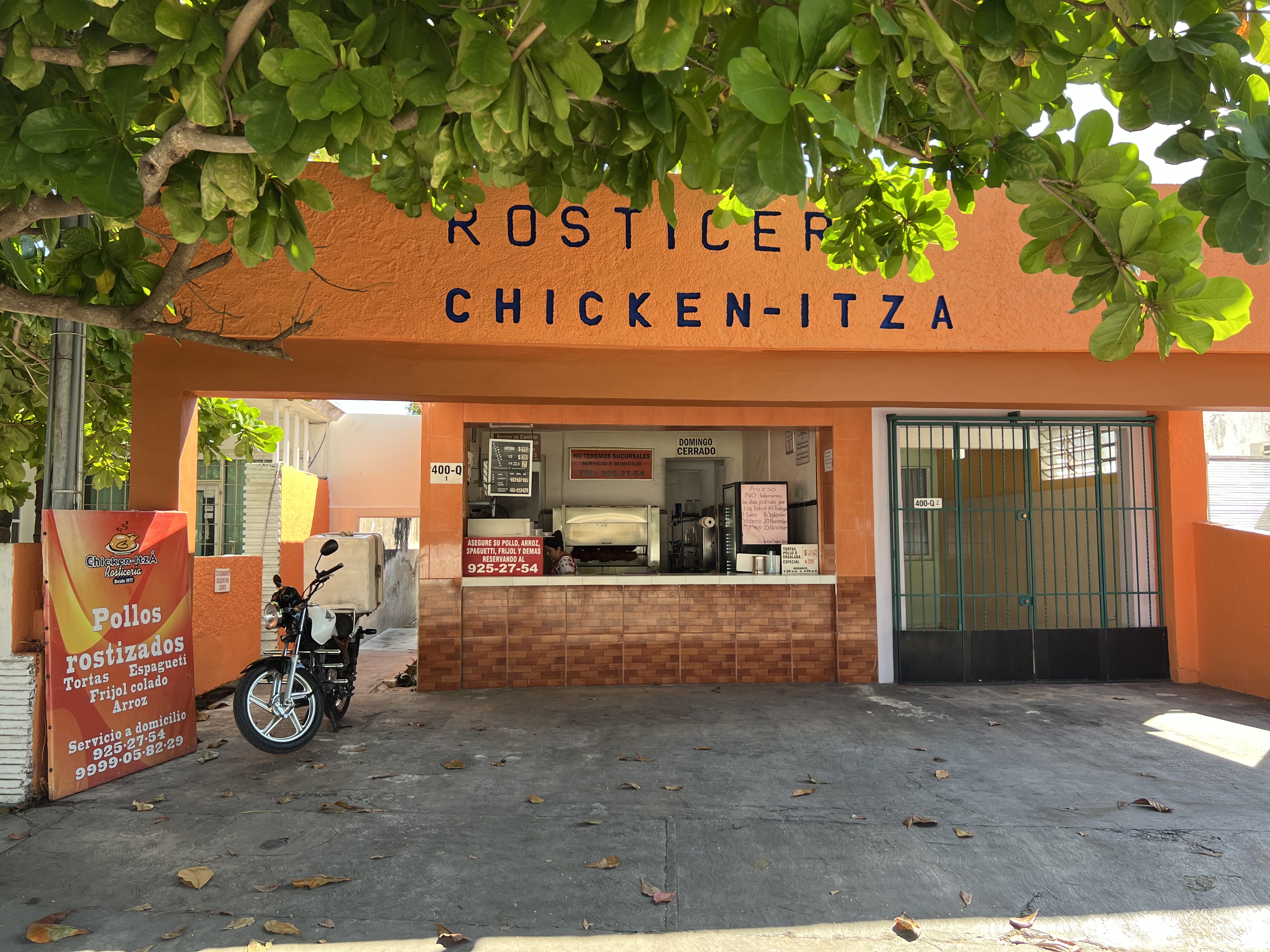
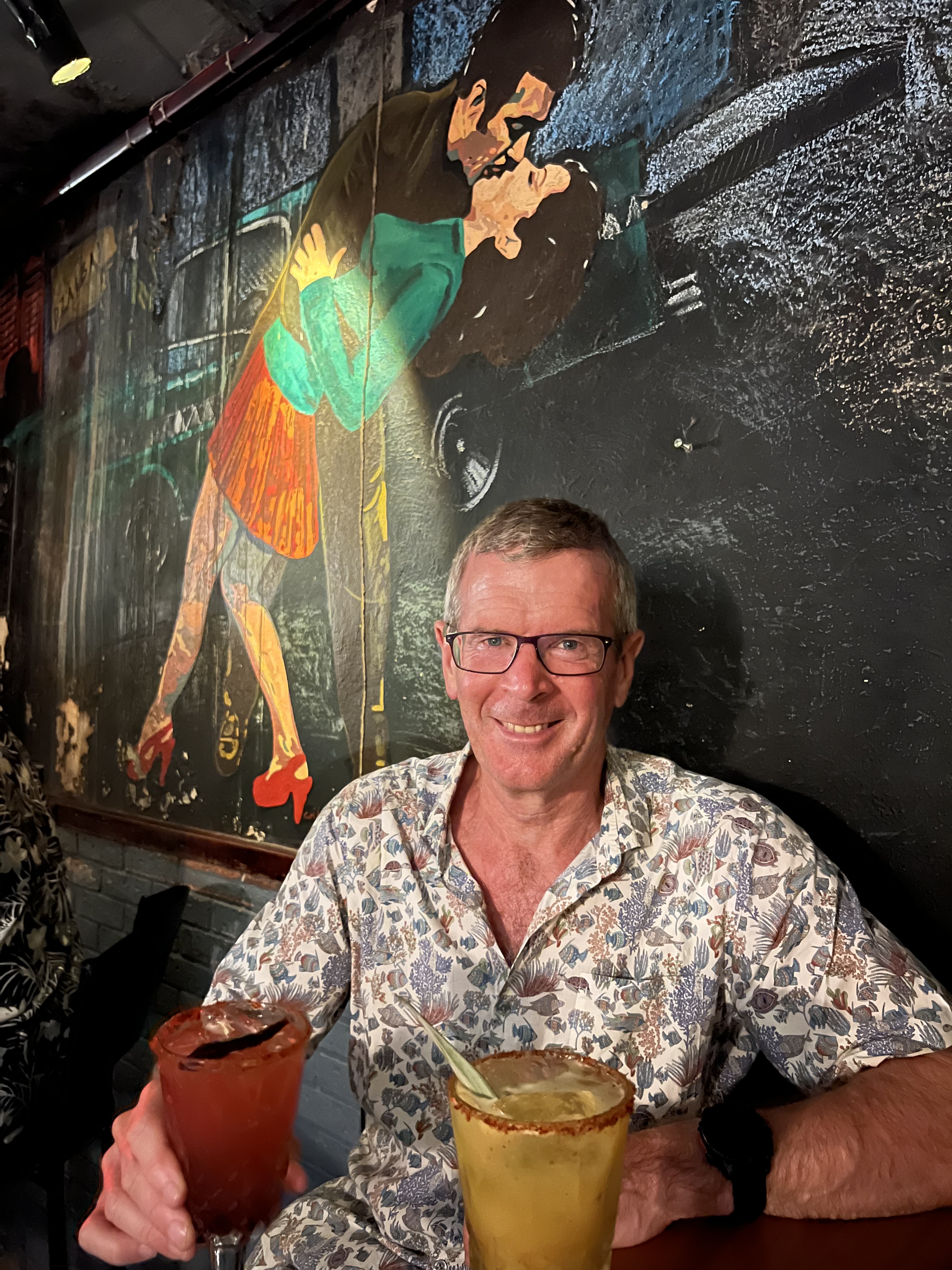
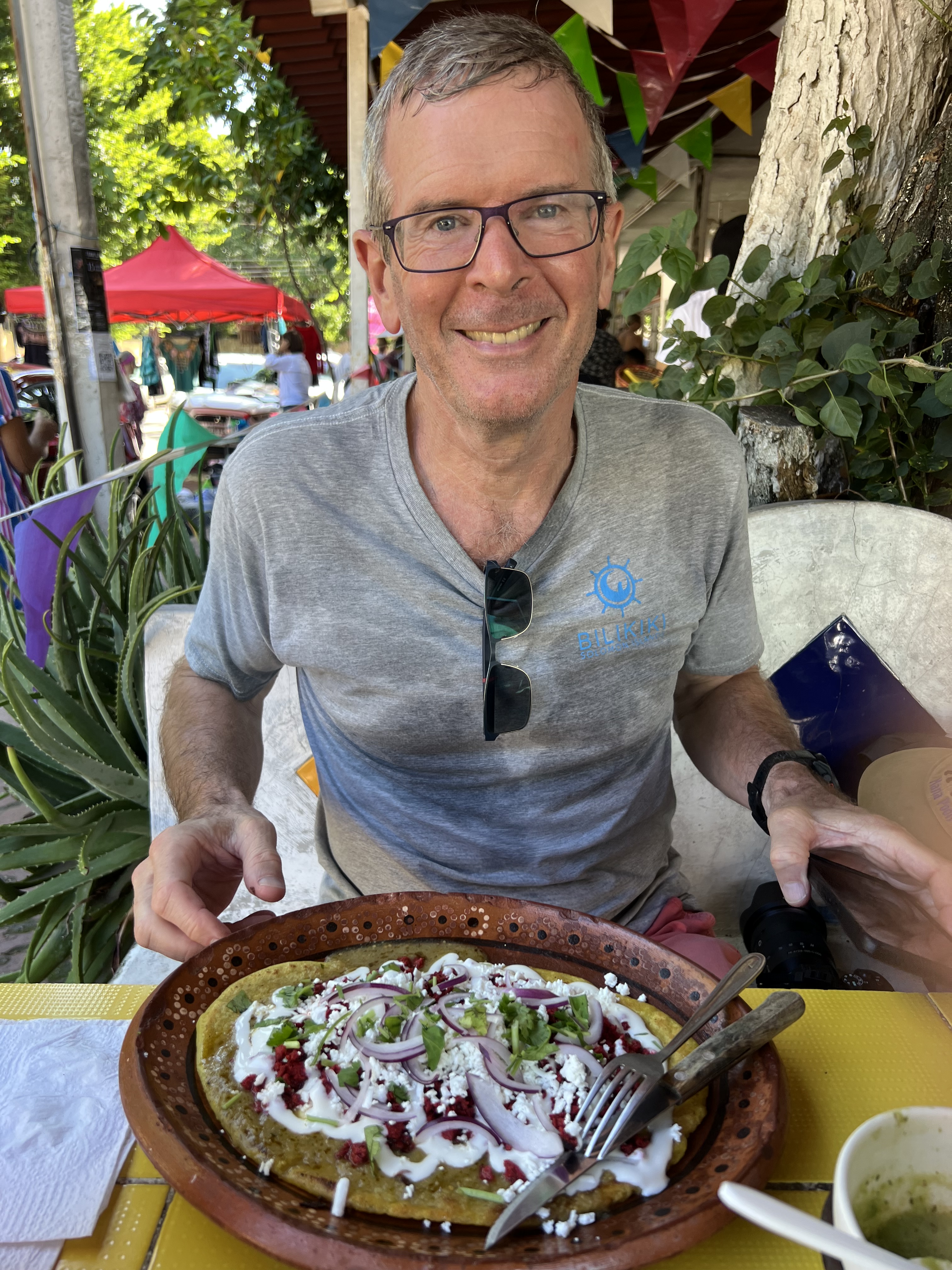
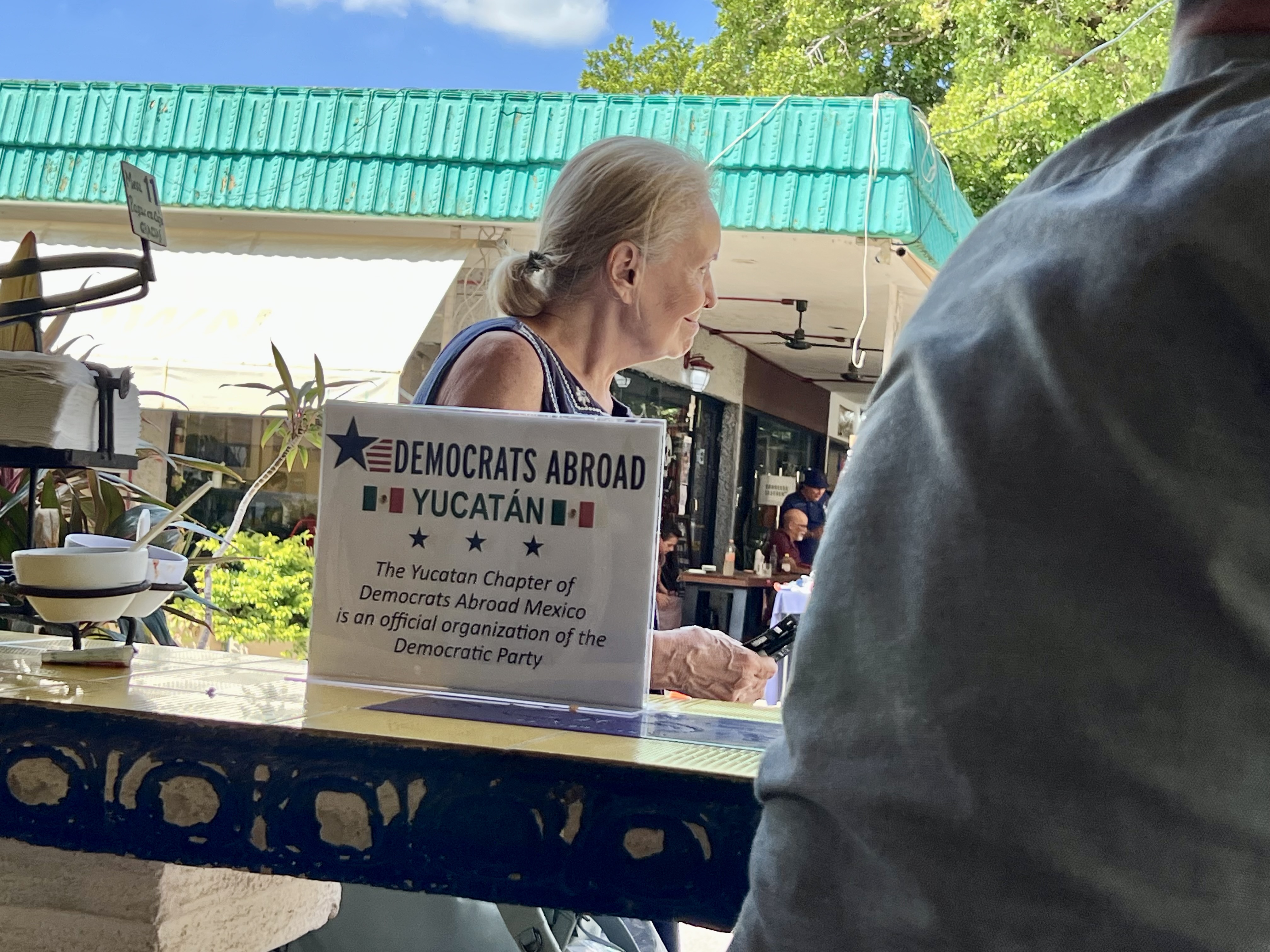
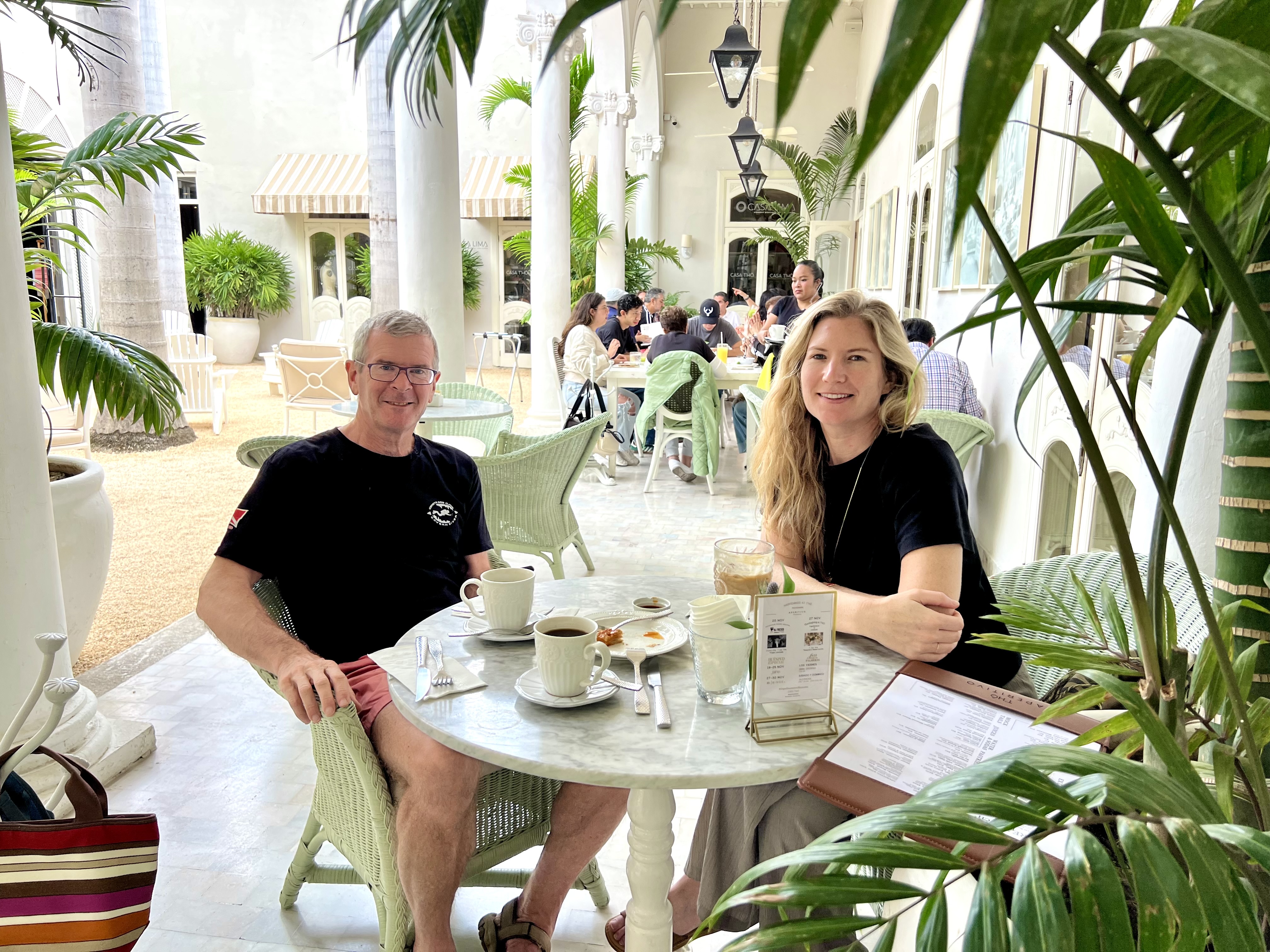
The next morning we walk to the farmers’ market (a good 30 minutes – very hot) where the best brunch is served; we are seated next to a busy table of Democrats Abroad where all the expats seem to congregate – and Merida is renowned as being a really good place to live if you want to escape the US and Canada either permanently, or just in the winter months! It’s the safest city in Mexico, and we feel completely safe the whole time we are there. People are charming and friendly, and there’s only a gentle cry of ‘Come and see my shop’ from time to time.


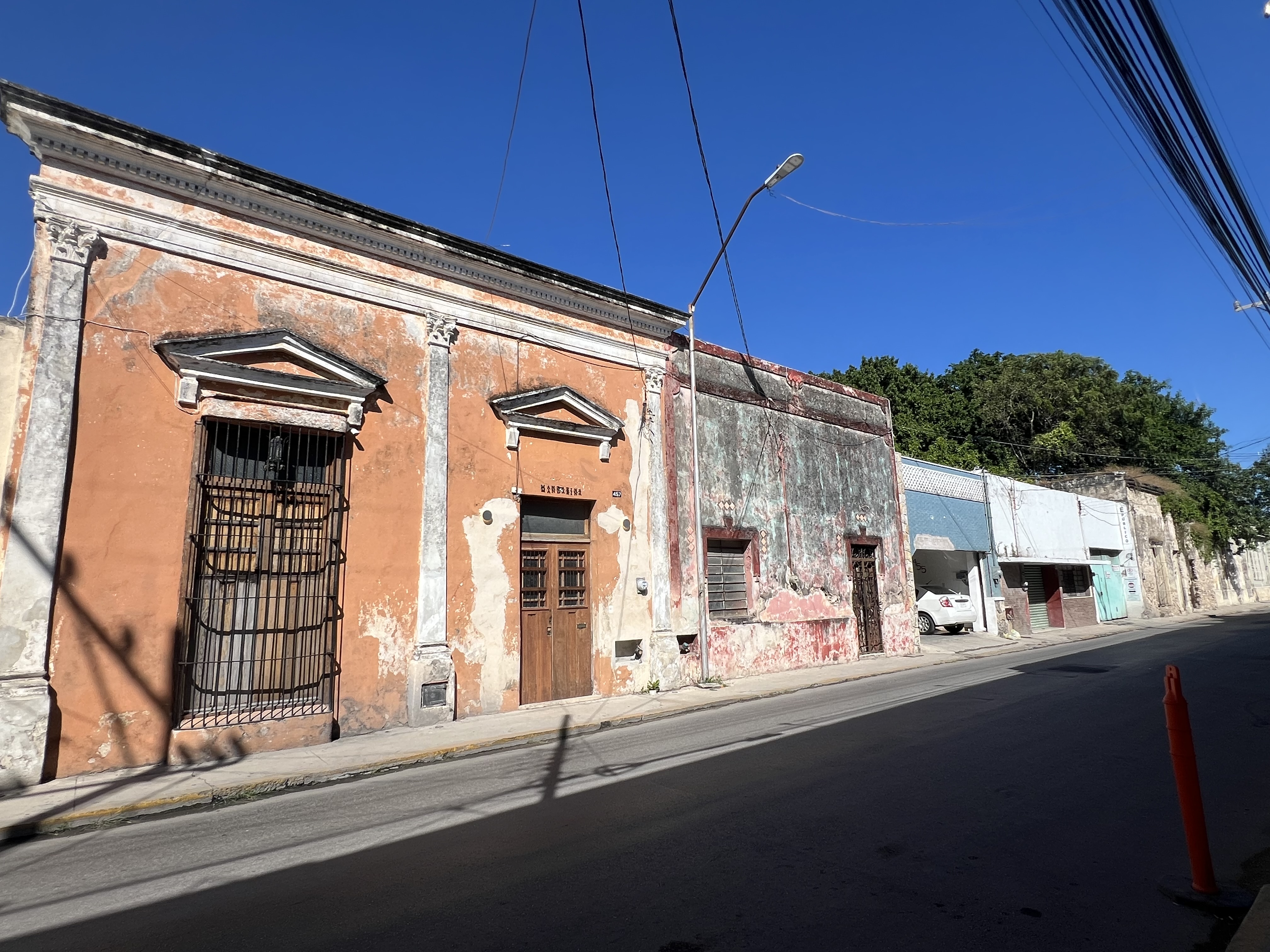
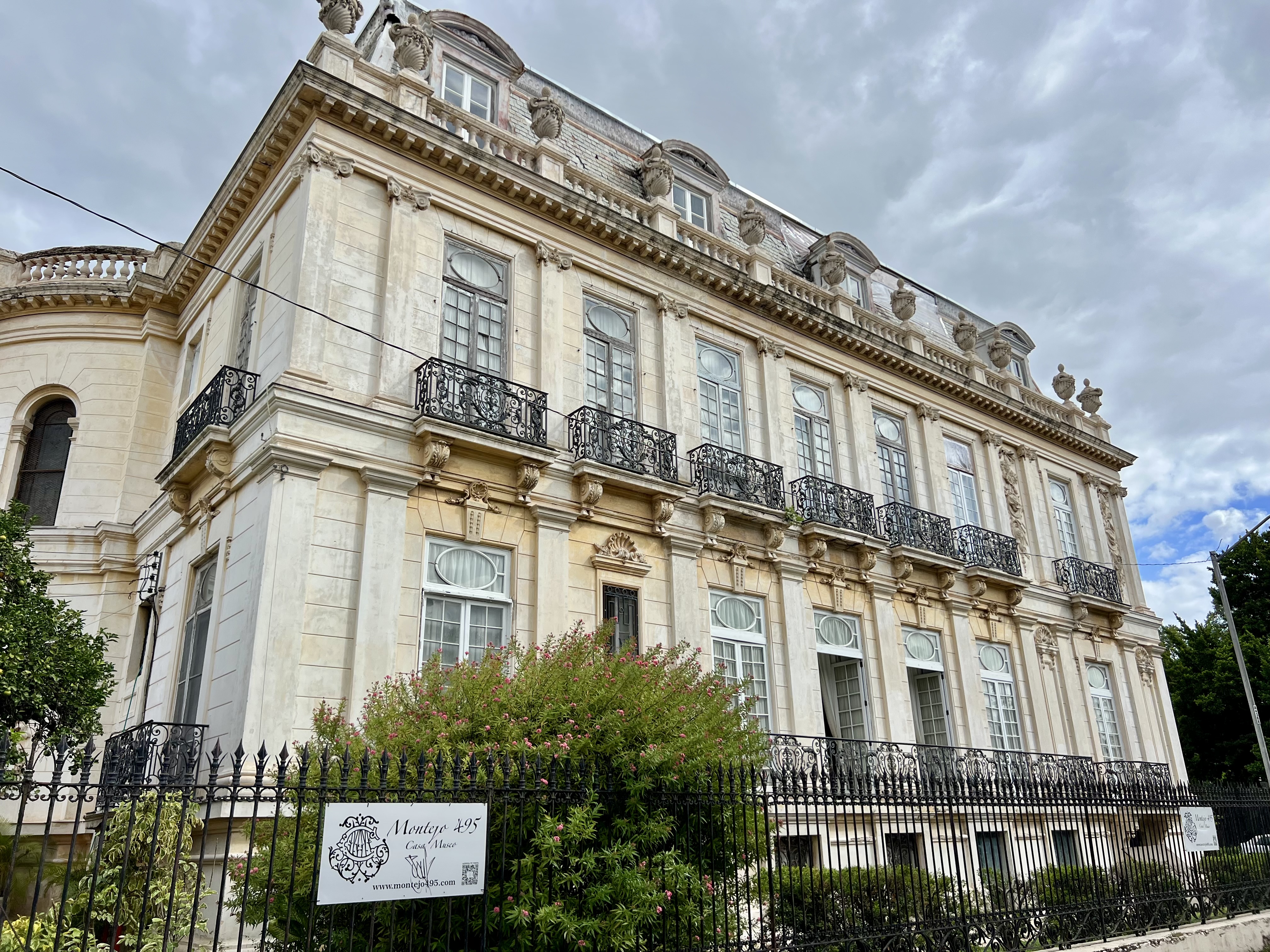
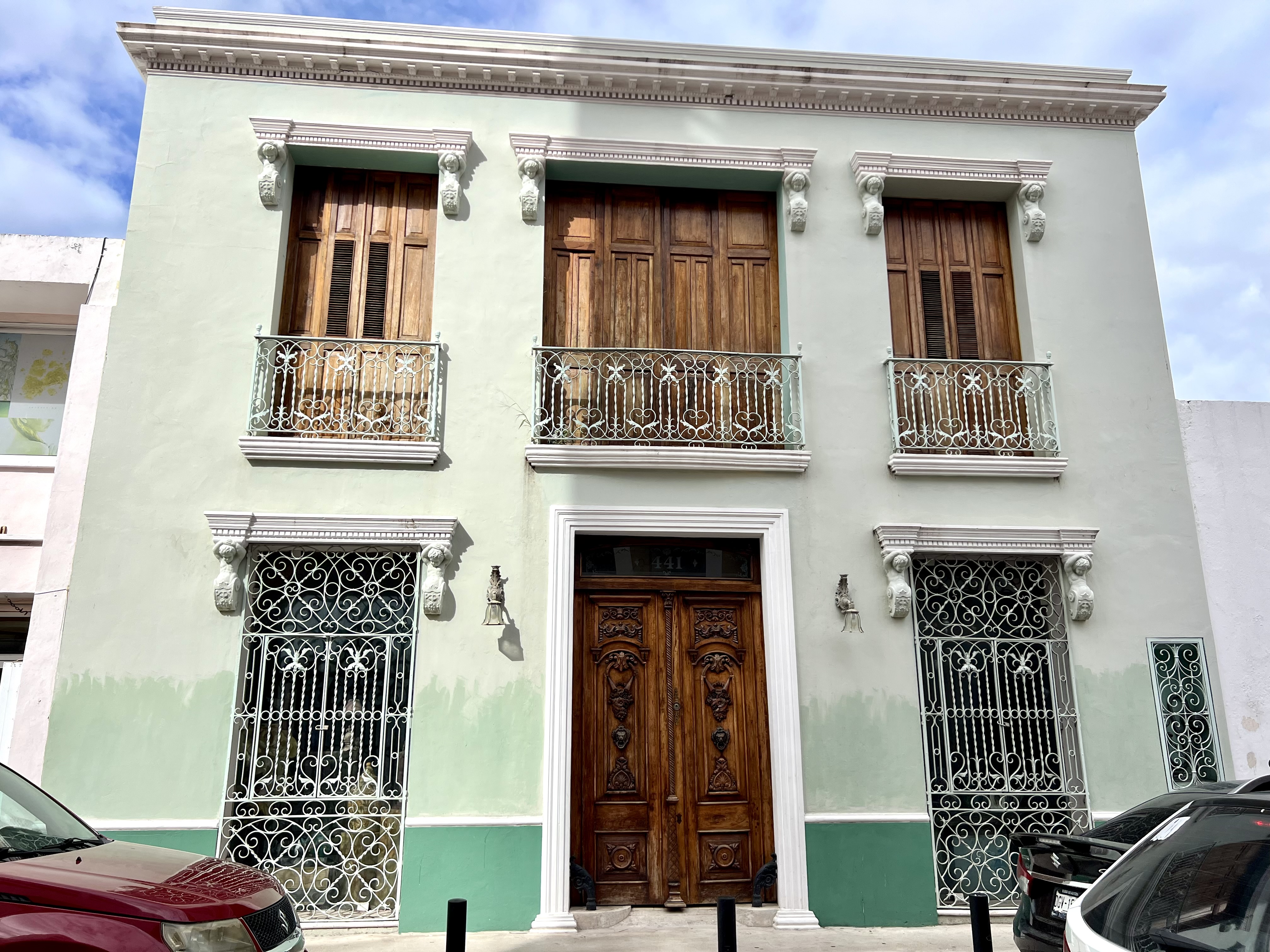
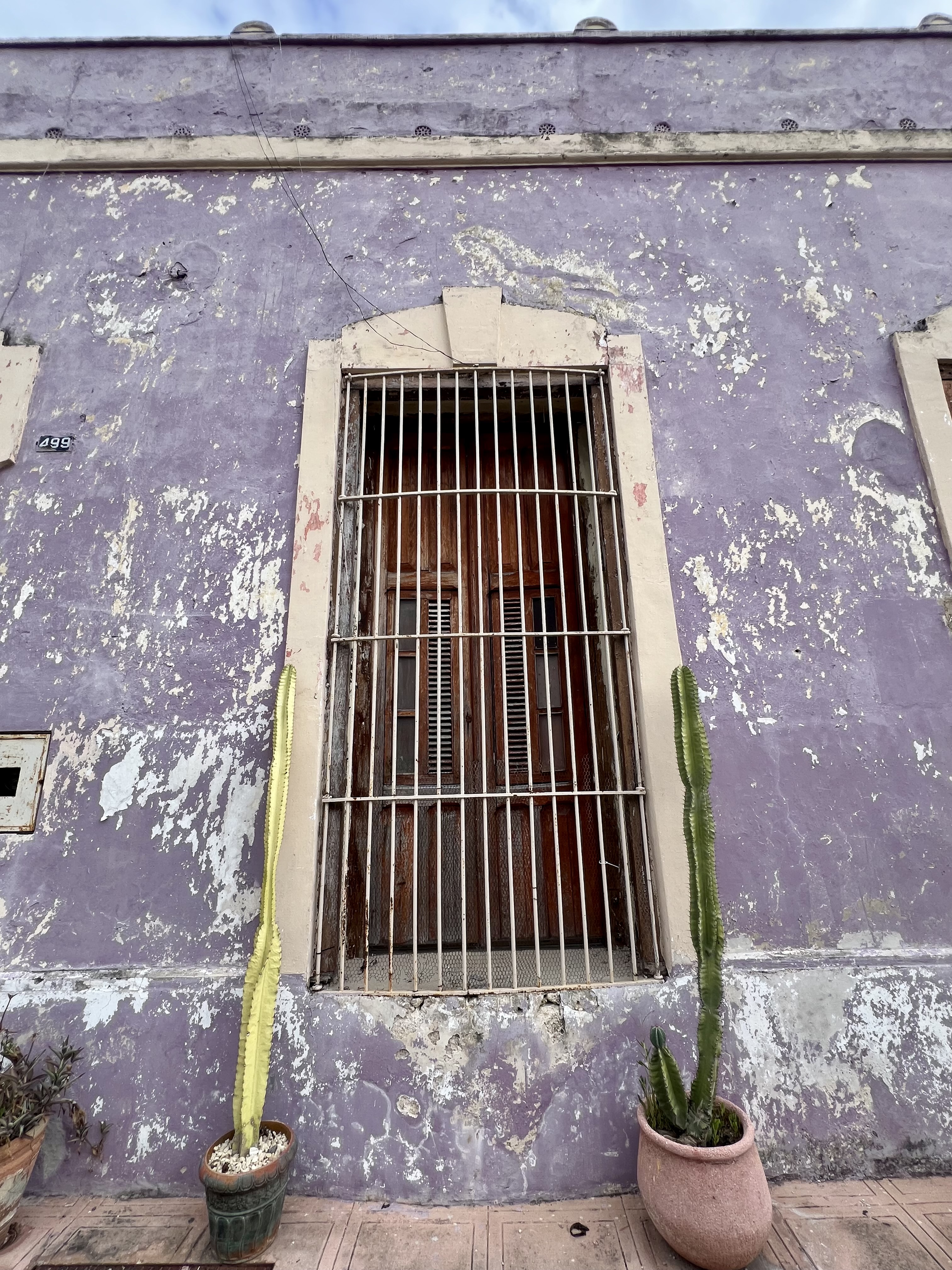
We do notice however in our perambulations many grand old houses abandoned and in disrepair. Others have been converted into museums and cultural centres. None seem to be lived in. Is the effect of migration or narcos we wonder?


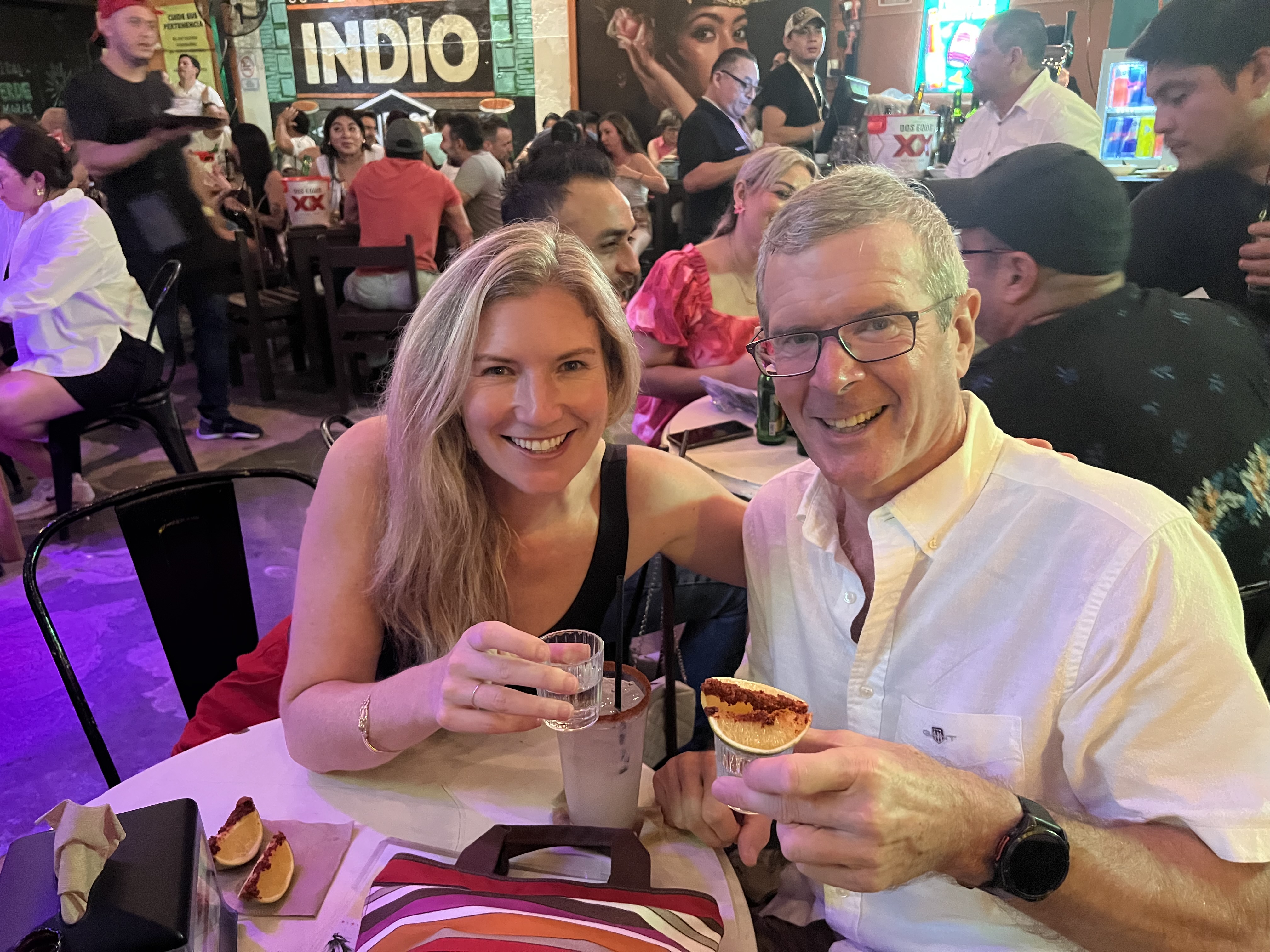
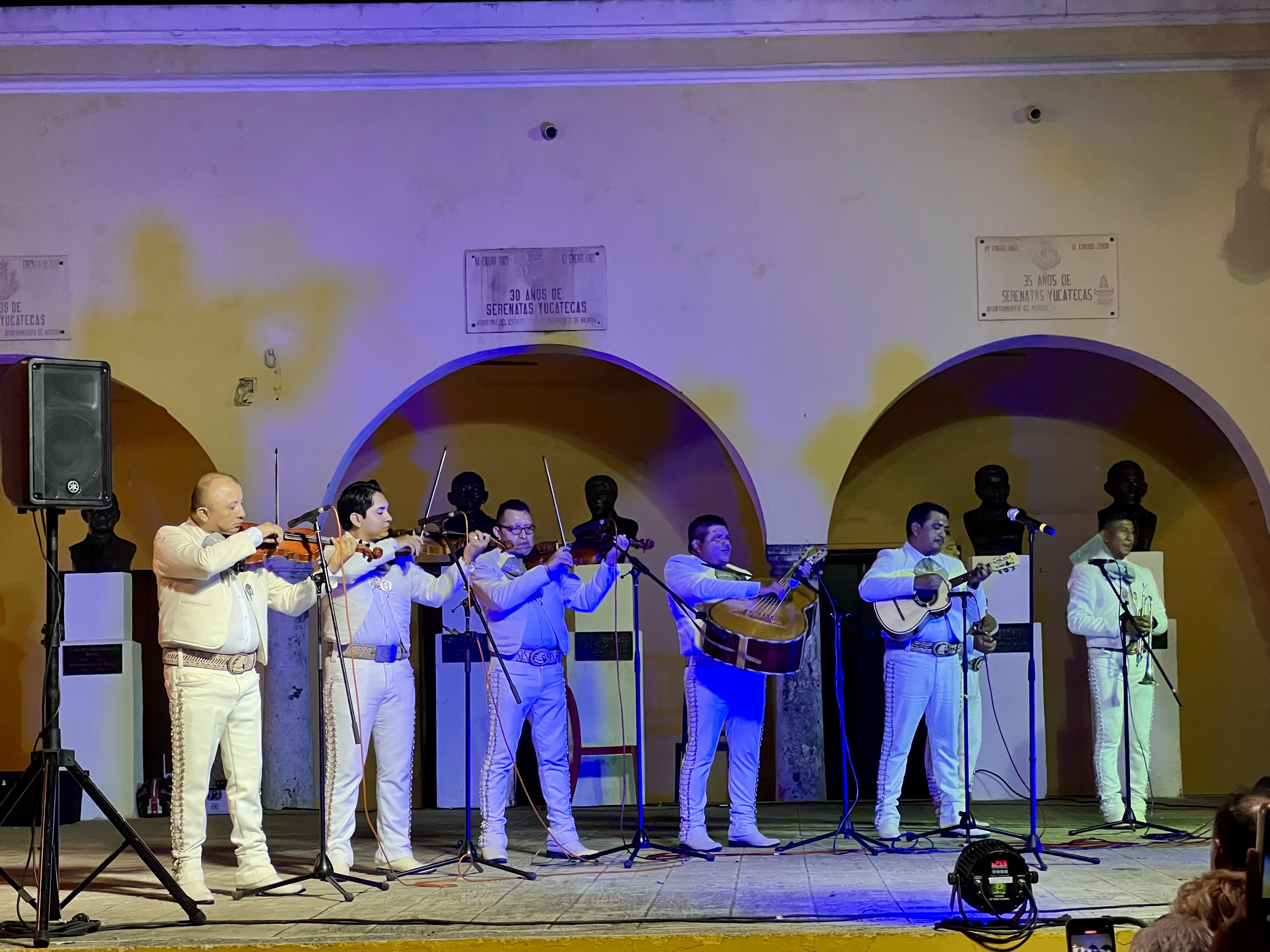
We are expecting a visitor for a few days, hot-tailing it down from Mexico City where she is working. Atty takes us to the hottest bar in town, La Negrita, when she arrives, with a great band (style of Buena Vista Social Club), packed full of Mexicans enjoyed Mezcals and free snacks, and salsa-ing the night away. Thanks to Atty’s charm and fluent Spanish, we get a ringside seat, before leaving for dinner, where we are serenaded by a more traditional Mariachi band.


On Ross’s birthday we have booked a birdwatching tour in canoes in the mangrove swamps in Celestun, to be followed by a seafood lunch on the nearby beach. As soon as we arrive at the starting point for our trip with the original founders of the wildlife sanctuary, the Guardianes de los Manglares de Dzinintun, we are given all-enveloping anti-mosquito gear, including netted arms and face masks! And it is absolutely essential as they are pesky little nippers.
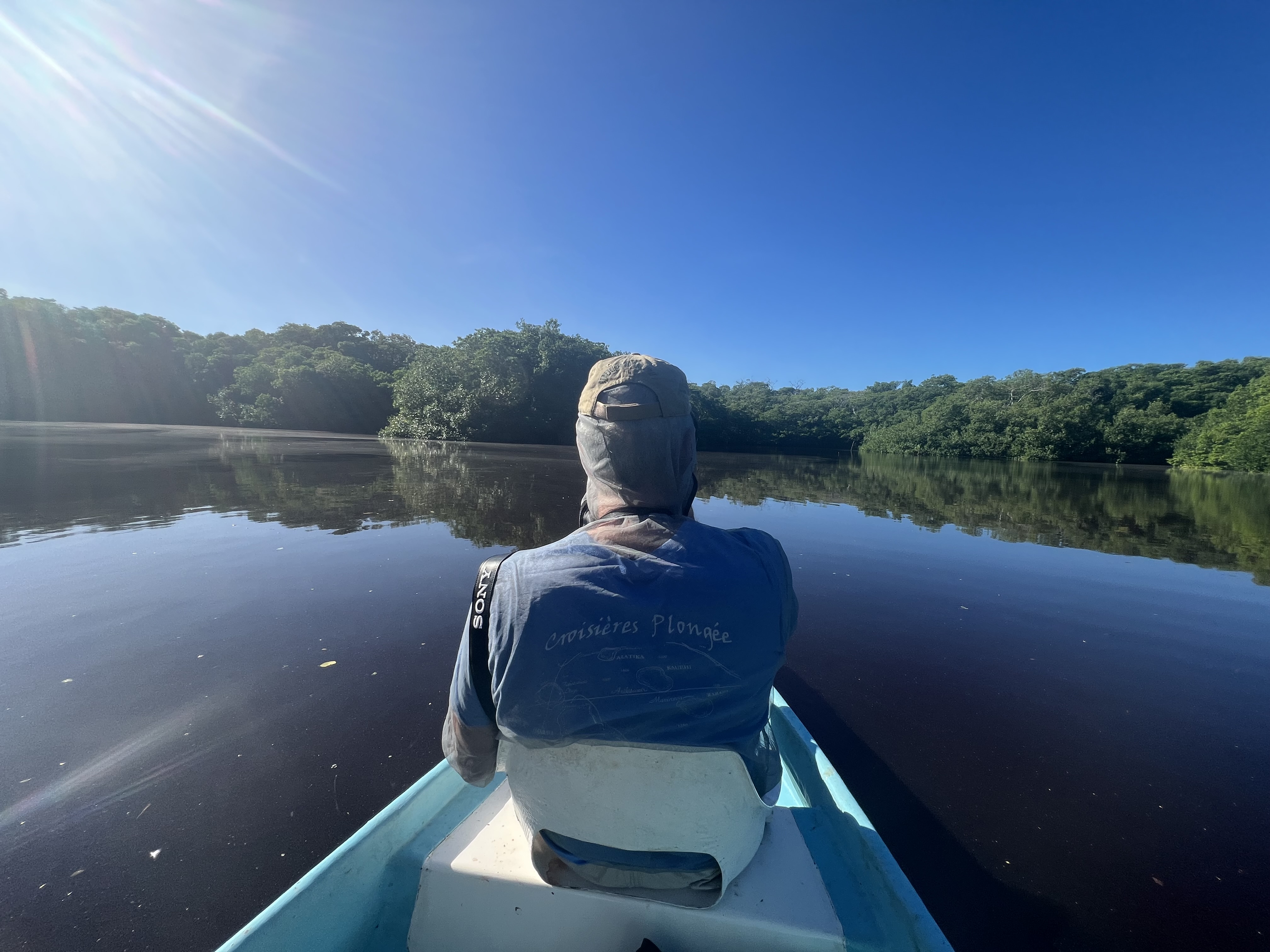

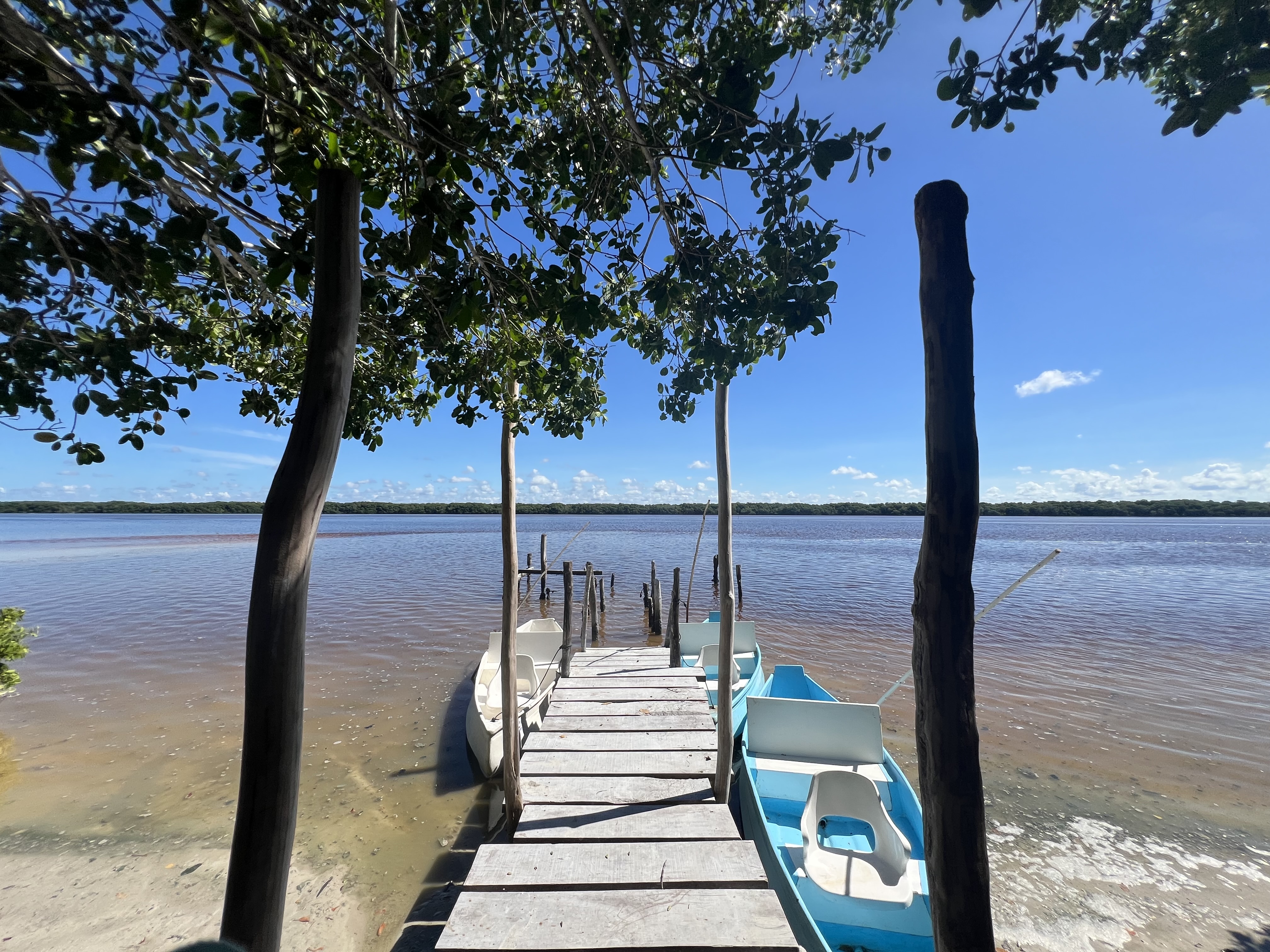
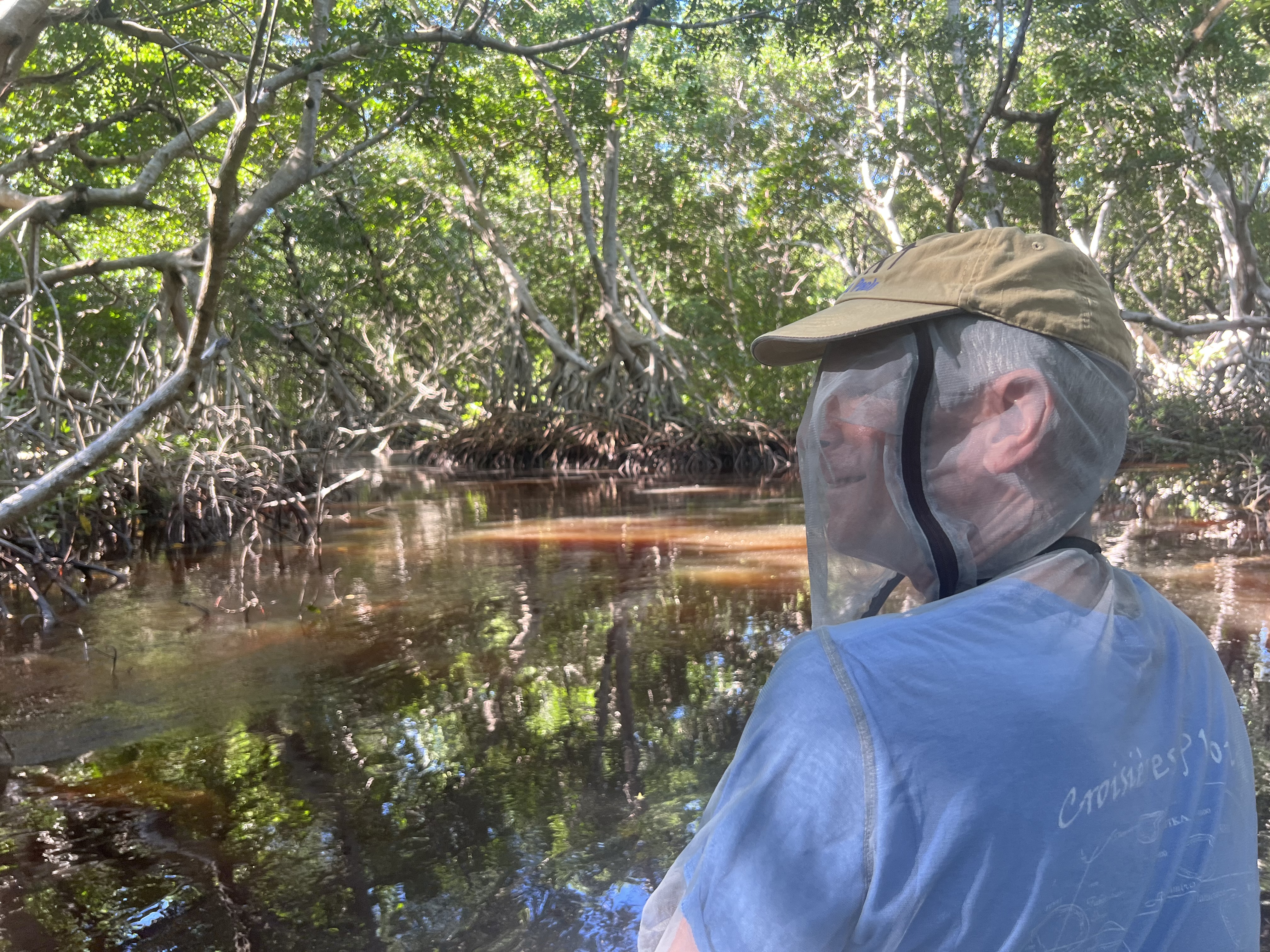

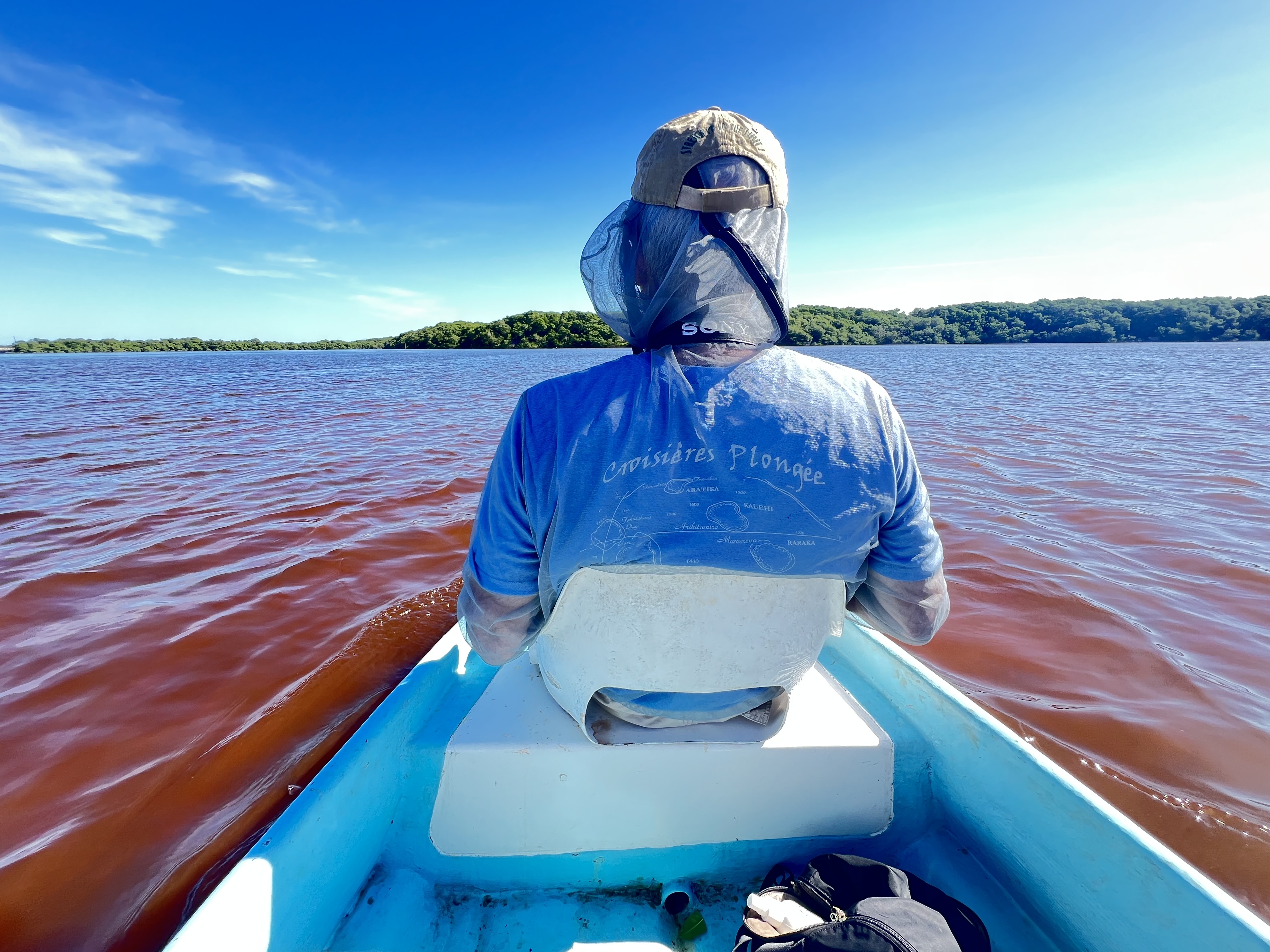
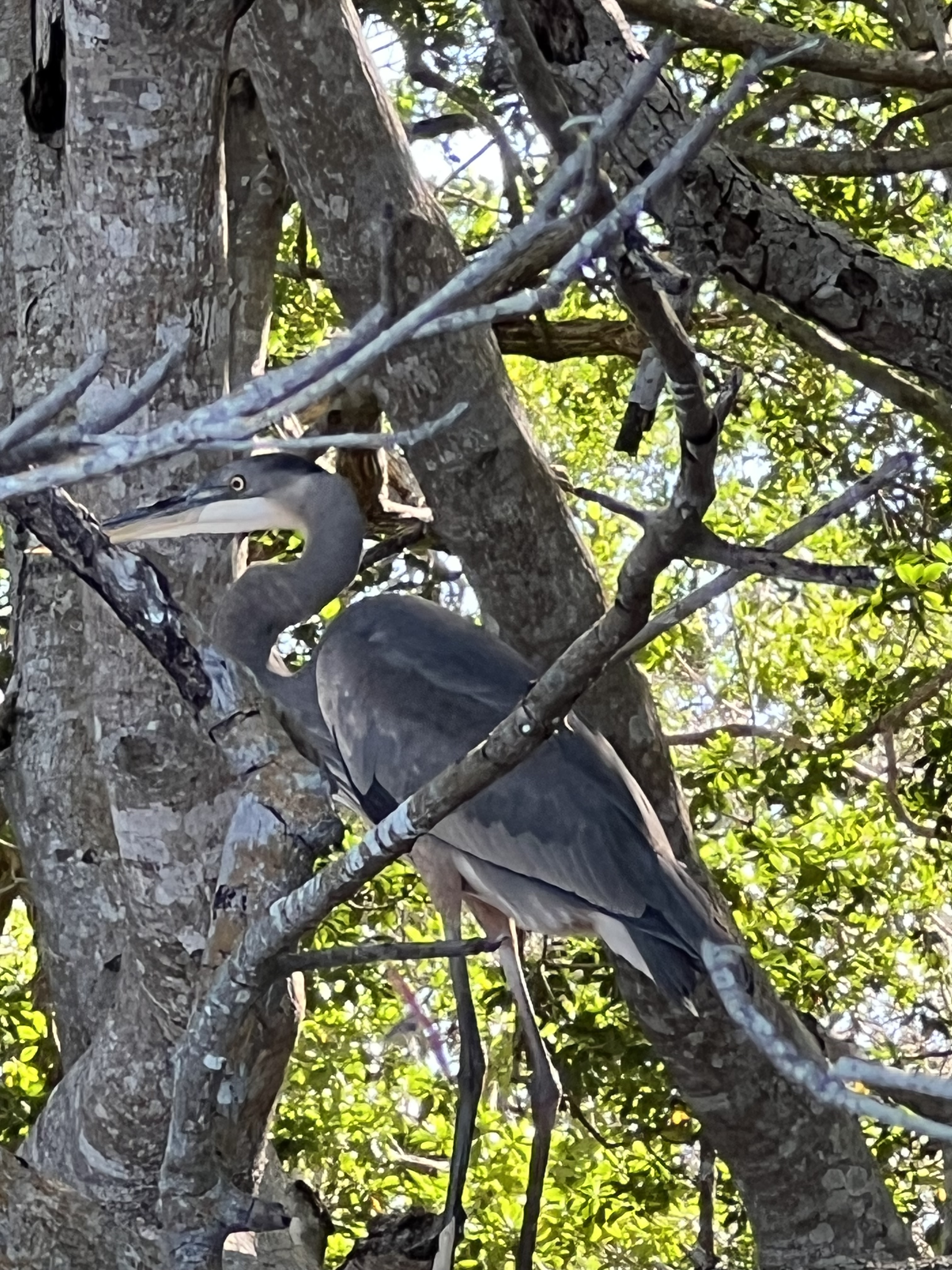
Our guide speaks good English and he is soon silently – save for the occasional splash of the punt-pole – easing us along through the creeks, in-between the tangled mangrove roots. It takes a while to get our eyes in but soon we are spotting herons of all types, kingfishers, a large black eagle, and even some baby crocs sunning themselves on the bank.

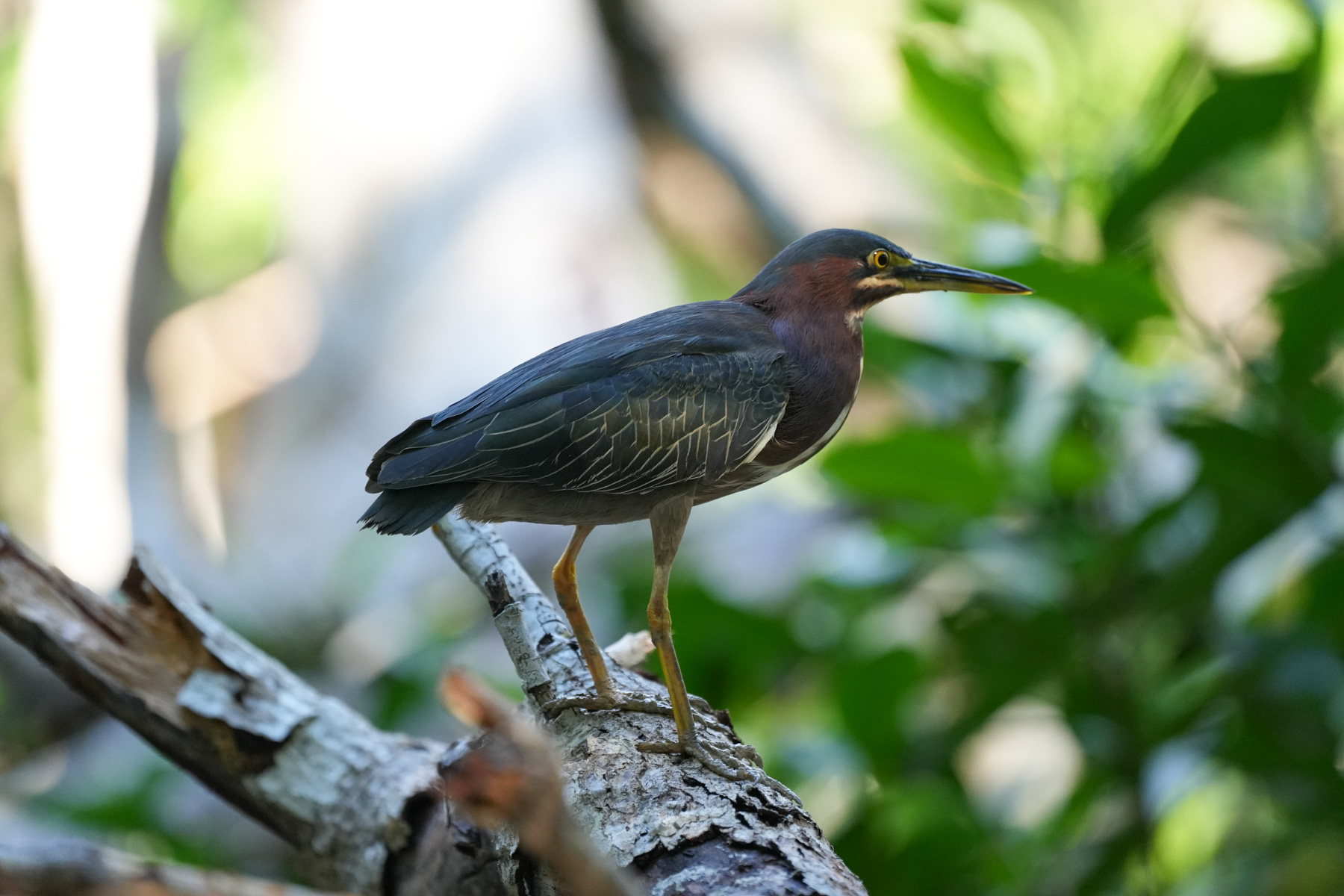
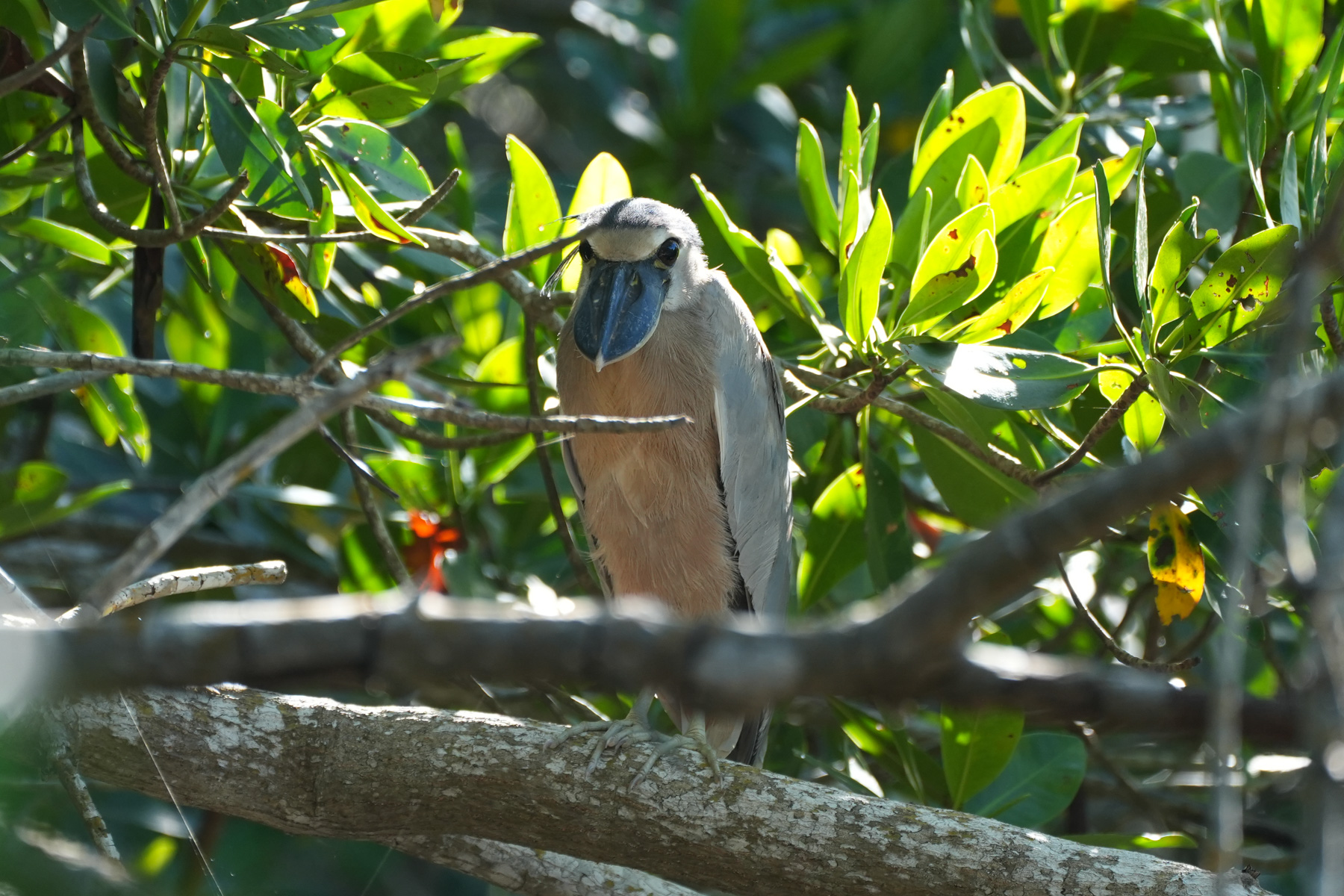

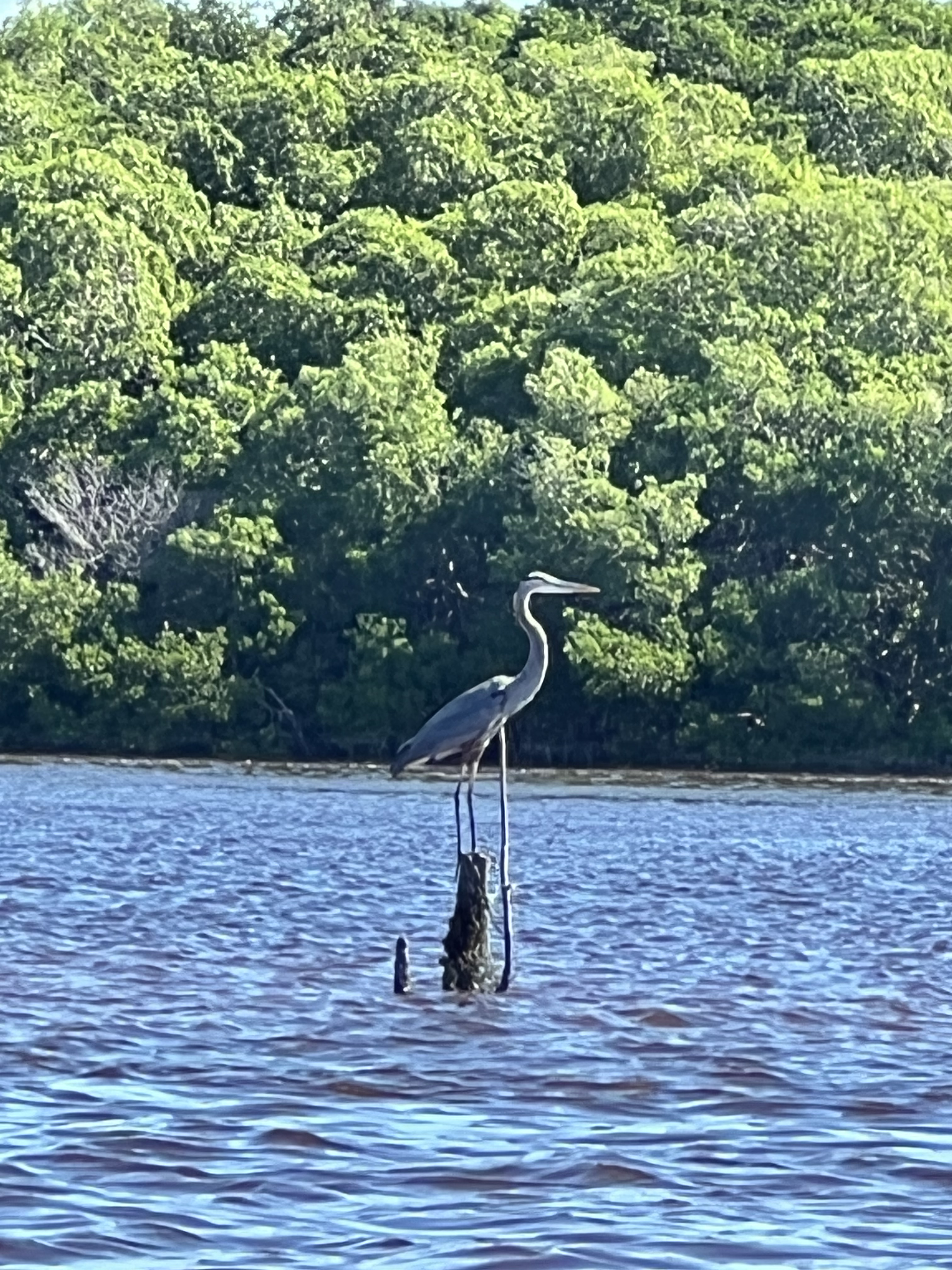
Heading out into the big lagoon, where fresh and seawater meet, producing a reddish slick on the water, we see spoonbills, pink from the staple diet of crabs, huge boat billed herons, snake herons, cormorants and later, some flamingos, though it’s not the season. Our trip lasts about three hours including a rather hot trek back via a causeway (it must 35 C and mosquitos are really a pest now!) but luckily a tuk tuk comes to our rescue.
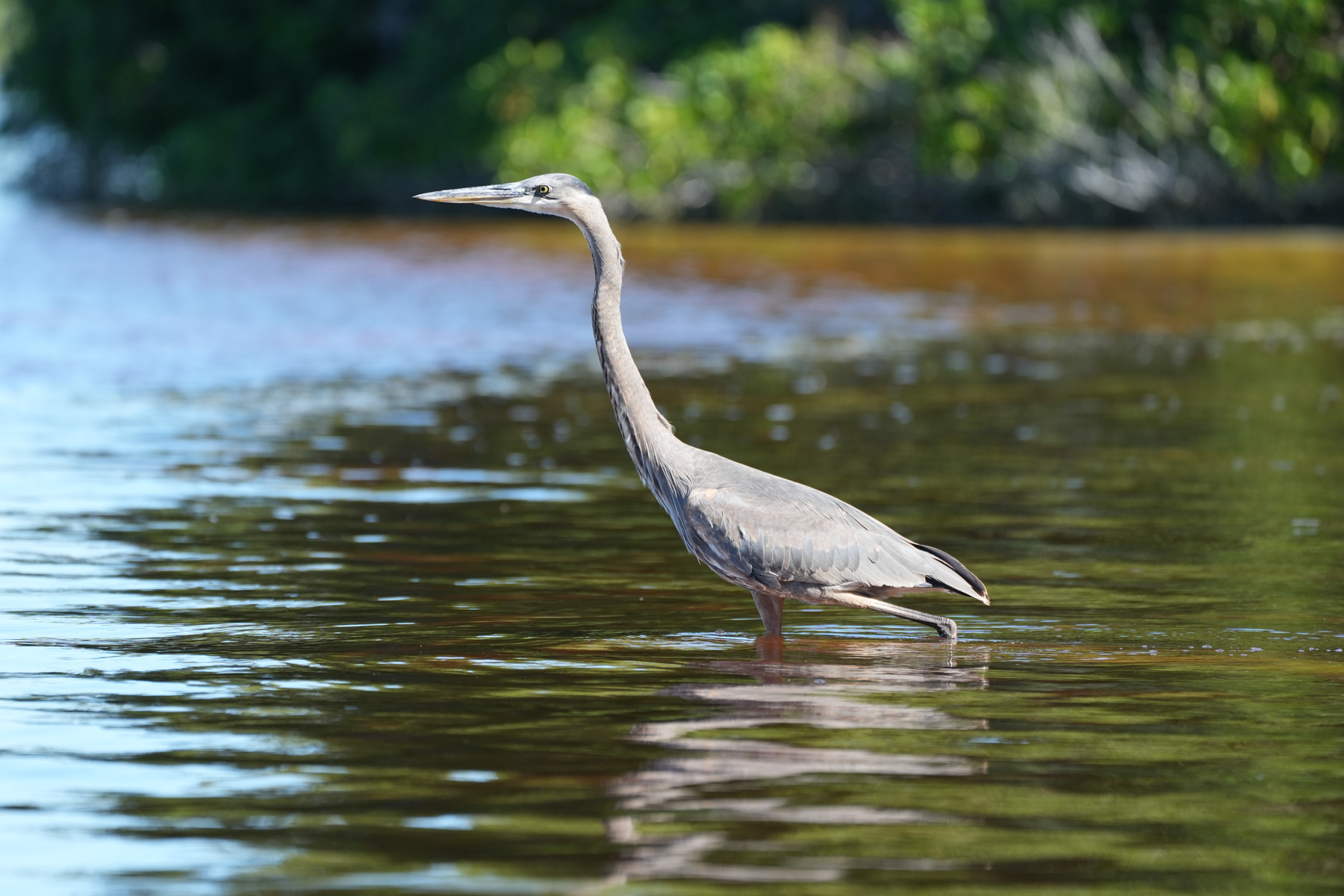
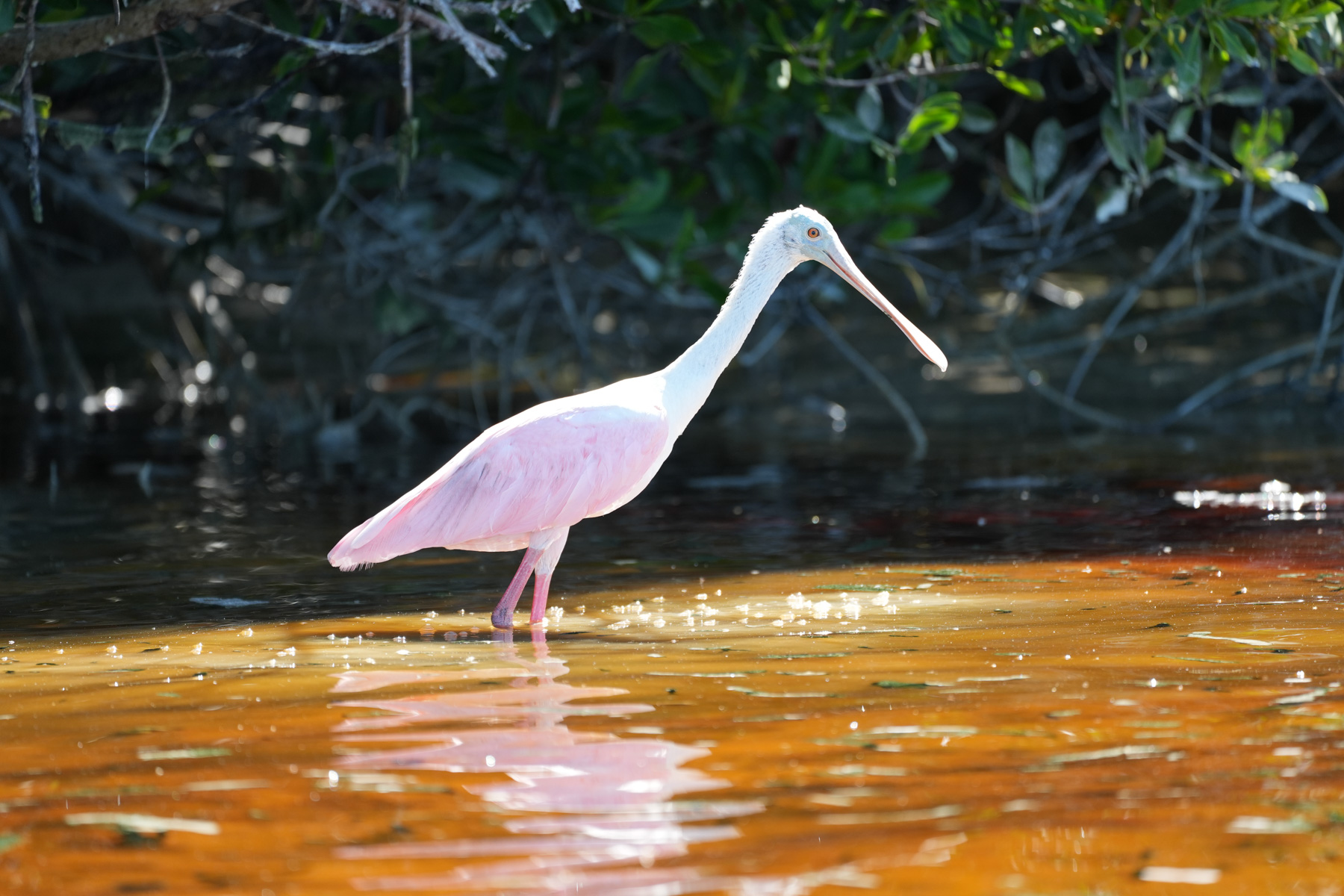
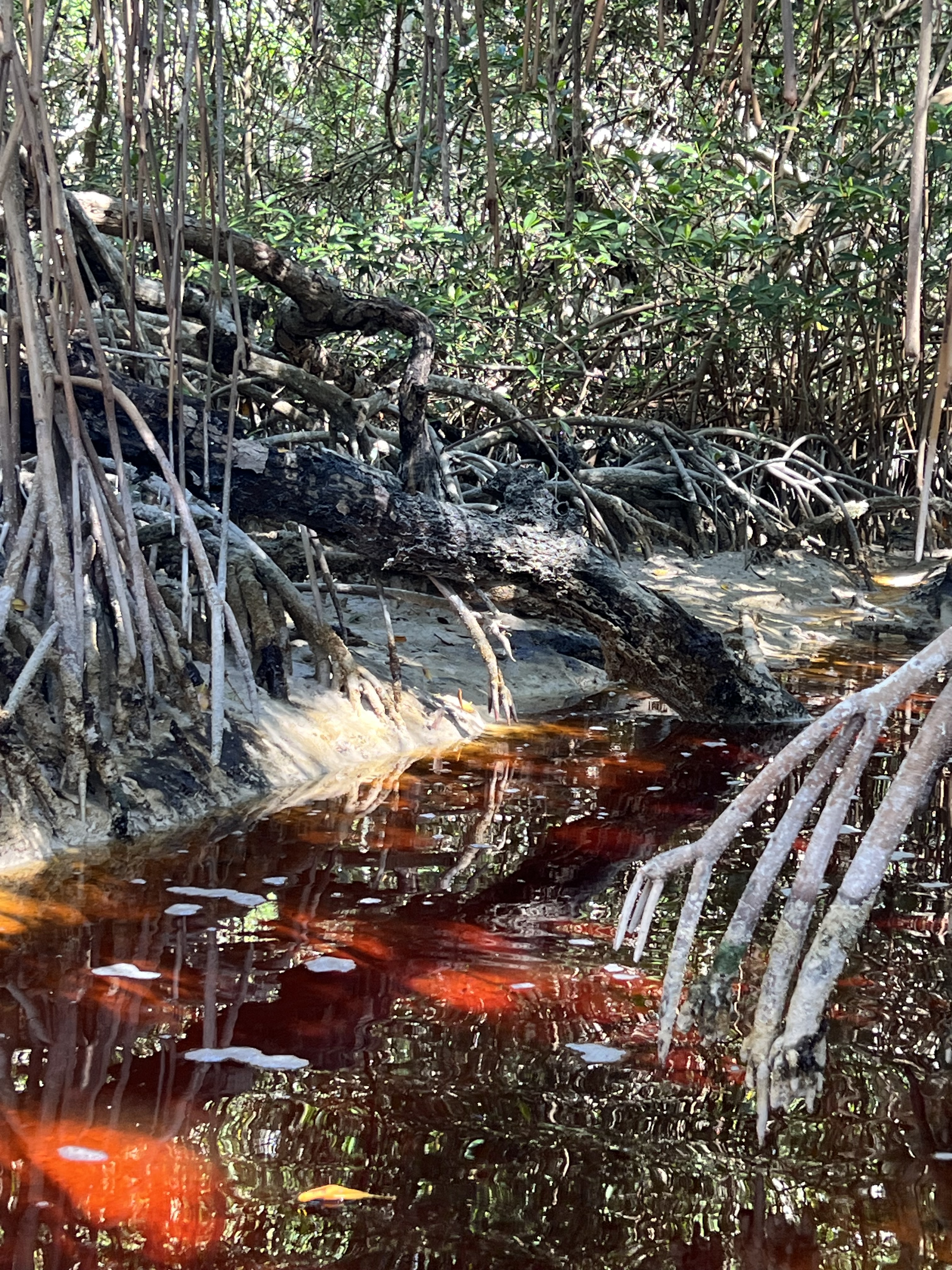
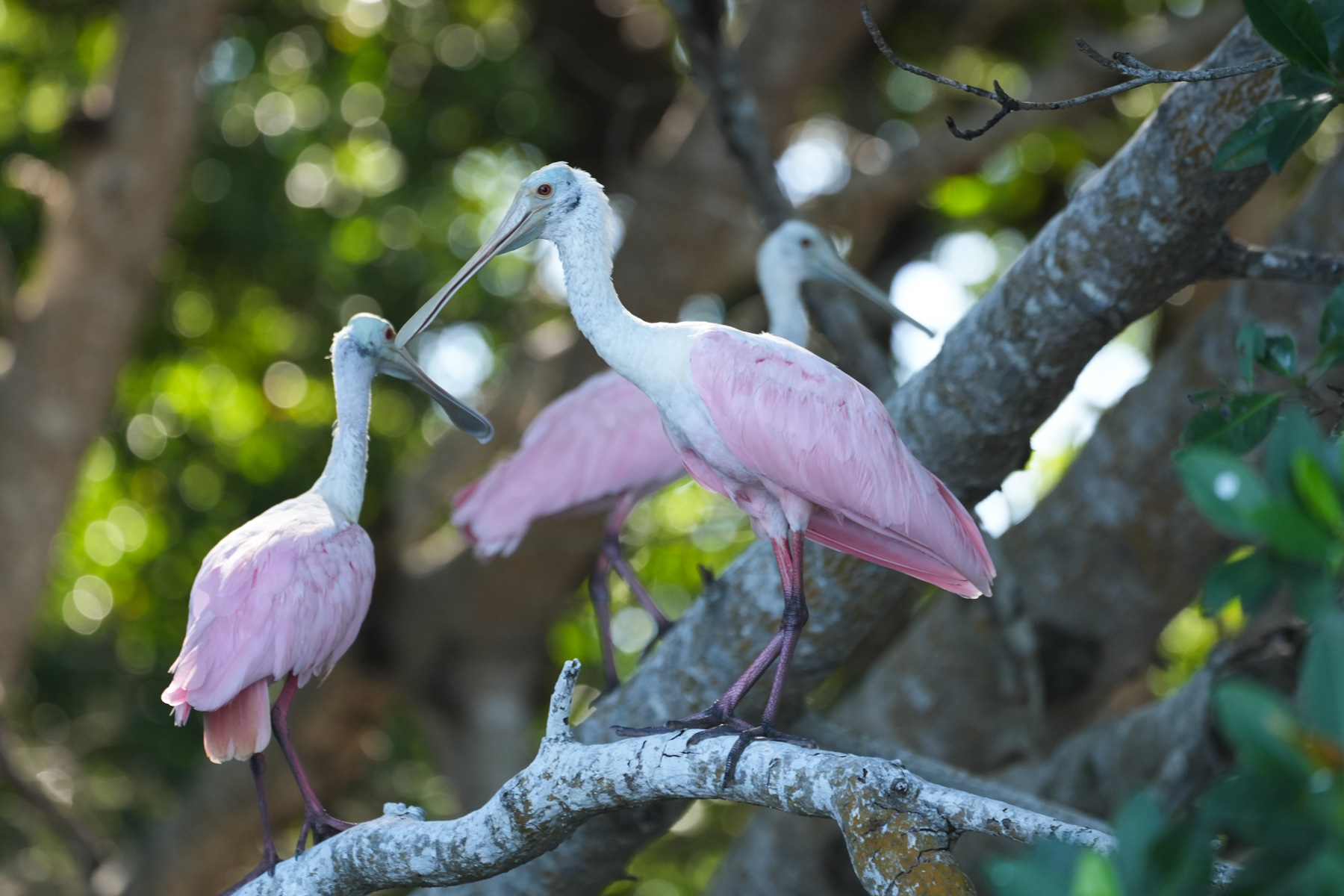
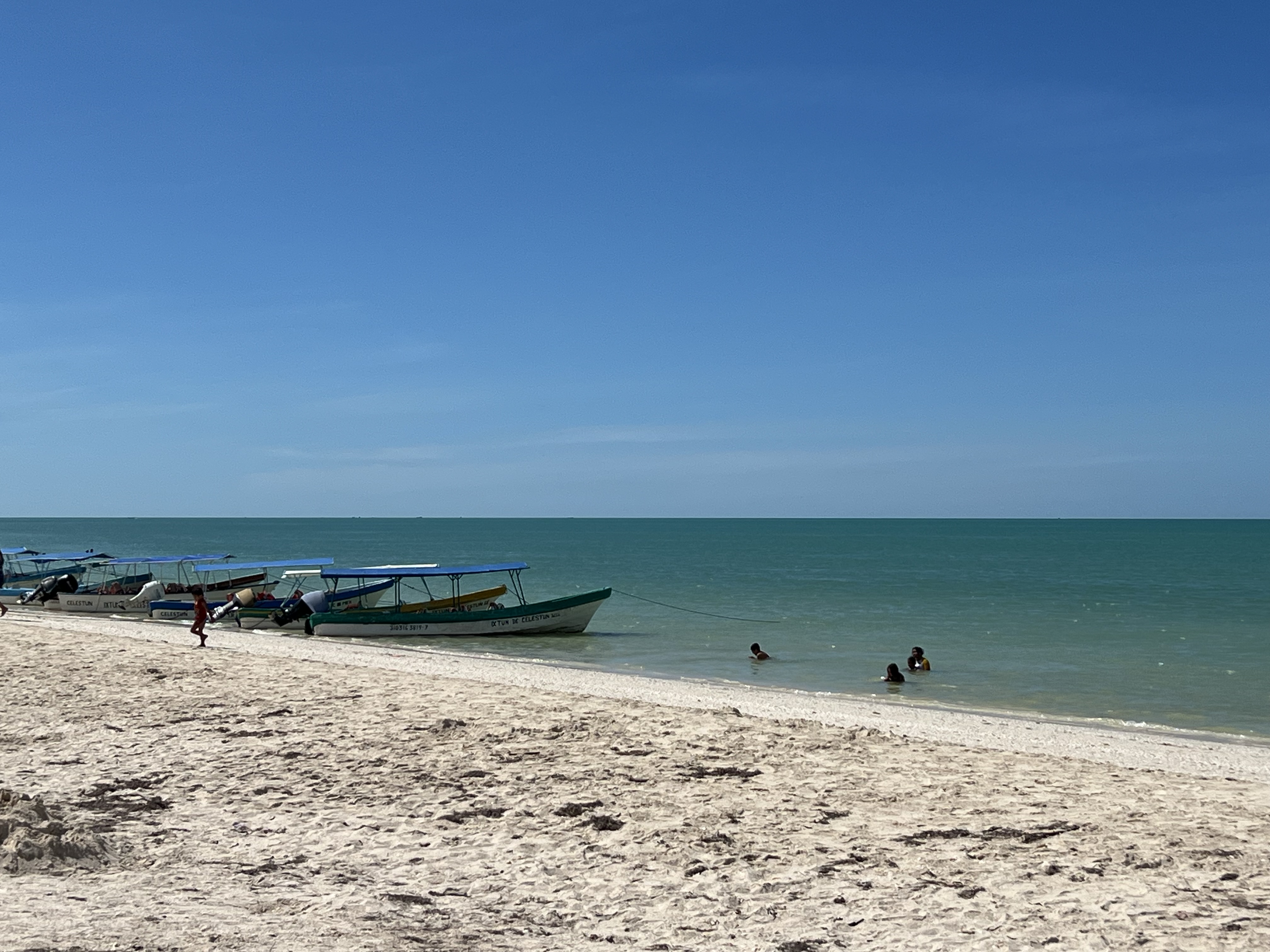
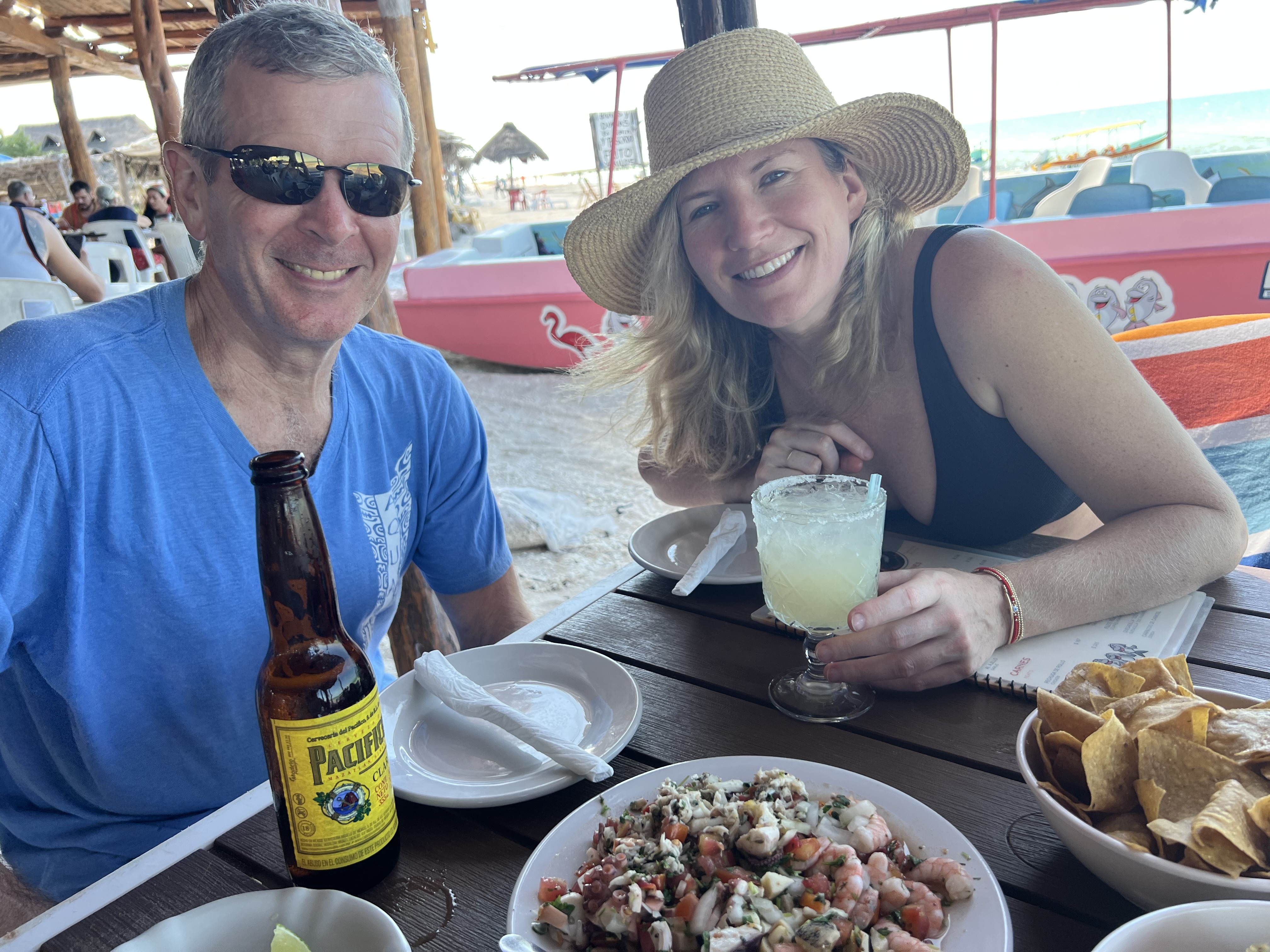
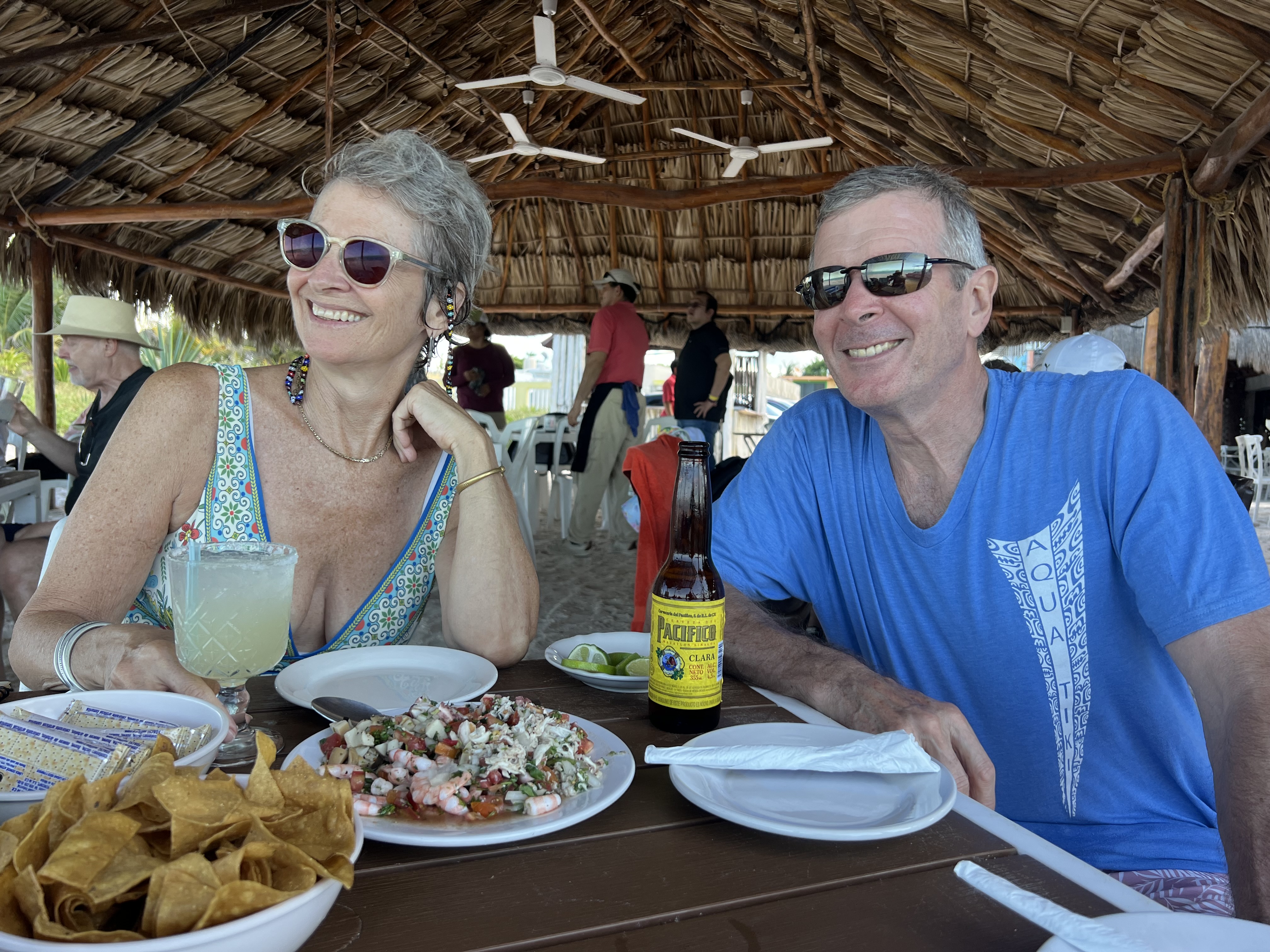
The beach is fabulous and lunch at Los Pompanos simply delicious – avocado piled with a fresh crab salad, astringent lime-marinated ceviche and barbecued ocotopus – yes I know one shouldn’t, but they are very abundant here.
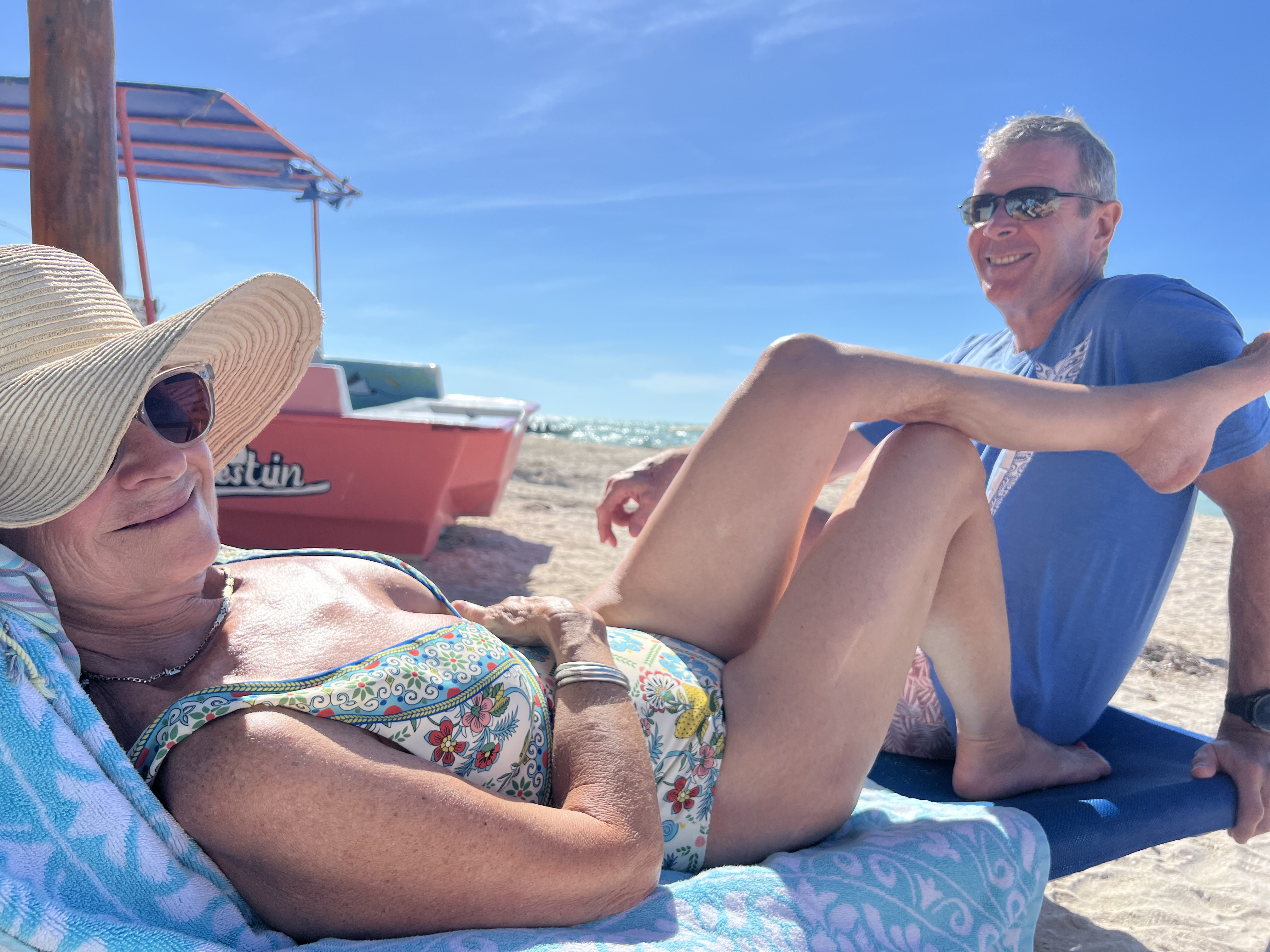
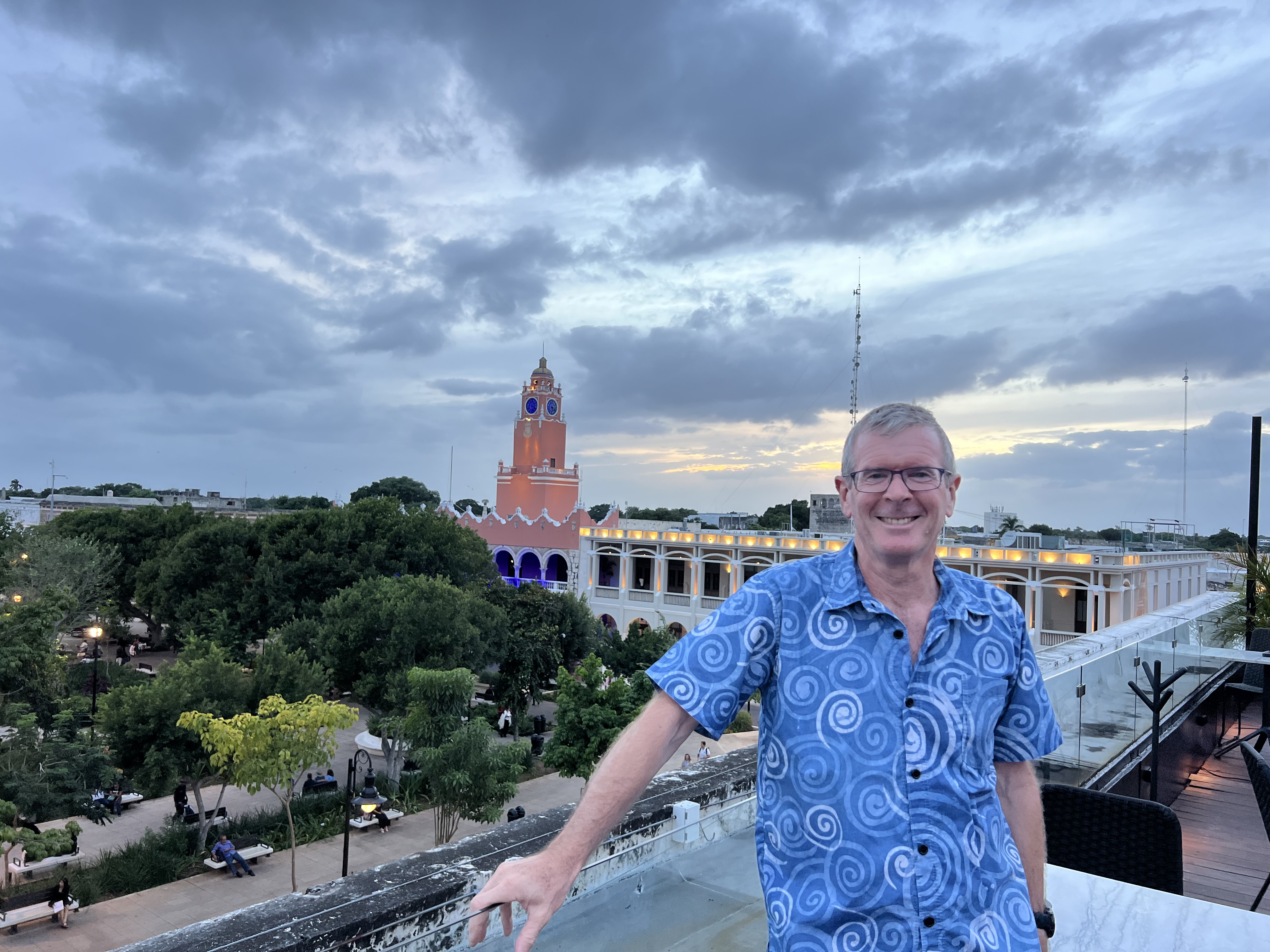
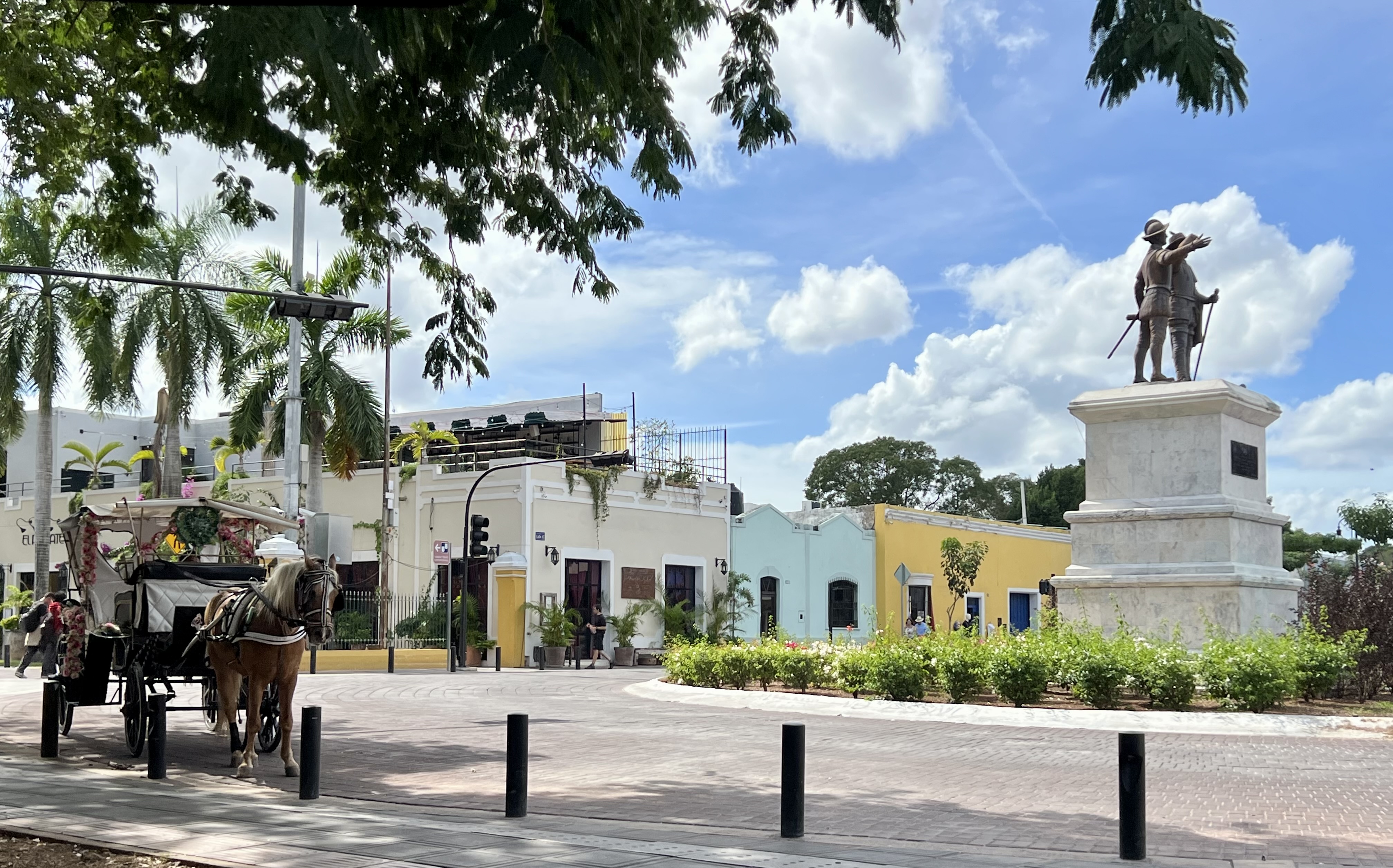
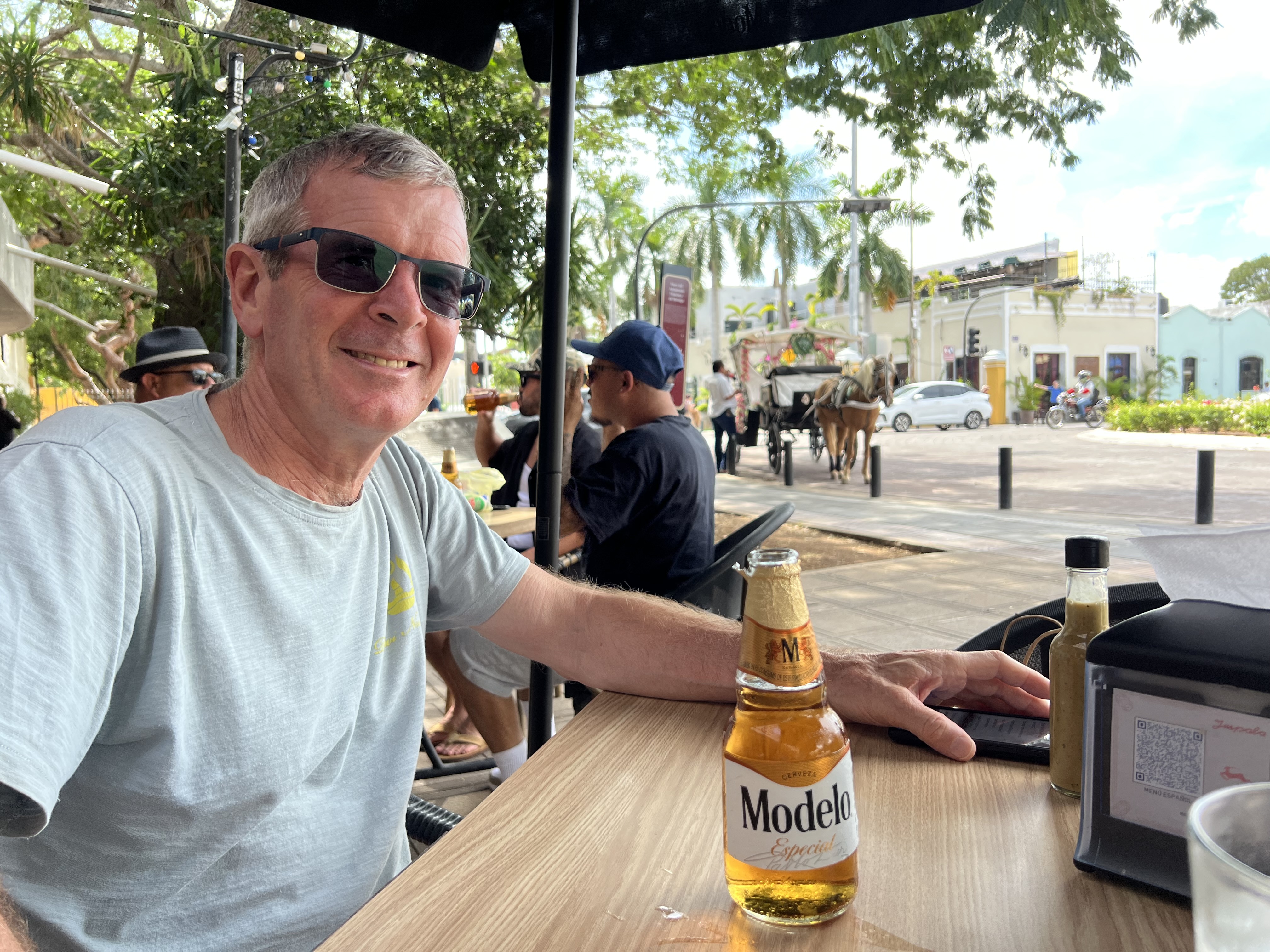
The days in Merida slide into one another, strolling around the shops and squares, with brunches, lunches and supper, punctuated by a margarita or two, just enjoying the atmosphere of the town. We drag Atty off to Uxmal and the Ruta Puuc, but that will be another blog as it’s is our favourite site and worthy of more space!
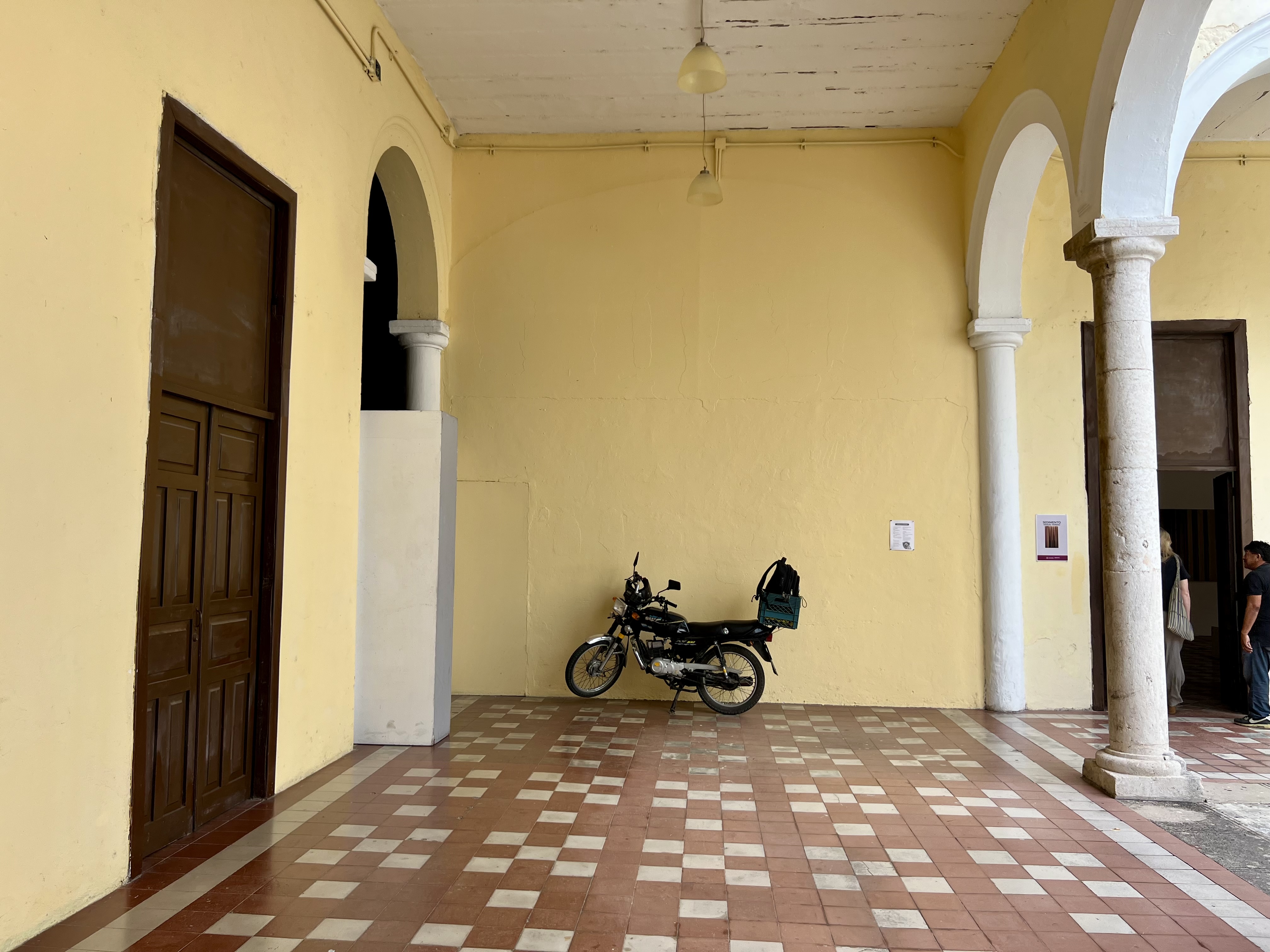
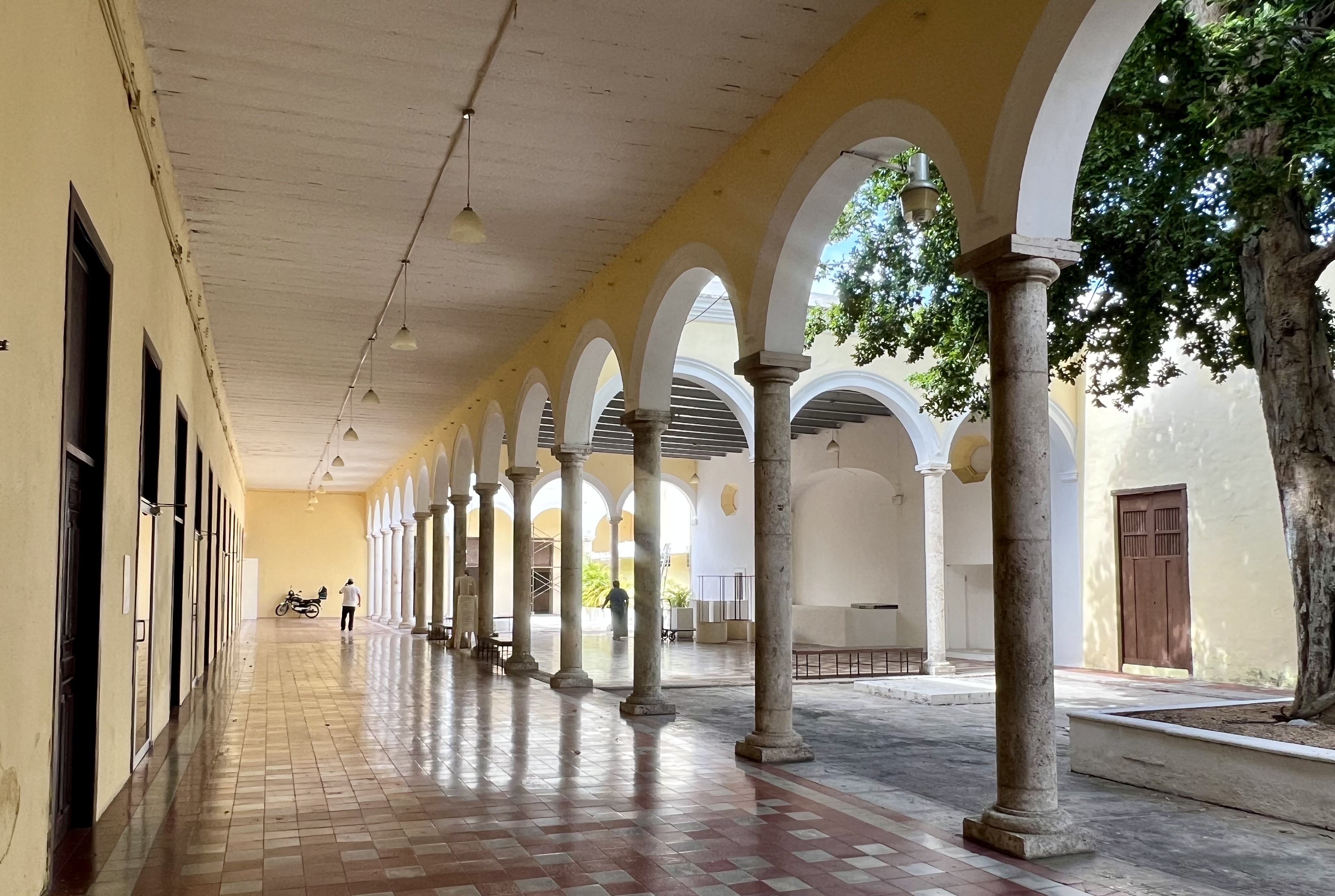

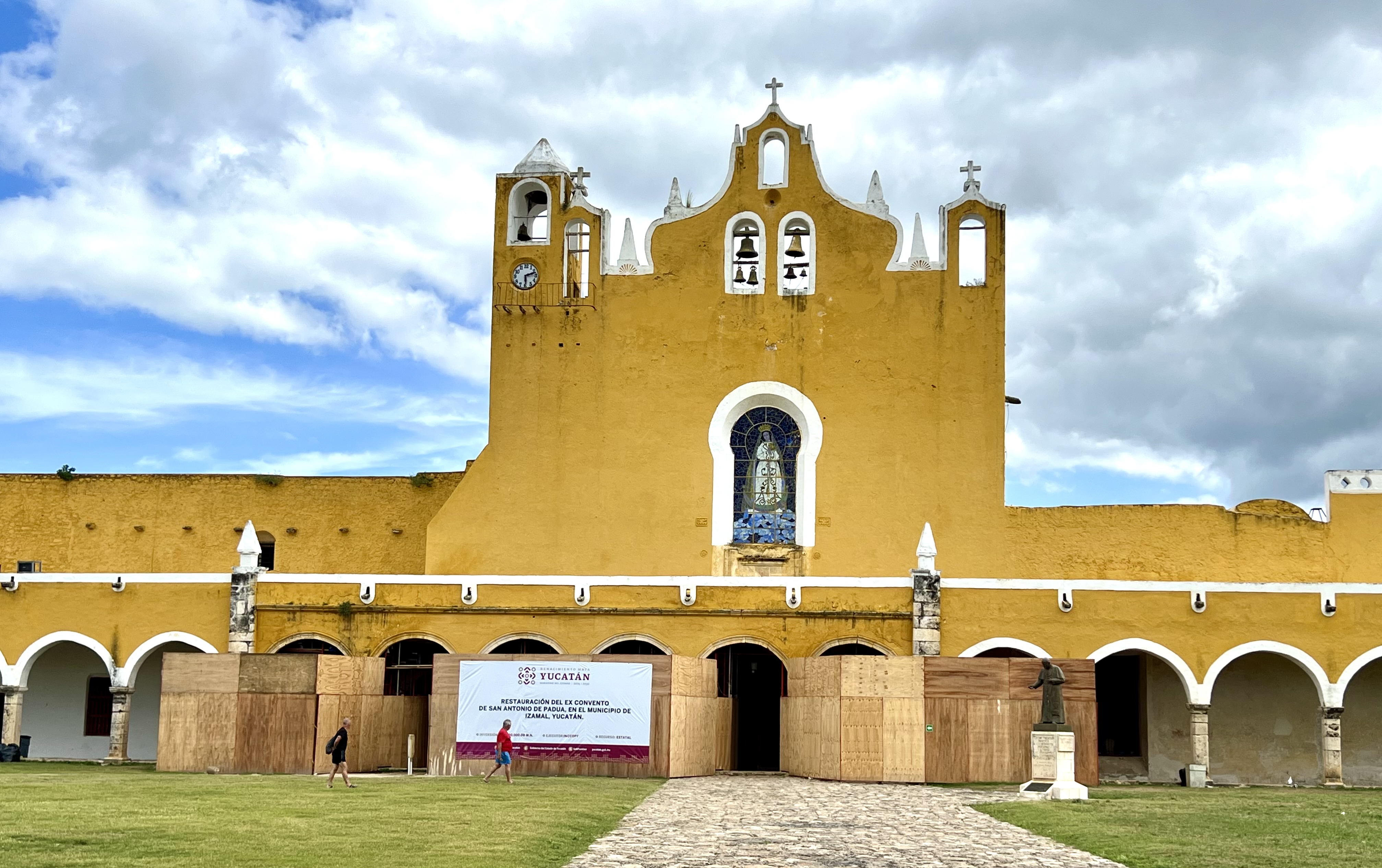
After she leaves – work calls – Ross and I go to the famous Yellow City of Izamal. Apparently the city suffered a decline earlier in the 20th century so the Mayor had the idea to paint it all yellow to attract tourism…well it’s certainly worked.
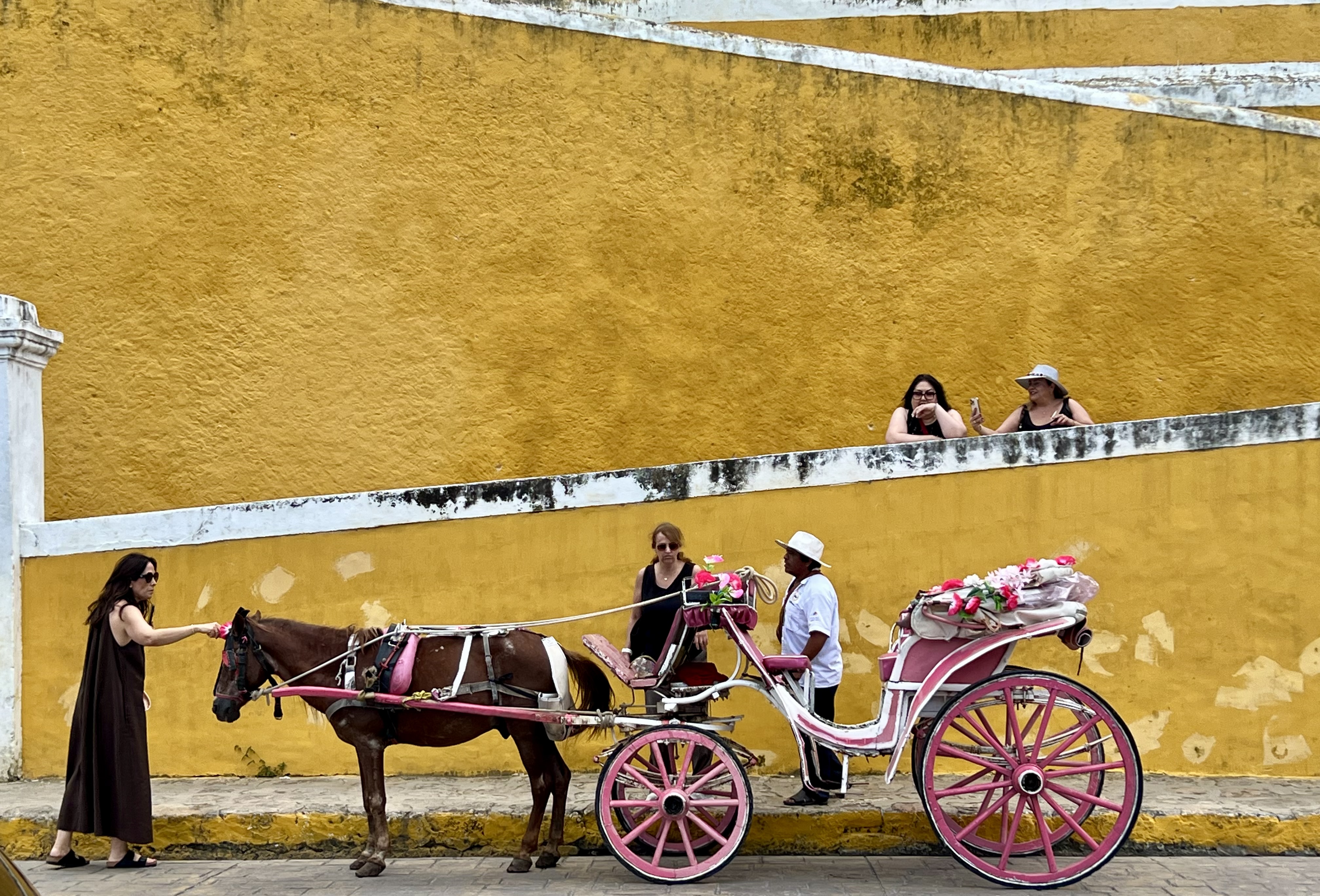
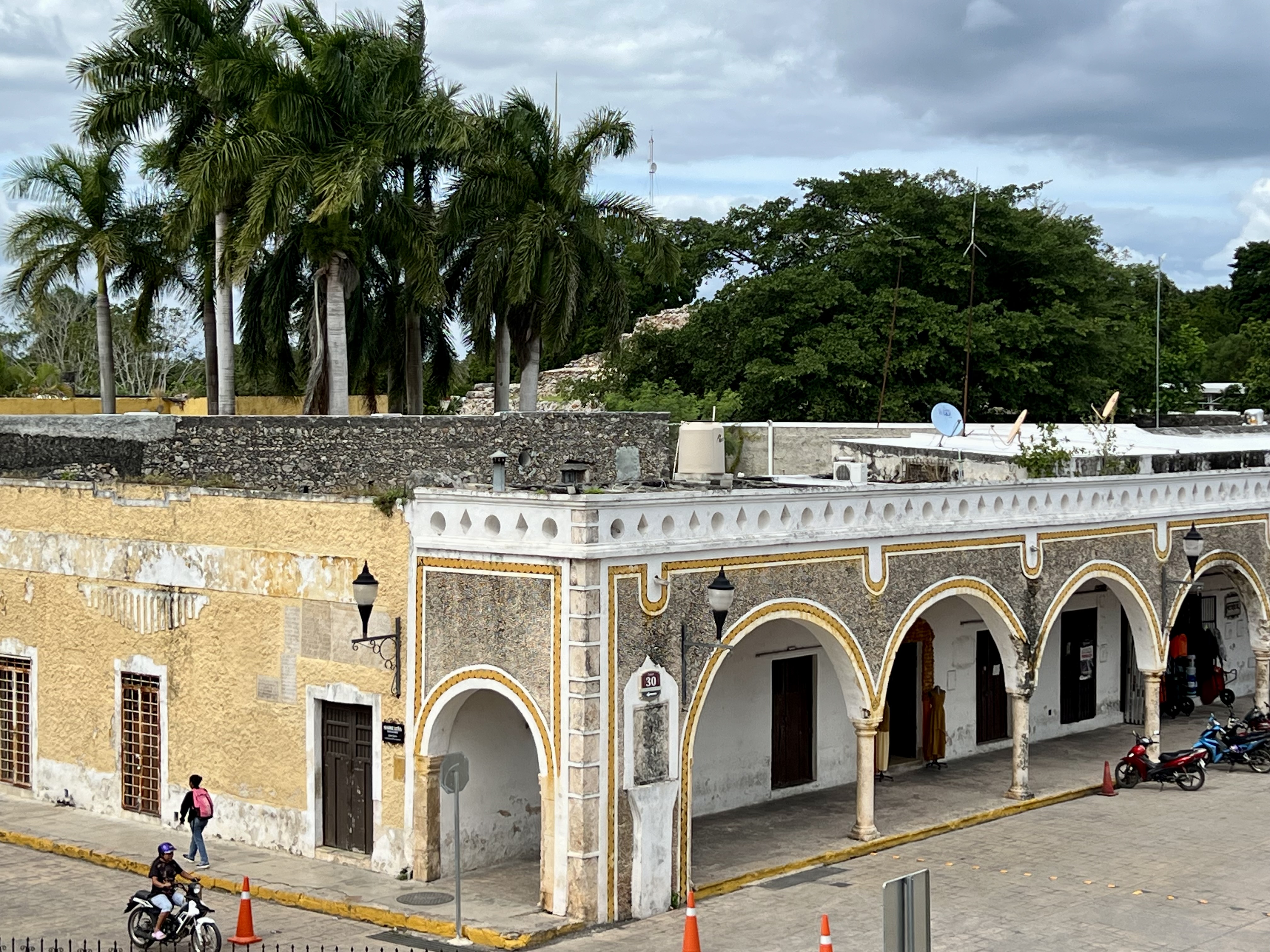
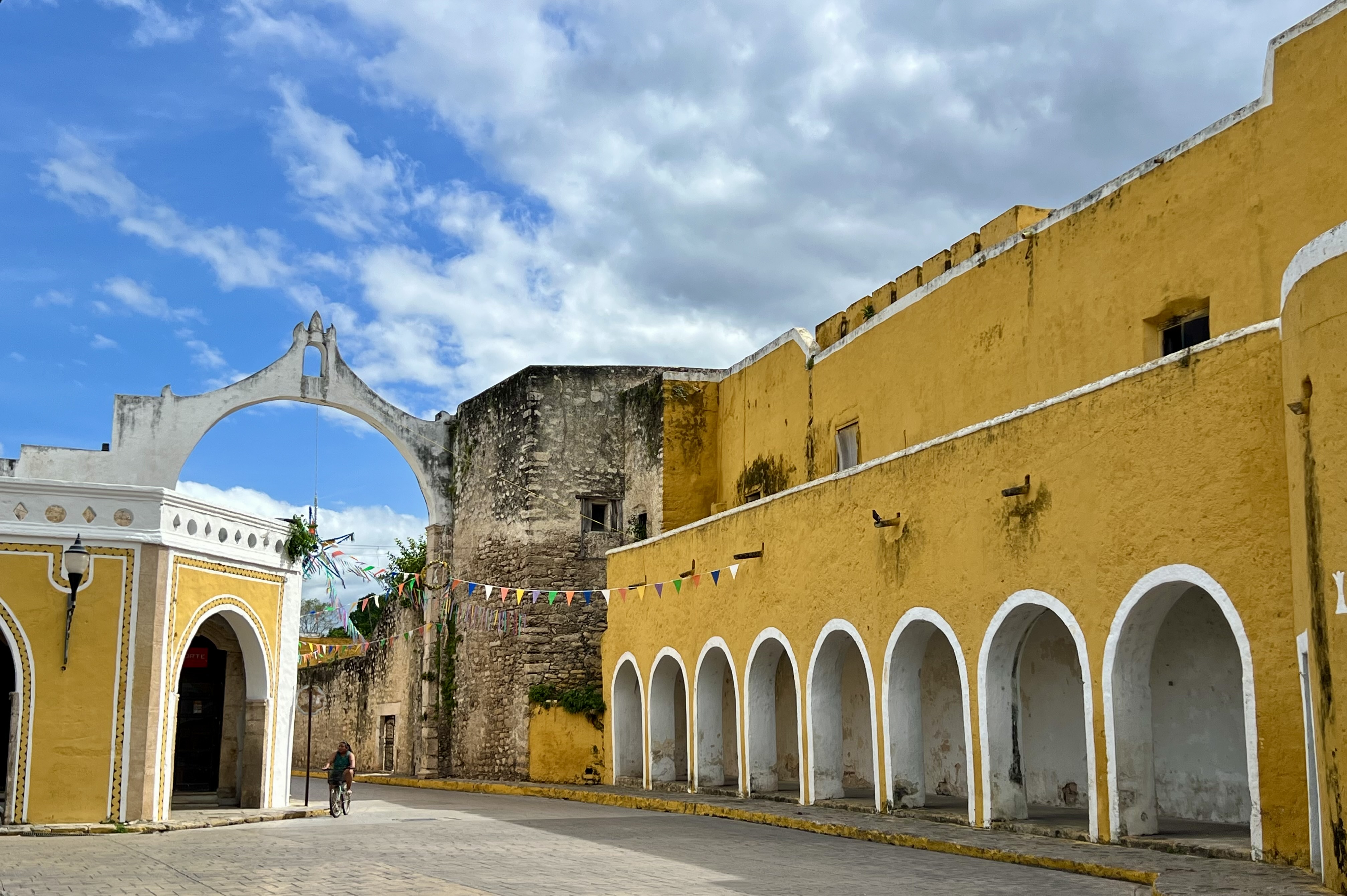


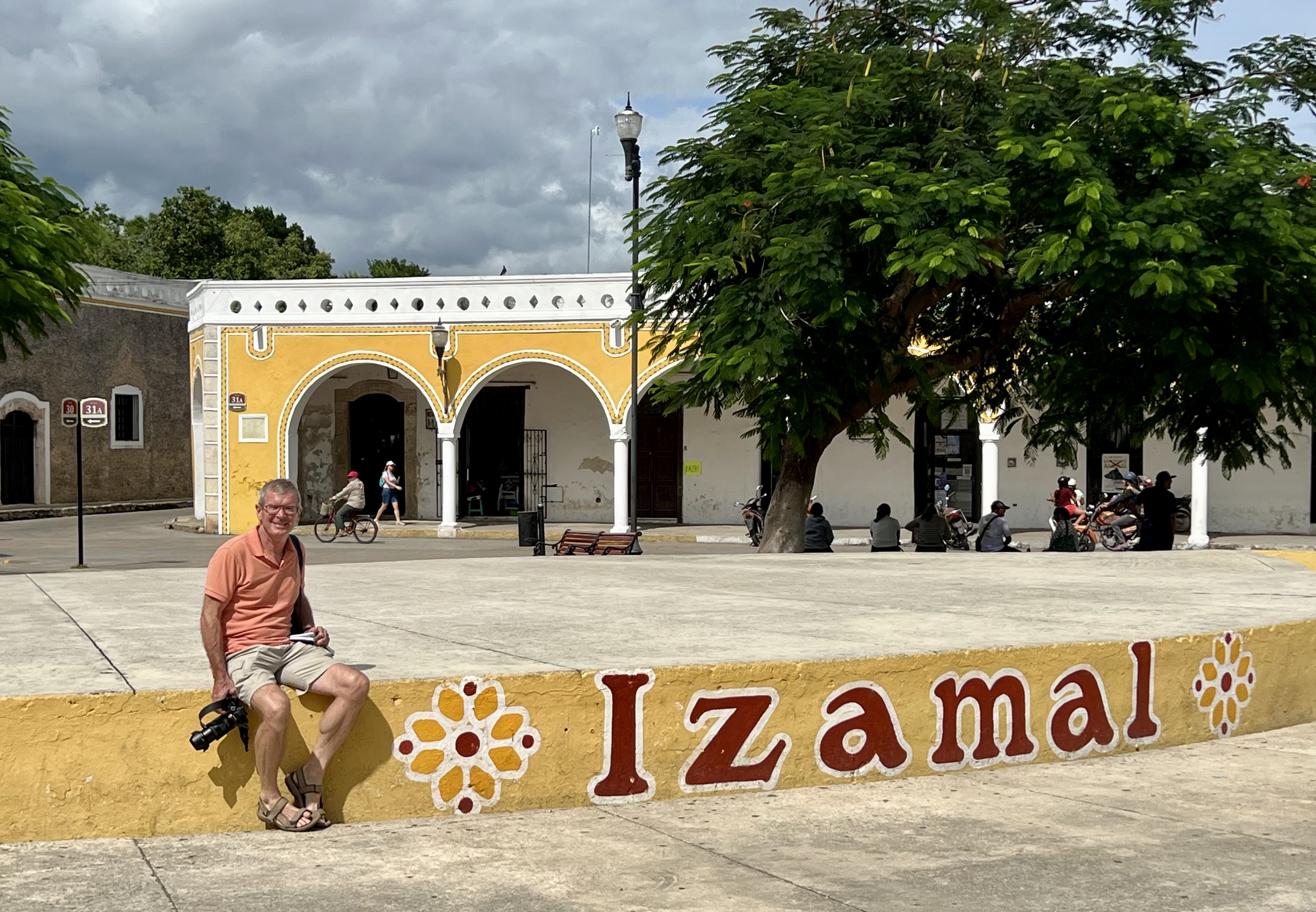
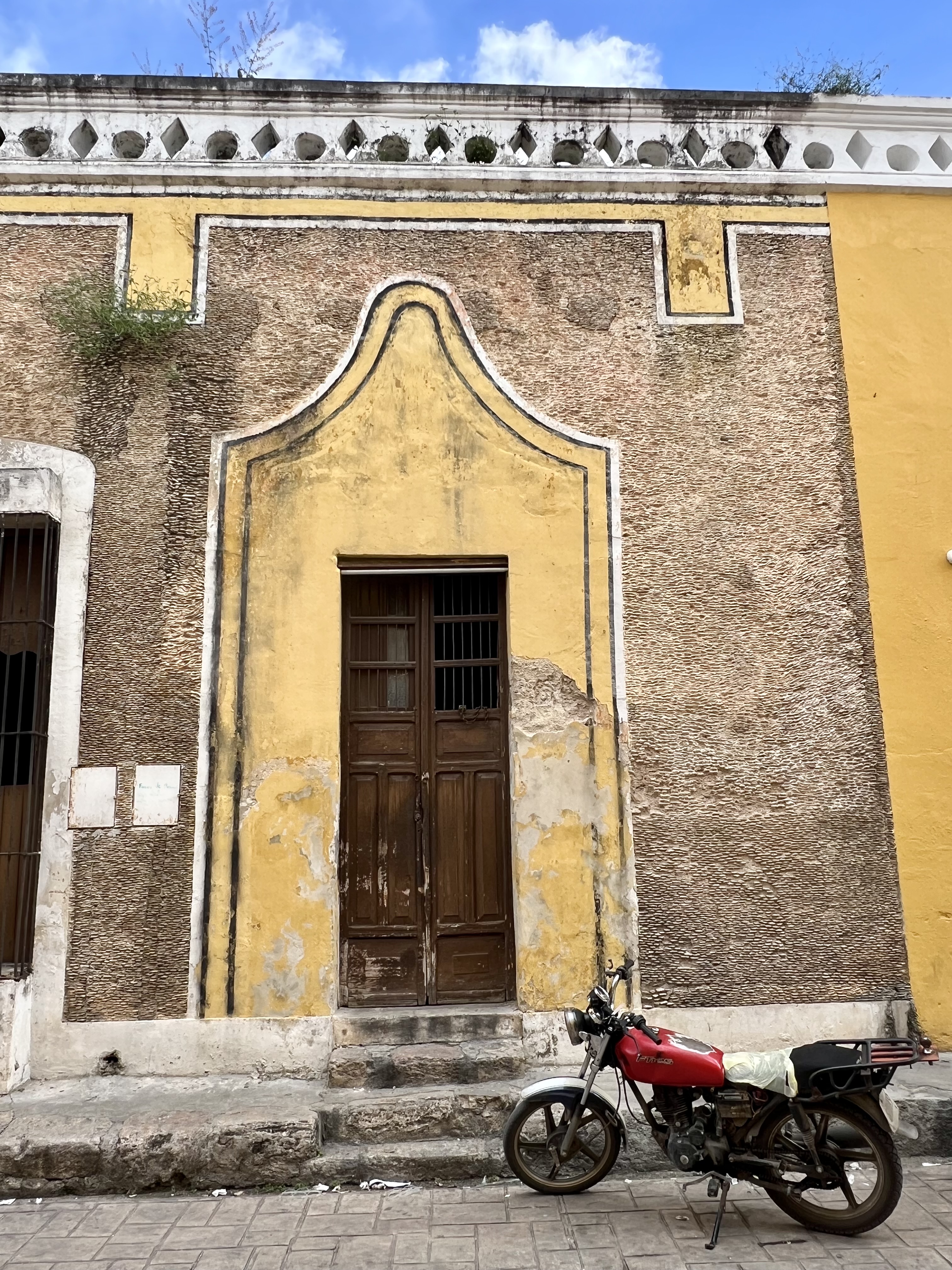
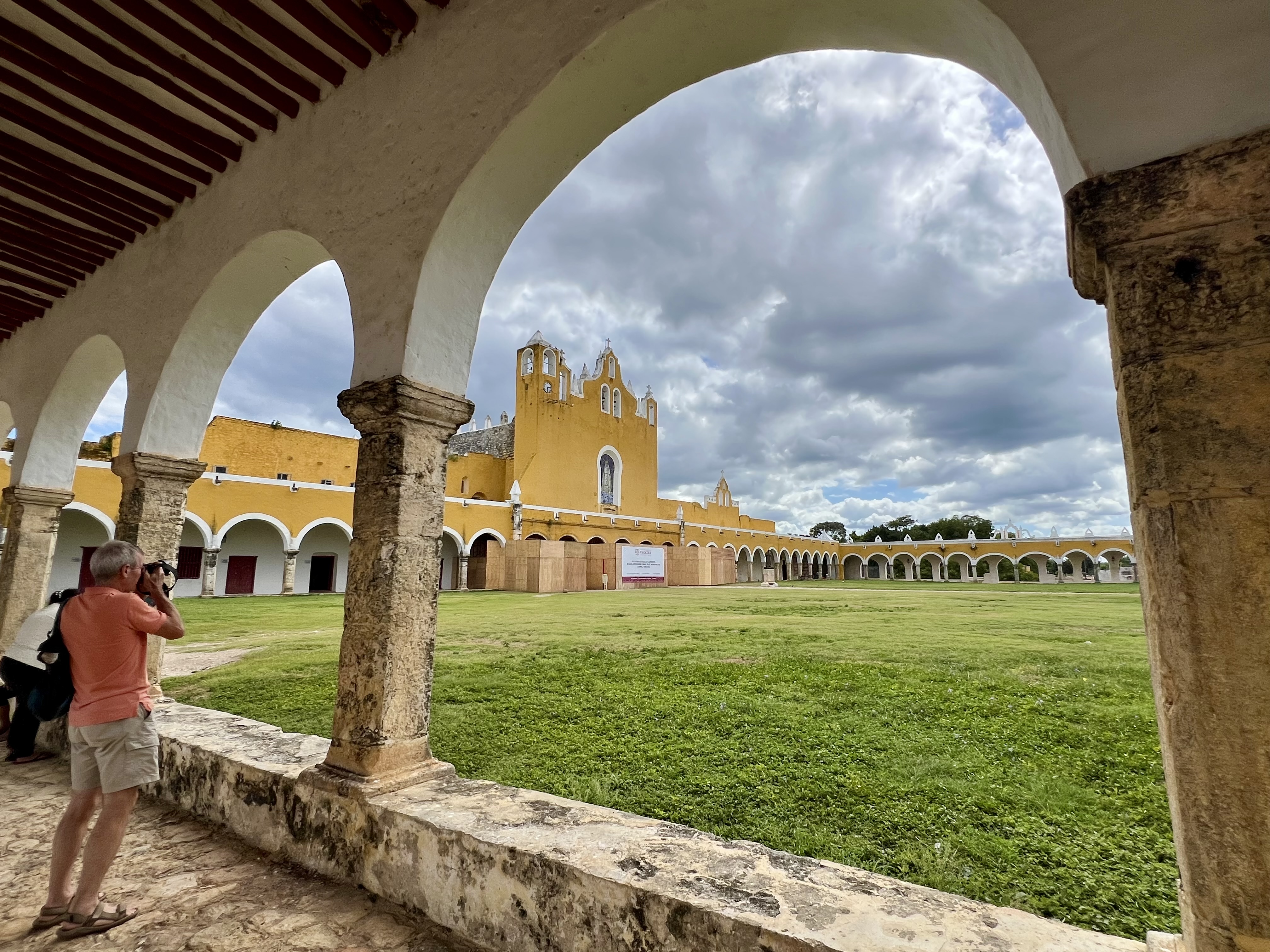
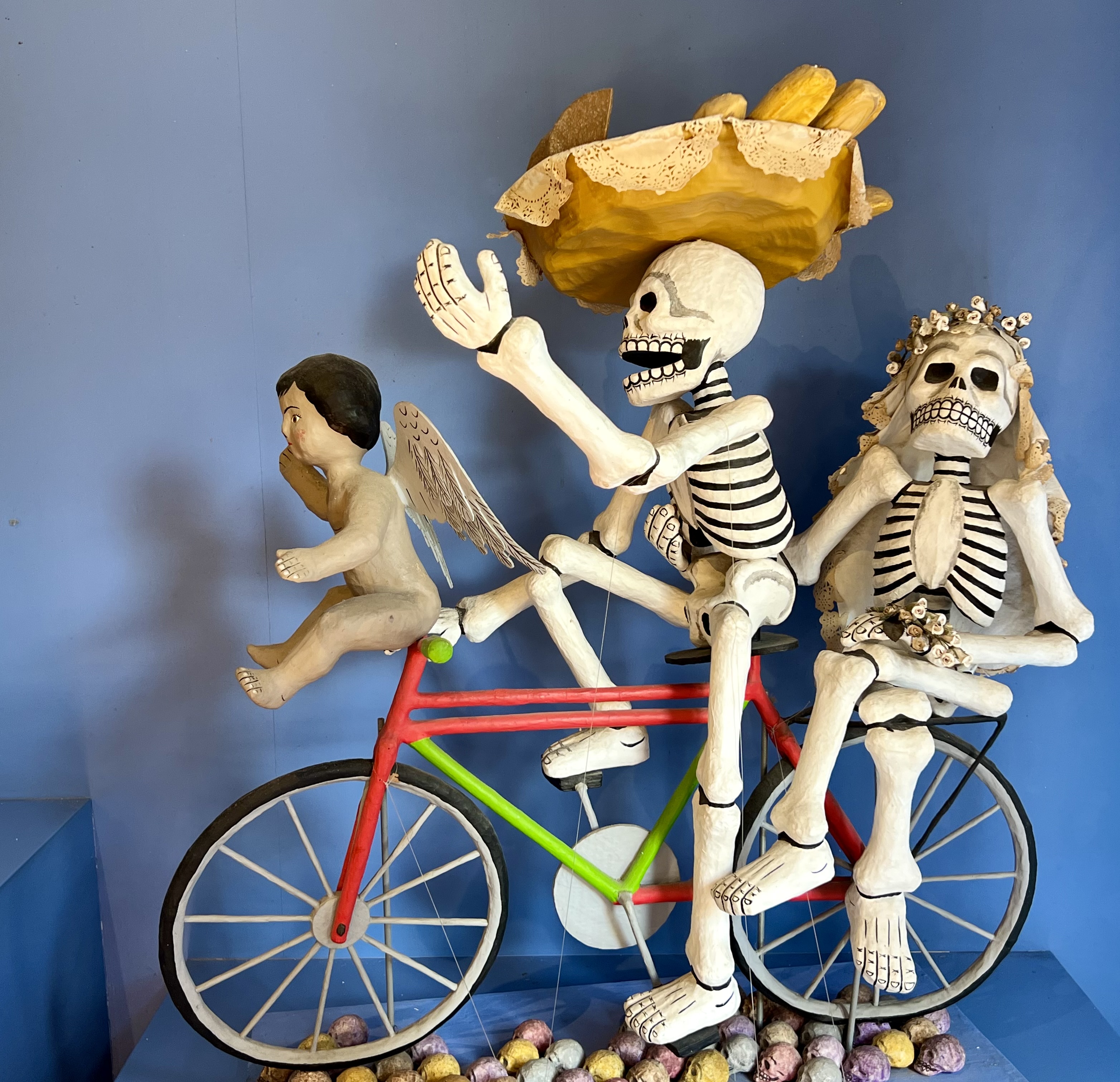
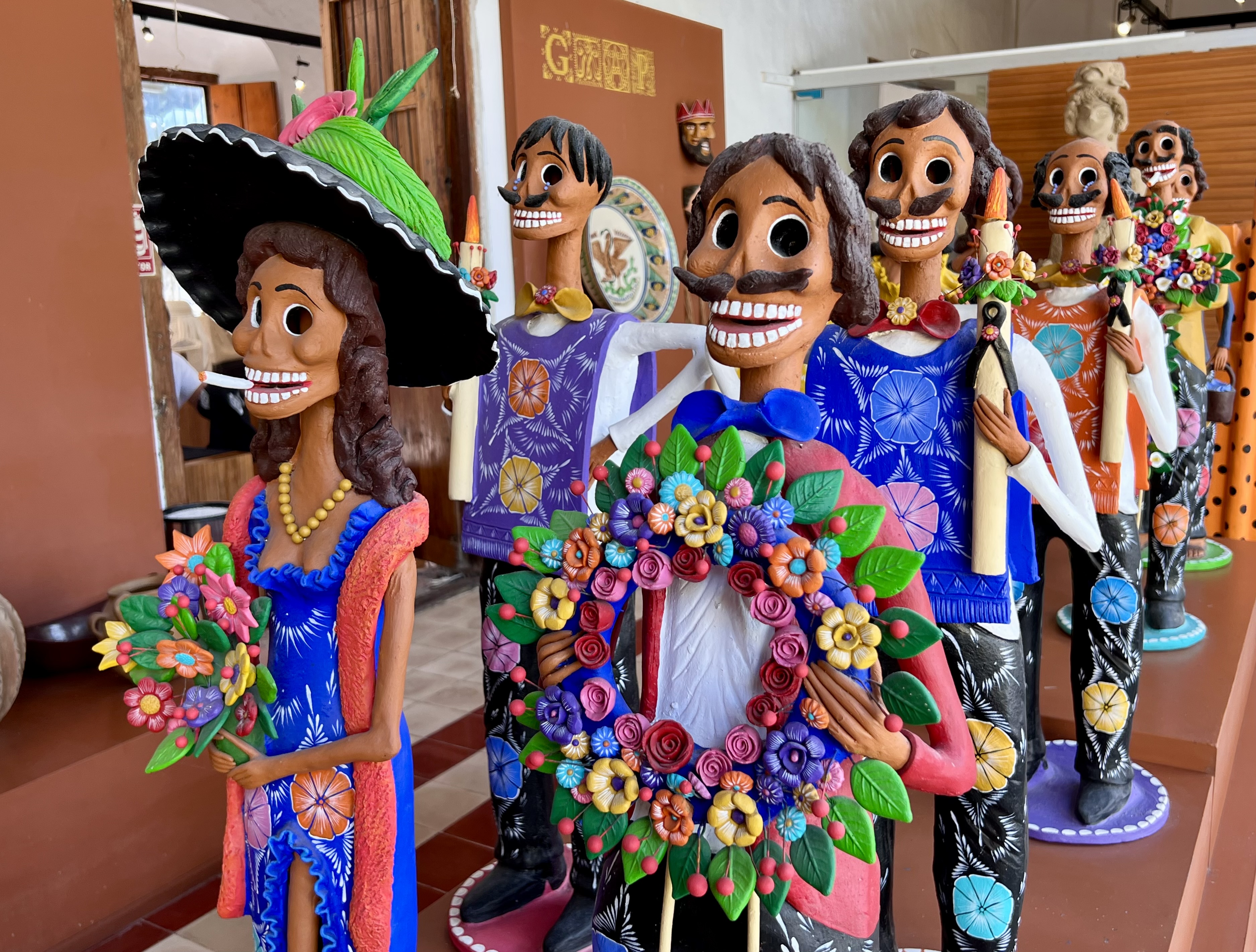
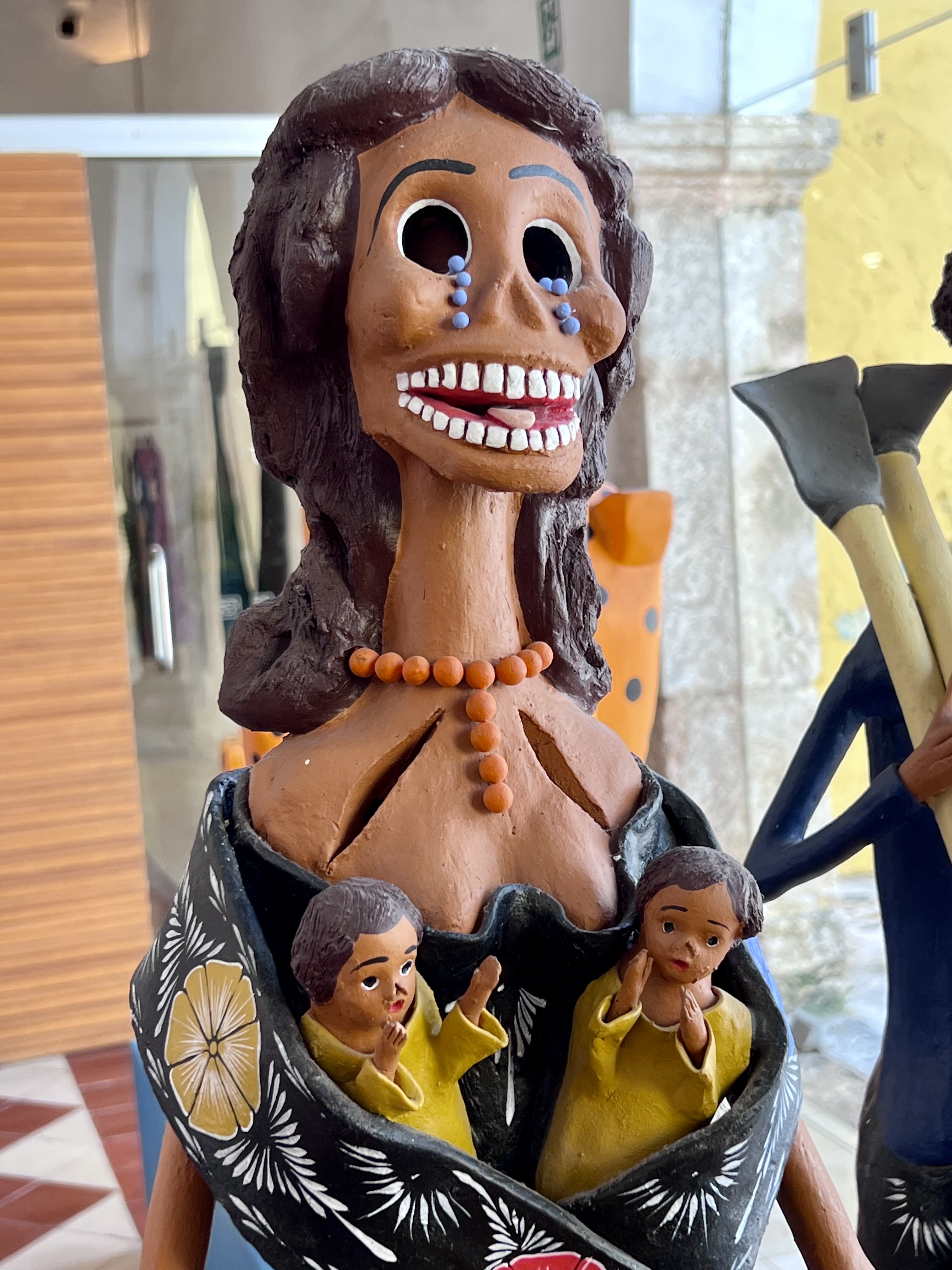
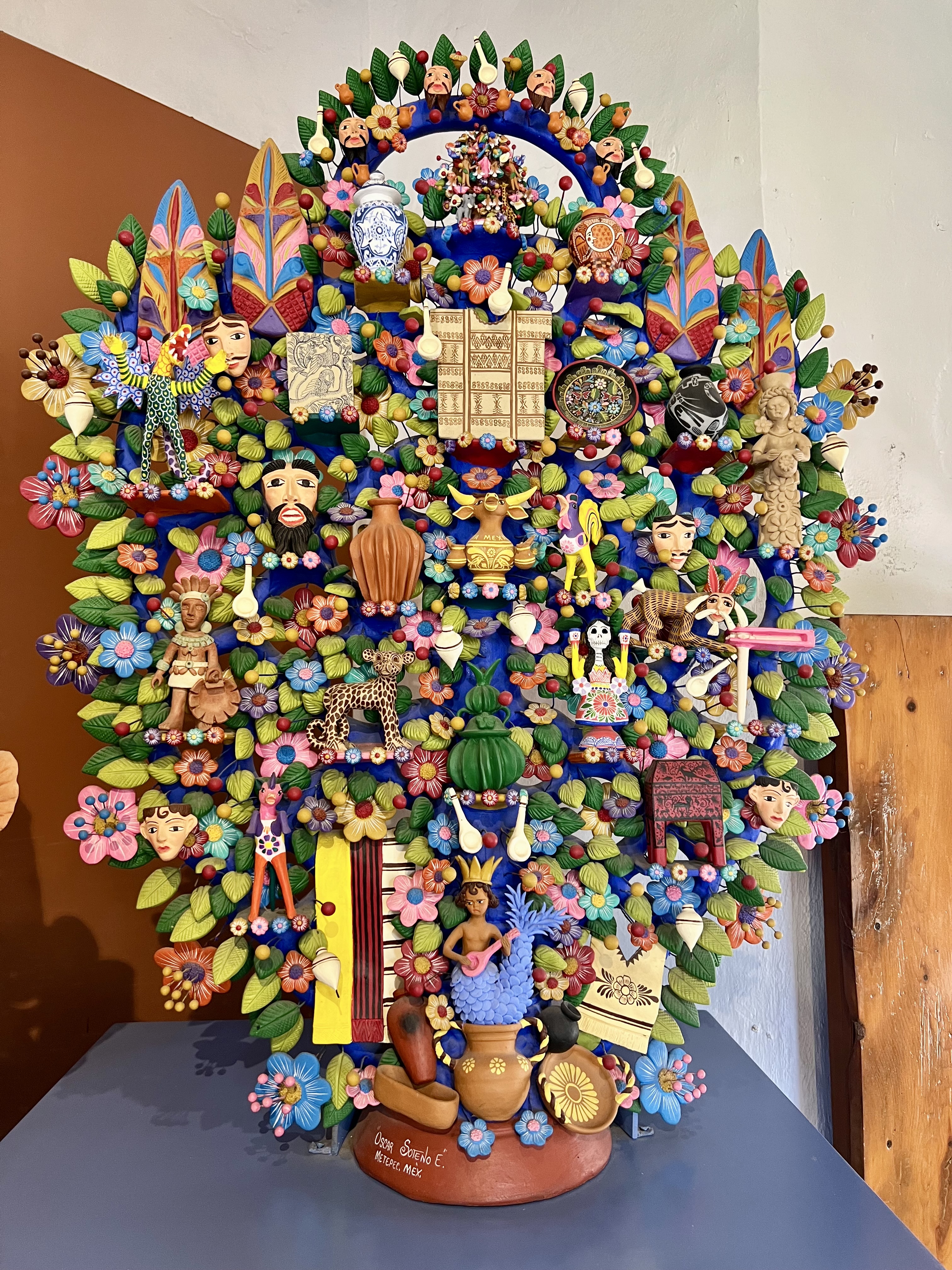
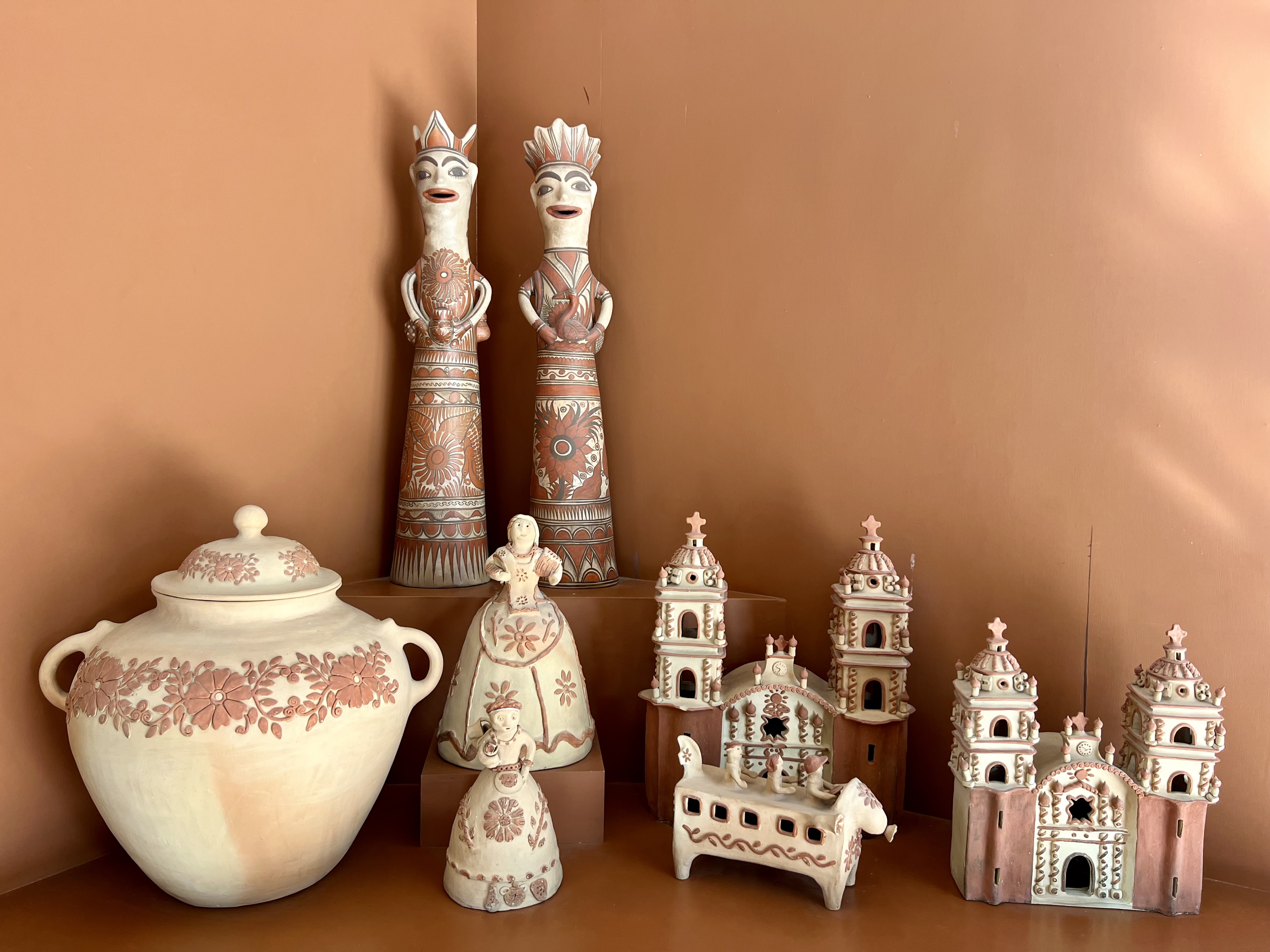
In addition to the Convento de San Antonio de Padua – one of the oldest still in operation in the world, dating from the 16 century – and the horse drawn carriages, yellow piazzas and a ruined pyramid (which I am forced to climb), there is a charming little cultural museum of contemporary art, superior to the Merida museum’s offerings.

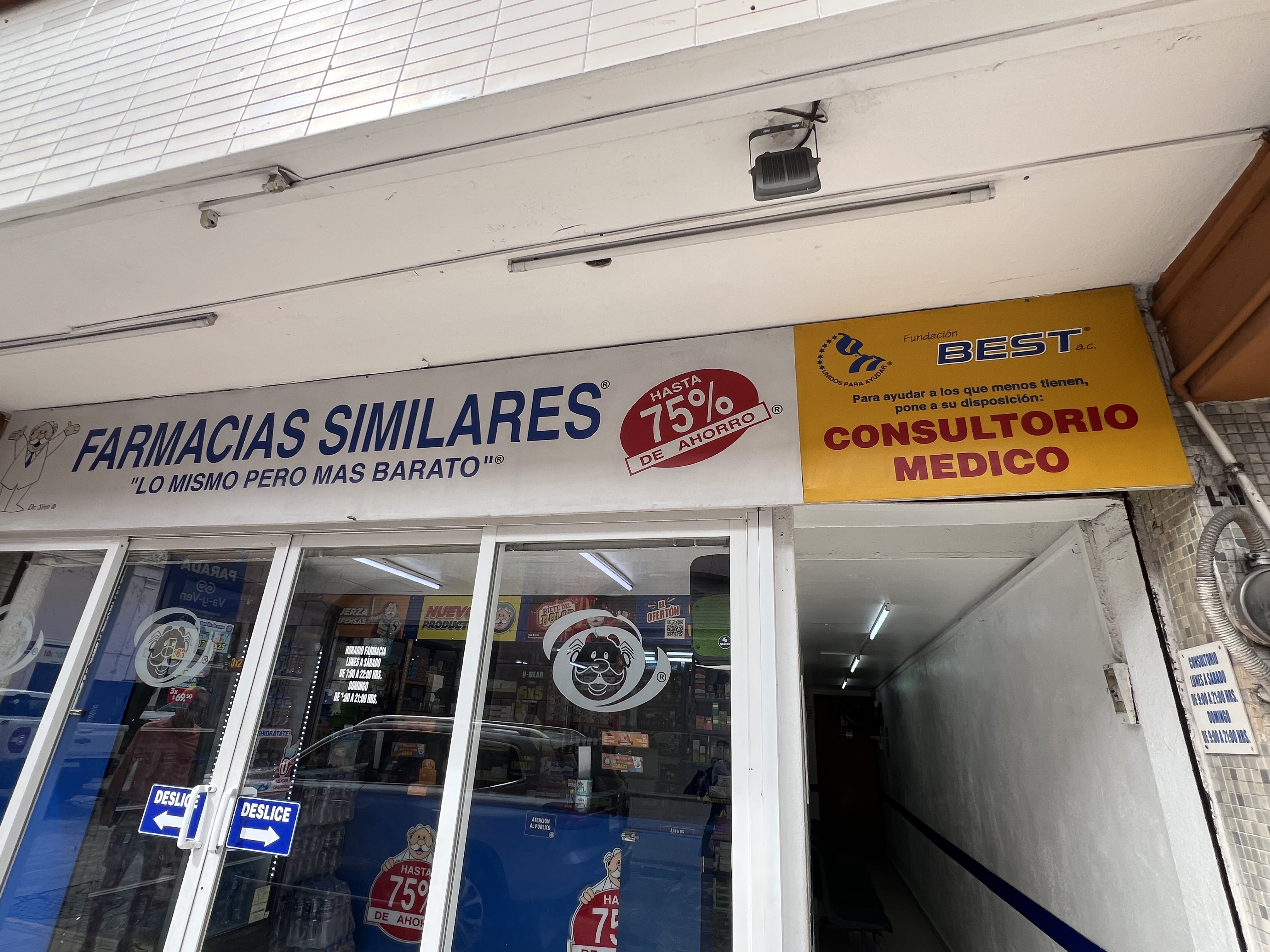
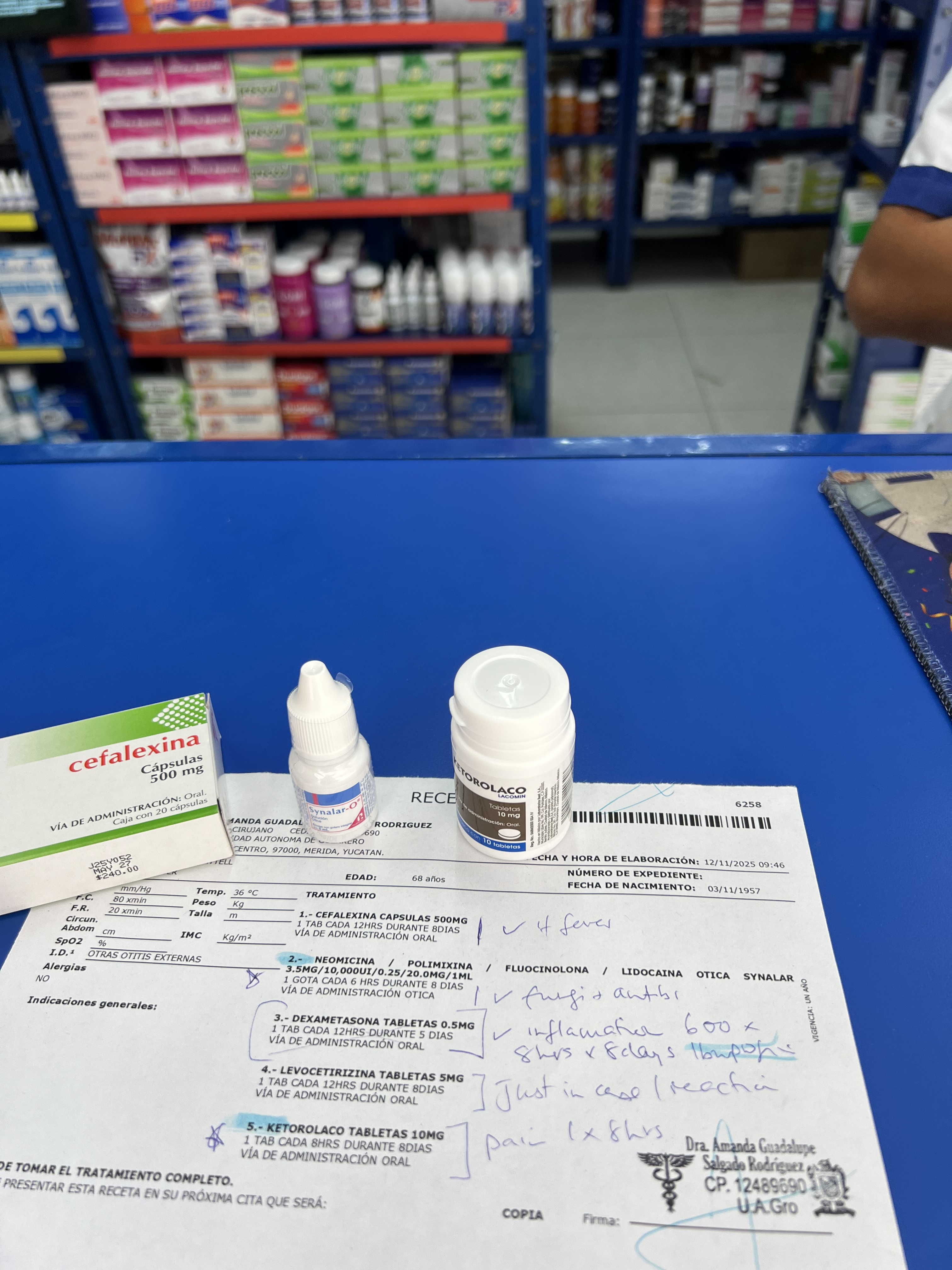
But the morning of our excursion, I wake up with a raging ear-ache – no doubt due to that enforced cave diving. Worried that I have ruptured my ear-drum (yes it’s that bad) I try in vain to find a doctor until AI informs us that many chemists in Mexico have a doctor’s surgery attached – and so for the princely sum of £3 I have an ear examination with a probe attached to bluetooth so I can see how awful my ear drum looks and, for a further £7, an array of drugs ranging from eardrops to antibiotics in case the pain doesn’t stop. Amazing. And by the next day it is better though I soldier on with the treatment until I’m home.

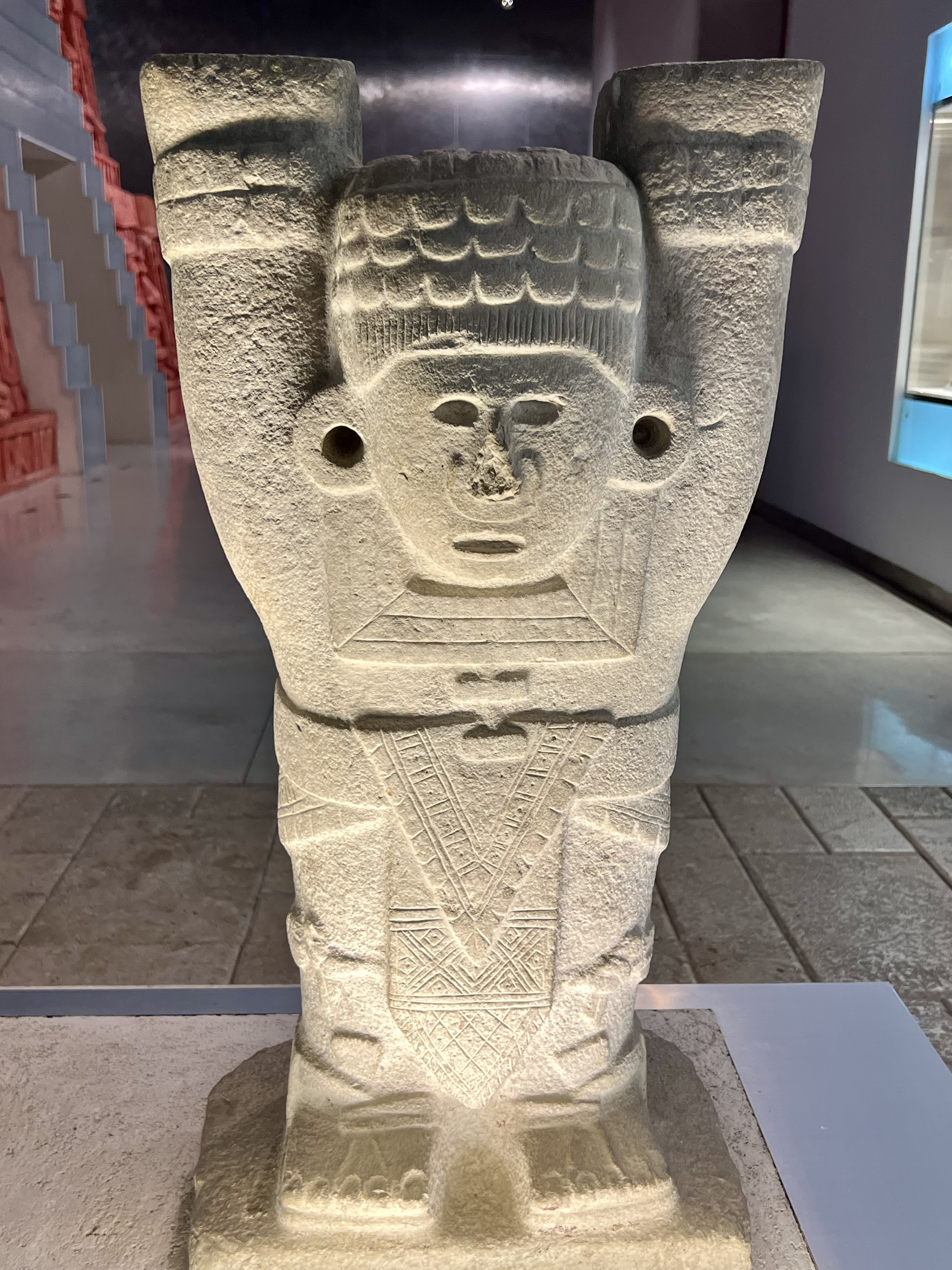
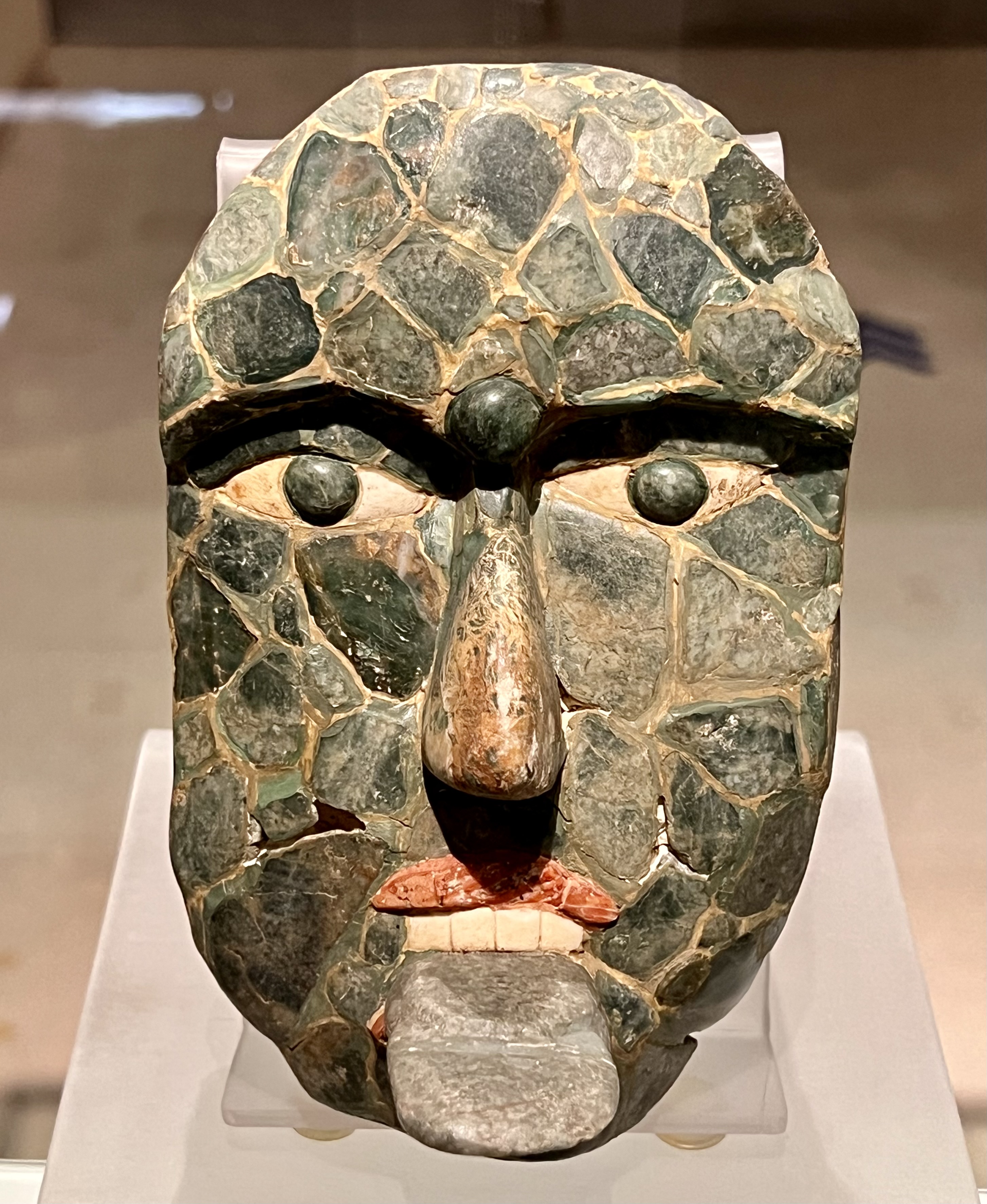
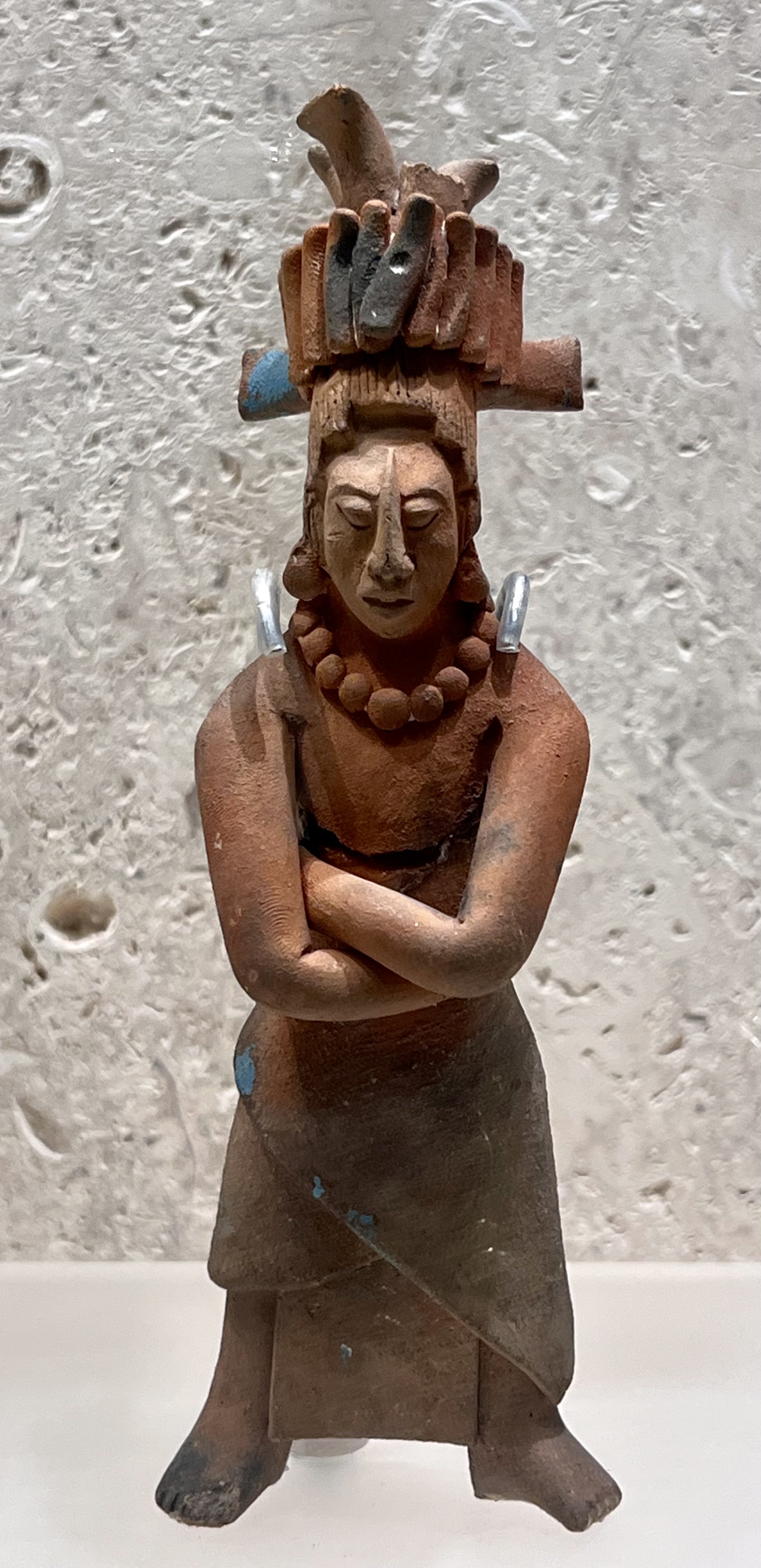
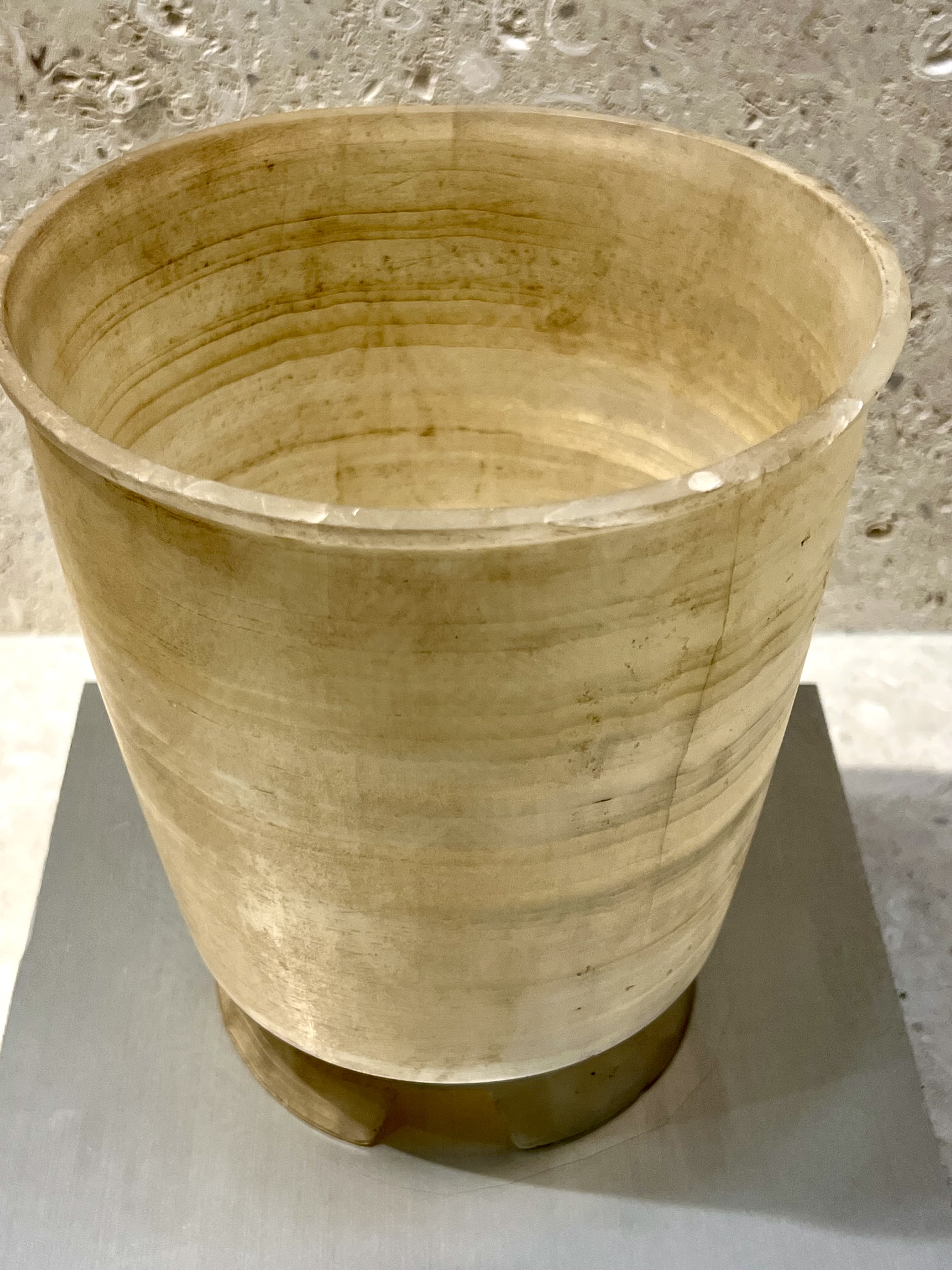
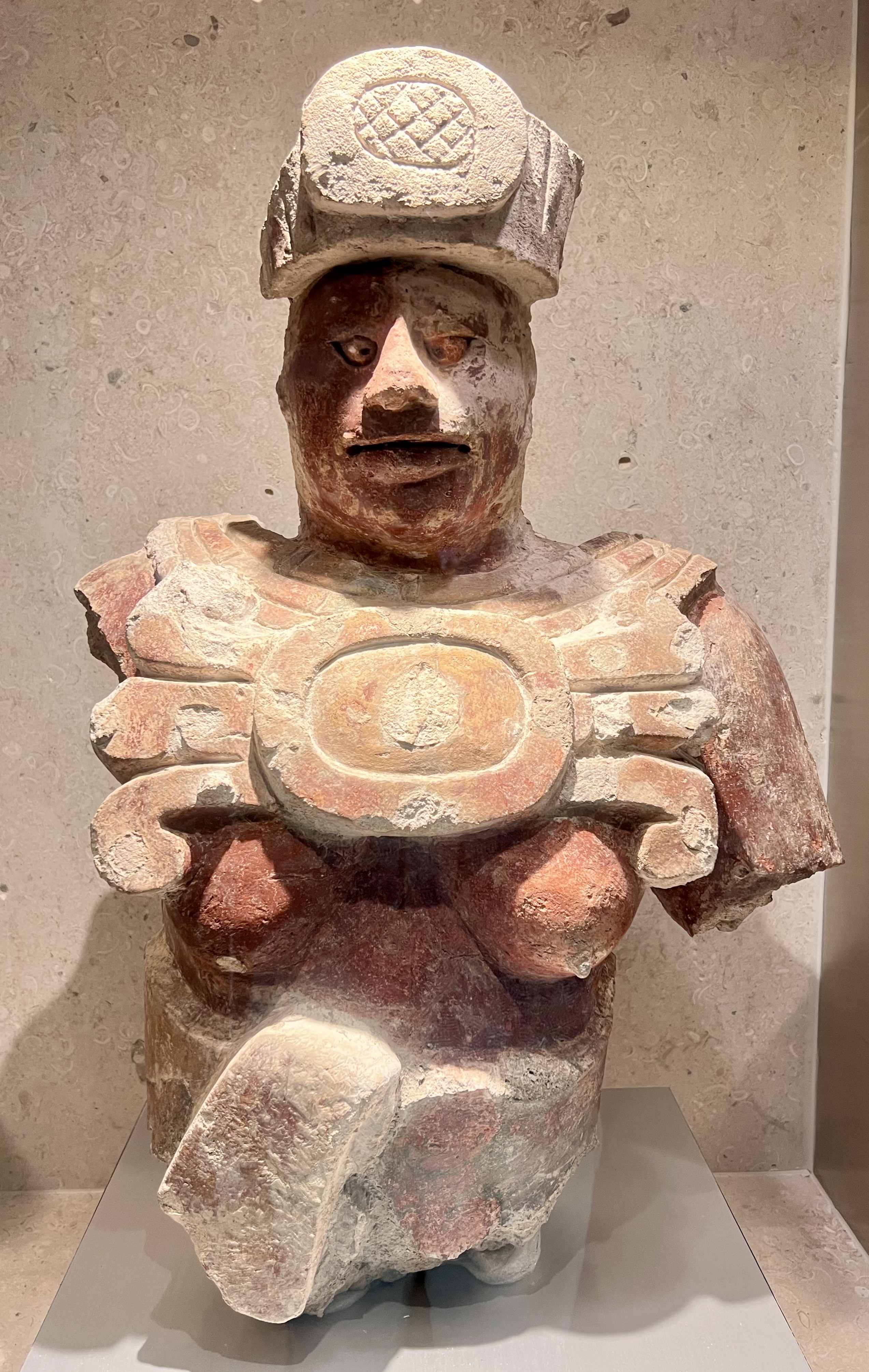
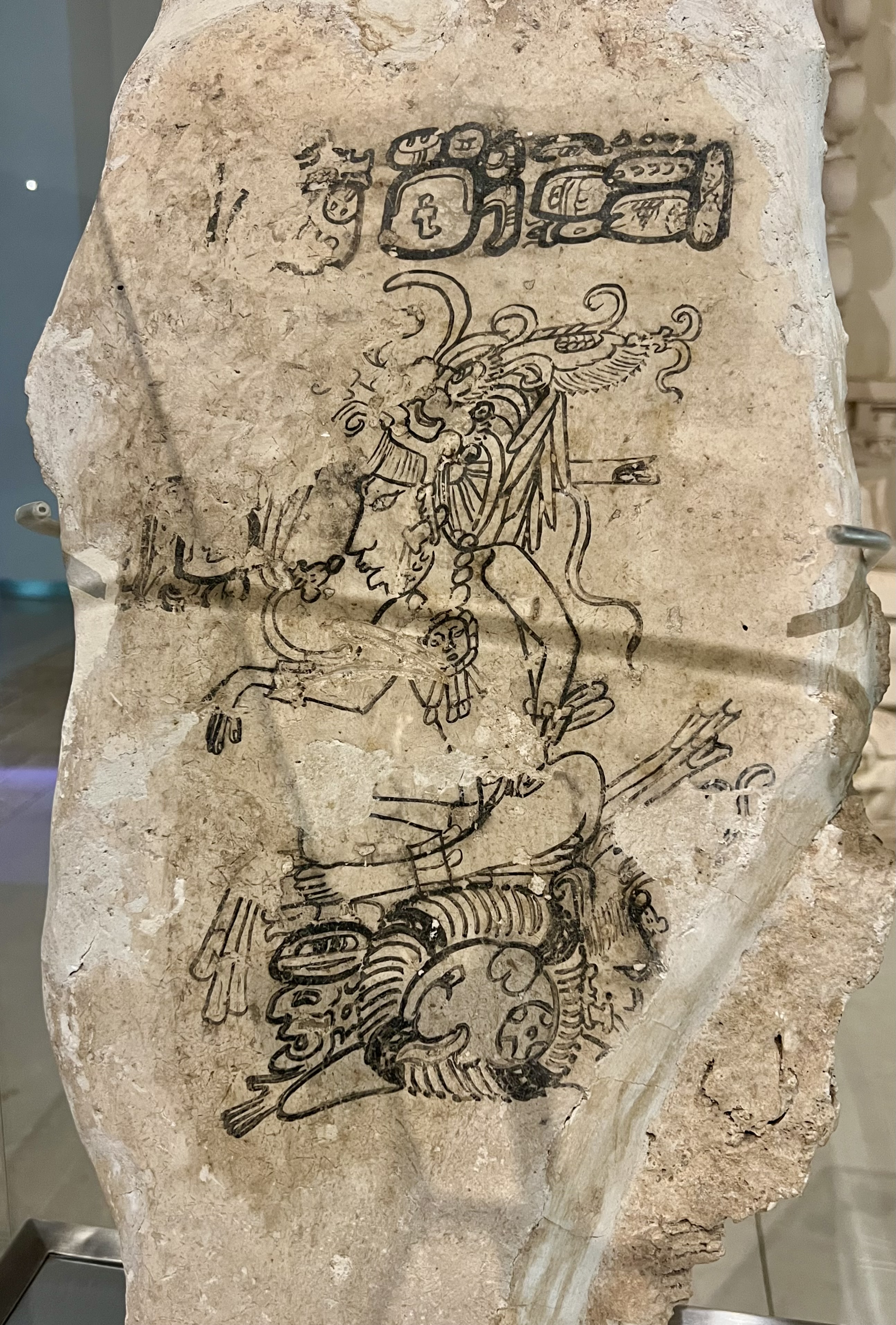
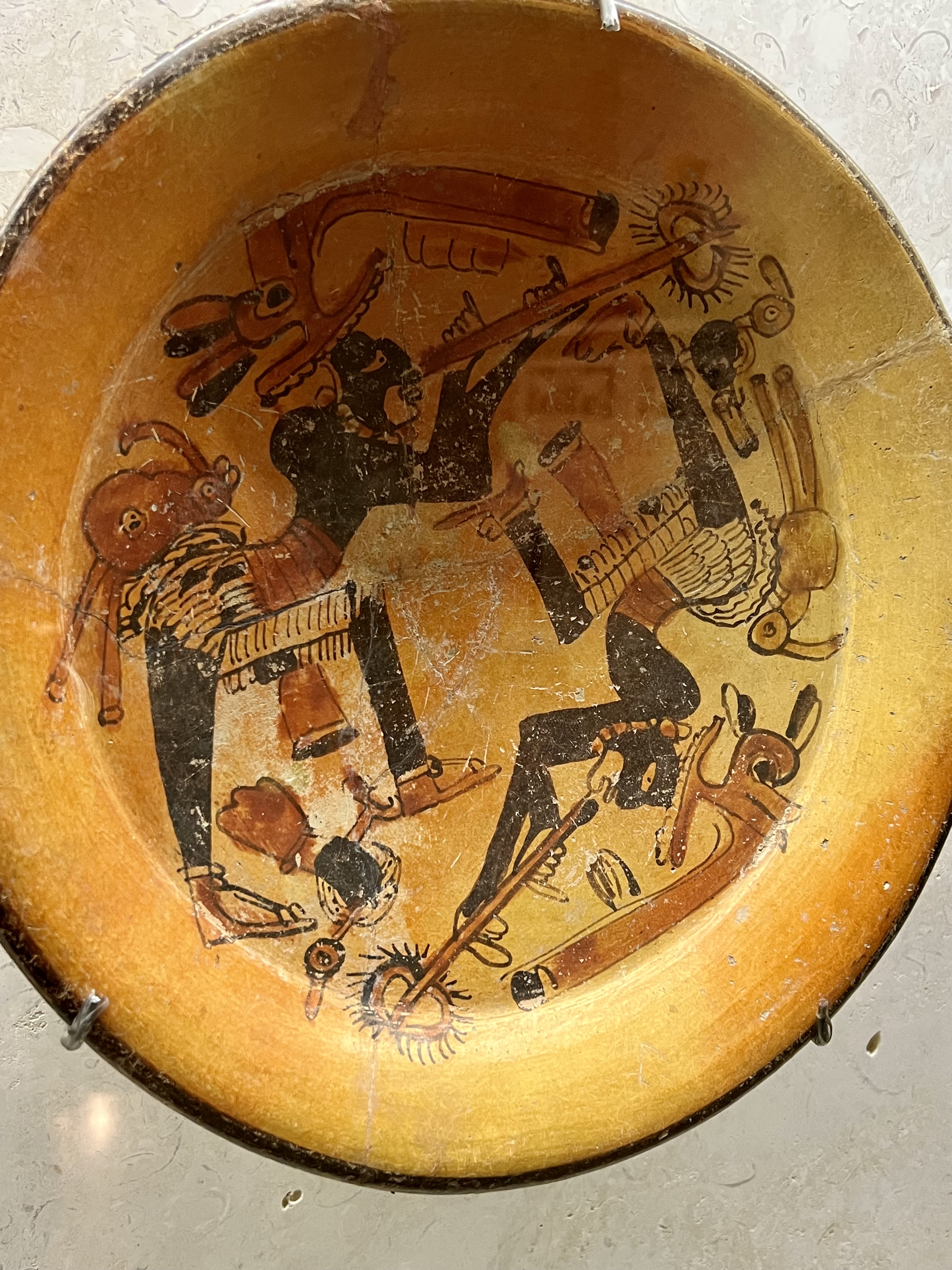
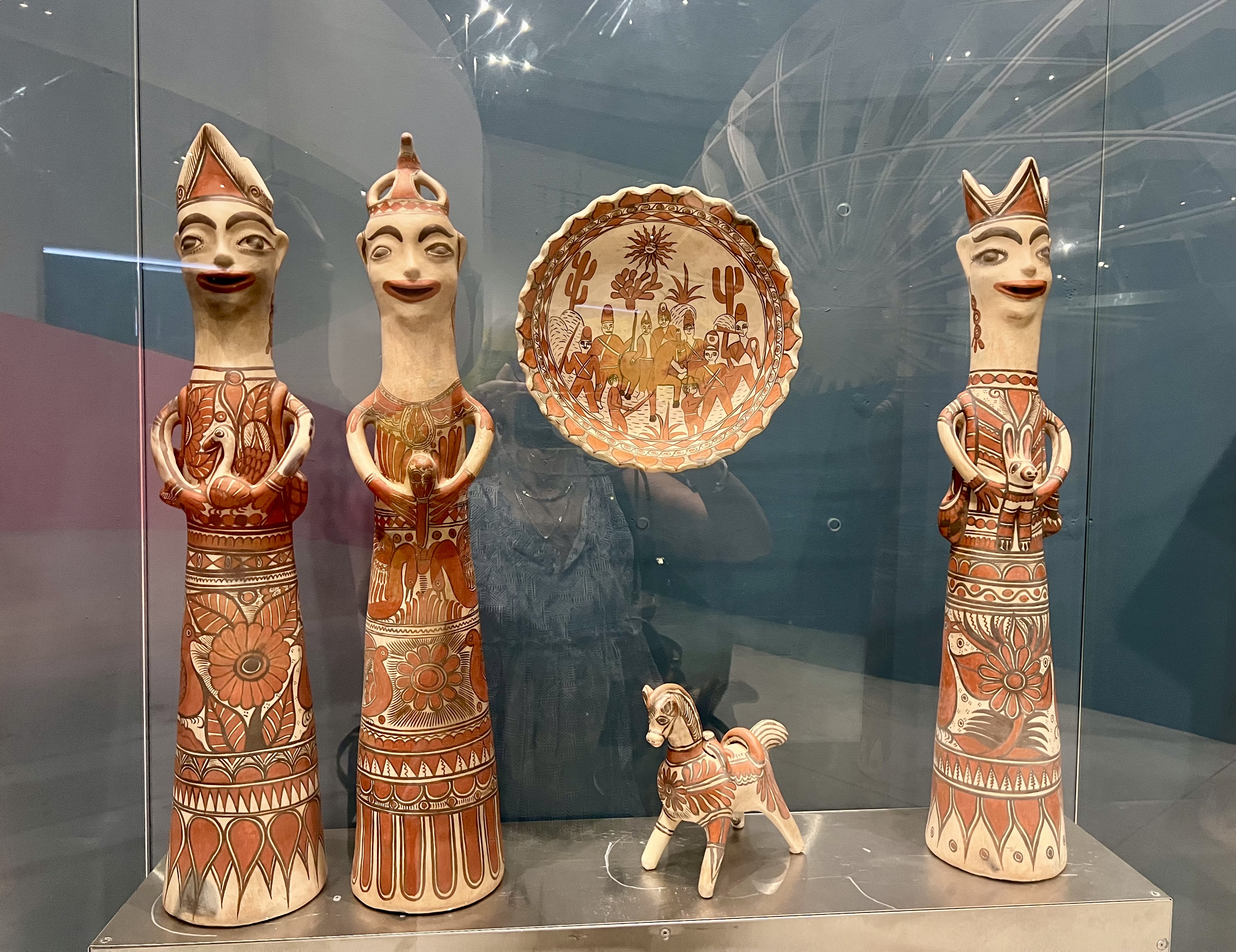
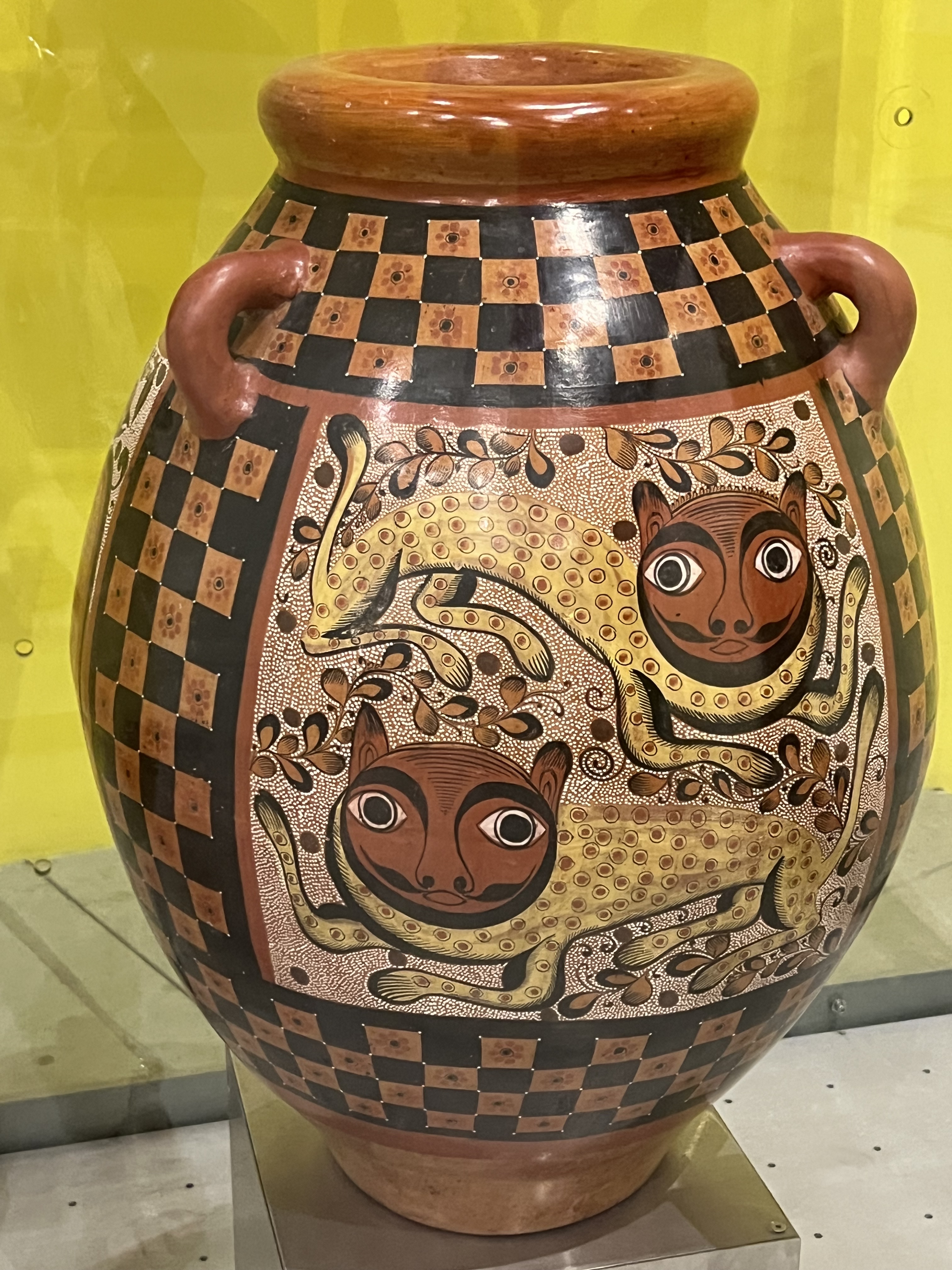
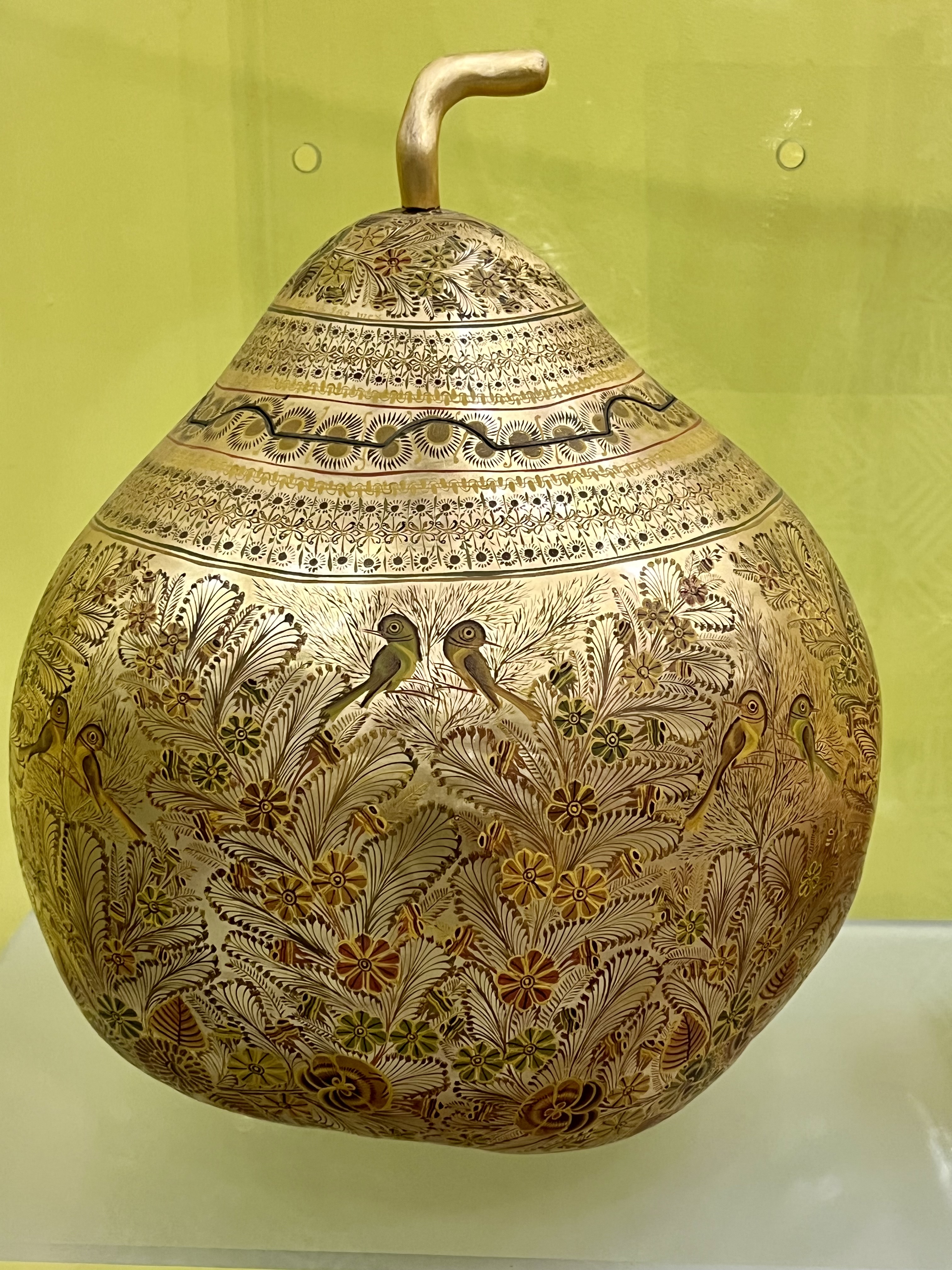
Talking of museums we enjoy our visit to the Gran Museo del Mundo Maya with its permanent collection of Mayan artefacts and the original reclining Chac Mool statue from Chichen Itza. Wish I’d been there before we’d visited the ancient sites!





All too soon it’s time to climb aboard our car for the three-and-half-hour drive to Cancun airport, where we drop the car off and get a ride to the terminal. Effortless. We’ve really enjoyed our fortnight in the Yucatan, but next visit we’ll head for Mexico City, Wahaca and Guatemala.



 vickygoestravelling