
Down the 200 steps for the last time! We are reunited with Mr Gali, the driver, and set off with Gerry our guide for the next five days, for the four-hour drive to Beristagi. Initially we retrace our steps to Medan before turning off. We drive through miles and miles of palm oil with villages lining the road. It is Friday and there are men begging, using butterfly-style nets to catch the donations. People here are generous to the poor – these men are are unemployed, although with all these plantations around the rates ought to be low.

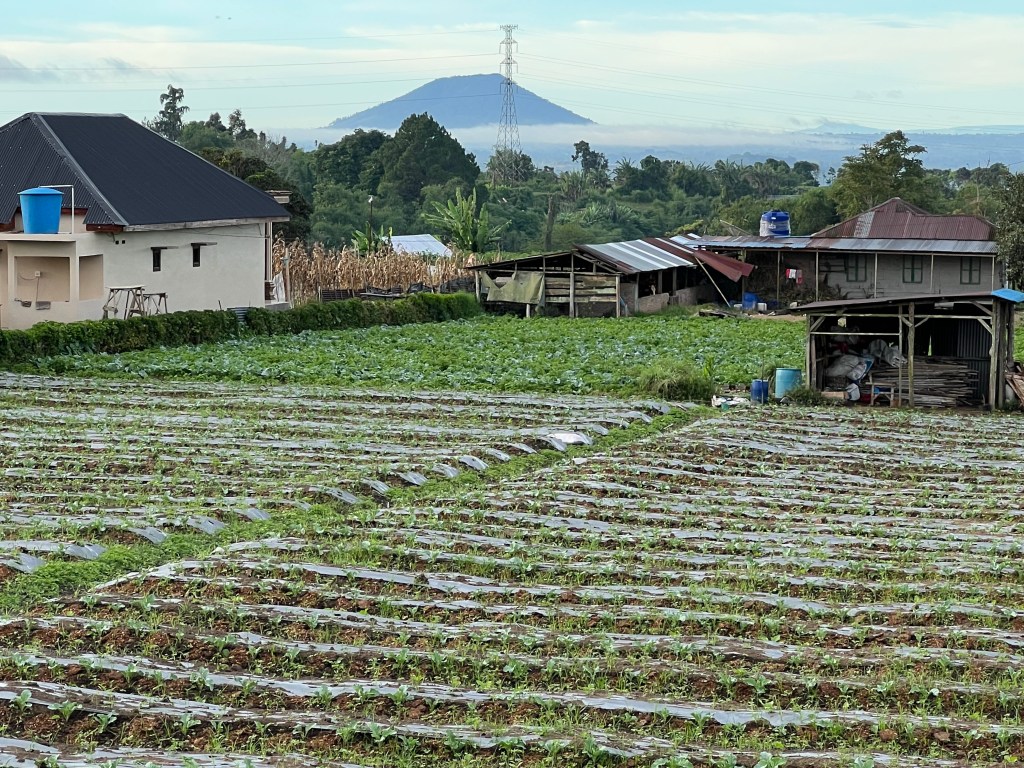
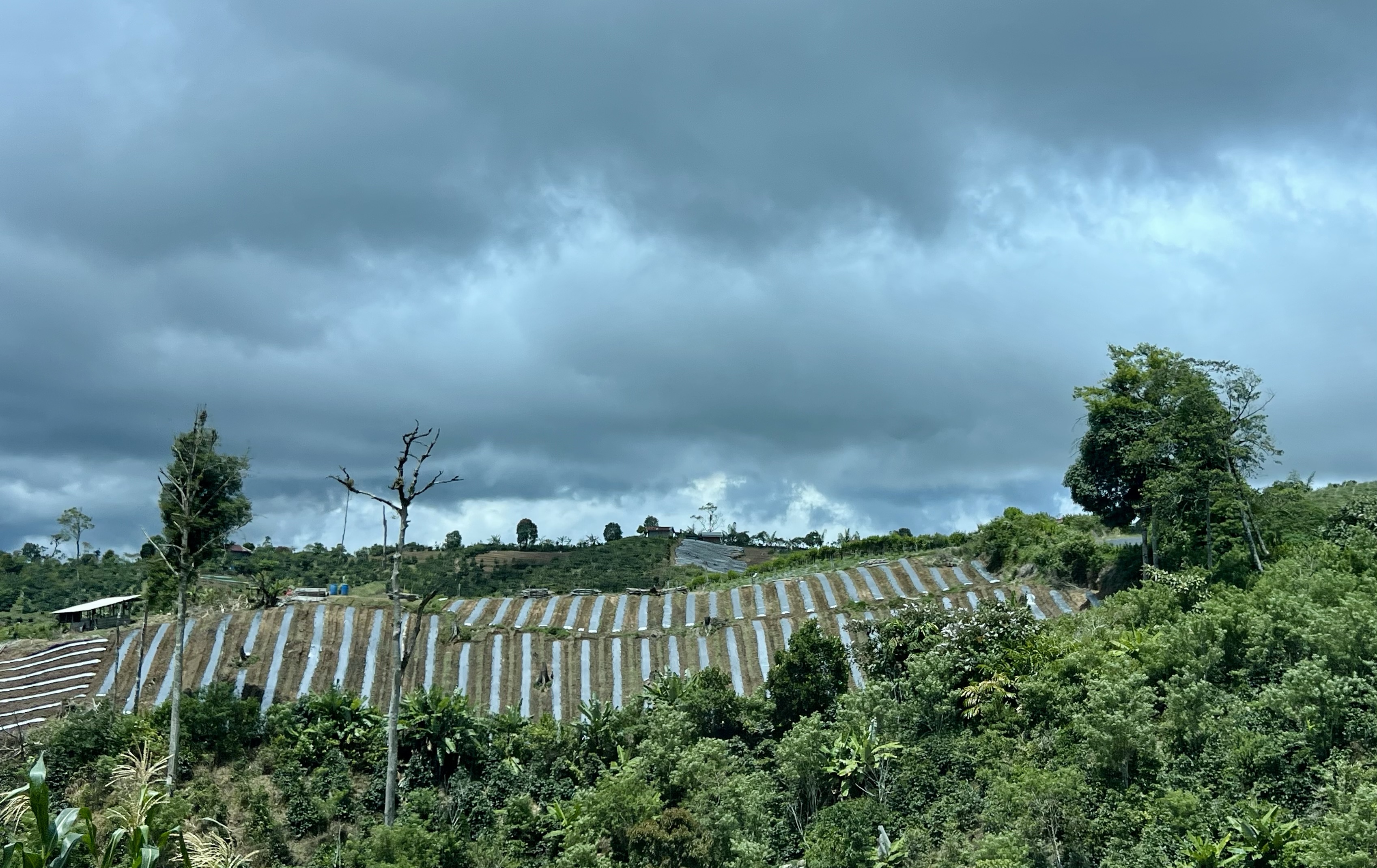
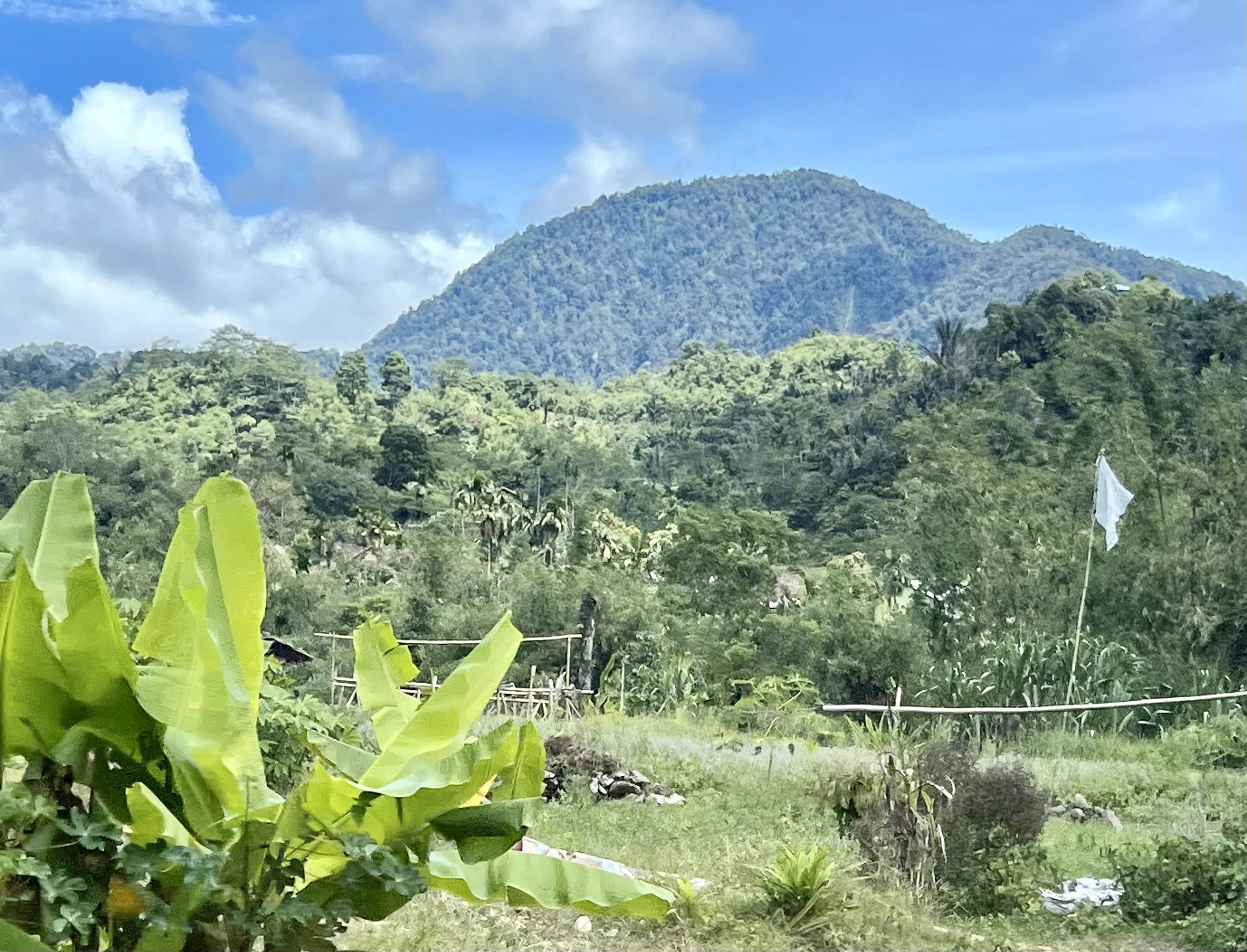
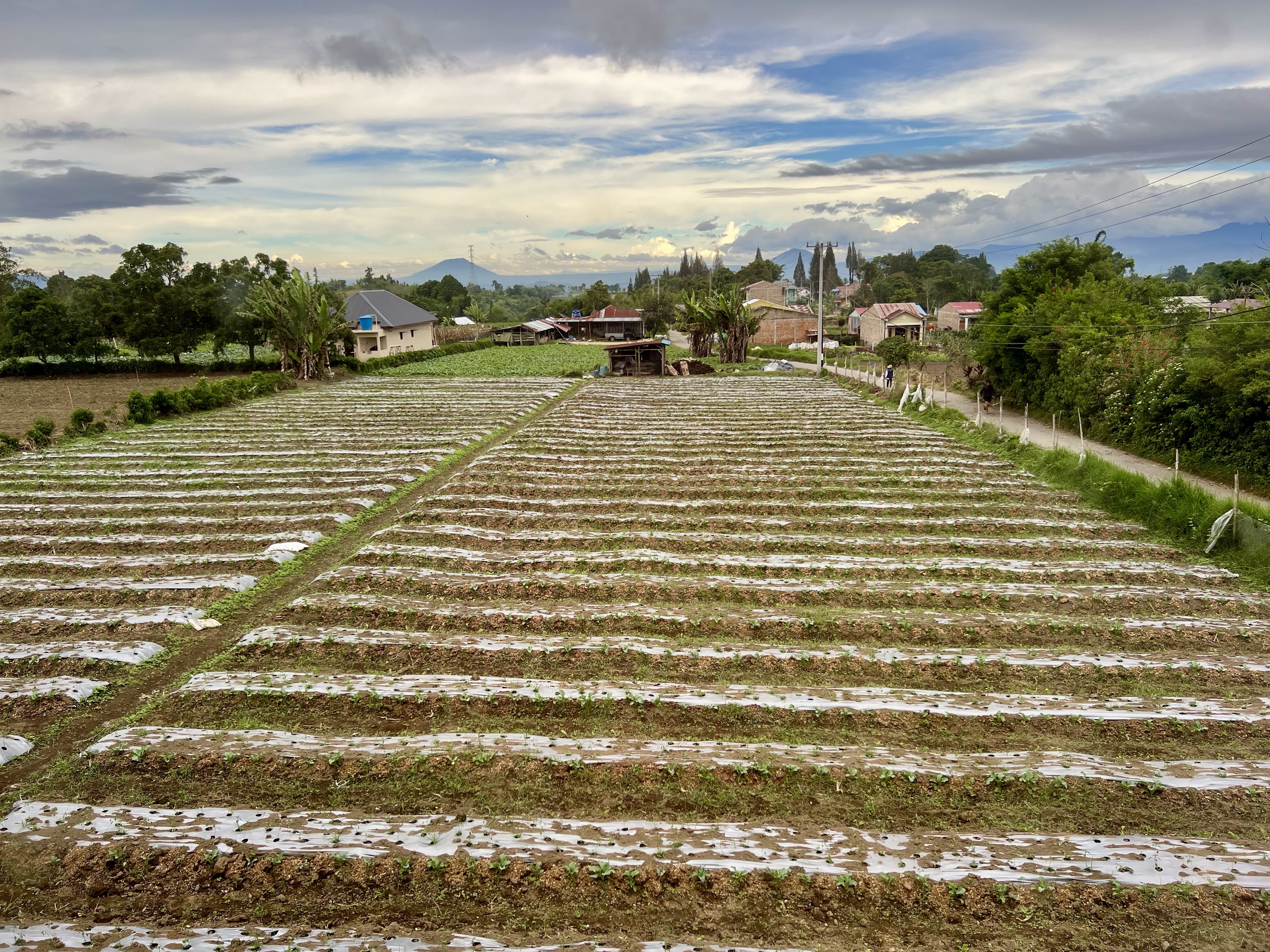
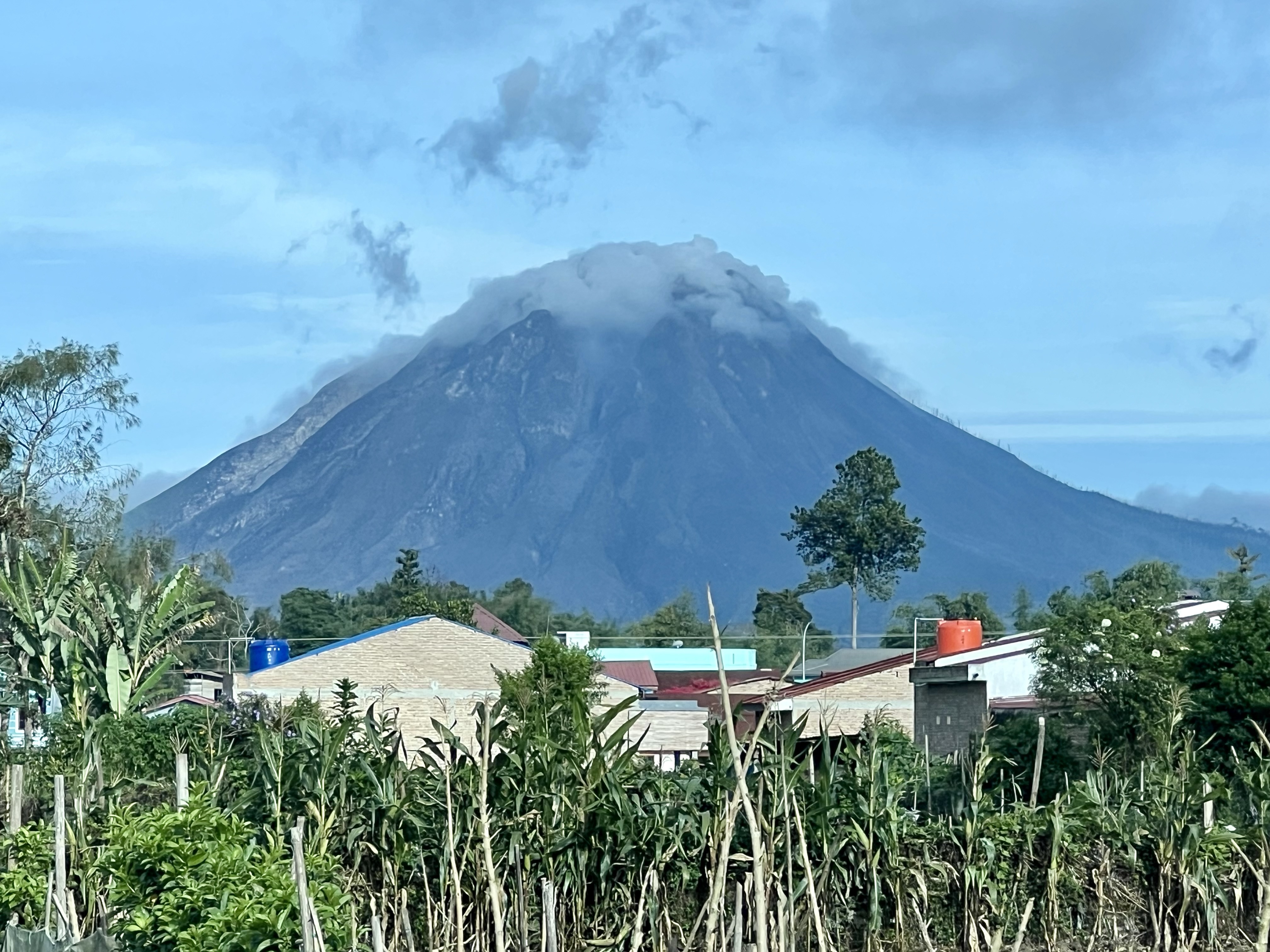
Tamarind and betel nut are drying by side of road as we wind up a big mountain pass with chicane-like hairpins; we pass an accident where someone went over. Best not to look! We are now entering a highly fertile region – we are surrounded by volcanoes which over the years have deposited their ash, with obvious results: every inch of hillside and valley are full of rows of vegetables – lettuce, potatoes, beans, tomatoes, chillis, shallots, watermelons, interspersed with coffee and cocoa. This is the central growing region of the famous Sumatra coffee (which we later buy in Beristagi). The main volcano Sinabung is still active; there was a big eruption in 2014 and a smaller one in 2018 – the ruined villages bear witness. But the locals refuse to be displaced and have rebuilt over the ruins, despite the ongoing risk.

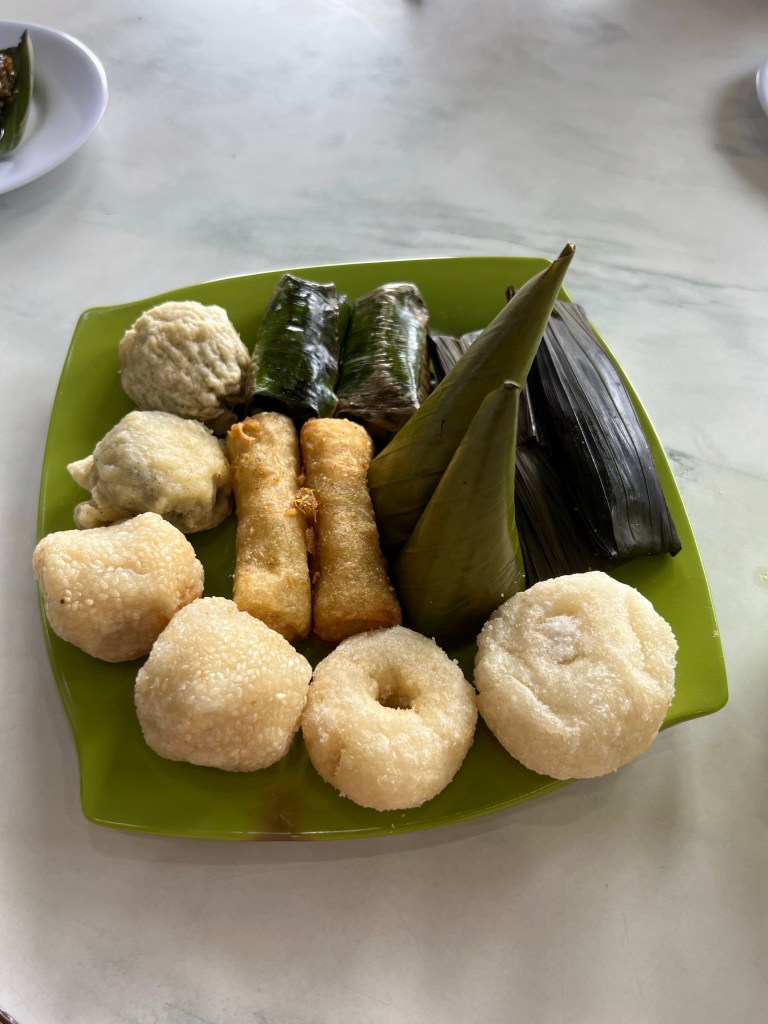
Firs thing we do on arrival in Beristagi is to have a good lunch. Indonesians love their food and eat rice three times per day in various forms. We have a big bowl of local soto, or soup, with bits of meat, chicken and tofu floating about, A plate of local delicacies to tempt us goes pretty untouched as they are all sweet.

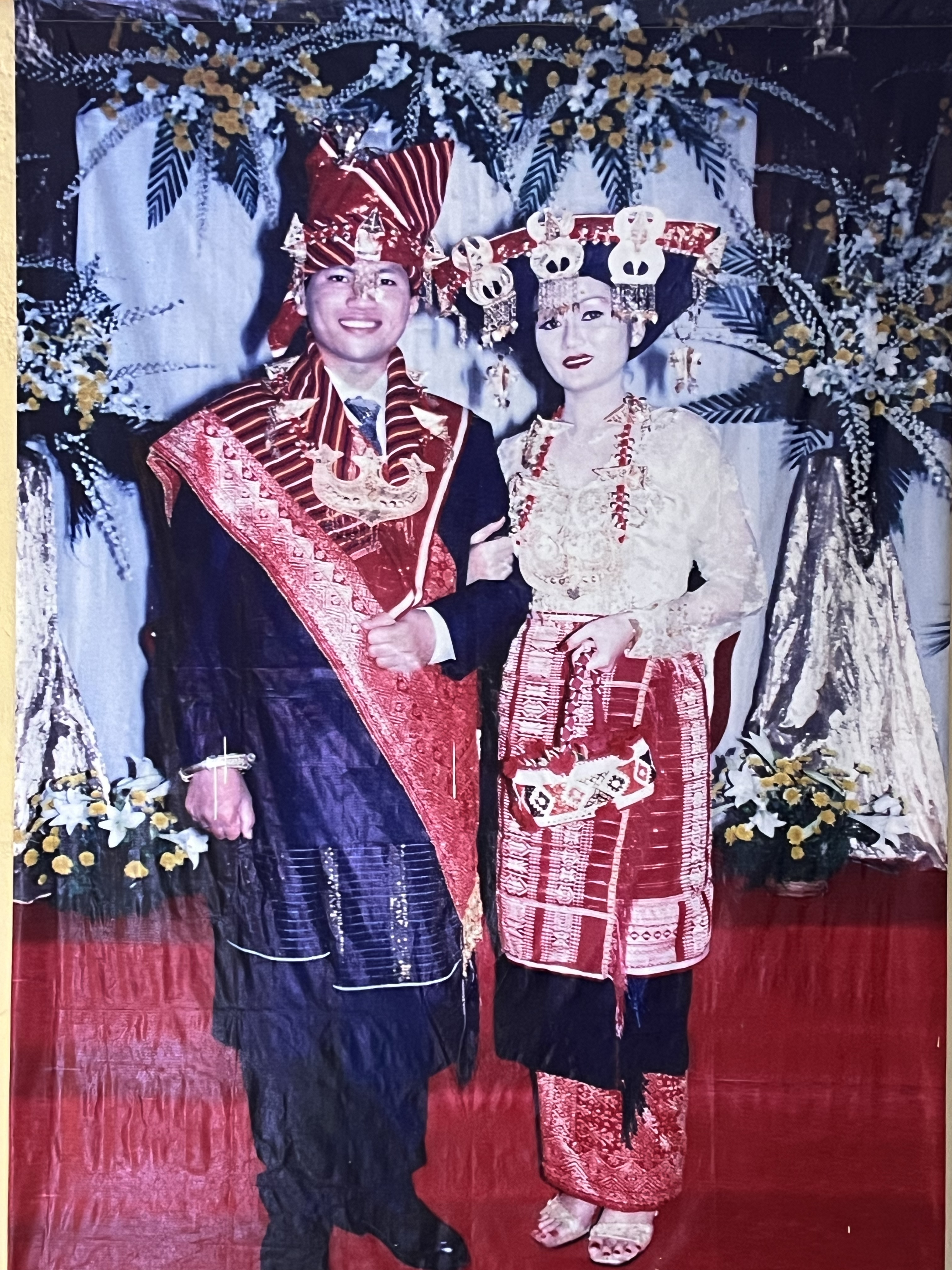
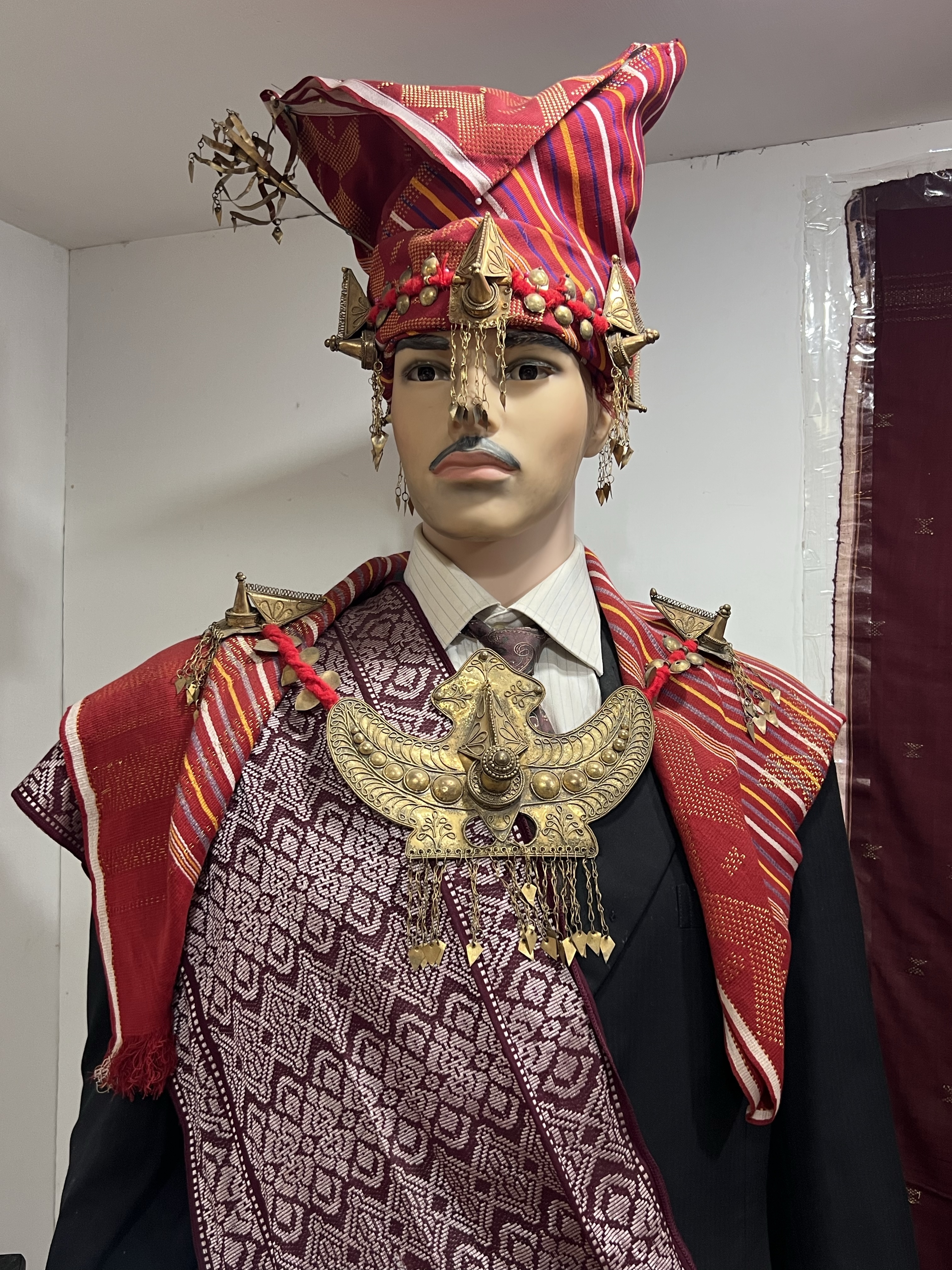
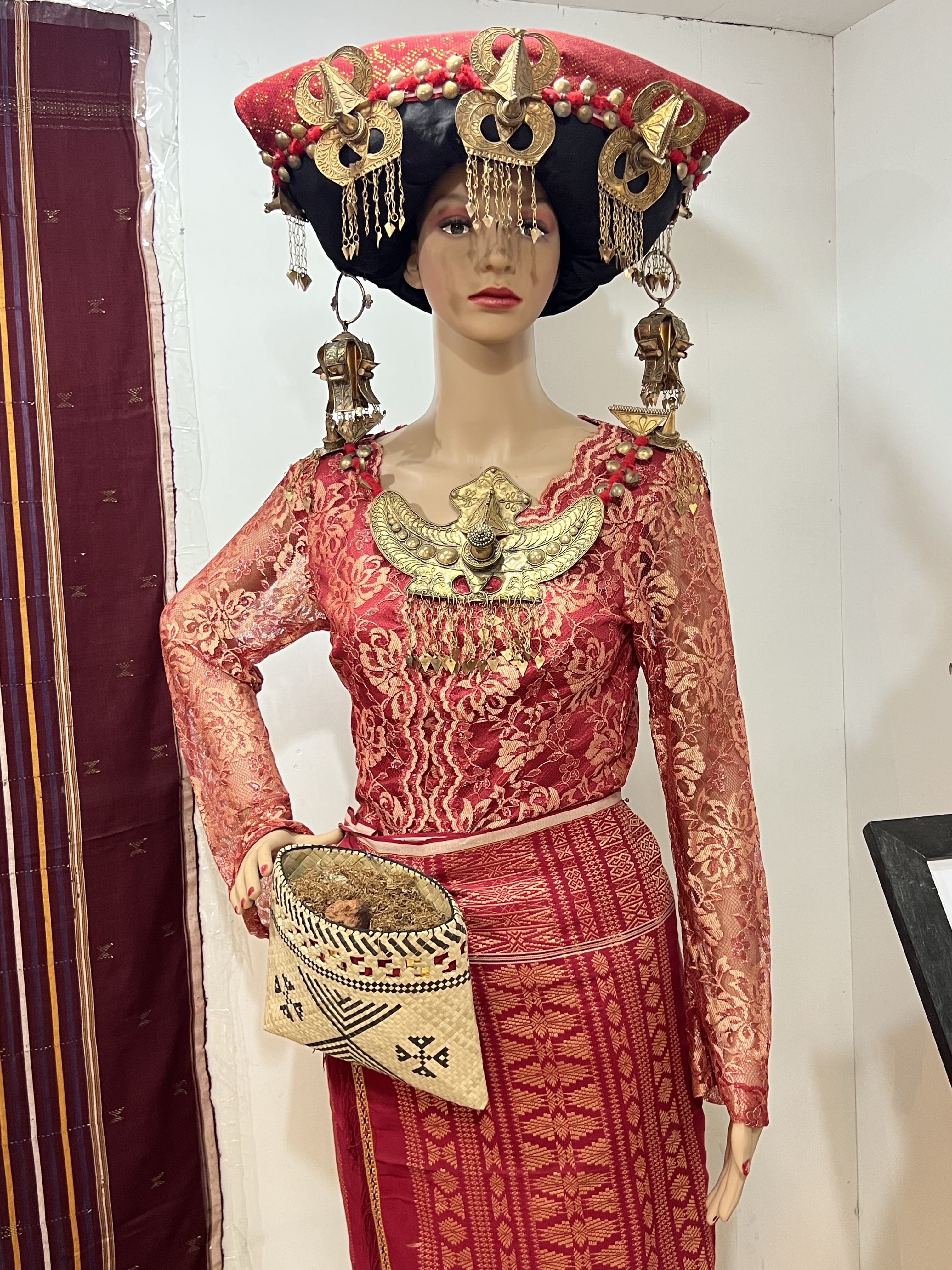
Then off to the Karo museum, situated in a traditional style building, like a church (most Karo are Christian). It is all-over-the-place, but quite fascinating with its collection of local artefacts, old photographs and costumes which fall into the following categories: ceremonial, witchcraft, betel nut containers and a few agricultural implements, but also some amazing filigree ‘gold’ jewellery.



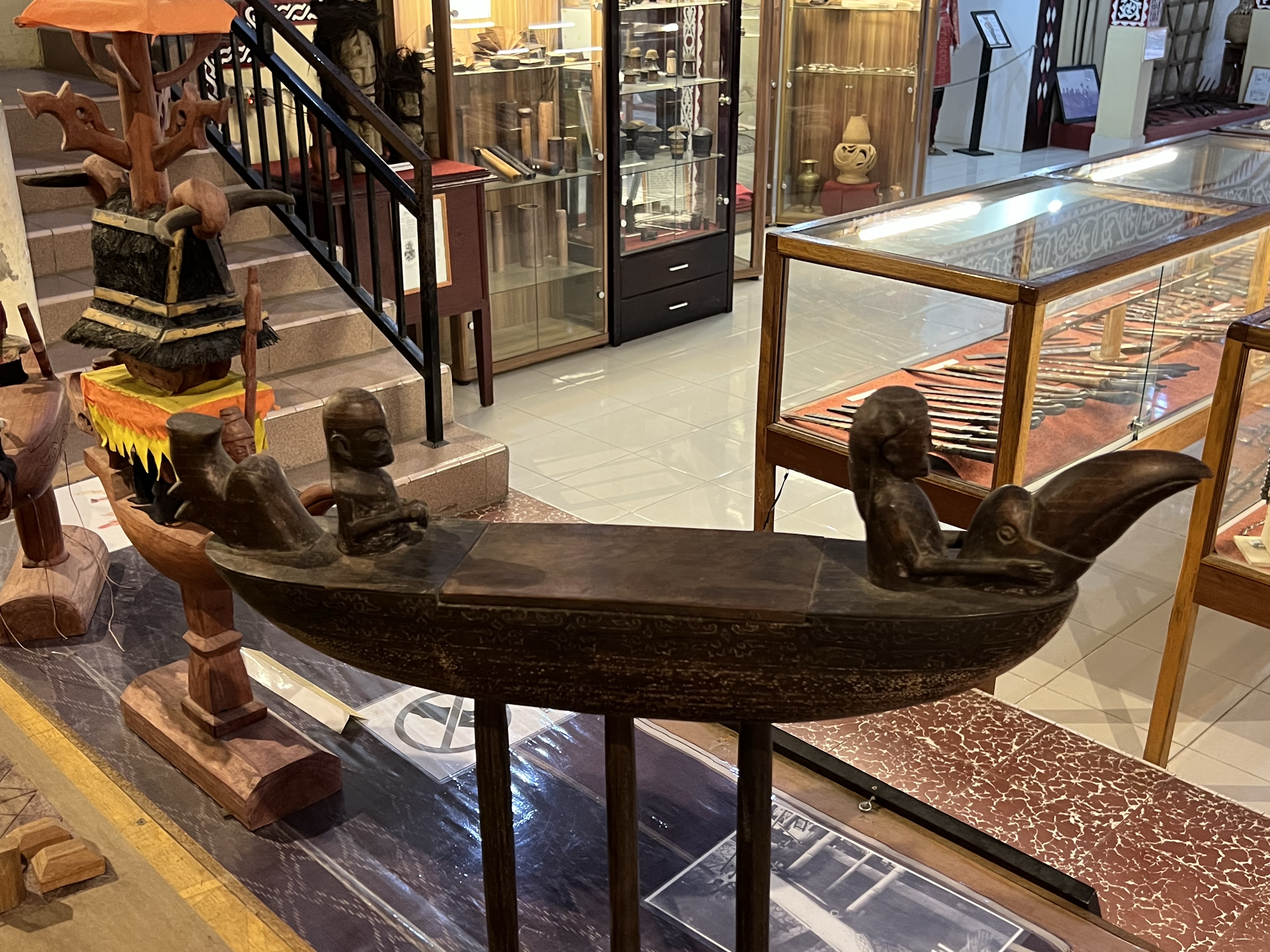
Some of the masks/carvings to do with death rituals are entrancing and reminiscent of African work – for instance this boat which was used to carry dead people’s ashes, disinterred after seven years, and scattered into the river.


Hornbills feature heavily in the culture as in this ceremonial dance based on a local myth where it is forbidden to touch the hornbill … and you can imagine the rest (actually there is a happy ending, the princess is saved by her parents the King and Queen). In addition there are fine woven cloths for all occasions from cradle to grave.

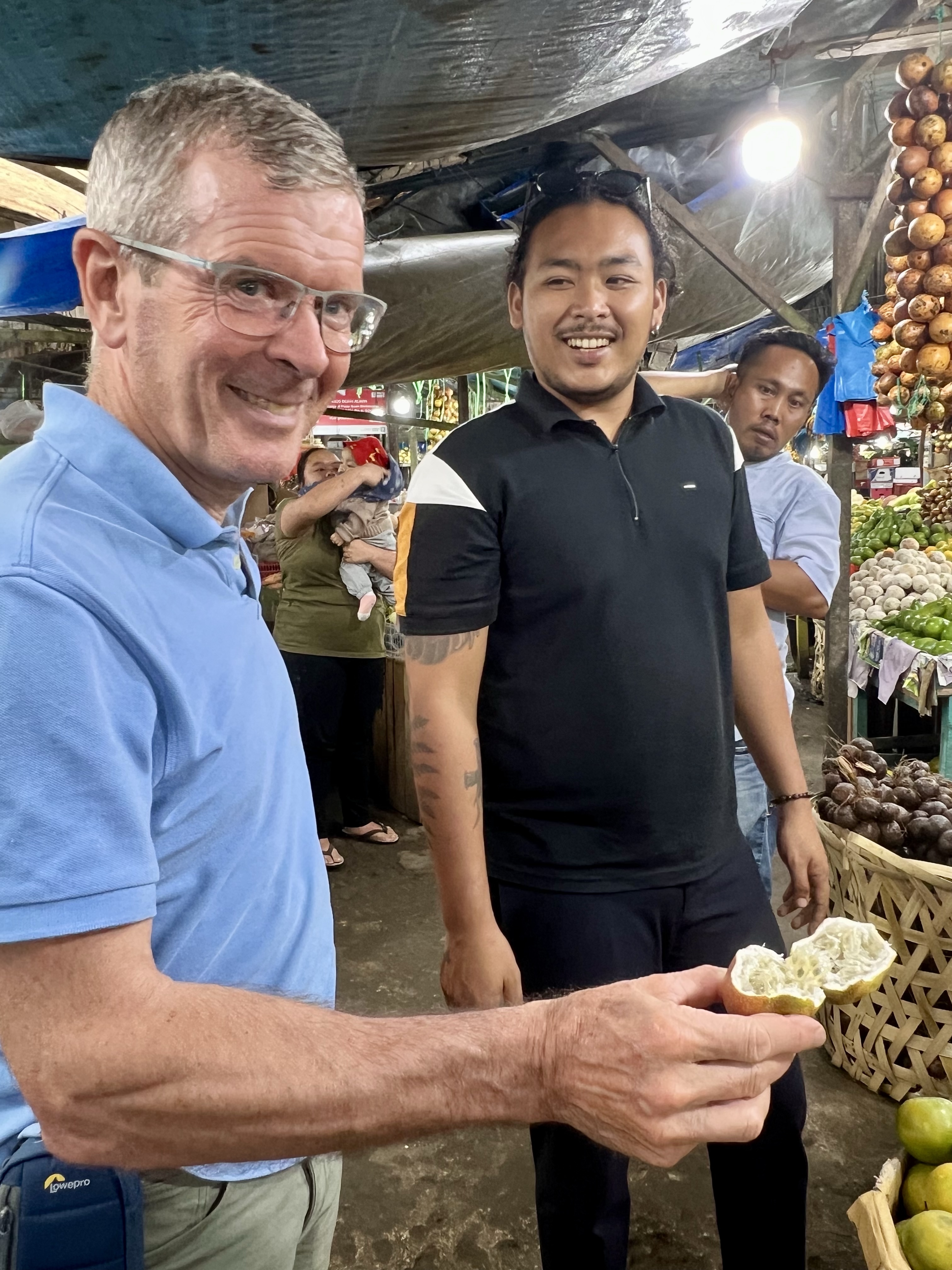
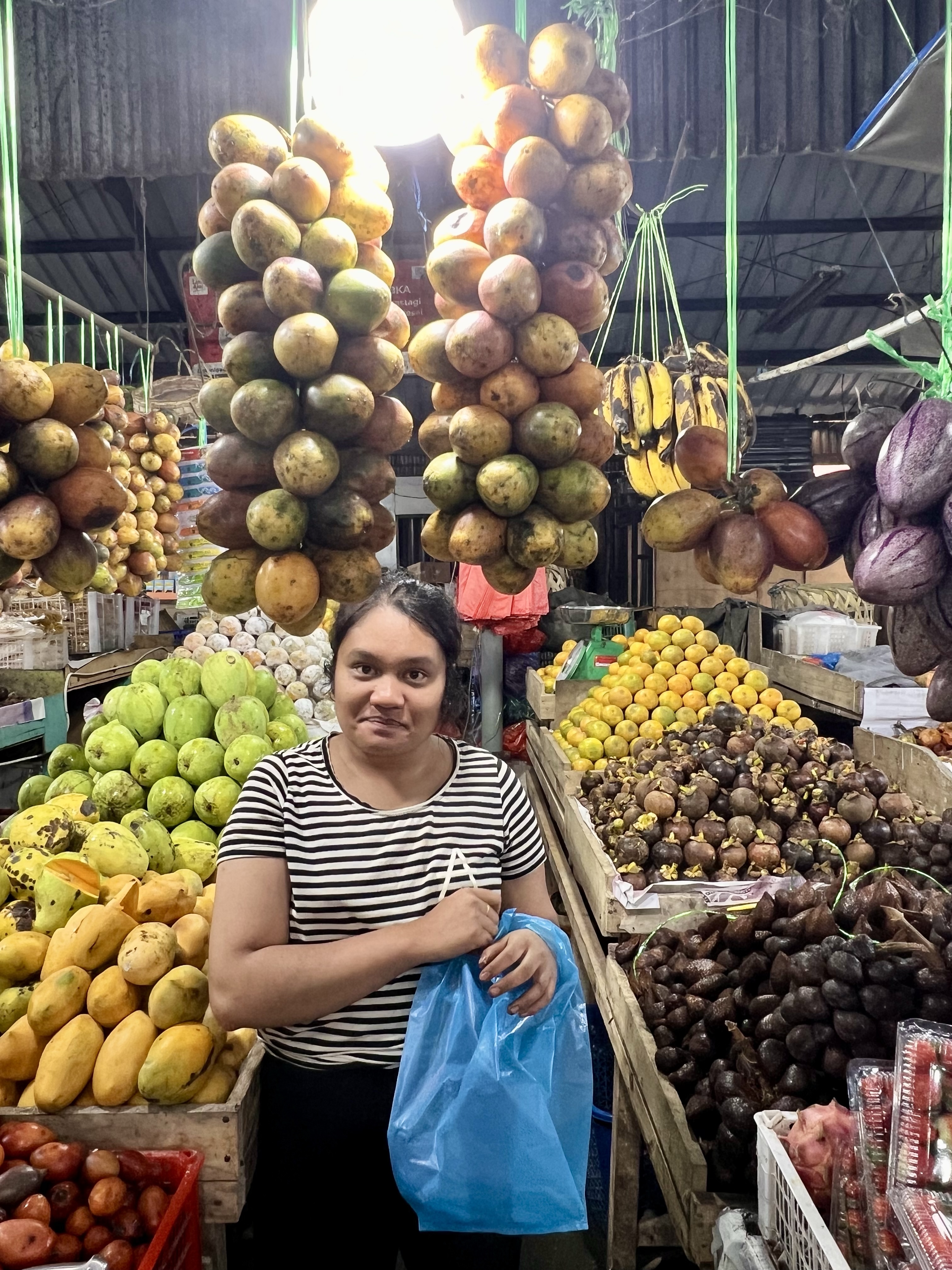
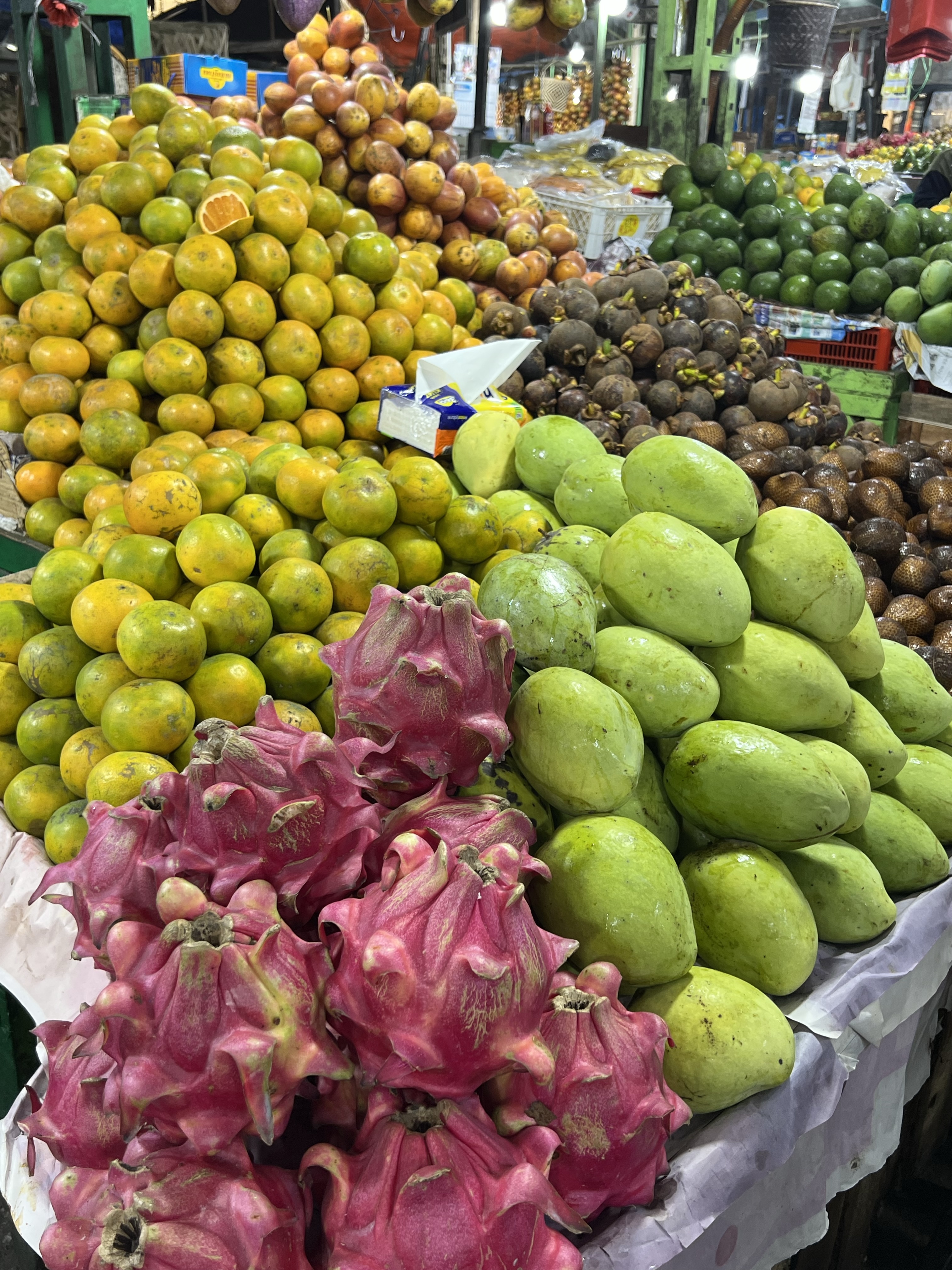
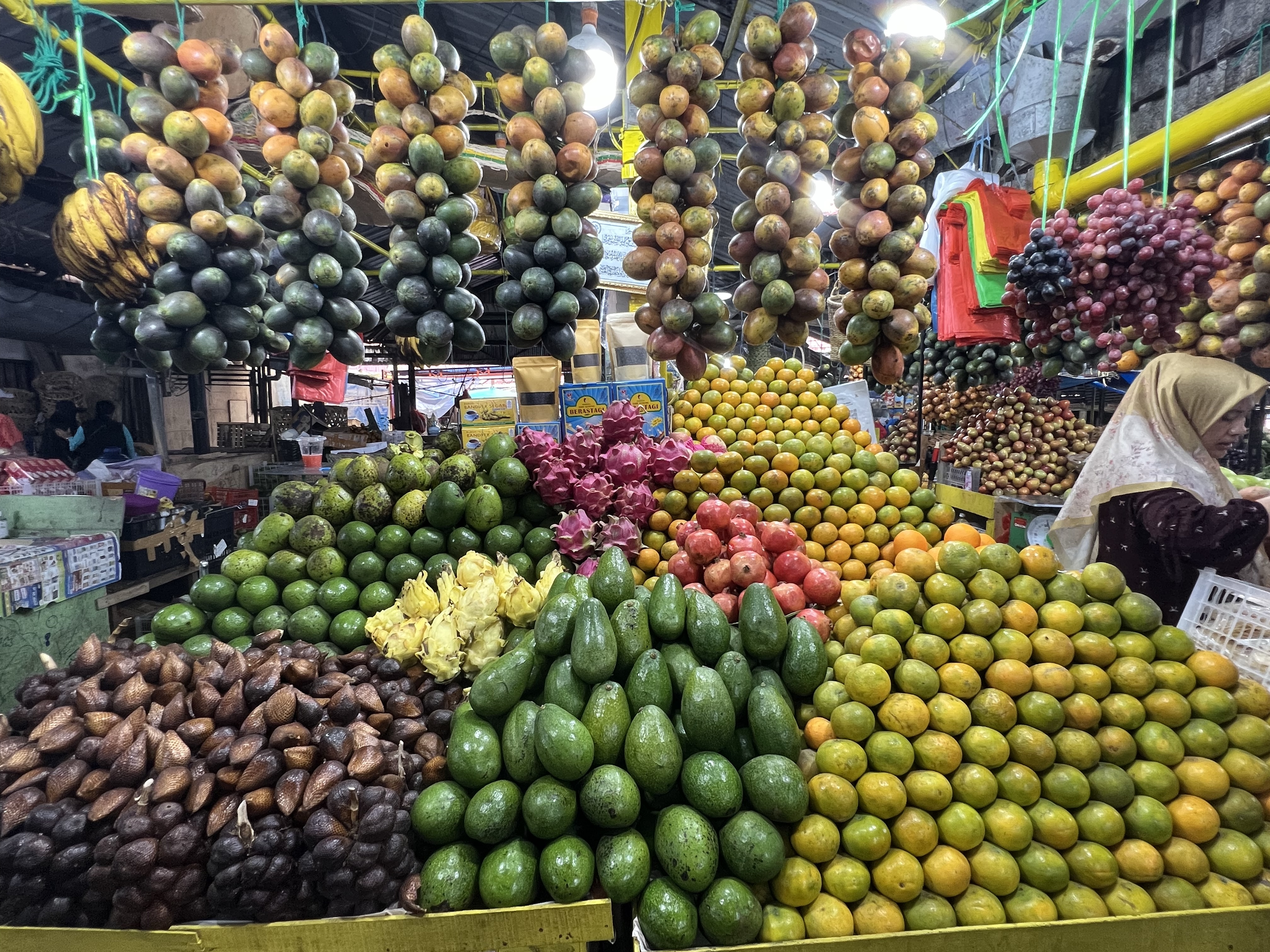
Just over the road is the indoor fruit and veg market where we try all sorts of of mangoes, passion (Beristagi is famous for this) and other fruits, including Persimmon which I don’t like. And an endless selection of lychee-style fruits like rambutan, mangosteen and snake skin fruit, not forgetting dragonfruit, all of which I find disgusting. Bought a few mangoes, avocados and orangey things from a jolly lady. It is by far the finest indoor market I’ve seen for a long time!




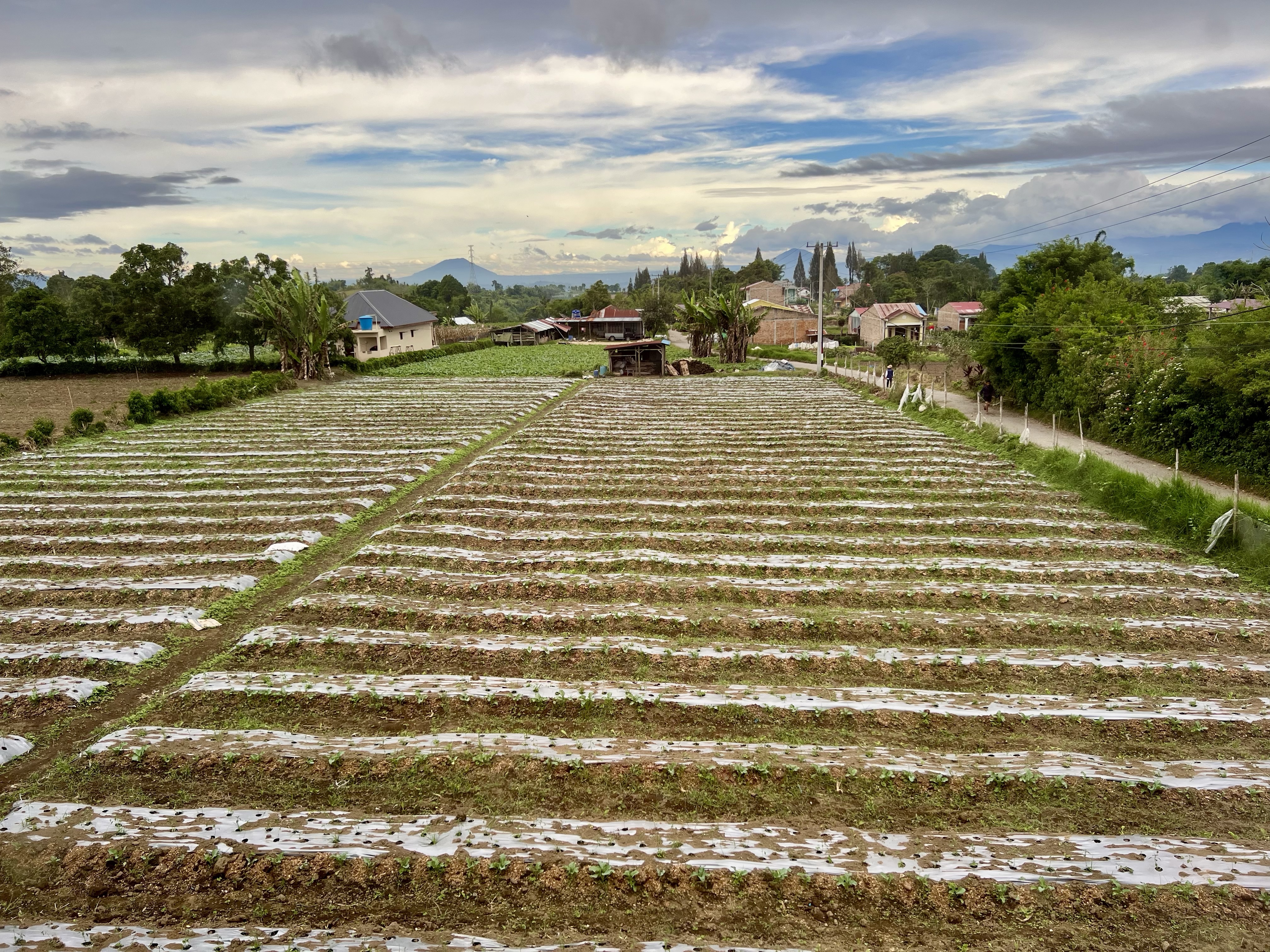
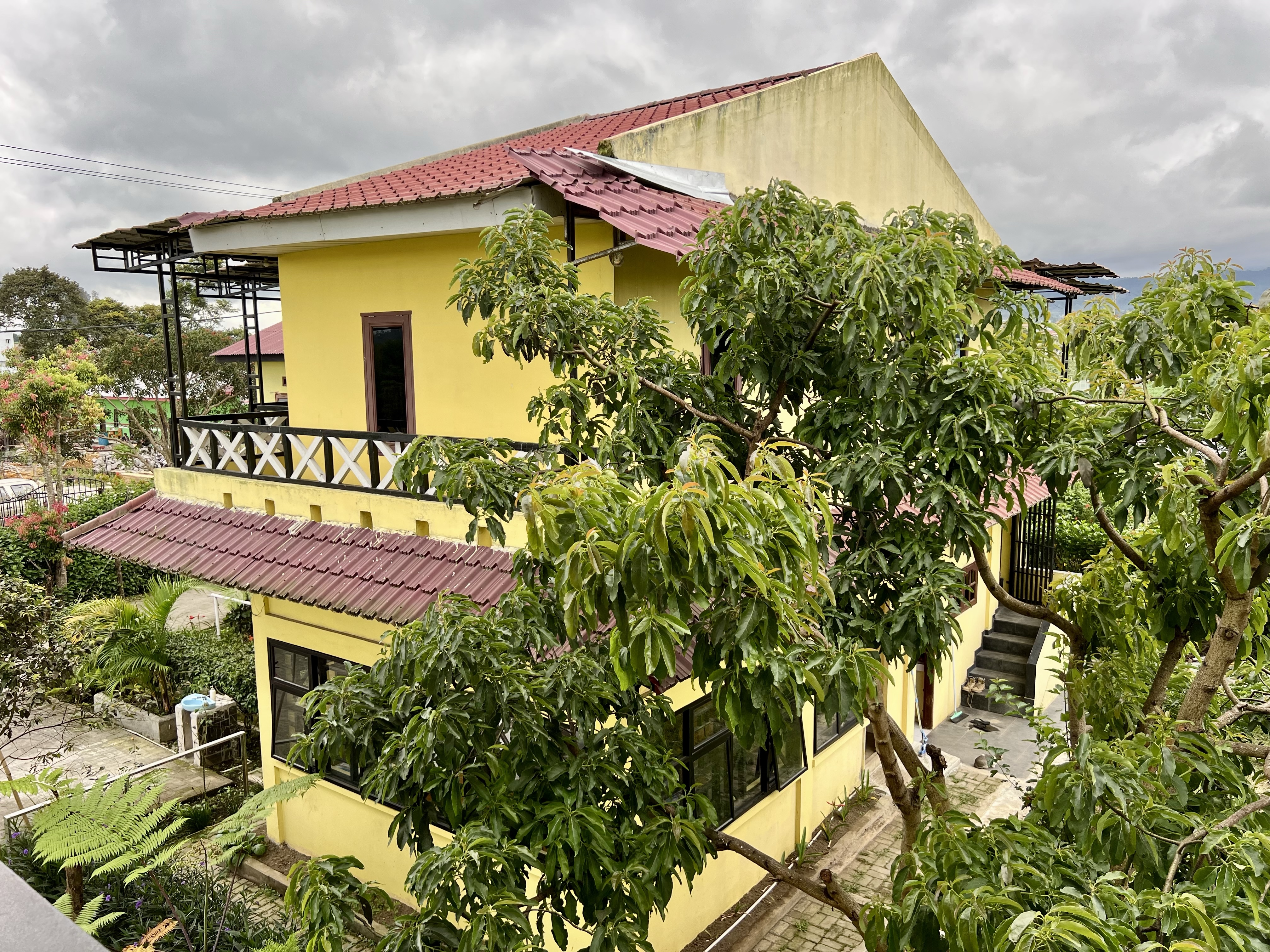
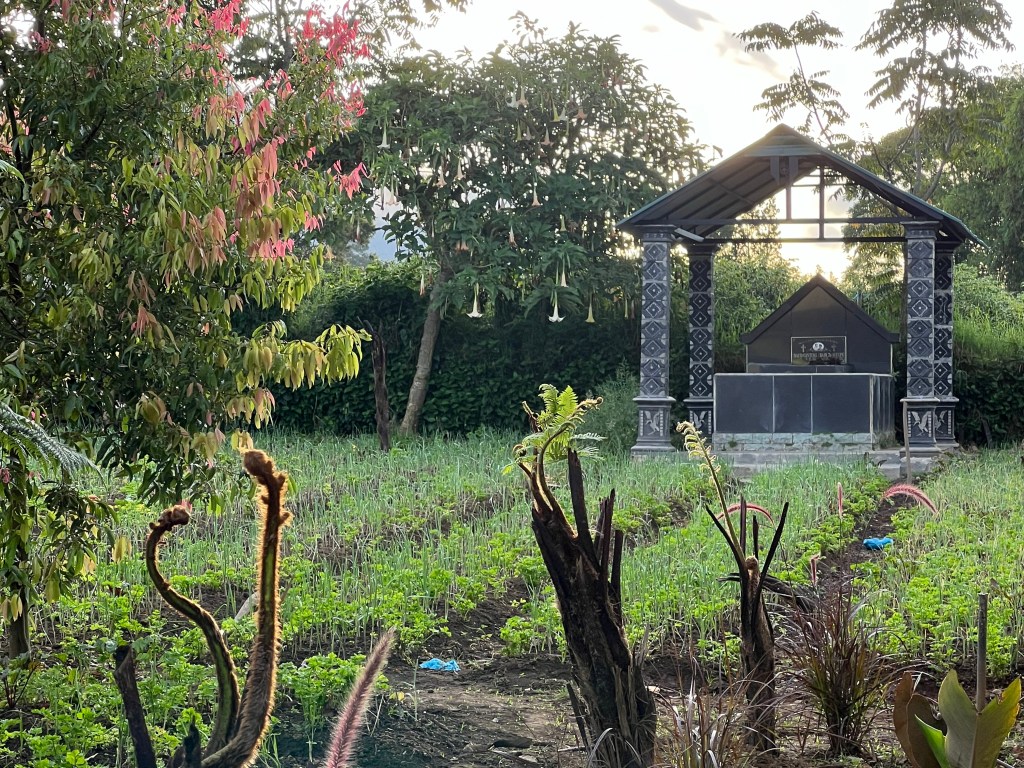
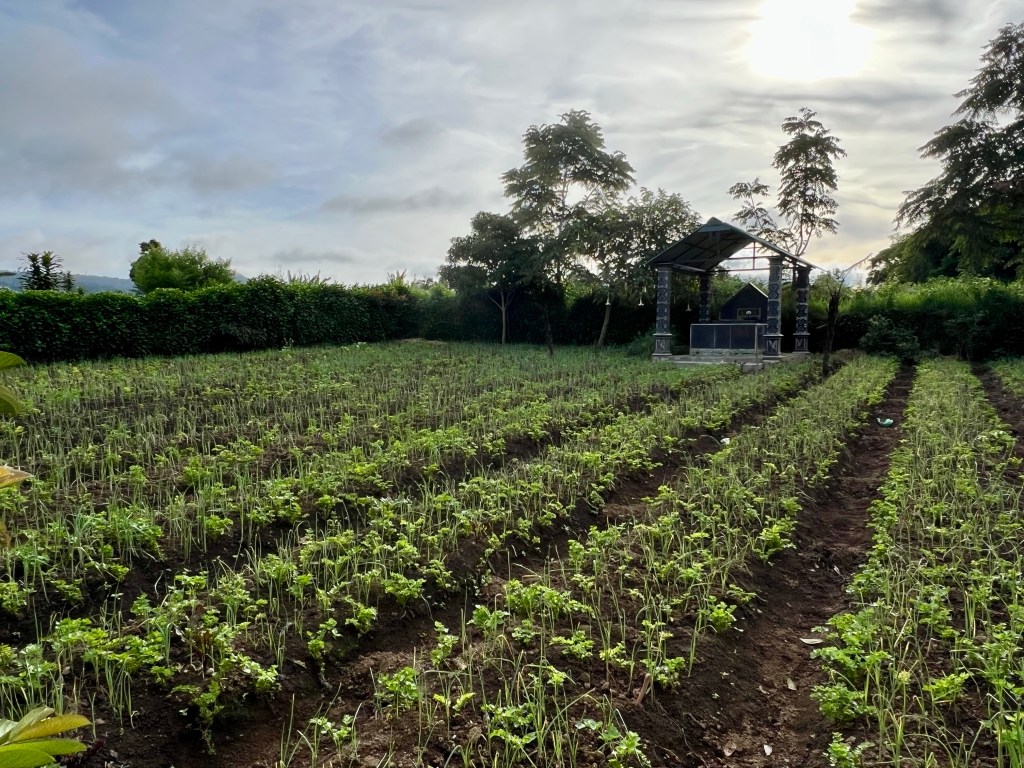
Then to Mountain View Homestay and Pizzeria. In the middle of nowhere but surrounded by beautifully manicured and cultivated fields. Andy the host greets us warmly and shows us round his garden, containing beetroot, celery, kale, chard, and cinnamon and other trees.


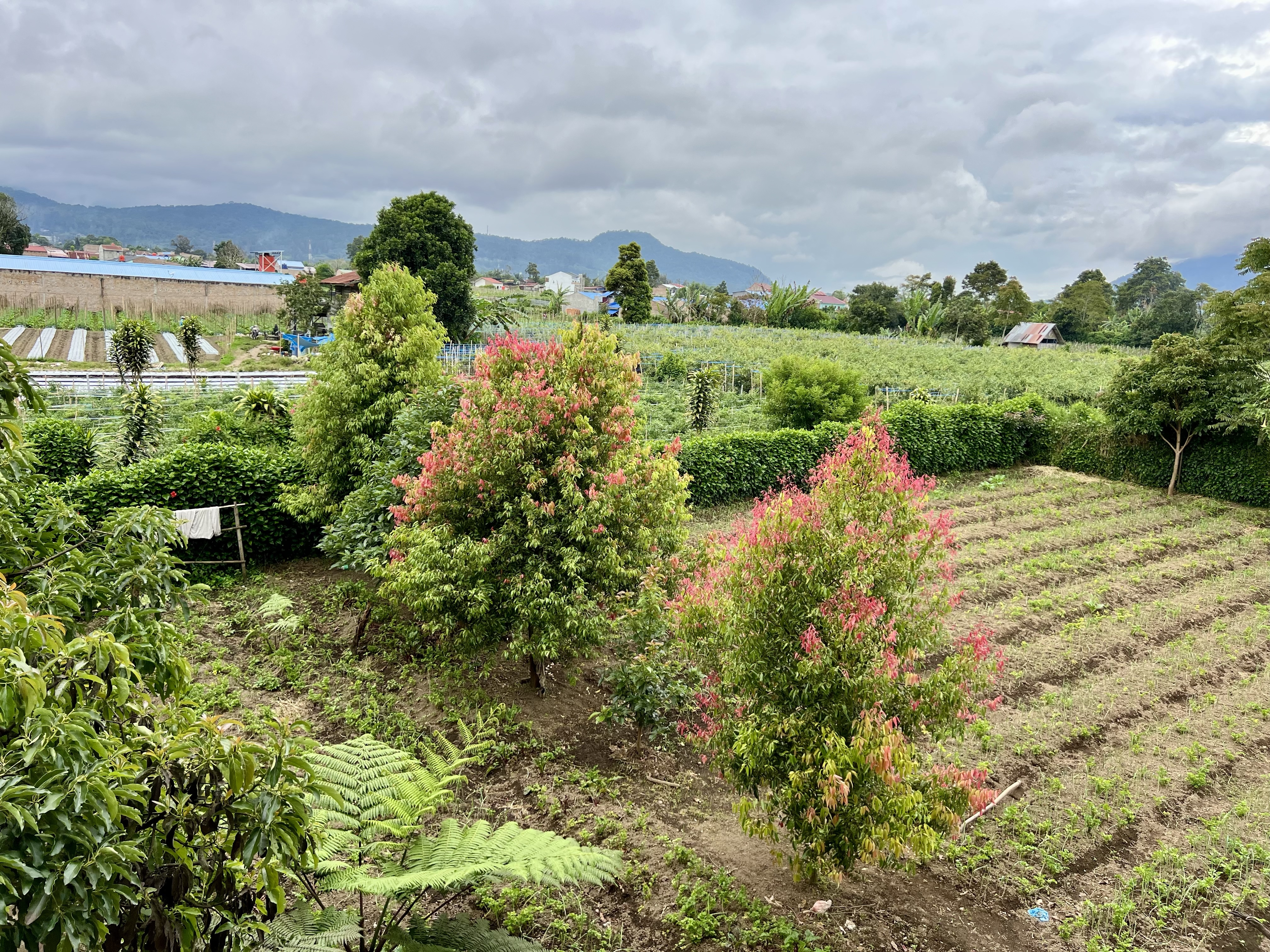

Centre stage is a family vault, something we have noticed on the drive here. We can see all the volcanoes around us but swathed in cloud. Bliss to have a hot shower! The first for almost four days!
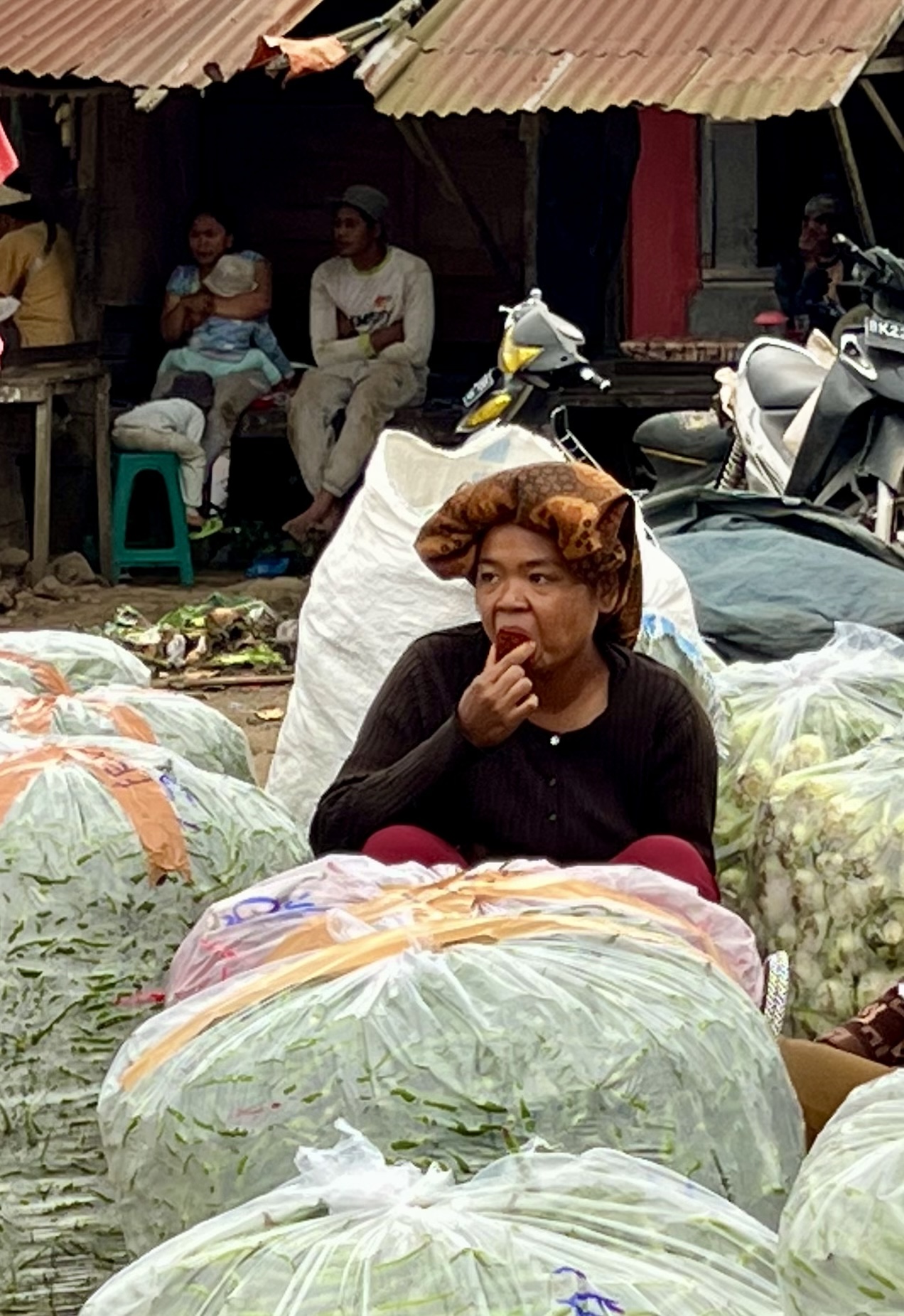
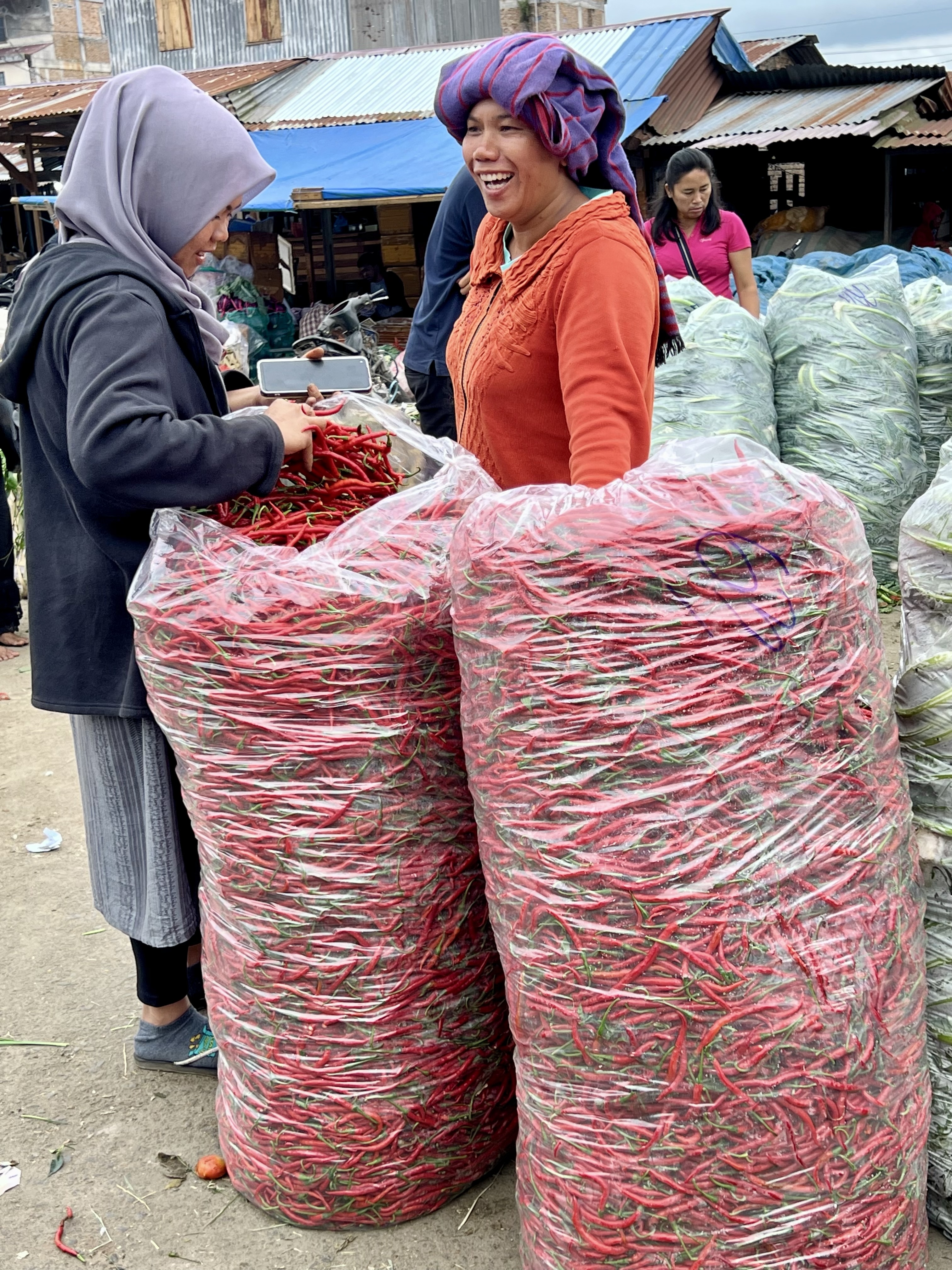
He advises us to visit the nearby farmers’ market. Turns out it be more than a 10 minute walk but worth it, despite the threatening clouds. It’s a massive wholesale market. I’ve never seen anything like it. Bags of red and green chillis, cabbages, aubergines, cauliflower, potatoes, every single kind of green, the orangey things; betel and tobacco sellers; dried and fresh fish.
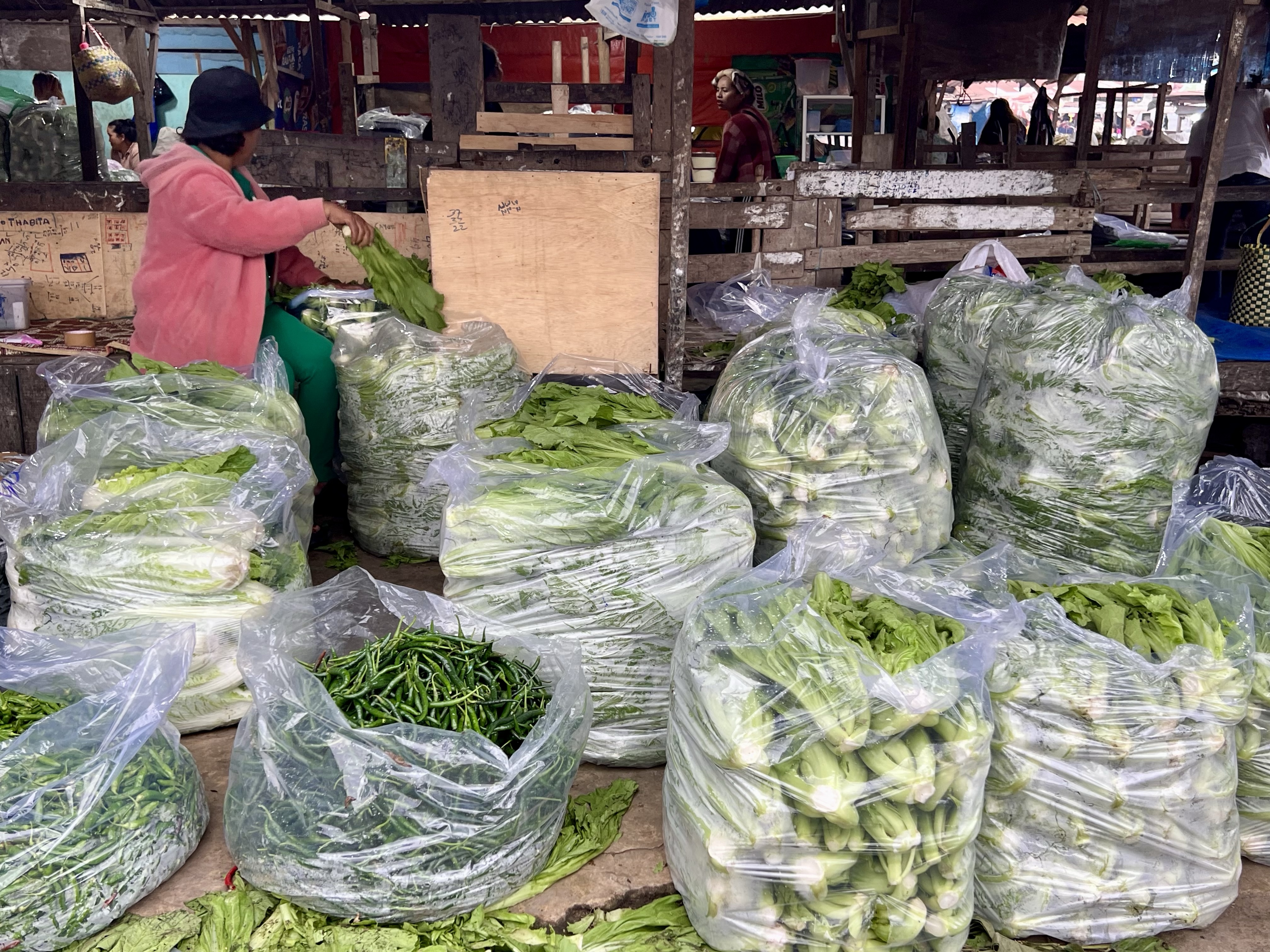
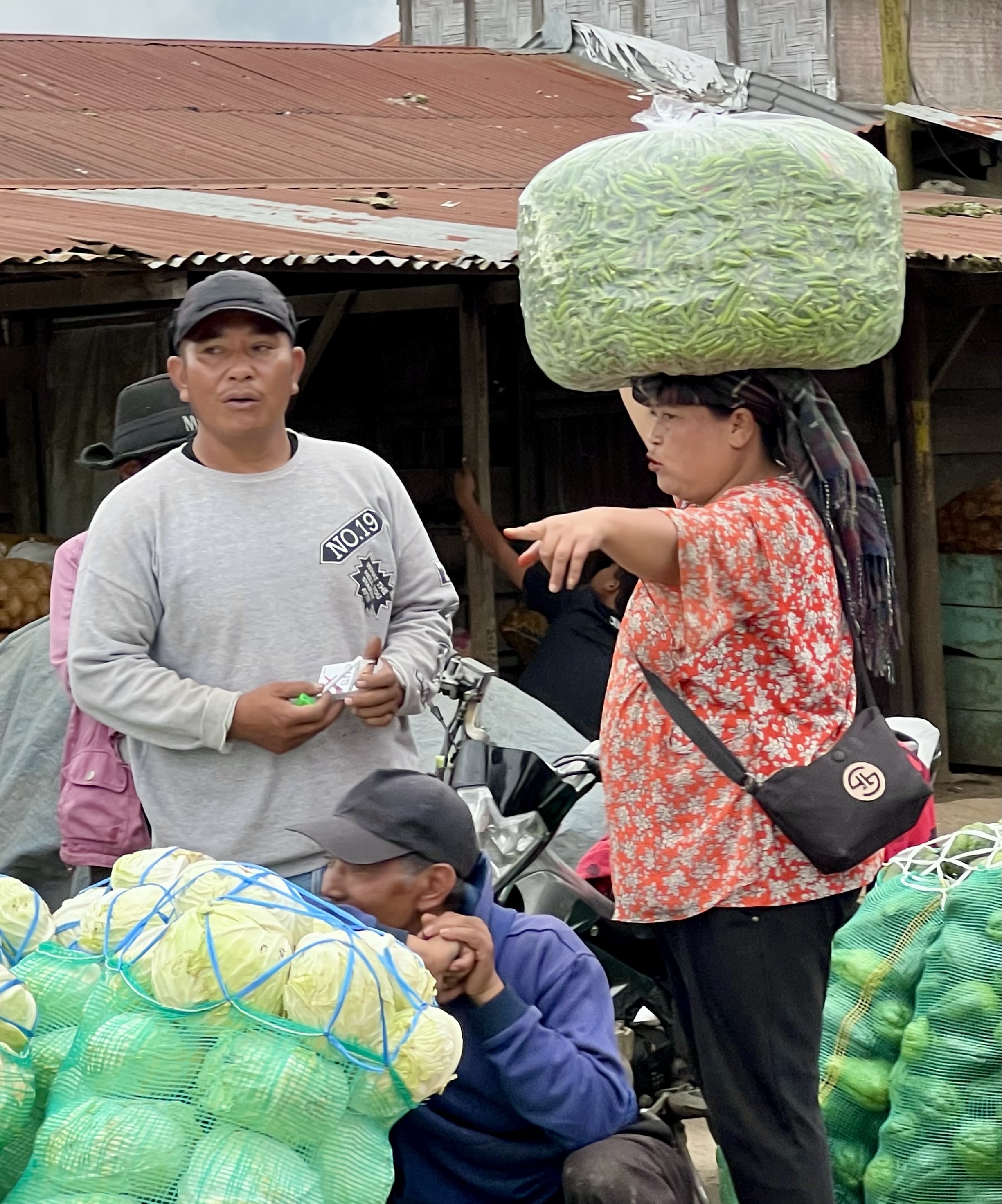


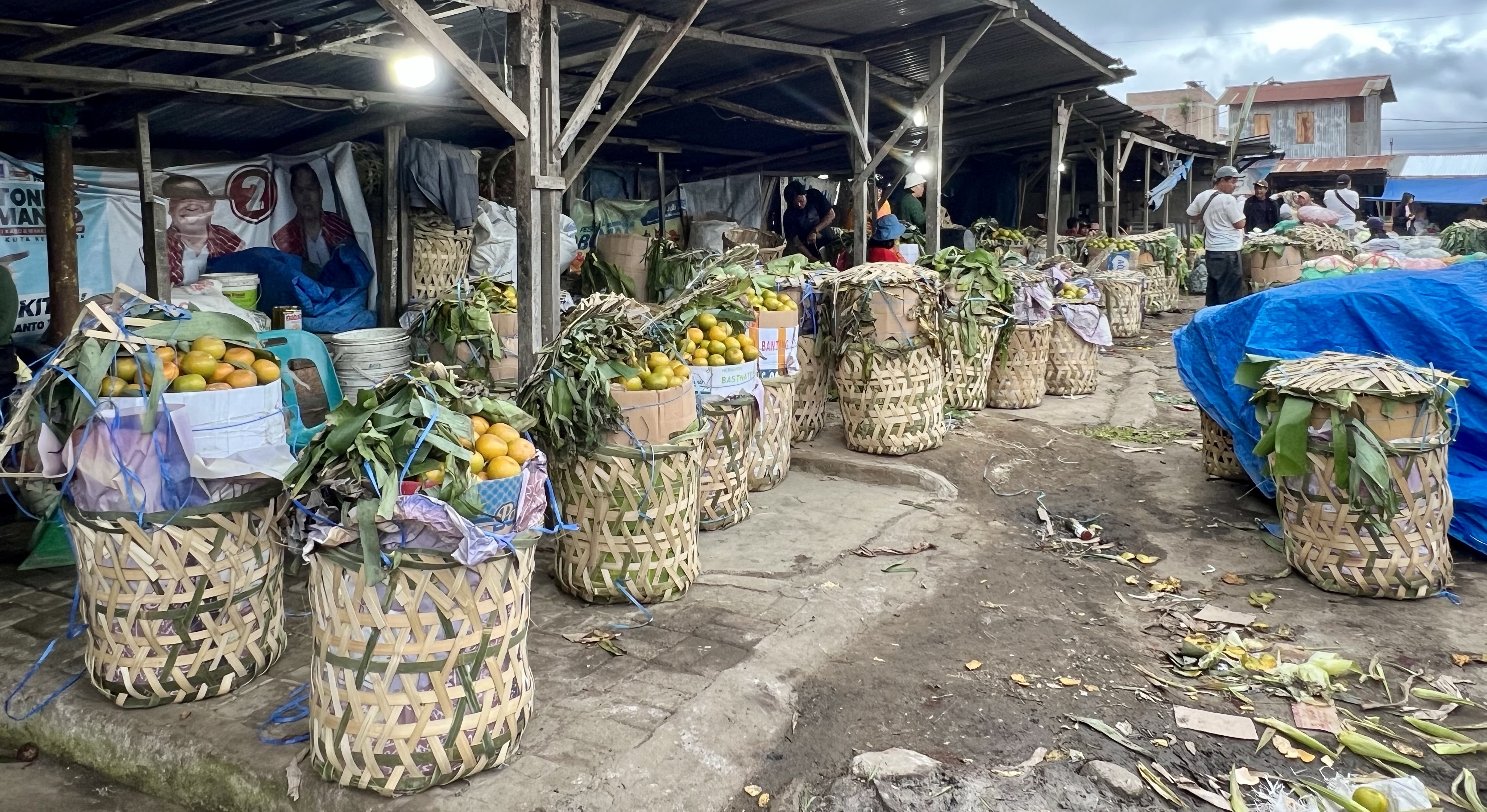
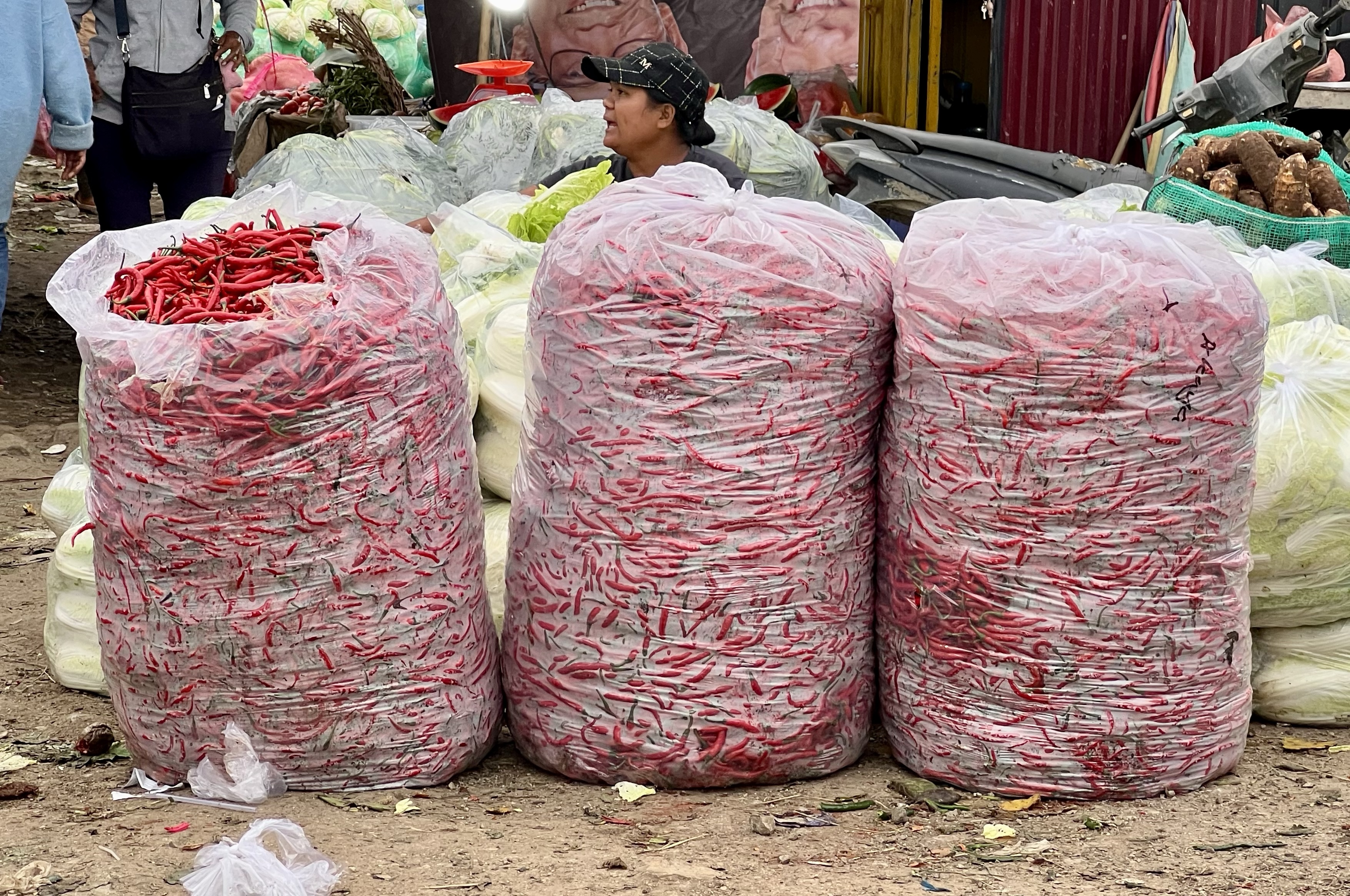
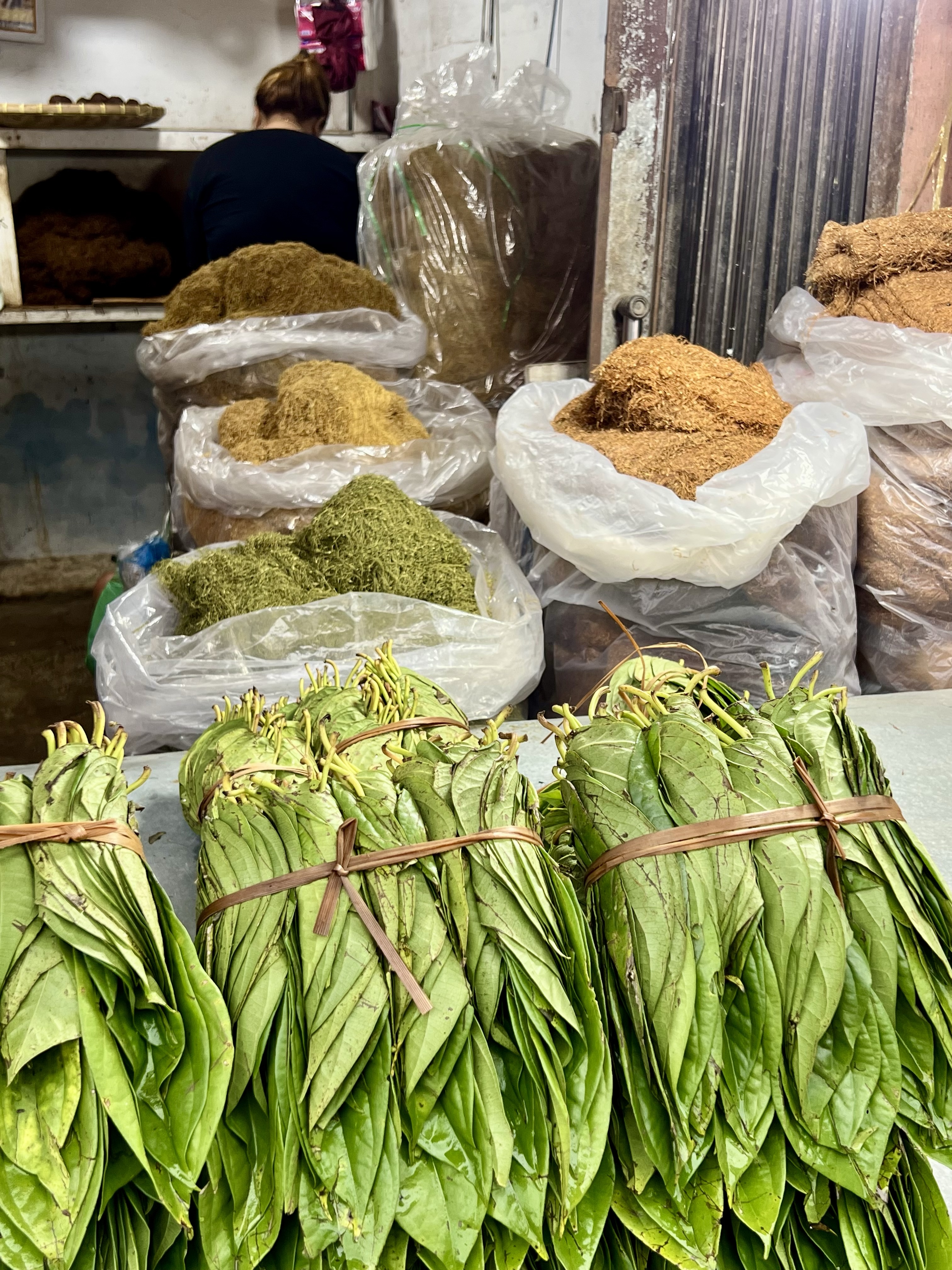

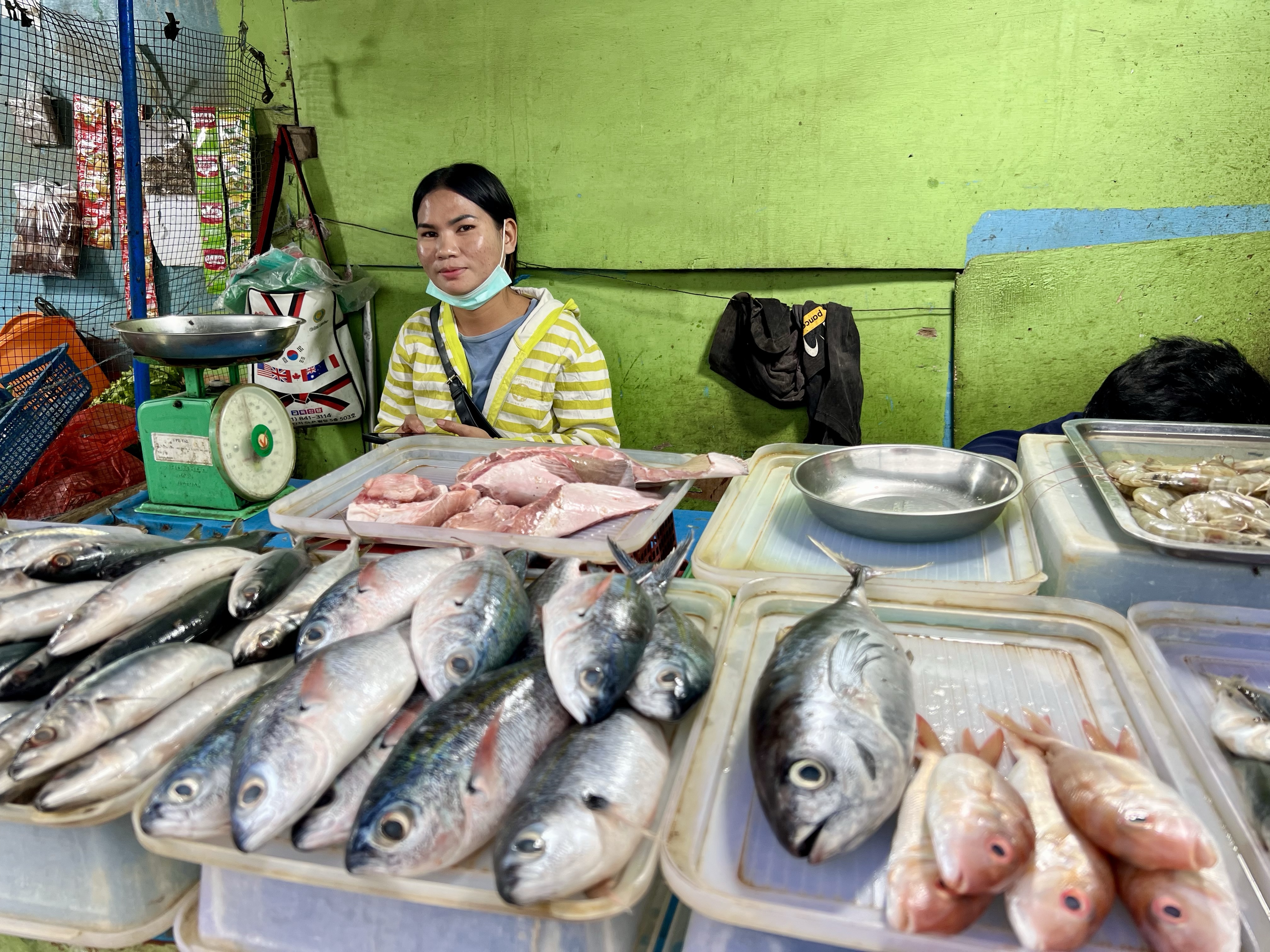
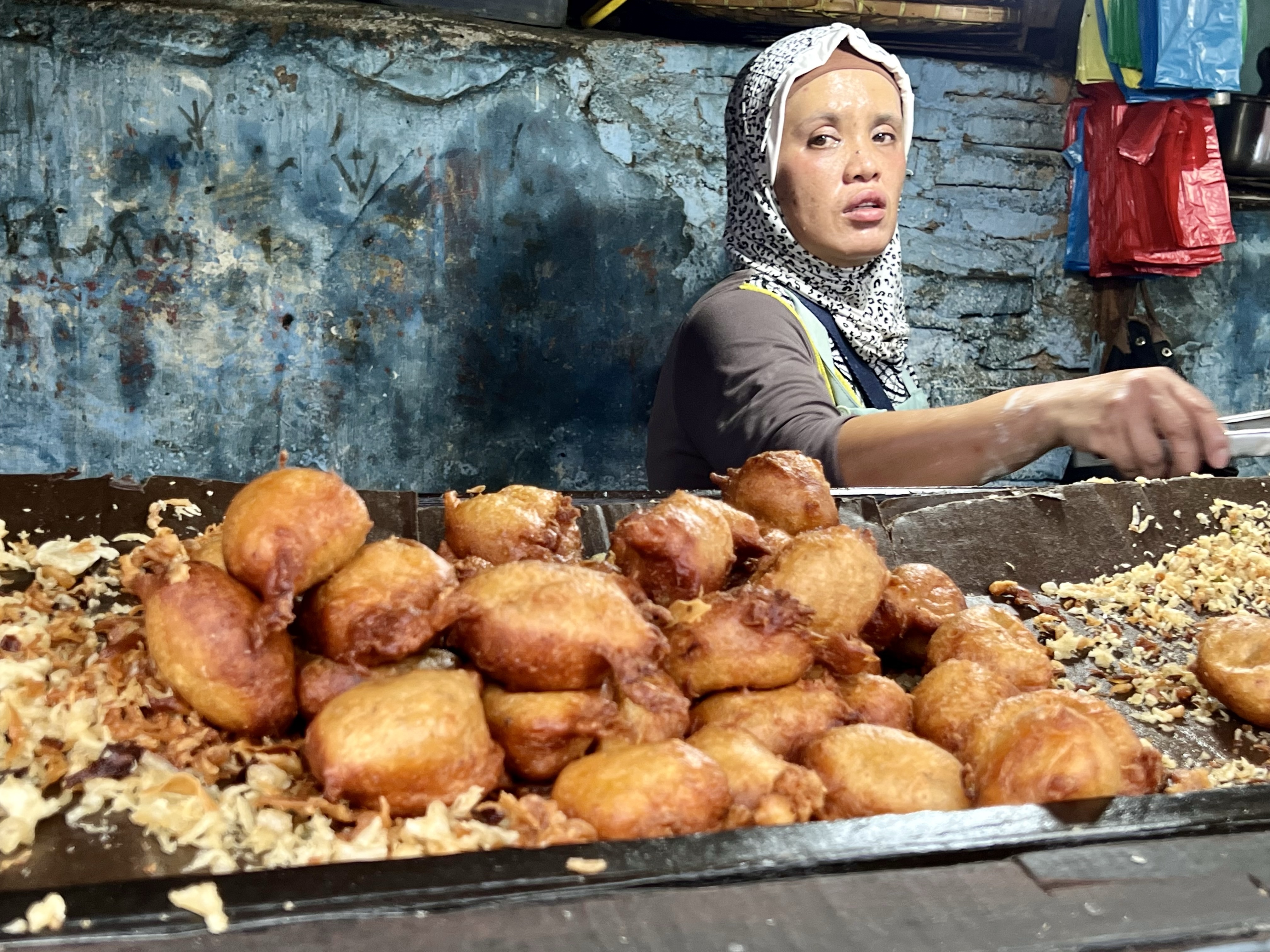
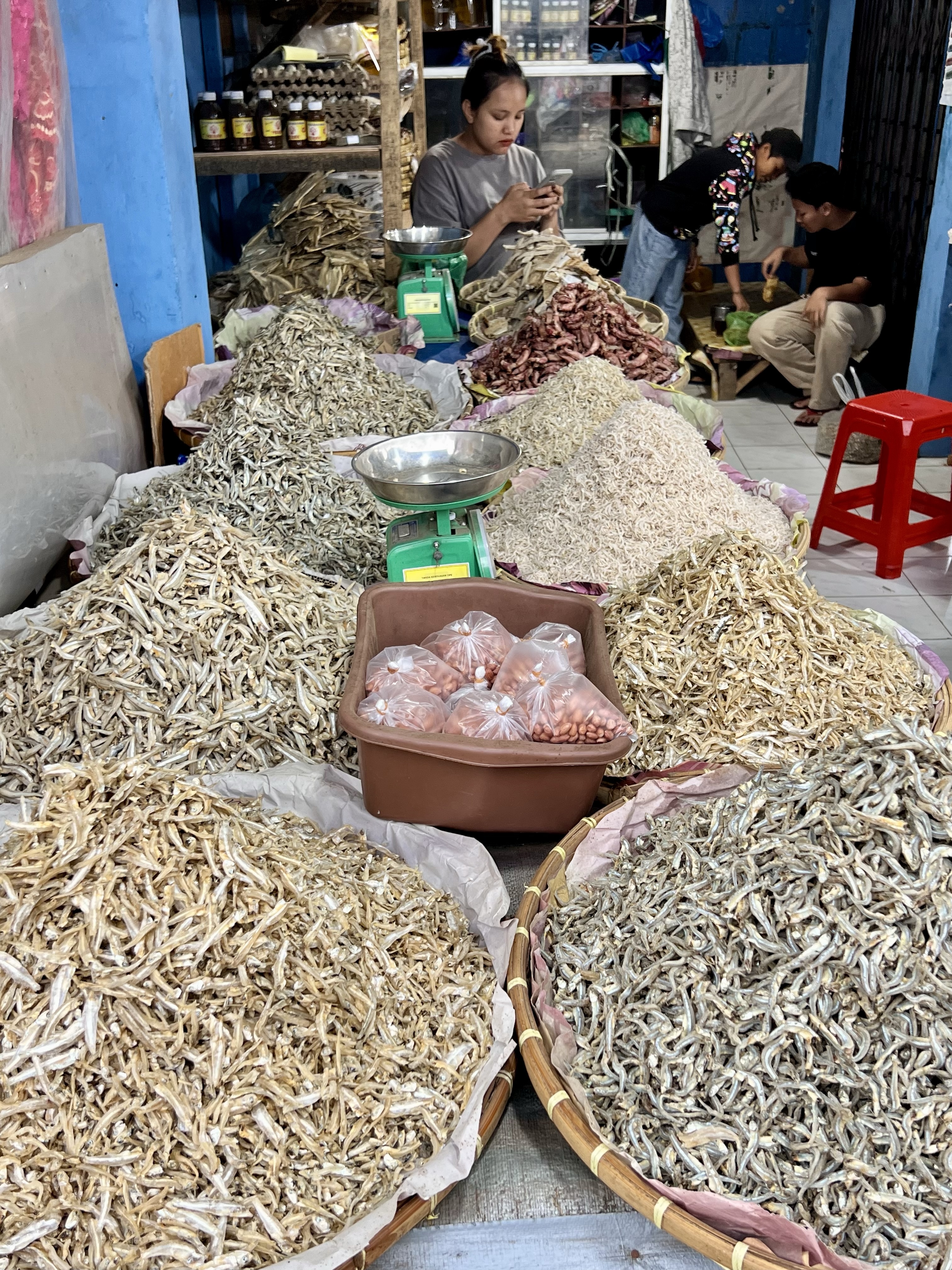
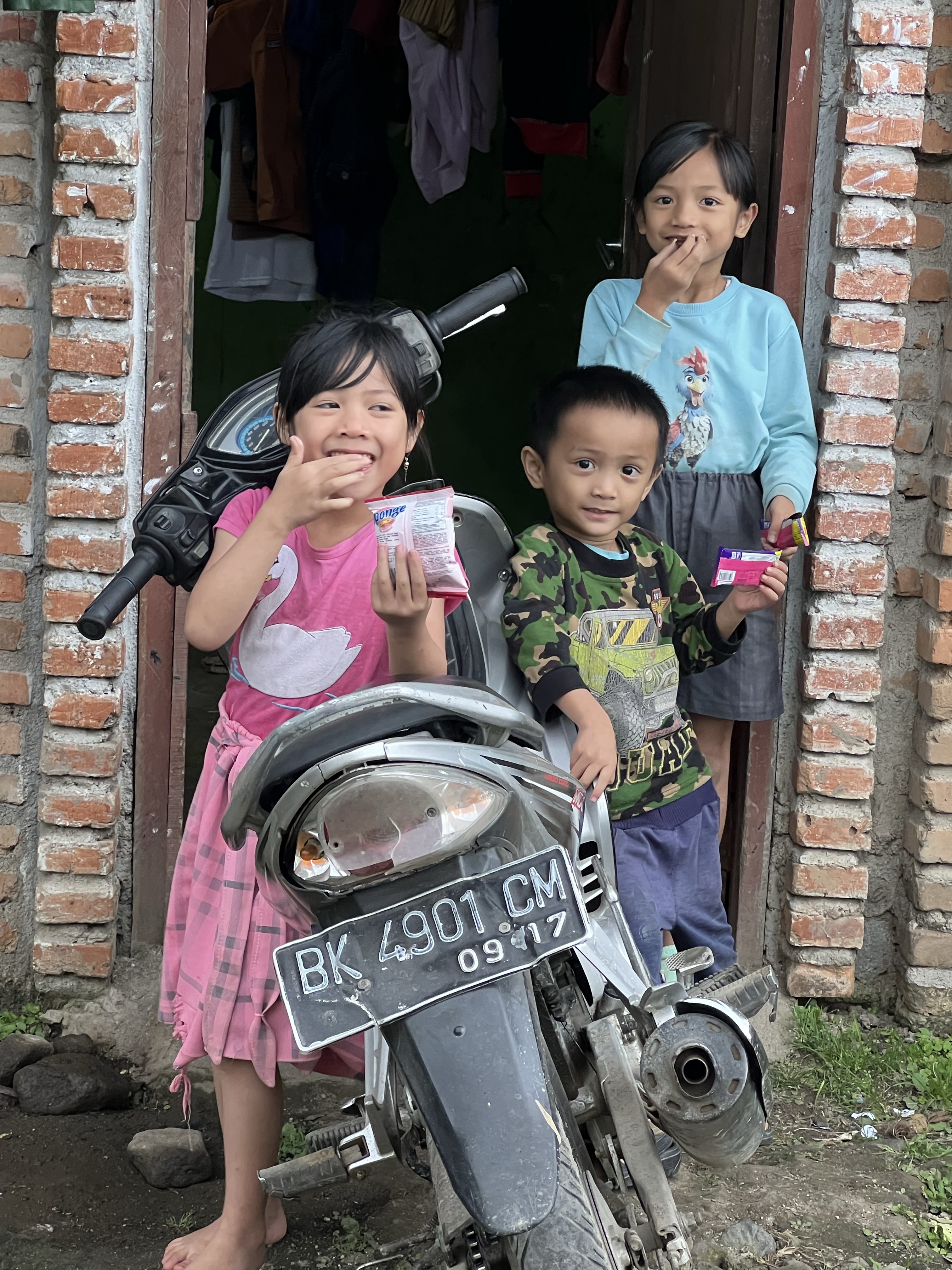
Many ladies have Karo style headdresses and red-stained mouths. Here they chew a mix of tobacco and betel in great wodges, which they display to all, disfiguringly ugly, but when they smile all is forgiven. Women are especially friendly – no one minds being photographed. Men try to be cool when they greet us. Cheeky but nice kids shout ‘hello hello’, posing for the shot. A really good experience.




Andy cooks us a local supper which we eat with Gerry and Mr Vali, washed down by beers.


It’s 3.45 am, Ross’s alarm goes off but he is already awake. Nico, his guide for the walk up Sibayak volcano, picks him up. I go back to sleep but not for long as I get a text at about 7am saying they made it up in 45 minutes…which means we have to get our skates on as we are meeting them at the hot springs. It is about an hour’s drive – on the way we see a truck with a dog standing upright on the roof, but I’m not quick enough!

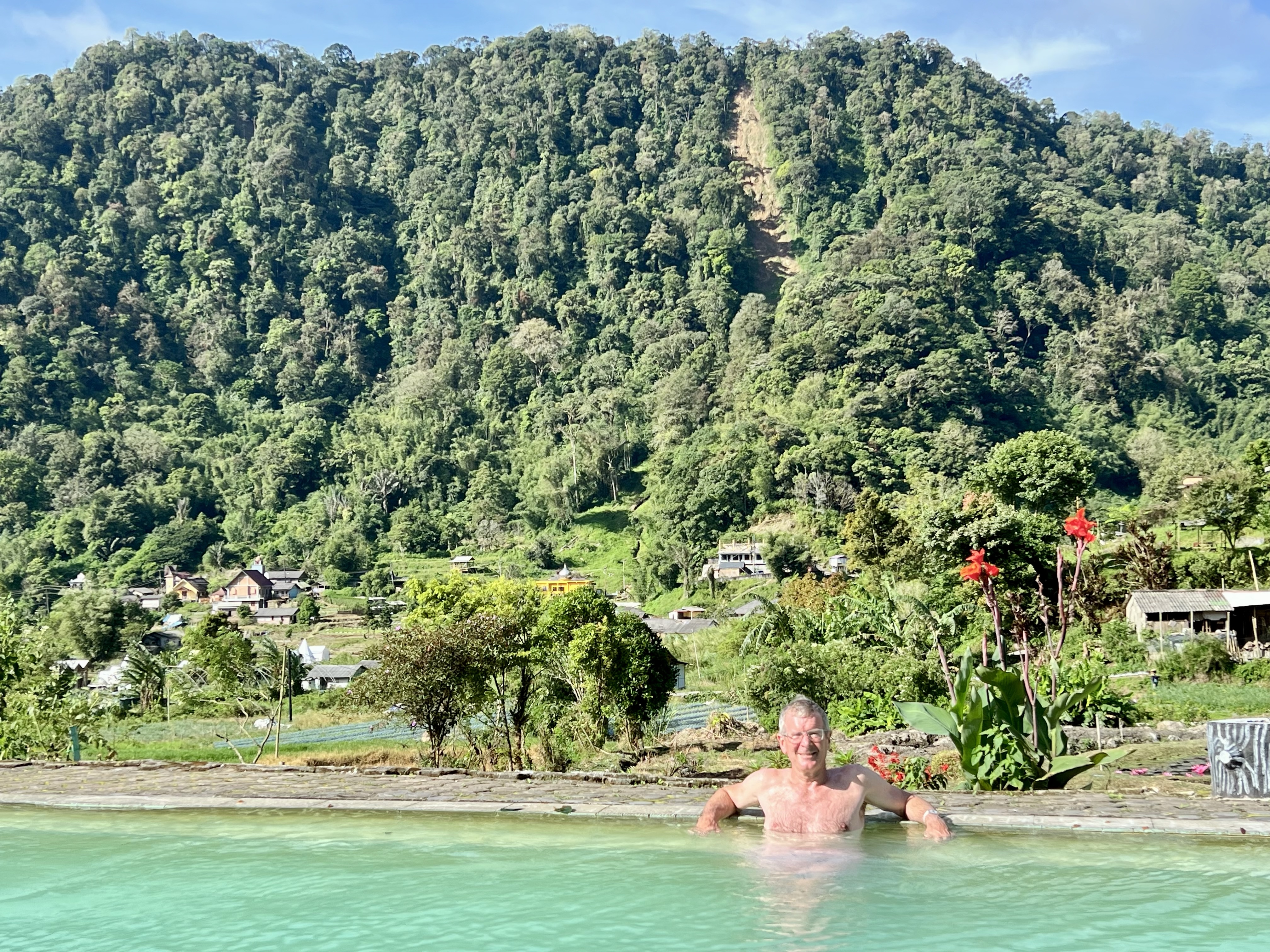
The hot strings are sulphuric and refreshing, we opt for the hottest which is really quite warm! We scoff one of the avocados for breakfast (the lads are having rice and noodles in the café), creamy and delicious. My French saviour from Bukit Lawang is here and we greet each other with enthusiasm.



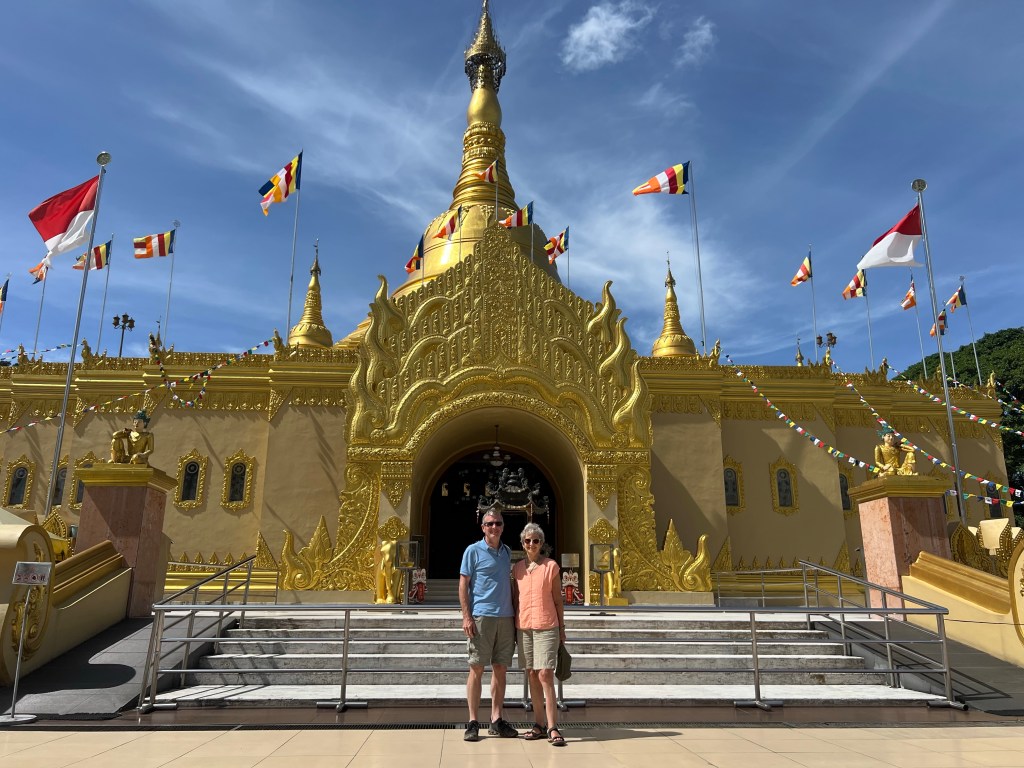
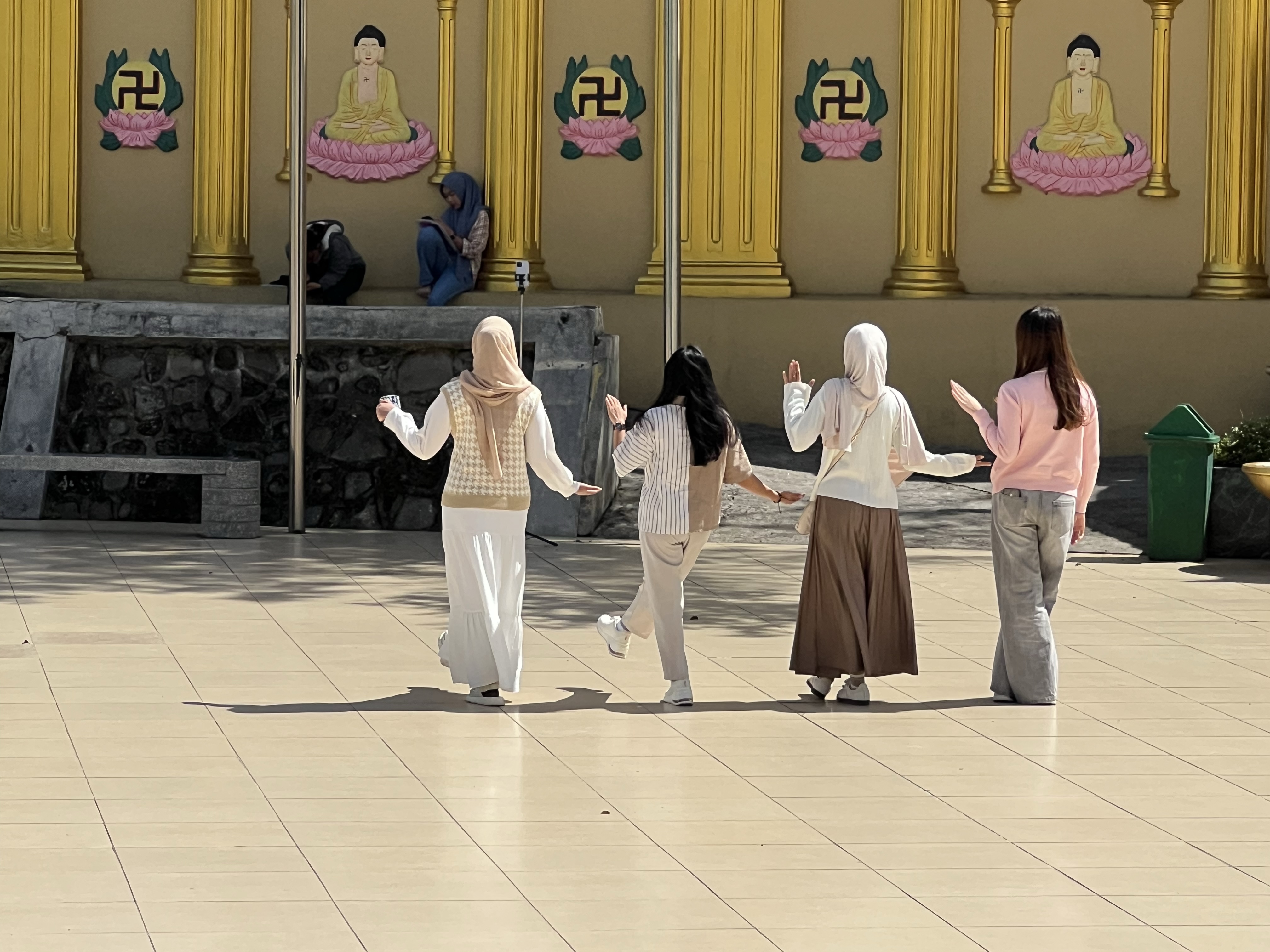
We are under some pressure to catch a ferry to Samosir island in Lake Toba, where we will spend the next three days (another blog). It appears they are all booked after 2pm, so off we set. En route we pop into the a mini Shwedagong temple (as in Yangon) but it is strangely disappointing – despite two free shows, one a Malaysian Tik Tok video in the making and a wedding shoot; the phrase all that glitters is not gold comes to mind. Built by the Chinese community who number less than 4% of the population to try and convert and make some money!

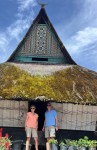
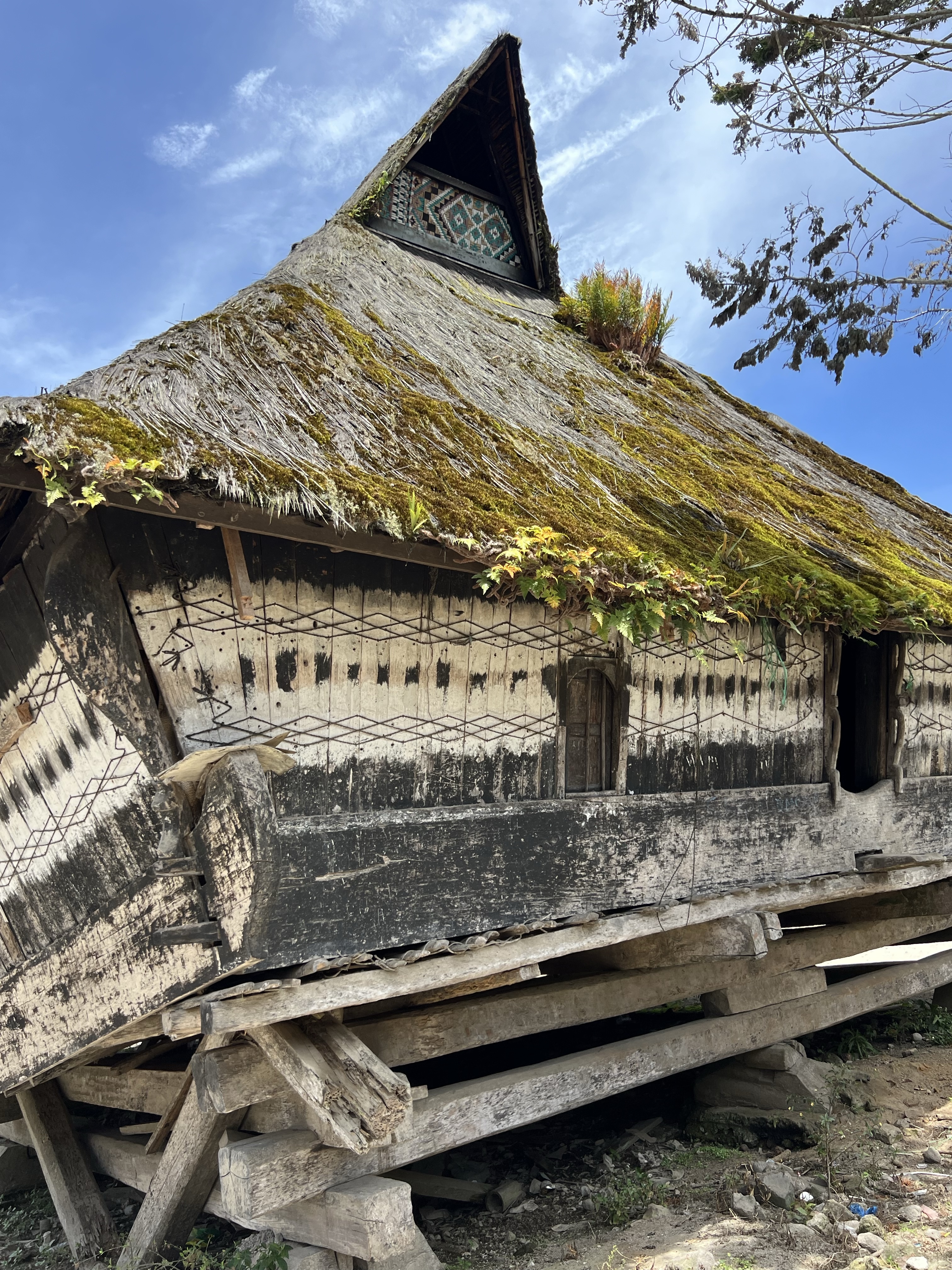
We find time for another deviation to visit a Karo village, Dokan, where there are four traditional long-houses, three of which are still inhabited, one has fallen into ruin. They really remind me of houses on the Sepik river in PNG, down to the red, white and black motifs on the decorated roofs, only the buffalo horns adorning the top are different. In PNG it would be a crocodile if anything!

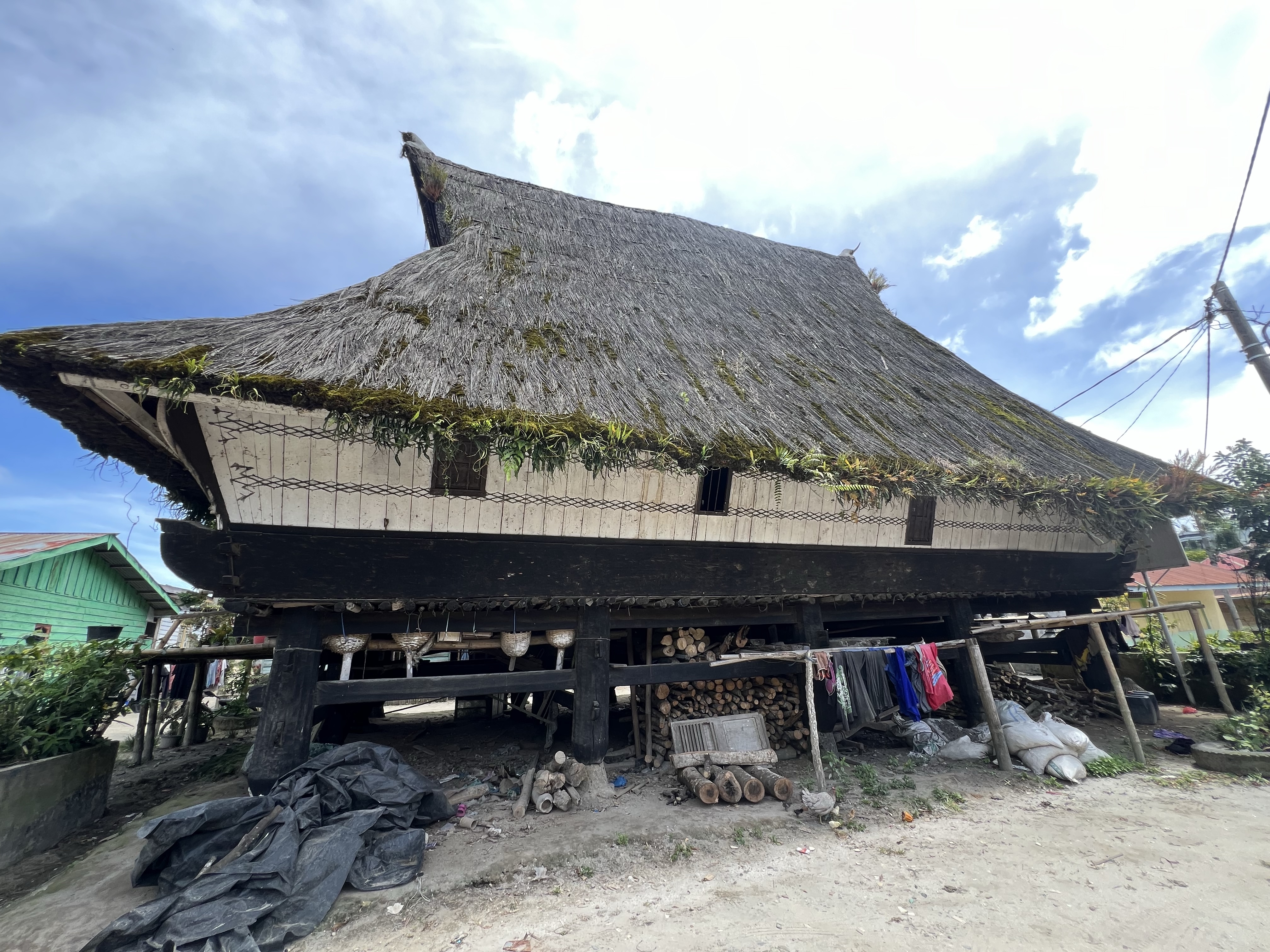


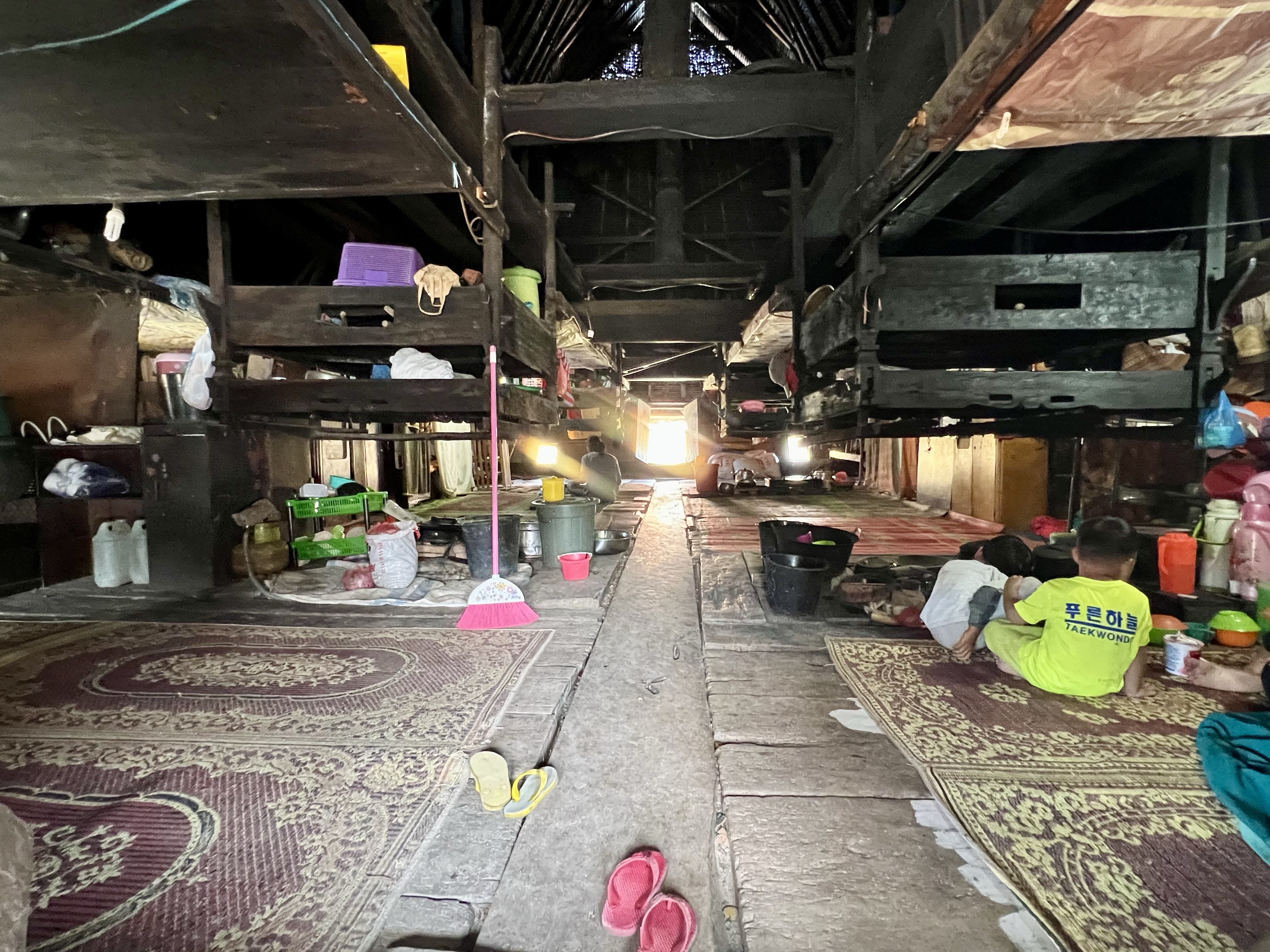
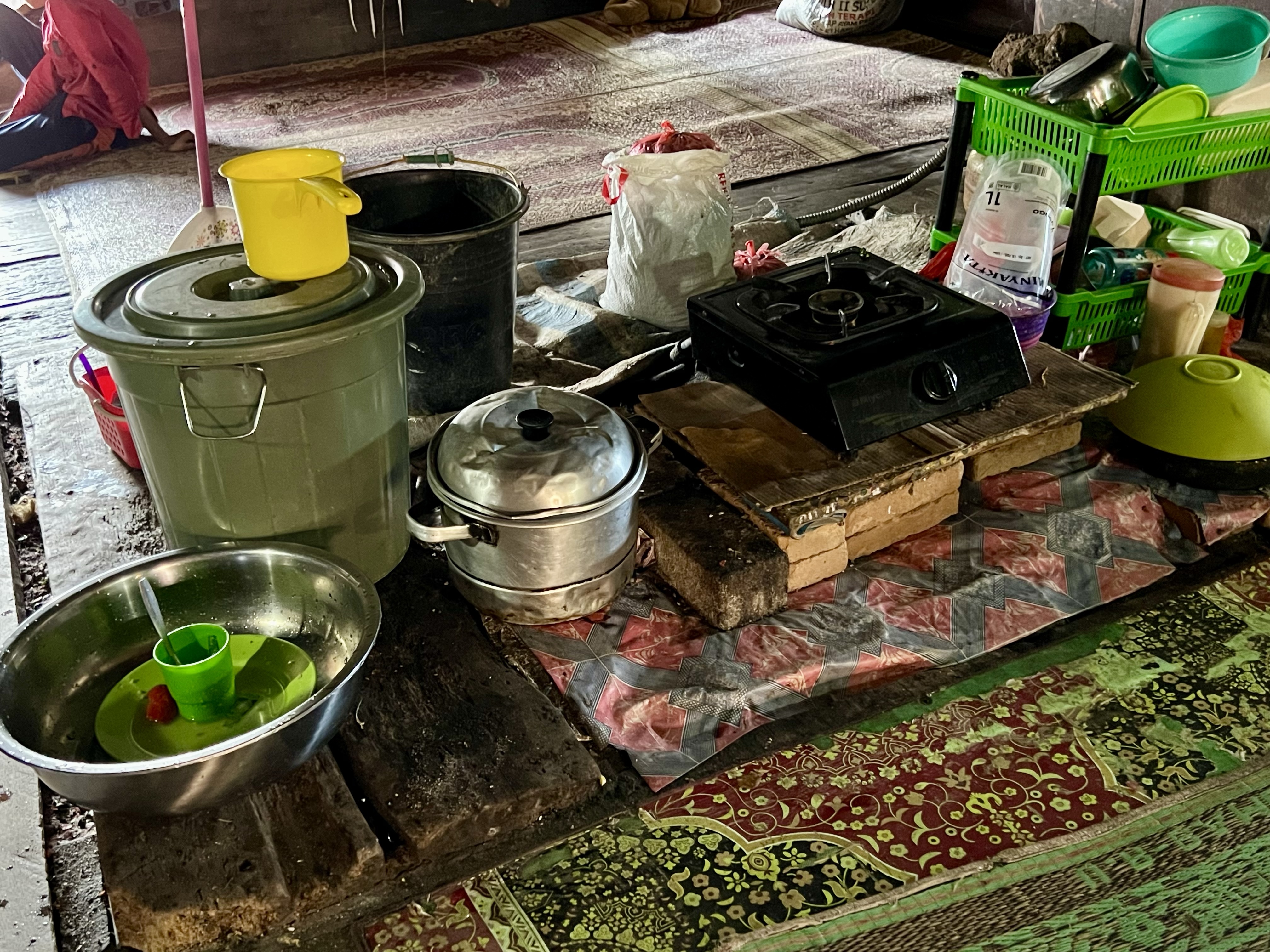
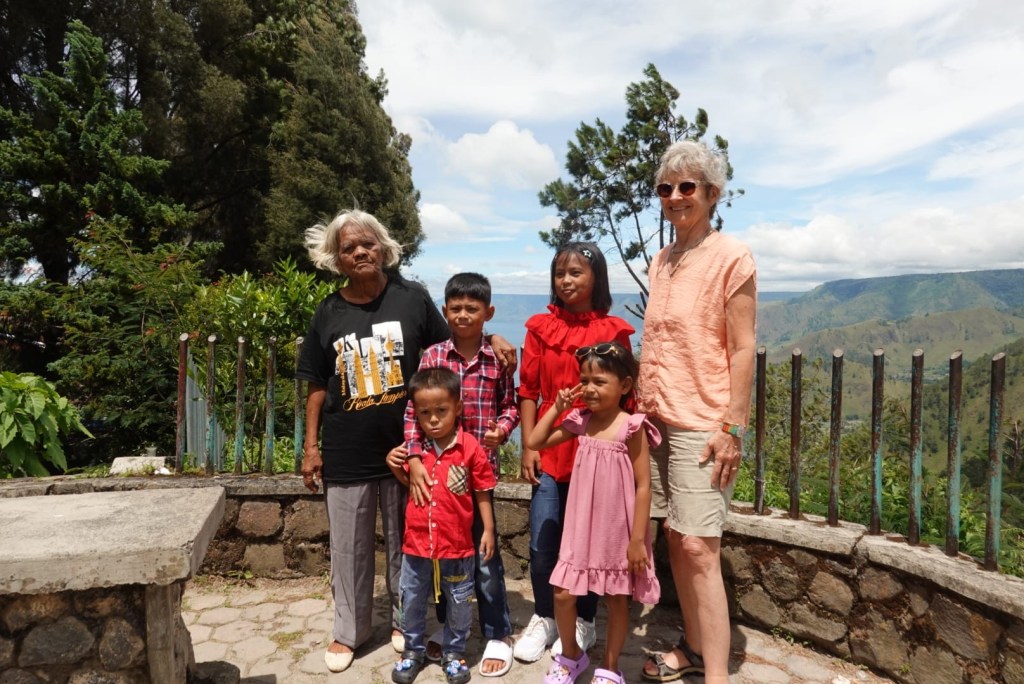
We are invited inside for a small fee. Inside it is vast, cool and airy, with smooth wooden floors and four separate cooking hearths and curtained-off sleeping areas for the four families who live there. Given the multi-generational nature of family structure this place is probably home to at least 40 people. We meet a grandma doing the child-minding; one of the children seems to have cerebral palsy or something similar but is happy in herself and much loved.


On, on, but another quick stop to visit Sumatra’s longest waterfall (and the loo – all the loos are spotless in Sumatra), obviously quite a local attraction, as it’s a weekend and pretty packed. We make the 2pm ferry with 10 minutes to spare, and end up having lunch on the other side at about 3 pm – delicious noodles for 4 at a road-side stall, all for $4!


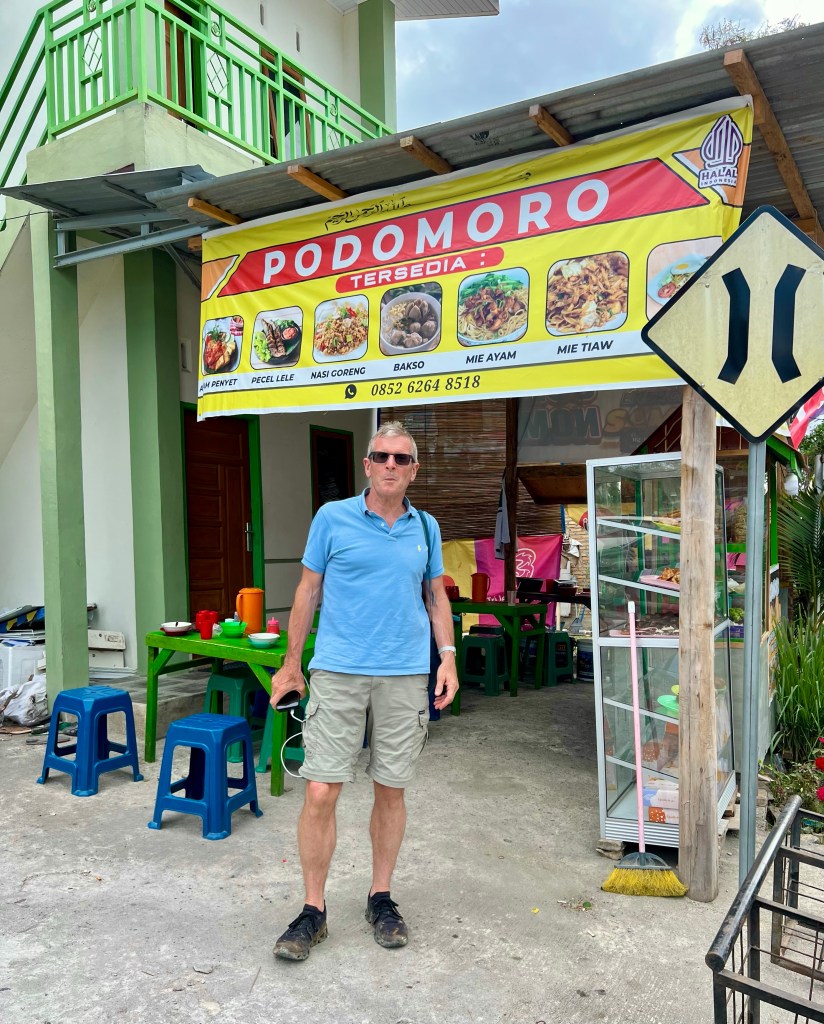

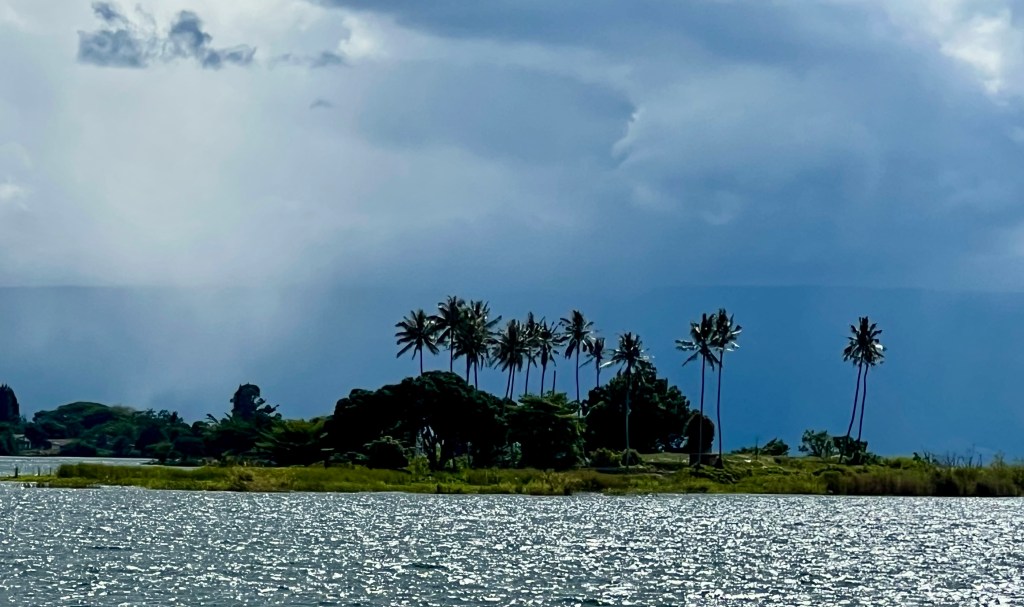
Now we are all set for the last leg of our trip, and a little bit of lakeside down time!

We travelled with Sumatra Adventure Holidays
If you enjoyed this blog, take a look at my new website Travels with my mother

 vickygoestravelling