

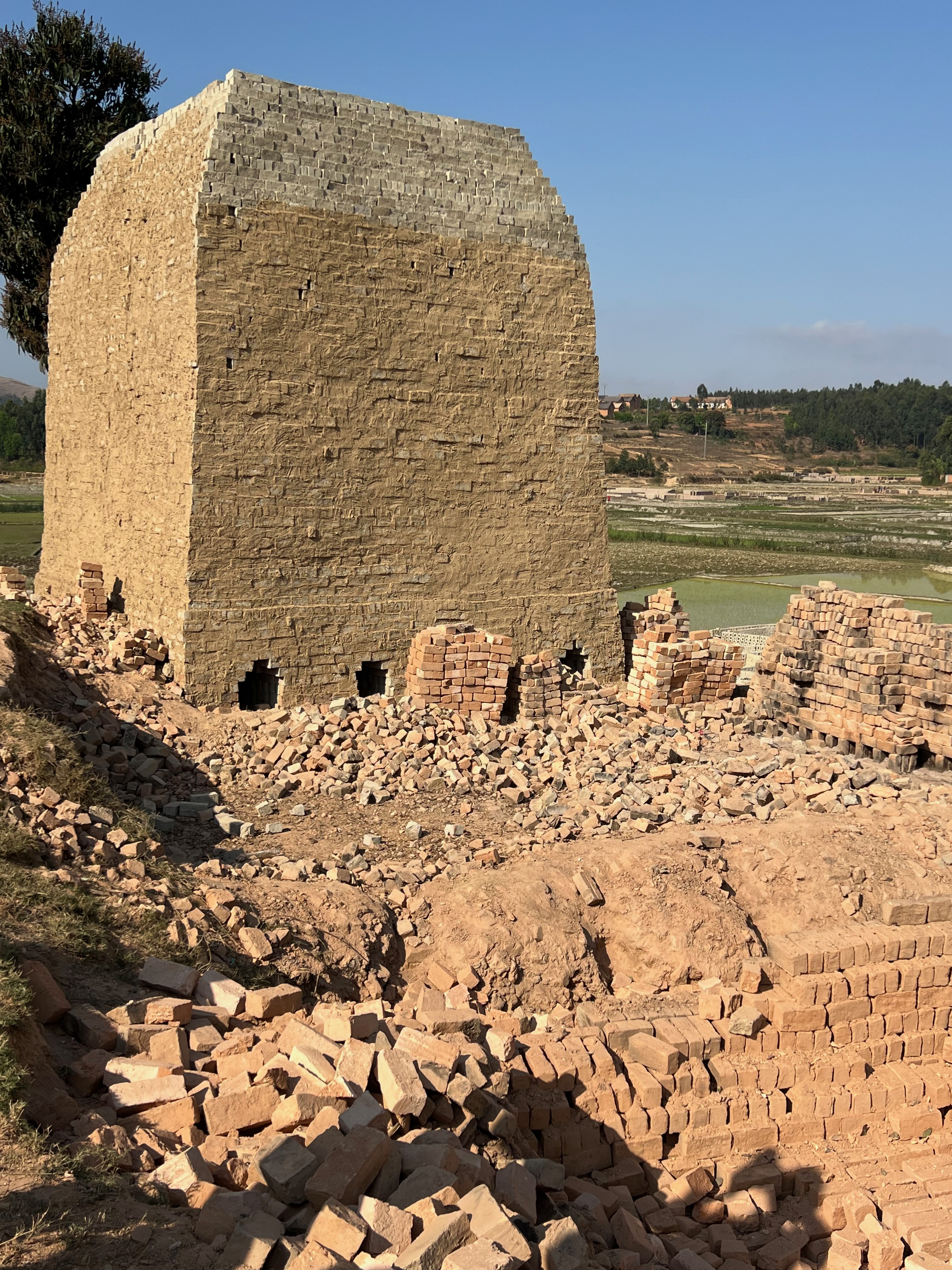
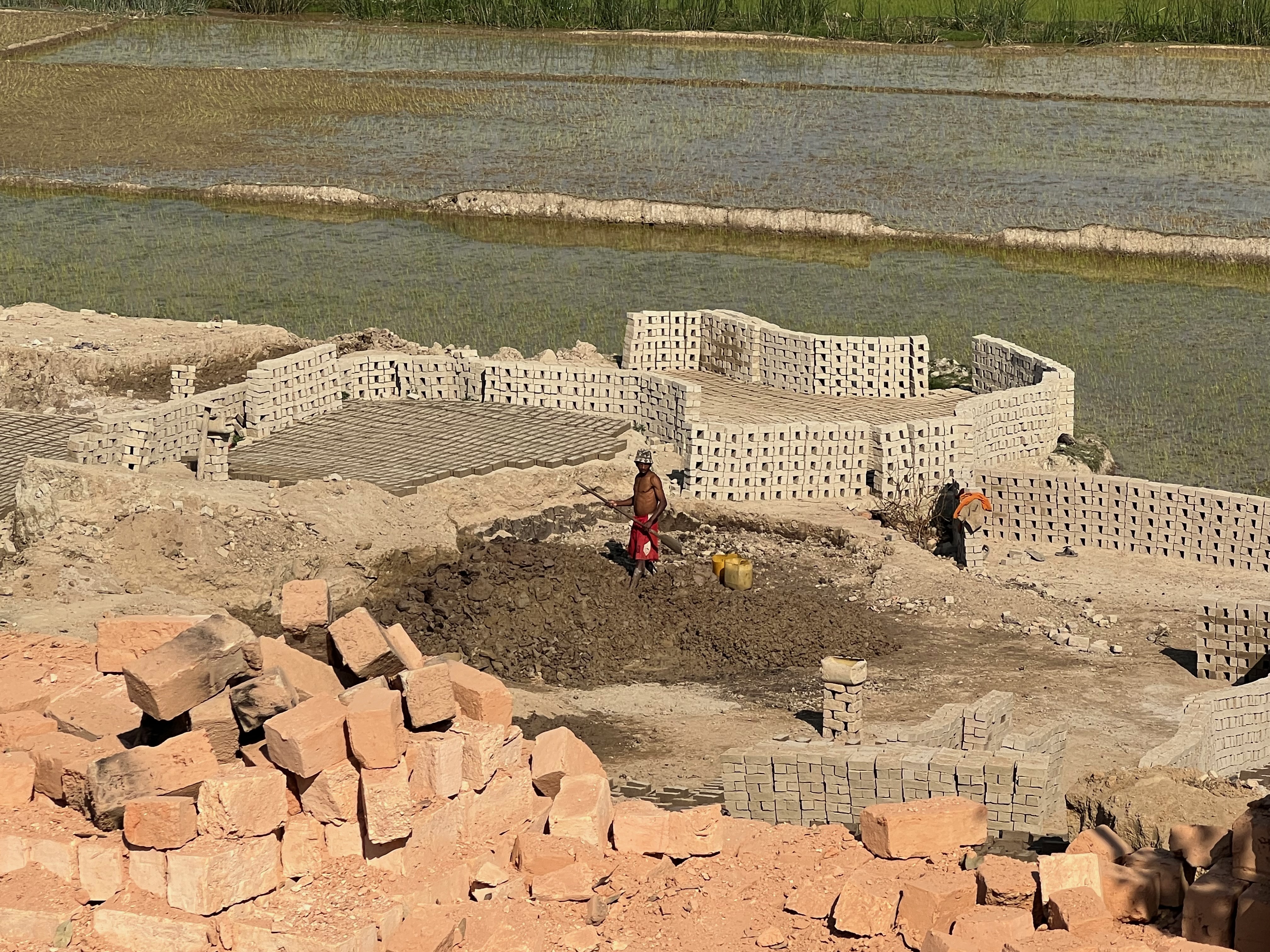
We leave early, driving through the flood plain again. The paddy is interrupted by what can only be described as brick kilns in factory proportions. We have seen these earlier on the roads, huge stacks of bricks, with room for wood to fire them. The practice is to sacrifice some of the clay in the paddy field to make bricks, either for personal use or for sale. It’s a big decision – eat or diversify. Here we see all family members working together on both activities!
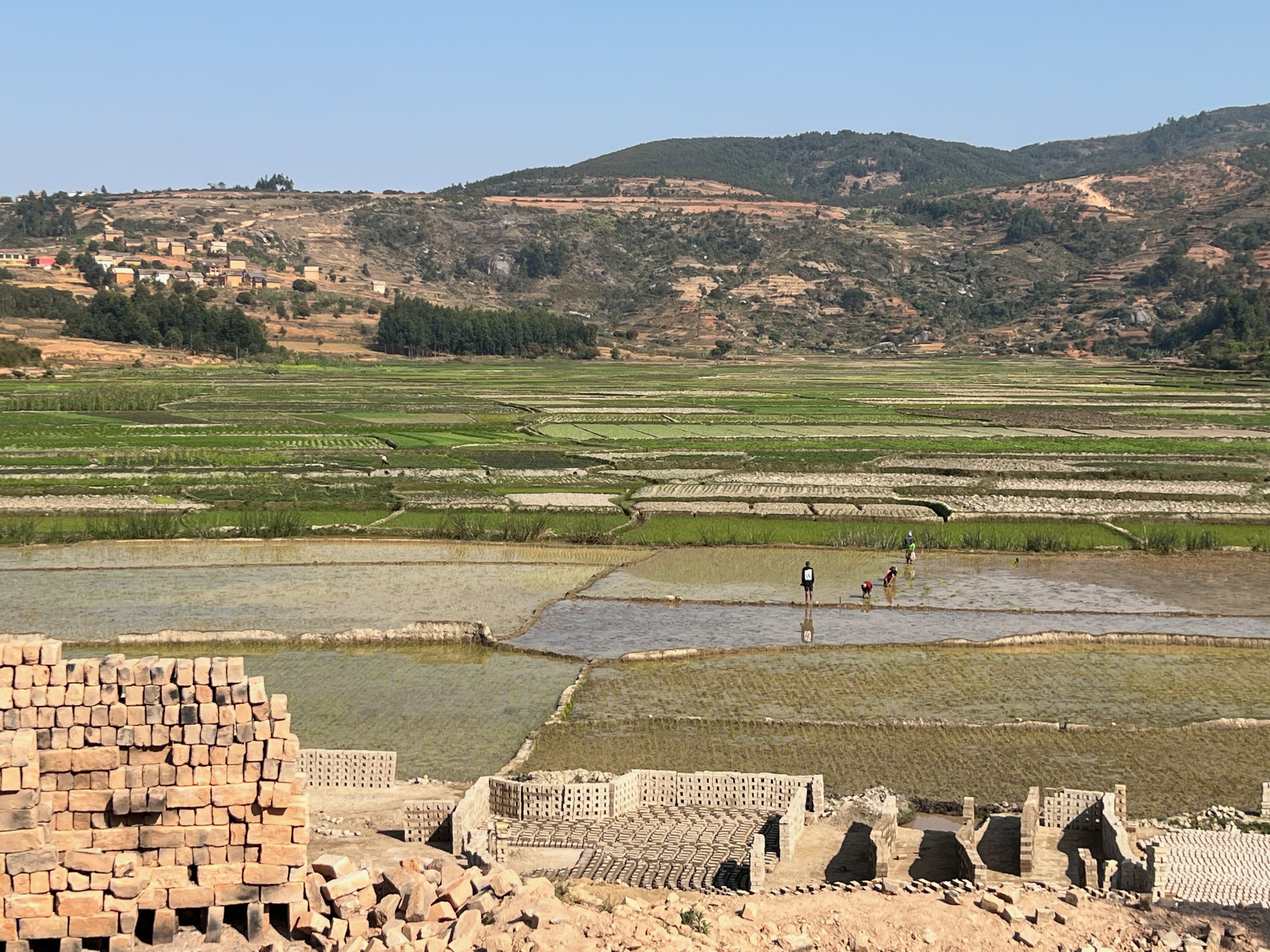
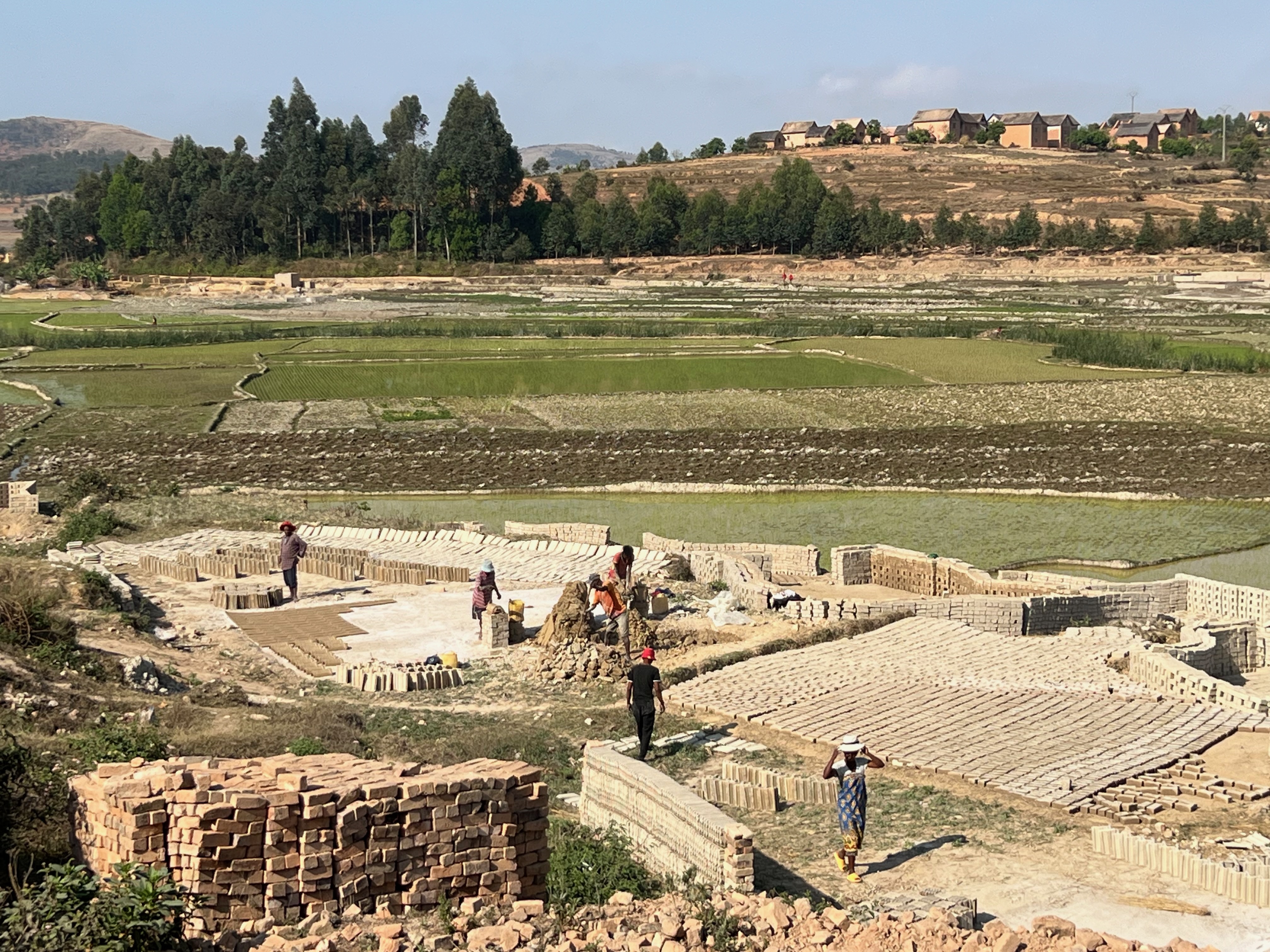
This land is so fertile that the farmers can produce three crops, unlike the single crop of most other areas. Artemisia used for malaria is also widely grown, in addition to lush fields of veg. It is Sunday and whole families, but mostly women and children, are walking in Sunday best, brightly-coloured dresses, lambas, topped of course with a fine hat, to one of the many Churches – often villages have several!
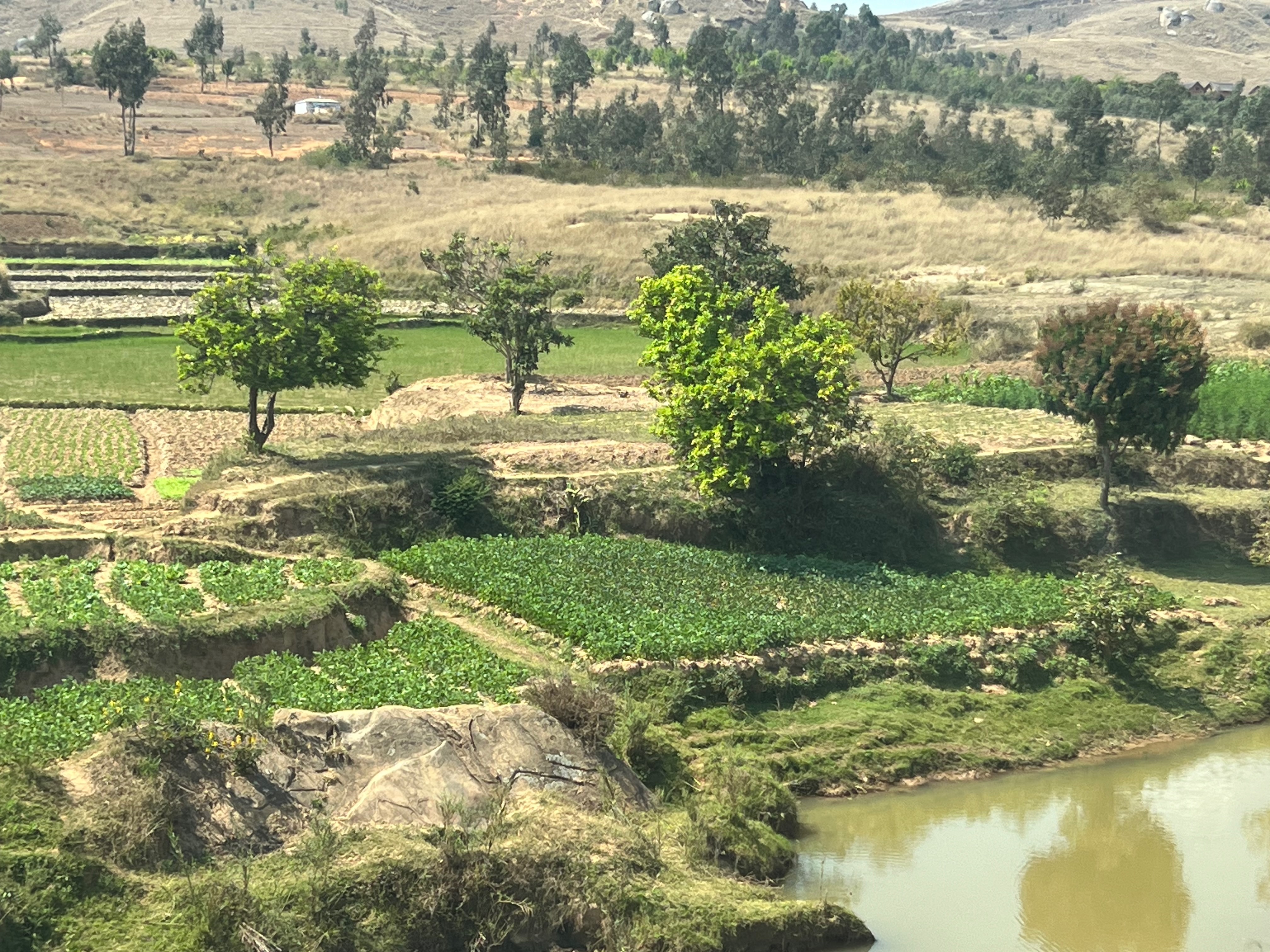
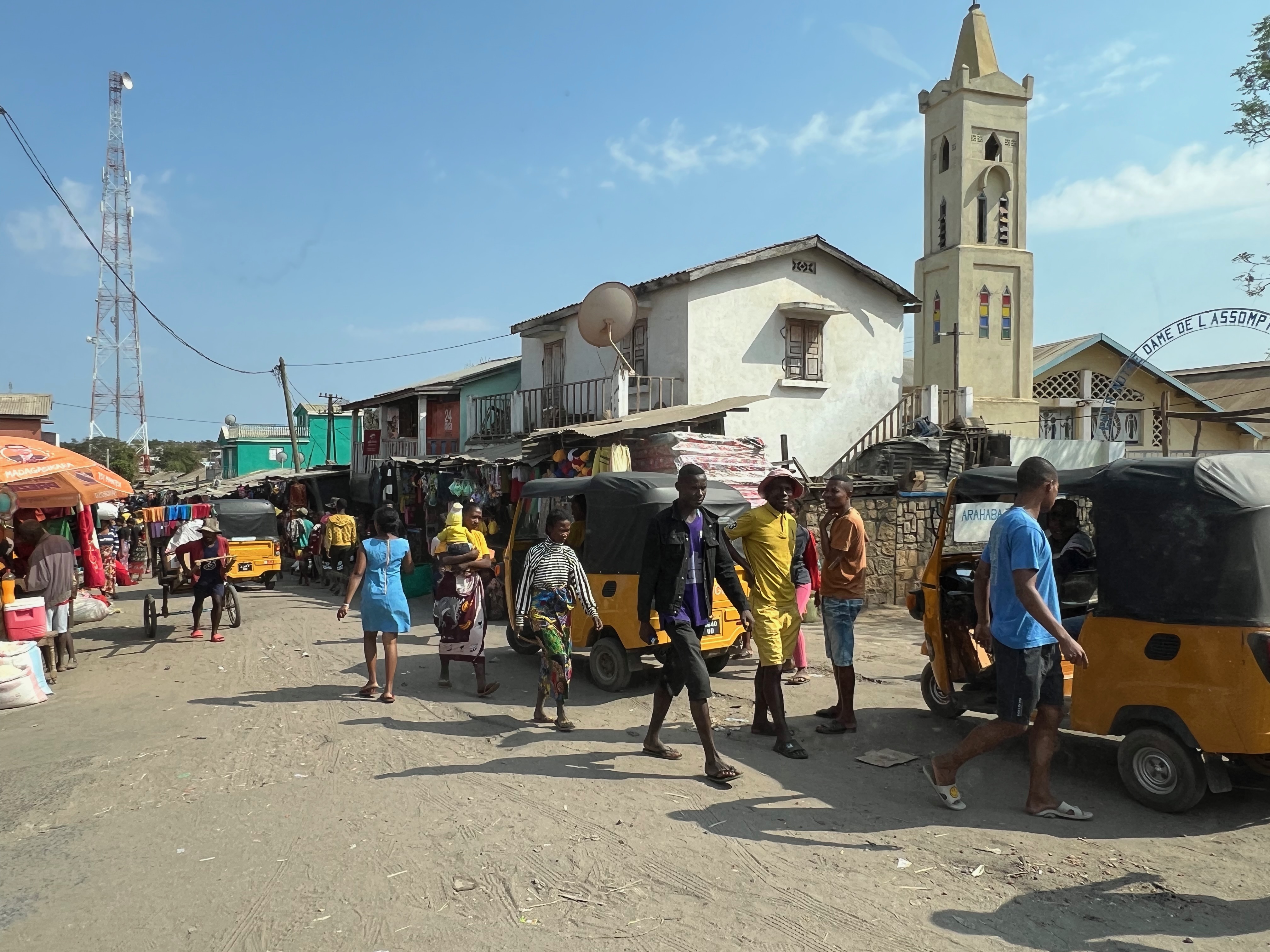
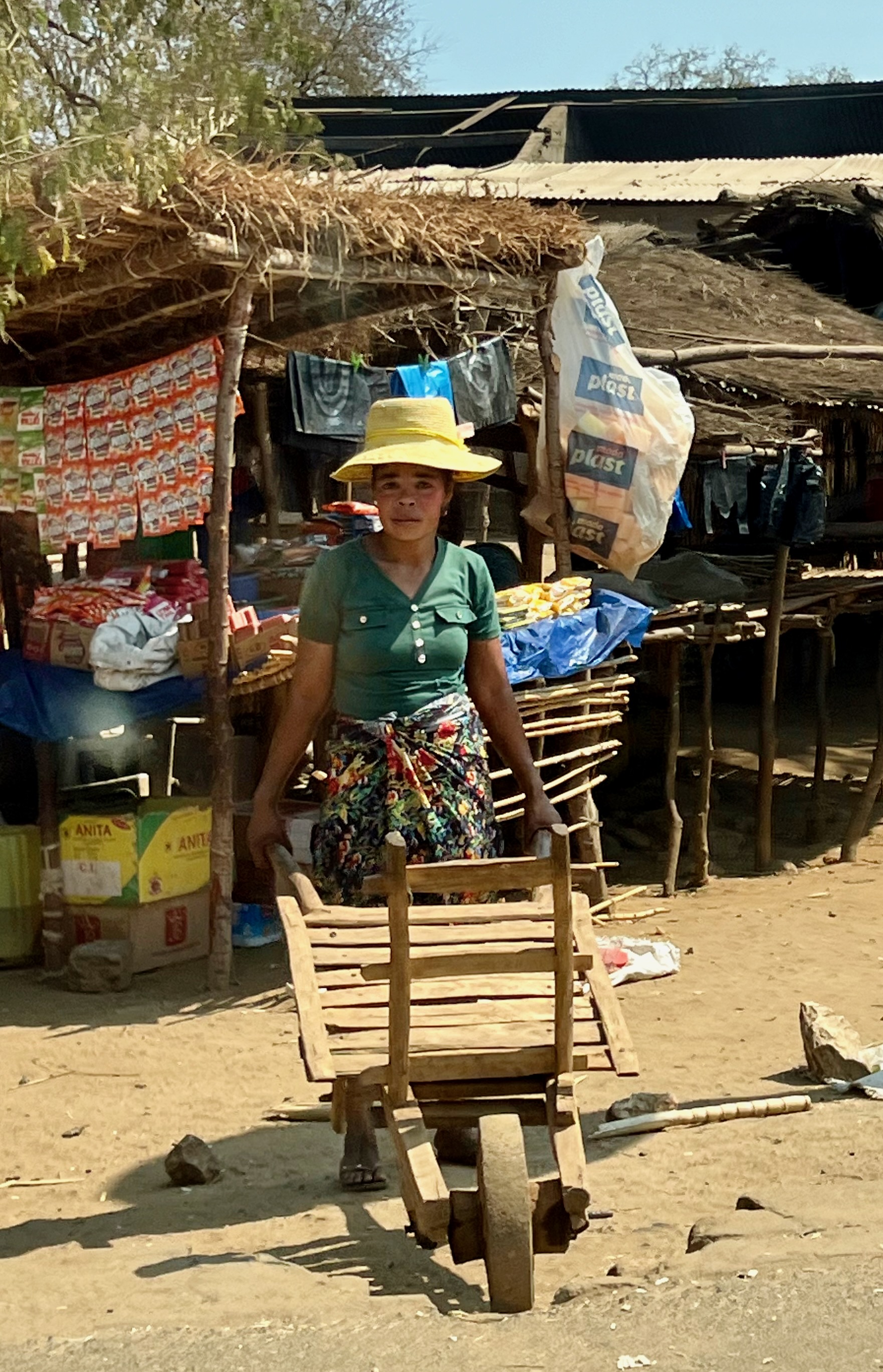
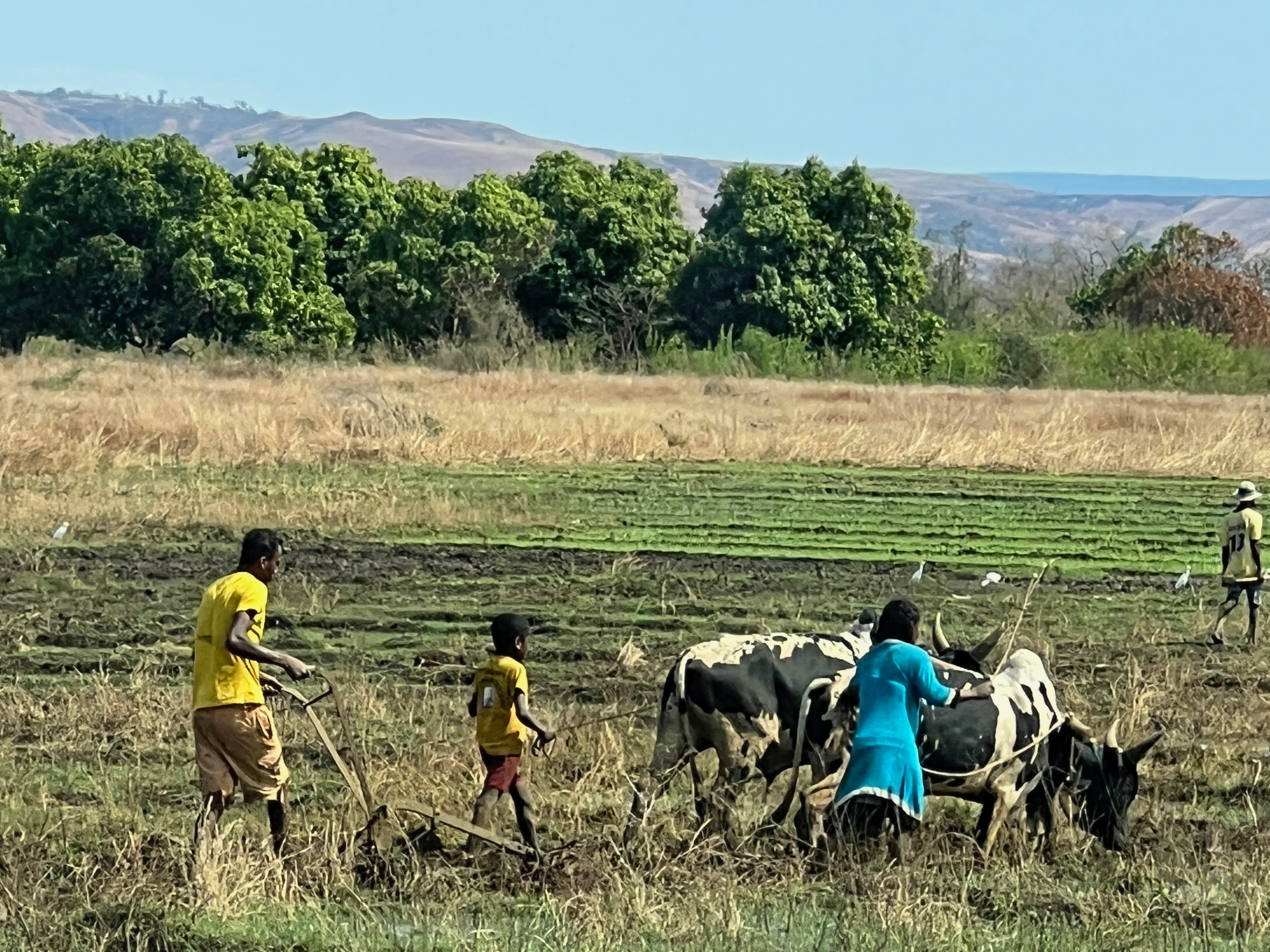

Roadside scenes – fields, planting, ploughing, transporting bricks, church, zebu, a fine hat!
We pass through Fianarantsoa, ‘place of learning’ because of the Catholic influence At 1500 m it is the third largest city and centre of Malagasy wine growing. It’s getting hot as we drive through Ambalavao, where there’s a big zebu market twice a week. All Malagasy towns have a meaning – here it is ‘place of zebus’. Worth on average E500 per head, this is how Malagasy count their wealth. There has also been a surge in cattle rustling recently, with criminals pursued to the death. In a largely crime-free country (we feel safe at all times) this is serious – and we see a couple of large prisons rising like space-ships in the Nevada desert to house criminals – mostly for more petty crimes e.g. non payment of fines and taxes, but ‘m sure there are some murders too! We know that rape – especially of young girls – is an issue here.


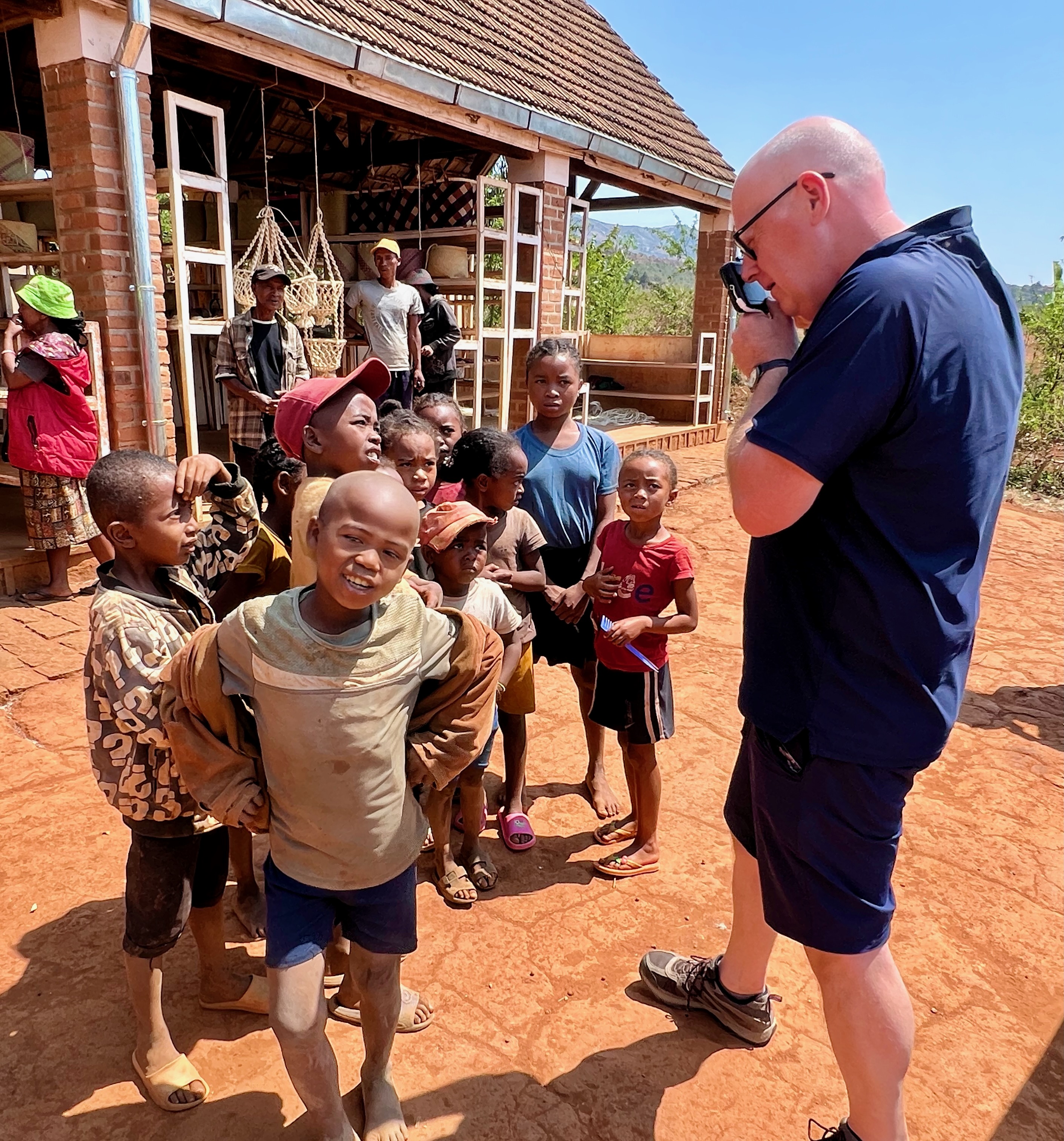
A stop at a women’s basket cooperative where Stephen tries out his polaroid
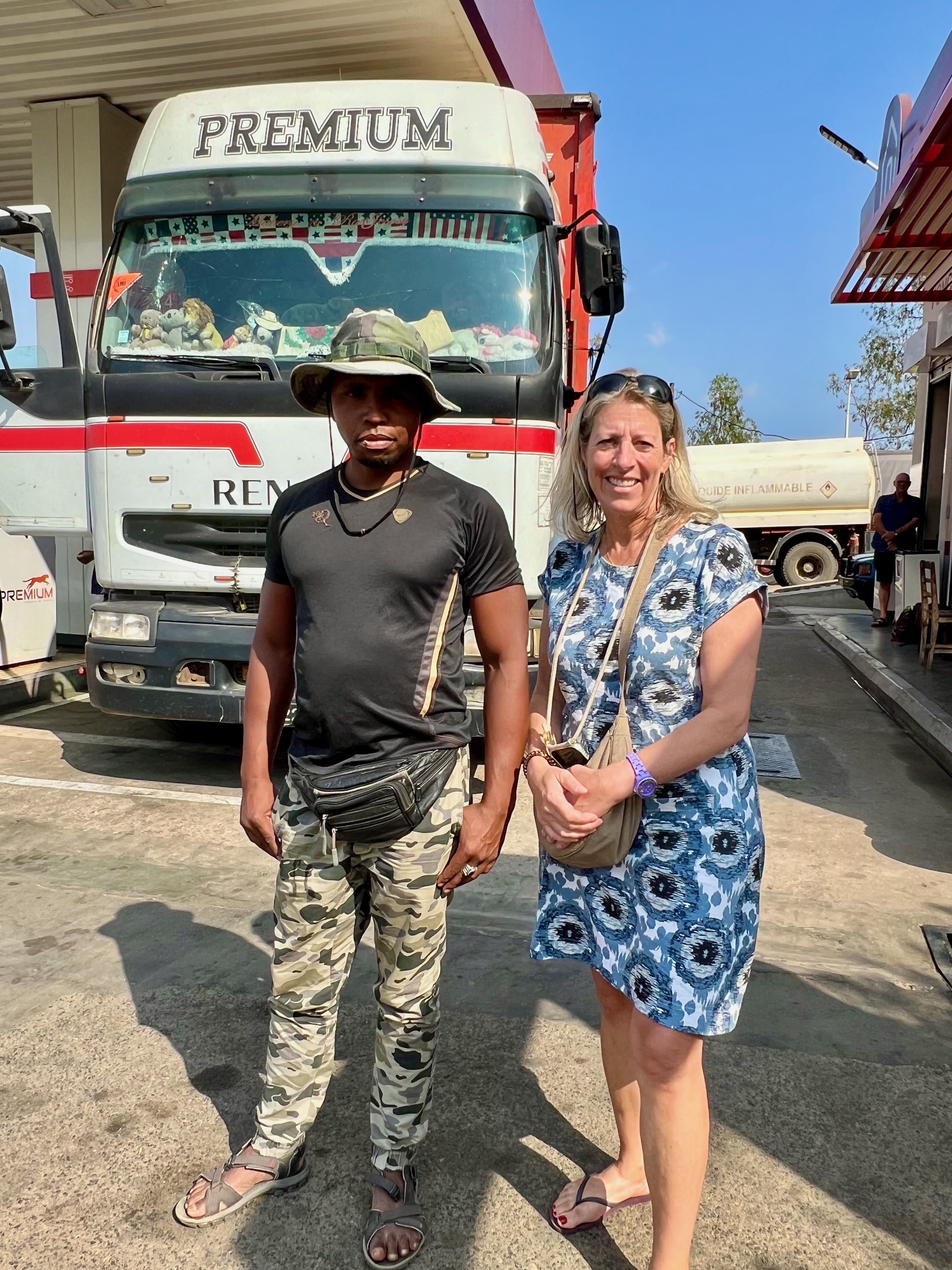
Further on the journey we meet Lalaina Tafintanjanahary, a dealer of zebu. He’s a bit of a dude in his fancy gear, and speaks good English. He has 28 zebus in his truck on the way to Antsirabe. He is looking after them well, has a boy in a bunk bed over the back of the truck to attend to them as they will sell for 1m ariary each. (€200 – a huge amount in Madagascar) They are for breeding, he says, not eating. Fan tell us that some people herd their zebu for for a month to market, but then they are tough through all that walking!

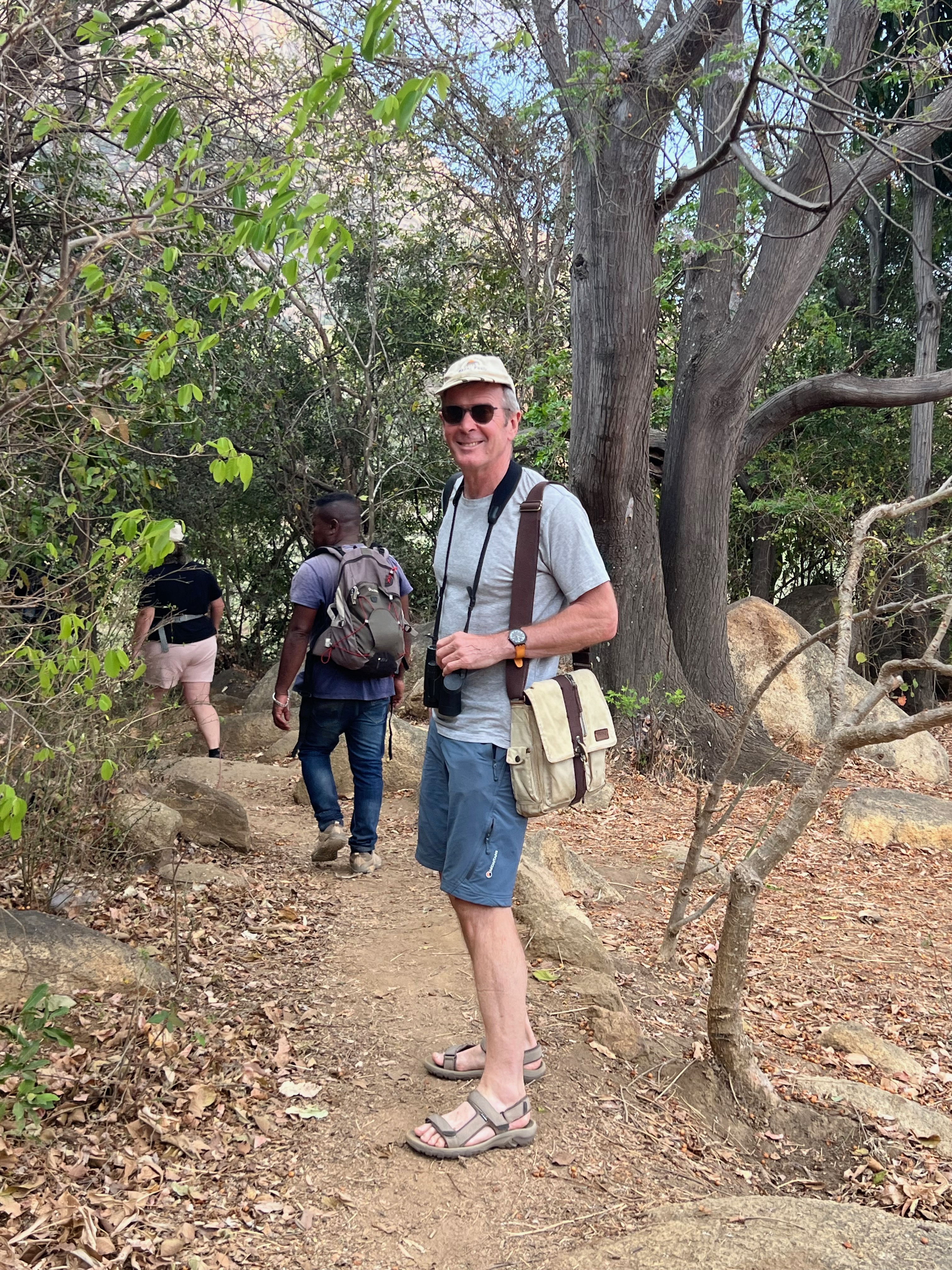
And so to Anja Park, a community park set up to save the ring-tailed lemur in 1999. Numbers have grown from 150 to 550. Lemurs love lilac and we are overpowered by the sweet scent of the blossom as we wander in to the park with our guide and tracker – it’s not a hard job as we stumble across a troop of 30 or so with dear little babies, feeding, sleeping, grooming, playing, in the first five minutes. We spend a quick 30-40 minutes with them as were on a schedule, another big drive, and have already pre-ordered our lunch at the community restaurant. At least there’s time for a cold beer!
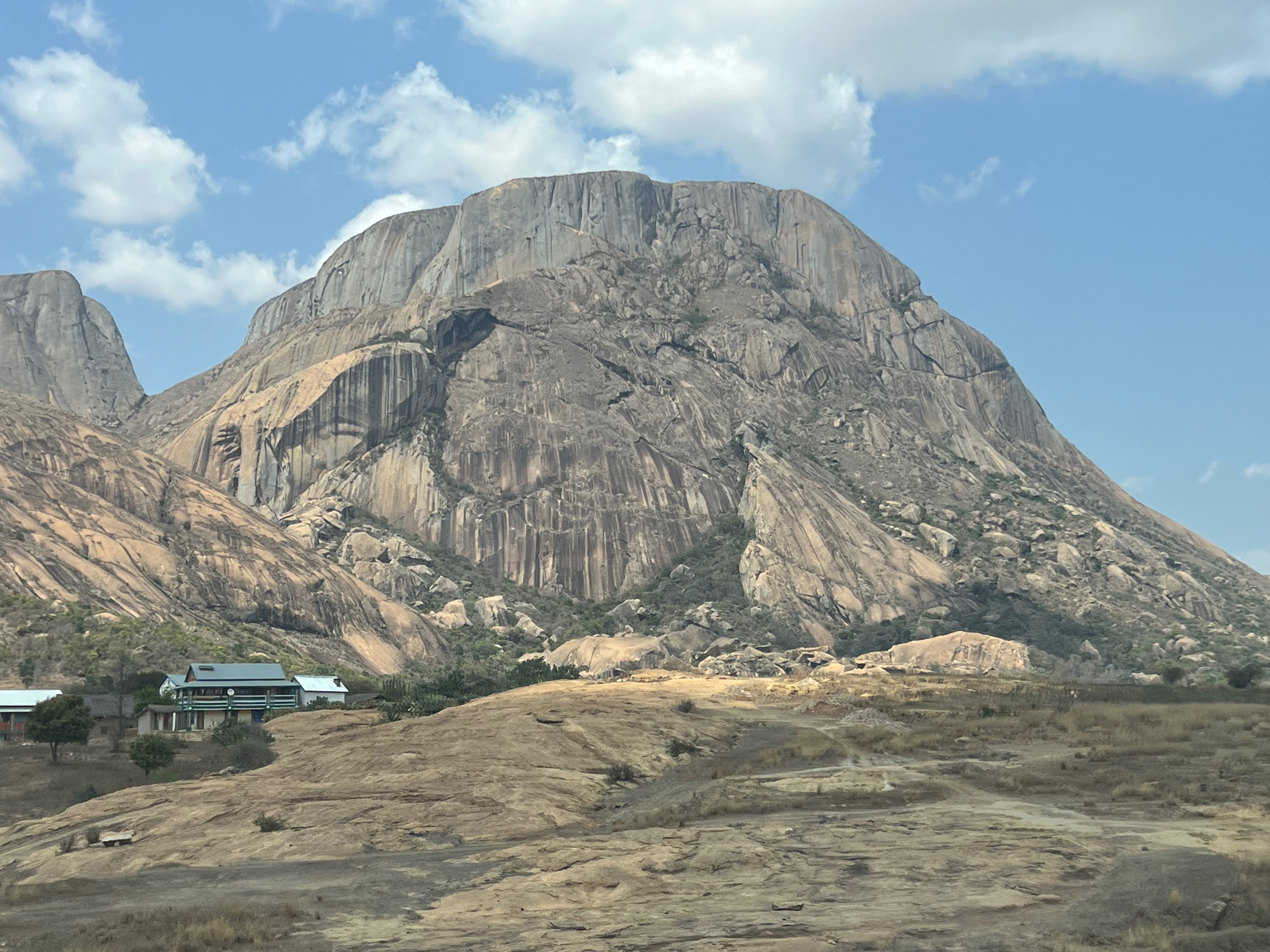
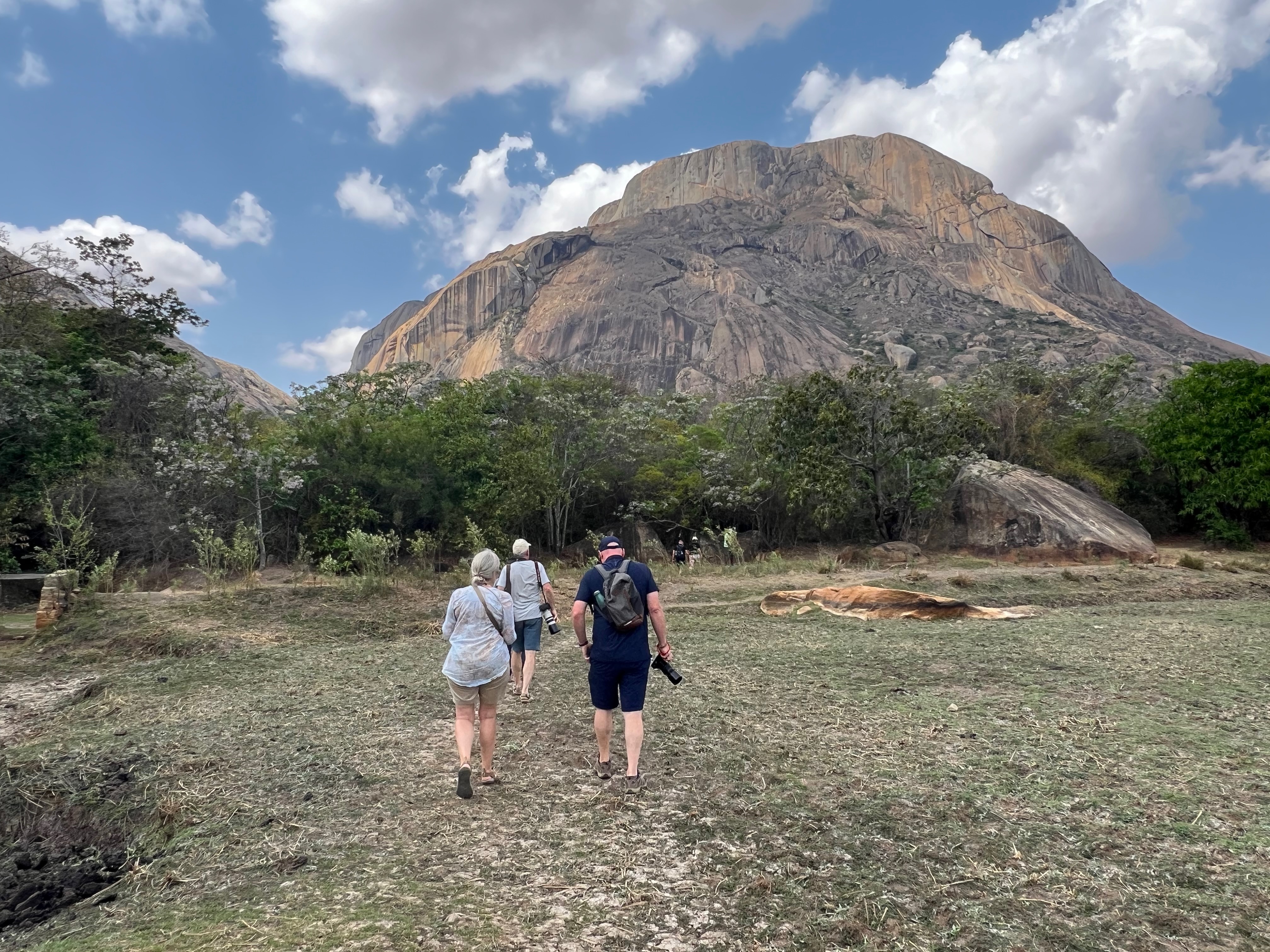
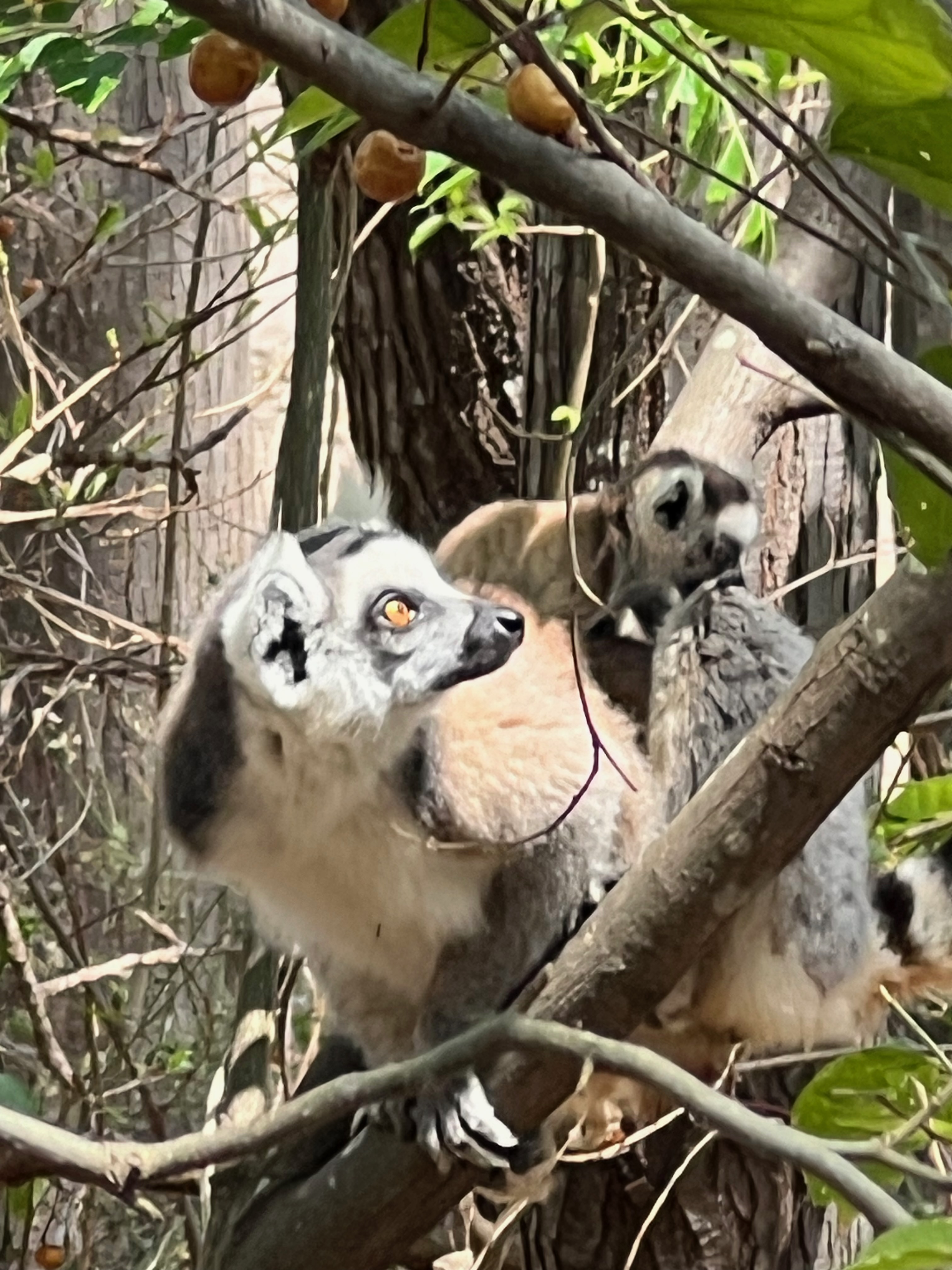
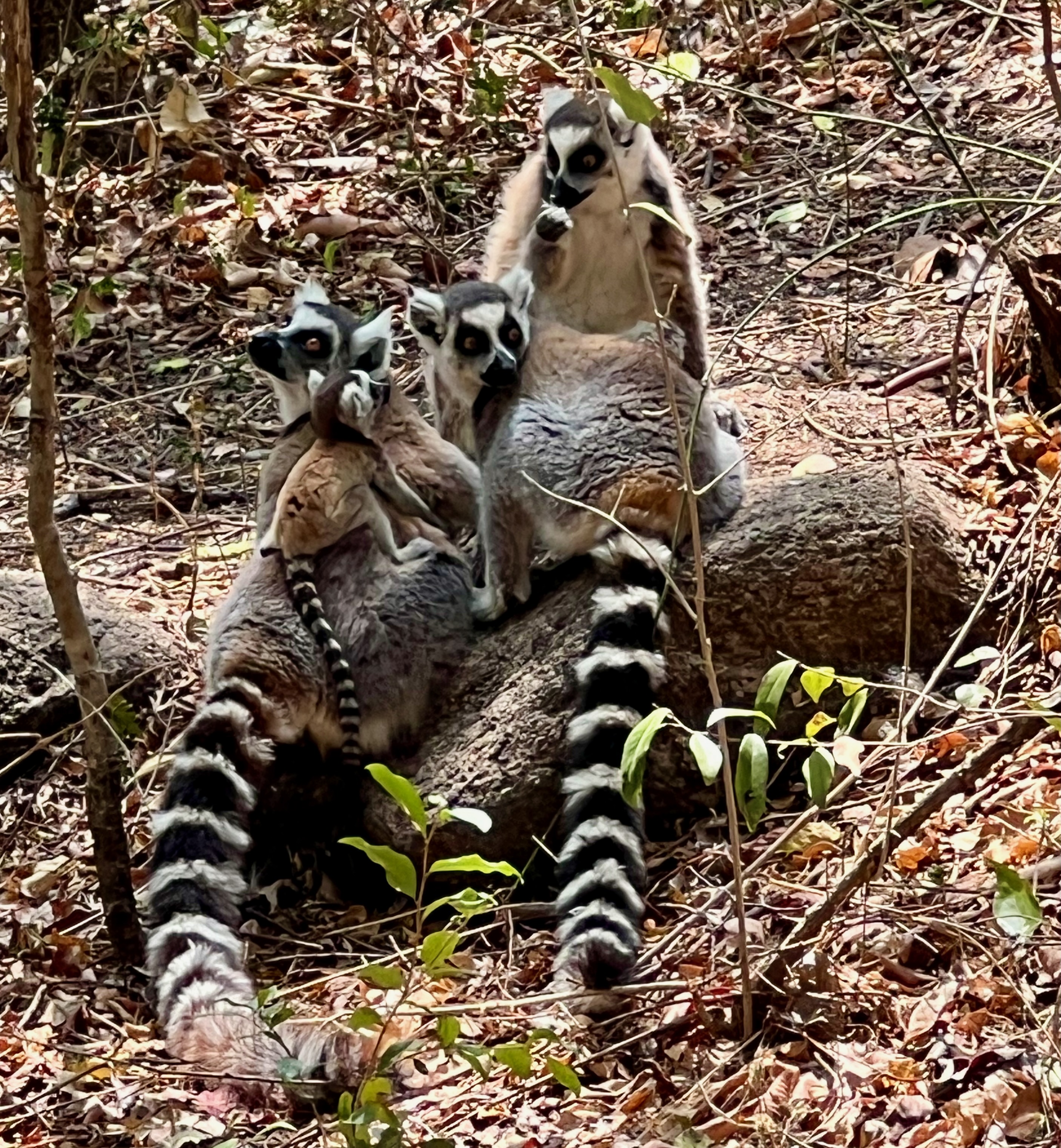
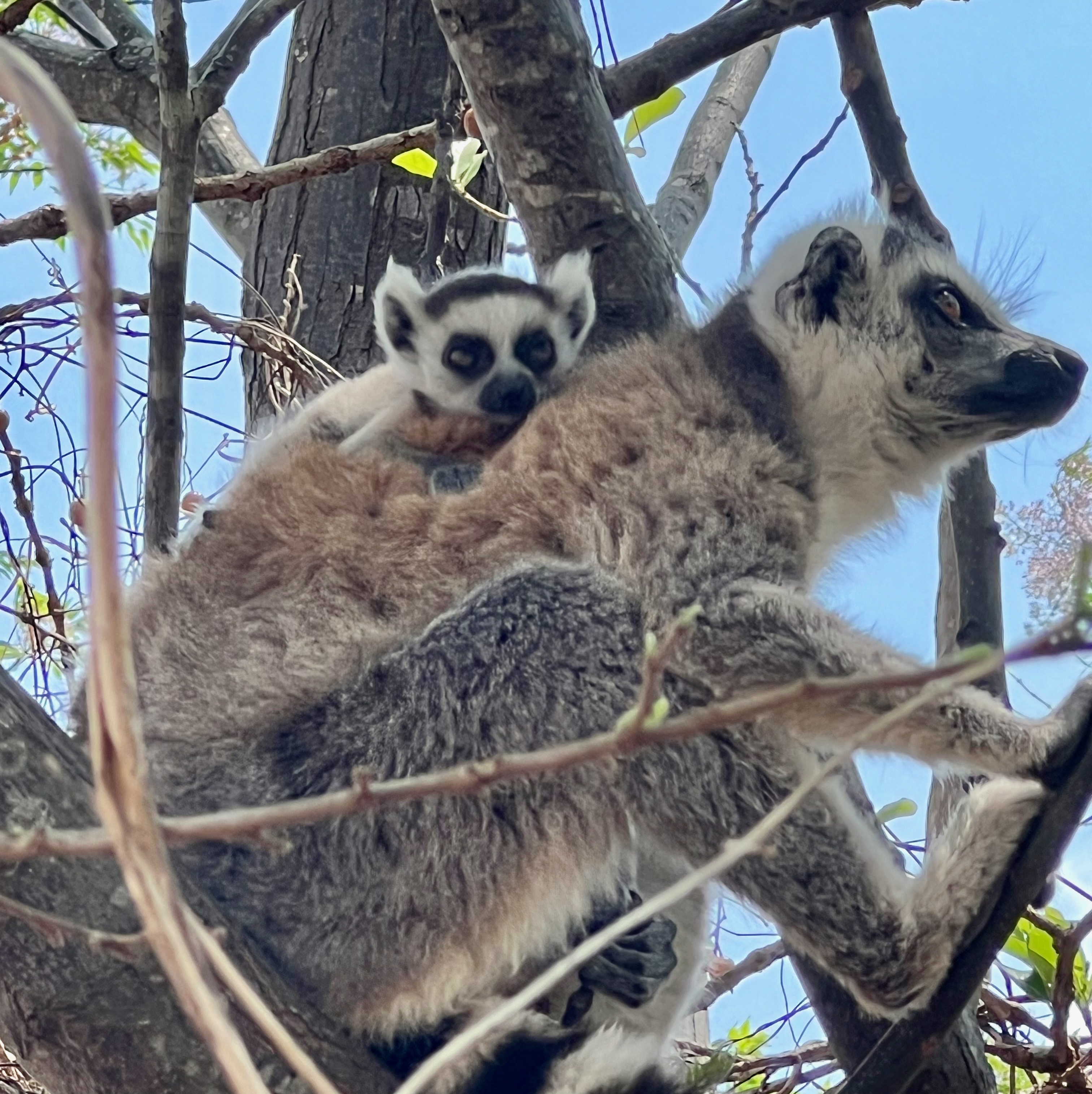
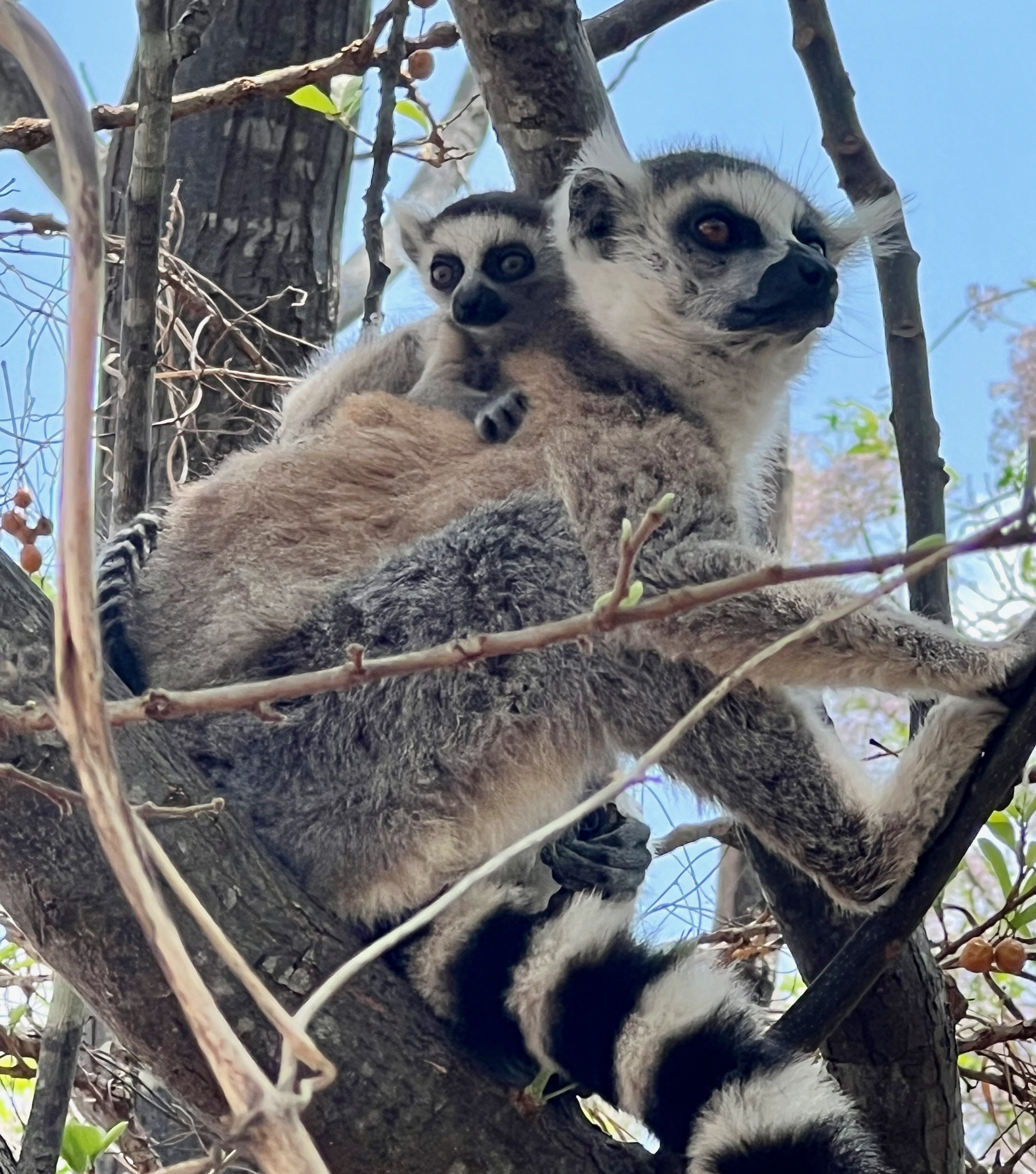
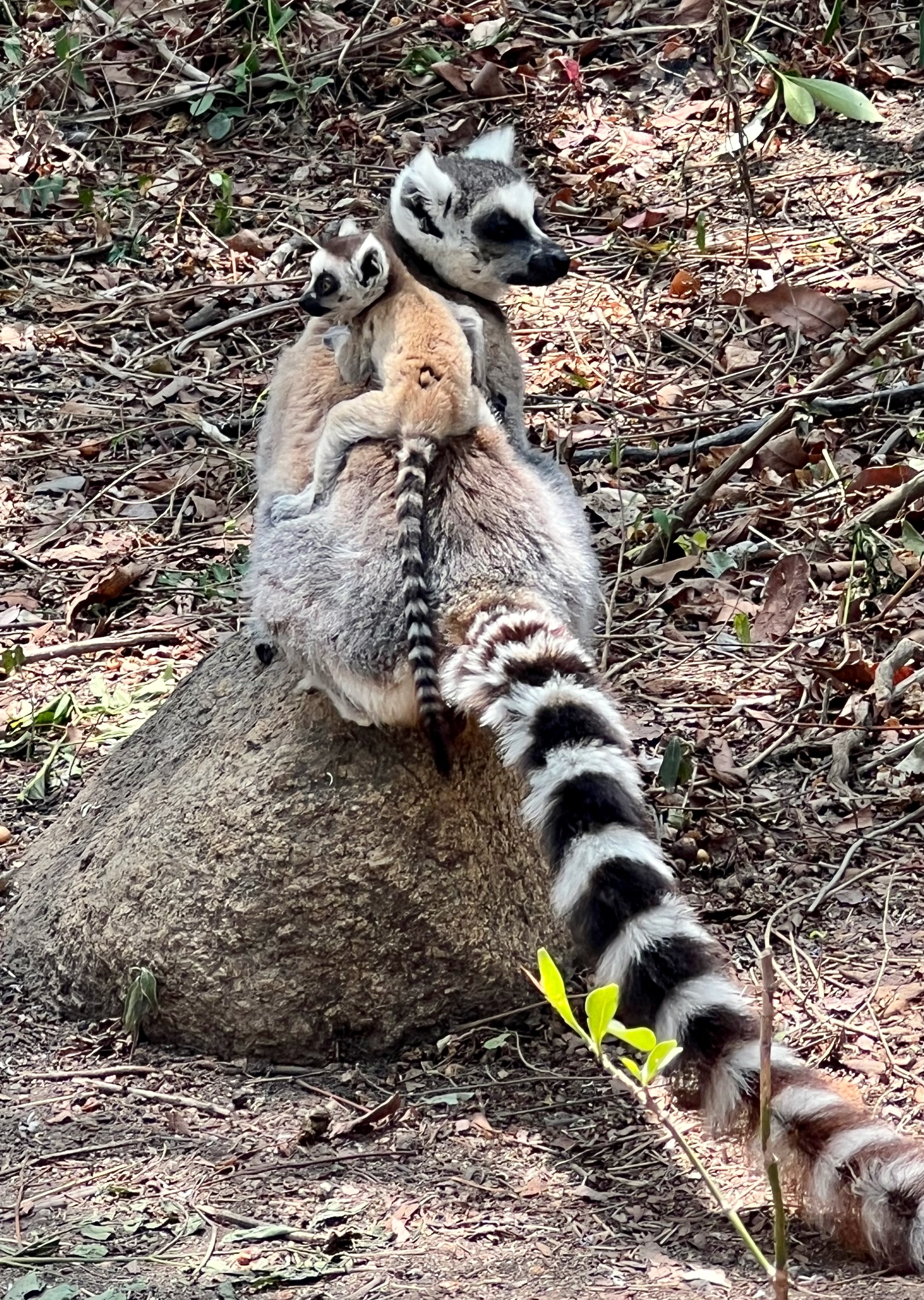
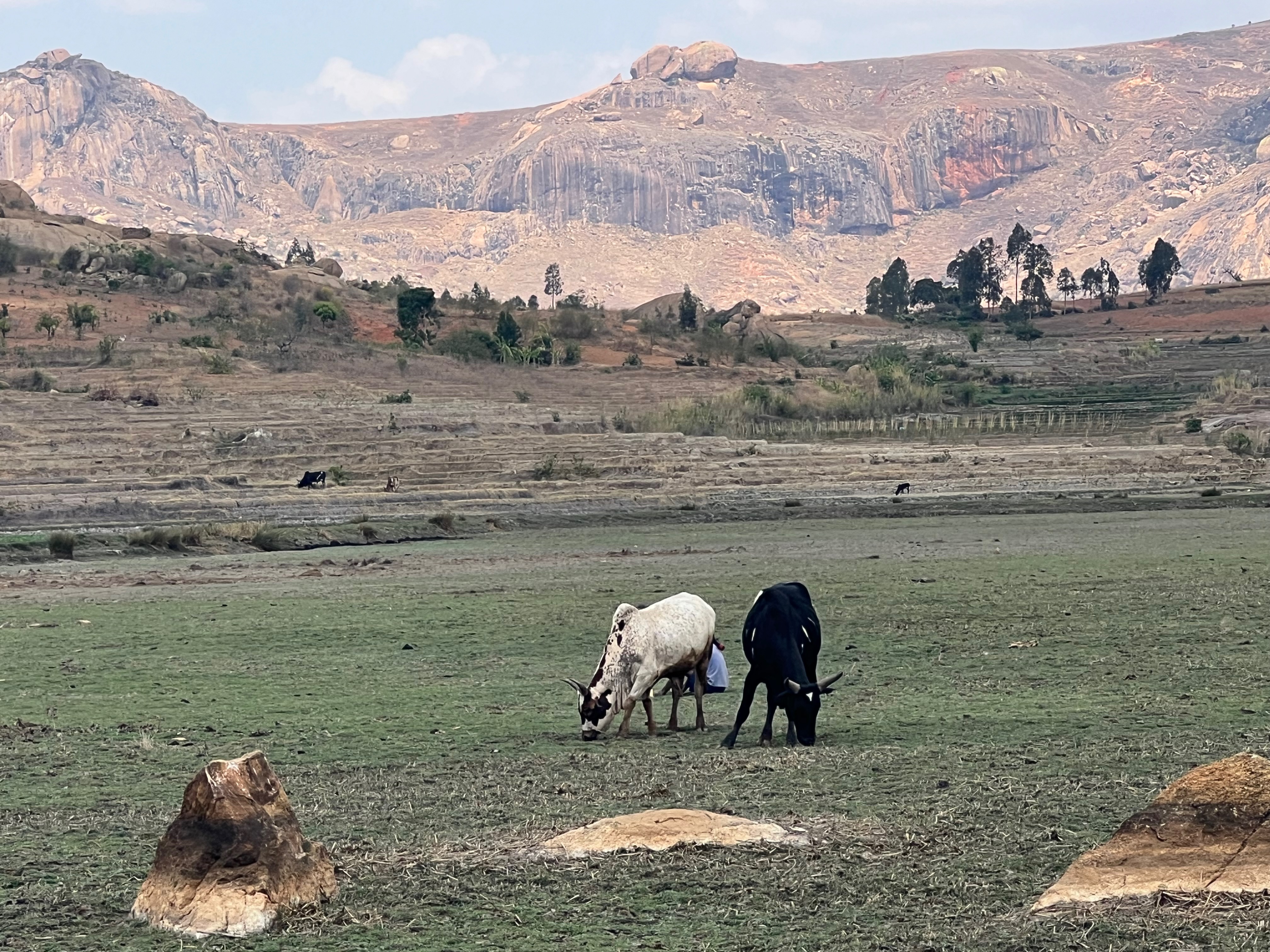
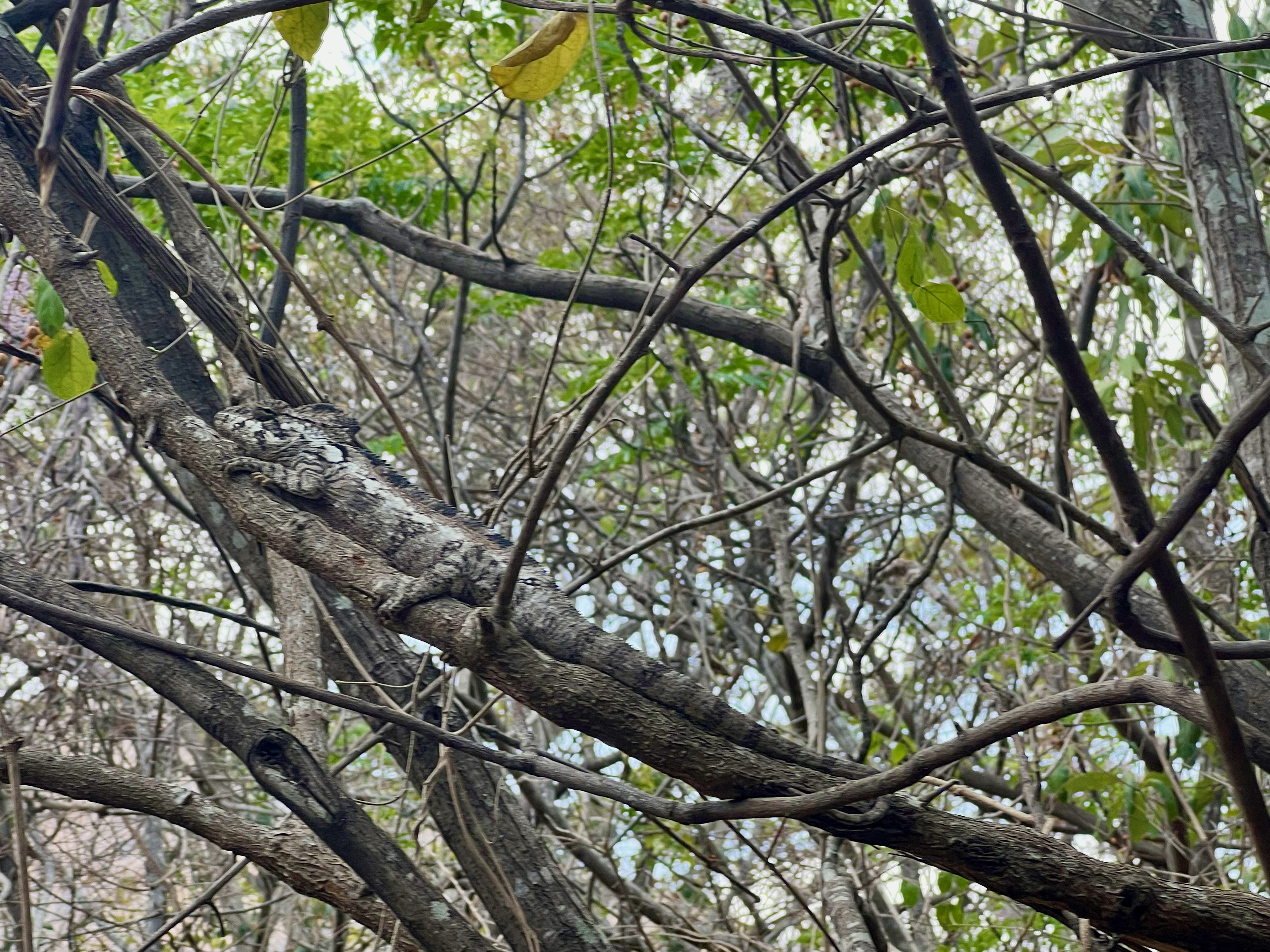

Ring-tailed lemurs in abundance in the Anja community park, underneath stunning granite hills; plus a huge monitor lizard camouflaged in the branches
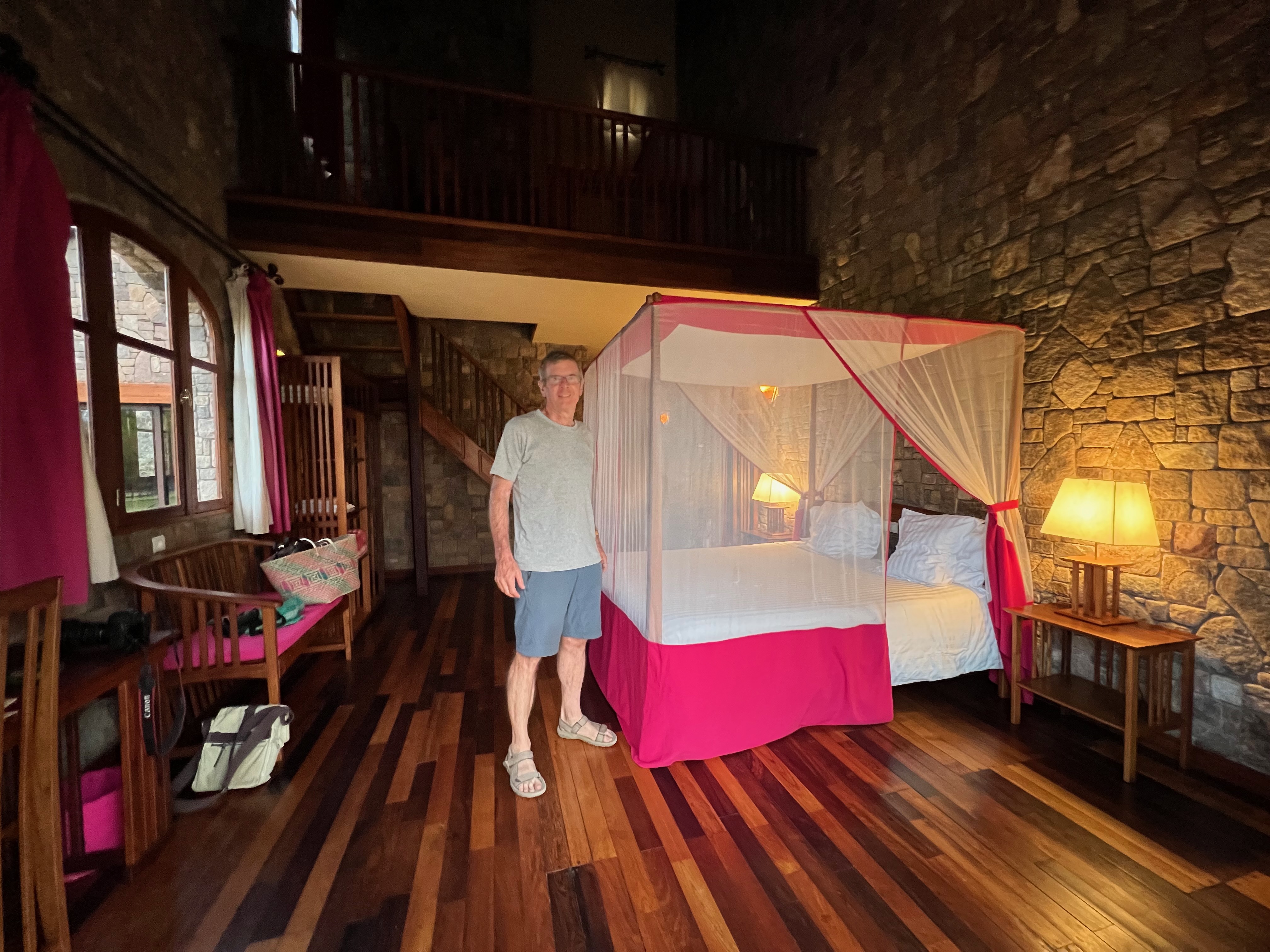
On the road again to Isalo, the capital of African heritage. The people are taller, and the flat open grassland, with low thatched houses and huge zebu herds grazing in the yellow savannah as the sun sets, are reminiscent of Kenya and Tanzania. Our hotel, the poshest so far, Le Jardin du Roi, is set amongst huge sandstone boulders and red sand. There’s a turquoise pool, and bungalows in the grounds and a good bar!

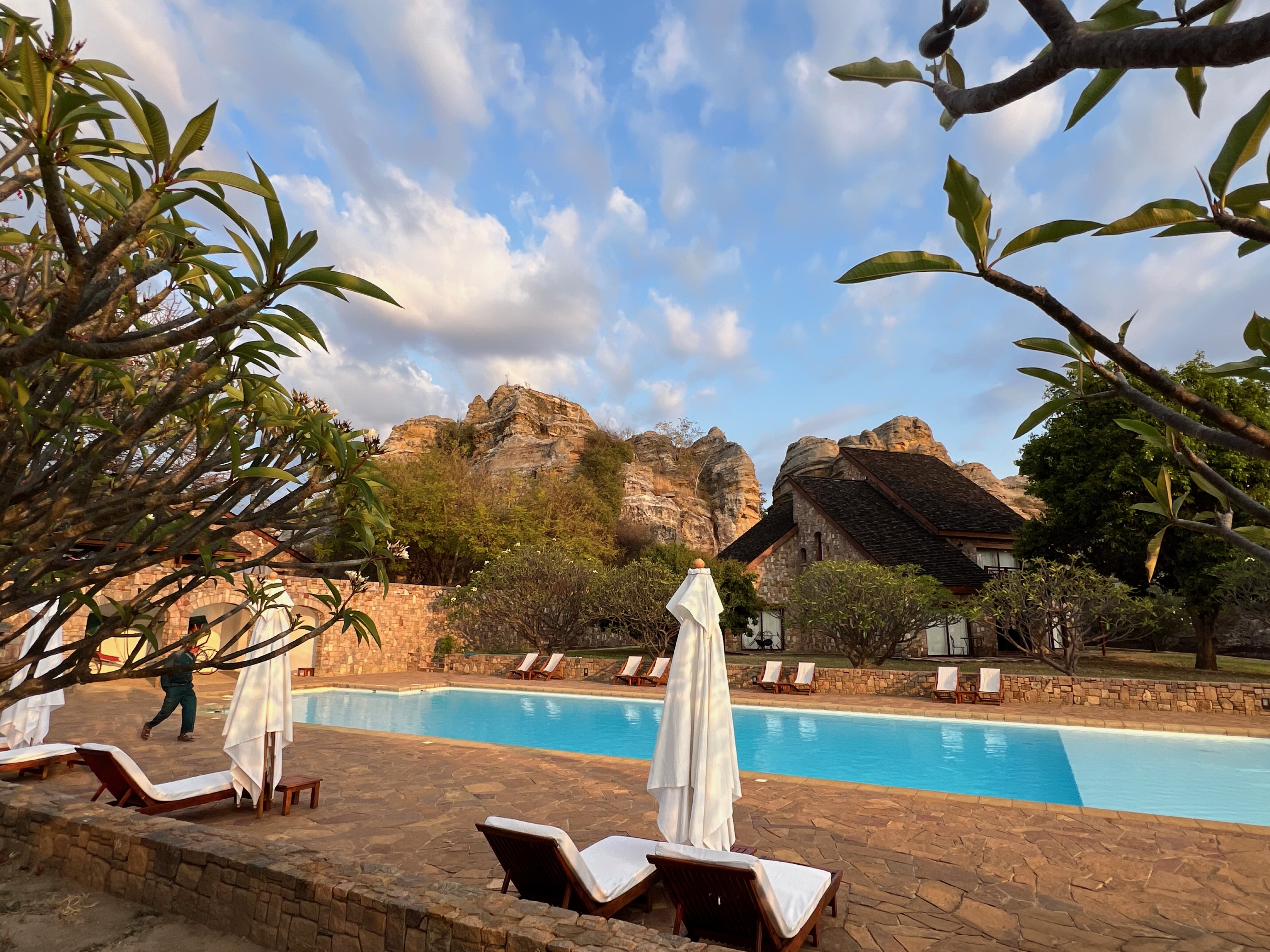
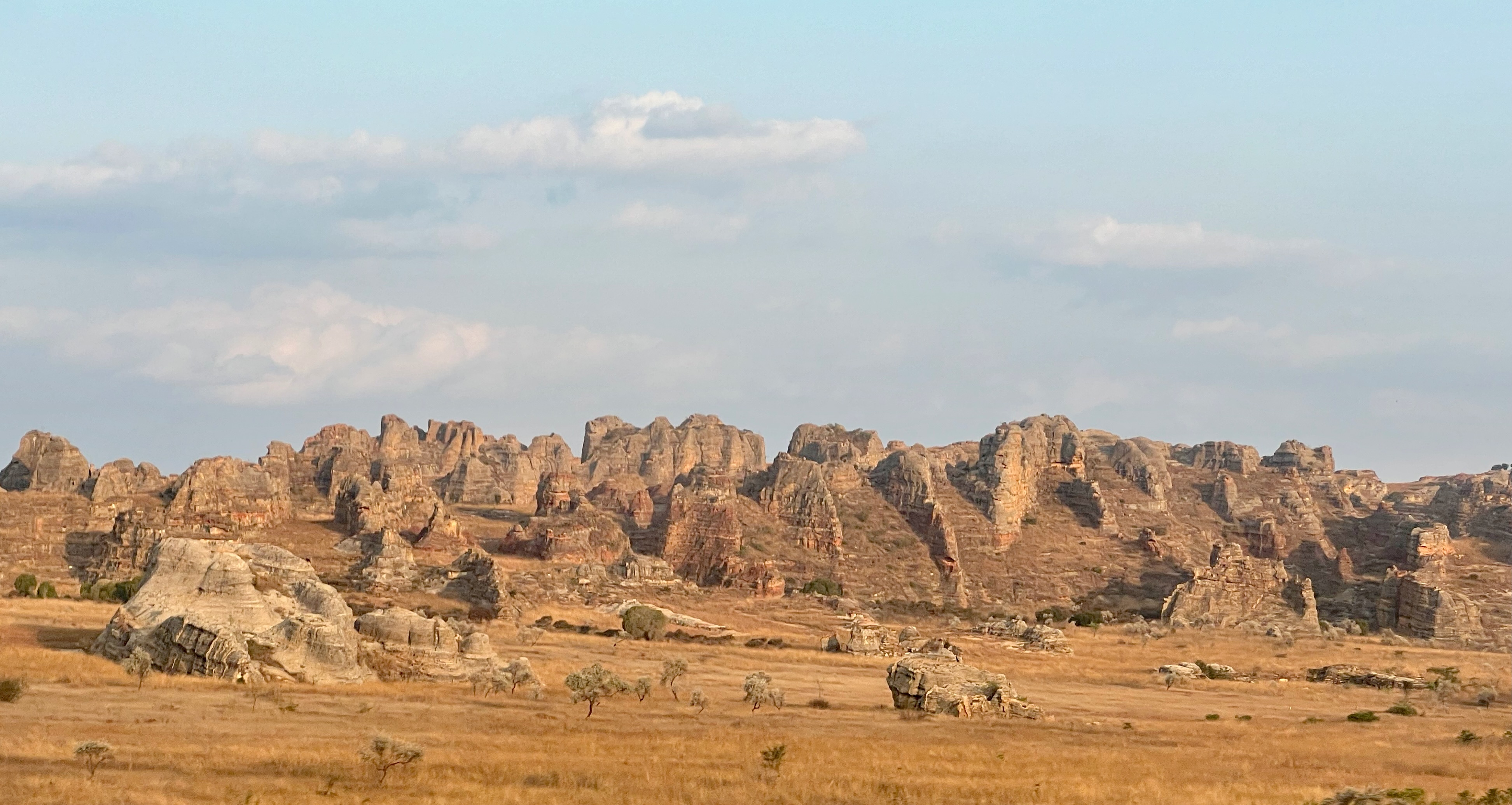
The following morning we backtrack to Isalo town where we pick up our charming guide, Jose, for our morning walking in the Isalo nation park, the second most-visited park in Madagascar. The locals are animists and are still allowed to bury dead here and collect tapia leaves to make silk.
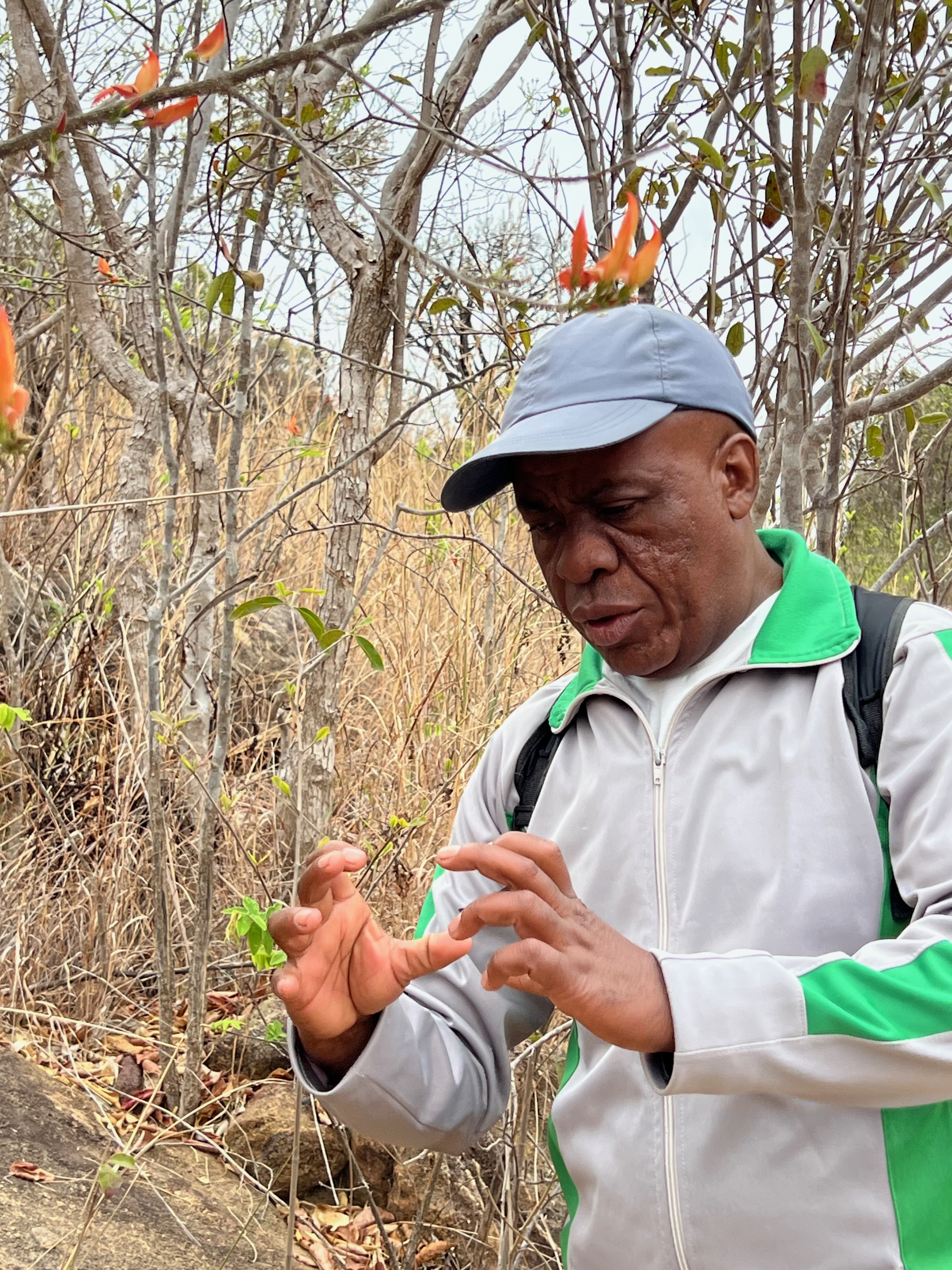
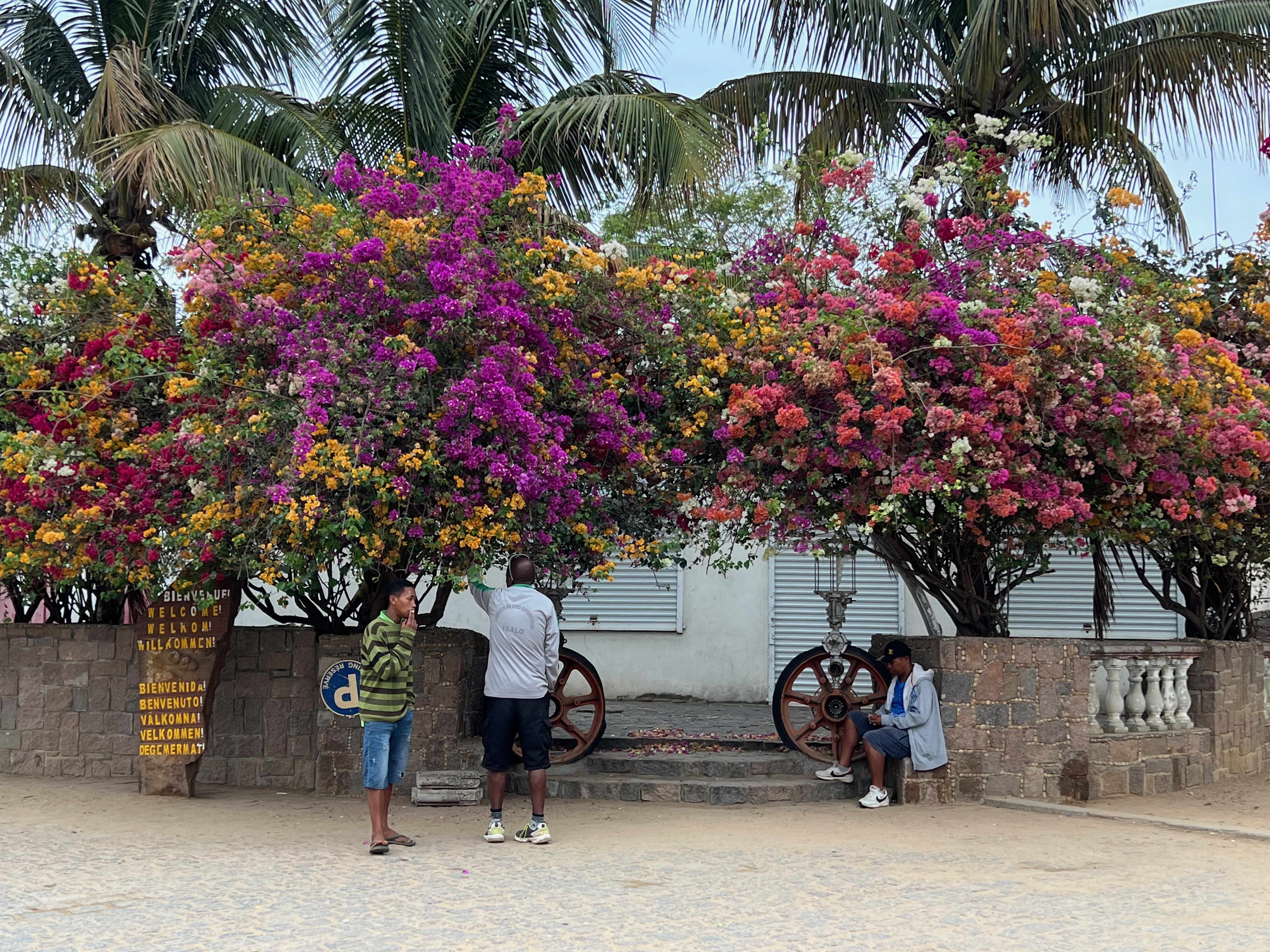


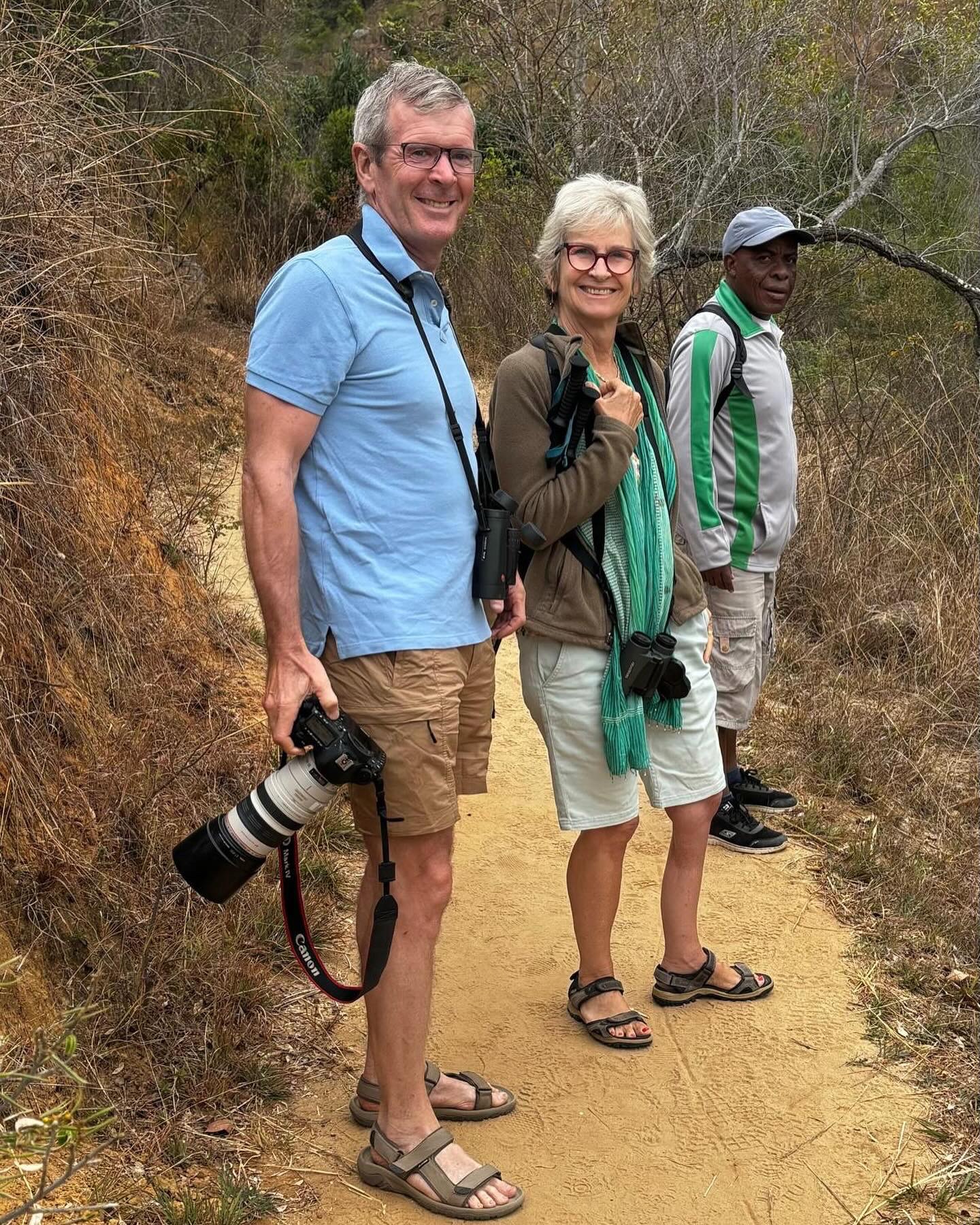
Jose, explaining something to us; gorgeous bougainvillea in Isalo town; paddies on the edge of the park
Fan has again briefed Jose that we are all-rounders and he points out – with a crooked finger so as not to upset the ancestors – flatid bug nymphs, really strange creatures that look like snowflakes, the aptly named snout bug (lights up in the dark) and lots of birds – bee eaters, cuckoos, Malagasy paradise flycatcher, Bensons rock thrush, an he even finds a a rare white-browed owl roosting in a tree.
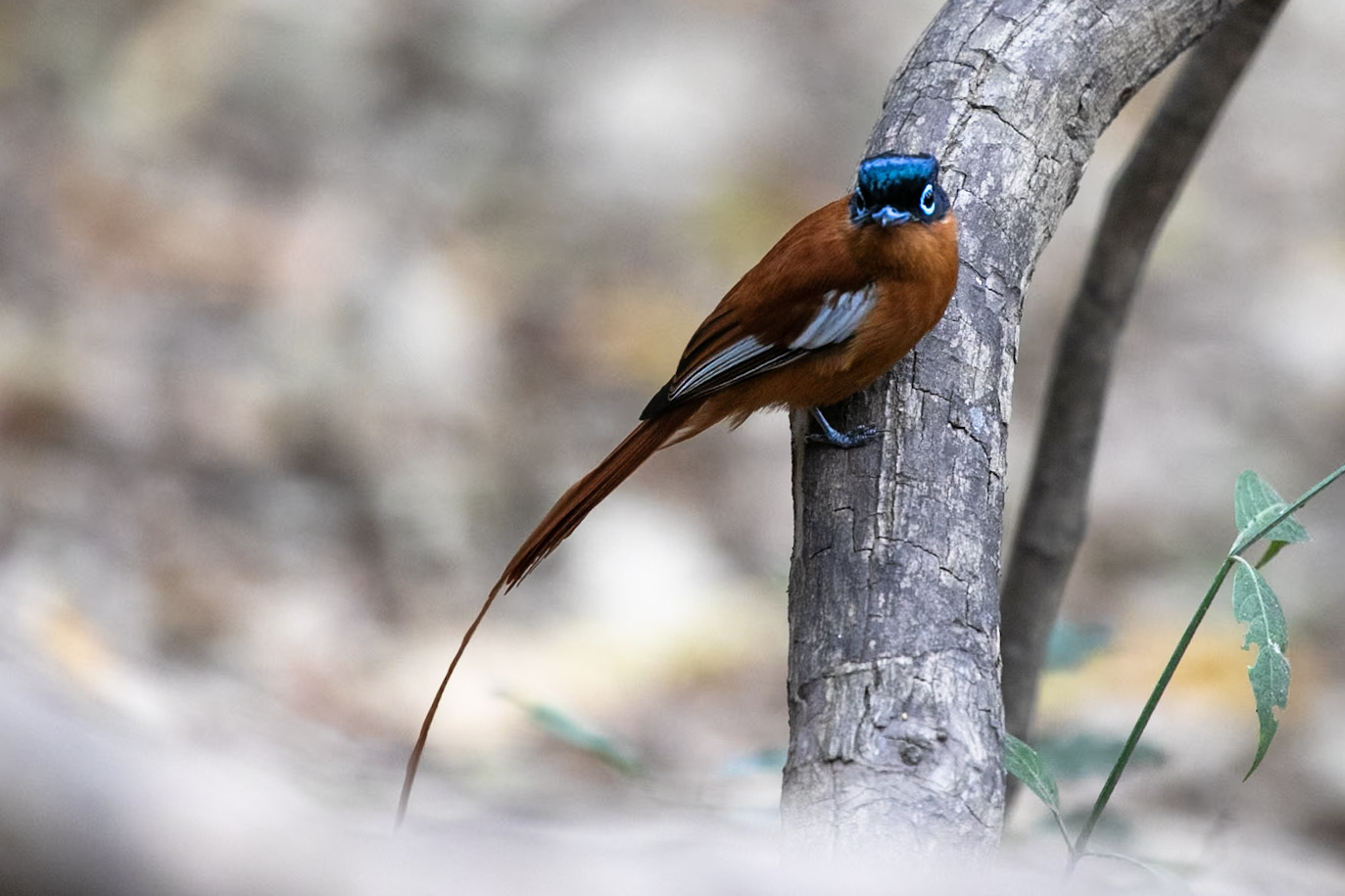
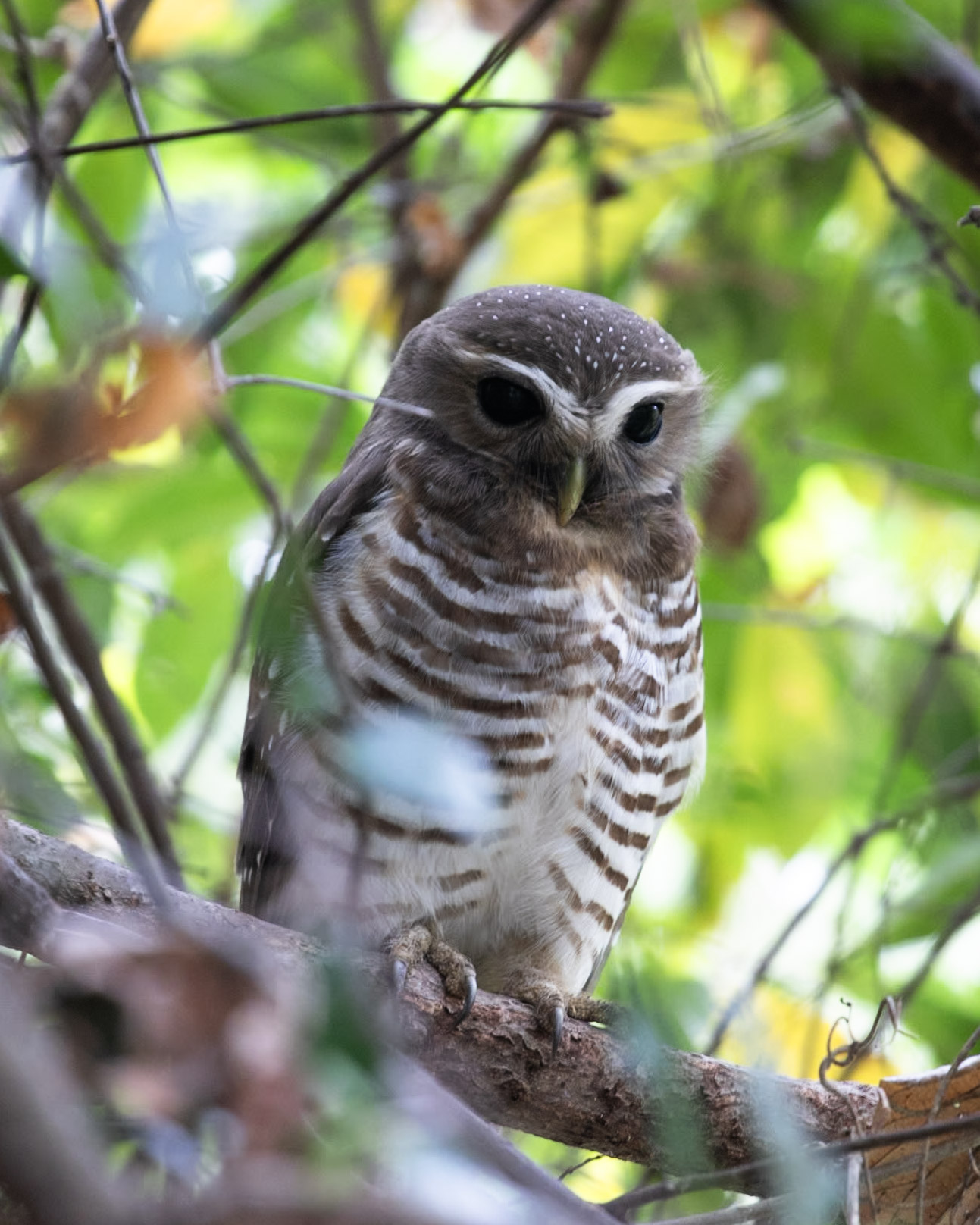
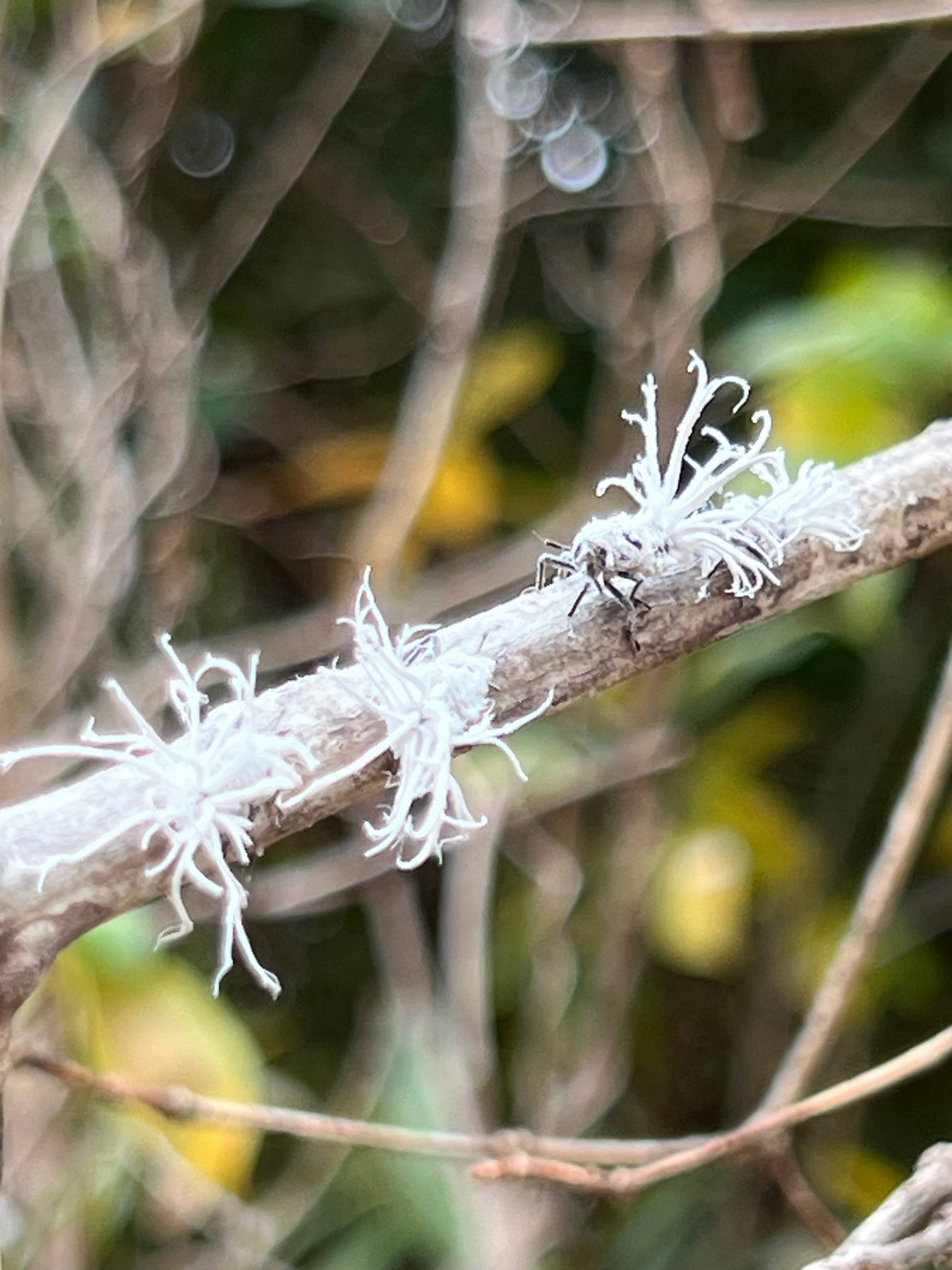
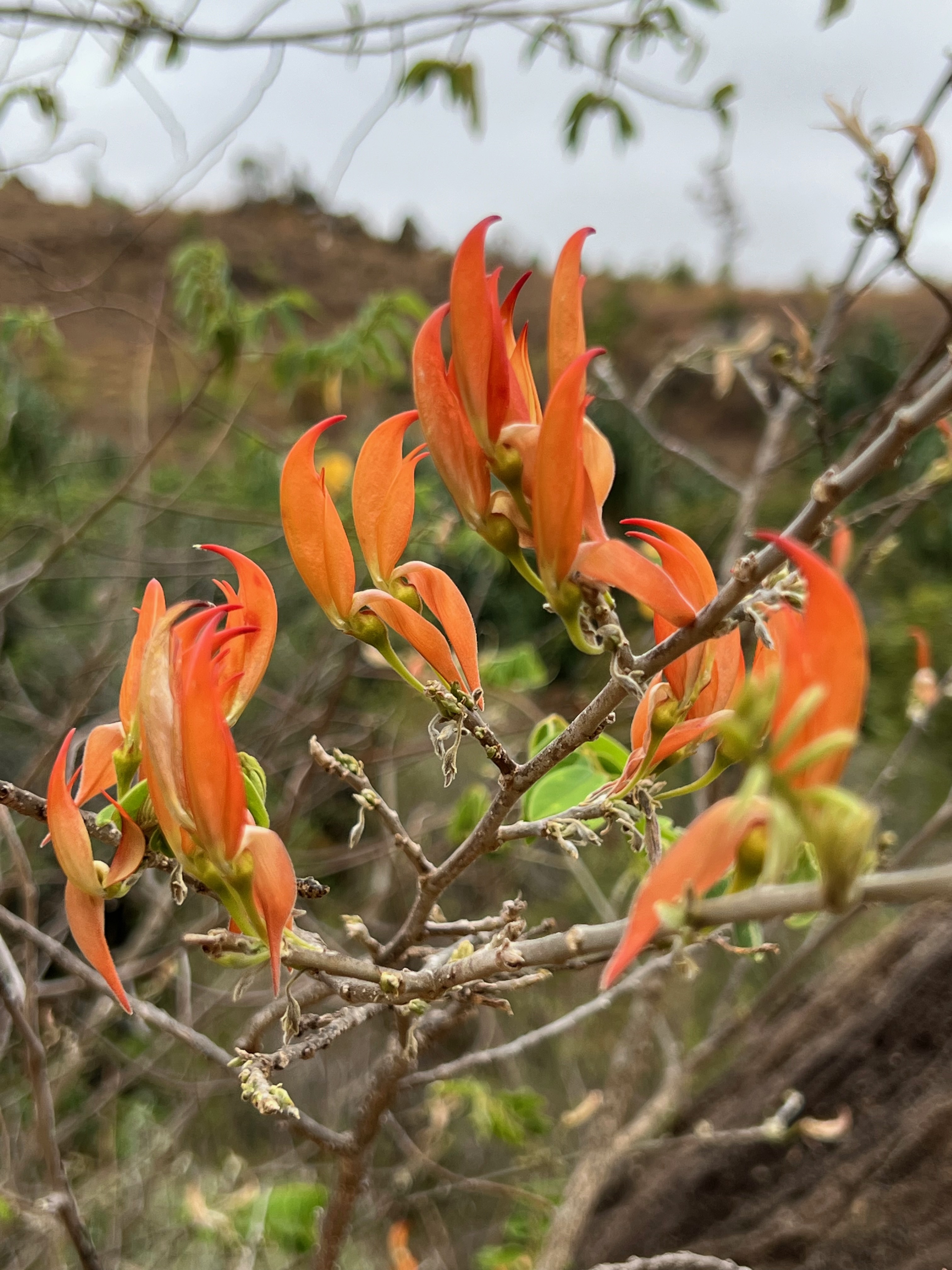
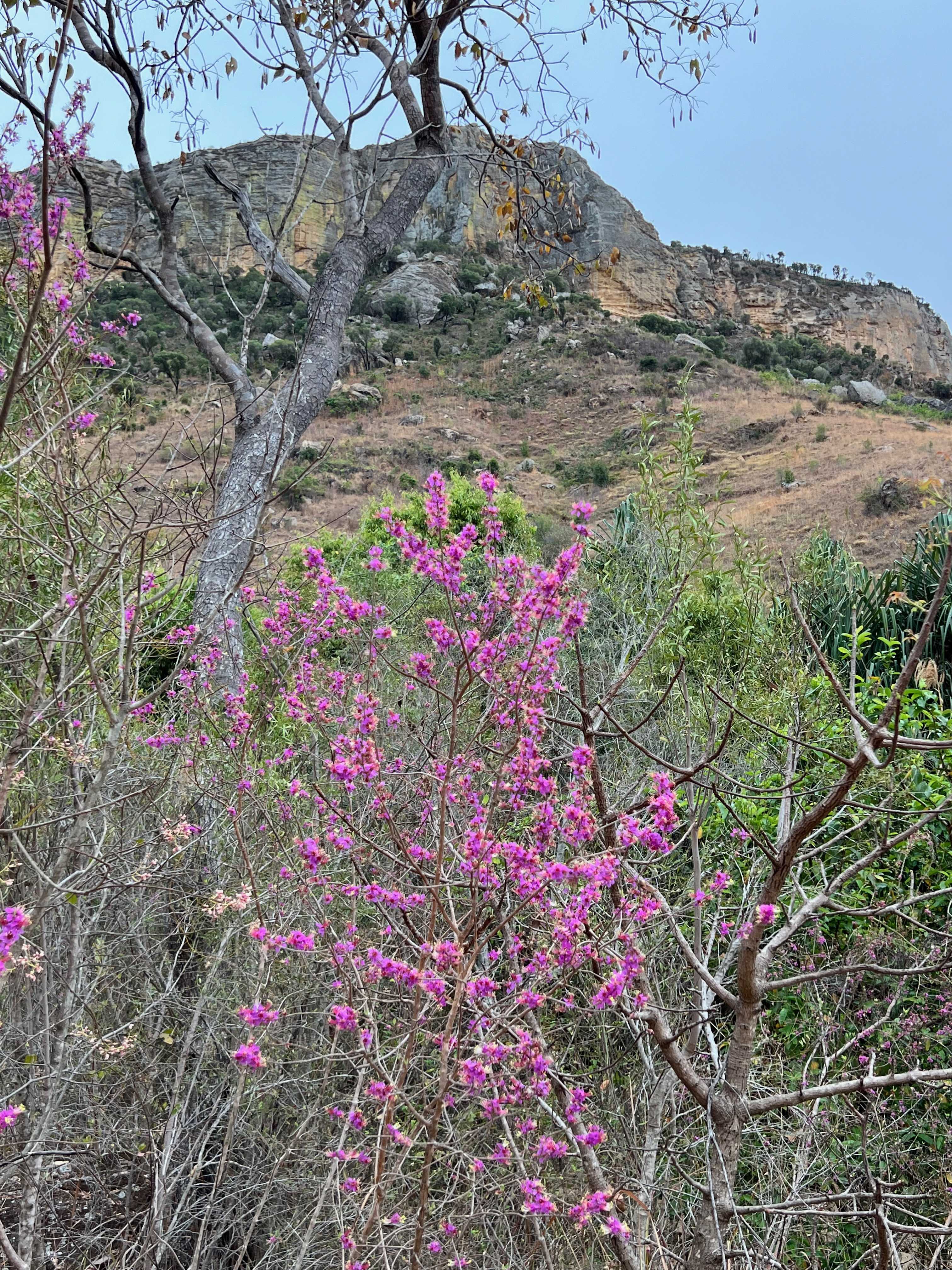
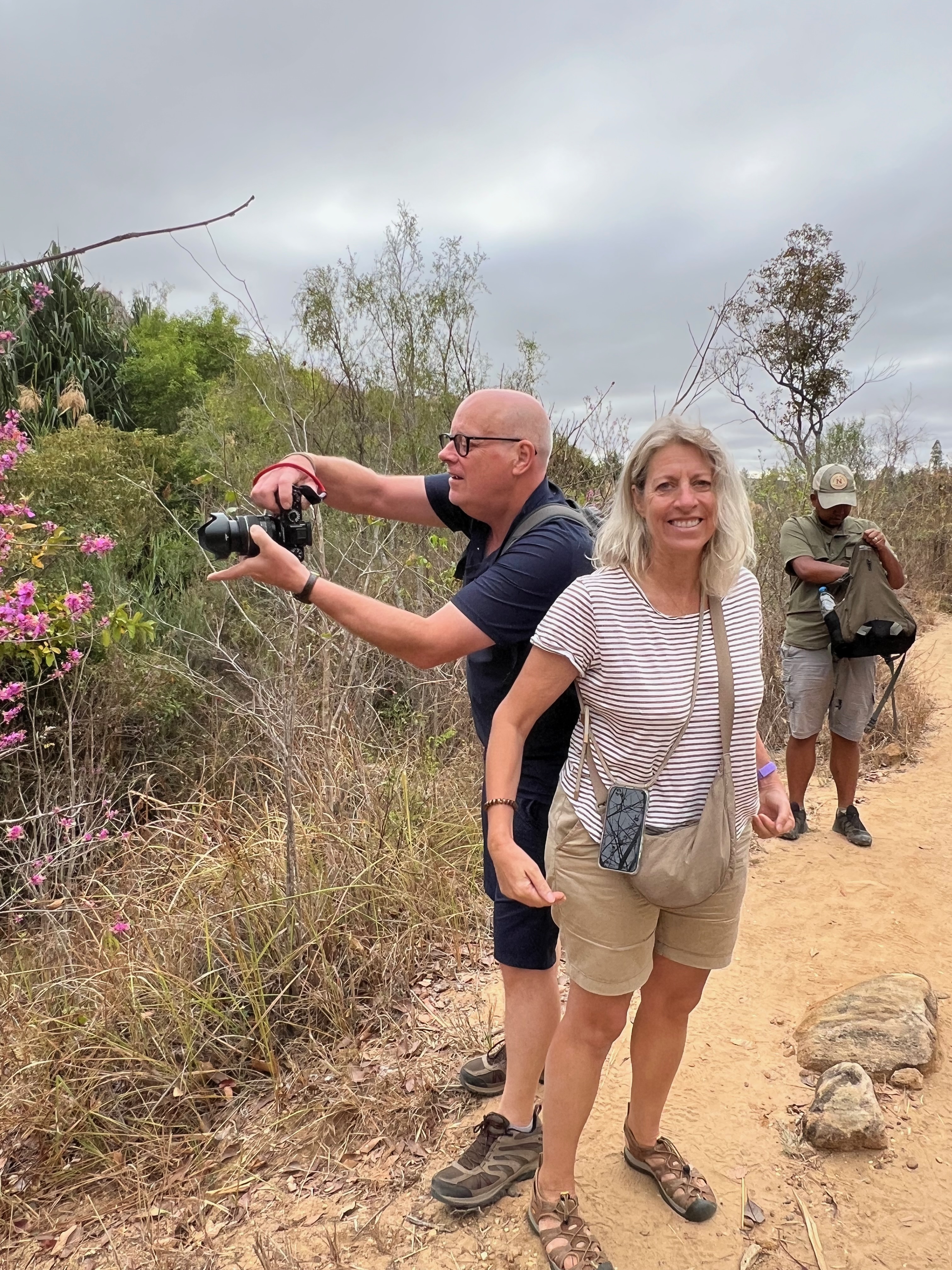

Left to right: Malagasy flycatcher, white-browed owl, flatid bugs, vibrant local flowers; Stephen doing his photo thing with Janet; the snout bug
The legend goes that this place, named Ranahira or lemur water, was a favourite bathing spot for the king, but when he saw the lemurs drinking here, he abandoned it to them, which is why they are so numerous.
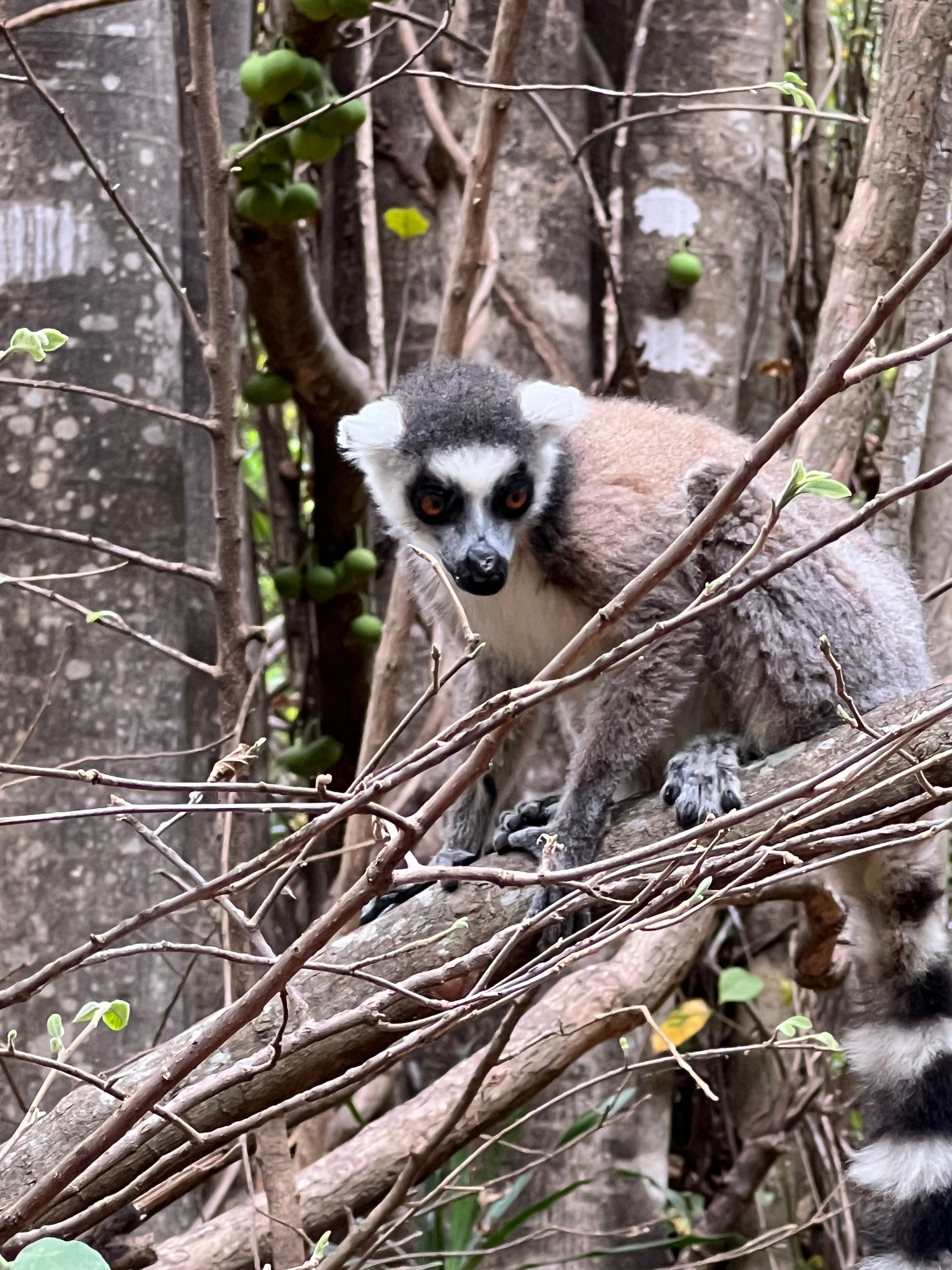
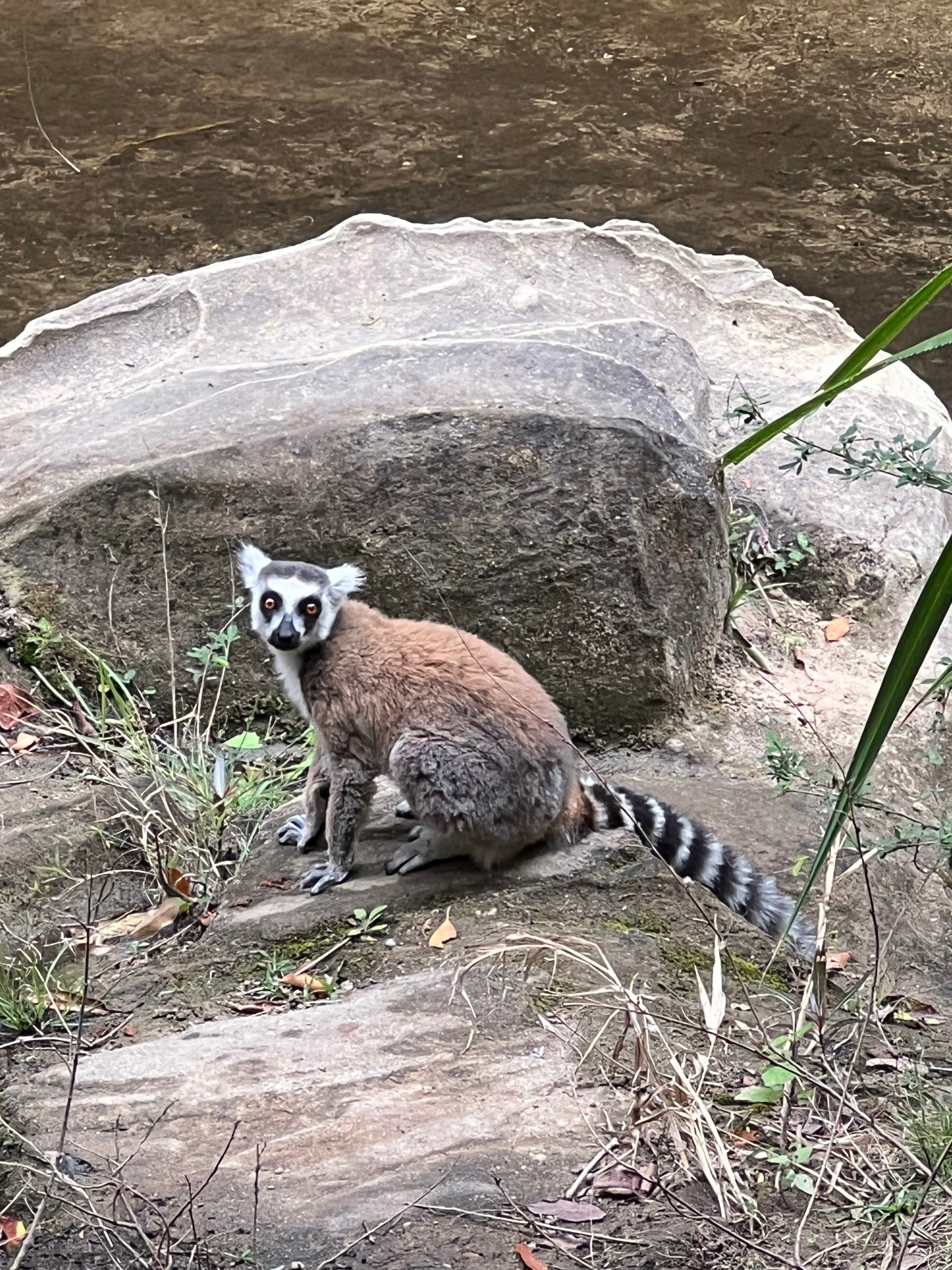
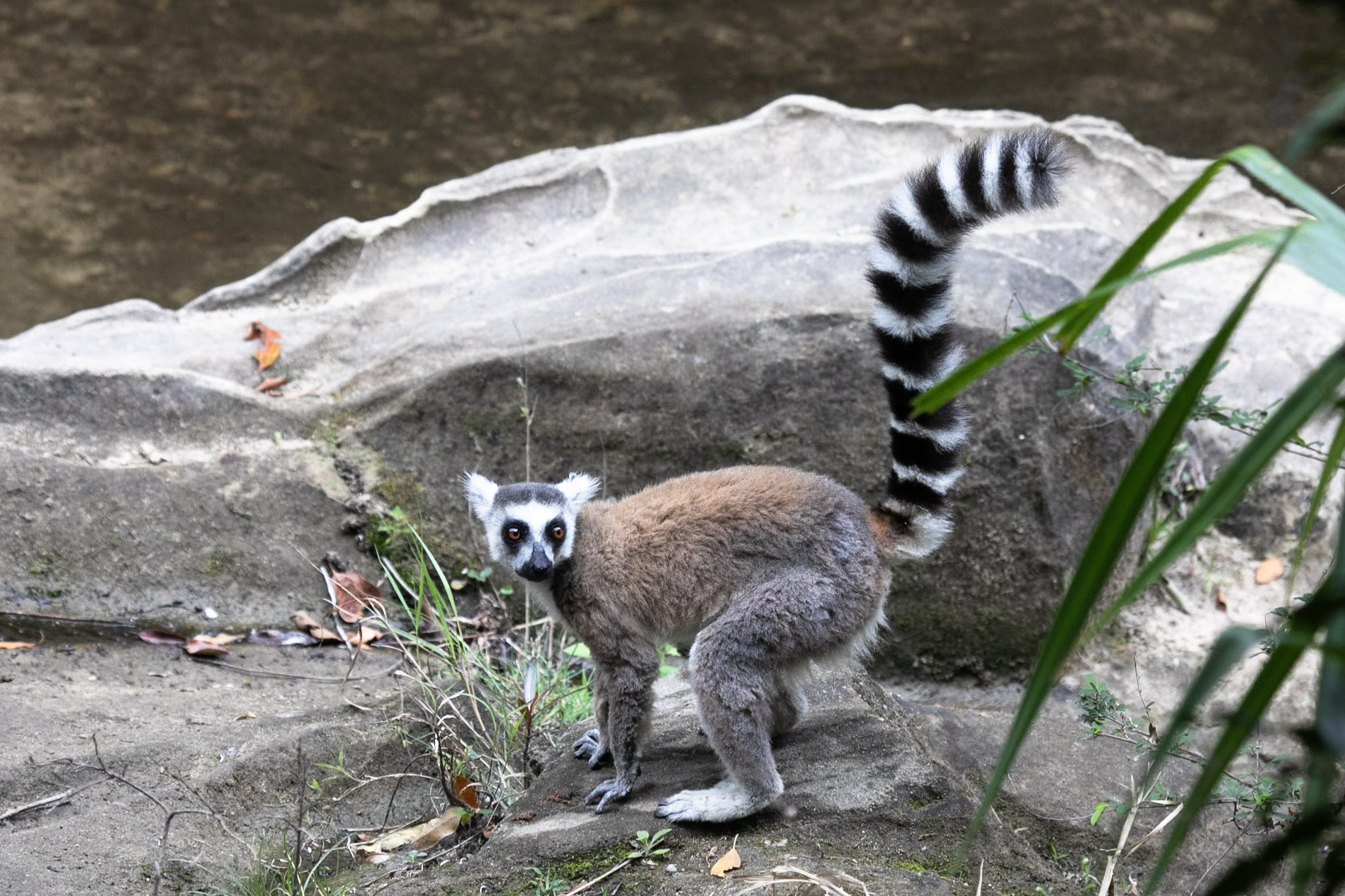
Ring-tailed lemurs
The plan is to walk to two pools, the black pool and the blue pool, both of which are swimmable (Ross and Stephen show how!). It’s an amble along the river bed, and then over sandstone rocks, slippy with water – Jose says is it a ‘technical walk’ – mora mora, slowly slowly, he intones. Glad I have my sticks with me!
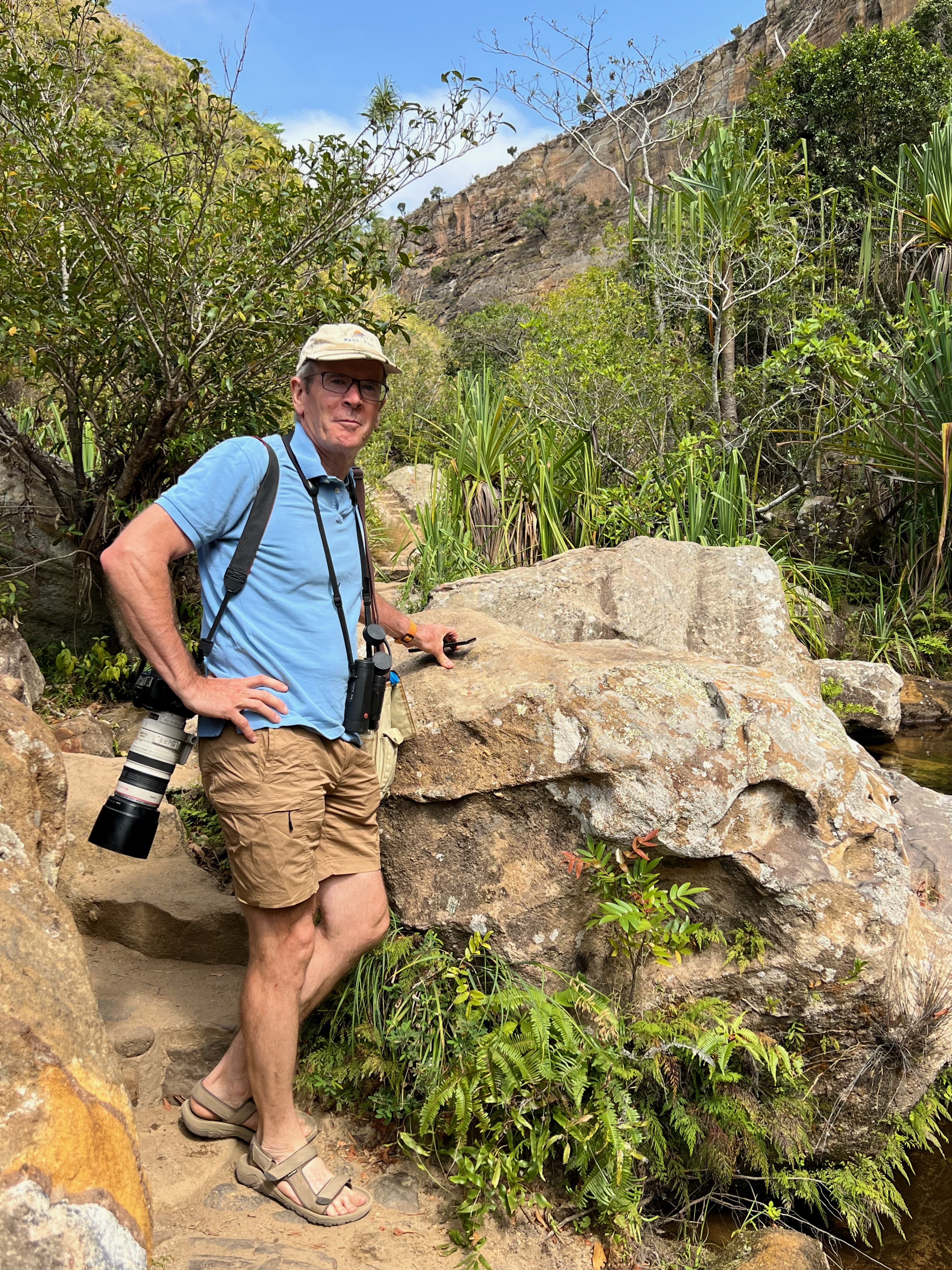
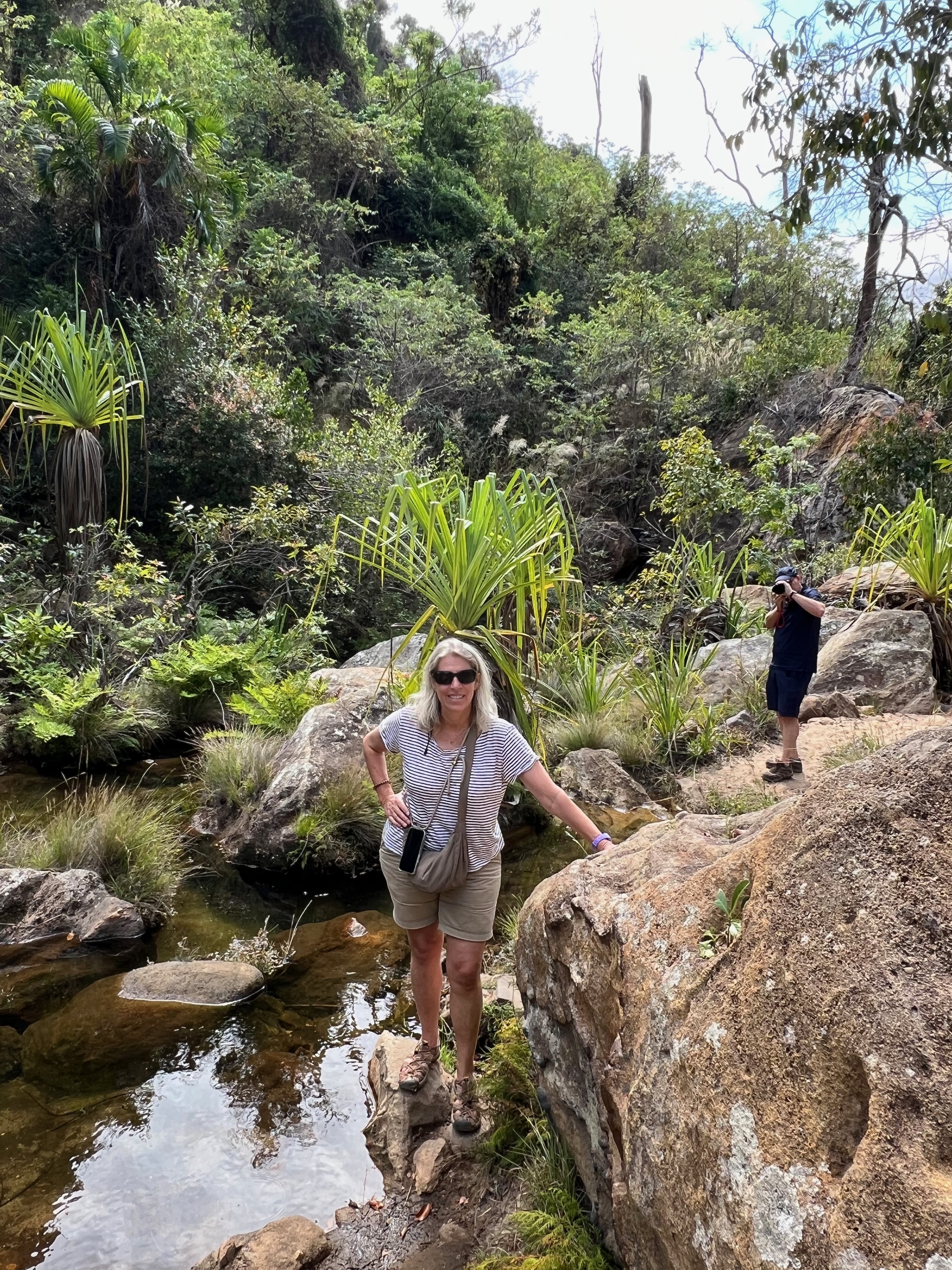

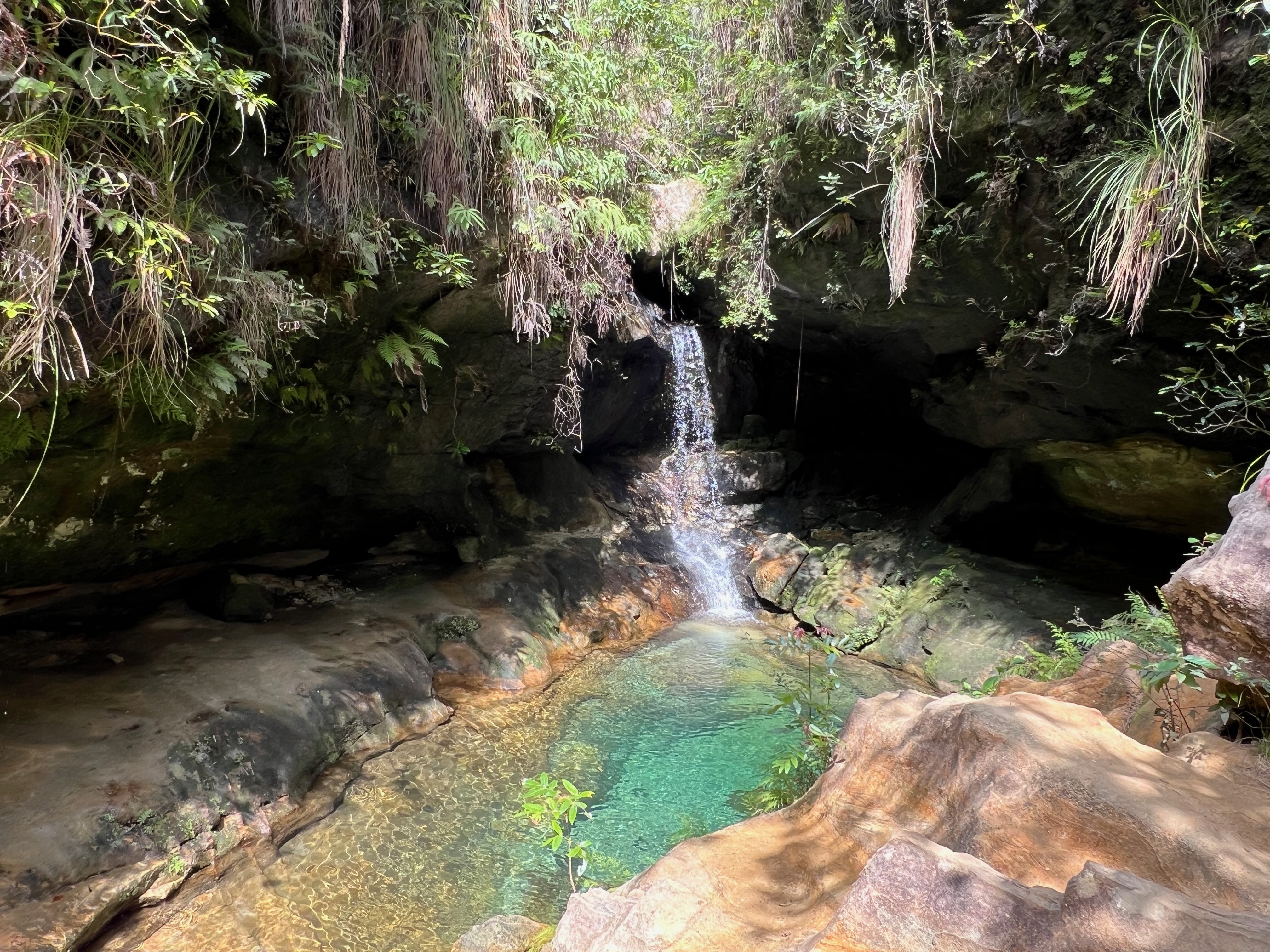
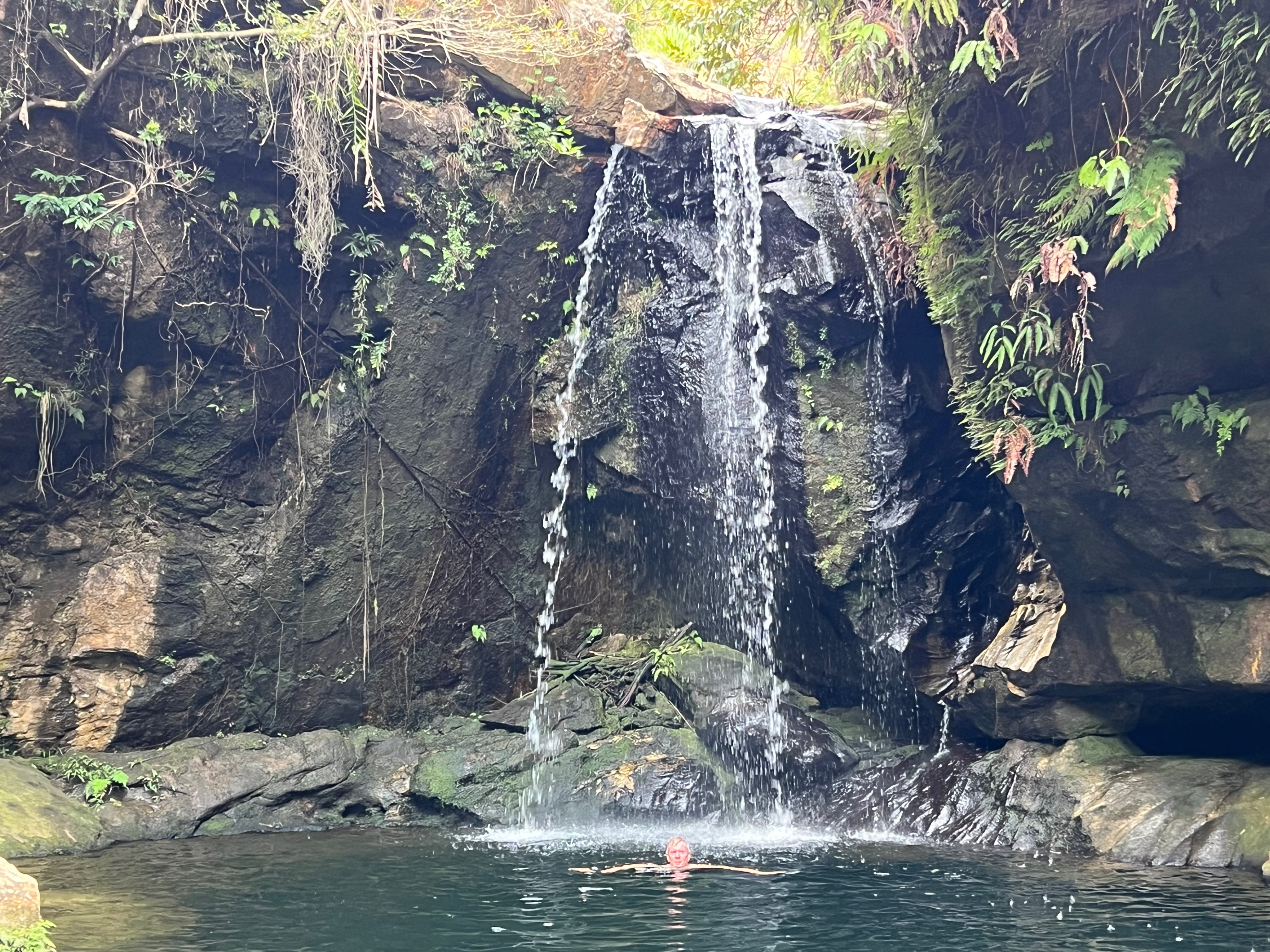

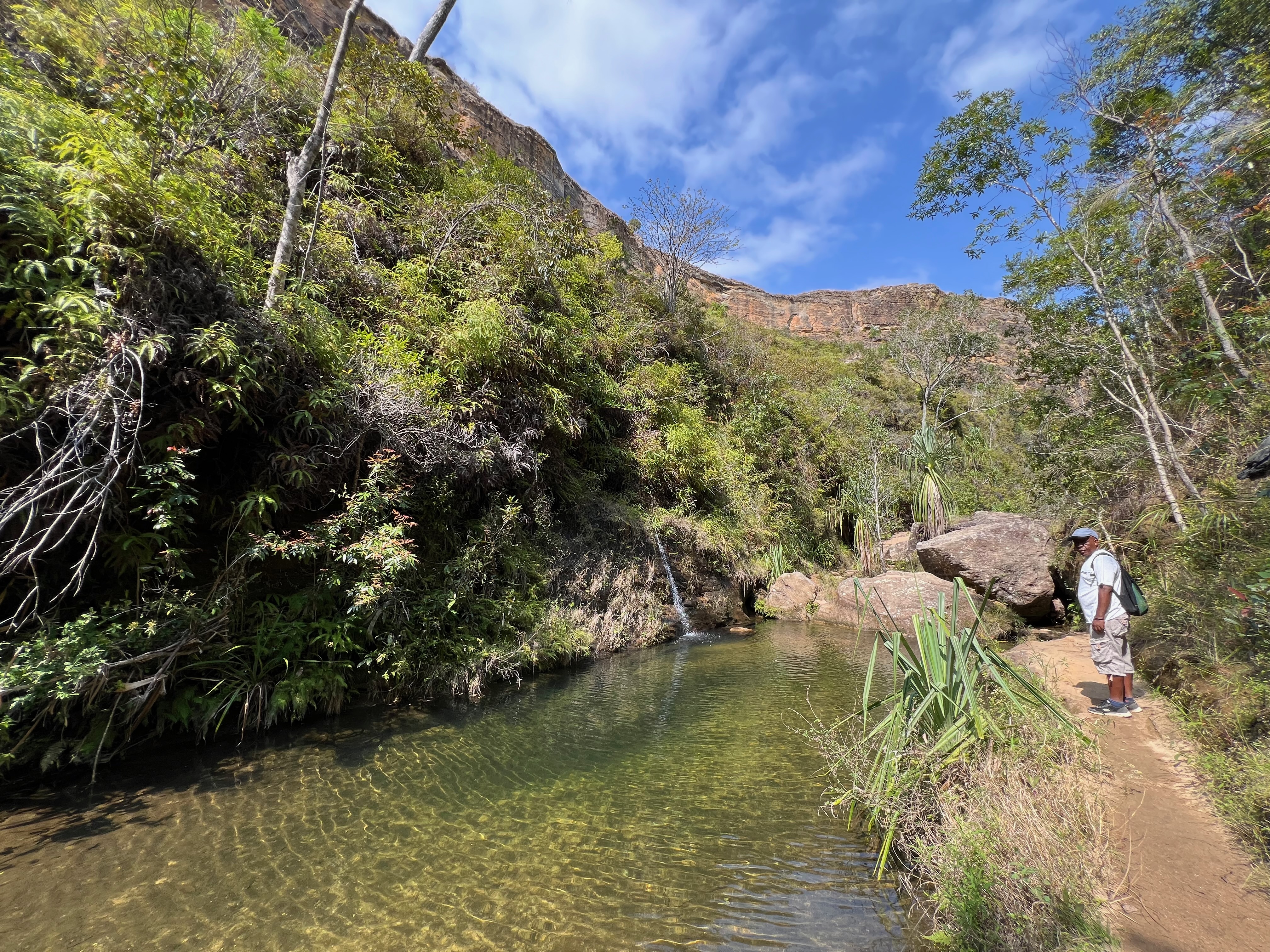
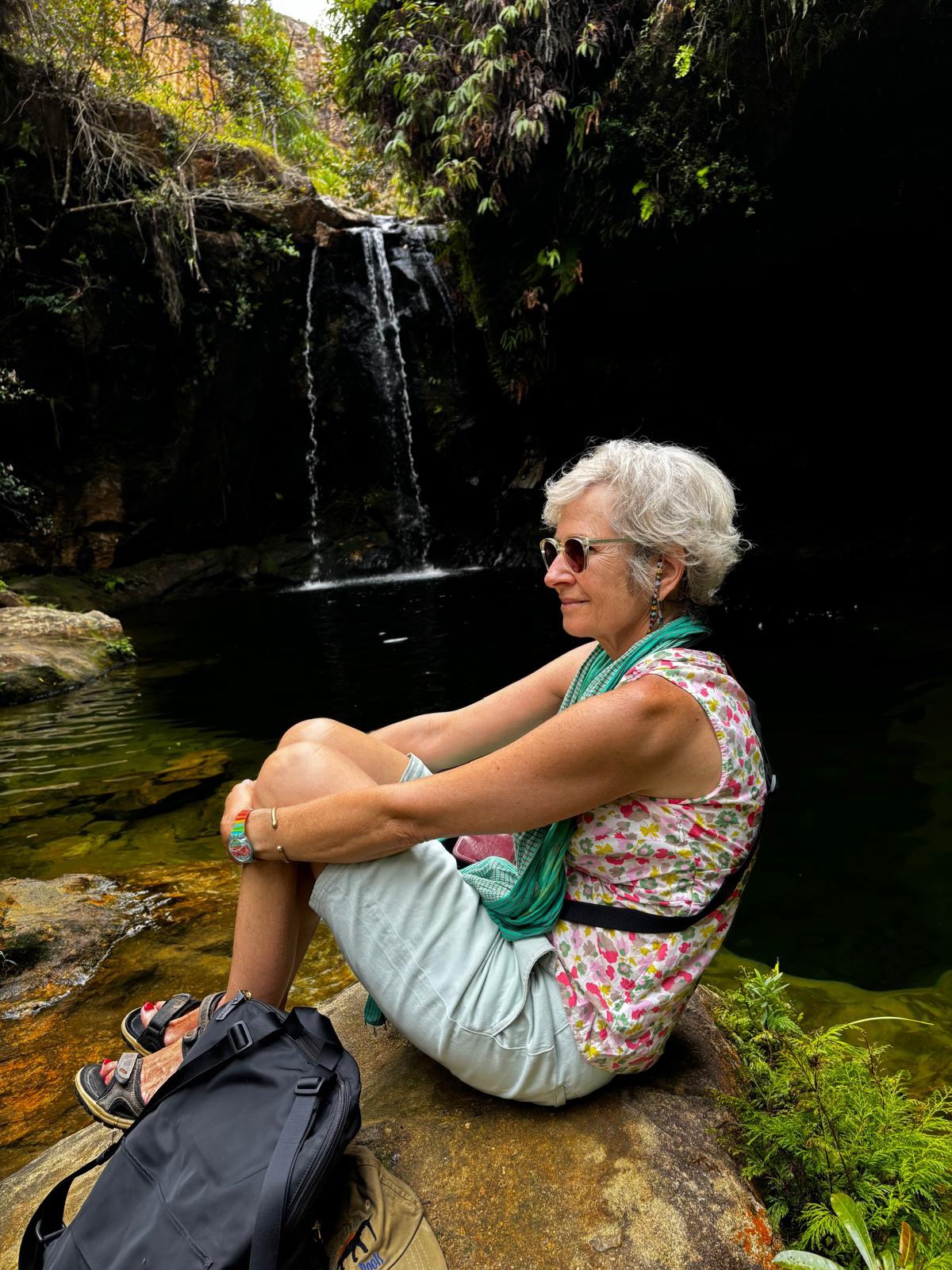
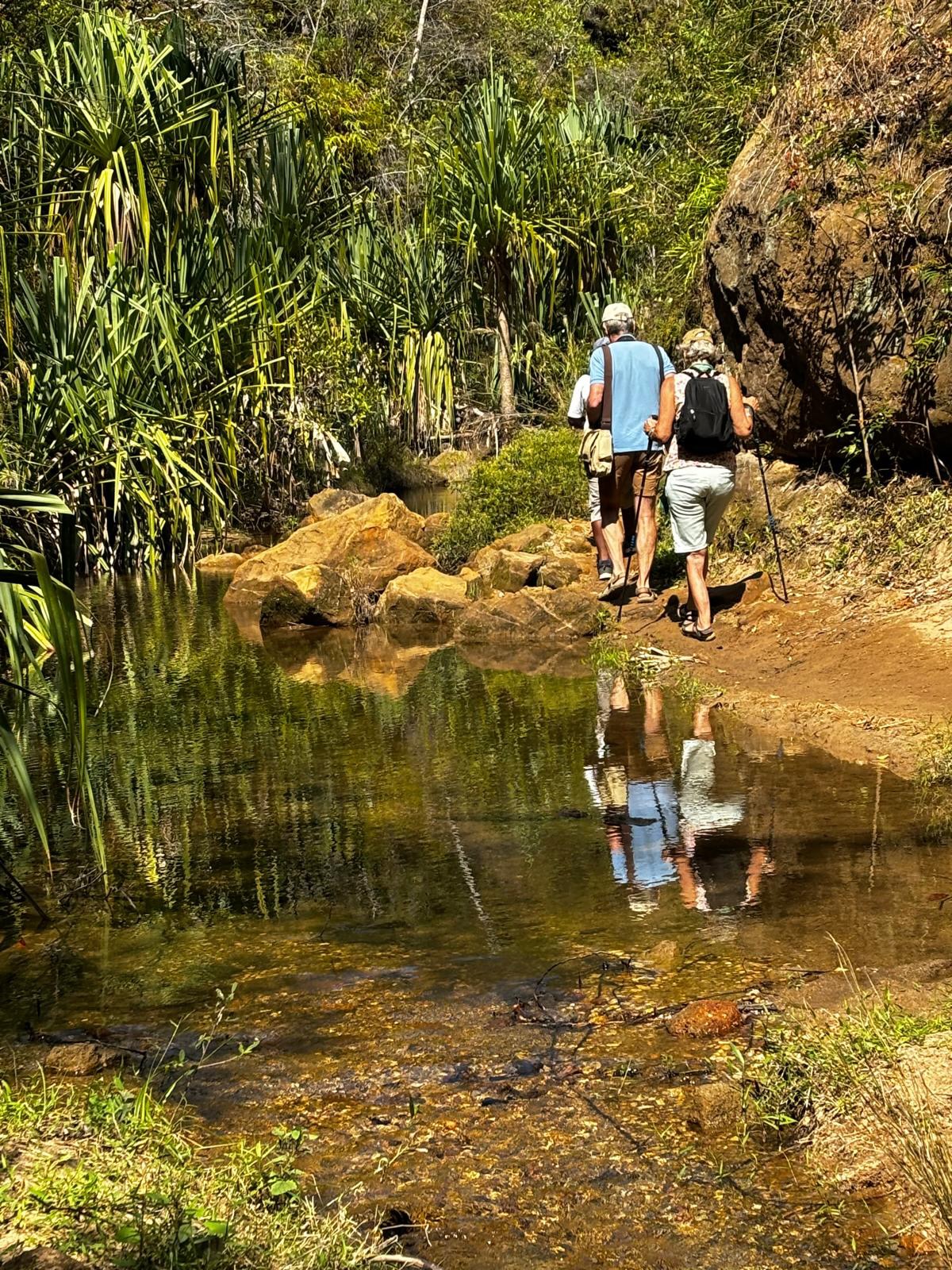
Ross and Stephen swim in the black pool; I look on; the magnifcinet scenery on the walk
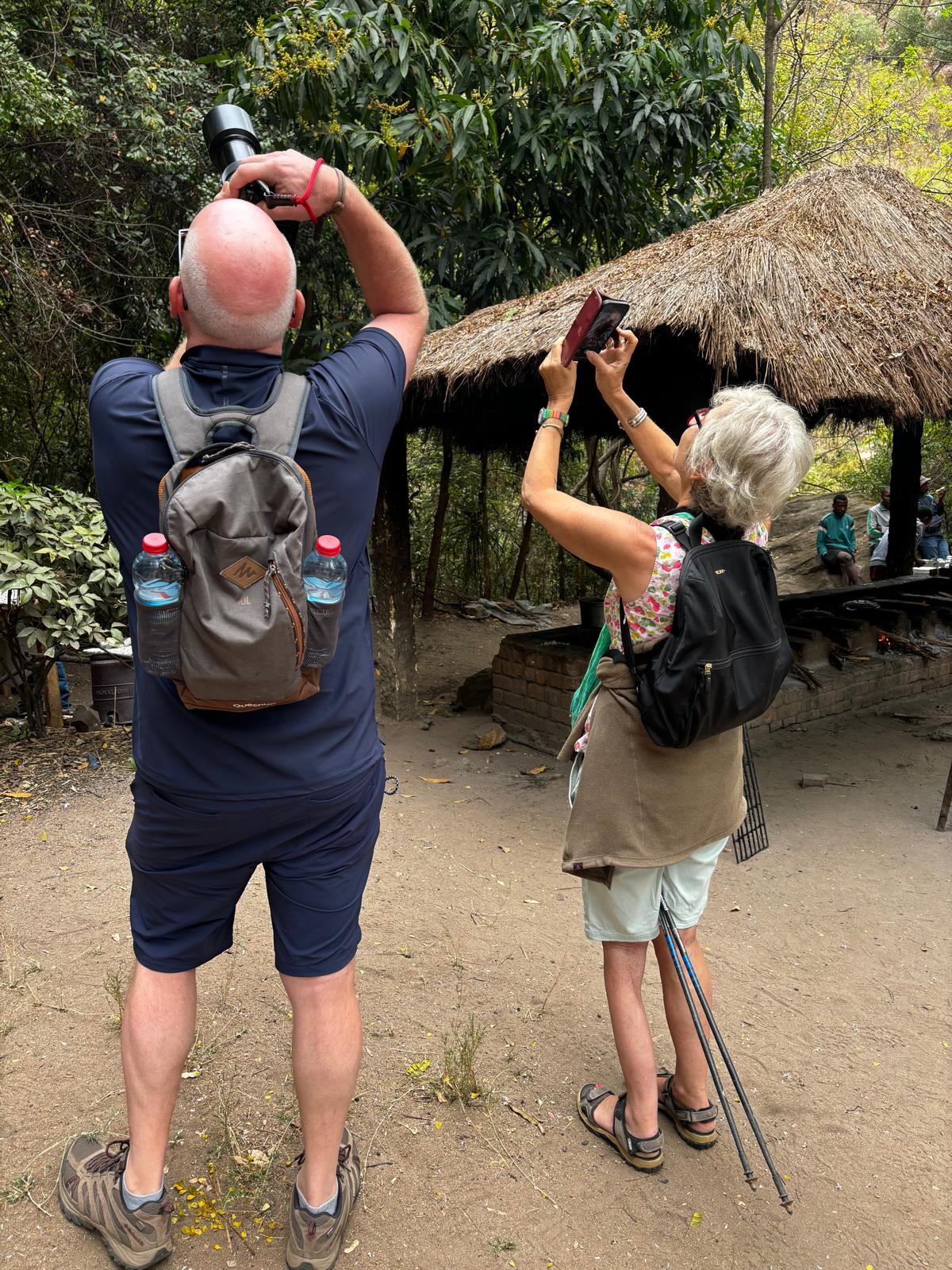
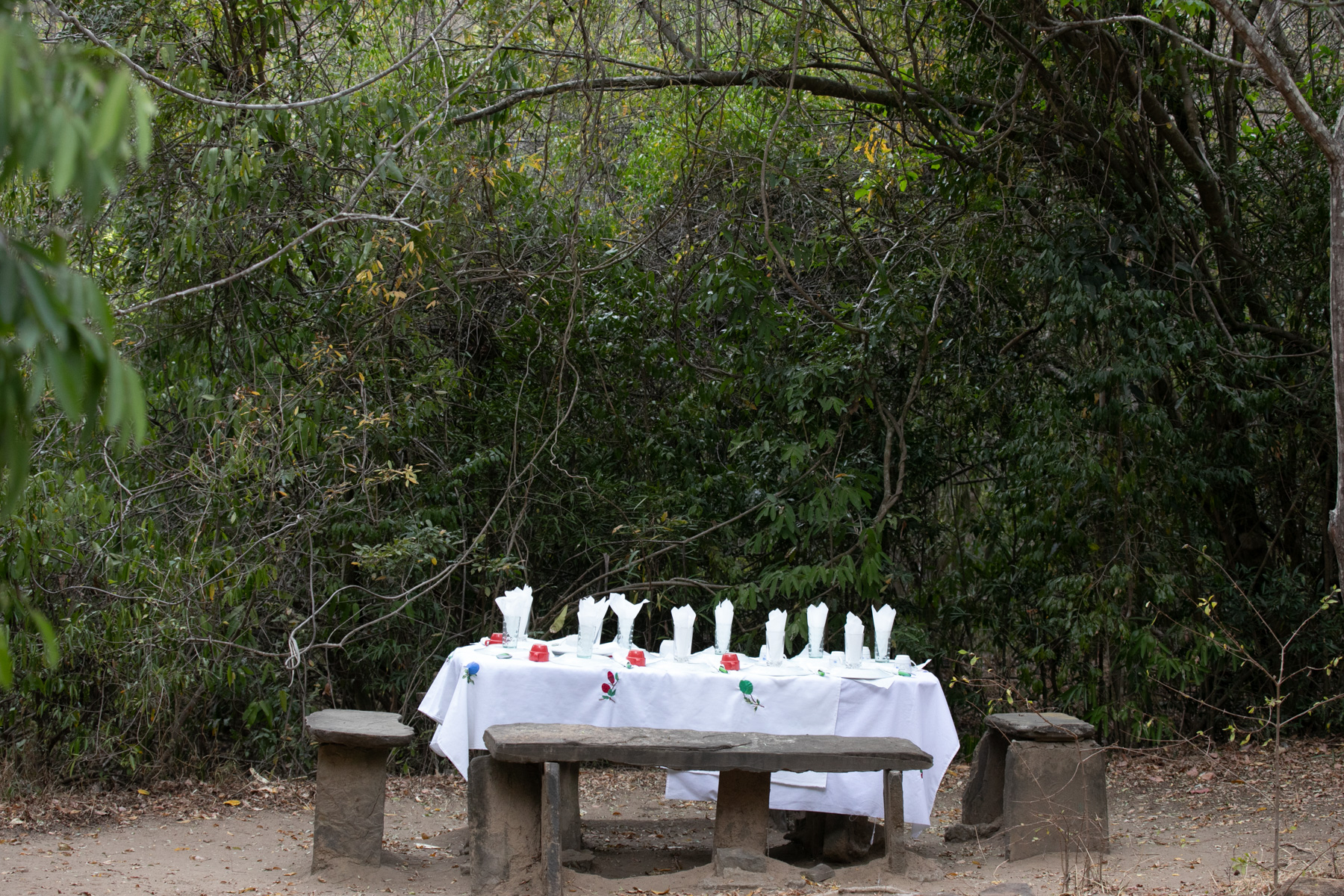
In the first clearing, where people are camping and where, on return, we find tables laid in secluded dells, complete with white tablecloths and napkins for a sumptuous BBQ, we are overrun with the ringtails – and then suddenly, the rare Sifaka, not dancing but eating in the canopy. They have woken up and are fighting! We also see the third species, a single red-fronted brown lemur. Again very lucky.
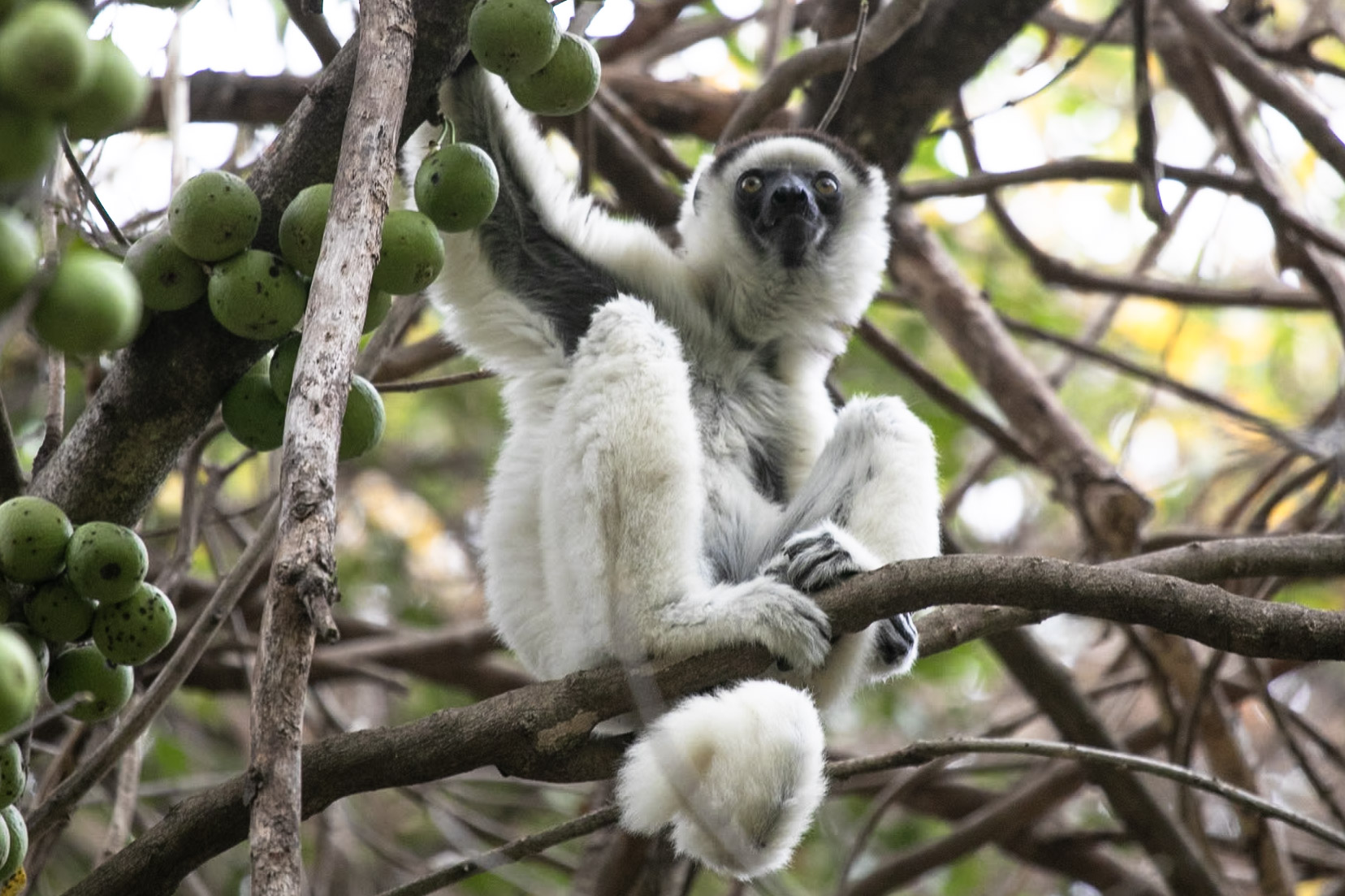
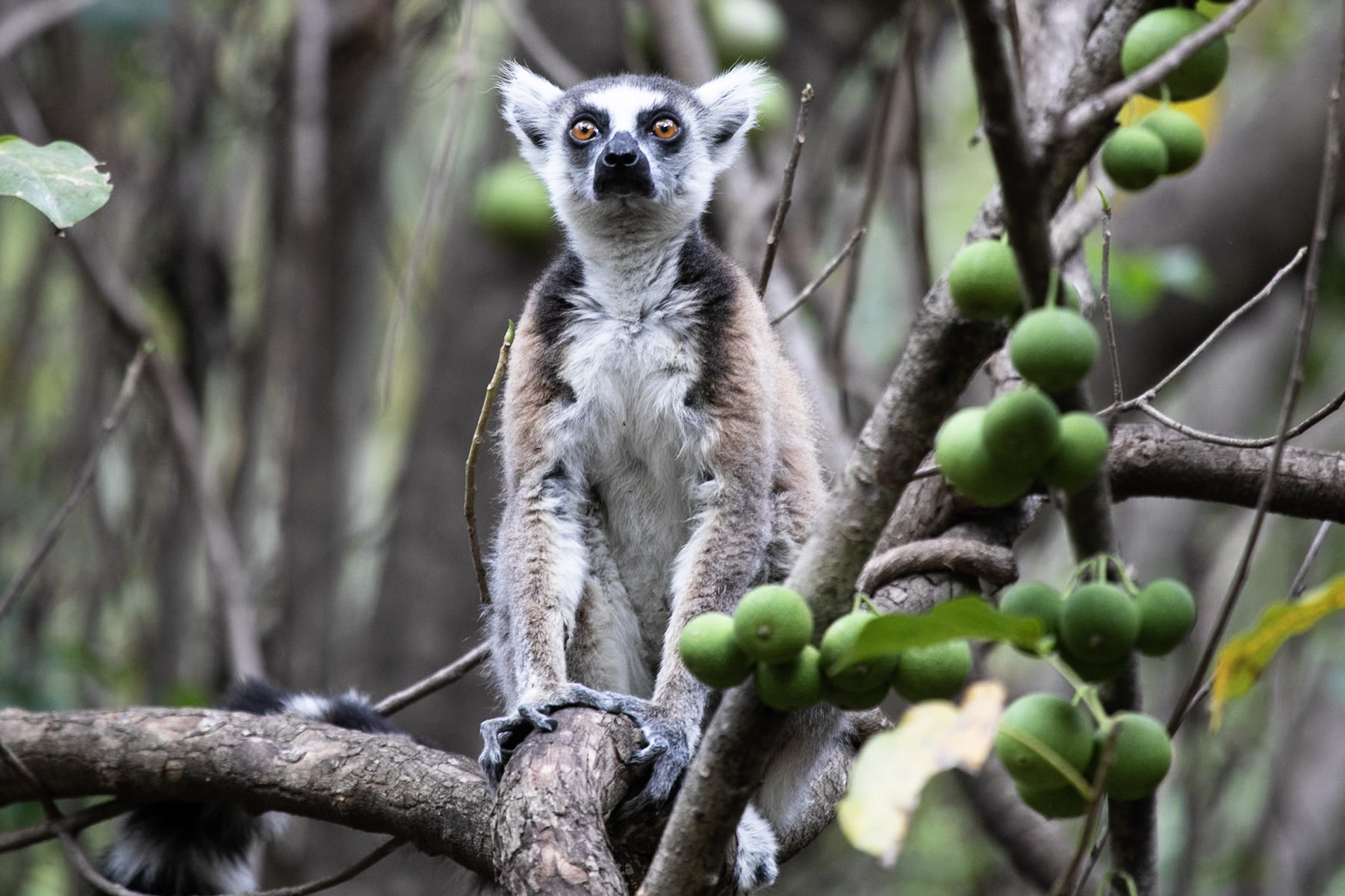
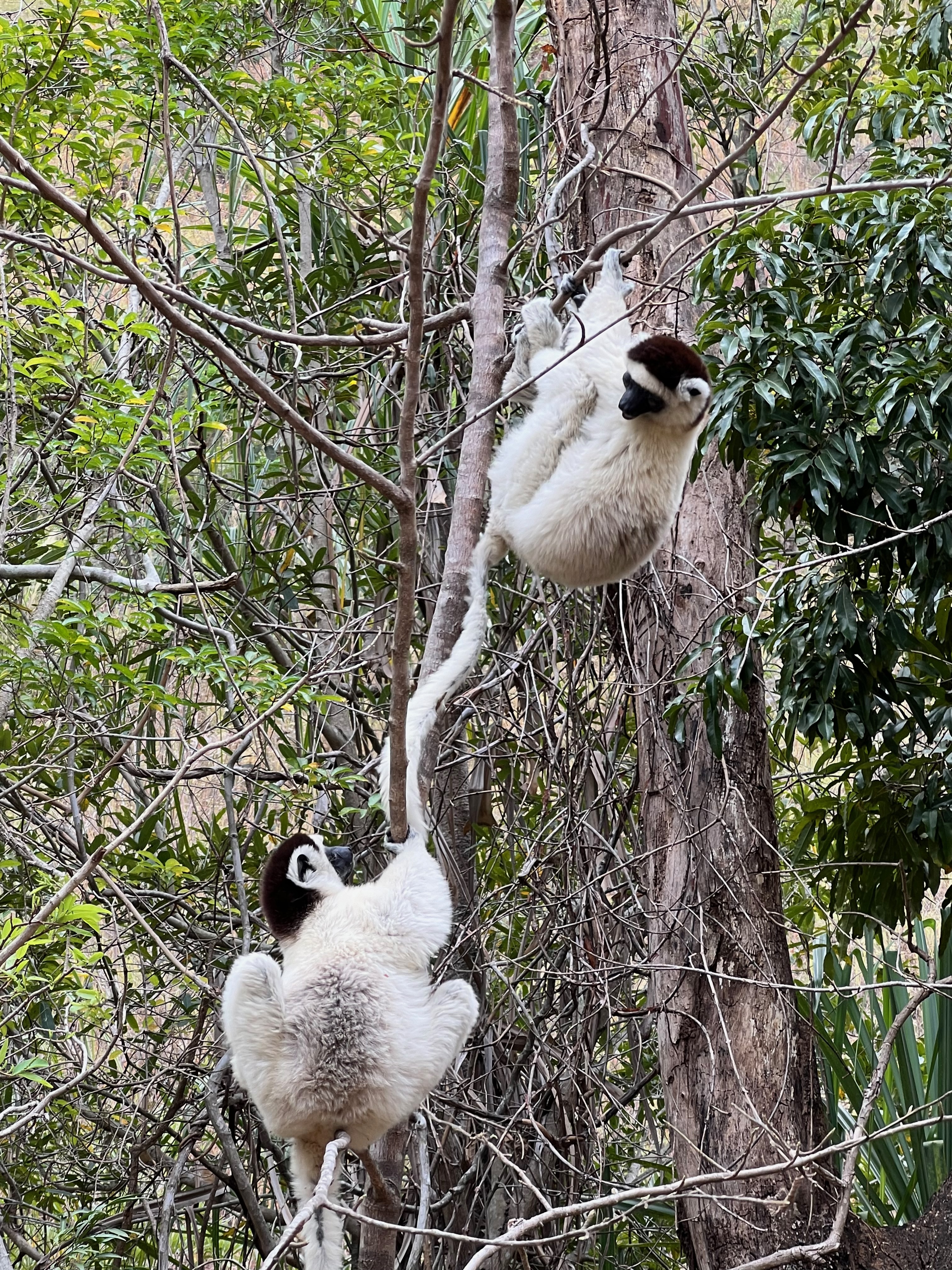
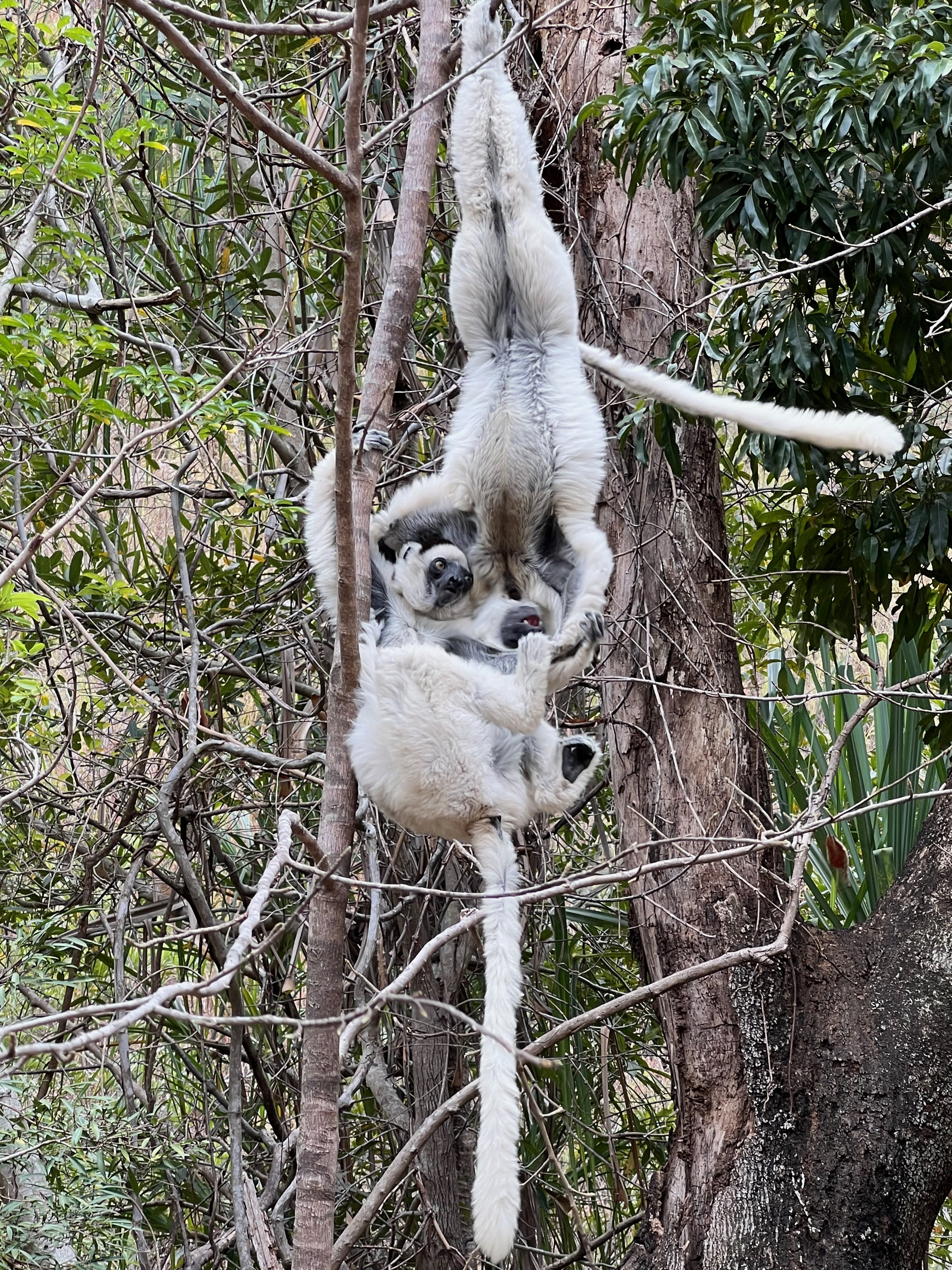

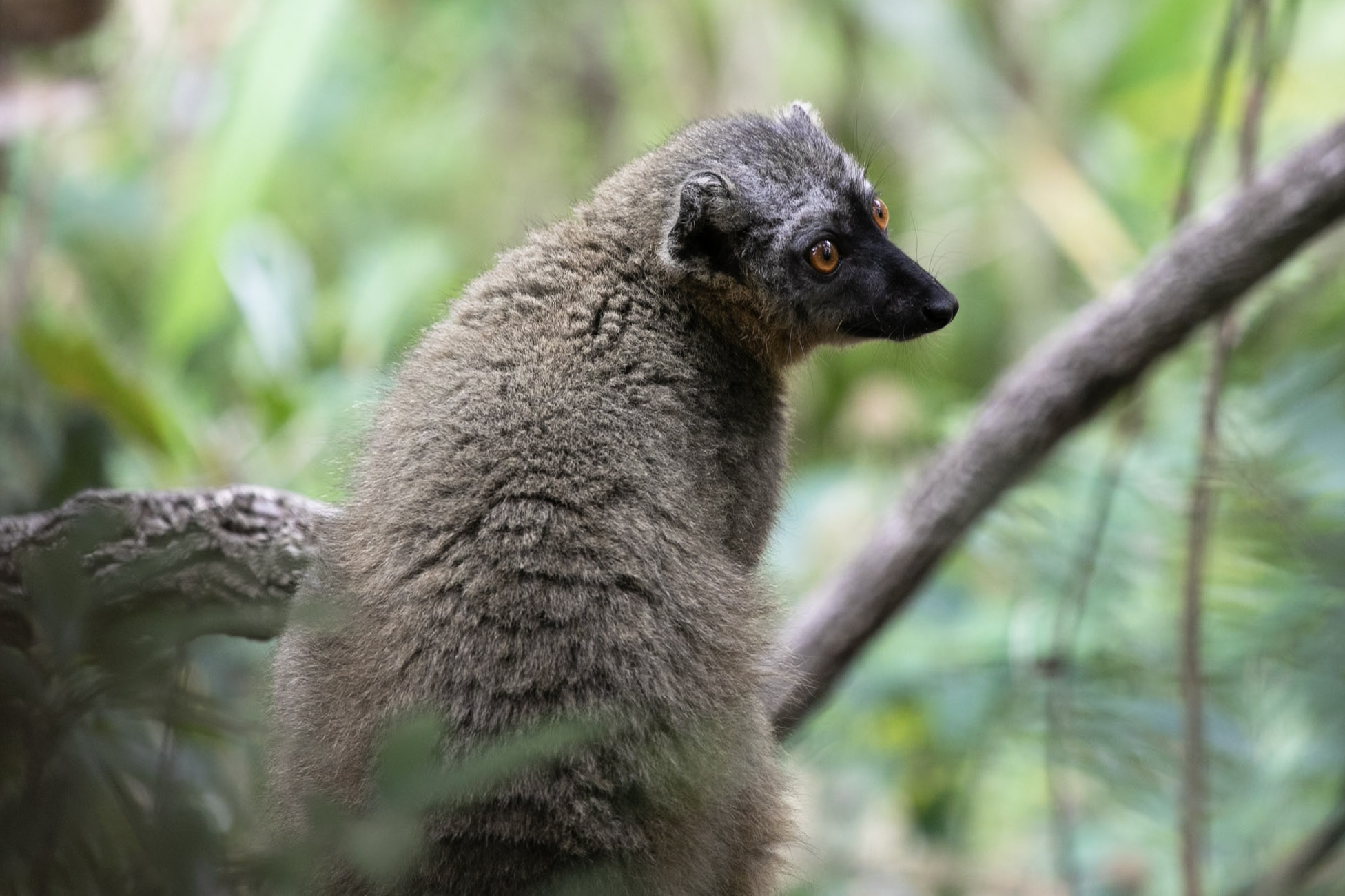
The Verreux’s sifaka lemurs are gorgeous; bottom right is the rare red-fronted brown lemur
After an afternoon relaxing by the pool, a good dinner and early night, we set off on the final leg to Toliara, a mere 120 kms, easy we think, but no! It takes eight hours, with some of the worst potholes seen so far, not helped by a truck broken down on a bridge, which we fear is un-moveable…but somehow it is shunted off.
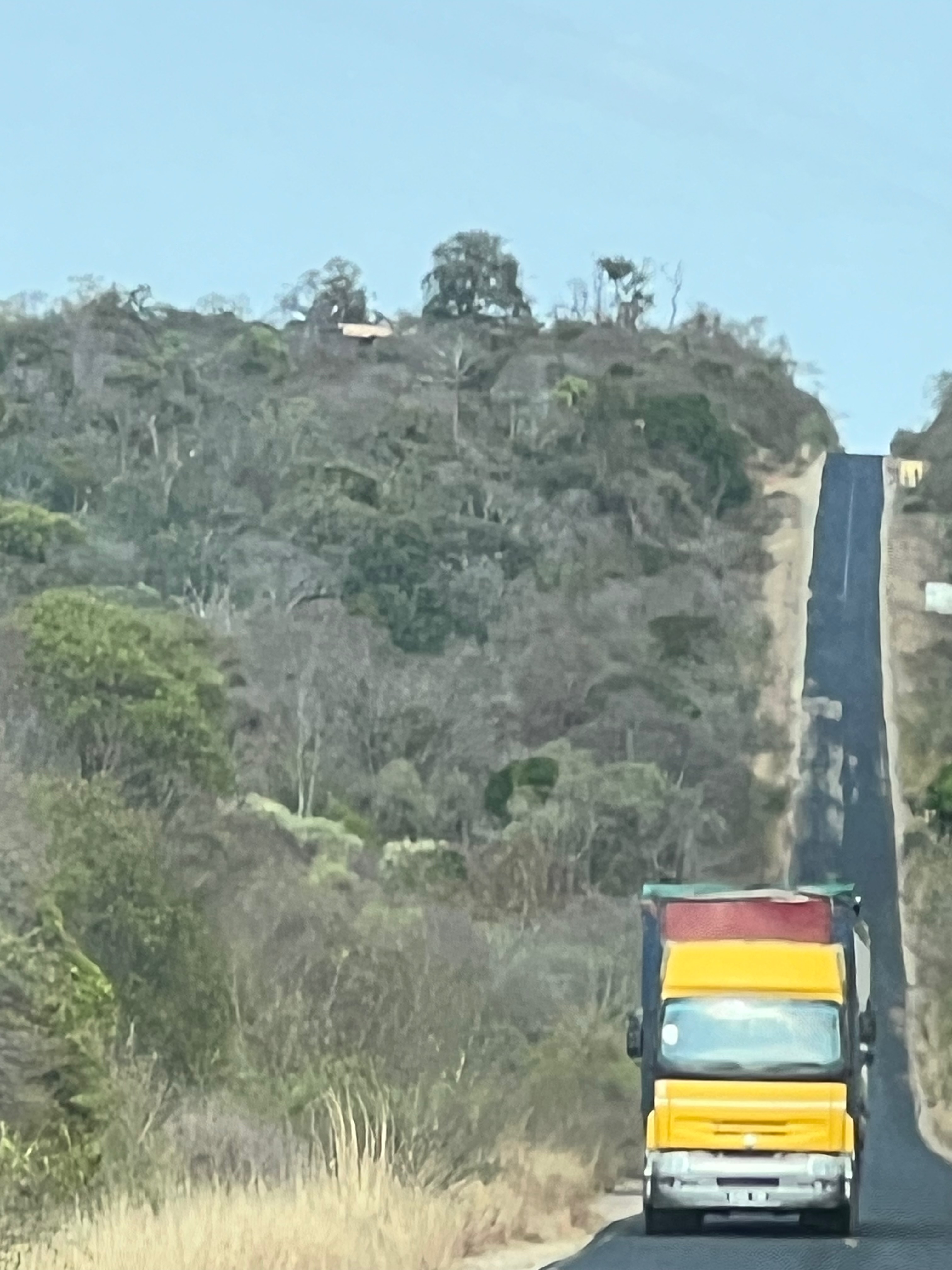
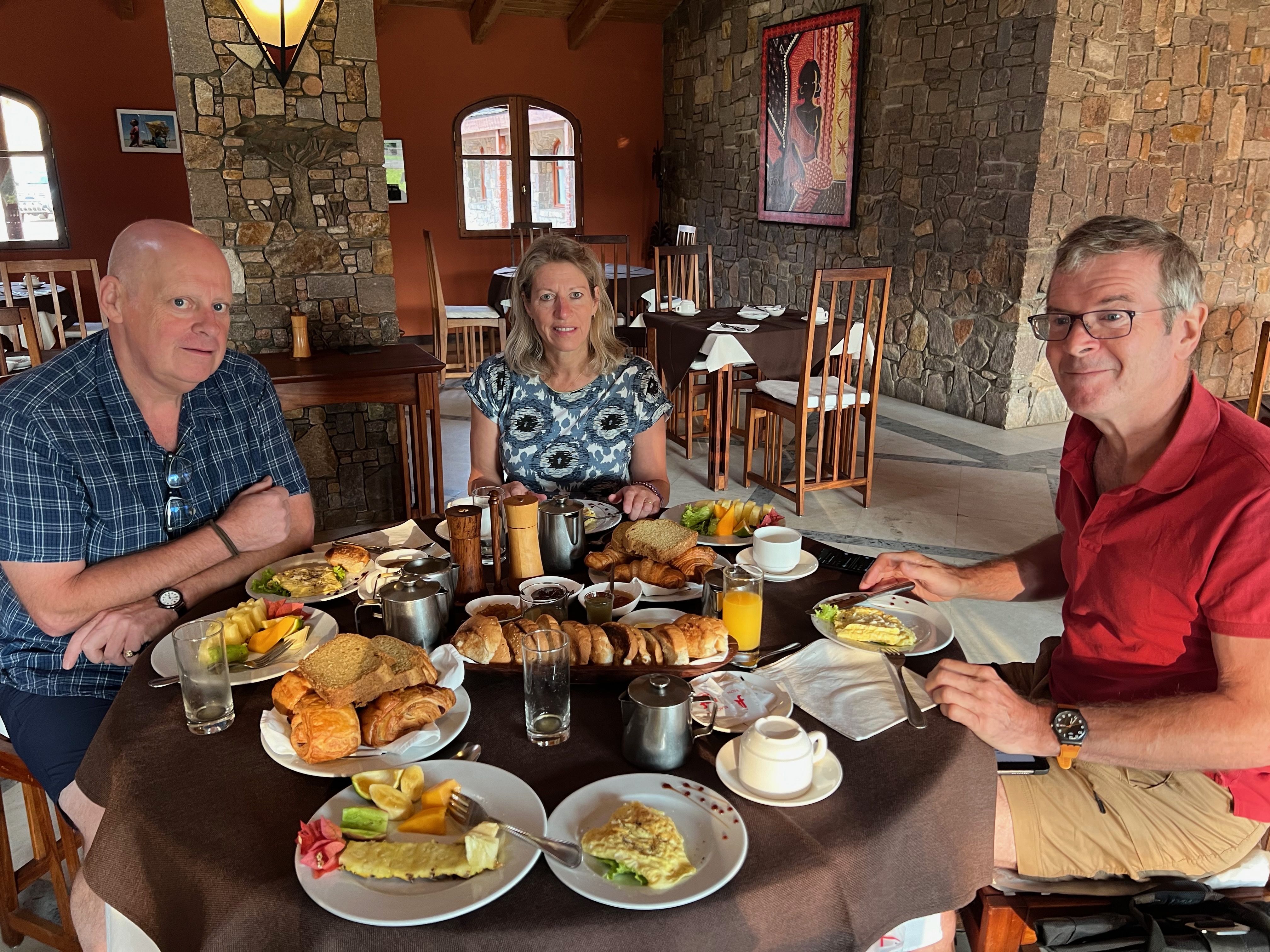
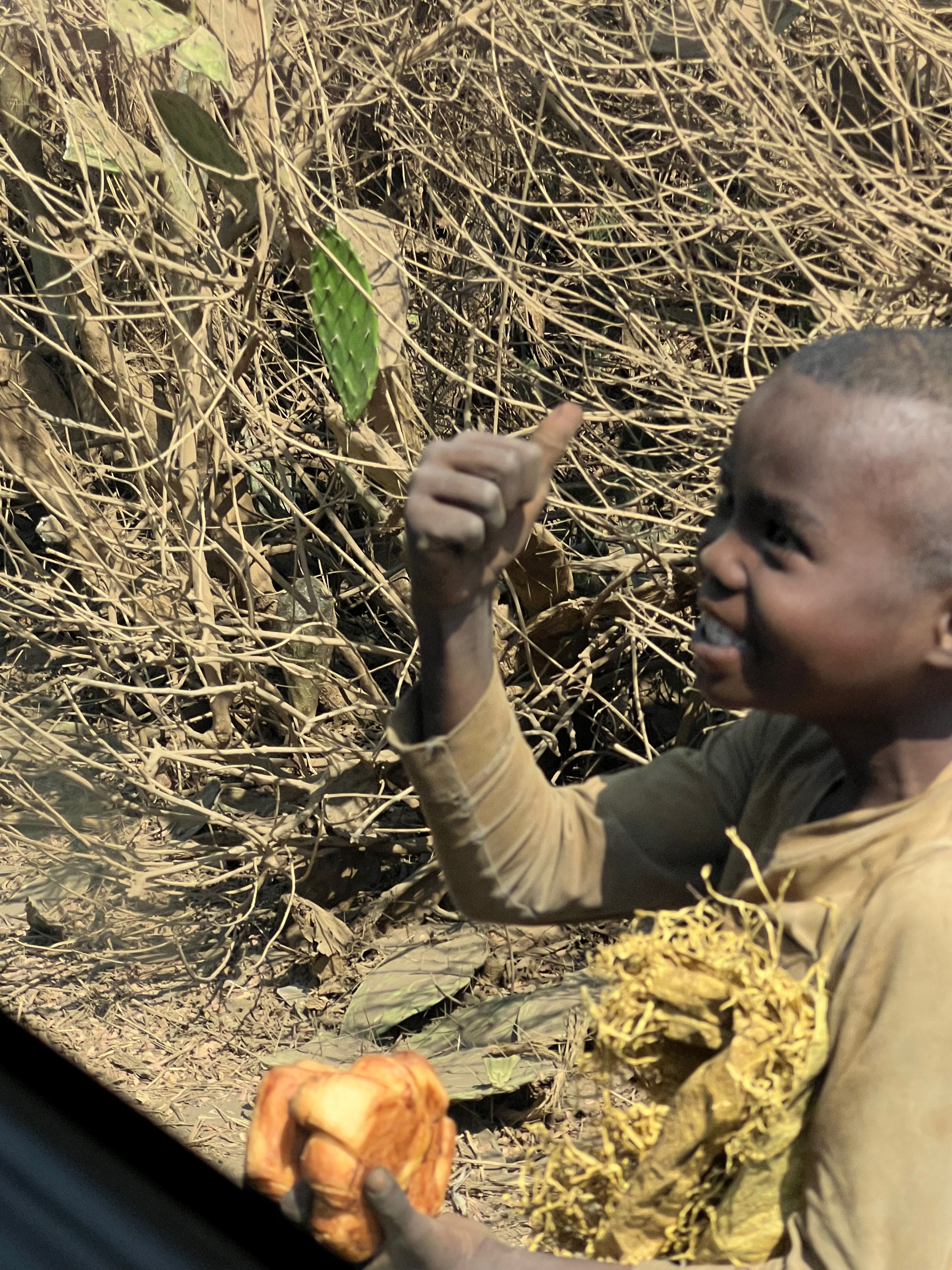
The obscene breakfast – we take all the croissants and pain au chocolat and give them to the road-mending boys to their utter delight. An un usual straight bit of good road but that truck (typical sight on the roads, nothing but trucks and mini-buses) thundering towards us is scary!
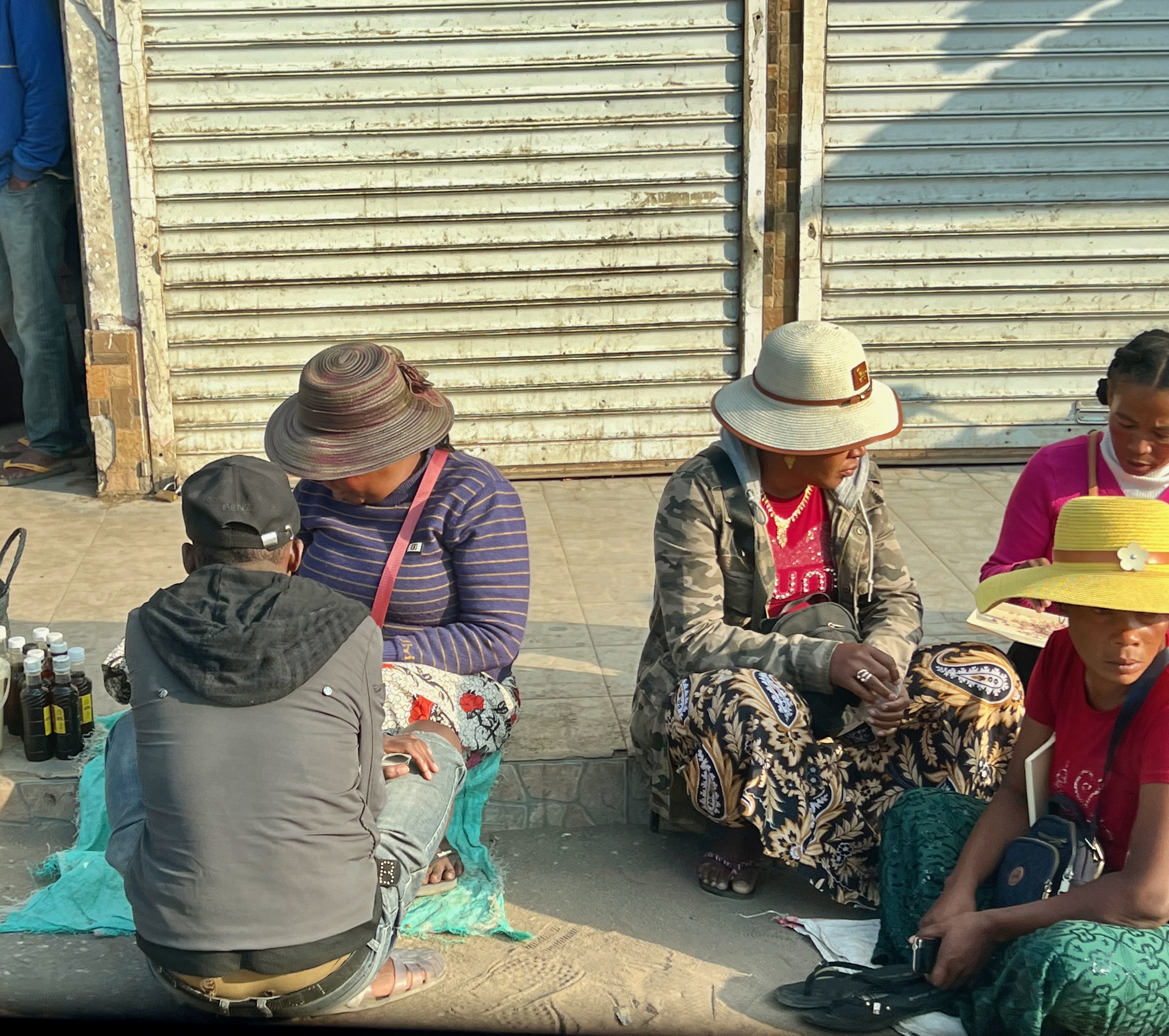
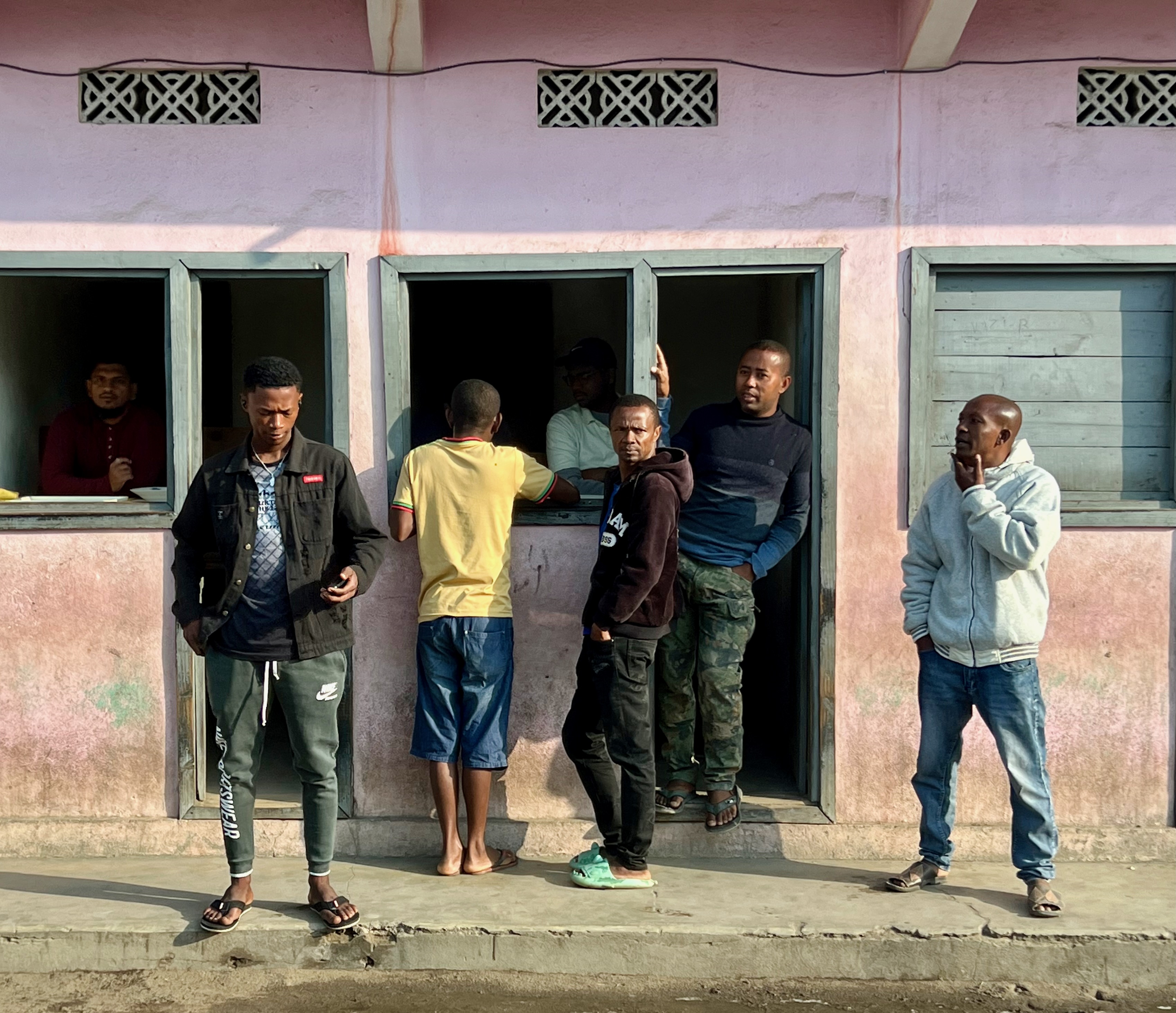
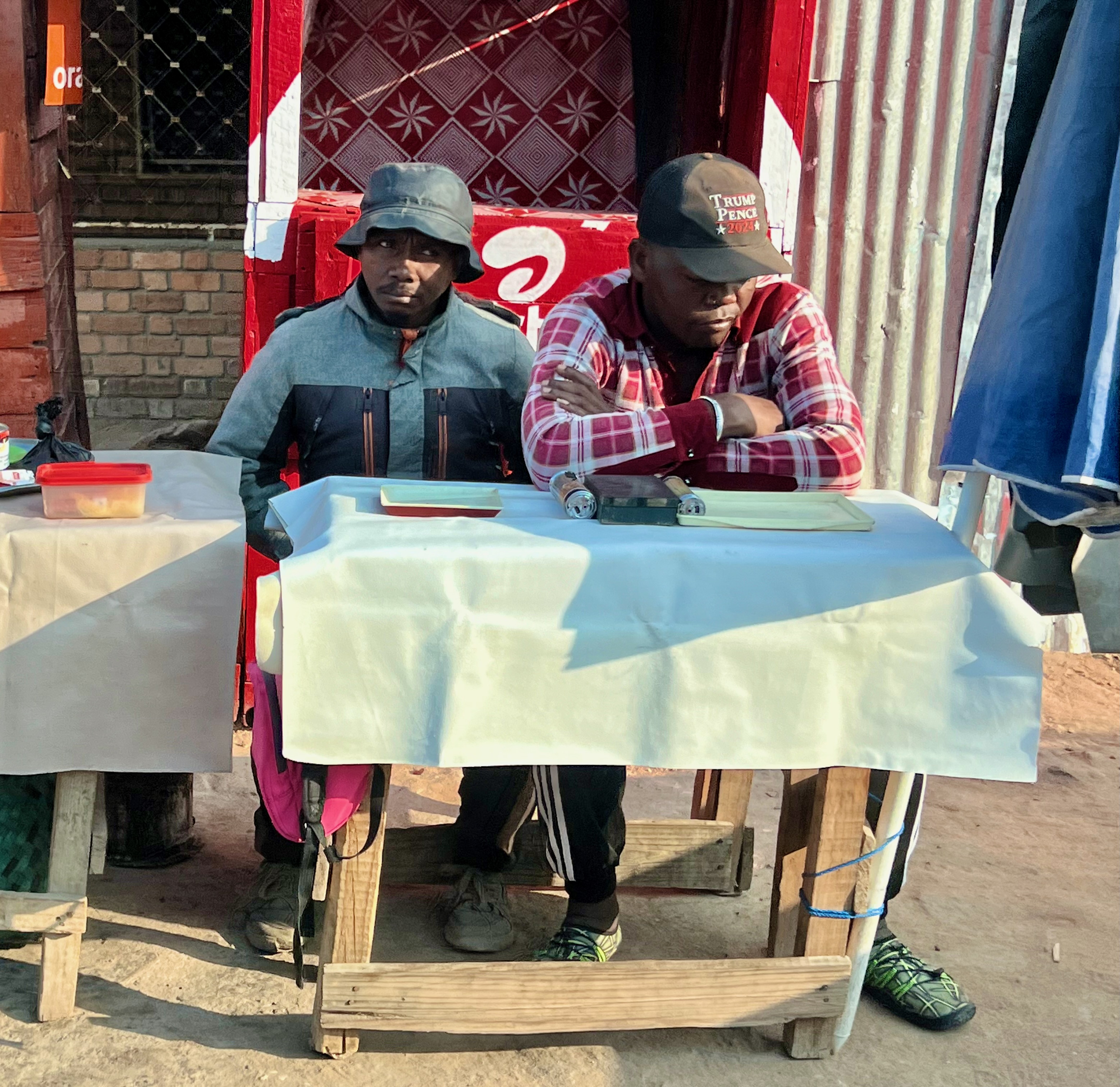
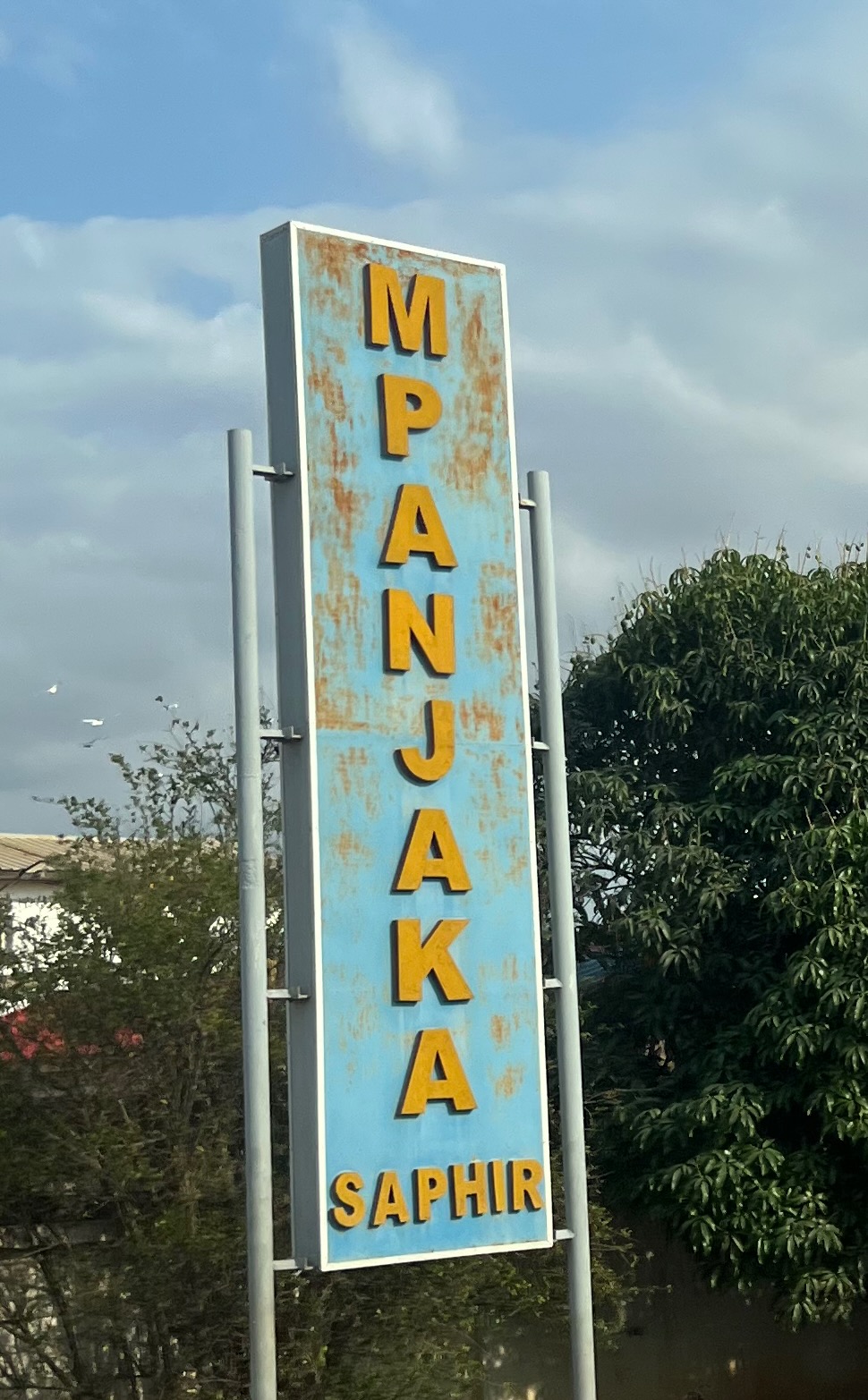
Shortly after leaving we pass through Ilakaka, the sapphire town, founded in 1994. Most of world sapphires come from here, and we see the miners panning and digging by the roadside. It’s now a boomtown of 50,000 people. I spot Pakistani dealers buying from local miners in the street while women are selling stones on trays. There are hole-in the-wall outlets with people jostling for access. No banks. Cash only. A sinister and dangerous place.
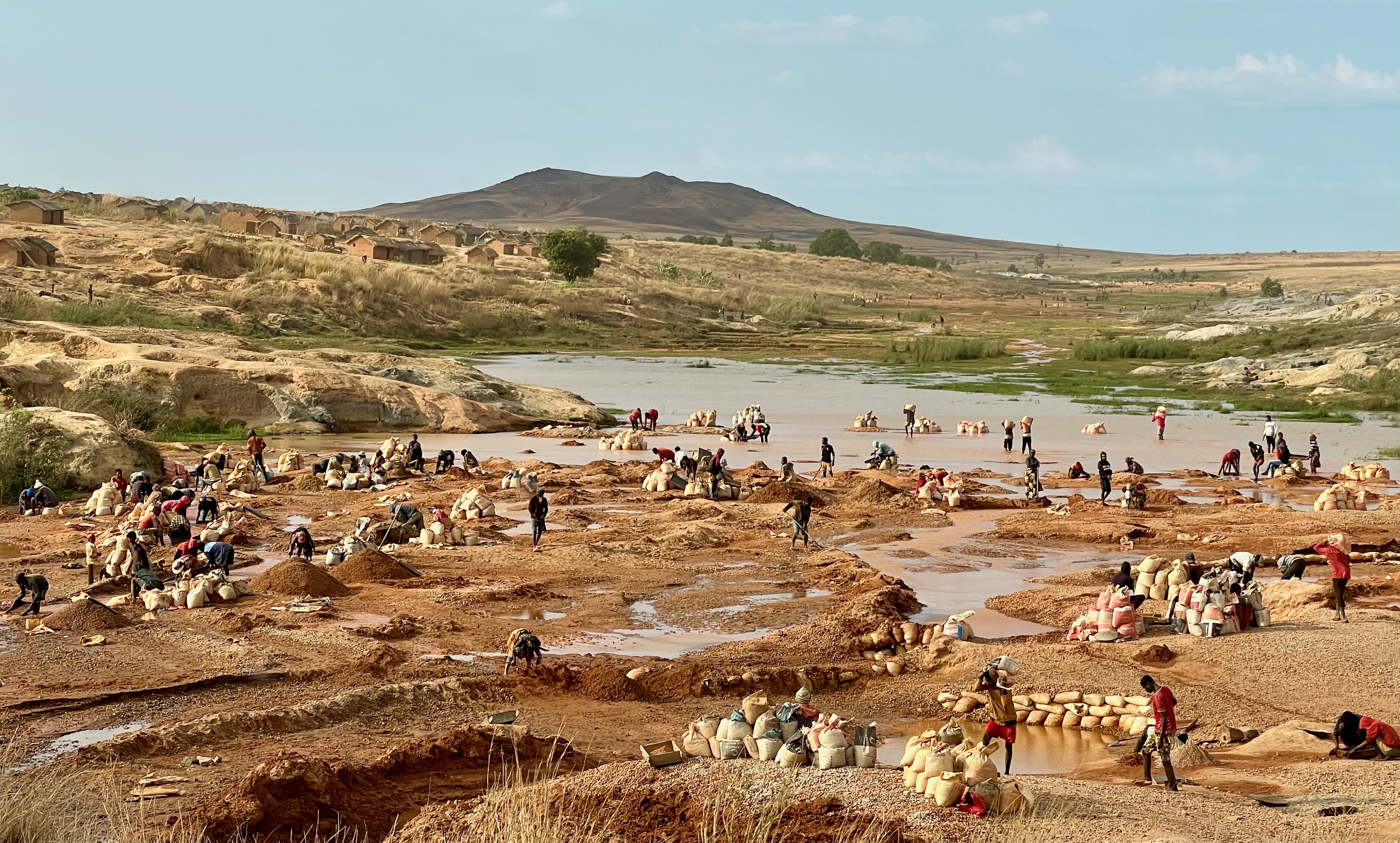


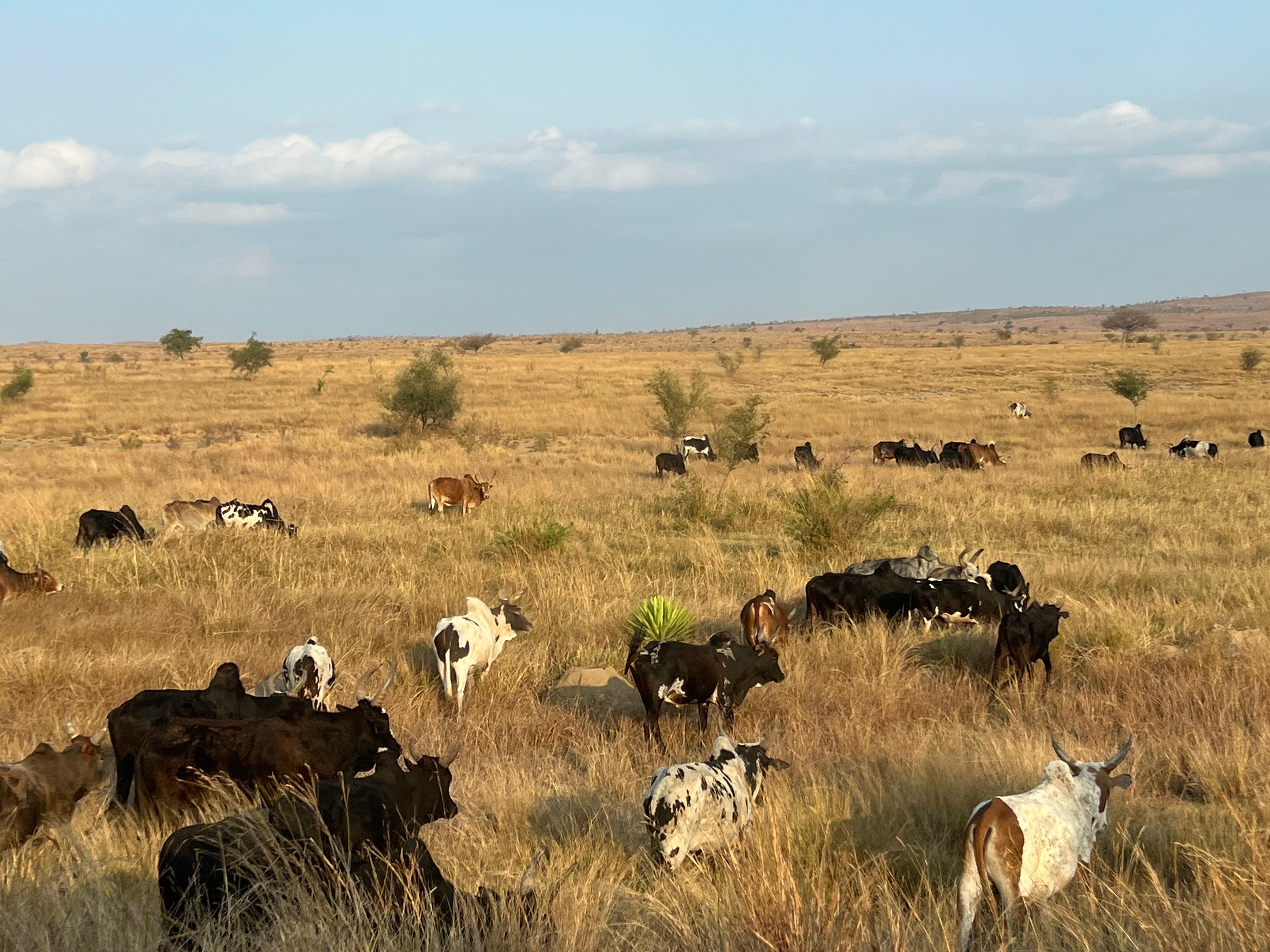
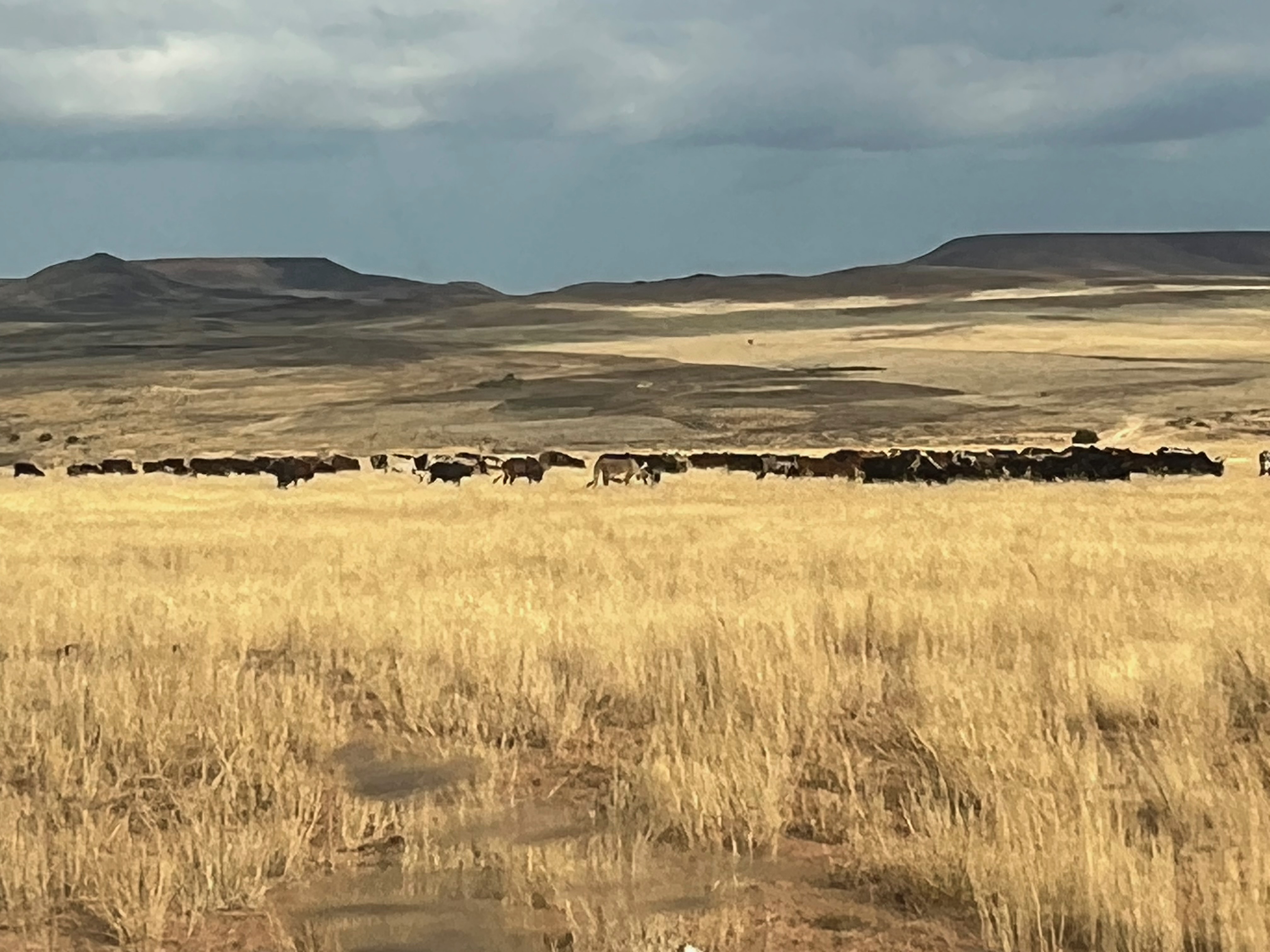
The savannah here used to be forest until 20 or so years ago. There are huge herds of dark zebu, stunning in contrast against the golden grassland. We are in baobab country, considered sacred. There are six varieties, most beautiful are the tall smooth-barked variety.
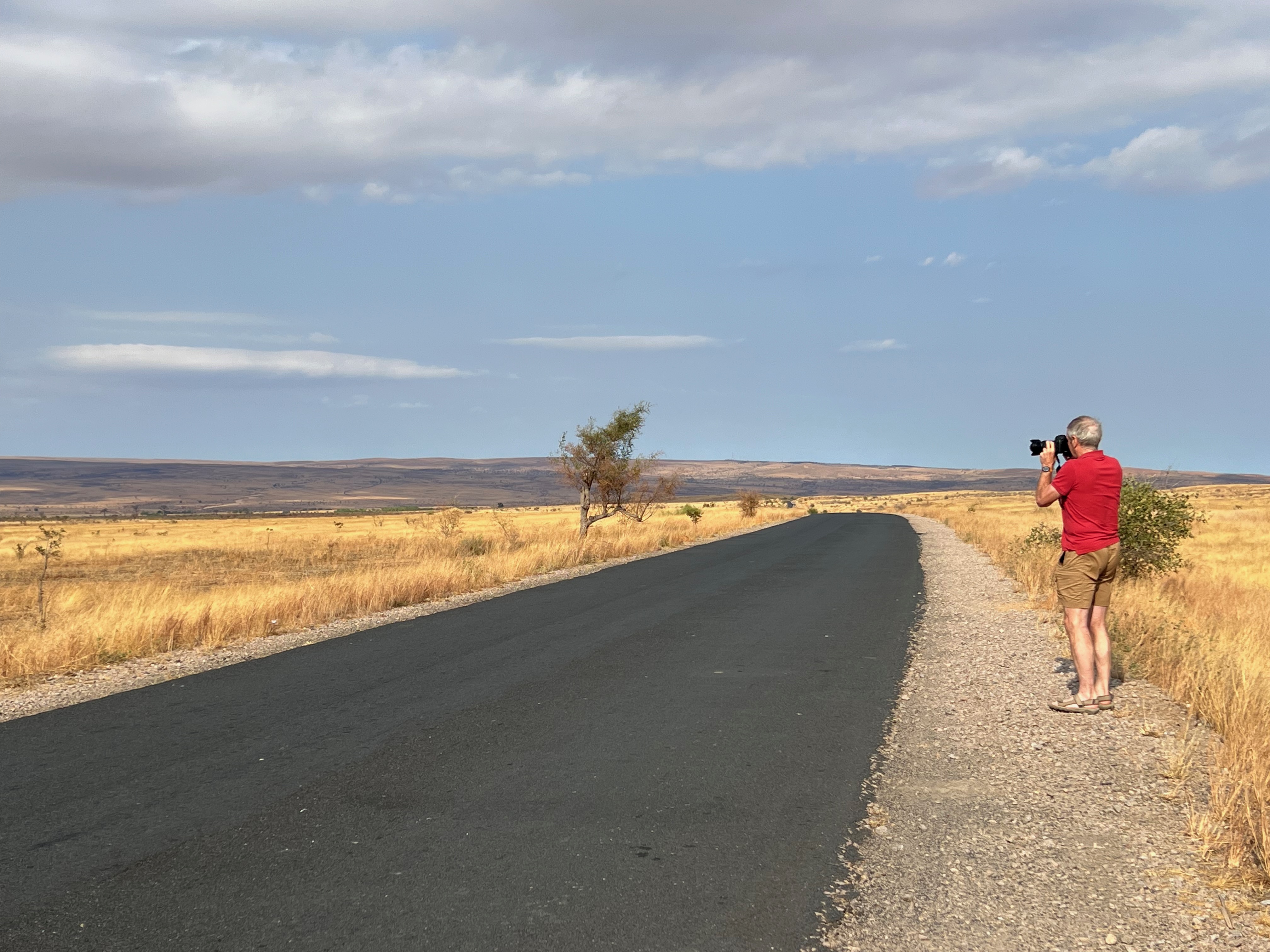


This is very arid country – people are begging everywhere along the roadside, dancing hip hop style, asking for bon bon, biscuits, monnaie and water, a priceless commodity here. We have nicked the soap from every hotel and dish it out to the mothers with babies who are delighted. The plastic water bottles have value as they are used to make moonshine! It’s heartbreaking to see the kids chasing the vehicles in vain hope down the dusty road. By the tallest baobab viewing point, there are boys selling photo opportunities of chameleons on sticks – one which we decline. Can’t bear to see these lovely creatures so casually and cruelly handled.


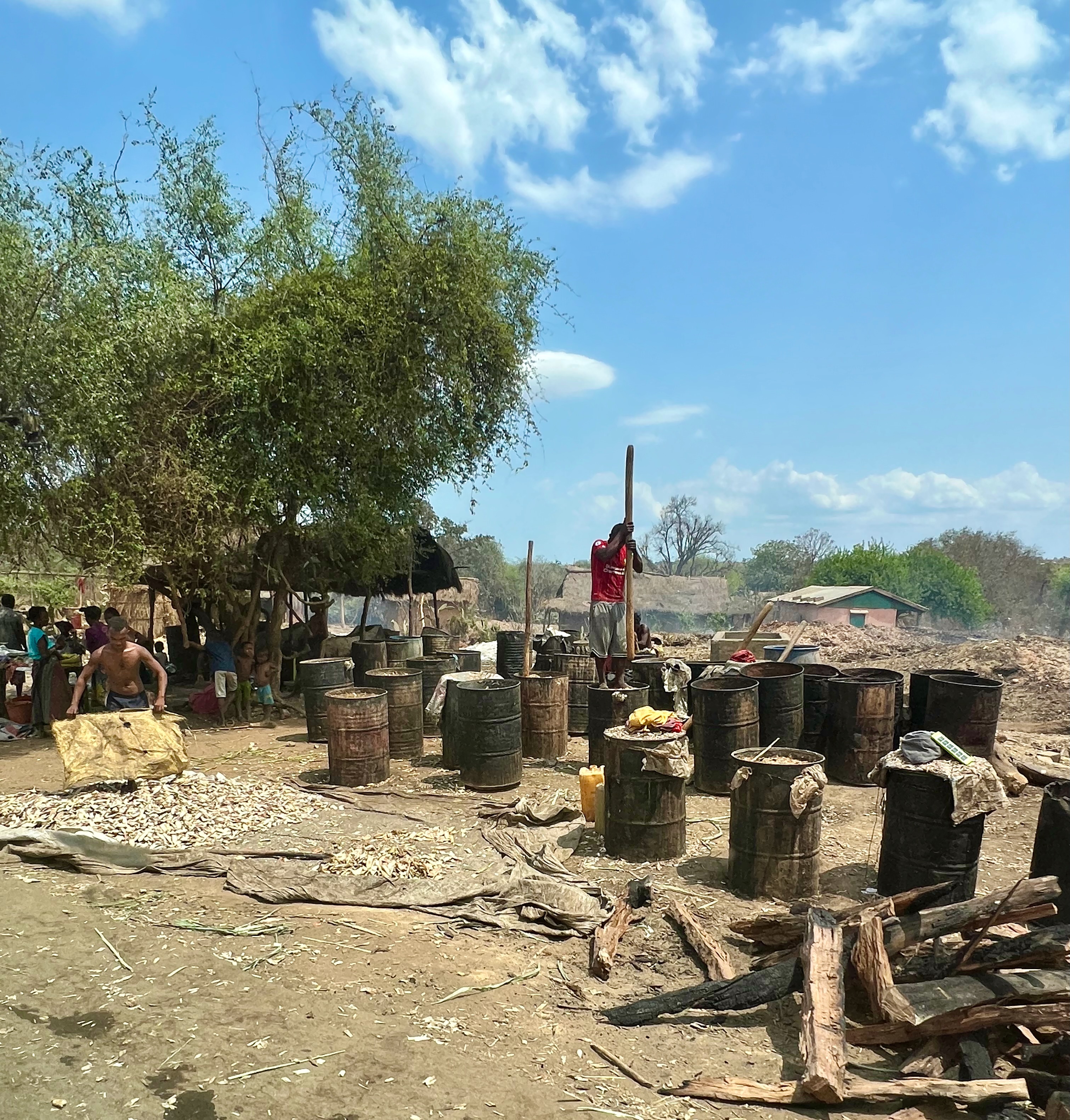
Moonshine factory by the road side, made from crushing sugar cane and brewing it in the oil cans
The region is also popular with birders for a rare sand grouse, which is attracted to tamarind. Groups of sad-looking men are just waiting for the opportunity to be picked up by tourists as guides.
We notice men in a hi viz vest by side of road every km or so. On asking what they’re doing , we are told they are WWF-sponsored to stop people doing slash and burn. Traditionally, the herders burn the grass at this time of year to encourage new shoots and many of the trees have evolved to be fire-resistant. They work with gendarmes and those arrested go to prison. It’s good that they are – far too late – trying to protect the remaining 20% natural forest.
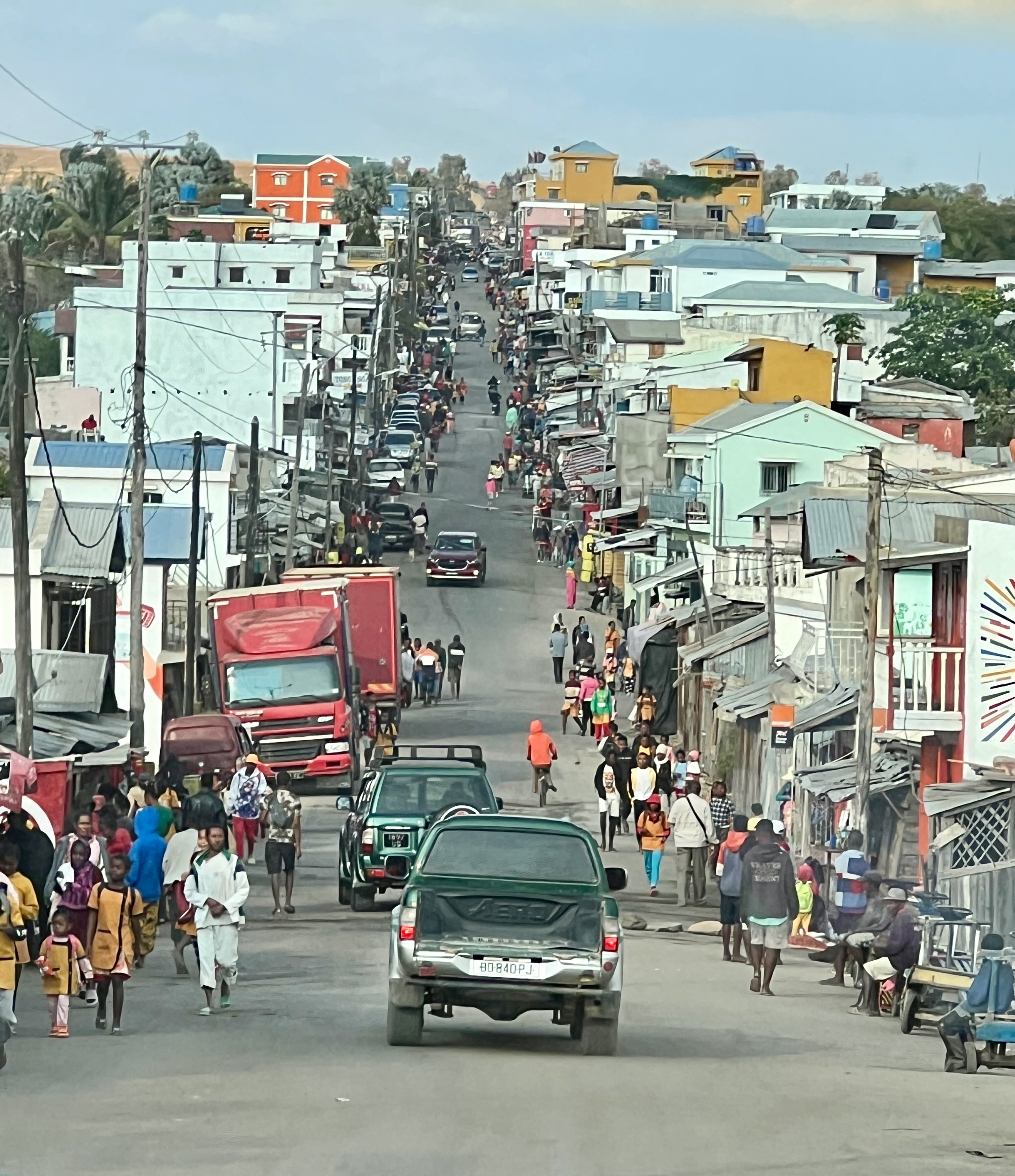
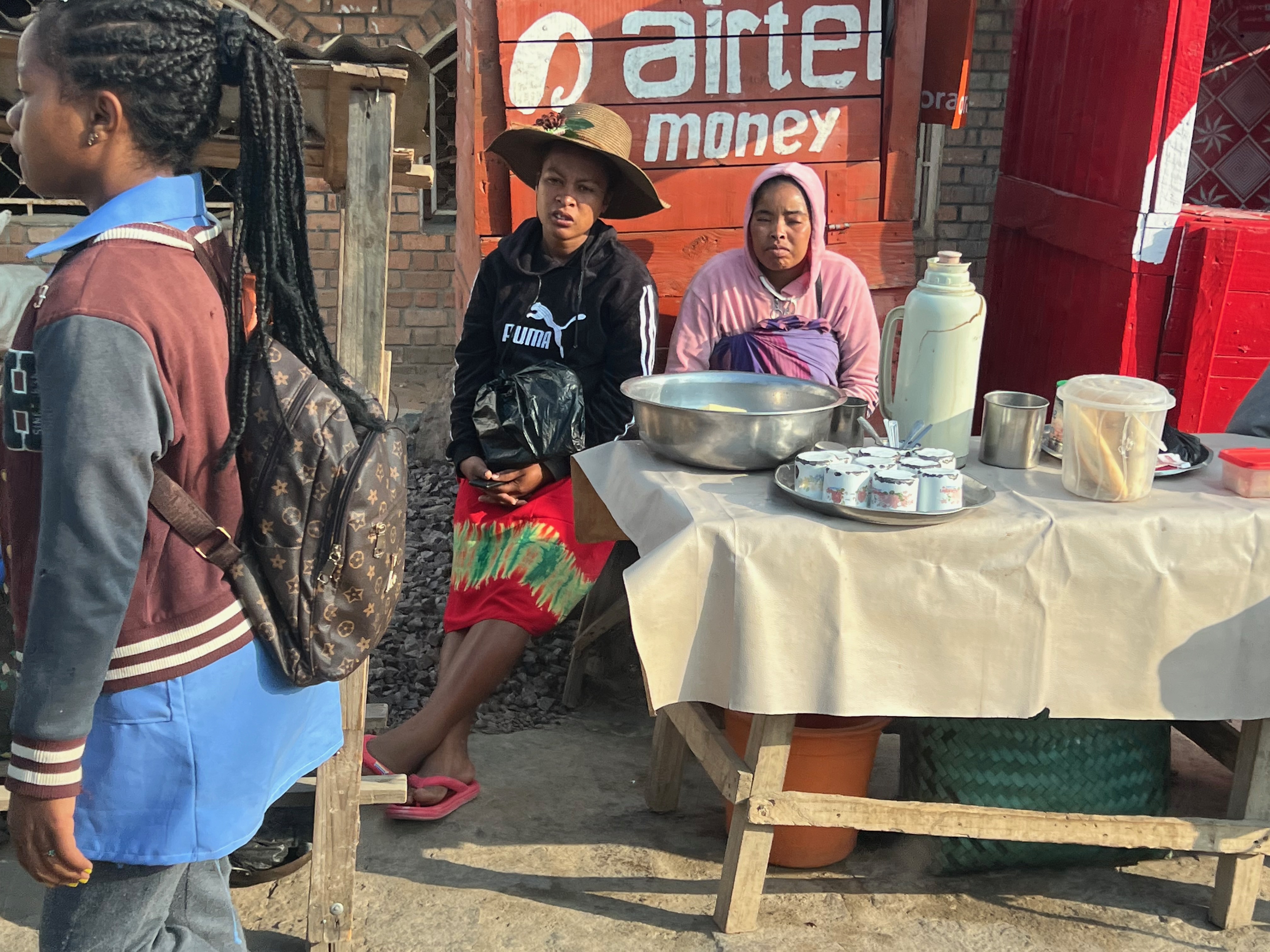
Suddenly the sea appears over the brow of the hill, and that evocative salty smell wafts through the vehicle. Men are pushing bikes up the steep descent to sea level – and we arrive in Toliara, the smallest city with less than 1m. It’s really humming – pousse pousse (pedal-powered) everywhere, buses loading, unloading, stalls selling music, blaring out for sampling – a kind of local Spotify service. Clothes. Mattresses. Lambas. Food. Cassava. Toys. Cheap Chinese stuff. Cooking pots aluminium. Solar panels. You name it…it’s here.
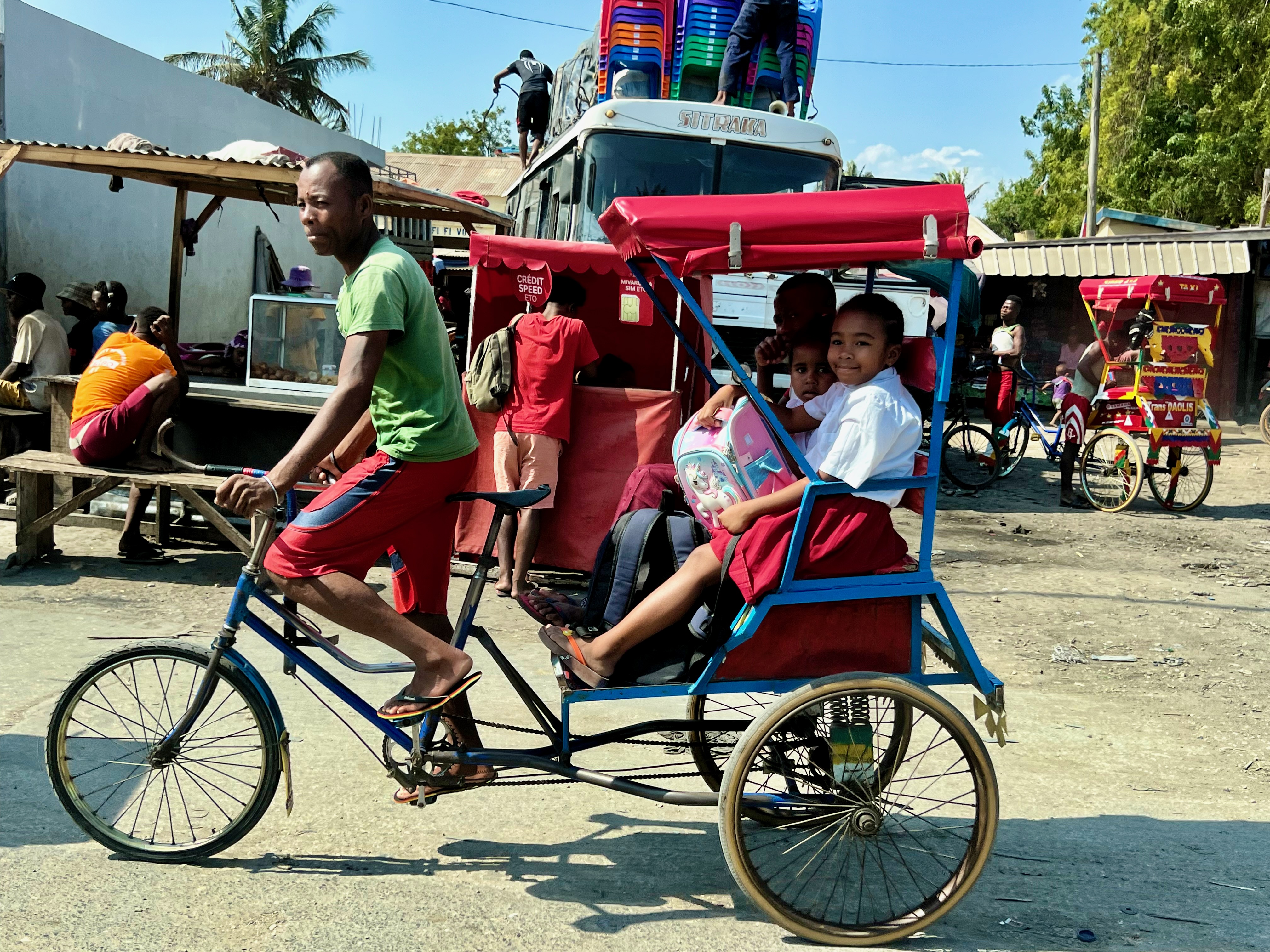
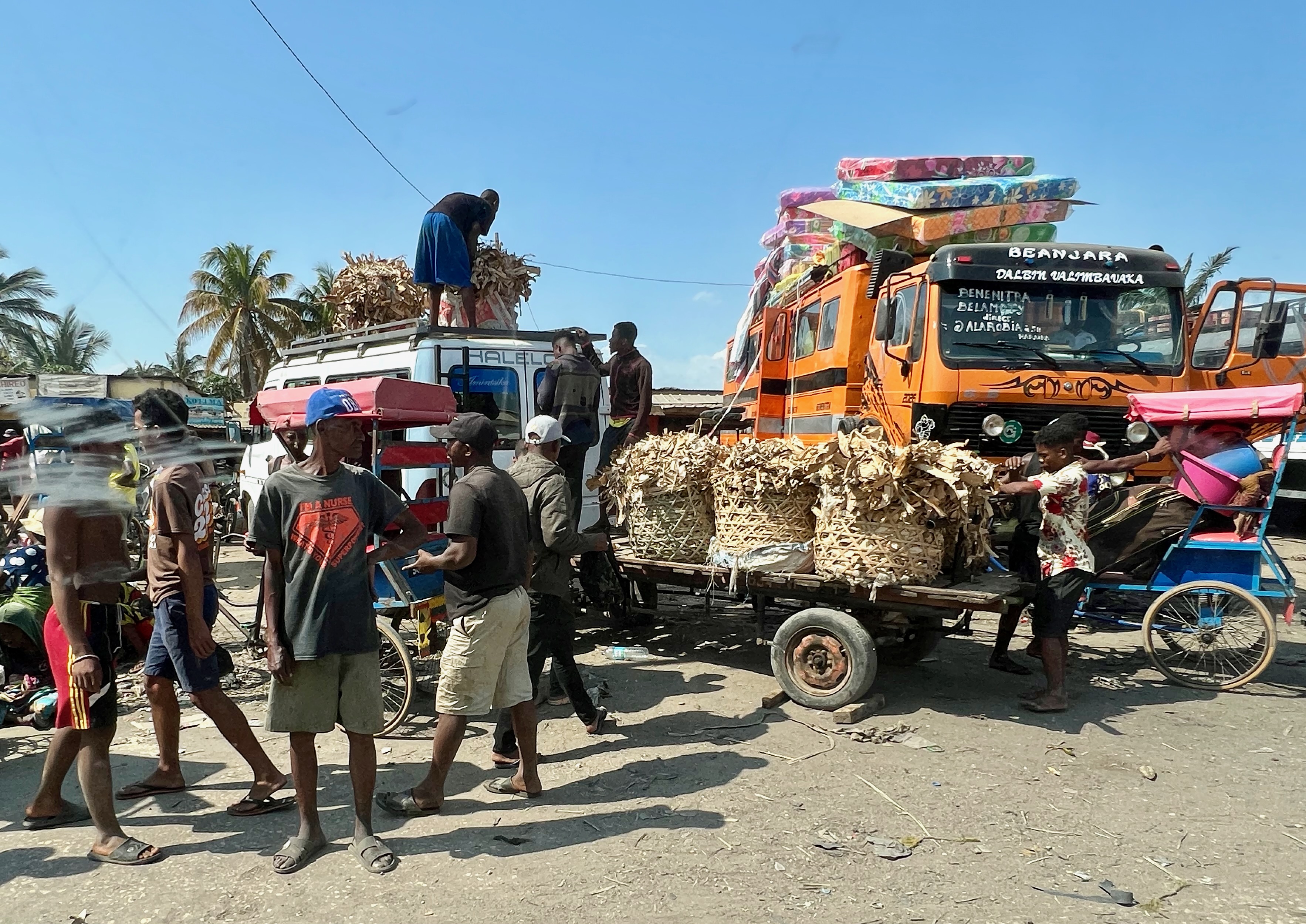
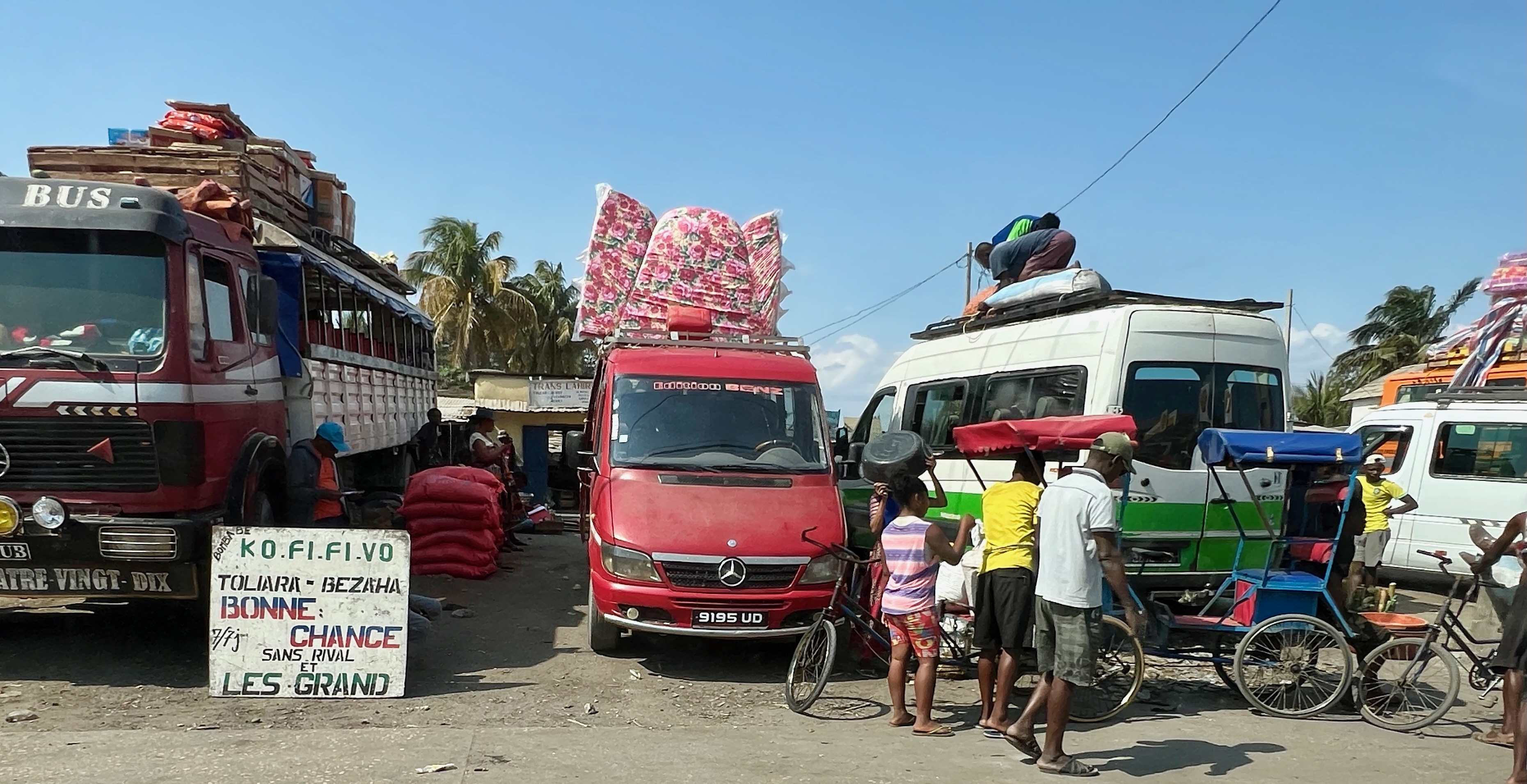
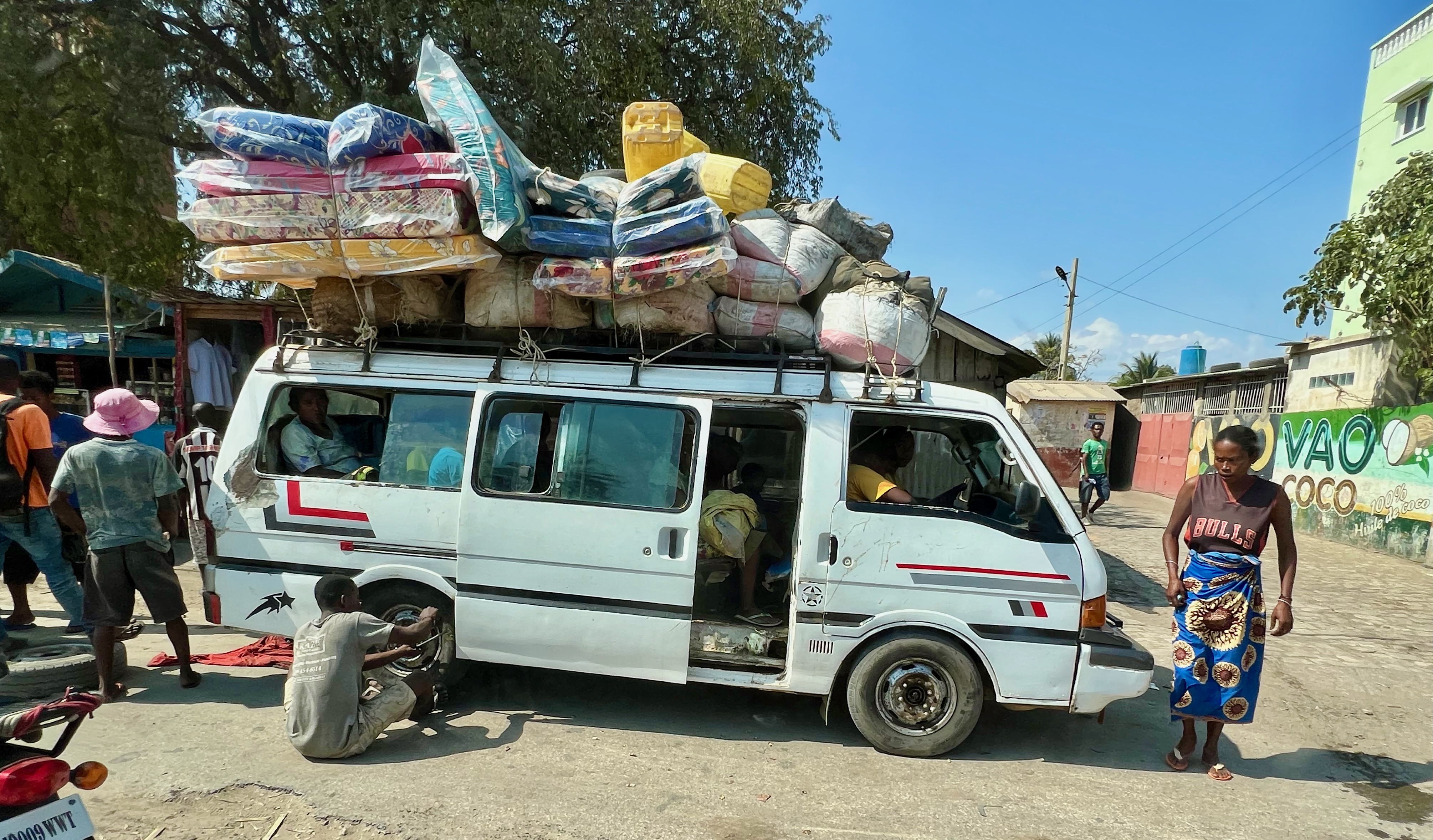
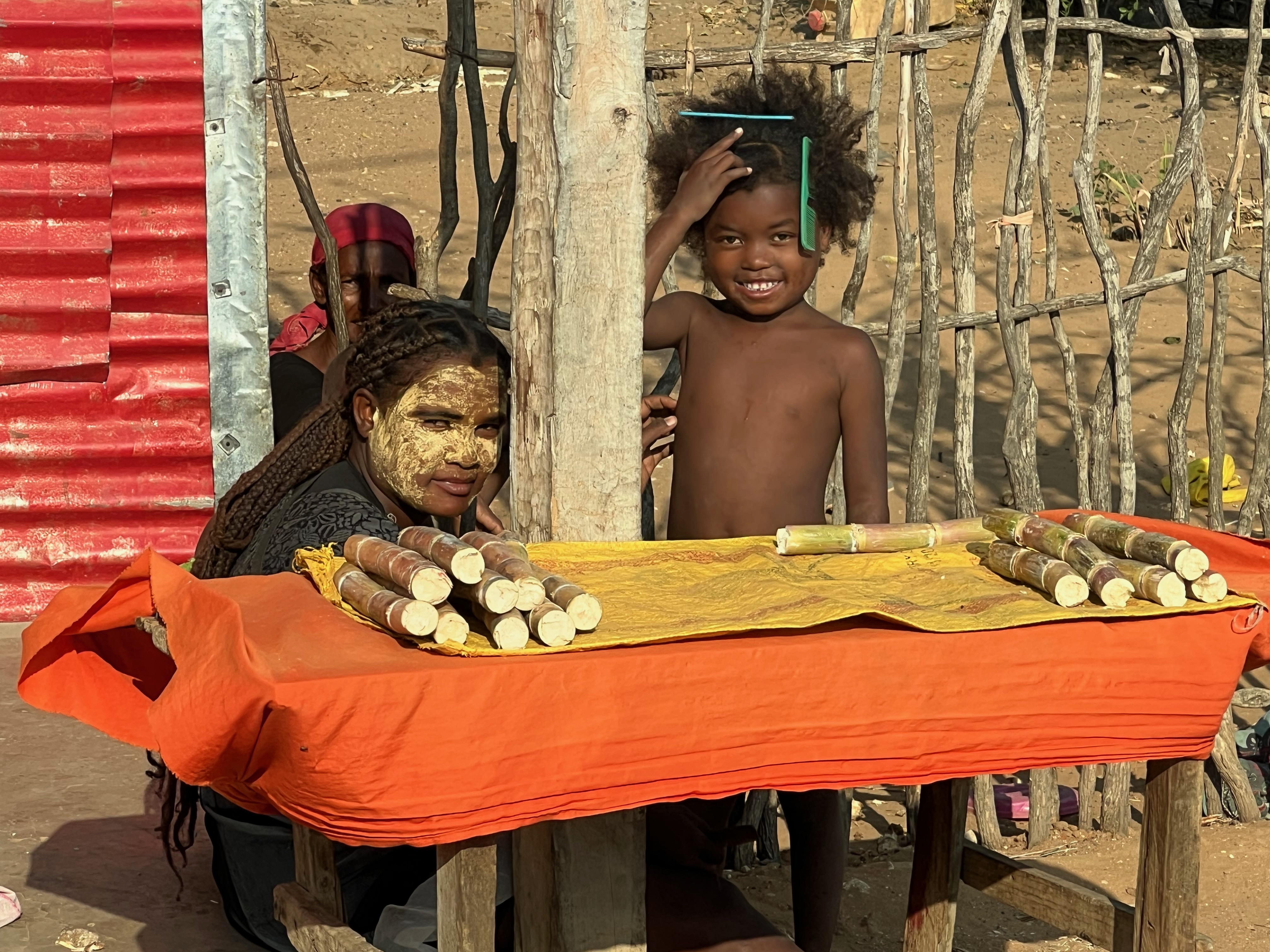
We don’t realise it’s siesta time so lunch is a challenge but, finally, after five days on the road and six days travelling we arrive in Mangily and the Donna Bella, a small beachside hotel where we will meet Karine, our Madagascar country director, and Hiaro, the education coordinator and our two drivers, two vehicles, ready to visit the schools. Which is, after all, the main purpose of the visit. None of this holiday lark!


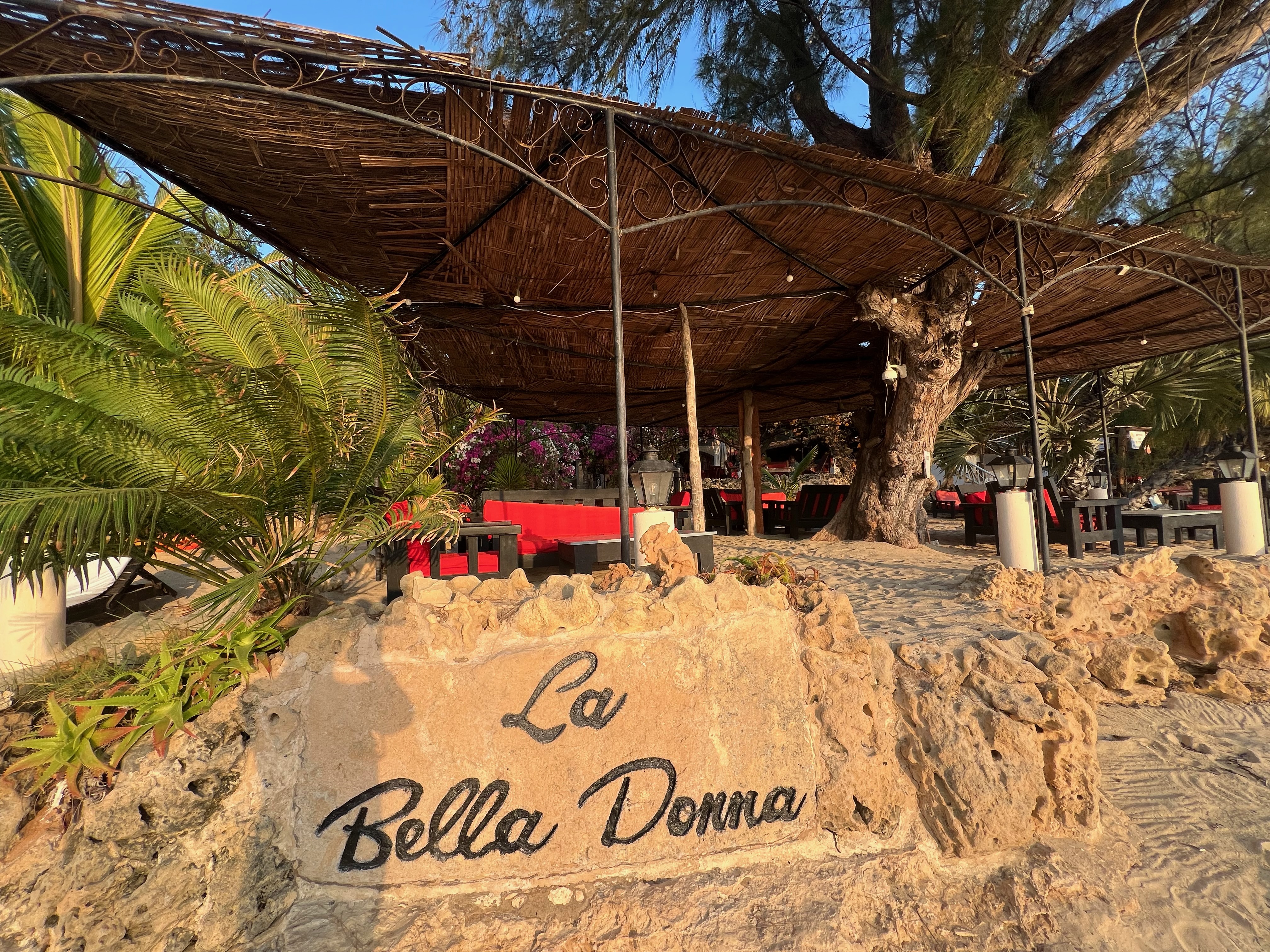
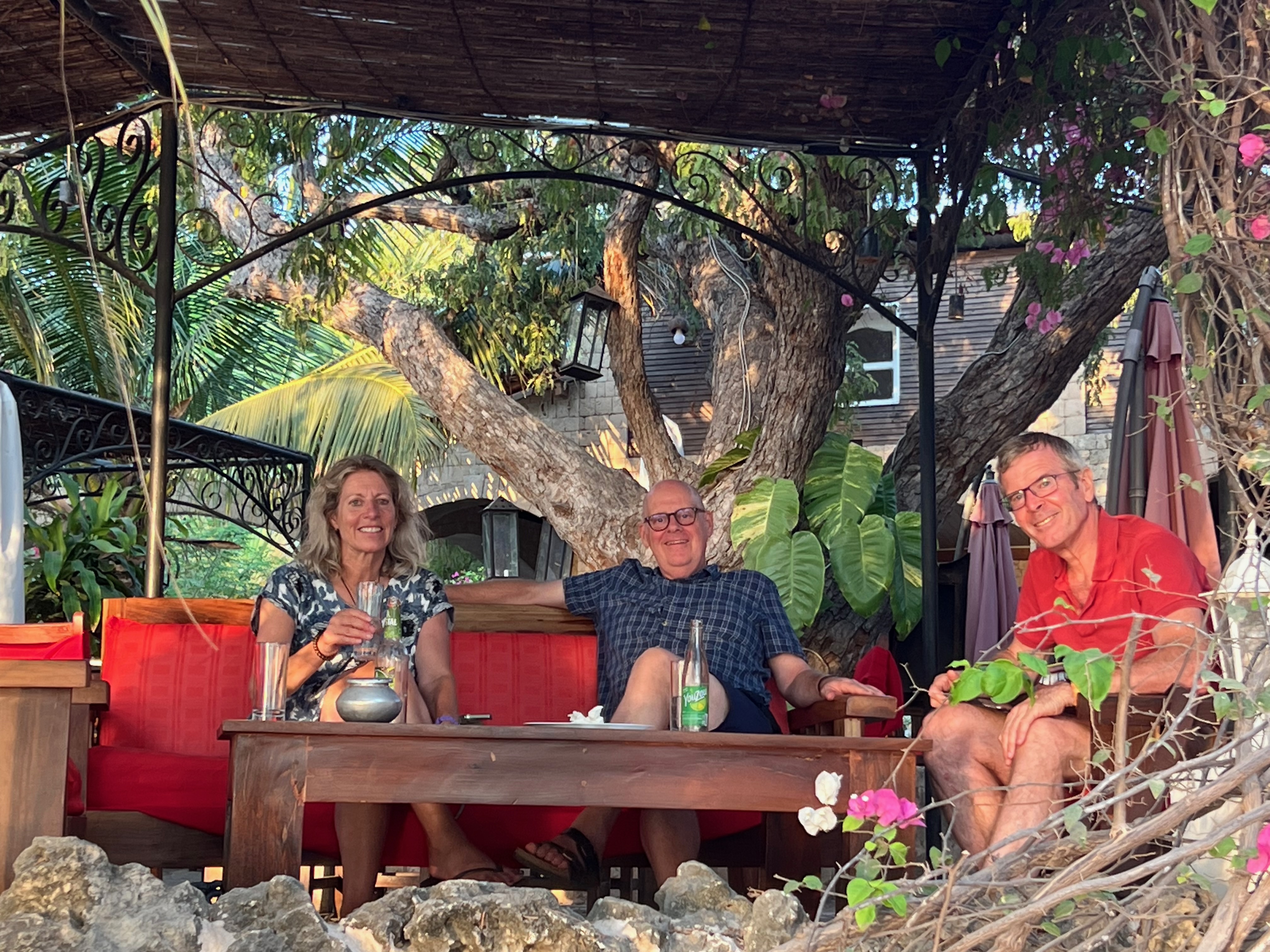
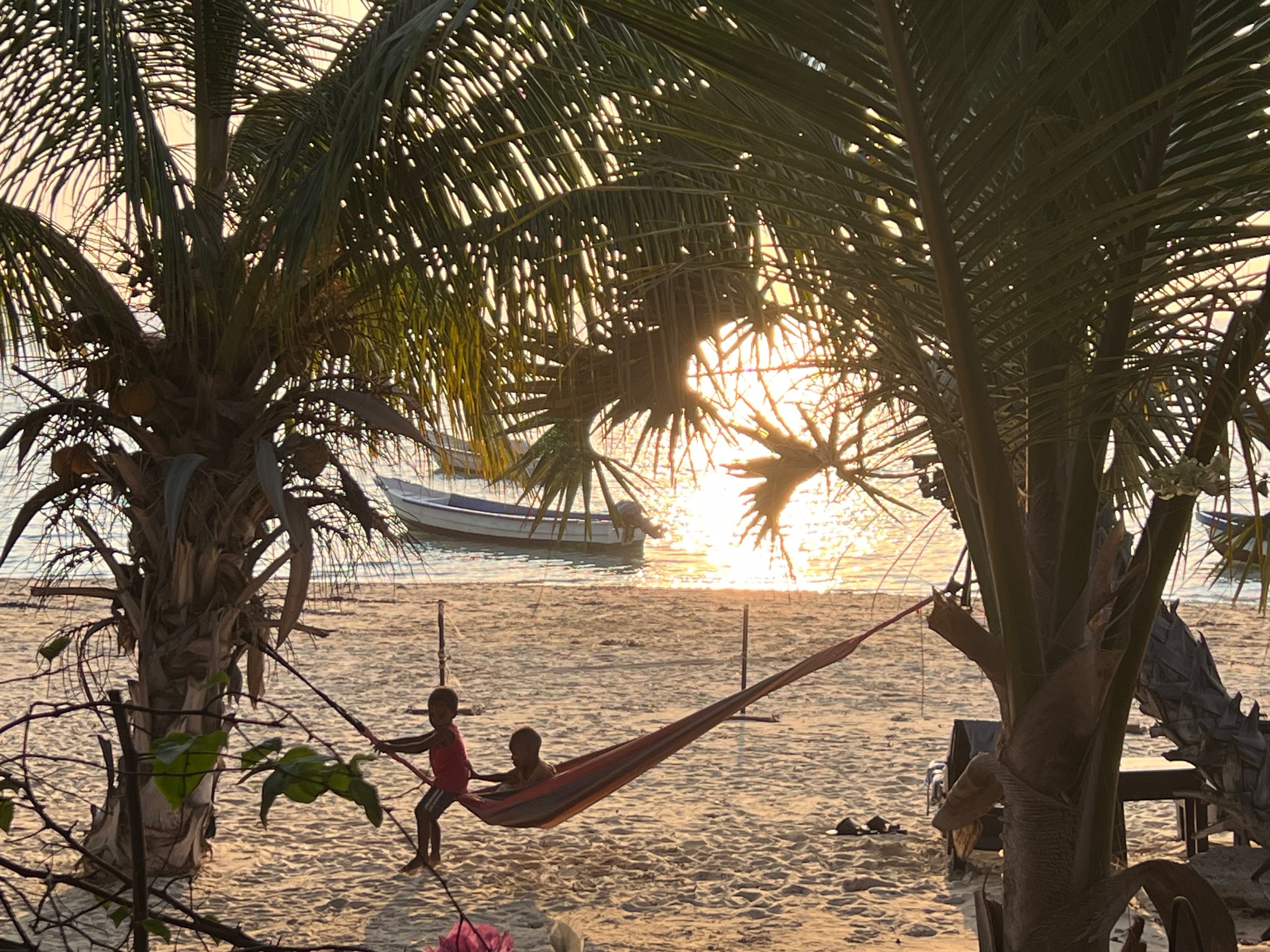


End of part one! Enjoying some beers and the two trustees preparing to work. The rather touristy beach

 vickygoestravelling